Written by your expedition advisors

Chris Commisso · Expedition Expert
Signature Travel Expert
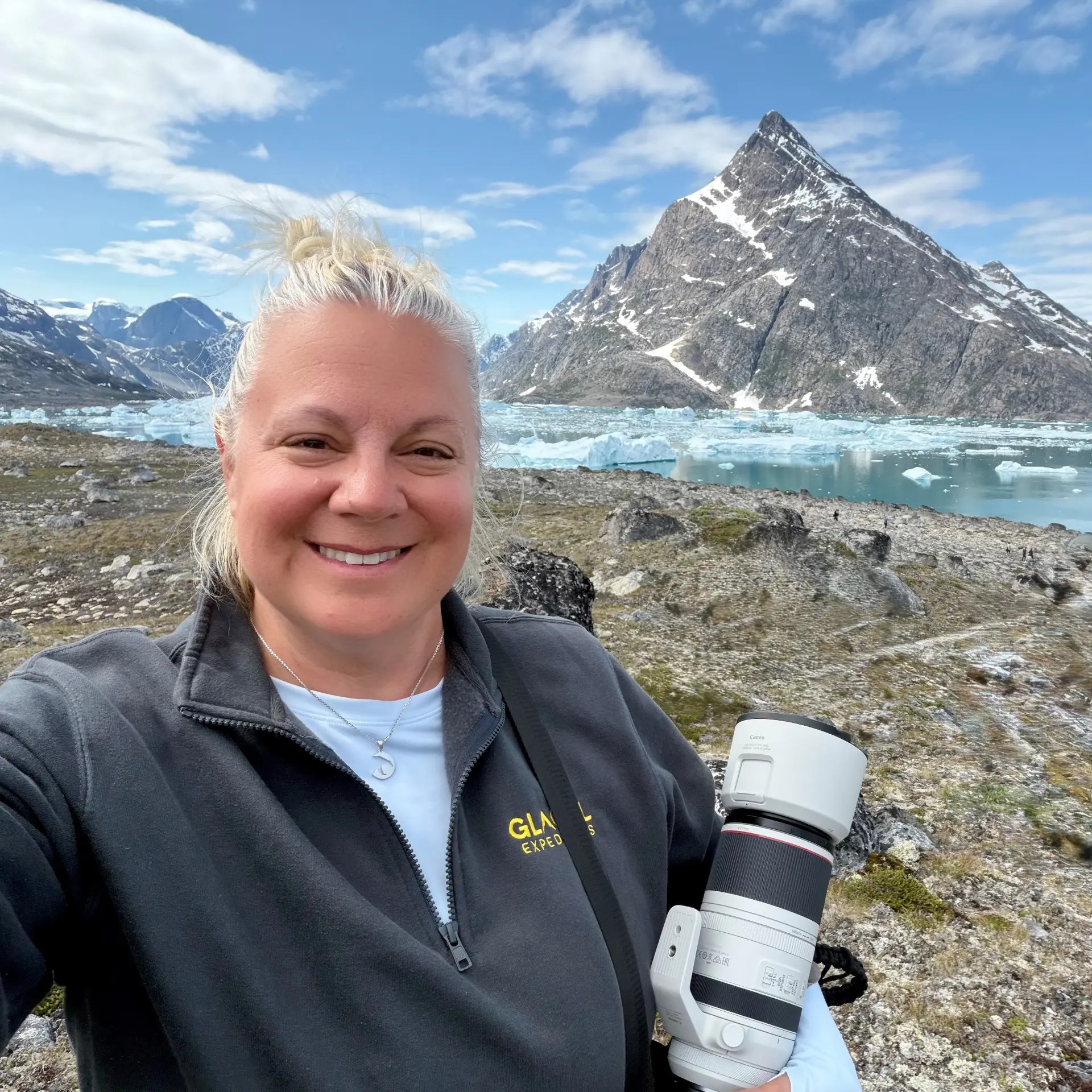
Erika Commisso · Travel Experience Architect
CLIA Elite Cruise Counselor · ASTA Verified Travel Advisor · Signature Travel Expert
Chris and Erika have sailed ten expedition voyages and toured seven more expedition ships. Favorite explorations so far: Antarctica, Svalbard, Greenland, Iceland, Norway, Alaska, the Galápagos, the Scottish Hebrides, Churchill and French Polynesia.
Last updated . Reviewed against 2026-27 operator schedules and IAATO guidance.
You pay the same as booking direct. Here’s how we’re paid.
At a glance
- Season
- November through March, the austral summer
- Typical trip length
- 10-12 days Peninsula; 6-8 days flying the Drake; 18-21+ days including South Georgia
- Departure ports
- Ushuaia, Argentina. Punta Arenas or Puerto Natales, Chile, for fly-cruises
- Drake Passage
- About two days each way, roughly 600 miles. A two-hour flight replaces it
- Typical cost per person
- $9,000-$18,000 Peninsula; $13,400-$24,000+ Weddell Sea; $20,000-$45,000+ luxury and South Georgia
- Ship size that works
- 100-200 guests. IAATO allows only 100 people ashore at one site at a time
- Wildlife
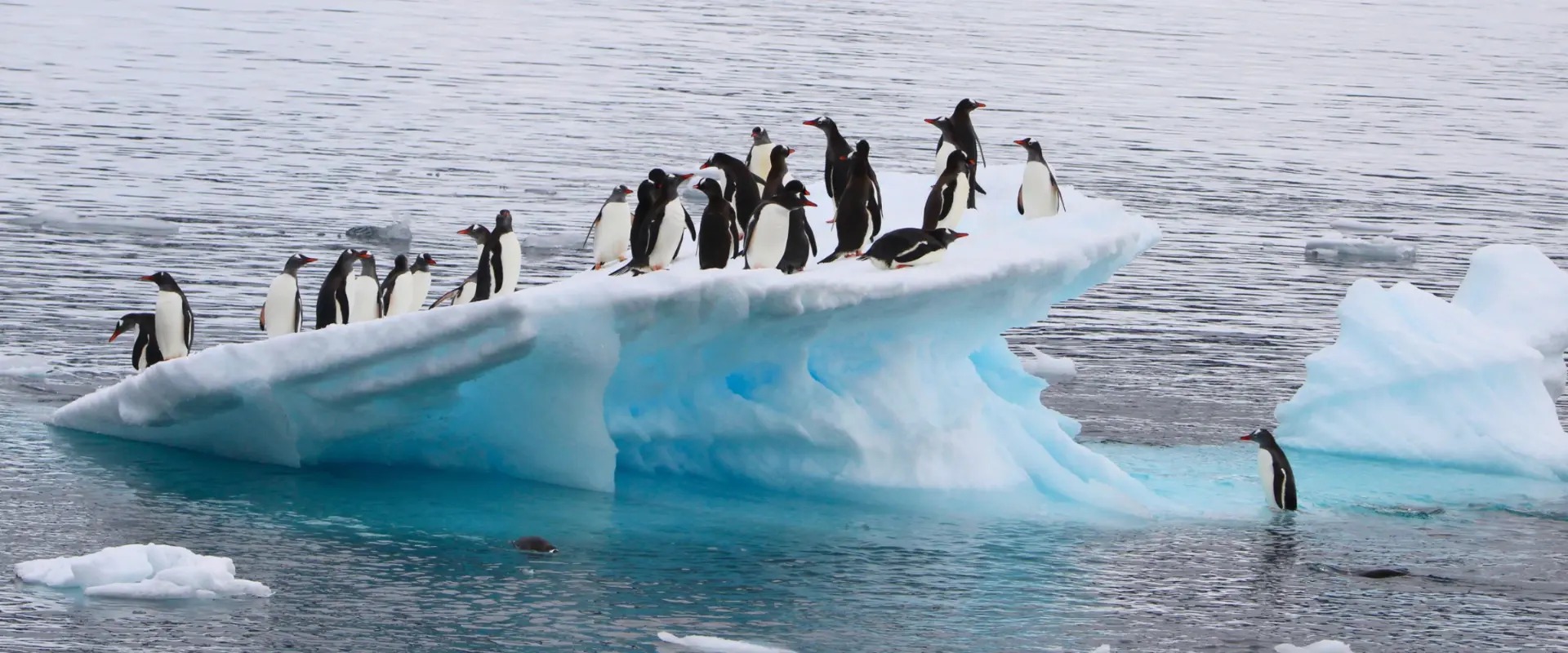
- Gentoo, chinstrap and Adélie penguins; humpback, minke and orca whales; leopard, Weddell, crabeater and elephant seals; albatross and petrels on the Drake
- Emperor penguins
- Weddell Sea only, usually Snow Hill Island by helicopter, November to early December
- Book ahead
- 12-18 months for peak dates, solo cabins and preferred categories
- Physical demand
- Moderate. You must step from a gangway into a moving Zodiac and walk on uneven snow and rock
What Is an Antarctica Expedition Cruise?
An Antarctica expedition cruise is a small-ship voyage, typically 10 to 12 days, sailing from Ushuaia, Argentina across the Drake Passage to the Antarctic Peninsula. Ships carry 100 to 200 guests rather than thousands, and the route is set by ice and weather rather than a fixed schedule. Days are spent on Zodiac landings among penguin colonies, glaciers and whales, guided by naturalists, not on sea-day entertainment.
The ship is your hotel, your transport and your base of operations, all at once. There is nothing ashore to check into and nowhere to go independently, so everything about the trip — when you wake, where you land, whether you land at all — is decided by the vessel and the people running it. That is the honest difference between an expedition cruise and a cruise.
It also means there is no itinerary in the ordinary sense. What an operator publishes is an intention. The expedition team reads ice charts and wind forecasts each evening and rewrites the next day accordingly, and a good team does this without fuss. We tell clients to read a published route as a description of the kind of trip they will have, not a list of promises. The best day of most voyages was not on the plan.
Almost every voyage works the Antarctic Peninsula, the arm of the continent reaching toward South America, where the weather is mildest and the wildlife densest. Longer sailings add the Falklands and South Georgia. A small number reach the Ross Sea from New Zealand or Australia, which is a three-week commitment of a different order.
Two places come up in nearly every conversation. Port Lockroy, a restored British base on Goudier Island, is the southernmost post office in the world and takes visits only from ships carrying fewer than 250 passengers — one more reason ship size shapes what you actually see. And the Lemaire Channel, seven miles long and barely a mile wide between sheer cliffs, is the passage everyone photographs and the first thing the bridge will close if the ice packs in.
When Is the Best Time to Visit Antarctica?
The Antarctic season runs November through March, and each month is a different trip. November brings untouched snow and penguin courtship. December brings nearly 24 hours of daylight. January is peak wildlife activity with chicks hatching. February is when whales take over. March brings the season's best whale watching, dramatic low light, and the fewest ships.
November
A pristine beginning
Snow and ice at their most untouched. Penguins begin courtship and seabirds are highly active. You feel like one of the first to arrive. Also the window for Snow Hill emperors.
December
Peak polar summer
Nearly 24 hours of daylight. Glaciers gleam, weather is relatively mild, colonies are bustling and eggs begin hatching. One of the most popular and priciest months.
January
Wildlife at its most active
Chicks hatch in full force and parents are busy feeding. Snow melts at lower elevations to reveal rocky beaches. Seal pups may be visible. Dynamic, nonstop days.
February
Whales take the stage
Humpback, minke and orca become the stars. Sea ice has retreated so ships reach further south. Chicks begin to molt. Calm water for Zodiac cruising and kayaking.
March
A quiet finale
Whale sightings peak and daylight shortens into dramatic sunrises and sunsets. Chicks nearly grown, seabirds preparing to migrate. Fewer ships operating, a more exclusive feel.
There is no bad month in Antarctica, only a trade you make consciously. Photographers usually want November or March, when the light stays low and long and the snow has either just fallen or is dissolving into shapes nobody planned. Travelers whose priority is animal behaviour want January, when chicks are hatching and the colonies are chaos, or February and March, when the whales have arrived in numbers and the water is often calm enough to sit still and listen to them breathe.
Anyone who wants fewer ships in the same bay should look at the bookends. Early November and late March carry the smallest fleet, the coldest air, and the least competition for landing slots, which matters more than people expect on a coastline where only one ship may occupy a site at a time.
South Georgia is the exception to all of this. Voyages that include it skew October to December, because that is when the king penguin colonies are at their fullest and elephant seals are hauled out and breeding. If South Georgia is your reason for going, the calendar makes the decision for you.
We go through this month by month with clients before we talk about ships, because the month narrows the operator list faster than any other question. A fuller breakdown lives in our Antarctica month by month guide.
How Much Does an Antarctica Cruise Cost?
Most travelers spend $9,000 to $18,000 per person for a 10 to 12 day Antarctic Peninsula voyage, including the cruise, expedition gear and onboard meals. Weddell Sea and emperor penguin voyages start around $13,400 and run past $24,000. Luxury ships, suites and South Georgia itineraries reach $20,000 to $45,000 or more. Add roughly $1,500 to $3,000 for flights to Ushuaia, plus pre-cruise hotel nights and insurance.
| Factor | What it means | Typical impact |
|---|---|---|
| Itinerary length | 10-12 day Peninsula versus 18-21+ days adding South Georgia and the Falklands | Roughly doubles the fare |
| Ship class and cabin | Expedition-standard porthole versus a balcony suite on a luxury vessel | 2x to 4x within the same sailing |
| Drake versus fly | Two days at sea each way, or a two-hour charter flight to King George Island | Adds meaningfully to the fare; saves about four days |
| Specialised ice work | Weddell Sea voyages need ice-class vessels and, for Snow Hill, helicopter operations | $13,400-$24,000+ starting range |
| Season timing | Late December and January are peak; November and March are shoulder | Meaningful swing on the same cabin |
| Optional activities | Kayaking, camping ashore, mountaineering, submersibles, helicopters | Each priced separately, places capped |
| Single supplement | Solo occupancy on a ship with few dedicated solo cabins | 0% on solo-cabin ships; up to 100% elsewhere |
| Included air and pre-nights | Some fares bundle the South America flight and a pre-cruise hotel night | Real value that is easily missed in a fare comparison |
Ranges are 2026-27 planning estimates and move with season, currency and availability. We quote live fares on specific departures rather than publish numbers that go stale. A fuller breakdown sits in what an Antarctica cruise costs.
The number that trips people up is not the headline fare. It is everything sitting outside it. Two voyages advertised at the same price can differ by thousands once you add the Ushuaia flight, the mandatory pre-cruise hotel night, evacuation insurance that meets the operator's stated limits, gratuities, and the kayaking slot that sold out three days after the season opened.
Fly-cruises carry a premium for a practical reason: charter aircraft are expensive to run to a gravel runway on King George Island, and operators build extra Chilean hotel nights into the package so a weather delay does not simply cancel your trip. You are paying for the time you save and for the buffer that protects it.
Our planning costs you nothing extra. Pricing matches booking direct, with Signature amenities added where they are available, so the comparison you should be making is between voyages rather than between booking channels. When we quote, we quote a specific departure on a specific ship with the extras itemised, which is the only version of the number that is any use to you.
Not sure which price bracket fits what you want out of Antarctica?
That is usually a ten-minute conversation, not a research project.
Should You Cross the Drake Passage or Fly Over It?
Sailing the Drake takes about two days each way and is part of the classic Antarctic experience, with albatross following the ship and two days of naturalist lectures before you arrive. Fly-cruise itineraries replace it with a roughly two-hour flight to King George Island, cutting the trip to 6 to 8 days but costing more and carrying real weather-delay risk. If seasickness is a serious concern or your time is tight, fly. Otherwise most of our clients are glad they sailed.
| Sail the Drake | Fly the Drake | |
|---|---|---|
| Time required | 10-12 days minimum, up to 24 for long itineraries | 6-8 days typical |
| Relative cost | Baseline, and generally more affordable | Significantly higher: charter flights plus Chile hotel nights |
| Sea conditions | From flat “Drake Lake” to a “Drake Shake” of 7-8 m swells, occasionally 30-40 ft | Avoids the worst; the King George Island to Peninsula leg can still be rough for a night |
| Delay risk | Low. Ships rarely cancel, though rough seas can extend the crossing | Real. Charter flights are highly weather-dependent |
| Lecture programme | Two full days of naturalist, geology, history and photography sessions each way | Substantially shortened |
| Birding | Giant albatross, petrels, and Beagle Channel sightings on departure | Bypassed entirely |
| Choice of ships | Widest: most operators sail the Drake | Limited to operators running charters |
| Best suited to | The seafaring explorer: time to spare, birders, first-timers who want the full arc | The time-conscious comfort seeker: tight schedules, severe motion sensitivity, repeat visitors |
The Drake is what people worry about beforehand and talk about afterward. Naval architecture has responded to it directly: X-Bow hulls on vessels from Aurora, Quark and Lindblad slice into a swell instead of slamming down onto it, and large stabilisers on ships from Scenic, Seabourn and Silversea damp the roll that makes people miserable.
There are three things you can control. Choose a cabin mid-ship and, if you can, one with a window or balcony, because a horizon helps and the middle of the ship moves least. Start medication before symptoms begin rather than after, which is the single most common mistake we see. And budget, mentally, for losing part of one day; most people do, most people are fine by dinner, and almost nobody remembers it a week later.
Antarctica21 pioneered the air-cruise out of Punta Arenas, and Lindblad, Quark and Silversea now run their own versions. The trade is honest: you save about four days and skip the crossing, but King George Island's runway is weather-dependent and a delay eats directly into ship days. That is exactly why these packages include flexible windows and extra hotel nights. Both sides of the argument are laid out in Drake Passage: sail or fly.
Which Antarctica Itinerary Should You Choose?
Classic Antarctic Peninsula voyages of 10 to 12 days suit most first-time travelers. Fly-the-Drake itineraries compress the same coastline into 6 to 8 days. Antarctic Circle crossings of 13 to 14 days push south of 66° into rarely visited areas. Weddell Sea routes of 12 to 14 days trade predictability for tabular icebergs and history. South Georgia and Falklands voyages of 18 to 21+ days are the comprehensive wildlife expedition.
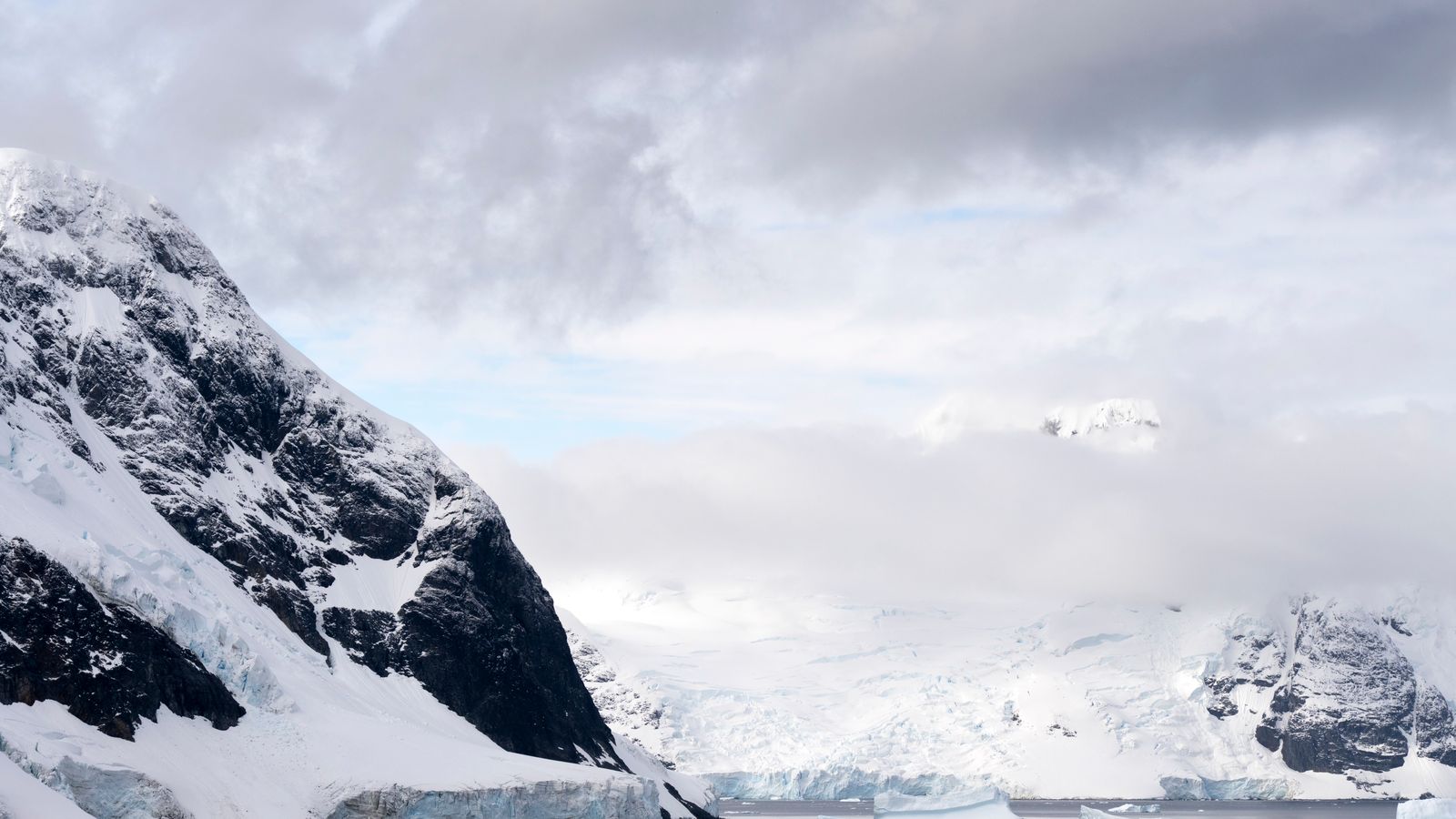
10-12 days
Classic Antarctic Peninsula
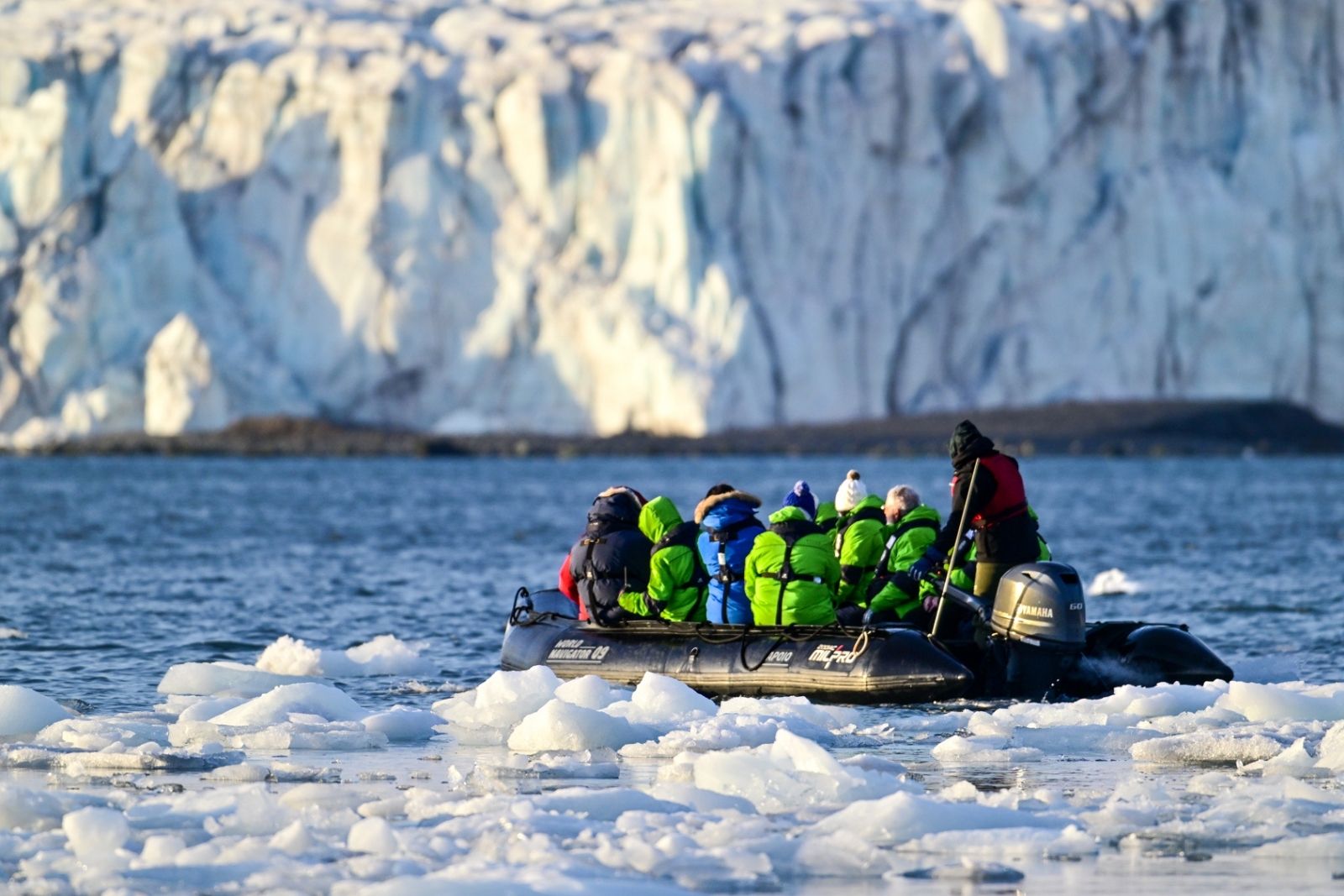
The classic introduction. Sail the Drake, then several days among glaciers, penguin colonies and ice-filled channels.
Best for: First-timers, travelers short on time, anyone wanting the highlights without a three-week commitment.
6-8 days
Fly the Drake
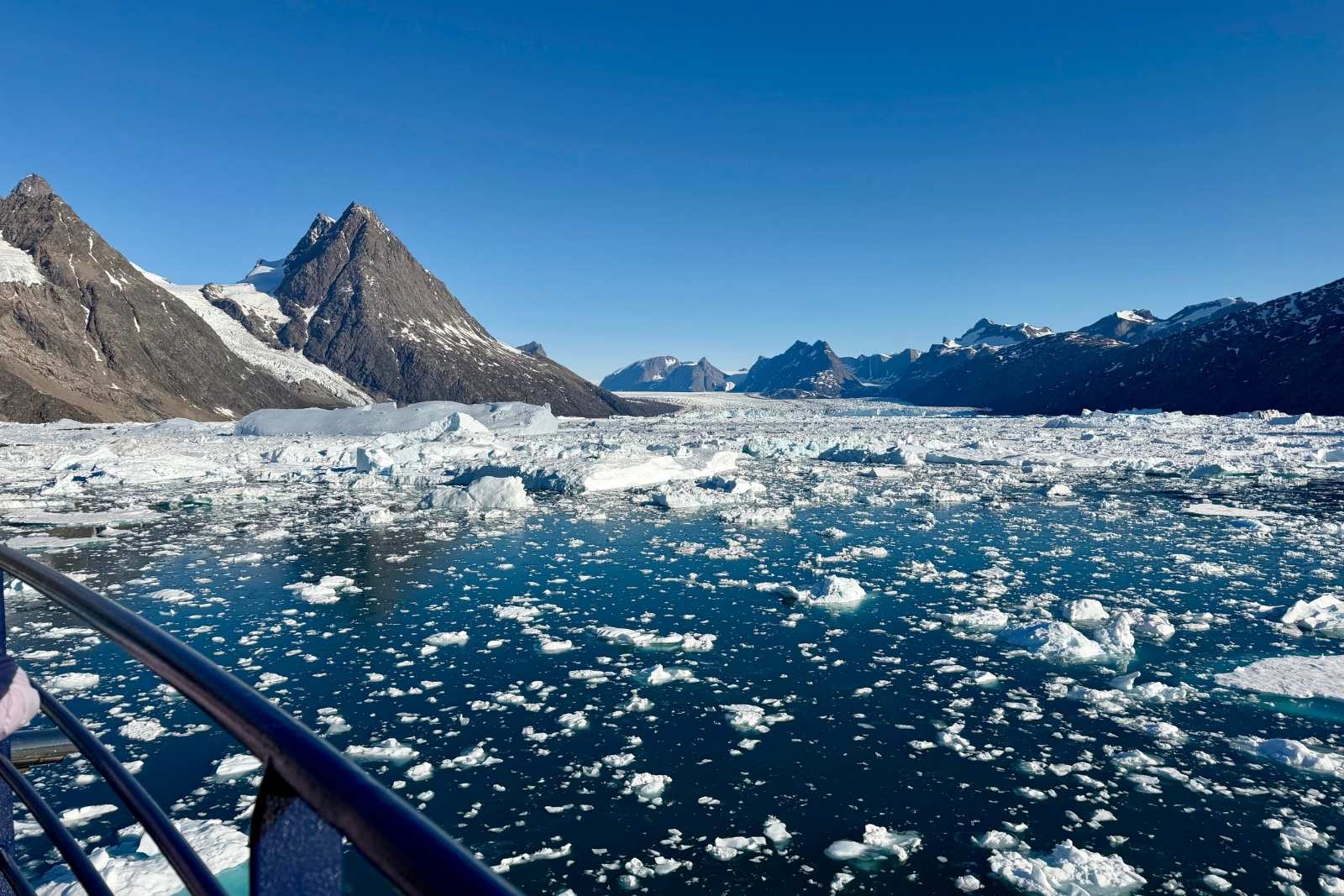
Fly between Chile and King George Island in one or both directions, then sail the Peninsula. Same landings, four fewer days.
Best for: Tight schedules and travelers with real motion sensitivity.
13-14 days
Crossing the Antarctic Circle
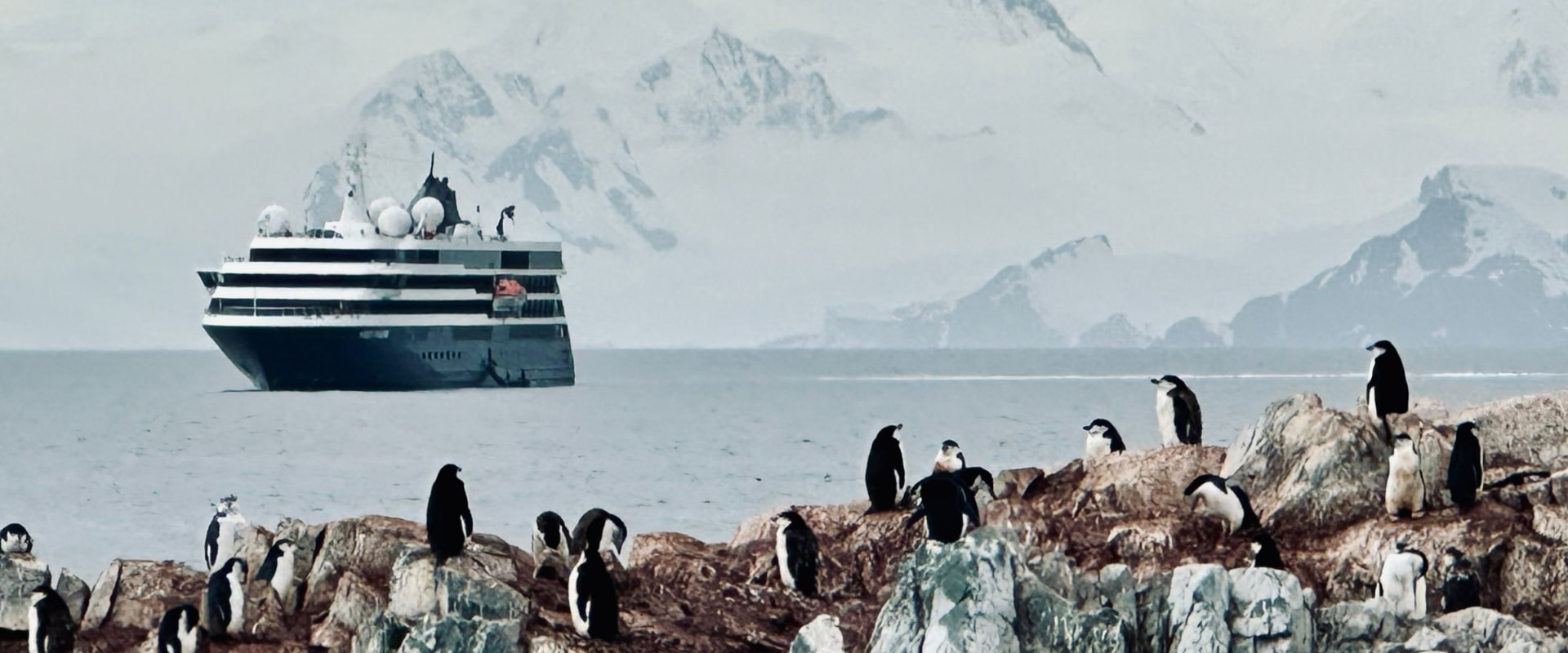
A step beyond the standard route, venturing south of 66° into remote and rarely visited waters.
Best for: Adventurers who want to go further than most, for more ice and more remoteness.
12-14 days
The Weddell Sea
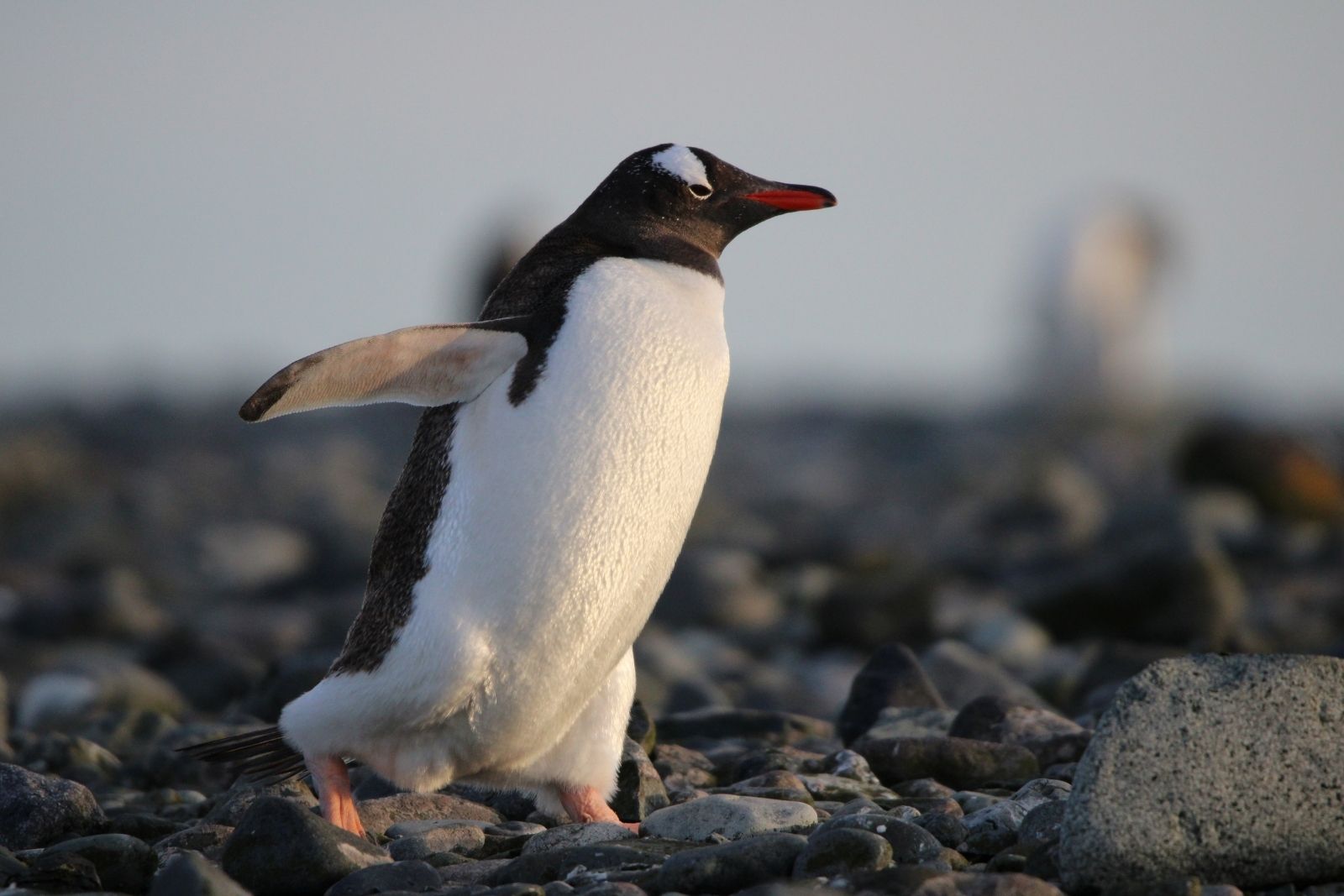
Less visited, dominated by tabular icebergs miles long, and the graveyard of Shackleton's Endurance. Emperor access on select departures.
Best for: Off-the-beaten-path travelers focused on ice, silence and history.
18-21+ days
South Georgia & the Falklands
The Serengeti of the Southern Ocean: hundreds of thousands of king penguins, elephant seals, and Shackleton's grave at Grytviken. Add the Falklands for history and birdlife.
Best for: Wildlife lovers and photographers wanting the comprehensive expedition.
Most people should start with the classic Peninsula voyage and stop reading the brochures for the longer ones. It contains almost everything that makes Antarctica extraordinary, at the length most travelers can actually take off work, and it is the itinerary the largest number of ships sail, which means the widest choice of vessel, cabin and price. The exotic routes are better second trips than first ones.
The exception is the traveler with a specific obsession. If you have wanted to stand among a hundred thousand king penguins since you were a child, no Peninsula voyage will substitute for South Georgia, and you should plan three weeks. If Shackleton is the reason you are going, the Weddell Sea and Grytviken are the trip. And if you simply cannot be away for two weeks, the fly-cruise exists precisely for you. A full itinerary comparison sits in the planning guides below.
How Do You See Emperor Penguins in Antarctica?
Emperor penguins are not coastal birds and are not seen on standard Peninsula voyages. Reaching them means a dedicated Weddell Sea expedition on an ice-strengthened vessel, usually with a helicopter transfer from the ship to the sea ice at the Snow Hill Island colony. The window is narrow, roughly November to early December, when the ice is stable enough to land on but soft enough for ships to penetrate. Rates start around $13,400 and run past $24,000.
The Weddell Sea is a geographic fortress. The Filchner-Ronne Ice Shelf closes its southern edge and a slow clockwise gyre keeps multi-year pack ice circulating inside it, which is why so few ships go and why Shackleton's Endurance was crushed there rather than anywhere else. That difficulty is now the appeal. As visitor quotas tighten at the busiest South Shetland sites, the Weddell remains an open frontier, and second-time polar travelers increasingly choose it over the Peninsula they have already seen.
The gateway is the Antarctic Sound, nicknamed Iceberg Alley, where tabular icebergs calved from the ice shelves drift north on the current. Tabular bergs are flat-topped and sometimes miles long, with sheer walls that dwarf the ship, and moving among them feels like passing through a silent frozen city rather than looking at scenery. The water in this part of the Southern Ocean is among the clearest ever measured anywhere in the world's oceans.
Be clear-eyed about what you are buying. Weddell itineraries are suggestions and the ice makes the rules. Ice-strengthened vessels and helicopter operations allow far more consistent attempts than a decade ago, but you are paying for a crew with the expertise and the fuel to pivot when a lead closes overnight, not for a guarantee of standing beside an emperor colony. Anyone who cannot accept that should book the Peninsula and enjoy it. We would rather say so now than after your deposit clears.
Which Antarctica Expedition Ship Is Right for You?
Ship size decides the trip. Vessels carrying up to about 200 guests can put everyone ashore under the 100-person landing limit, while larger ships stagger groups, spend longer at each site, and visit fewer of them. Larger ships also navigate narrow channels and small bays less easily. Ice class, hull design, stabilisers and the guide-to-guest ratio matter more than cabin décor.
| Operator | Typical guest count | Character | Standout strength | Best for |
|---|---|---|---|---|
| Lindblad-National Geographic | 100-150 | Small-ship pioneers since 1966 | Expedition teams and education; X-Bow vessels Endurance and Resolution | Travelers who want to learn as much as see |
| Quark Expeditions | 130-200 | Polar-only pioneer | Ships optimised for polar work, from Ocean Adventurer to Ultramarine | Active travelers; kayakers and campers |
| Aurora Expeditions | ~130 | Australian, informal, genuinely expeditionary | Small groups on Greg Mortimer and Sylvia Earle; broad activity list | Kayaking, snorkelling, snowshoeing, camping, climbing |
| Oceanwide Expeditions | 100-170 | Polar-only, three decades in | Intimate small-ship journeys and basecamp-style voyages | Active exploration on a value footing |
| HX | 250-500 | Norwegian, science and sustainability focus | Inclusive packages; camping and snowshoeing; 20+ years in Antarctica | Value-conscious travelers who care about footprint |
| Ponant | 180-260 | French, design-led | High-end vessels including the icebreaker Le Commandant Charcot | Deep-ice itineraries with comfort |
| Silversea | 140-270 | Luxury with a real expedition team | Both traditional sailings and fly-cruises; Silver Endeavour and Silver Cloud | Luxury travelers making a first polar trip |
| Scenic | 200-230 | Ultra-luxury discovery yacht | Scenic Eclipse, Polar Class 6, all-suite, optional helicopter and submersible | Travelers who will not compromise on the ship |
| Antarctica21 | 70-100 | Air-cruise pioneer, based in Punta Arenas | Classic, Express and Polar Circle air-cruises | Anyone flying the Drake |
| Poseidon Expeditions | 110-130 | Expedition-focused, North Pole heritage | Small-ship polar specialisation | Repeat polar travelers |
Guest counts vary by vessel within each fleet and by season; figures are typical ranges for Antarctic sailings. IAATO permits a maximum of 100 people ashore at one landing site at a time, so ships above roughly 200 guests rotate groups and ships above roughly 500 cannot land passengers at all. More on each operator in expedition cruise lines, and the vessels we have been aboard in ships we've sailed, including our review of HX's Roald Amundsen and Atlas Ocean Voyages' World Navigator.
At the smaller end, a ship of roughly 130 guests gets everyone ashore fastest, reaches tighter landing sites, and can slip into bays that a larger vessel will look at from a distance. In the middle, 150 to 200 guests buys more public space, better stabilisation in the Drake, and usually a wider activity programme, at the cost of a little of that immediacy. Above roughly 200, you begin rotating in groups, and above roughly 500 the ship cannot land you at all.
Chris and Erika have sailed on ten ships and toured seven more. That is the basis on which we compare cabins, deck layouts and expedition teams, rather than reading brochure copy back to you — and it is also why we will tell you when the ship you have your eye on is wrong for what you have described. You can see the fleet on ships we've sailed and the operator profiles on expedition cruise lines.
What Wildlife Will You Actually See in Antarctica?
Gentoo, chinstrap and Adélie penguins are near-certain on any Peninsula voyage. Humpback and minke whales become common from January onward as krill concentrate, with orca less predictable. Leopard, Weddell, crabeater and elephant seals are regular sightings on Zodiac cruises. Albatross and petrels follow the ship across the Drake. Emperors require a Weddell Sea voyage; king penguins mean South Georgia.
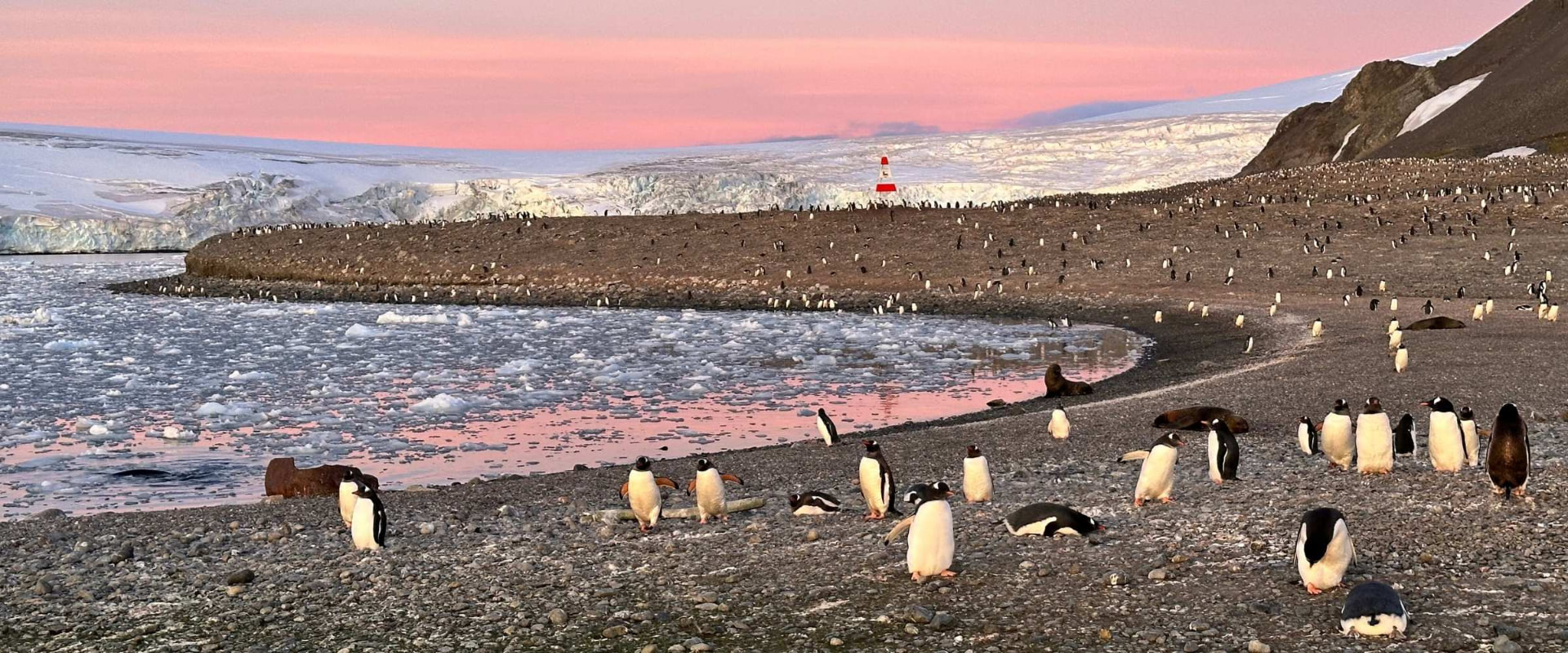
Gentoo penguins
The most widely seen penguin on the Peninsula, nesting on bare rock close to shore.
Chinstrap and Adélie
Chinstraps favour steep exposed slopes; Adélies stay closer to sea ice further south.
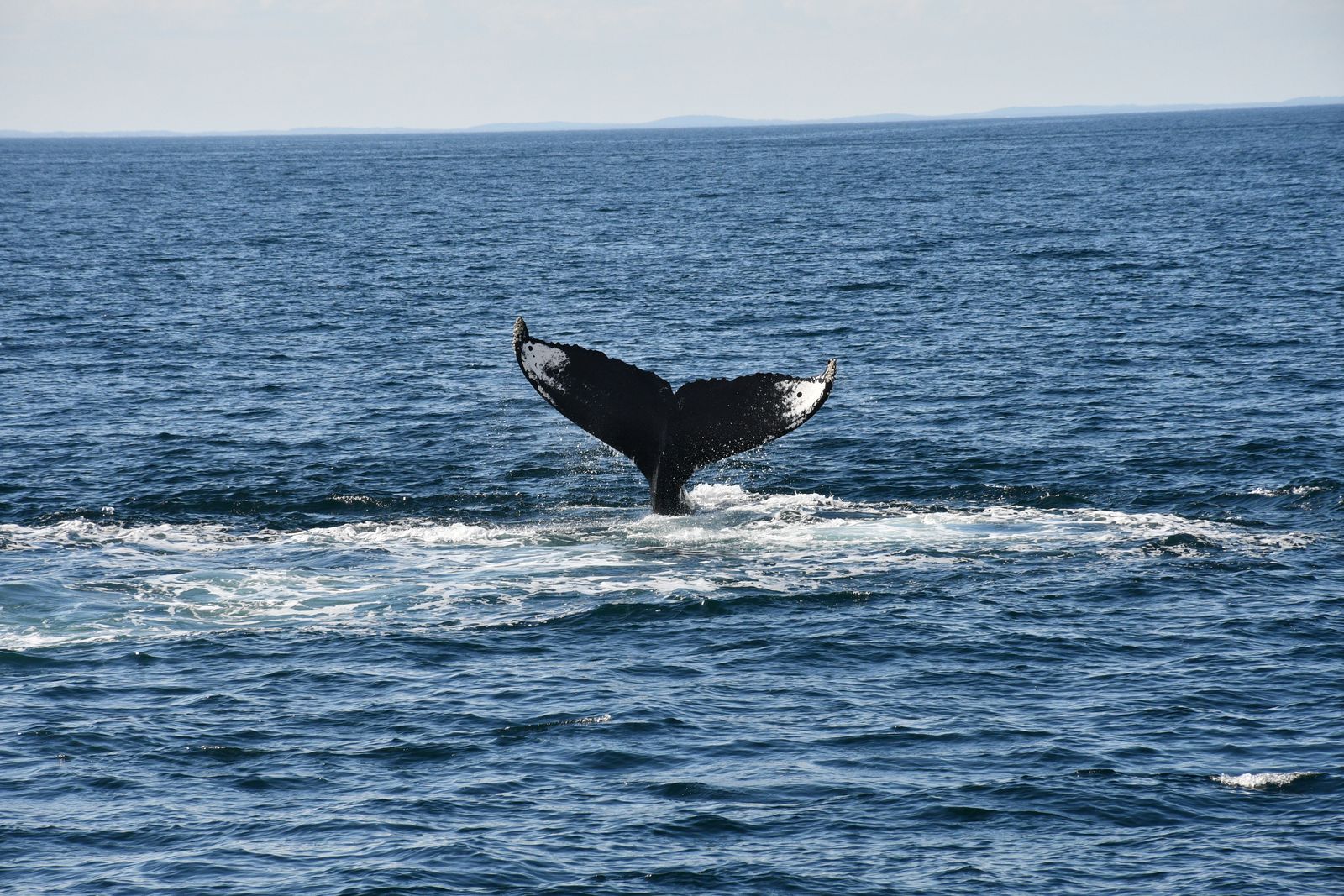
Humpback and minke whales
Numbers build from January as krill concentrate, often visible from the deck.
Leopard and crabeater seals
Usually seen hauled out on floes during Zodiac cruises rather than on land.
Seabirds of the Drake
Giant albatross, petrels and skuas follow the ship. The Beagle Channel adds Black-Browed Albatross, Imperial Cormorants, Magellanic penguins and dusky dolphins on departure.
King penguins
Not on the Peninsula. These belong to South Georgia, which is why the longer voyage exists.

IAATO rules keep visitors at a minimum distance from wildlife, but nobody has explained this to the penguins. A gentoo walking its own path between the colony and the water will pass closer to you than any rule permits you to approach it, and the correct response is to stand still and let it. Those moments are the ones people describe when they get home.
Antarctic animals evolved without land predators, so they are indifferent rather than tame. The distinction matters, and it is exactly why the rules exist: an animal that does not flee is not an animal that consents. Keeping distance, staying quiet and giving way is not bureaucratic politeness, it is the reason the colonies are still there.
Timing changes your odds far more than the ship does. Whales build through the season and peak late; chicks hatch in January; seals are on the floes throughout. Our Antarctica wildlife guide breaks the calendar down species by species.
What Is a Day on an Antarctic Expedition Actually Like?
A typical day includes two outings, usually a morning landing and an afternoon Zodiac cruise, with the schedule set by ice, wind and wildlife rather than a printed timetable. Between outings there are naturalist lectures, photography coaching and time on deck. Dress is casual throughout. Expect to be woken by an announcement that whales are alongside, and to be glad you got up.
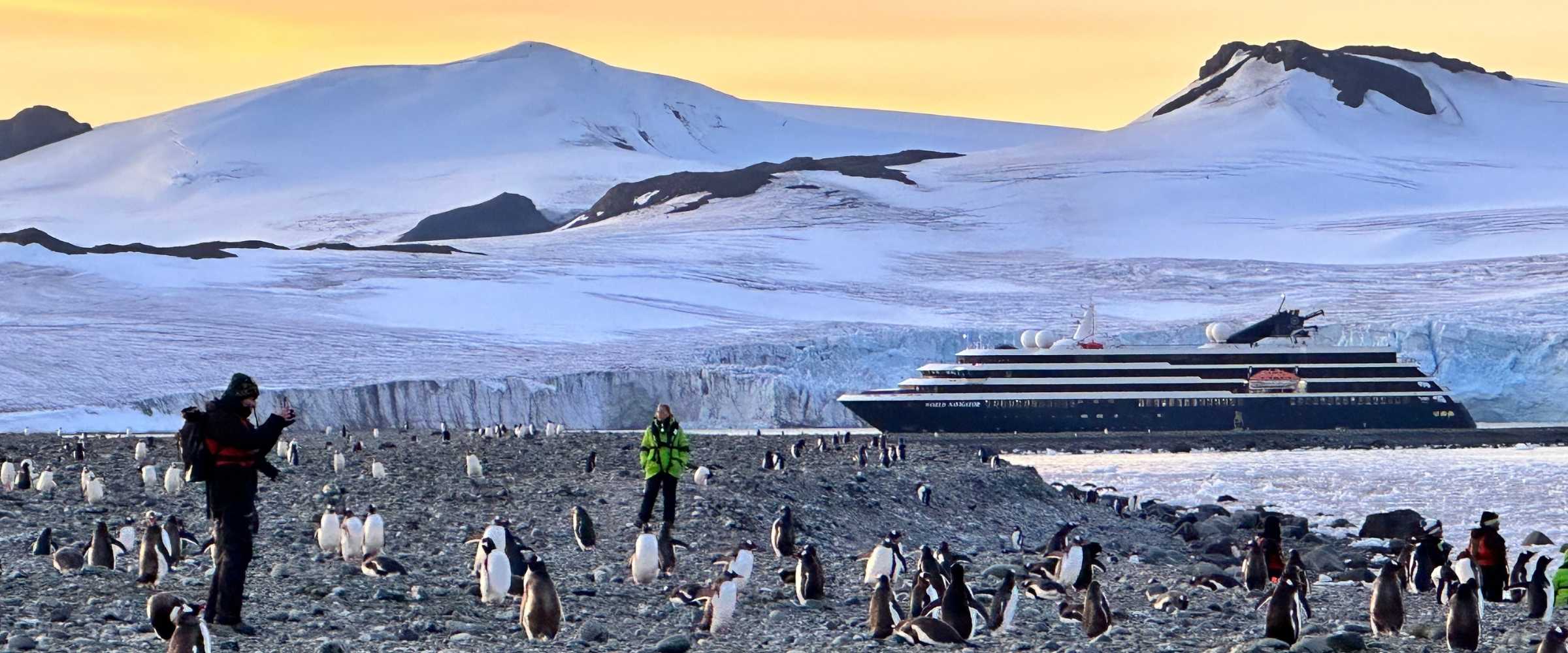
You dress in the ship's mudroom, a room of numbered hooks and drying boots that becomes oddly companionable by day three. From there you step down a gangway at sea level into a Zodiac and you are ashore in about ten minutes. Landings are on rock, snow or shingle. There are no piers and no dry way to arrive, which is why waterproof boots are loaned by nearly every operator and why the parka usually becomes yours to keep.
Before the first landing everyone vacuums their outer layers in a biosecurity briefing. It feels absurd, standing in a queue with a nozzle in the velcro of your jacket, until someone explains what a single seed carried in from Patagonia can do to an ecosystem that has no defences against it. After that, nobody complains.
Between outings the ship keeps moving, and so does the plan. A captain will change course mid-afternoon because a channel has opened or because whales are feeding two miles off, and the lecture programme rearranges itself around that without apology. Dress is casual all week; there is no formal night and no dress code beyond dry socks.
Ten ways to experience Antarctica up close.
An Antarctic expedition is not scenic cruising. Almost everything that makes the trip memorable happens off the ship, or in the hour before you get on a Zodiac. These are the ten ways guests actually spend their days, in roughly the order you are likely to meet them:
Zodiac cruising
Small inflatable boats run alongside icebergs, into narrow channels and close to seals hauled out on the floes. Every voyage does this, usually daily. More on Zodiac cruising.
Shore landings
Stepping onto rock, snow or shingle beside a penguin colony, a historic hut or a working station. Wet landings, no piers. See shore landings.
Sea kayaking
Quieter and at penguin eye level. Places are capped and sell out early, so reserve when you book the cabin. See sea kayaking.
The polar plunge
A supervised jump into near-freezing water, tethered and brief. Optional, and offered by most operators at least once. See the polar plunge.
Camping on the ice
A night ashore in a bivvy sack, returning before breakfast. Limited, weather-dependent, November to January. Full detail in our Antarctic camping guide.
Hiking and trekking
From flat shoreline walks to snowy ridge climbs for the view, graded by site and by ship. See hiking and snowshoeing.
Snowshoeing
Offered on select ships, and the way to reach ground that ordinary boots cannot manage. Usually a capped activity like kayaking.
Photography programmes
Many expeditions carry professional photographers who run coaching sessions and join you ashore. See photography.
Citizen science
Whale fluke photography, phytoplankton sampling, cloud and seabird observations that feed real databases. See citizen science on ice.
Onboard learning
Lectures on wildlife, ice and history, plus the evening recap where the team explains what you saw and what tomorrow depends on. The ship is a floating classroom.
No ship offers all ten, and the capped activities differ by operator and by departure. Which ones matter to you is one of the first questions we ask, because it narrows the ship list faster than almost anything else. The full activity list across every region sits on experiences.
Can You Camp Overnight in Antarctica?
Yes. Camping is a limited optional excursion offered by operators including HX, Quark, Oceanwide, Atlas and Aurora, generally from November to January when snow is plentiful. You leave after dinner by Zodiac, dig out a flat sleeping platform, and sleep in a bivvy sack under the open sky, returning to the ship before breakfast. Places are capped, so book at the same time as the cruise, and expect cancellations for weather.
Chris's camping track record consists of two memorable attempts - a mild night spent on the ice and a last-minute cancellation due to stormy conditions. Camping runs only when the expedition leader judges conditions safe, and the call often comes the same evening you are meant to go. Flexibility is not a nice-to-have here, it is the price of admission.
Operators supply the technical gear — bivvy sack or tent, a sleeping bag rated for polar temperatures, an insulating mat. You bring layers, and this is where people underestimate. Merino thermals and at least two pairs of merino socks matter more than anything expensive, because outer layers come off to get into the bag and what you sleep in is what keeps you warm. A headlamp earns its place on later-season departures, when the night is genuinely dark again.
The environmental protocol is absolute. Under IAATO rules no stoves, fuel or food go ashore beyond emergency rations and medical supplies. Guides demonstrate the portable field toilets before anyone settles in, and every trace of the camp, waste included, returns to the ship. Guides stay ashore with the group all night, in radio contact with the vessel.
Camping is not the only optional activity with capped places. These all need booking at the same time as the cruise, and all of them can be cancelled by weather:
- Sea kayaking
- Snowshoeing and guided glacier walks
- Mountaineering
- The polar plunge
- Dedicated photography programmes
- Submersible dives and helicopter flightseeing, on a few ships
All of these are described in more detail on experiences, and places should be reserved when you book the cabin.
What Is Citizen Science on an Antarctic Expedition?
Citizen science lets guests collect real research data for global institutions during a normal voyage. Programmes include HappyWhale fluke photography for individual whale tracking, FjordPhyto phytoplankton sampling, Secchi disk water-clarity readings, NASA GLOBE cloud observations, eBird seabird surveys and iNaturalist biodiversity mapping. No scientific background is needed; the expedition team trains you on board.
HappyWhale fluke ID
Every whale fluke is as individual as a fingerprint. Your photos feed a global tracking database, and the programme emails you when your whale is sighted again.
FjordPhyto sampling
Water samples from polar fjords track phytoplankton diversity and seasonal change — the literal engine of the Antarctic food web.
Secchi disk readings
Lower a white disk until it disappears. A low-tech, tangible measure of how glacial meltwater is changing ocean conditions.
NASA GLOBE clouds
Satellites look down at the ice; they need observers looking up to ground-truth what they see. Guests log cloud cover and conditions.
eBird seabird surveys
Logging species and counts, primarily during the Drake crossing, maps distribution and population change.
iNaturalist mapping
Photograph mosses, lichens and invertebrates ashore. Verified records become research-grade data. Look down as much as you look up.
Other programmes running on 2026-27 voyages include microplastics shoreline surveys, penguin colony nest counts, snow algae observations that feed melt-rate models, and sea-ice and thermal mapping. Some ships carry visiting scientists collecting whale blow and biopsy samples, and they generally brief guests on what they are trying to learn, which turns a lecture into something closer to a lab meeting.
If this matters to you, it should shape which ship you book rather than being a pleasant surprise once aboard. Look for expedition-class vessels with a dedicated Science Center and a full-time citizen science coordinator: they are built to handle sampling equipment, they have lab bench space, and the coordinator is the person who makes sure your photographs actually reach the database. Most issue a voyage report afterwards summarising what your sailing collected. More detail sits in citizen science on ice.
Is an Antarctica Expedition Right for You?
Antarctica suits travelers who want wildlife and landscape ahead of comfort and entertainment, and who can accept an itinerary that changes without notice. It suits you less if you want guaranteed ports and schedules, need step-free access ashore, or are unwilling to risk two days of open ocean without paying to fly over it.
A good fit if you are
- Drawn to wildlife and landscape more than to comfort and entertainment
- Comfortable stepping in and out of a small boat at sea, with a crew member's hand
- A photographer, birder, or reader of polar history
- Able to accept a plan that changes without notice, sometimes the same morning
- Willing to book a year or more ahead to get the ship you want
Probably not if you
- Want guaranteed schedules, ports and shopping
- Need step-free access ashore — landings are wet, uneven and unpaved
- Are unwilling to risk two days of open ocean and do not want to pay to fly over it
- Are travelling with children who will not sit through a two-hour Zodiac cruise
- Need reliable video calls and uninterrupted work days
We would rather tell you Antarctica is wrong for you now than have you work it out somewhere in the Drake. It is an expensive trip to discover you wanted a different one, and the people who love it are specific: they are content to be cold, patient, and outdoors, and they are not looking for the ship to entertain them.
If the right-hand column above describes you better, that is useful information rather than bad news. The Arctic offers polar bears and Svalbard with shorter flights and calmer water, Greenland pairs enormous ice with living Inuit communities and towns you can walk around, and the Galápagos gives you close-quarters wildlife in warm, flat water with easy landings, Alaska puts glaciers and whales within reach without a passport or an ocean crossing, and Patagonia gives you Cape Horn, glaciers and Torres del Paine from the same gateway ports. We will say so, and we will help you book that instead.
Are Antarctic Expeditions Suitable for Travelers in Their 60s and 70s?
Yes. Most Antarctic expedition travelers are over 50 and many are in their 70s. The physical requirement is moderate: step from a gangway into a moving Zodiac with crew assistance, and walk on uneven snow and rock for 30 to 90 minutes. Landings are always optional, and there are no age limits.
The honest constraints are balance and the gangway step rather than stamina. Cabin position, ship layout and evacuation cover all matter more with age than brochures admit. We work through each of them in Antarctica for older travelers.
How Far in Advance Should You Book Antarctica?
Book 12 to 18 months ahead for peak December and January departures, the best cabin categories, and solo or triple accommodation, which sells out first. Six to twelve months ahead still leaves good choice on shoulder dates. Optional activities like camping and kayaking should be booked at the same time as the cruise, because places are capped and go early.
Solo cabins are the tightest inventory in the industry. A ship may have four of them, and they can go in the week the season opens. South Georgia voyages are next hardest, because there are far fewer of them than demand supports. Snow Hill emperor departures are narrowest of all: the window is a few weeks long and the number of ships that can attempt it is small.
The practical move is to hold a cabin with a refundable deposit while you settle flights, dates and time off. It costs you nothing to have the option and it takes the pressure off the decision. Waiting is how people end up on their fourth-choice ship in their fifth-choice week, paying more than they would have a year earlier.
Why Book Antarctica Through Glacial Expeditions?
Glacial Expeditions is an independent Wisconsin-based agency, an affiliate of Oasis Travel Network and a member of Signature Travel Network, serving travelers nationwide. Chris and Erika Commisso have sailed on ten ships and toured seven more, camped on the ice, and run citizen science programmes at sea. Our planning costs you nothing extra — pricing matches booking direct, with Signature amenities added where available.
IAATO Associate Member · ECC Elite Cruise Counsellor · ASTA Verified Travel Advisor · Signature Travel Expert · Corporate sponsor of the Expedition Cruise Network · CLIA
Written by your expedition advisors
Chris Commisso · Expedition Expert
Signature Travel Expert
Erika Commisso · Travel Experience Architect
CLIA Elite Cruise Counselor · ASTA Verified Travel Advisor · Signature Travel Expert
Chris and Erika have sailed ten expedition voyages and toured seven more expedition ships. Favorite explorations so far: Antarctica, Svalbard, Greenland, Iceland, Norway, Alaska, the Galápagos, the Scottish Hebrides, Churchill and French Polynesia.
Last updated . Reviewed against 2026-27 operator schedules and IAATO guidance.
More about how we work on about and what clients say on reviews. When you are ready, get in touch. Planning the other pole? Start with the Arctic.
Antarctica Expedition Cruise FAQs
Do you need a visa for Antarctica?
No. Antarctica has no government and issues no visas. You need whatever entry documents your gateway country requires, which means Argentina for Ushuaia departures or Chile for fly-cruises. US passport holders currently need no visa for either, but the passport must be valid well beyond your return date.
How cold is Antarctica during the cruise season?
Summer temperatures on the Antarctic Peninsula usually sit around freezing rather than far below it. Wind and sea spray make a Zodiac feel considerably colder than the shore. Layering and a waterproof outer shell matter more than very heavy clothing.
How rough is the Drake Passage, really?
It ranges from the flat calm travelers call the Drake Lake to a Drake Shake with swells of seven to eight metres, occasionally 30 to 40 feet. No operator can predict which you will get. Newer ships use X-Bow hulls or large stabilisers to reduce slamming, and medication started before symptoms begin helps most.
Can you see emperor penguins on a standard Antarctica cruise?
No. Emperors live on the deep ice, not the coast. Reaching the colony at Snow Hill Island requires a dedicated Weddell Sea voyage on an ice-strengthened vessel, usually with a helicopter transfer to the sea ice. The window is narrow, typically November to early December, and the attempt is never guaranteed.
Can you camp overnight in Antarctica?
Yes, as a limited optional excursion offered by operators including HX, Quark, Oceanwide, Atlas and Aurora. You depart after dinner by Zodiac, dig out a flat sleeping platform, and sleep in a bivvy sack, returning before breakfast. Places are capped, book at the same time as the cruise, and expect weather cancellations.
What is IAATO and why does it matter?
IAATO is the International Association of Antarctica Tour Operators, which sets the visitor rules the industry self-enforces: a maximum of 100 people ashore at one site, wildlife distance minimums, biosecurity cleaning and site rotation. It is the reason ship size determines how much time you actually spend on land.
What is citizen science on an Antarctic expedition?
Guests collect real research data for global institutions: whale fluke photos for HappyWhale, water samples for FjordPhyto, Secchi disk clarity readings, NASA GLOBE cloud observations, eBird seabird counts and iNaturalist biodiversity records. No scientific background is needed and the expedition team trains you on board.
Do I need to buy special gear, or is it provided?
Nearly every operator provides a parka you keep and loans waterproof boots. You supply base layers, waterproof trousers, gloves and a warm hat. Merino thermals and at least two pairs of merino socks are worth the money. Budget roughly $300 to $600 if you own no cold-weather clothing.
Is travel insurance required for Antarctica?
Yes. Every operator requires emergency medical and evacuation coverage, and many require proof before final payment. We check your policy against the specific limits your ship demands rather than assuming a standard travel policy qualifies.
Is there Wi-Fi on Antarctic expedition ships?
Most ships carry satellite internet and newer vessels with Starlink can be genuinely fast. It remains weather and position dependent, and some operators charge by package. Assume email and messaging will work and that video calls may not.
What happens if weather cancels a landing?
The expedition team substitutes another site or runs a Zodiac cruise instead. There is no fixed itinerary in Antarctica in the ordinary sense; the team adapts the route daily to ice, wind and wildlife. Losing a specific landing is common, losing a whole day of activity is rare.
Can you combine Antarctica with Patagonia or Buenos Aires?
Yes, and most travelers should. You are already flying to the bottom of South America, and adding three to five days in Buenos Aires, Torres del Paine or the Chilean fjords costs far less than a separate trip later. It also builds a buffer against flight delays before embarkation. Our Patagonia guide sets out the combinations that work.
Antarctica Planning Guides
Responsible travel guidelines
The IAATO rules that govern behaviour ashore, and what they mean in practice.
What an Antarctica cruise costs
Fare ranges by voyage type, and everything that sits outside the headline price.
Antarctica month by month
November to March, and what each month gives you that the others do not.
Drake Passage: sail or fly
Two days at sea against a two-hour flight, with the costs and risks of each.
Antarctica itinerary guide
The five voyage shapes and who each one actually suits.
Weddell Sea & emperor penguins
Snow Hill Island, helicopter operations, and the narrow November window.
Hidden wonders of Antarctica
Subglacial lakes, buried mountains, Blood Falls and Erebus — and which you can reach.
Antarctica expedition ships
Ice class, hull design, stabilisers and guide ratios, vessel by vessel.
Antarctica cruise lines compared
Ten operators, their character, and the traveler each one is built for.
Camping in Antarctica
How a night on the ice works, what is supplied, and what you bring.
Citizen science on ice
The programmes running in 2026-27 and the ships built to support them.
Antarctica packing list
What operators provide, what you buy, and what you can leave at home.
Antarctica wildlife guide
Penguins, whales, seals and seabirds, and how timing changes the odds.
South Georgia expedition guide
King penguin colonies, elephant seals, and Shackleton's grave at Grytviken.
Antarctica photography guide
Light, lenses and the practicalities of shooting from a moving Zodiac.
Essential apps for an Antarctic expedition
The digital toolkit we carry south — weather, wildlife ID, citizen science — and what to download before you sail.
Antarctica versus the Arctic
Two polar regions that feel nothing alike, and how to choose between them.
Antarctica for older travelers
The gangway step, cabin choice, medical forms and evacuation cover.
Ship reviews from our own Antarctic voyages: Greg Mortimer (Aurora Expeditions), and every vessel we have sailed on our ships page.
New to this style of travel? Start with What is an expedition cruise?