


Part of our Antarctica guide →
Emperor voyages at a glance
- Colony
- Snow Hill Island, north-western Weddell Sea
- Window
- November to early December
- Access
- Helicopter transfer from ship to sea ice, roughly 15 minutes
- Vessel type
- Ice-strengthened, helicopter-equipped expedition ship
- Typical length
- 12-14 days
- Gateway
- Ushuaia, Argentina
- Gateway waterway
- Antarctic Sound, nicknamed Iceberg Alley
- Success
- Never guaranteed; ice conditions decide
Can you see emperor penguins on an Antarctica cruise?
Not on a standard Peninsula voyage. Those trips deliver gentoo, chinstrap and Adelie penguins. Emperors live on the fast ice deep in the Weddell Sea, so seeing them means booking a dedicated expedition on an ice-strengthened, helicopter-equipped ship, in a window that runs roughly November to early December.

This is the single most common misunderstanding we correct. People book Antarctica expecting the tall penguin from the documentaries and come home having seen three other species and no emperors at all. The classic Peninsula itinerary never goes near them.
Emperors are not coastal birds in the way gentoos are. They breed on stable sea ice, far from the open water that Peninsula ships work, and the colony most travelers can realistically reach is at Snow Hill Island in the north-western Weddell Sea.
If emperors are the reason you are going, say so before anything else is booked. It changes the ship, the month, the length of the voyage and the budget. For the wider picture, start with our complete Antarctica guide and our Antarctica wildlife guide.
Where is the Weddell Sea, and why is it different?
The Weddell Sea sits east of the Antarctic Peninsula, guarded by the Filchner-Ronne Ice Shelf and a gyre of thick multi-year pack ice. That ice keeps traffic away. Instead of the busy western Peninsula sites, you get tabular icebergs, near-total silence and very few other ships.
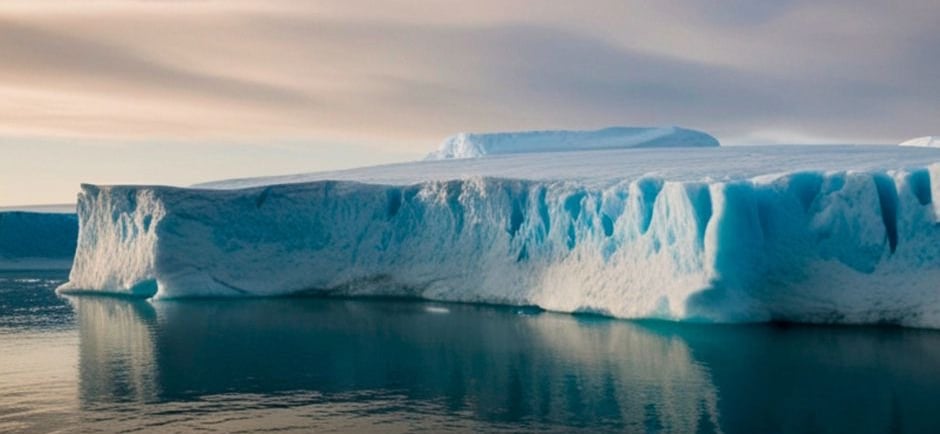
It is a geographic fortress, and the difficulty is the point. Where the western Peninsula has become something close to a cruise highway, the Weddell remains an open, lonely frontier — exclusivity earned through ice rather than through price.
The character of the trip changes with it. You are not counting ten landings in five days. You are moving slowly through a landscape dominated by tabular icebergs: flat-topped, geometric blocks calved from the ice shelves, some of them miles long. Navigating them feels like moving through a frozen, silent city.
The Antarctic Sound is the gateway, nicknamed Iceberg Alley for good reason. It is also the reason experienced travelers come back: people who have already done the Peninsula return for what they call deep Antarctica, where the quality of the encounter matters more than the count of the landings.
How do you reach the Snow Hill Island colony?
By helicopter. The ship pushes as far into the fast ice as conditions allow, then flies passengers in groups to a landing site on the sea ice near the colony — a flight of roughly fifteen minutes. From there you walk a marked route to a viewing distance set by the expedition team.
The flight itself is part of the experience. Fifteen minutes over the Antarctic Sound gives you a perspective very few people ever get: a mosaic of layered sandstone cliffs and shattered ice walls, with the ship shrinking to a speck in the pack behind you.
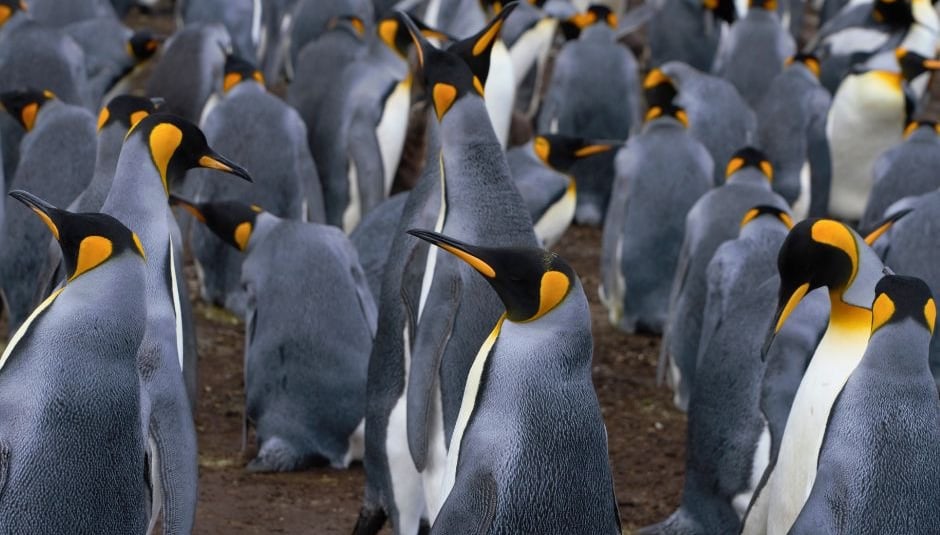
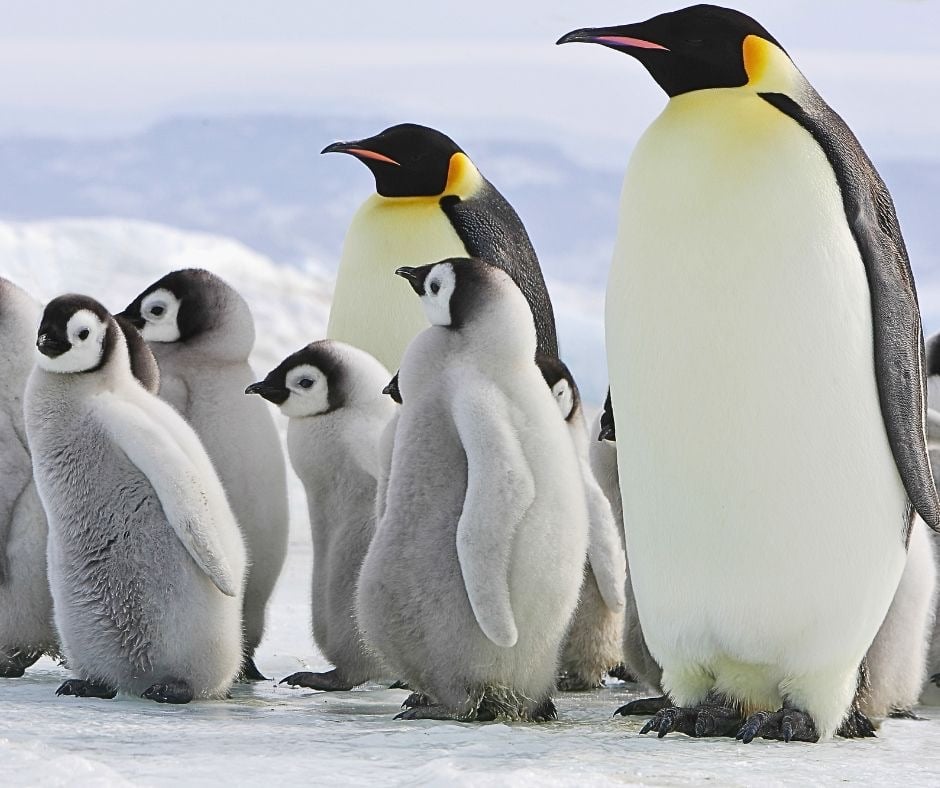
On the ice, the scale resets again. Emperors stand roughly a metre tall, they are entirely unbothered by people, and in the November window the chicks are out — grey, round and noisy. The colony is loud in a way photographs never convey.
Every element of this is weather-dependent. Helicopters do not fly in poor visibility or high wind, the sea ice has to be judged safe, and groups rotate in slots across whatever hours the conditions allow. Ice-strengthened hulls and modern aircraft have made attempts far more consistent than they were a decade ago; they have not made them certain.
01
Buffer days at both ends
Ice and weather move schedules. Leave at least two days before any onward commitment.
02
Long lens and spare batteries
Cold drains power fast, and you will not get a second visit to the colony.
03
Genuinely warm layers
November is colder than peak-summer Antarctica, and helicopter decks are exposed.
Note: Most operators supply the outer parka
04
Steady footing on ice
The walk from the landing site to the viewing area is over uneven fast ice.
05
Comprehensive insurance
Non-negotiable on any voyage with helicopter operations and remote evacuation distances.
When is the emperor penguin window?
Roughly November to early December. That is the short overlap when the fast ice around Snow Hill Island is still solid enough to land on and walk across, but loose enough that an ice-strengthened ship can push through to get near it. Outside that window, the trip is not offered.

The window is narrow because it is defined by two opposing conditions. Too early and the pack is too thick for the ship to reach a workable position. Too late and the fast ice the colony sits on is breaking up, the birds disperse, and landings are unsafe.
That is also why these departures sell out further ahead than anything else in Antarctica. There are only a handful of them each season, on a small number of suitable ships, and demand for the emperor experience is not seasonal in the way the rest of the market is.
If your calendar is fixed to a school holiday in January or February, emperors are simply not available to you that year, and we would rather say that early than sell you a Peninsula voyage and let you discover it aboard. Our best time to visit Antarctica guide sets the emperor window against the rest of the season.
What else do you see in the Weddell Sea?
Tabular icebergs on a scale nothing else in Antarctica matches, some of the clearest water ever measured in any ocean, Adelie penguin rookeries, seals hauled out on the floes, and the Shackleton history — this is the sea that crushed the Endurance and where the wreck was found.
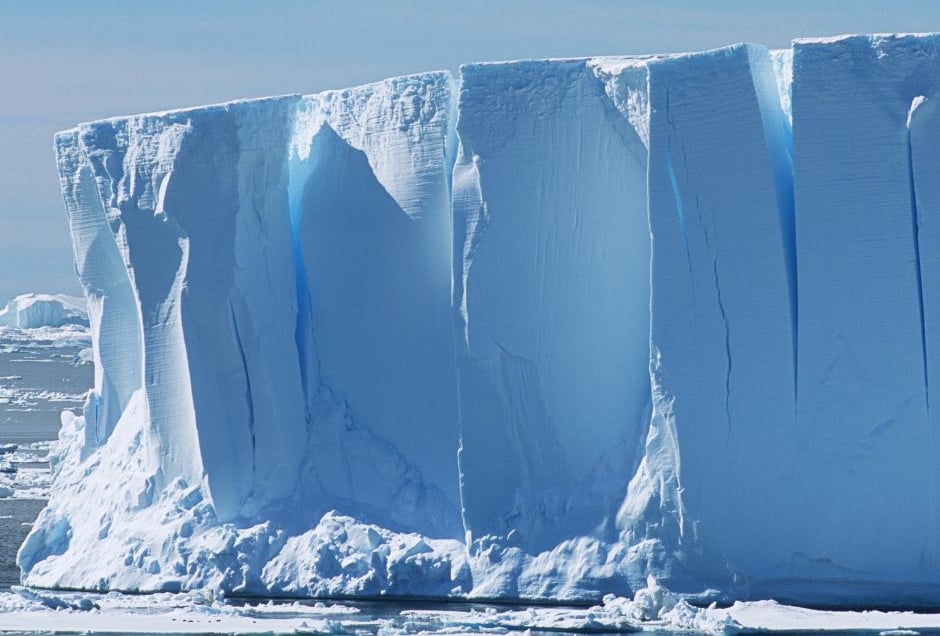
The icebergs are the constant. These are not the sculpted, jagged bergs of the north but vast geometric slabs, and the light on them at low sun is the thing photographers come back for.
The water is worth mentioning on its own. The Weddell holds some of the clearest water ever measured anywhere, which makes Zodiac cruising and underwater drone work — where an operator runs citizen-science programmes — unusually rewarding.
And there is the history. Exploring these waters is a visceral connection to the Heroic Age: this is where Shackleton's ship was beset and lost. That context sits over the whole voyage, and the lecture programmes on these ships lean into it.
How likely am I to actually reach the emperors?
Good, but never certain. Operators run these voyages because attempts usually succeed, yet the ice makes the rules and some departures do not reach the colony. Weddell itineraries are written as intentions rather than schedules. Book one only if you can accept that outcome and still enjoy the voyage.
Weddell Sea and emperor departures generally plan at roughly $13,400 to $24,000+ per person, reflecting ice-class vessels and helicopter operations. Figures are planning guidance only; we quote live fares on specific departures.
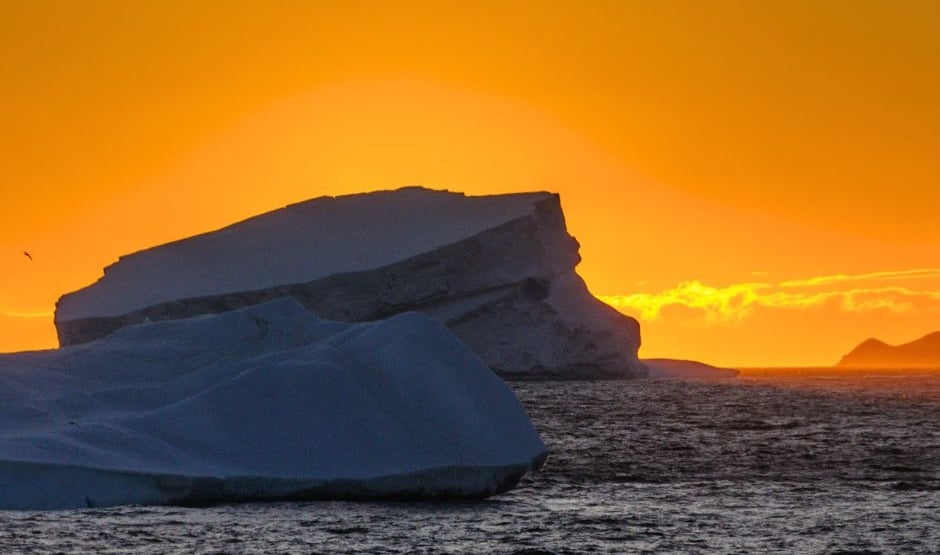
We are deliberately blunt about this because the cost is high and the disappointment, when it happens, is proportionate. No operator can promise you the colony, and any who imply otherwise should be treated with suspicion.
What you are paying for, beyond the ship and the helicopters, is a crew with the judgement to pivot when a lead closes: to spend three days working a different approach, to switch to a rookery or a fast-ice landing elsewhere, to hold position and wait for a weather window rather than burn it.
The travelers who come home happiest from the Weddell are the ones who wanted the sea itself and treated the emperors as the possible summit rather than the entire purchase. If that framing does not sit right with you, say so, and we will point you at itineraries with more predictable outcomes.
Is a Weddell Sea expedition right for me?
It suits travelers who have the flexibility, the budget and the temperament for an outcome that ice decides. It suits first-timers less well: a classic Peninsula voyage delivers more wildlife, more landings and more certainty for less money. Emperors are usually a second or third Antarctic trip.
A good fit if
- Emperor penguins are the reason you are going.
- You can travel in November or early December.
- You can accept an itinerary the ice may rewrite.
- You have already seen the Peninsula, or you want depth over breadth.
Probably not if
- This is your first Antarctic voyage and you want the widest wildlife.
- Your dates are fixed to January or February.
- A missed landing would define the trip for you.
- Helicopter transfers or walking on sea ice are not for you.
That is not a rule, and we have planned emperor voyages for people who had never been to Antarctica before and knew exactly what they were choosing. But it is the honest default.
The practical filters are mobility on uneven sea ice, comfort with helicopter transfers, and the willingness to hold buffer days at both ends. Ice delays push schedules, and the Drake still sits between you and Ushuaia — see our guide to sailing or flying the Drake.
Chris and Erika have sailed on ten ships and toured seven more, so when we narrow the very short list of vessels capable of this voyage, it comes from having been aboard rather than from a brochure.
Emperor penguin FAQs
Do standard Antarctica cruises see emperor penguins?
No. Peninsula voyages see gentoo, chinstrap and Adelie penguins. Occasional single emperors turn up on the Peninsula by chance, but a colony visit requires a dedicated Weddell Sea departure with helicopters, in the November to early December window.
Is the helicopter flight included?
On dedicated Snow Hill departures, yes — the helicopter operation is part of the voyage and part of the fare. Flights run in rotating groups as conditions allow, so your slot may be at an unusual hour.
How close do you get to the birds?
The expedition team sets the distance, following IAATO wildlife guidance, and you stay behind it. In practice the emperors often close the gap themselves, since they have no land predators and show no fear of people.
How long is a Weddell Sea voyage?
Typically twelve to fourteen days from Ushuaia, including the Drake Passage in both directions and time held in reserve for ice conditions around Snow Hill Island.
What does a Weddell Sea emperor voyage cost?
Plan on roughly $13,400 to $24,000+ per person, reflecting ice-class vessels and helicopter operations, plus flights to Ushuaia, hotel nights and insurance. We quote live fares on specific departures rather than work from ranges.
Does working with Glacial Expeditions cost more?
No. Our planning costs you nothing extra. Pricing matches booking direct with the cruise line, and Signature Travel Network amenities are added on top.
More Antarctica guides
Antarctica wildlife
Penguins, whales and seals, and how sightings shift across the season.
Best time to visit Antarctica
Month by month, including where the emperor window sits.
Antarctica itineraries
Peninsula, Weddell Sea, South Georgia and the longer voyages.
Drake Passage: sail or fly?
Two days at sea each way, or a two-hour charter.
Antarctica expedition ships
How vessel size, ice class and helicopters change the voyage.
How much does an Antarctica cruise cost?
What a voyage costs, and everything that sits outside the fare.