Written by your expedition advisors

Chris Commisso · Expedition Expert
Signature Travel Expert
Erika Commisso · Travel Experience Architect
CLIA Elite Cruise Counselor · ASTA Verified Travel Advisor · Signature Travel Expert
Chris and Erika have sailed ten expedition voyages and toured seven more expedition ships. Favorite explorations so far: Antarctica, Svalbard, Greenland, Iceland, Norway, Alaska, the Galápagos, the Scottish Hebrides, Churchill and French Polynesia.
Last updated . Written and reviewed by Chris Commisso, founding advisor at Glacial Expeditions, with Erika Commisso.
You pay the same as booking direct. Here’s how we’re paid.
At a glance
- Two seasons
- Late May to August for the midnight sun and fjords; October to March for the Northern Lights and Arctic whales
- Three different products
- Coastal voyage, big-ship fjords cruise, or expedition sailing
- Typical trip length
- 6-12 days coastal and fjords; 14-17 days for a Norway and Svalbard crossing
- Main ports
- Bergen, Ålesund, Trondheim, Bodø, Lofoten, Tromsø, Honningsvåg for North Cape, Kirkenes
- Tromsø
- 69° north, about 250 miles above the Arctic Circle, and the main Arctic gateway
- Signature fjords
- Geirangerfjord and Nærøyfjord, both UNESCO listed; Sognefjord, Norway's longest; Trollfjord, among the narrowest navigable
- Combining with Svalbard
- 14-17 day voyages run Bergen or Oslo to Longyearbyen, usually via Bear Island
- Governing body
- None on the mainland coast. AECO guidelines apply to the Svalbard portion only
- Midnight sun
- North of the Arctic Circle from roughly late May to late July
- Physical demand
- Low on coastal and big-ship voyages; moderate on expedition sailings with Zodiac landings
What Are the Different Types of Norway Cruise?
Three products share the name. A Hurtigruten or Havila coastal voyage is a working passenger and freight service calling at more than thirty ports, some at three in the morning. A big-ship fjords cruise carries thousands and makes day calls at Geiranger and Flåm. An expedition ship carries 100 to 250, uses Zodiacs, carries naturalists, and can continue north to Svalbard.
| Coastal voyage | Big-ship fjords cruise | Expedition ship | |
|---|---|---|---|
| Guests | 400-800 | 2,000-4,000 | 100-250 |
| What it actually is | A working ferry carrying passengers, freight and locals | A conventional cruise with Norwegian ports | A small expedition vessel with a naturalist team |
| Ports | 30+ along the coast, some in the middle of the night | A handful of day calls | Few ports; often anchors in uninhabited fjords |
| Getting ashore | Gangway in town, sometimes for under an hour | Gangway in town for a full day | Zodiac onto shore where there is no dock |
| Onboard | Simple and functional; a café and a lounge | Restaurants, shows, spa, pools | Lectures, one dining room, an open bridge on some ships |
| Excursions | Optional, bookable port by port | Extensive, sold by the line | Included daily, run by the expedition team |
| Can it reach Svalbard | No | No | Yes, on 14-17 day crossings |
| Season | Year-round, which is unusual | May to September | May to September for Svalbard; some winter aurora sailings |
| Typical cost | $1,500-$5,000 | $1,200-$4,000 | $8,000-$25,000+ |
| Best suited to | Travelers who want the real coast and do not need luxury | Families, first-timers, value seekers | Travelers who want wilderness, wildlife and Svalbard |
The coastal voyage is the one travelers most often misunderstand, because there is nothing quite like it anywhere else we sell. Hurtigruten has run the Bergen to Kirkenes route since 1893 and it is still a working service: passengers share the ship with Norwegians travelling between towns, and with freight that gets loaded and unloaded at whatever hour the schedule demands. That authenticity is the whole appeal. The trade is that the ship is plain by cruise standards, and that some port calls are too short or too late at night to leave the vessel. Havila Voyages now runs the same route on newer hybrid ships, which changes the comfort level without changing the character of the service.
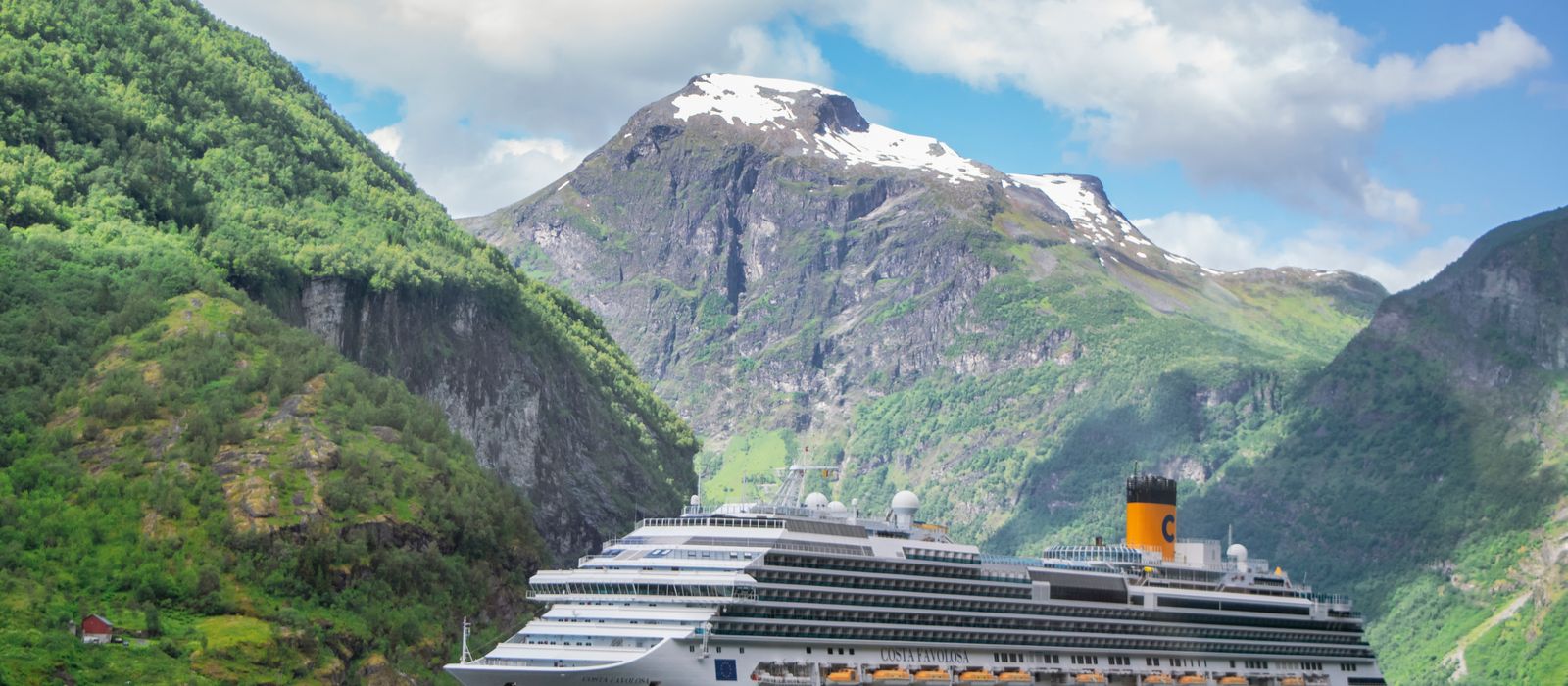
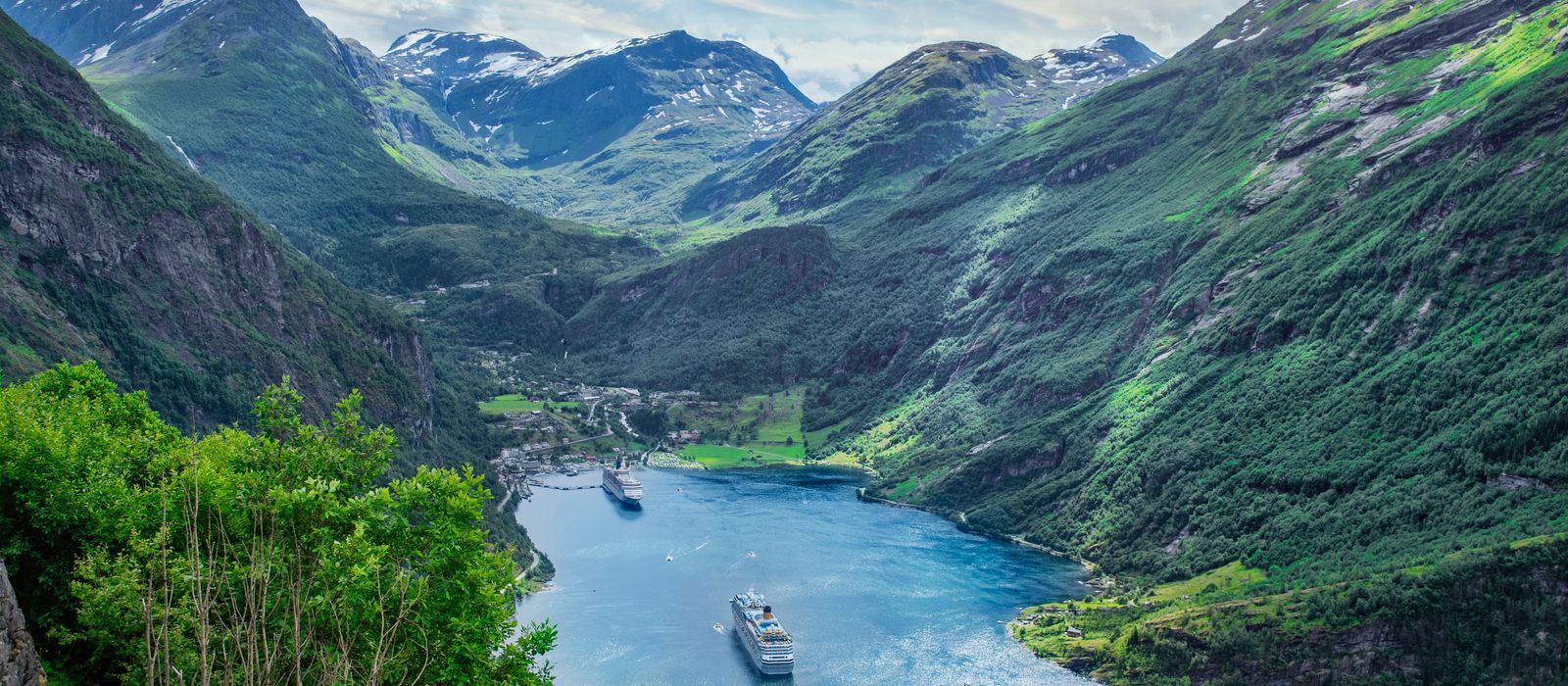
The big-ship fjords cruise is the value option and it delivers the postcard honestly: Geirangerfjord, Flåm, Ålesund and Bergen, usually sailing from Southampton, Amsterdam, Copenhagen or Kiel. You get a full day in port, a large ship with restaurants and entertainment, and a fare that often undercuts a week in the Caribbean. What it does not do is go far north. These itineraries rarely pass Tromsø and never reach Svalbard.
The expedition ship is the version that resembles our polar programmes. One hundred to two hundred and fifty guests, a naturalist team, Zodiacs for landings where there is no dock, and the range to continue past North Cape and Bear Island into the high Arctic. It costs several times what the other two cost, and it is the only one of the three that can put you on pack ice. If you want the distinction laid out ship by ship, see our guide to Norway cruise types.
Which Norwegian Fjords Should You See?
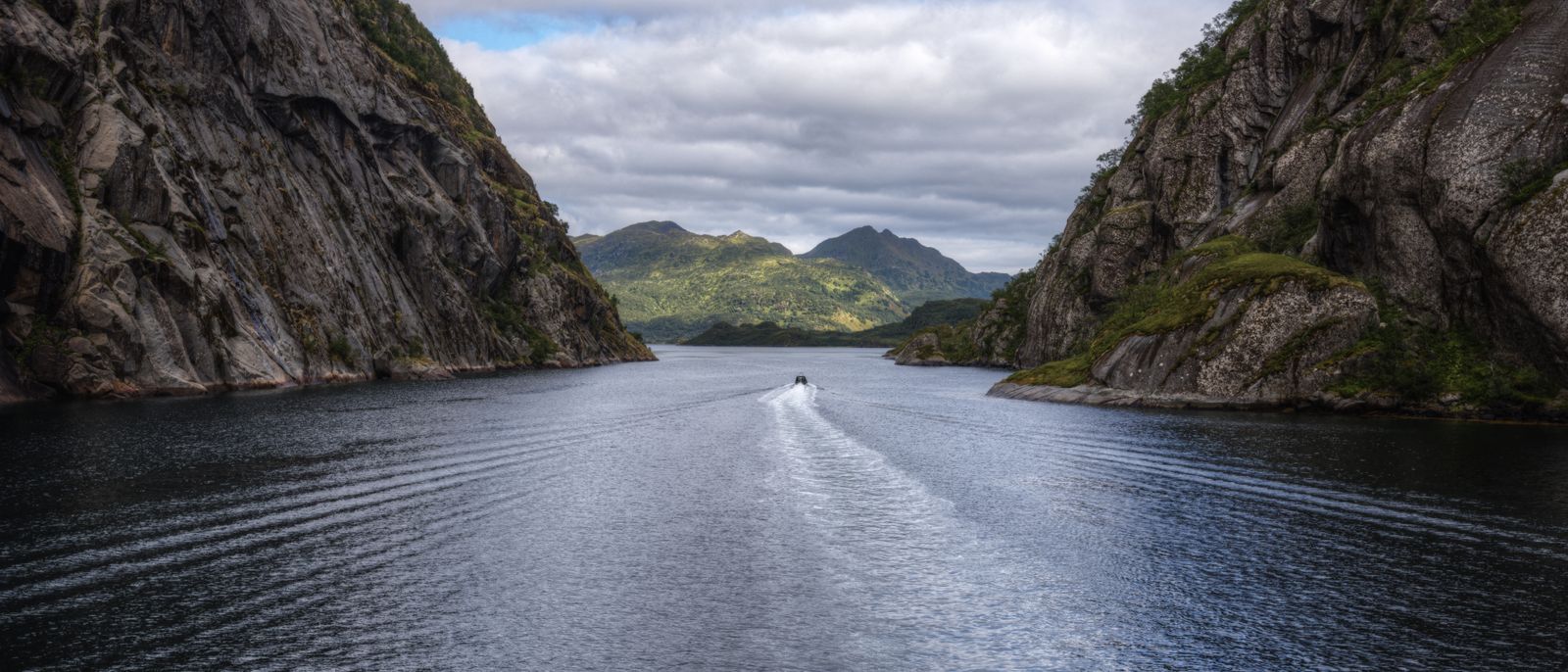
Geirangerfjord and Nærøyfjord are the two UNESCO-listed fjords and the ones most itineraries are built around. Sognefjord is Norway's longest at over 200 kilometres. Trollfjord in Lofoten is among the narrowest a ship can navigate, and watching a vessel turn inside it is the single best moment on many coastal voyages. Hardangerfjord is the quieter alternative near Bergen.
01
Geirangerfjord
UNESCO listed, with the Seven Sisters waterfall and the Eagle Road switchbacks above it. The most photographed fjord in Norway.
02
Nærøyfjord
Also UNESCO listed, and narrower than Geiranger. Reached via Flåm and the Flåm Railway, one of the world's steepest.
03
Sognefjord
Norway's longest and deepest, running more than 200 kilometres inland from the coast near Bergen.
04
Trollfjord
Barely two kilometres long and terrifyingly narrow. Ships enter and turn inside it, which is a genuine piece of seamanship.
05
Hardangerfjord
Quieter and closer to Bergen, at its best in May when the fruit orchards along it are in blossom.
06
Lofoten Islands
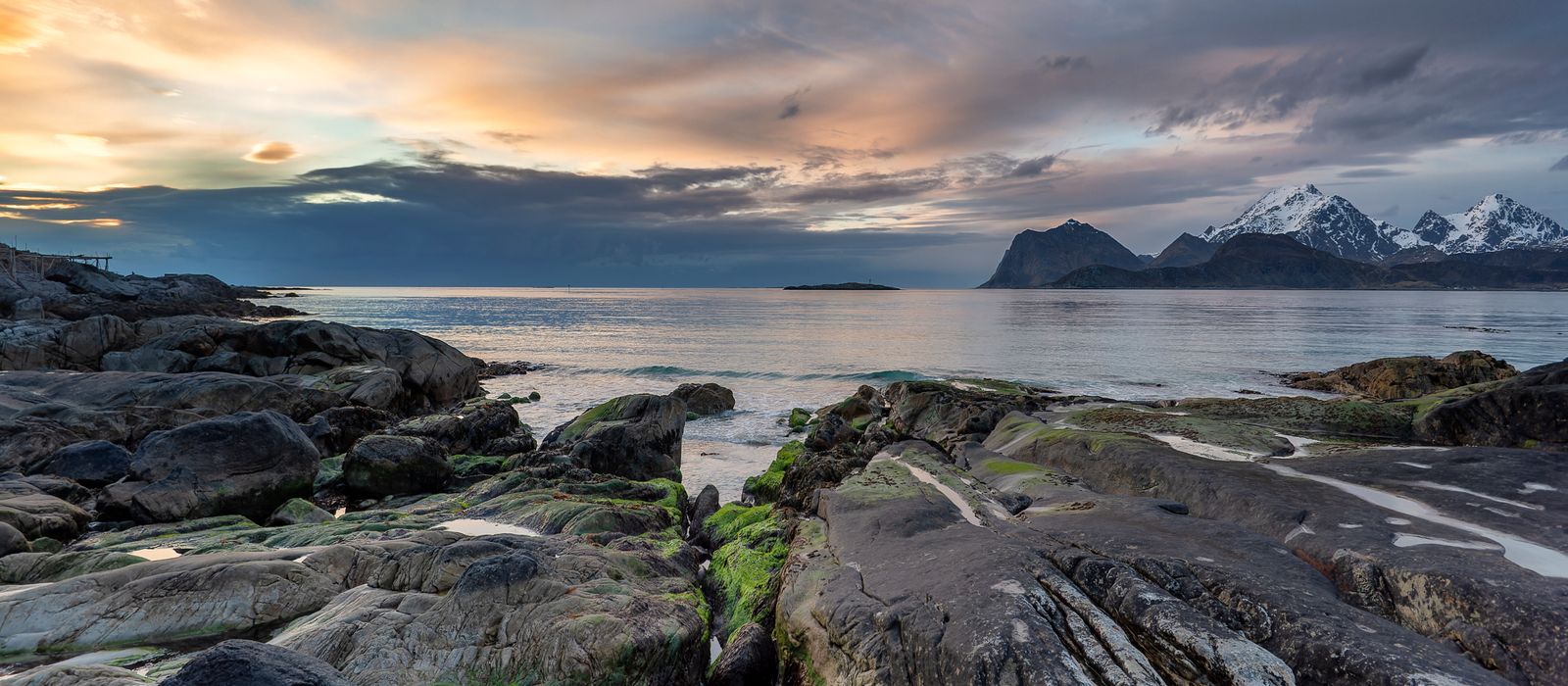
Granite peaks rising straight from the sea, red rorbuer fishing cabins, and the best coastal scenery in the country.
07
Tromsø
At 69° north, the Arctic gateway. The Arctic Cathedral, the cable car, and the base for winter whale and aurora trips.
08
North Cape
Nordkapp, the cliff marketed as mainland Europe's northernmost point, reached from Honningsvåg.
09
Bear Island
Bjørnøya, halfway between the mainland and Svalbard, and a rare stop on crossing voyages.
10
Kirkenes
The northern turnaround of the coastal route, near the Russian border, with king crab safaris and a winter snow hotel.
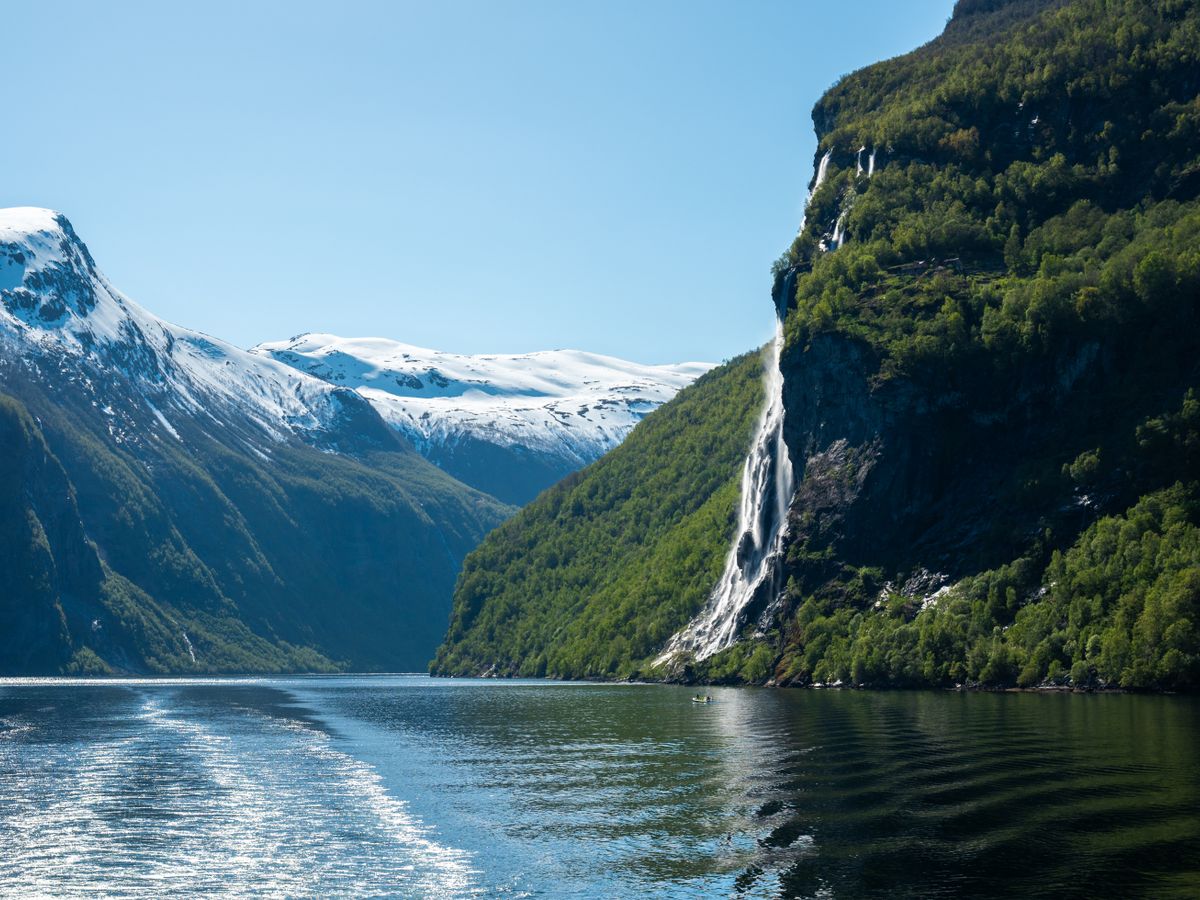
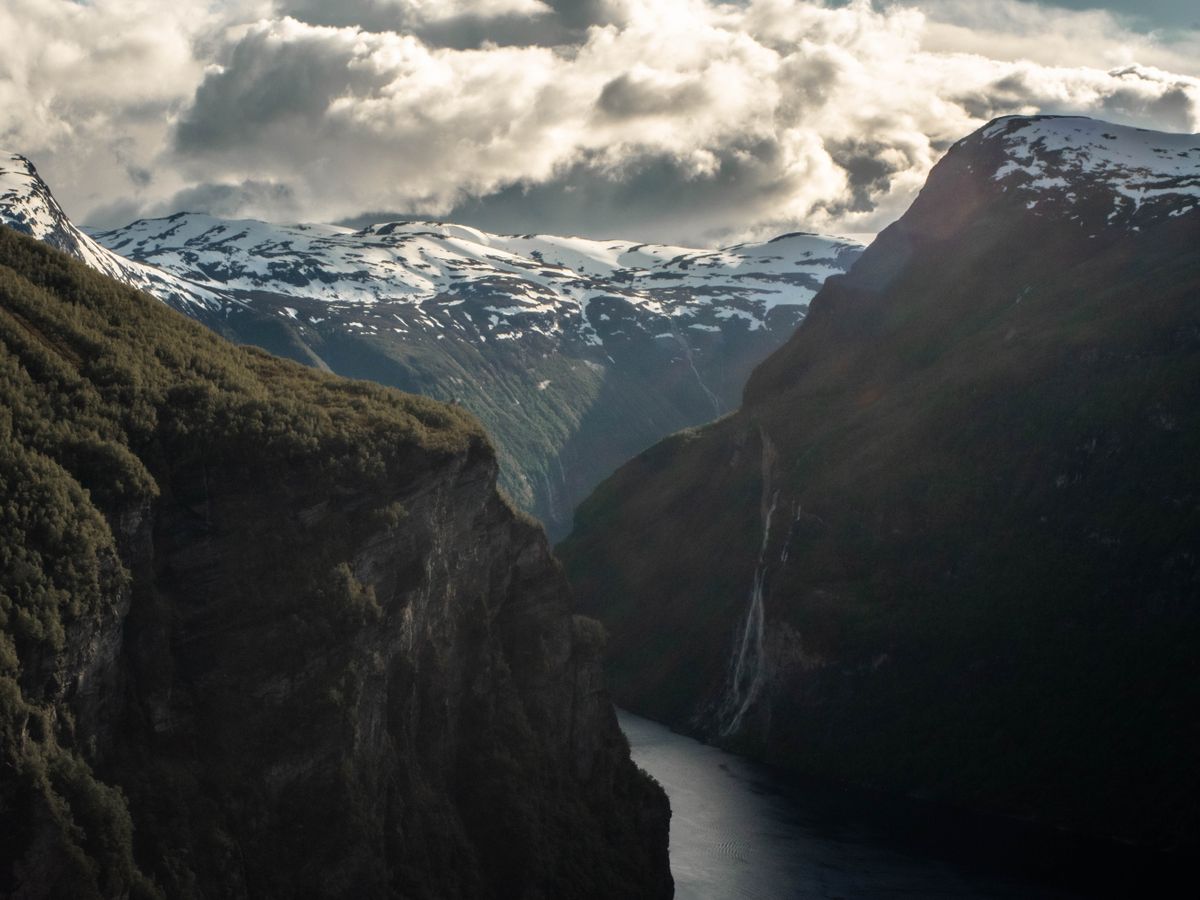
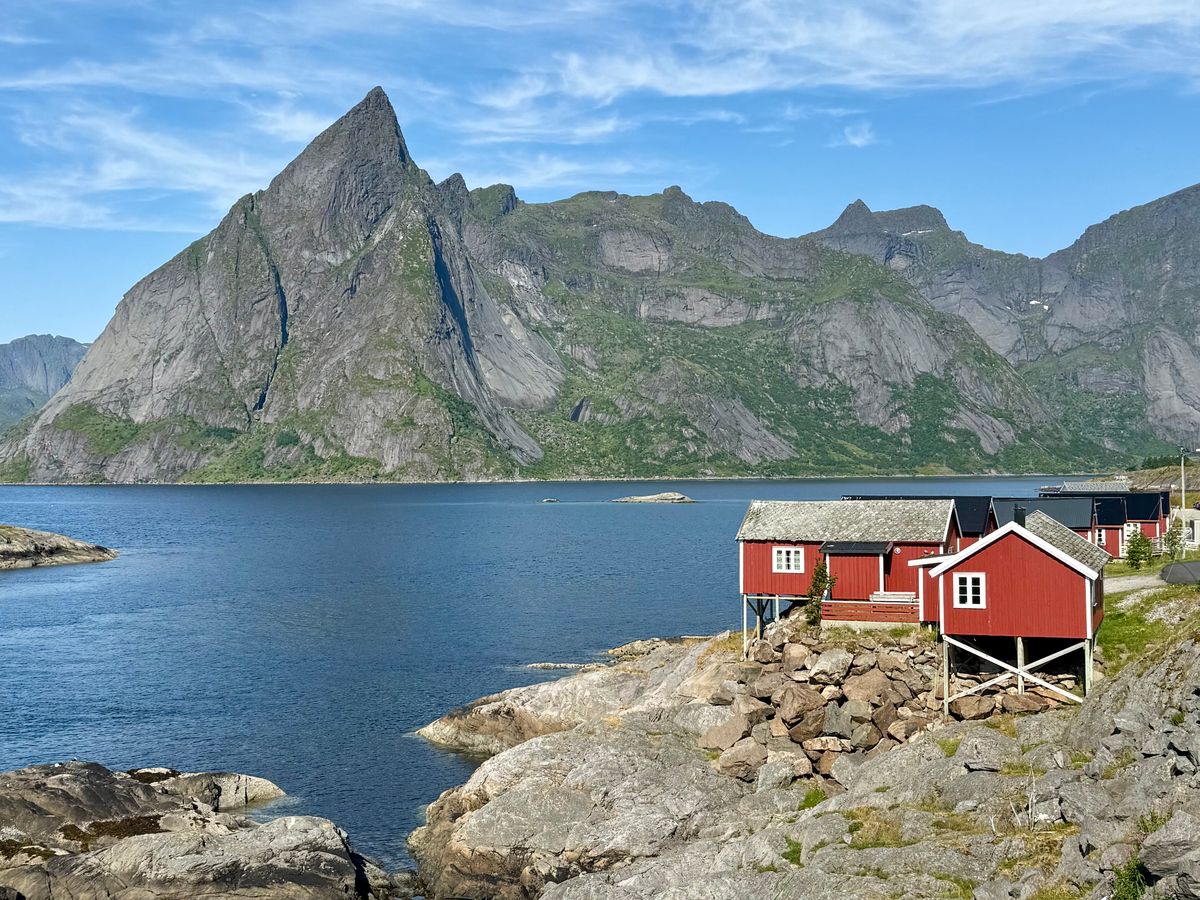
Almost every Norway itinerary is assembled from the same short list of fjords and coastal stops, so it is worth knowing which ones your ship actually enters rather than passes. Geiranger and Nærøy are the headline names, Trollfjord is the piece of seamanship, and Hardanger is the one that rewards travelers who go in May. Our fjords guide goes through each in more detail.
Should You Combine Norway with Svalbard?
If you want both the fjords and the high Arctic in one trip, yes. Combined voyages run 14 to 17 days between Bergen or Oslo and Longyearbyen, working north past the Lofoten Islands, Tromsø and North Cape, often calling at Bear Island before reaching Svalbard. You get cultivated coastline and genuine pack ice on the same voyage, which no other itinerary in Europe offers.
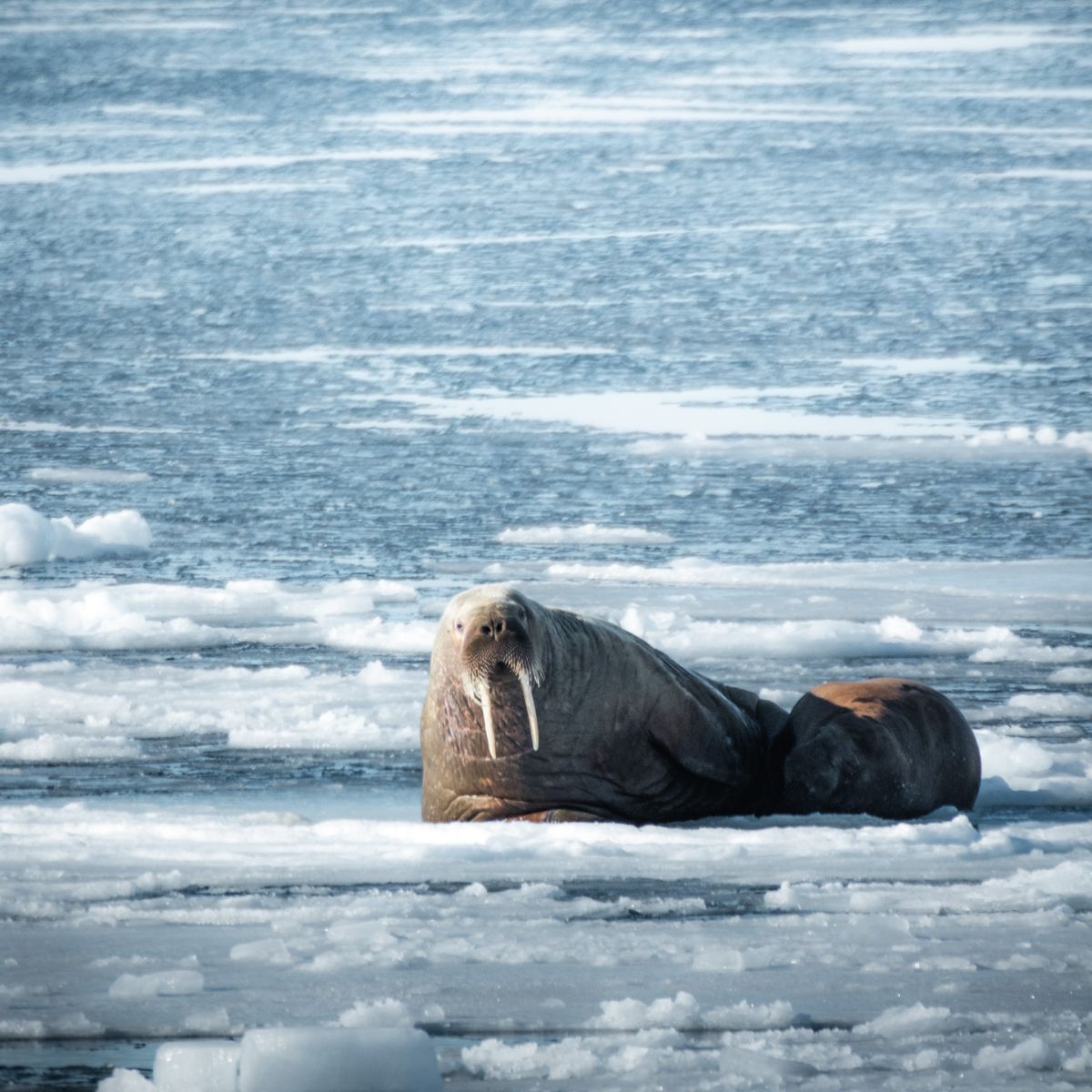
The two halves of the voyage feel like different trips, which is the point. The southern half is scenic and cultural: villages, fjord arms, the Flåm Railway, Sámi encounters around Tromsø, and towns you can walk around on your own. North of the mainland it becomes a polar expedition — Zodiac cruising, glacier fronts, walrus haul-outs and a genuine possibility of polar bears on the ice. Vessels running this crossing include Lindblad's National Geographic Resolution and Endurance, alongside Swan Hellenic, Ponant, HX and others, typically at 16 to 17 days.
Be clear about the trade before you book. A combined voyage gives you less Svalbard than a dedicated Svalbard expedition does, because roughly half the days are spent on the mainland coast. If polar bears and pack ice are the whole point of the trip, book a Svalbard-only voyage instead — that is covered in full on our Arctic page. The combined trip is for travelers who want range rather than depth, and for anyone unlikely to make two separate journeys north. For the crossings themselves, see Norway to Svalbard voyages.
One regulatory note worth having straight: mainland coastal Norway has no expedition-cruise governing body. AECO guidelines, which set landing and wildlife practice in the high Arctic, apply to the Svalbard portion of a crossing voyage only.
When Is the Best Time to Cruise Norway?
Norway works in two completely separate seasons. Late May to August brings the midnight sun, green fjords, hiking and the only window for Svalbard crossings. October to March brings the Northern Lights, orca and humpback whales gathering in northern fjords, dog sledding and Sámi winter culture. The two do not overlap, and no single trip delivers both.
The light season: May to September
May
Blossom and waterfalls
Snowmelt has the waterfalls at full force and the Hardanger orchards in blossom. Fewer ships, lower fares, and long days already.
June-July
Midnight sun
The sun does not set north of the Arctic Circle. Peak season, peak prices, and the main window for Svalbard crossings.
August
Warmest and still bright
The warmest water and weather of the year, good for kayaking and hiking. Svalbard crossings continue. Crowds begin to ease late in the month.
September
Autumn and the first aurora
Fjord colour turns, ships thin out, and darkness returns far enough north to bring the season's first Northern Lights.
The dark season: October to March
October-November
Aurora and whales
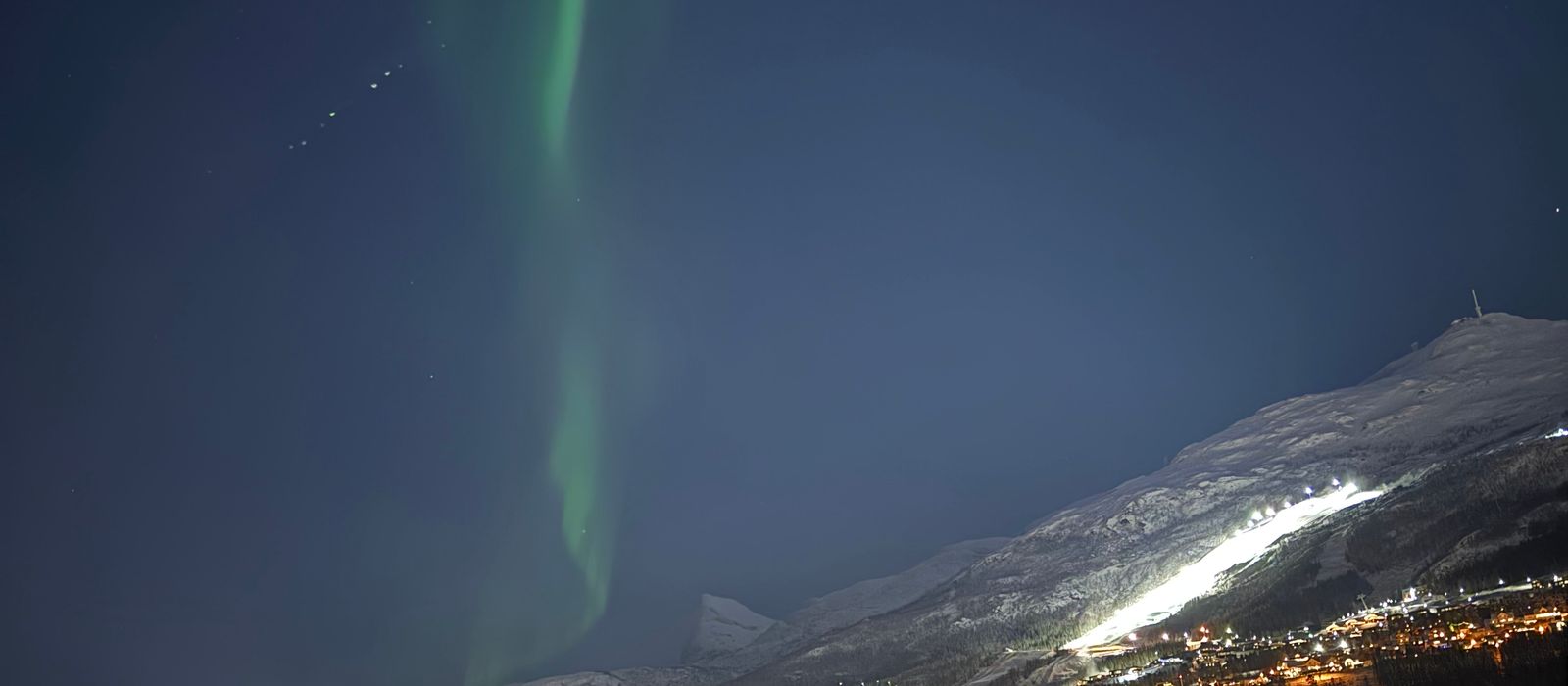
Orca and humpback gather in the northern fjords around Skjervøy and Tromsø to feed on herring. Aurora season proper begins.
December-January
Polar night
The sun does not rise in the far north. Long viewing windows for the aurora, Christmas markets, and the deepest winter atmosphere.
February
Peak winter activity
Dog sledding, snowmobiling and Sámi reindeer experiences at their best, with lengthening daylight for daytime excursions.
March
The best balance
Long dark nights for the aurora combined with real daylight and more settled weather. Often the strongest month of the winter season.
Norway is one of very few destinations where the winter product is as good as the summer one, and the coastal voyage runs year-round, which is genuinely unusual. Most travelers arrive at Norway thinking of fjords in sunlight and are surprised to learn that the winter itinerary is the one insiders often prefer.
The whale gathering in the northern fjords from roughly November to January is a real wildlife event rather than a marketing line, and it is underrated by travelers who assume Norway shuts down in winter. Herring concentrate in the fjords around Tromsø and Skjervøy and orca and humpbacks follow them in numbers. For general Northern Lights planning — forecasting, apps, how many nights you need — see our Northern Lights guide rather than treating it as a Norway-only question. When to sail is unpacked further in when to cruise Norway.
Where Should You Go Along the Norwegian Coast?
The southern fjords around Bergen hold the UNESCO sites and the classic scenery. Central Norway around Ålesund and Trondheim adds Art Nouveau architecture and medieval history. The Lofoten Islands are the coastal highlight for most travelers. Tromsø and Finnmark are the Arctic north, for aurora, Sámi culture and North Cape.
Bergen and the southern fjords
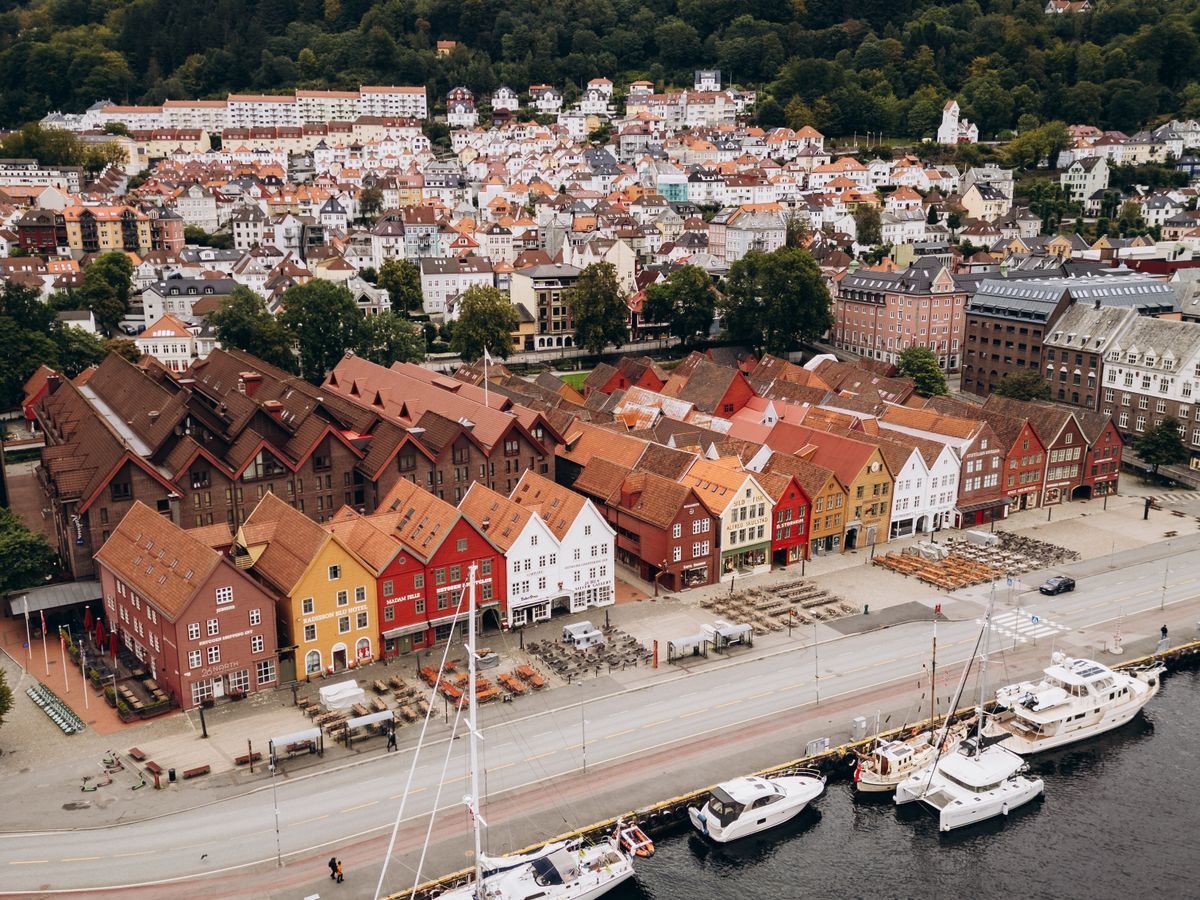
The gateway city and the fjords most itineraries are built around: Geirangerfjord, Nærøyfjord, Sognefjord and Hardangerfjord. Bryggen's wharf is UNESCO listed.
Known for
UNESCO fjords, the Flåm Railway, Bryggen
Ålesund and central Norway
Ålesund's Art Nouveau townscape, rebuilt after a 1904 fire, and Trondheim's Nidaros Cathedral. The Atlantic Road runs along this coast.
Known for
architecture, medieval history, coastal scenery
The Lofoten Islands
Granite peaks straight out of the sea, red rorbuer cabins, and Trollfjord. Reine and Henningsvær are the postcard villages.
Known for
the best coastal landscape in Norway, photography, sea kayaking
Tromsø and the Arctic north
At 69° north, the Arctic capital. The base for winter whale watching, aurora hunting, dog sledding and Sámi cultural visits.
Known for
aurora, whales, Sámi culture
Finnmark and North Cape
The far northeast: Honningsvåg for North Cape, Alta's rock art, and Kirkenes near the Russian border. The emptiest part of the country.
Known for
North Cape, king crab, snow hotels
The coast is long enough that no single voyage covers it well. A southern fjords itinerary and a Finnmark itinerary have almost nothing in common beyond the flag, so the honest first question is which part of Norway you are actually picturing. Our guides to the Lofoten Islands and Tromsø and the Arctic north go deeper on the two regions travelers ask about most.
What Wildlife Will You See in Norway?
Sea eagles are near-certain along the northern coast and in Lofoten. Winter brings orca and humpback whales into the fjords around Tromsø and Skjervøy to feed on herring, which is Norway's best wildlife event. Puffins and vast seabird colonies occupy the cliffs in summer. Reindeer are widespread and semi-domesticated, herded by Sámi families. Polar bears require the Svalbard leg.
Orca and humpback whales
From roughly November to January, herring draw large numbers into the northern fjords. Whale watching here is among the best in Europe.
White-tailed sea eagles
Europe's largest bird of prey, with a strong population around Lofoten and the northern coast. Frequently seen from the deck.
Puffins and seabirds
Summer cliff colonies including puffins, kittiwakes and guillemots, particularly around Runde and the northern islands.
Reindeer
Semi-domesticated and herded by Sámi families across Finnmark. Commonly seen from roads and on winter excursions.
Musk oxen
A small population at Dovrefjell in central Norway, reached on land rather than by ship, and the only place in Europe to see them outside Greenland.
Polar bears
Only on the Svalbard leg of a crossing voyage, never on the mainland coast. See our Arctic guide for what Svalbard sightings actually involve.
Set expectations honestly: Norway is a scenery destination with good wildlife, not a wildlife destination with good scenery. Nobody should book the fjords expecting the density of the Galápagos or the concentration of Antarctica. What Norway does offer is a handful of species you can genuinely count on, and one seasonal event — the winter herring run and the whales that follow it — that stands comparison with anything in Europe. See winter whale watching in Norway for how those trips are actually run.
How Much Does a Norway Cruise Cost?
A Hurtigruten or Havila coastal voyage typically runs $1,500 to $5,000 per person depending on length and cabin. Big-ship fjords cruises start around $1,200 and reach $4,000. Expedition sailings along the coast run $6,000 to $12,000, and Norway-Svalbard crossings of 14 to 17 days run $12,000 to $25,000 or more. Norway is also expensive ashore.
| Factor | What it means | Typical impact |
|---|---|---|
| Product type | Coastal ferry versus big ship versus expedition vessel | The largest variable by far |
| Adding Svalbard | A 14-17 day crossing rather than a coastal voyage | Roughly doubles an expedition fare |
| Season | June and July peak; May, September and midwinter lower | Meaningful swing on the same cabin |
| Cabin category | Inside versus an outer cabin with a view, which matters here | Worth paying for on a scenic coastline |
| Length | A 6-day northbound leg versus the full 12-day round trip on the coastal route | Roughly proportional |
| Shore excursions | Dog sledding, king crab safaris, the Flåm Railway, aurora chases | $150-$400 each and they accumulate |
| Onshore costs | Norway is among Europe's most expensive countries for food and drink | Noticeable even on a mostly inclusive voyage |
Ranges are 2026-27 planning estimates and move with season, vessel and availability. We quote live fares on specific departures. More detail in what a Norway cruise costs.
The coastal voyage is the value proposition here, and it has a feature most travelers never hear about: it can be booked port to port rather than as a full round trip. A six-day northbound leg from Bergen to Kirkenes costs far less than the twelve-day return and sees the same coastline once, in daylight that shifts as you go north. If your holiday is a week rather than a fortnight, that is usually the better buy.
Norway itself is expensive ashore, and it catches people out. Meals, drinks and excursions in port add up faster than they do in Alaska or Iceland, so a fare that looks like a bargain can end up mid-range once a week of shore days is paid for. Our planning costs you nothing extra; pricing matches booking direct, with Signature amenities added where available. The full breakdown lives in what a Norway cruise costs.
Coastal ferry, big ship, or expedition to Svalbard?
Three very different trips share one name. Fifteen minutes will tell you which is yours.
Which Norway Cruise Line Should You Choose?
Hurtigruten and Havila run the working coastal route between Bergen and Kirkenes. HX, Ponant, Swan Hellenic and Silversea run expedition sailings along the coast. Lindblad-National Geographic runs the fullest Norway-to-Svalbard crossings on Resolution and Endurance. Mainstream lines including Holland America, Princess and Viking run big-ship fjords itineraries from northern Europe.
| Operator | Type | Typical guest count | Best for |
|---|---|---|---|
| Hurtigruten | Coastal voyage | 400-600 | The authentic working coastal route, bookable port to port |
| Havila Voyages | Coastal voyage | 450-640 | The same route on newer, quieter hybrid vessels |
| Lindblad-National Geographic | Expedition | 100-150 | Norway-to-Svalbard crossings with the strongest naturalist teams |
| HX | Expedition | 250-500 | Norwegian heritage and science programmes at mid-size scale |
| Swan Hellenic | Expedition | 150-190 | Lecture-led fjord itineraries, often from Amsterdam |
| Ponant | Expedition | 180-260 | Design-led ships and deep-ice capability further north |
| Silversea | Luxury expedition | 140-270 | Expedition access without giving up comfort |
| Viking | Big ship | 900-1,000 | Adult-only, culturally focused fjord itineraries |
| Holland America and Princess | Big ship | 2,000-3,600 | Value fjord cruising from northern European ports |
Guest counts vary by vessel within each fleet. Mainland coastal Norway has no expedition-cruise governing body; operators work under Norwegian and international maritime regulation. AECO guidelines apply to the Svalbard portion of crossing voyages only.
Chris and Erika have sailed on ten ships and toured seven more, and several of the operators running Norway also run our polar programmes, so the comparison is a familiar one rather than a research exercise. We know how these teams brief, how they handle weather changes, and how much of the itinerary is genuinely flexible.
One warning that applies here more than in most destinations: the same brand can sell wildly different products in Norway. HX runs both coastal-style voyages and true expeditions, and a mainstream line's Norway itinerary can be anything from a fjord sampler to a North Cape run. The name on the hull tells you less than the itinerary does. Read the day-by-day, or let us read it for you. More on operators at expedition cruise lines and the vessels we know personally at ships we've sailed, including our review of Hurtigruten's MS Trollfjord.
What Is the Hurtigruten Coastal Voyage Actually Like?
It is a working service, not a cruise. Hurtigruten has run the Bergen to Kirkenes route since 1893, carrying passengers, freight and locals to more than thirty ports. Some calls last fifteen minutes, some happen at three in the morning. The ship is comfortable but plain. What you get is the actual Norwegian coast, at working speed, in a way no cruise ship replicates.
This is the product most often mis-sold, so we set expectations properly before anyone books it. There are no shows and no casino, the dining is simple, and the ship will dock at Ørnes at two in the morning whether you are awake or not. Cabins are functional. Nobody will turn down your bed with a chocolate on it.
In exchange you see the coastline continuously rather than in day-long snapshots, and you share the ship with Norwegians using it as transport. You can board and leave at intermediate ports, which opens up combinations no cruise offers: north by ship, south by air, or a few nights ashore in Tromsø in the middle. The full round trip runs roughly twelve days; northbound alone is about six. Havila runs the same route on newer hybrid vessels that can operate silently on battery power through the most sensitive fjords. Details in the Hurtigruten coastal route explained.
Is a Norway Cruise Right for You?
Norway suits travelers who want dramatic coastal landscape with easy logistics, real towns and culture alongside the scenery, and either the midnight sun or the aurora depending on season. It suits you less if you want abundant large wildlife on the mainland, expect polar remoteness without adding Svalbard, or want warm weather and guaranteed sunshine.
A good fit if you are
- Drawn to coastline, fjords and villages as much as to wilderness
- Interested in a country with real culture, food and history alongside the landscape
- Considering a winter trip for the aurora and the whale gathering
- Wanting one voyage that can reach both cultivated fjords and Arctic pack ice
- Comfortable with an unglamorous ship if it means seeing the authentic coast
Probably not if you
- Expect abundant large wildlife on the mainland — Norway is scenery first
- Want polar remoteness without adding the Svalbard leg
- Are booking a coastal voyage expecting cruise-ship amenities
- Need warm weather and reliable sun
- Want the concentrated wildlife of Antarctica or the Galápagos
The most common mismatch we see is not a traveler who dislikes Norway. It is a traveler who booked the wrong one of the three products: the coastal voyage expecting a cruise, or a big-ship fjords cruise expecting an expedition. Both disappointments are entirely avoidable with one conversation, which is exactly why this page leads with the three-product distinction rather than burying it.
If the right-hand column above describes you better, that is useful rather than discouraging. Iceland is more compact and drivable, Greenland is a genuine expedition with far more remoteness, Alaska is cheaper and easier for Americans, and the Arctic is where to go if Svalbard itself is the reason for the trip.
How Far in Advance Should You Book Norway?
Book 12 to 18 months ahead for Norway-to-Svalbard crossings, which are few and sell out early. Summer coastal and fjord sailings usually work at 8 to 12 months. Winter aurora departures and the whale season around Tromsø need 9 to 12 months for the best cabins and lodges. Coastal voyage inventory is broader and more forgiving.
The crossings are the constrained product. A handful of vessels run Norway-to-Svalbard voyages, each once or twice a season, so total capacity across the whole market is small and it disappears quietly rather than dramatically.
The coastal route is the opposite case. Daily departures year-round in both directions mean availability is rarely the problem, though specific cabin grades and the popular summer weeks still go early, and winter departures around the aurora peak behave more like the constrained products than the flexible ones.
Why Book Norway Through Glacial Expeditions?
Glacial Expeditions is an independent Wisconsin-based agency, an affiliate of Oasis Travel Network and a member of Signature Travel Network, serving travelers nationwide. Chris and Erika Commisso have sailed on ten ships and toured seven more and work with the operators running Norway's coast and its Svalbard crossings. Our planning costs you nothing extra — pricing matches booking direct, with Signature amenities added where available.
Oasis Travel Network affiliate · Signature Travel Network member · Corporate sponsor of the Expedition Cruise Network · ExplorEarth Approved Partner
Written by your expedition advisors
Chris Commisso · Expedition Expert
Signature Travel Expert
Erika Commisso · Travel Experience Architect
CLIA Elite Cruise Counselor · ASTA Verified Travel Advisor · Signature Travel Expert
Chris and Erika have sailed ten expedition voyages and toured seven more expedition ships. Favorite explorations so far: Antarctica, Svalbard, Greenland, Iceland, Norway, Alaska, the Galápagos, the Scottish Hebrides, Churchill and French Polynesia.
Last updated . Written and reviewed by Chris Commisso, founding advisor at Glacial Expeditions, with Erika Commisso.
More about how we work on about and what clients say on reviews. We book the ships on expedition cruise lines, the vessels we know personally are on ships we've sailed, and the activities on experiences. If you are weighing Norway against the other northern destinations, compare it with the Arctic, Greenland, Iceland and Alaska. When you are ready, get in touch.
Norway Cruise FAQs
What is the difference between Hurtigruten and a cruise ship?
Hurtigruten is a working coastal service carrying passengers, freight and local travellers to more than thirty ports, running since 1893. Ships are comfortable but plain, with no shows or casinos, and some calls happen in the middle of the night. A cruise ship makes fewer, longer day calls with full resort amenities aboard.
Can you see the Northern Lights on a Norway cruise?
Yes, between roughly October and March, when nights are dark enough. Northern itineraries around Tromsø and Finnmark give the best odds, and the coastal route runs all winter. Summer sailings see nothing, because the sun does not set north of the Arctic Circle from late May to late July.
Can you visit Svalbard on a Norway cruise?
Only on a dedicated crossing, typically 14 to 17 days between Bergen or Oslo and Longyearbyen. Standard coastal voyages and big-ship fjord cruises do not go. If Svalbard itself is your priority rather than the coast, a Svalbard-only expedition is the better trip.
When is the best time to see whales in Norway?
Roughly November to January, when herring draw large numbers of orca and humpback whales into the fjords around Tromsø and Skjervøy. It is one of Europe's best marine wildlife events and largely unknown to travelers who assume Norway is a summer destination.
Do you need a visa for Norway?
Norway is in the Schengen Area, so US passport holders do not currently need a visa for short tourist stays, though registration requirements for the region are changing. Your passport must be valid well beyond your return date. Svalbard has its own distinct status but is reached via mainland Norway.
Is Norway expensive?
Yes, among the most expensive countries in Europe for food, alcohol and excursions. A largely inclusive voyage limits the exposure, but shore excursions like dog sledding, king crab safaris and the Flåm Railway run $150 to $400 each and accumulate quickly across a week.
What is the midnight sun in Norway?
North of the Arctic Circle the sun stays above the horizon continuously for part of the summer, from roughly late May to late July depending on latitude. Ships operate around the clock and cabins have blackout blinds. It is spectacular, and it makes aurora viewing impossible.
Which fjord is the best one to see?
Geirangerfjord and Nærøyfjord are both UNESCO listed and are the two most itineraries are built around. Trollfjord in Lofoten is the most dramatic to sail into because it is so narrow. If you can only see one, most travelers pick Geiranger.
Is North Cape worth it?
It is a striking cliff at 71° north with a genuine sense of arrival, though it is heavily commercialised and reached by a long coach ride from Honningsvåg. Travelers who value the symbolism of standing at the edge of Europe find it worthwhile; others find the visitor centre anticlimactic.
Should I choose Norway or Iceland?
Norway has more coastline, real fjords, Sámi culture and the option to continue to Svalbard, and works well in winter. Iceland is more compact, drivable and volcanic, with geothermal landscapes Norway cannot match. Norway suits cruising; Iceland suits self-drive.
Norway Planning Guides
Coastal, big ship or expedition
The three products that share the name, and how to tell them apart.
The Hurtigruten coastal route explained
A working service since 1893, and what that means for your week.
Norway to Svalbard voyages
The 14 to 17 day crossings, the ships that run them, and the trade-offs.
The Norwegian fjords guide
Geiranger, Nærøy, Sogne, Troll and Hardanger, and which ones ships enter.
The Lofoten Islands
Granite peaks, red rorbuer and the best coastal scenery in the country.
Tromsø and the Arctic north
The Arctic gateway at 69° north, in summer and in the polar night.
When to cruise Norway
Midnight sun or Northern Lights: two seasons that never overlap.
What a Norway cruise costs
Fare ranges by product, plus what Norway costs you ashore.
Northern Lights in Norway
Where the odds are best along the coast, and how many nights to allow.
Winter whale watching in Norway
The herring run, the fjords it fills, and how the trips are run.
Sámi culture and Finnmark
Reindeer herding, winter visits and the far northeast of the country.
Norway packing list
What to bring for a summer fjord voyage and for an Arctic winter week.
New to this style of travel? Start with What is an expedition cruise?