Written by your expedition advisors

Chris Commisso · Expedition Expert
Signature Travel Expert

Erika Commisso · Travel Experience Architect
CLIA Elite Cruise Counselor · ASTA Verified Travel Advisor · Signature Travel Expert
Chris and Erika have sailed ten expedition voyages and toured seven more expedition ships. Favorite explorations so far: Antarctica, Svalbard, Greenland, Iceland, Norway, Alaska, the Galápagos, the Scottish Hebrides, Churchill and French Polynesia.
Last updated . Reviewed for the 2026-27 Greenland season. Figures are planning estimates and move with vessel, season and availability.
You pay the same as booking direct. Here’s how we’re paid.
At a glance
- Season
- Late June through September. Late August and September add the returning aurora
- Two coasts
- East for raw wilderness and solitude; West for culture, whales and UNESCO icefjords
- Typical trip length
- 8-12 days for one coast; 14-18 days to combine both
- Main gateways
- Reykjavík or Akureyri, Iceland for East Greenland; Kangerlussuaq or Nuuk for West Greenland
- Governing body
- AECO, the Association of Arctic Expedition Cruise Operators
- Scoresby Sund
- The largest fjord system on Earth, roughly 38,000 km² — about the size of Denmark
- Ilulissat Icefjord
- A UNESCO World Heritage Site fed by Sermeq Kujalleq, the fastest and most active glacier in the Northern Hemisphere
- Wildlife
- Musk oxen, polar bears, Arctic fox and hare, narwhal, beluga, bowhead, humpback, fin and minke whales, little auks and puffins
- Northeast Greenland National Park
- 972,000 km², the largest national park in the world and the ninth largest protected area on Earth
- Physical demand
- Moderate. Zodiac landings, tundra hiking on uneven ground, and an itinerary that changes with ice
What Is a Greenland Expedition Cruise?
A Greenland expedition cruise is a small-ship voyage along one of Greenland's two very different coasts, typically 8 to 12 days between late June and September. Ships are ice-strengthened and nimble enough to reach fjords larger vessels cannot enter. Days combine Zodiac cruising among icebergs, tundra hikes, kayaking and visits to Inuit settlements, with the itinerary guided by ice and weather rather than a fixed schedule.
Greenland is a land of superlatives — the world's largest island, the least densely populated country on Earth, home to the world's largest national park in Northeast Greenland National Park. Almost none of it is reachable by road. The coastline is the country, and a ship is the only practical way to travel along it.
The itinerary is a living document. Ice, wind and swell decide what is possible on any given morning, so the plan you are handed at embarkation is a set of intentions rather than a promise. No two voyages run the same way, and captains who work these coasts will happily rewrite a day to take advantage of open water in a fjord that was blocked the week before.
Vessels are smaller than mainstream ships and usually ice-strengthened, which is precisely what allows access to places a conventional ship could never reach. Expedition teams lead Zodiac cruises and landings, and the same people give the lectures on glaciology, Inuit history and Arctic ecology that make the landscape legible. The emphasis is on spontaneity and understanding rather than a schedule.
It is worth being clear about the category. This is a genuine expedition in the way Antarctica is — conditions lead and the ship follows. It is not the Galápagos, where routes are licensed in advance and every day is fixed months before you board.
Should You Visit East or West Greenland?
East Greenland is the least visited and most remote coast, defined by Scoresby Sund, enormous ice-free geology, musk oxen and near-total solitude. West Greenland is the populated, accessible coast, defined by the UNESCO Ilulissat Icefjord, prolific whales, and vibrant Inuit towns including Nuuk and Ilulissat. East is for wilderness, West is for culture and marine wildlife.
East Greenland
The least visited part of the island, where the human footprint is almost imperceptible. Scoresby Sund, the world's largest fjord system, is the centrepiece. Vast ice-free areas expose three billion years of geology. Musk oxen are abundant and polar bear sightings are a real possibility on the drift ice. The only settlement is Ittoqqortoormiit, one of the most isolated towns on Earth.
Known for
solitude, geology, musk oxen, Scoresby Sund
West Greenland
The most developed and most visited coast, with brightly coloured settlements and easier access. The UNESCO Ilulissat Icefjord is the primary draw, with Disko Bay a premier whale-watching region. Nuuk, the capital, blends museums and restaurants with traditional life.
Known for
Ilulissat Icefjord, whales, Inuit culture, accessibility
Both coasts
The comprehensive voyage, typically 14 to 18 days, combining East Greenland's solitude with West Greenland's culture and marine life. Fewer departures, higher cost, and the option we recommend to travelers who are unlikely to return.
Known for
seeing the full picture in one trip
| East Greenland | West Greenland | |
|---|---|---|
| Character | Raw, untamed, close to unpopulated | Populated, cultural, more accessible |
| Landscape | Scoresby Sund, basalt cliffs to 2,000 m, exposed ancient geology | Ilulissat Icefjord, Disko Bay, active calving glaciers |
| Terrestrial wildlife | Abundant. Musk oxen, Arctic fox and hare, low hunting pressure | Less abundant. Reindeer and musk oxen near Kangerlussuaq |
| Marine wildlife | Narwhal, beluga, and a real chance of bowhead | Humpback, fin and minke whales in numbers through summer |
| Polar bears | A genuine possibility on the East Greenland Current drift ice | Unlikely |
| Culture | Tunumiit people at Ittoqqortoormiit; roughly 350 residents living by subsistence hunting | Kalaallit towns including Nuuk and Ilulissat, museums, markets, dog sledding |
| Gateway | Usually Iceland, by ship or charter flight | Kangerlussuaq or Nuuk |
| Ships | Smaller, ice-strengthened vessels | A wider range, including larger ships |
| Best suited to | Travelers who want wilderness and solitude above all | Travelers who want culture, whales and dependable access |
The honest framing is that these are two different trips that happen to share an island. Travelers arrive asking when to visit Greenland when the question that actually shapes the trip is which coast. Get that right and everything else — season, ship, gateway, budget — follows almost automatically.
East Greenland's wildlife abundance is a direct consequence of its minimal human population and low hunting pressure. Animals there are more numerous and less wary, and that is an explainable difference rather than a marketing claim. The trade is access: fewer ships, shorter season, higher fares, and weather that can close a fjord for a day.
West Greenland trades some of that solitude for genuine cultural depth and near-certain whale encounters. Towns are real towns, flights are more dependable, and the ice on show at Ilulissat is as spectacular as anything in the north. For a first Greenland trip with limited time, the west is the safer answer.
Southeast Greenland deserves its own note. Fjords such as Bernstorff Isfjord, Schested Fjord, Timmiarmiit Fjord and Skjoldungen Fjord are still largely uncharted, and expedition teams map depths as the ship sails them. We crossed the Denmark Strait from Reykjavík into that coast in July 2026 and logged iNaturalist observations in places where nobody had recorded a single species before.
Neither is the better trip; they answer different questions. We work through this coast by coast in East versus West Greenland, and the day-by-day is in our Southeast Greenland log.
What Is Scoresby Sund, and Why Does It Matter?
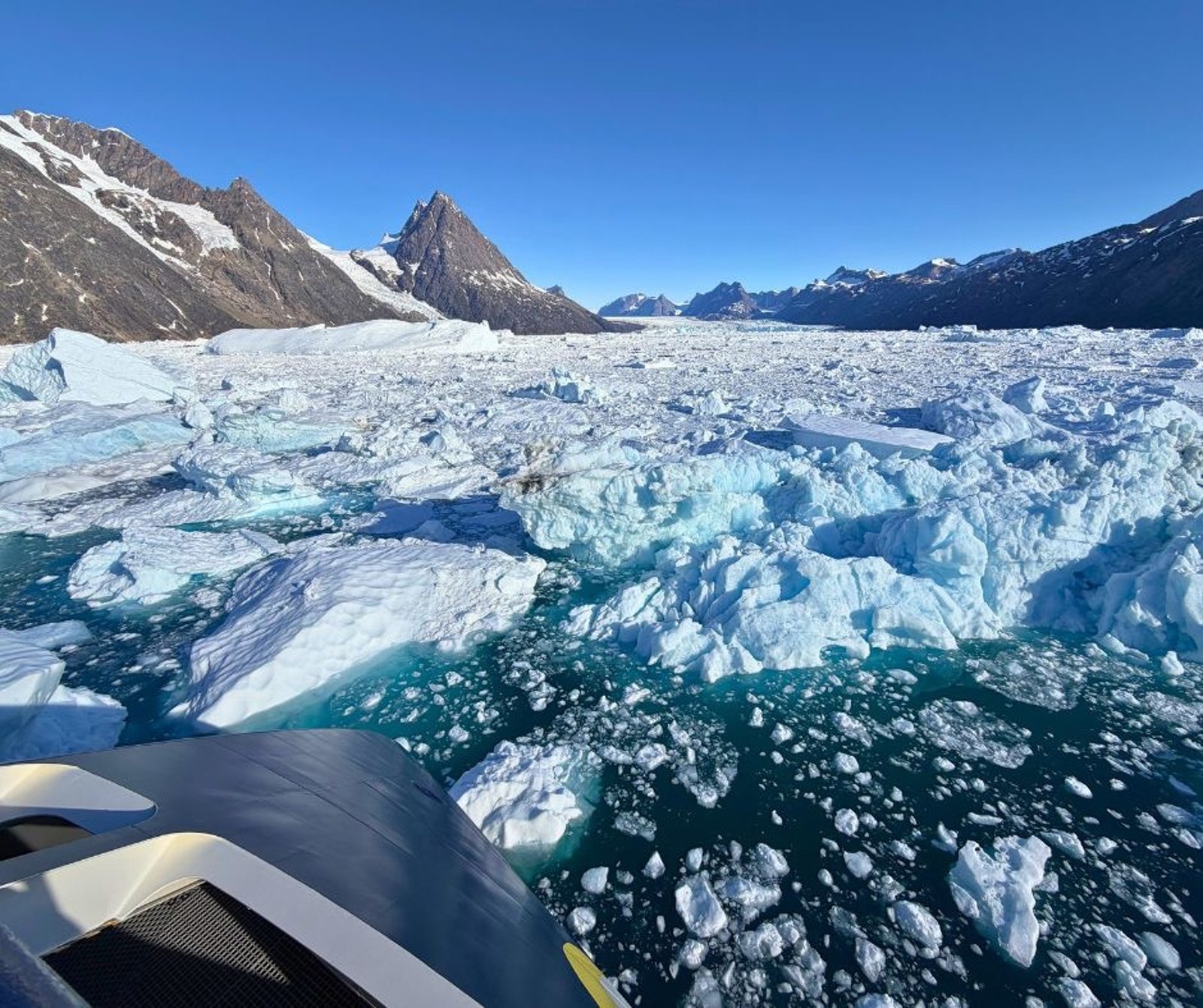
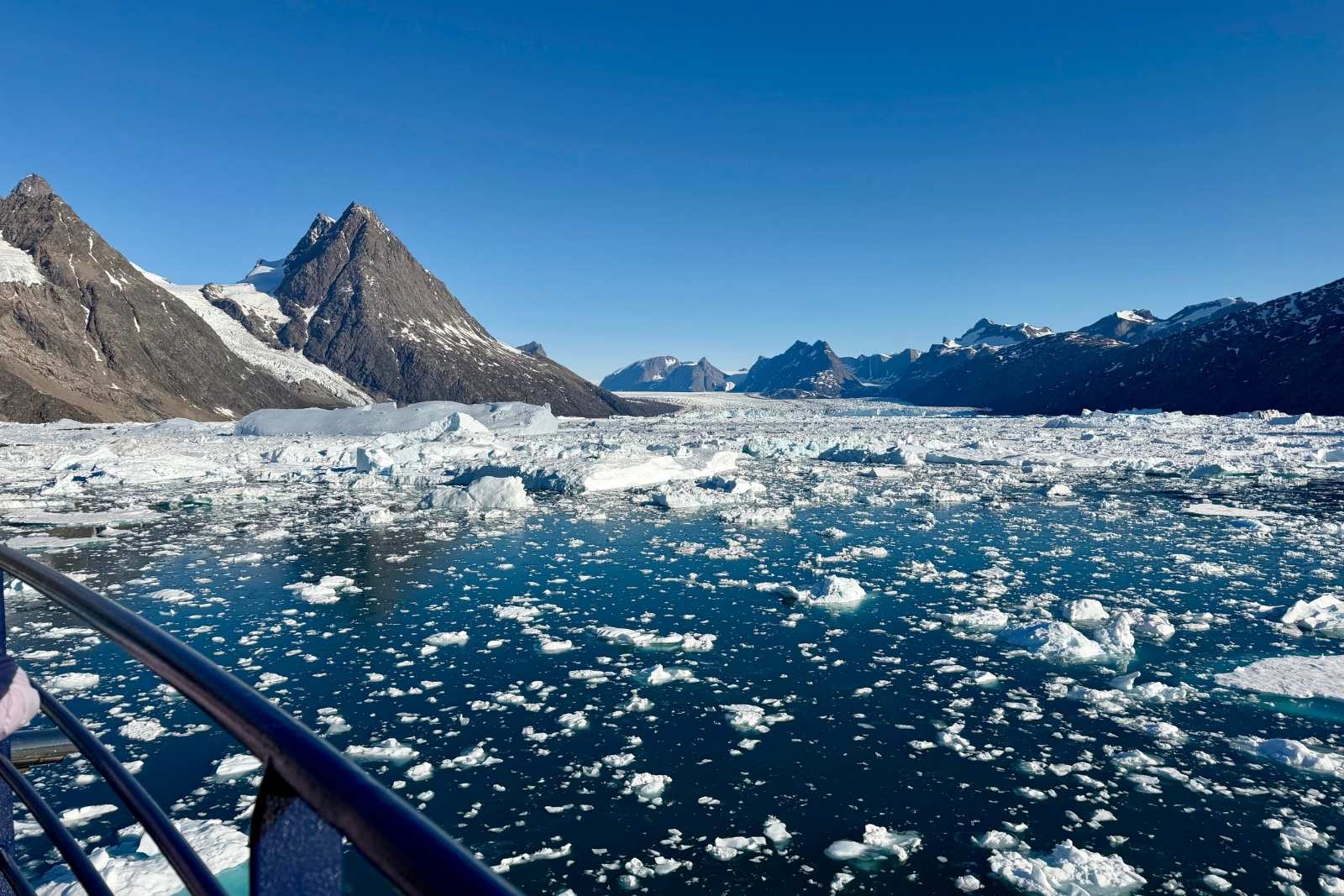
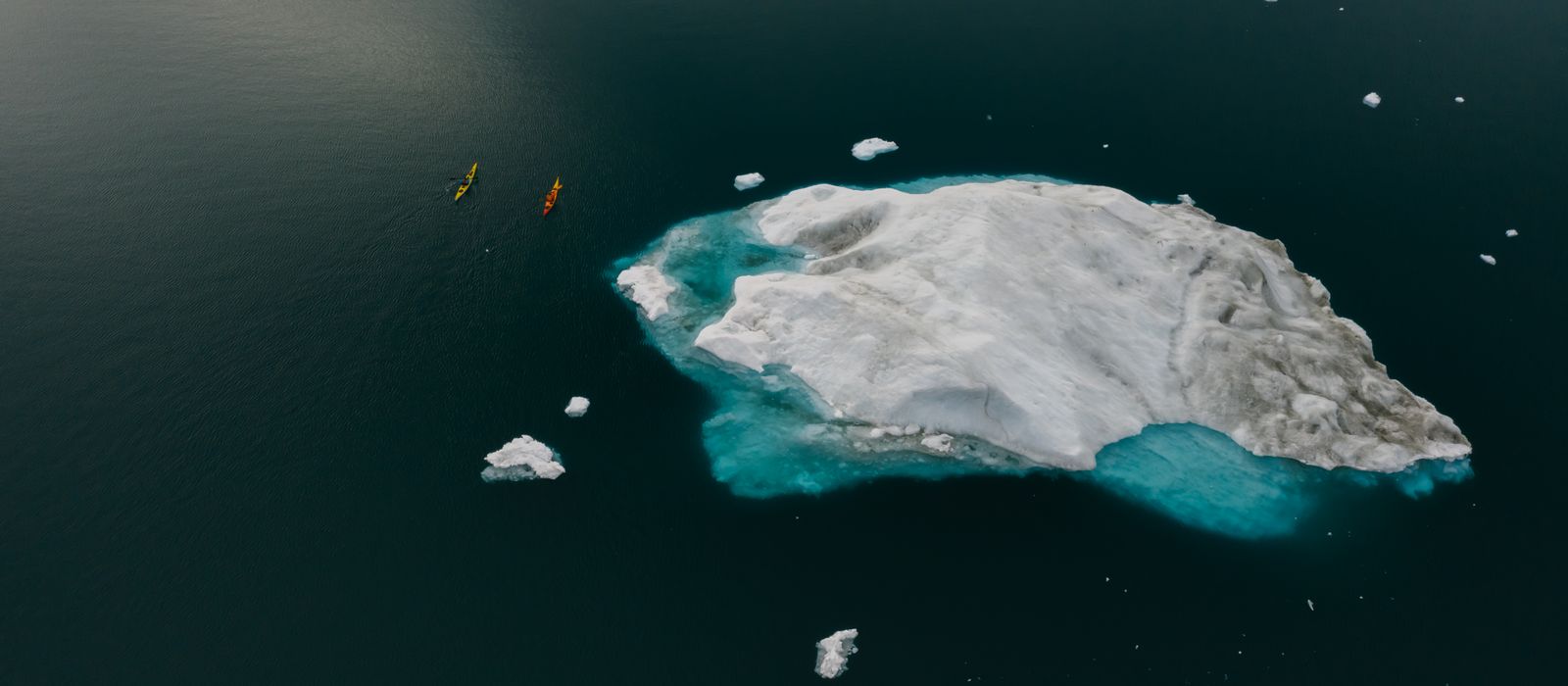
Scoresby Sund, or Kangertittivaq, is the largest fjord system on Earth, covering roughly 38,000 square kilometres — about the size of Denmark. Its main body runs 110 kilometres inland and its branches reach over 300 kilometres toward the Greenland Ice Sheet. Basalt cliffs rise to 2,000 metres straight from the water, and colossal icebergs run aground on the fjord floor, making it navigable by Zodiac among stationary giants.
The fjord averages 400 to 600 metres deep, which is why so many tabular icebergs ground rather than drift. Those stationary sapphire-blue giants are what define a Scoresby Sund itinerary: you can circle them slowly in a Zodiac, listen to them crack, and come back to the same berg the next morning to find it in the same place.
The branches reach deep toward the ice sheet. Øfjord and Nordvestfjord run inland past walls that make a ship look like a detail, and Røde Fjord is known for hematite-rich red sandstone cliffs that turn the whole landscape warm in low light. A polynya at the fjord mouth keeps water open and biologically productive year-round, supporting musk oxen, Arctic hares and millions of little auks nesting in the cliffs above.
The geology is exceptional because the region is largely ice-free with sparse vegetation. Rocks as old as three billion years sit exposed, alongside an almost complete sedimentary record of the last 1.6 billion years, red garnet-rich paragneiss, and white Augen granite formed over 900 million years ago. Guides here spend as much time on rock as on wildlife, and it does not feel like a consolation.
The market context is worth stating plainly: Scoresby Sund has become the destination the ultra-expedition market is watching for 2027, and interest is running ahead of capacity. Very few ships go, and the season is short. More detail sits in our Scoresby Sund expedition guide.
What Is the Ilulissat Icefjord, and Is It Worth the Trip?
The Ilulissat Icefjord is a UNESCO World Heritage Site on Greenland's west coast, fed by Sermeq Kujalleq, the fastest and most active glacier in the Northern Hemisphere, which advances 115 to 151 feet per day. Icebergs the size of buildings calve from it and ground on an underwater moraine before drifting into Disko Bay. It is the single most photographed landscape in Greenland, and it earns it.
Ilulissat is known as the city of icebergs and famously has more sled dogs than people. The constant low rumble and crackle of the icefjord runs underneath daily life in the town, and that sound is a genuinely unusual sensory experience — you notice it at two in the morning through an open window more than you do standing at the viewpoint.
Disko Bay is also one of the best whale-watching regions in the Arctic. Humpback, fin and minke whales are common through summer, drawn by Greenland halibut and polar cod, and it is normal to watch them from the ship rather than only from a Zodiac.
The town supports a real visit rather than a photo stop. The museum sits in the childhood home of polar explorer Knud Rasmussen, and the Brættet market is where hunters and fishermen sell the day's catch. Boardwalks lead out over the tundra to the icefjord itself, which is the walk most travelers remember longest.
We cover the town, the bay and the best time to see both in Ilulissat Icefjord and Disko Bay.
When Is the Best Time to Visit Greenland?
The Greenland season runs from late June to September. July and August offer the warmest weather, the most reliable ice access, and near-continuous daylight. Late August and September are the sweet spot for East Greenland: sea ice has retreated enough to reach the inner fjords, and returning darkness brings the first Northern Lights of the season over iceberg-filled water.
Late June
Season opens
Ice still heavy, particularly on the East coast. Landscapes at their most pristine. Seabird colonies filling. Some inner fjords not yet navigable.
July
Peak access and light
Warmest weather and near-continuous daylight. Best conditions for hiking and kayaking. Whales building in Disko Bay. The busiest month.
August
The best balance
Maximum ice retreat gives the deepest fjord penetration of the season. Whale numbers peak in the west. Late August brings the first real darkness.
September
Aurora and solitude
The strongest month for East Greenland: full access to the inner fjords plus the returning Northern Lights over glass-calm water. Fewest ships. Weather less predictable.
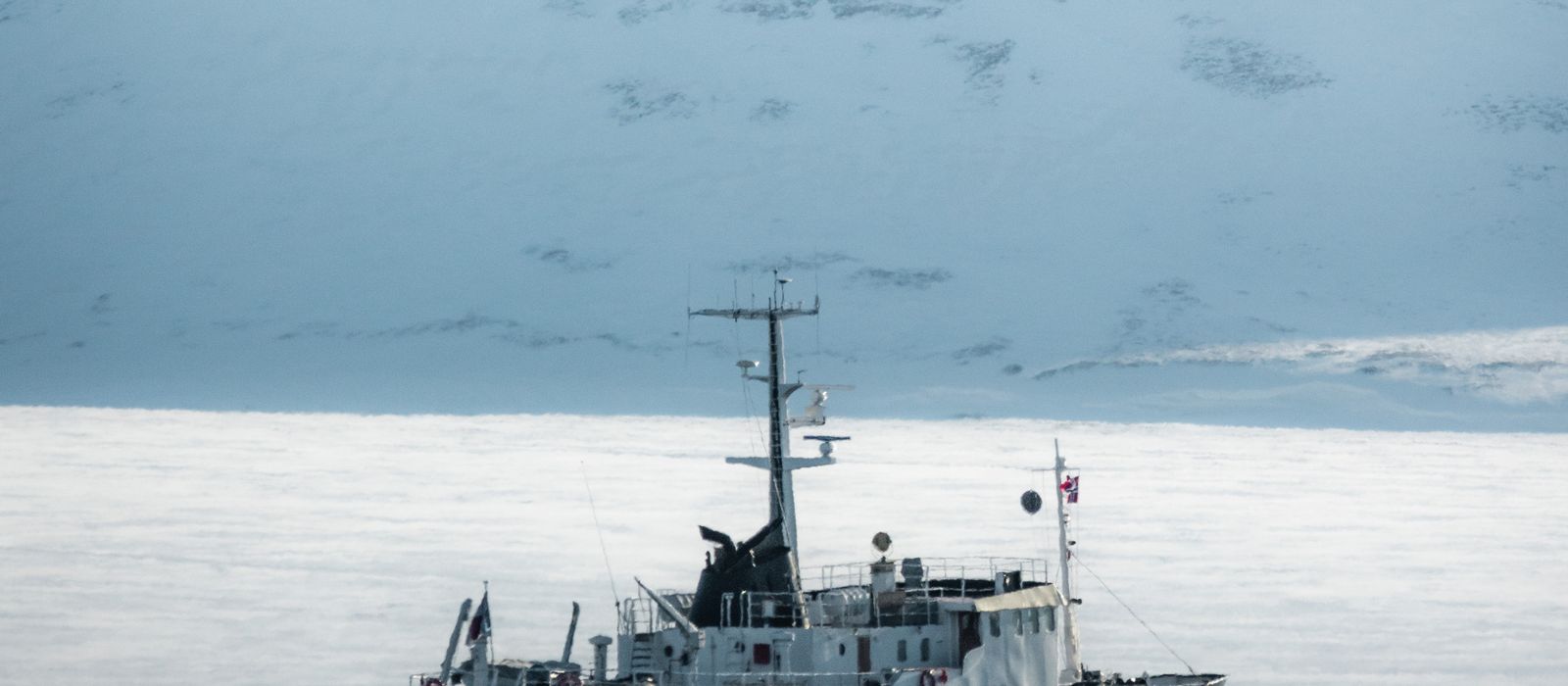
The September case is worth making properly, because it is our genuine recommendation for a first East Greenland trip. By then the ice has pulled back far enough for a ship to work deep into Scoresby Sund, and the nights are dark again. Scoresby Sund sits far from any light pollution, and seeing the aurora reflect off calm water in a fjord full of grounded icebergs is something winter-only aurora travelers never get.
The trade is real: shorter days, less settled weather, and a higher chance of a plan being rewritten. Travelers who want the longest possible hiking days and the warmest conditions should sail in July or early August instead, and accept that they will see no aurora at all under the midnight sun.
For the general Northern Lights planning question — where else to go, how many nights to allow, how forecasting actually works — see the Arctic Northern Lights guide. We keep that treatment there rather than repeating it here. Month-by-month Greenland detail sits in when to visit Greenland.
What Wildlife Will You See in Greenland?
East Greenland is strongest for terrestrial wildlife: musk oxen are abundant around Scoresby Sund, alongside Arctic foxes, Arctic hares and stoats, with polar bears a genuine possibility on the drift ice. West Greenland is strongest for whales, with humpback, fin and minke common in Disko Bay through summer. Narwhal, beluga and the rare bowhead occur in eastern waters.
Musk oxen
Enormous and bison-like, with a large population across North and Northeast Greenland. A common sight around Scoresby Sund and near Kangerlussuaq in the west.
Polar bears
A real possibility in East Greenland, where the cold East Greenland Current carries drift ice — and bears — south from the Arctic Ocean. Unlikely in the west.
Whales of the west
Humpback, fin and minke are common in Disko Bay through summer, drawn by Greenland halibut and polar cod.
Whales of the east
Narwhal and beluga, with a higher-than-usual chance of the rare bowhead in the productive waters around Scoresby Sund.
Seals
Ringed, hooded, harbour, bearded and harp seals all occur, feeding on the abundant fish and crustaceans of the eastern fjords.
Seabirds
Vast colonies of little auks, puffins and fulmars nest on the basalt cliffs. Millions of little auks alone nest around Scoresby Sund.
The causal point is what gives this section its authority. East Greenland's wildlife abundance is a direct result of its minimal human population and correspondingly low hunting pressure, which is why animals there are both more numerous and less wary than on the more populated west coast. A musk ox near Scoresby Sund will often keep grazing while a group watches from a respectful distance; the same animal in a hunted area would be gone before anyone raised a camera.
Set expectations honestly on bears. East Greenland offers a real chance rather than a promise, and any operator suggesting otherwise is selling. Travelers whose whole trip hangs on a bear sighting are better served by Svalbard, which we cover on the Arctic pillar.
Full species detail, including where and when each is most likely, sits in the Greenland wildlife guide.
What Is the Culture Like in Greenland?
Greenland has two distinct Inuit cultures. The Tunumiit of the east coast speak Tunumiit oraasiat and live at Ittoqqortoormiit, a settlement of roughly 350 people sustained by hunting and fishing. The Kalaallit of the west speak Kalaallisut, are often bilingual in Danish, and live in larger towns including Nuuk and Ilulissat. These are working communities, not cultural exhibits.
Ittoqqortoormiit, founded in 1924 on the northern shore of Scoresby Sund, is one of the most isolated inhabited places on Earth. Residents rely on subsistence hunting and fishing — seals, musk oxen, narwhal — for food, clothing and fuel, and these practices exist out of necessity rather than for visitors. Sled dogs are working animals and the primary winter transport, not an attraction, and they are treated accordingly.
The small museum occupies the town's original church and covers a century of settlement history. Tunumiit bone and soapstone carving, including tupilak figures once made as spiritual talismans, reflects a deep artistic tradition that predates any tourism by a very long way.
Tasiilaq, with roughly 2,000 residents, is the largest community on the east coast and the one most expedition ships can reach. Its museum and the antler carving sold there are the clearest window most visitors get into modern East Greenlandic life alongside the hunting and ocean fishing that still sustain it.
In the west the scale changes. Nuuk offers the Colonial Harbour and Nuuk Cathedral alongside restaurants and boutiques, and Ilulissat has the Knud Rasmussen museum and the Brættet market. Dog sledding is a thousand-year-old tradition still used by fishermen through the winter.
We are planning a 2027 sailing hosted by Erika and Chris that combines Iceland, East Greenland and West Greenland in one voyage. Dates and the ship will be announced once they are confirmed.
The right posture for a visitor is guest, not audience. Ask before photographing people, buy directly from carvers and market sellers, and accept that a community of 350 people does not owe anyone a performance. We write about this at more length in Inuit culture in Greenland.
How Much Does a Greenland Expedition Cruise Cost?
Most travelers spend $9,000 to $18,000 per person for an 8 to 12 day Greenland expedition voyage including gear, meals and excursions. Voyages combining both coasts run 14 to 18 days and reach $20,000 to $35,000 or more. Luxury vessels sit above these ranges on any itinerary. Budget separately for flights to Iceland or Kangerlussuaq and at least one pre-cruise hotel night.
| Factor | What it means | Typical impact |
|---|---|---|
| Which coast | East coast voyages need smaller ice-strengthened vessels with fewer berths | East generally prices above West |
| Combining both coasts | 14-18 day voyages covering East and West in one trip | Roughly doubles a single-coast fare |
| Ship class and cabin | Expedition-standard cabin versus a suite on a luxury vessel | 2x to 4x within the same sailing |
| Season timing | July and August are peak; late June and September are shoulder | Meaningful swing on the same cabin |
| Getting there | Flights to Reykjavík or Akureyri for the east, Kangerlussuaq or Nuuk for the west | Often $1,000-$2,000 on top of the fare |
| Charter flight segments | Some East Greenland itineraries include a charter flight from Iceland | Built into the fare, and a reason East prices higher |
| Optional activities | Kayaking, extended hiking, helicopter flightseeing over the ice sheet | Priced separately, places capped |
| Single supplement | Solo occupancy on vessels with very few solo cabins | 0% on solo-cabin ships; up to 100% elsewhere |
Ranges are 2026-27 planning estimates and move with season, vessel and availability; we quote live fares on specific departures. Full detail in what a Greenland expedition costs.
The East coast premium is structural rather than arbitrary. The vessels that can work Scoresby Sund are smaller, the season is shorter, and several itineraries include a charter flight segment from Iceland that is built into the fare. That means fewer berths chasing rising demand, and it shows up in the price of every cabin category.
Budget the getting-there separately from the voyage. Flights to Reykjavík or Akureyri for the east, or Kangerlussuaq and Nuuk for the west, commonly add a four-figure sum per person, and a buffer night before embarkation is not optional in a region where weather delays flights regularly.
Our planning costs you nothing extra. Pricing matches booking direct, with Signature amenities added where available. A fuller breakdown, including what is and is not included, sits in what a Greenland expedition costs.
East coast or west? It is the only decision that really matters.
Tell us whether you are after solitude or culture and the rest follows quickly.
Which Greenland Itinerary Should You Choose?
East Greenland and Scoresby Sund voyages of 8 to 12 days are the wilderness option, usually sailing from Iceland. West Greenland and Disko Bay voyages of 8 to 12 days centre on the Ilulissat Icefjord and Inuit towns. Combined East and West voyages run 14 to 18 days. Some itineraries pair Greenland with Iceland or Svalbard rather than covering both Greenland coasts.
8-12 days
East Greenland and Scoresby Sund
Sailing from Iceland into the world's largest fjord system. Grounded icebergs, basalt walls, musk oxen, and a visit to Ittoqqortoormiit. September departures add the aurora.
Best for: travelers who want solitude and scale above everything else.
8-12 days
West Greenland and Disko Bay
The UNESCO Ilulissat Icefjord, prolific whales, and time in Nuuk and Ilulissat. The most accessible and most reliably weather-tolerant Greenland voyage.
Best for: first-time Greenland travelers, and anyone prioritising culture and whales.
14-18 days
Both coasts
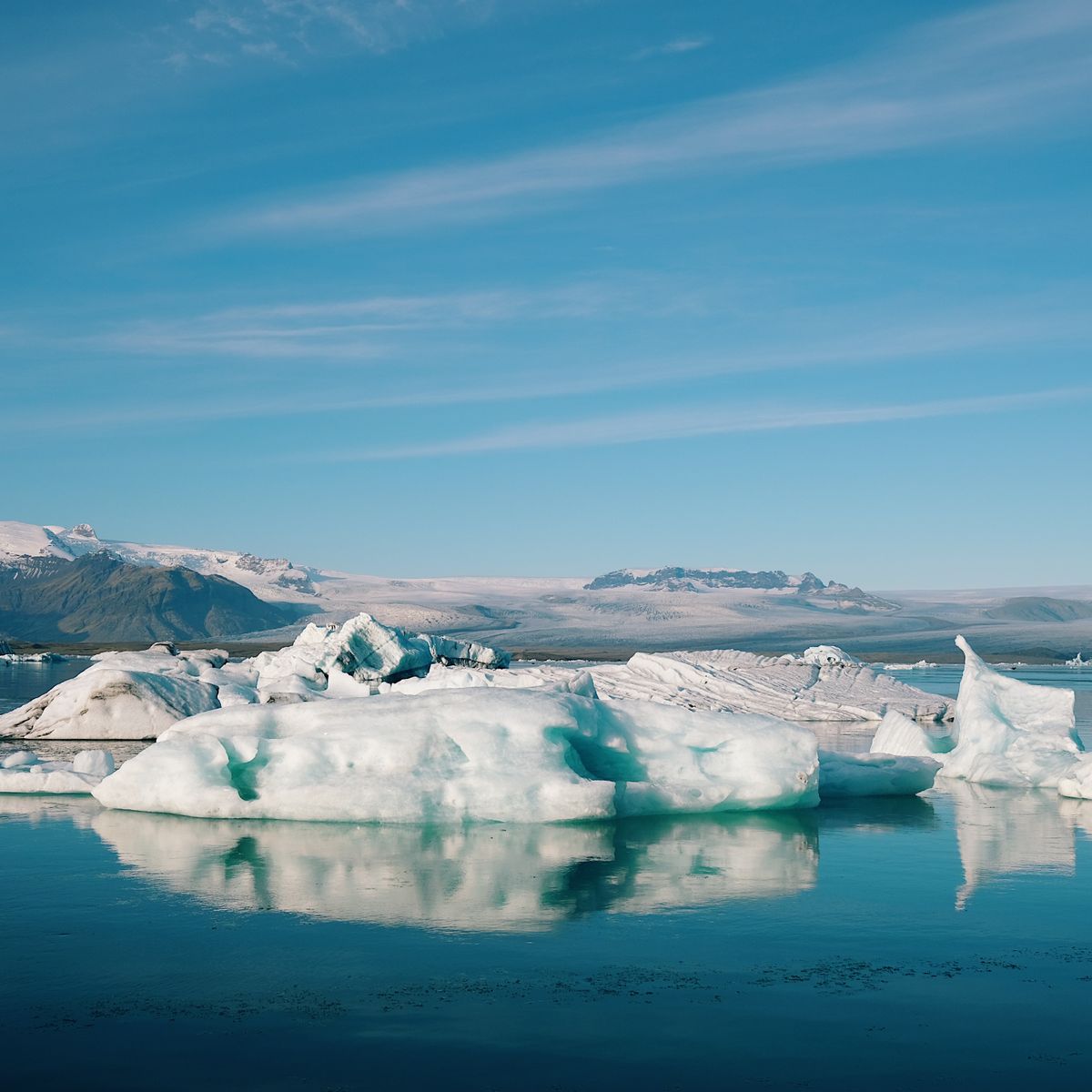
The comprehensive circumnavigation-style voyage combining East and West. Fewer departures and a significant step up in cost.
Best for: travelers unlikely to return, who want the full picture in one trip.
10-14 days
Greenland and Iceland
Pairs the East Greenland coast with Icelandic ports, often with a charter flight linking the two.
Best for: travelers who want two destinations and a shorter total commitment.
12-16 days
Greenland and Svalbard
A high Arctic crossing linking two of the north's great expedition regions. See also our Arctic pillar for the Svalbard side.
Best for: repeat polar travelers.
Most travelers are choosing between the first two. The combined voyages are excellent and we recommend them to people who are unlikely to return, but they cost roughly double and there are few departures, so they need to be booked well ahead.
The pairings are worth understanding as a category of their own. A Greenland and Iceland voyage is a shorter total commitment with two very different landscapes, while a Greenland and Svalbard crossing is a high Arctic trip for people who have already done one polar voyage. Compare the full set in the Greenland itinerary guide, or against Iceland if you are weighing the two countries.
Which Greenland Expedition Ship Is Right for You?
Ice class and size matter more in Greenland than almost anywhere. East Greenland's fjords require smaller, ice-strengthened vessels, typically 100 to 200 guests, that can work among grounded icebergs and enter narrow branches. West Greenland's ports and open bays accommodate a wider range including larger ships. Look at Zodiac count, expedition team depth and whether kayaking is offered.
| Operator | Typical guest count | Greenland strength | Best for |
|---|---|---|---|
| Lindblad-National Geographic | 100-150 | Strong naturalist and photography teams; both coasts | Travelers who want depth of interpretation |
| Quark Expeditions | 130-200 | Polar specialists with East Greenland and Scoresby Sund programmes | Ambitious itineraries and active travelers |
| Aurora Expeditions | ~130 | Small groups with kayaking and hiking programmes | Travelers who want off the ship often |
| Oceanwide Expeditions | 100-170 | Long-running East Greenland specialist with a genuine expedition feel | Value-focused travelers chasing wilderness |
| HX | 250-500 | Extensive Greenland network and strong West coast presence | Value-conscious travelers and first-timers |
| Ponant | 180-260 | Design-led vessels including the icebreaker Le Commandant Charcot | Deep-ice ambition with comfort |
| Silversea | 140-270 | Luxury with a real expedition team | Luxury travelers making a first Arctic trip |
| Swan Hellenic | 150-190 | Lecture-led, culturally focused itineraries | Travelers drawn to the human history |
Guest counts vary by vessel within each fleet and by season; figures are typical ranges for Greenland sailings. Greenland operators follow AECO guidelines. East Greenland itineraries generally require smaller ice-strengthened vessels than West Greenland routes, which is one reason East coast fares run higher. More on the fleets in expedition cruise lines and ships we've sailed.
Chris and Erika have sailed on ten ships and toured seven more, and Greenland is the destination where that experience does the most work. A ship that is a pleasure in West Greenland can be the wrong vessel entirely for Scoresby Sund, because the constraint there is hull and manoeuvrability rather than dining rooms.
This is one of the few places where the hull matters as much as the hospitality. Ask about ice class, Zodiac count relative to guest numbers, and how many of the expedition team are geologists rather than only naturalists. Then look at the ship itself in Greenland expedition ships and across the fleets on expedition cruise lines and ships we've sailed.
What Is a Day on a Greenland Expedition Actually Like?
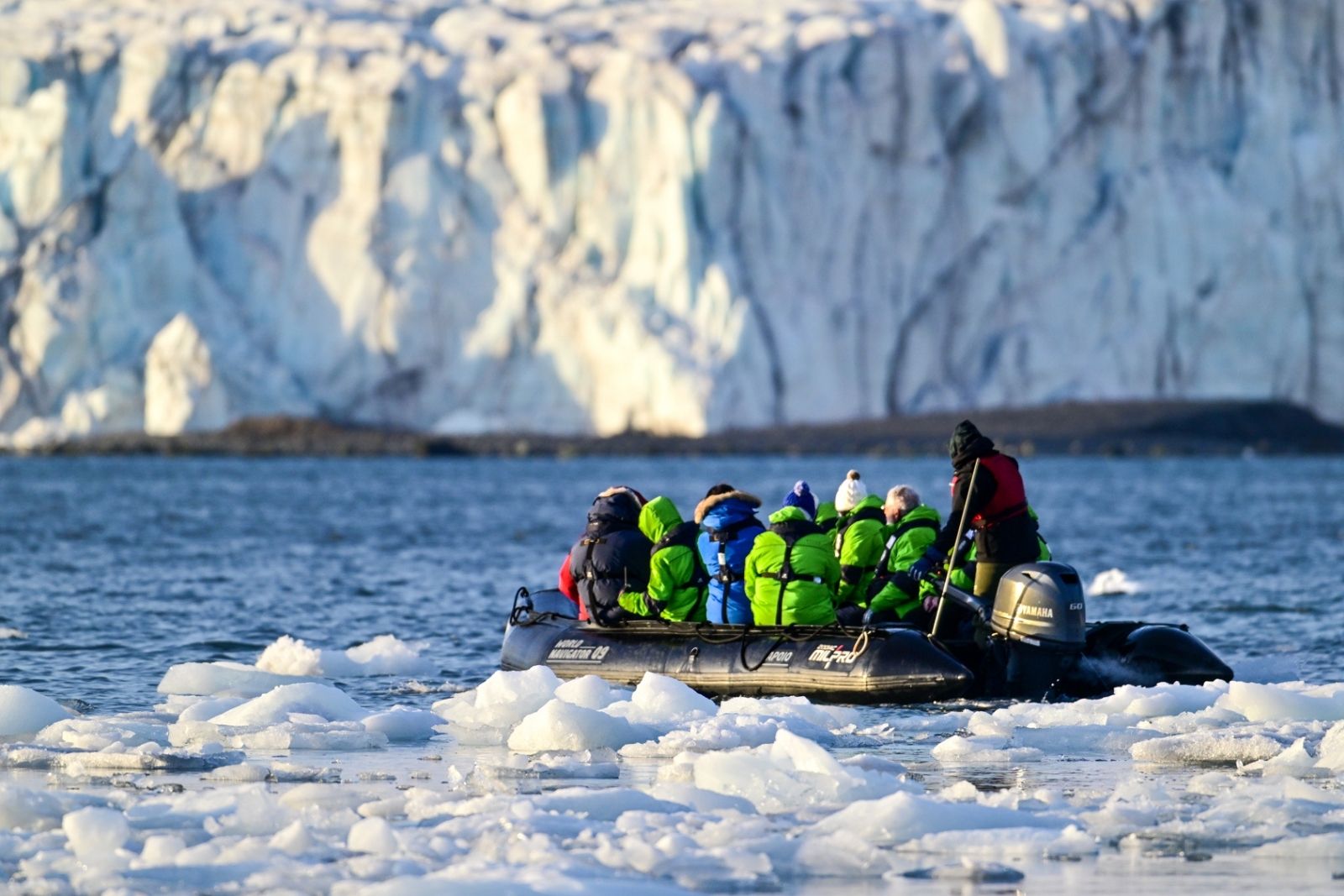
Two outings a day is typical: a Zodiac cruise among icebergs or a landing for tundra hiking, with the schedule set by ice and weather rather than a printed timetable. Kayaking is offered on many vessels and is the best way to experience the fjords at water level. On the west coast, days include settlement visits. In September, evenings may end on deck watching for the aurora.
Heavy pack ice on the east coast means itineraries are decided day to day, and that unpredictability is what makes the experience authentic rather than a frustration. The briefing at dinner tells you what tomorrow might look like; the announcement at breakfast tells you what it actually is.
Zodiac cruising among grounded icebergs in Scoresby Sund is the signature activity. Because those bergs are stationary rather than drifting, close approach is possible in a way that drifting ice never allows, and the light coming through them at low sun is the reason people come back.
Hiking on the tundra offers panoramic views and the best chance of musk oxen, usually over 60 to 90 minutes on uneven ground. Kayaking gives a silent, water-level perspective that no Zodiac can match. In the west, better infrastructure means helicopter flightseeing over the ice sheet is available on some itineraries. More on each of these across our experiences.
Is a Greenland Expedition Right for You?
Greenland suits travelers who want genuine wilderness, dramatic landscape and an itinerary that changes with ice, and who are interested in Inuit culture on its own terms. It suits you less if you need a fixed schedule, want abundant guaranteed wildlife sightings, or expect the concentrated animal spectacle of Antarctica or the Galápagos.
A good fit if you are
- Drawn to landscape and scale as much as to wildlife
- Comfortable with an itinerary rewritten daily by ice and weather
- Interested in Inuit culture as a working reality rather than a performance
- Able to hike on uneven tundra for 60 to 90 minutes
- Willing to travel in September for the aurora, accepting less settled weather
Probably not if you
- Need guaranteed sightings of a specific animal
- Want the concentrated wildlife density of Antarctica or the Galápagos
- Need a fixed, promised itinerary
- Want extensive shopping, nightlife or resort amenities ashore
- Are unwilling to fly via Iceland or Kangerlussuaq with a buffer night
The most common mismatch we see is a traveler expecting Antarctic wildlife density. Greenland's spectacle is geological and cultural more than zoological, with the honourable exceptions of Disko Bay whales and East Greenland musk oxen. You can stand somewhere astonishing all day and see three animals.
Clients who want animals above all are usually happier in Antarctica or the Galápagos, and we say so before a deposit rather than after. That conversation takes ten minutes and saves a great deal of disappointment.
How Far in Advance Should You Book Greenland?
Book 12 to 18 months ahead for East Greenland and Scoresby Sund, where very few ships operate and the season is short. West Greenland has more capacity and 8 to 12 months is usually workable. September departures and any voyage combining both coasts are the scarcest inventory. Solo cabins sell first everywhere.
Scoresby Sund is the pinch point. Very few vessels can work it, the window is roughly late June to September with the best access in the second half, and demand for 2027 is already running ahead of capacity as the destination gains attention.
If East Greenland in September is what you want, treat it like a Snow Hill emperor departure — book early or accept a different year. Hold a cabin with a refundable deposit while you settle flights and time off; that costs nothing and protects the one thing that is genuinely scarce.
Why Book Greenland Through Glacial Expeditions?
Glacial Expeditions is an independent Wisconsin-based agency, an affiliate of Oasis Travel Network and a member of Signature Travel Network, serving travelers nationwide. Chris and Erika Commisso have sailed on ten ships and toured seven more and specialise in remote, high-latitude corridors like East Greenland. Our planning costs you nothing extra — pricing matches booking direct, with Signature amenities added where available.
Independent Wisconsin-based agency serving travelers nationwide · Affiliate of Oasis Travel Network · Member of Signature Travel Network · Corporate sponsor of the Expedition Cruise Network · Ten ships sailed, seven toured
Written by your expedition advisors
Chris Commisso · Expedition Expert
Signature Travel Expert
Erika Commisso · Travel Experience Architect
CLIA Elite Cruise Counselor · ASTA Verified Travel Advisor · Signature Travel Expert
Chris and Erika have sailed ten expedition voyages and toured seven more expedition ships. Favorite explorations so far: Antarctica, Svalbard, Greenland, Iceland, Norway, Alaska, the Galápagos, the Scottish Hebrides, Churchill and French Polynesia.
Last updated . Reviewed for the 2026-27 Greenland season. Figures are planning estimates and move with vessel, season and availability.
More about how we work on about and what clients say on reviews. Greenland pairs naturally with the Arctic and Iceland. When you are ready, get in touch.
Greenland Expedition FAQs
Do you need a visa for Greenland?
Greenland is an autonomous territory of Denmark but is not in the Schengen Area, so entry rules differ from mainland Denmark. US passport holders do not currently need a visa for short tourist stays. Check requirements for your nationality well ahead, particularly if you are transiting Iceland or Denmark.
Can you see polar bears in Greenland?
In East Greenland, yes, as a genuine possibility rather than a guarantee. The cold East Greenland Current carries drift ice south from the Arctic Ocean, and bears travel with it. West Greenland sightings are unlikely. If polar bears are your priority, Svalbard offers better odds.
Can you see the Northern Lights on a Greenland cruise?
Yes, on late August and September departures, once darkness returns. East Greenland is exceptional for it because Scoresby Sund has effectively no light pollution and the fjord water is often glass calm. July voyages sail under near-continuous daylight and see nothing.
What is Scoresby Sund?
The largest fjord system on Earth, on Greenland's east coast, covering roughly 38,000 square kilometres — about the size of Denmark. Its branches reach over 300 kilometres inland, basalt cliffs rise to 2,000 metres, and colossal icebergs run aground on the fjord floor, making Zodiac cruising among them possible.
Is Greenland part of Europe or North America?
Geographically it sits on the North American plate, but politically it is an autonomous territory within the Kingdom of Denmark. Culturally it is Inuit, with two distinct language communities: Kalaallisut in the west and Tunumiit oraasiat in the east.
How do you get to Greenland?
Most East Greenland voyages sail or fly from Iceland, usually Reykjavík or Akureyri. West Greenland voyages typically begin at Kangerlussuaq or Nuuk, reached by air from Copenhagen or Iceland. Either way, build in at least one buffer night before embarkation.
How cold is Greenland in summer?
Summer temperatures on the coast generally sit a little above freezing to the low 50s Fahrenheit, warmer in sheltered west coast towns. Wind on a Zodiac is what makes it feel cold. Layering and a waterproof shell matter more than heavy clothing.
Is Greenland the same as an Arctic cruise?
Greenland is part of the Arctic and follows the same AECO guidelines, but it is a distinct trip from a Svalbard voyage. Svalbard is the polar bear and pack ice destination; Greenland is fjords, geology and Inuit culture. Many travelers eventually do both.
What is Ittoqqortoormiit?
A settlement of roughly 350 people on the northern shore of Scoresby Sund, founded in 1924 and among the most isolated inhabited places on Earth. Residents live by subsistence hunting and fishing. Its small museum occupies the town's original church.
Should I choose Greenland or Iceland?
They are often combined, and they are not alternatives in the way people assume. Iceland is road-accessible with developed tourism infrastructure; Greenland is a genuine expedition reachable mainly by ship. If you want independence and flexibility, Iceland. If you want remoteness, Greenland.
Greenland Planning Guides
East versus West Greenland
The decision that shapes everything else, coast by coast.
Scoresby Sund expedition guide
The largest fjord system on Earth, and how voyages work it.
Ilulissat Icefjord and Disko Bay
The UNESCO icefjord, Sermeq Kujalleq, and the summer whales.
When to visit Greenland
Late June to September, month by month, including the aurora window.
What a Greenland expedition costs
Fares, inclusions, flights and why the east coast prices higher.
Greenland itinerary guide
Single-coast, combined and paired voyages compared.
Greenland expedition ships
Ice class, guest counts and which hulls can work Scoresby Sund.
Greenland wildlife guide
Musk oxen, bears, whales and seabirds, coast by coast.
Inuit culture in Greenland
Tunumiit and Kalaallit communities, and how to visit well.
Northeast Greenland National Park
972,000 km² of protected Arctic, and what a ship can reach.
Greenland packing list
Layers, boots and camera gear for a fjord season.
Greenland versus Iceland
Two very different trips that are often combined.
New to this style of travel? Start with What is an expedition cruise?