
Firsthand
Expedition Ships We've Sailed
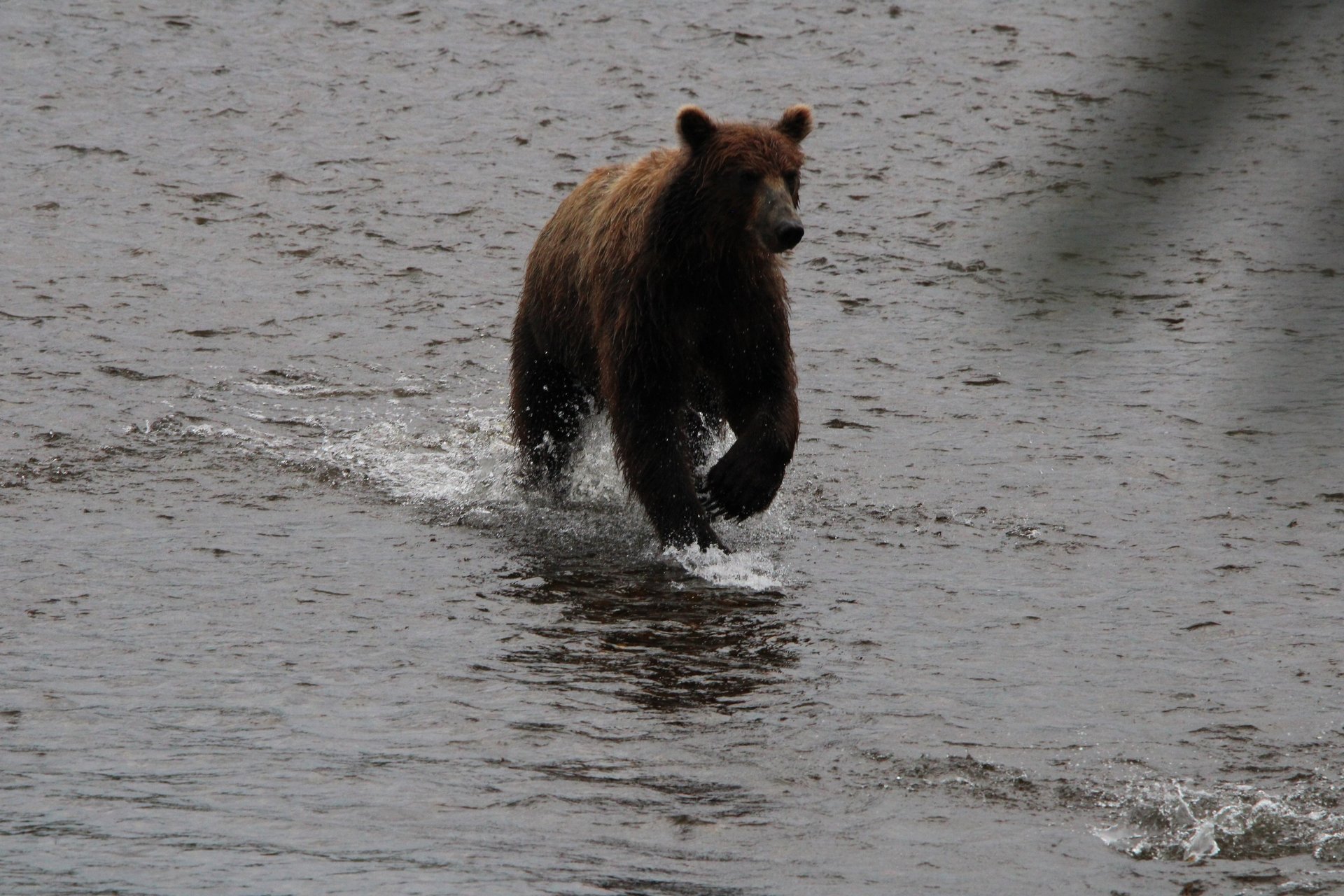
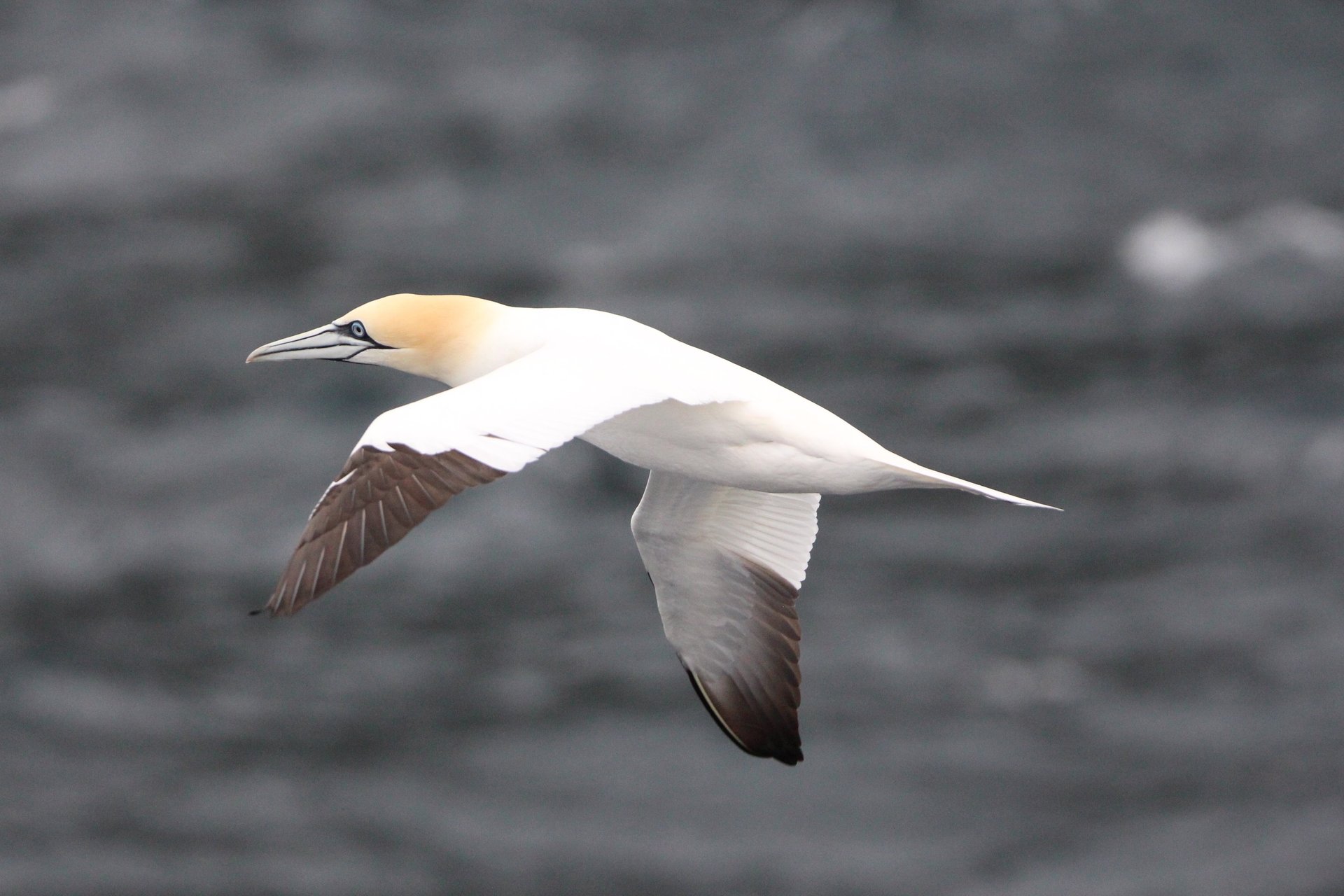
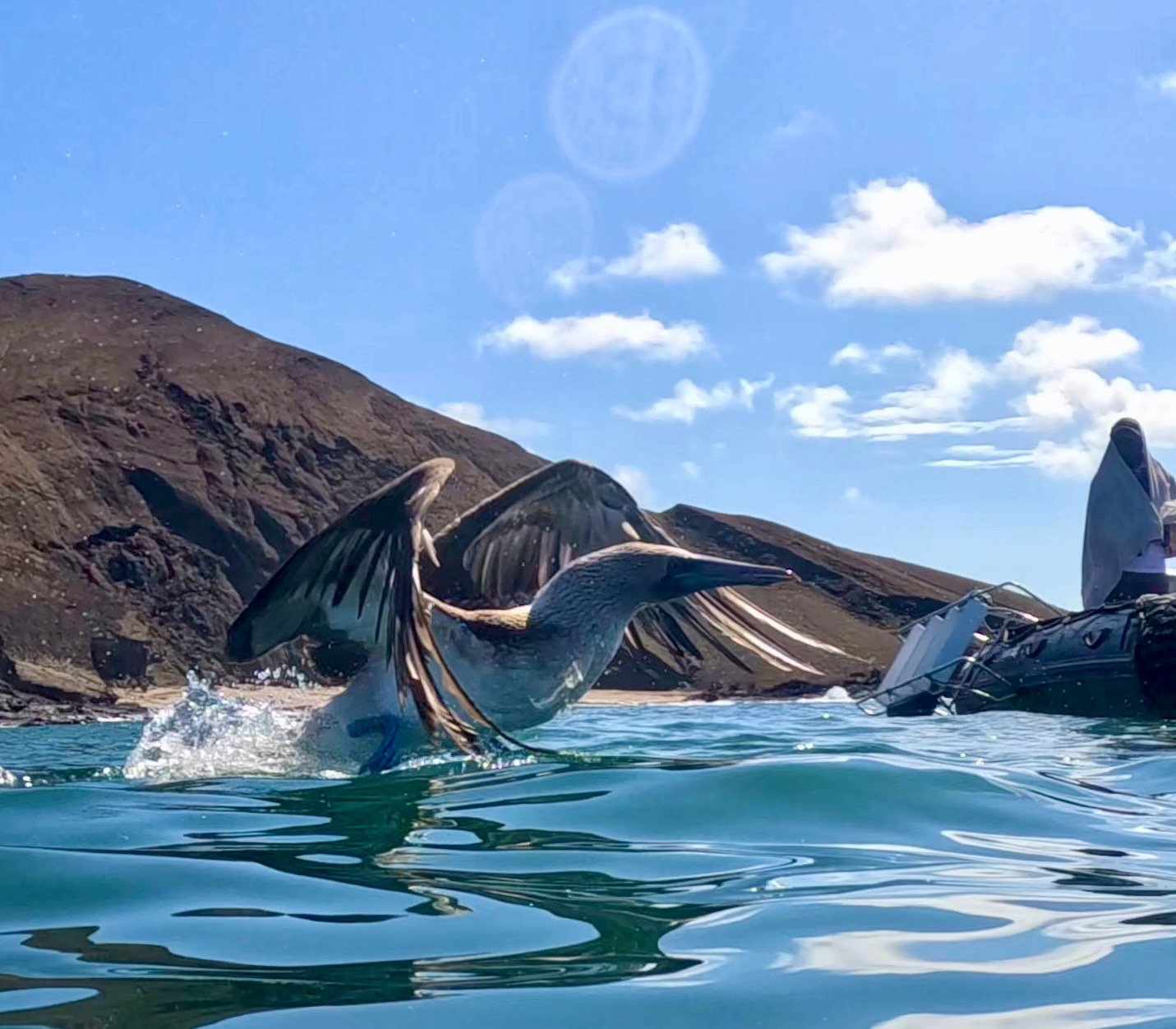
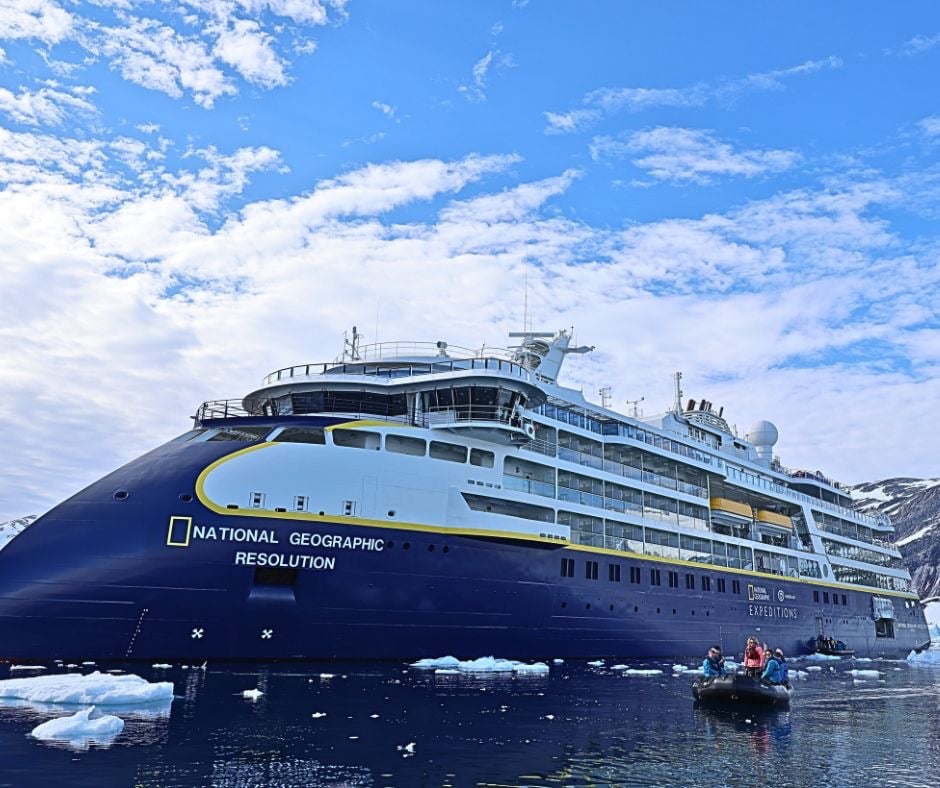
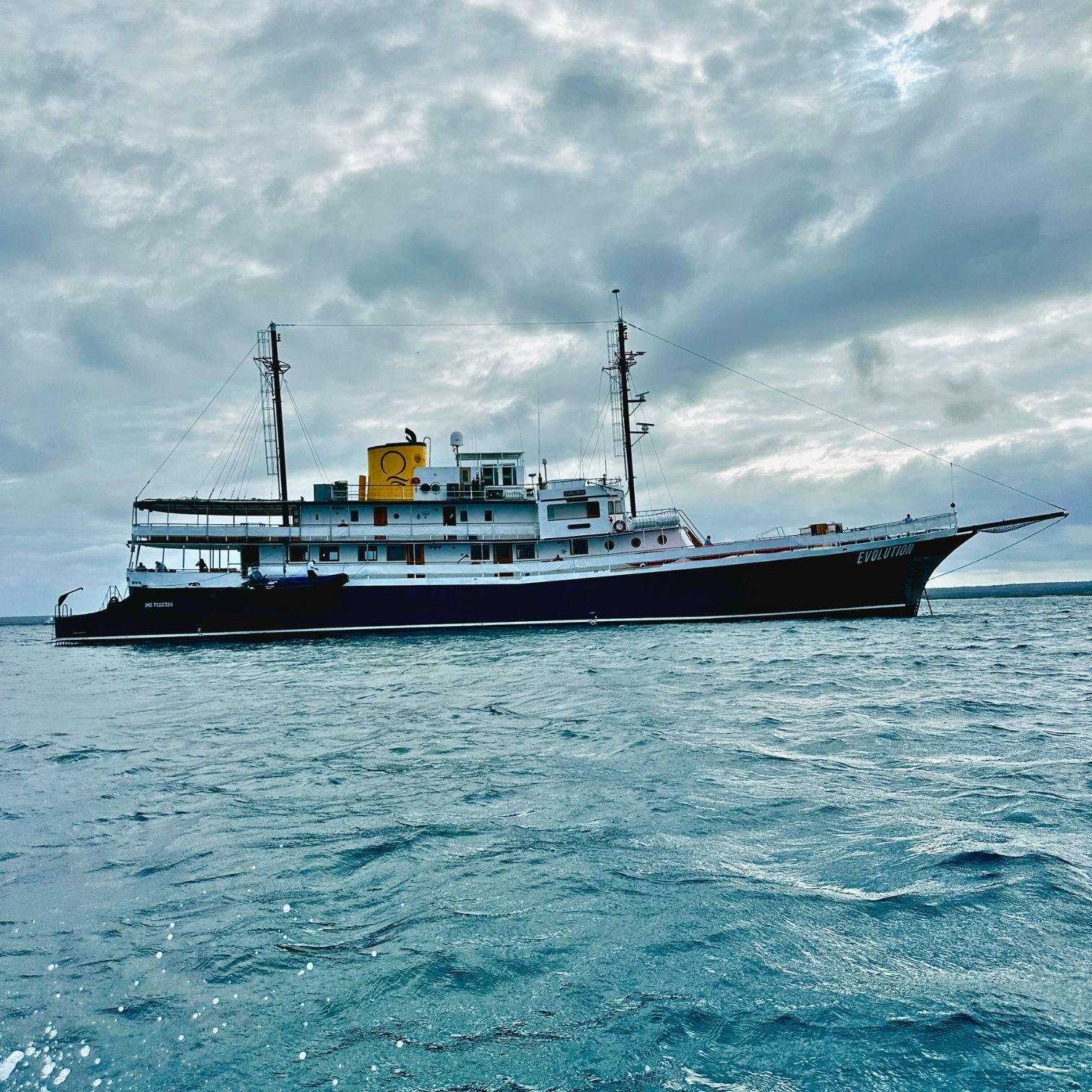
Ten ships sailed, seven more toured. Every photograph on this page is one of ours.
Why the ship matters more than the itinerary.
On an expedition voyage the ship is the hotel, the transport, and the base for every excursion, so it shapes the trip more than the itinerary does. Guest capacity determines how quickly everyone gets ashore, ice class determines how far you can push, and the ratio of expedition guides to guests determines what you learn. Chris and Erika Commisso have sailed on ten ships and toured seven more, and compare them from experience rather than from brochures. Eight of the ten we sailed are purpose-built expedition ships; the Seabourn Odyssey is a luxury ship and the Trollfjord is a coastal vessel.
Twelve operators, not one. We don't have a preferred supplier.
The fleet
Ten sailed, seven toured.
Reading a deck plan is not the same as standing in the mudroom, looking at the Zodiacs and working out what a day aboard would feel like. That is why seven of the ships here are ones we have toured rather than sailed — as with two days aboard the Roald Amundsen in Boston. We say which is which on every page.
Hurtigruten

Lindblad Expeditions
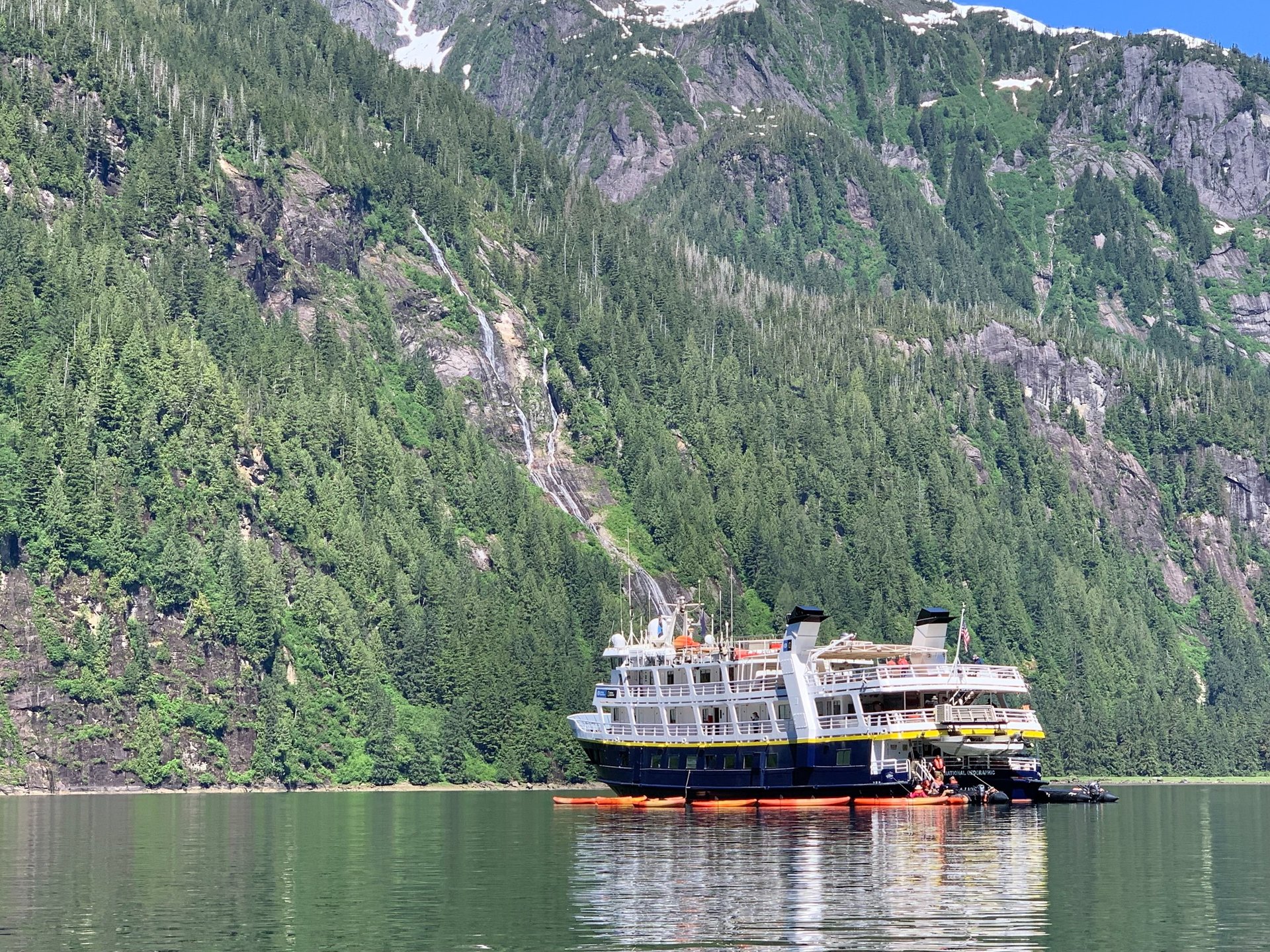
Aurora Expeditions
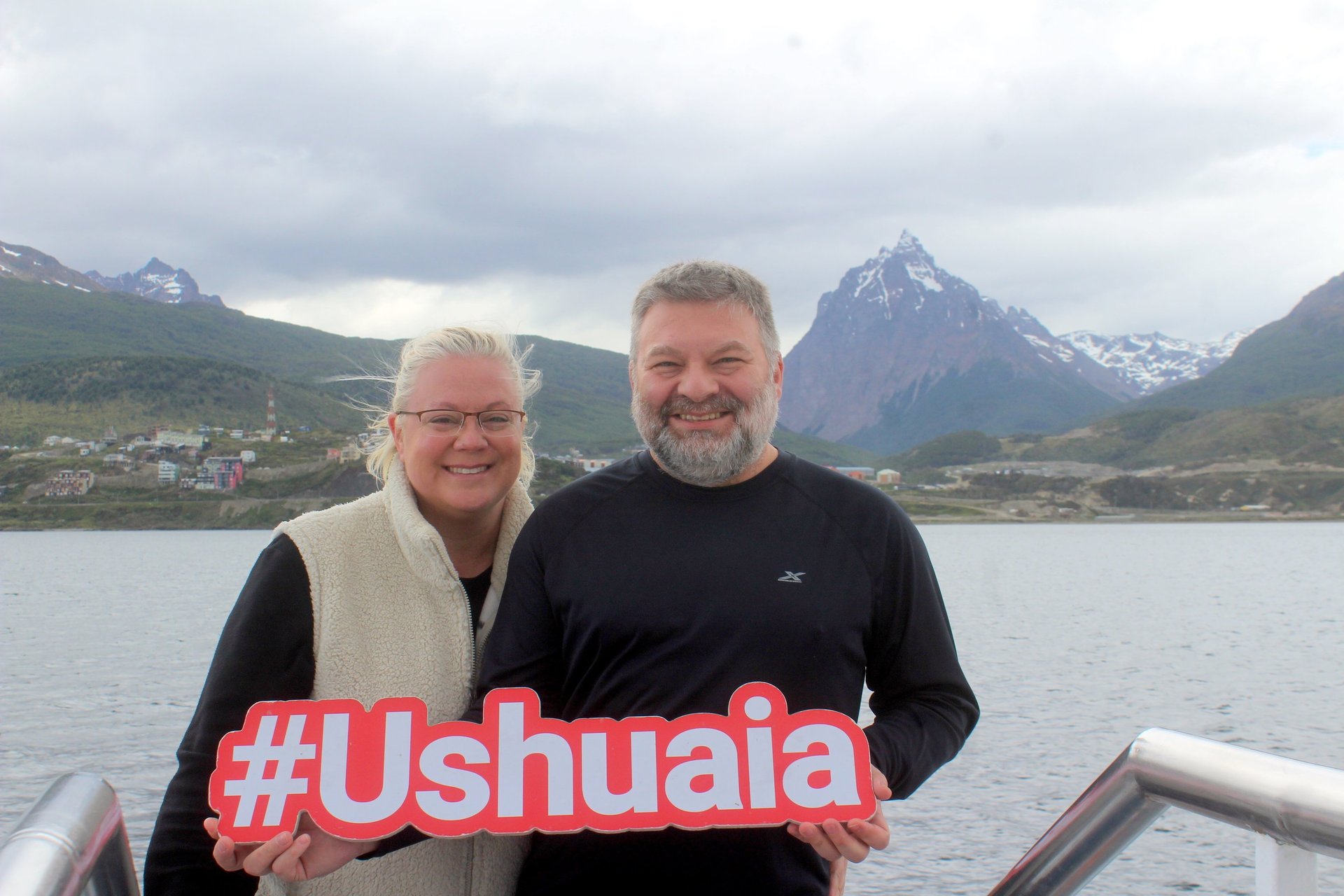
Atlas Ocean Voyages
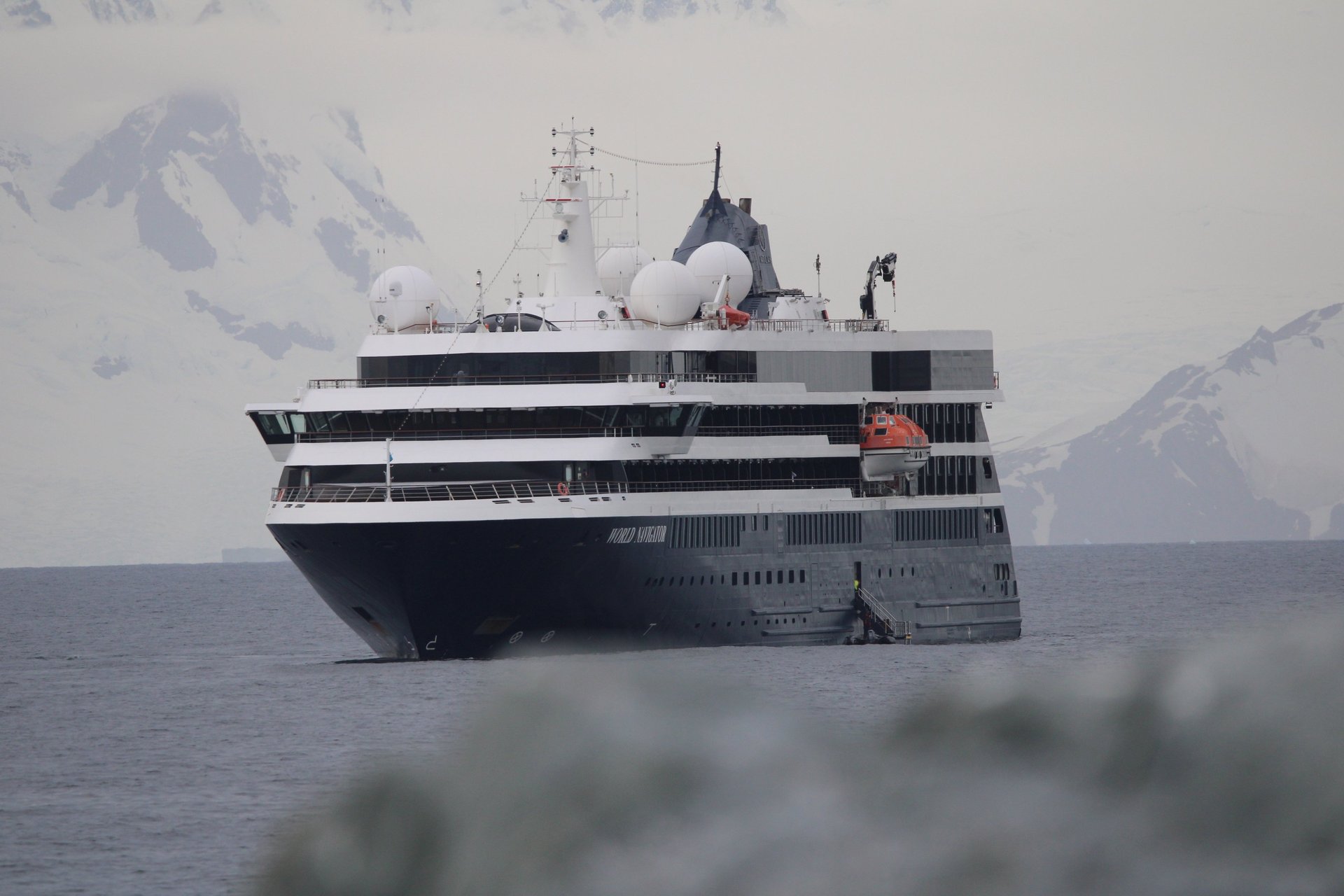
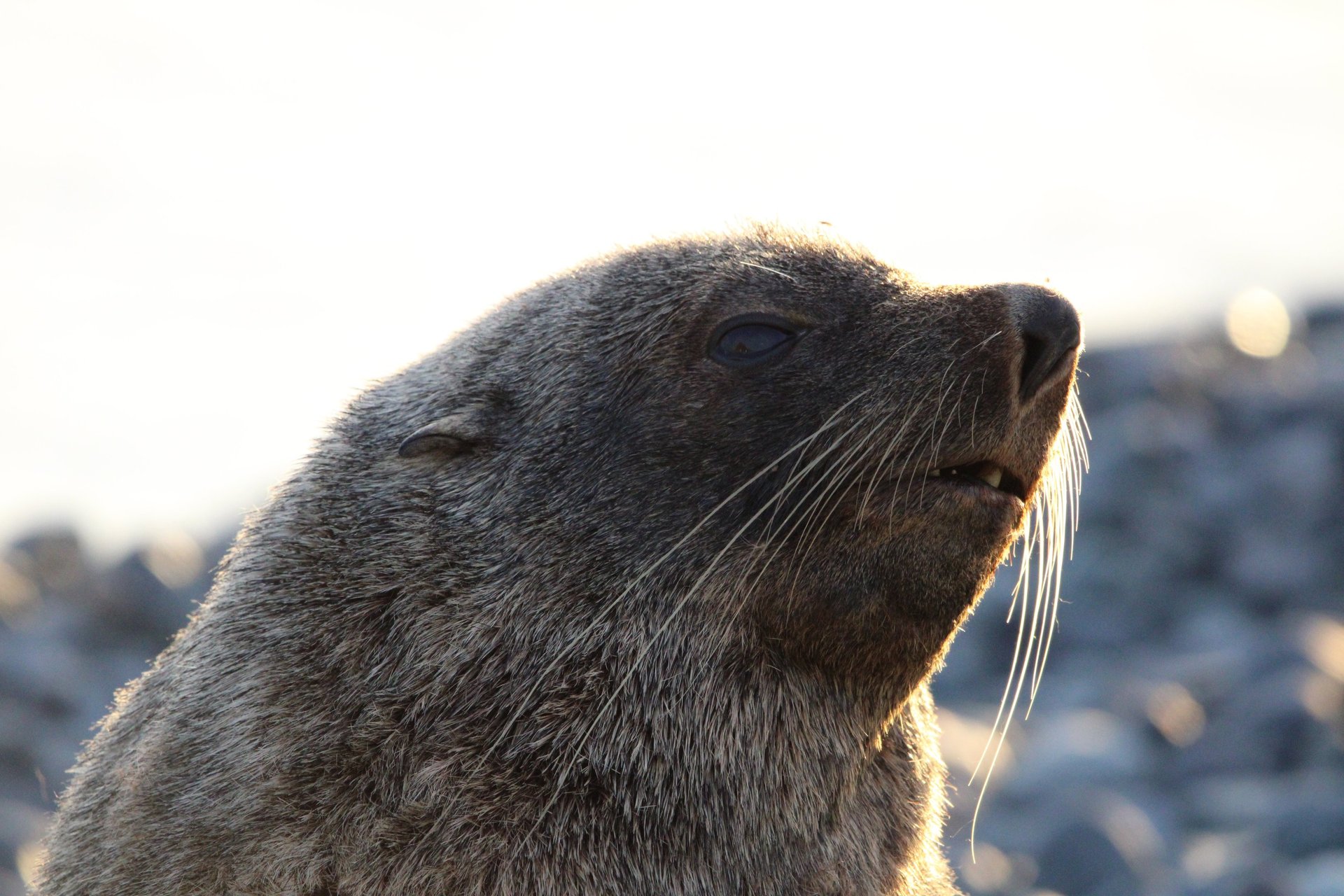
Polar Latitudes
Quark Expeditions
Ponant · Swan Hellenic
Seabourn · Iceland ProCruises · Quasar Expeditions
Three ships, one hull
The Sylvia Earle, Ocean Albatros and Ocean Explorer come from the same shipbuilder and share a hull, dimensions and much of their cabin layout. What differs is the decor and how each operator chose to arrange the common areas. We toured all three within forty-eight hours in Svalbard — six expedition ships in four days.
Luxury ship or expedition ship?
Ultra-luxury cruise ships and purpose-built expedition ships are different categories. Luxury vessels carry several hundred guests and offer more space, better stabilization, and a fuller onboard experience. Expedition ships carry fewer people, hold a higher ice class, and can put every guest ashore in a single rotation. In Antarctica, where only 100 people may land at one site at a time, that difference decides how much of the day you spend ashore.
We've sailed both — the Seabourn Odyssey at 458 guests and expedition vessels at a fraction of that. Which is right depends on whether you're going for the landings or for the voyage.
What we look at.
- Guest capacity
- Because IAATO regulations cap Antarctica shore landings at 100 people at a time, ships with under 200 guests can land everyone efficiently in a single two group rotation.
- Ice class
- Higher polar ice class ratings enable expedition ships to safely navigate dense sea ice and access high-latitude regions during early and late-season voyages.
- Guide ratio
- How many naturalists and specialists per guest, and whether they're scientists or hospitality staff.
- The mudroom and gangway
- As the primary staging area for your twice-daily zodiac excursions, an efficient mudroom layout streamlines every transition between your cabin and the water.
- Stabilizers
- Modern fin stabilizers significantly reduce ship roll, ensuring a smoother voyage across the unpredictable Drake Passage.
Comparisons
Ship comparisons.
The question we're asked most often is how two specific ships differ. These are the comparisons we're writing up.
Which ship suits you?
Thirty minutes on the phone is usually enough to narrow the field to two ships.
Written by your expedition advisor

Chris Commisso · Expedition Expert
Signature Travel Expert
Chris and Erika have sailed ten expedition voyages and toured seven more expedition ships. Favorite explorations so far: Antarctica, Svalbard, Greenland, Iceland, Norway, Alaska, the Galápagos, the Scottish Hebrides, Churchill and French Polynesia.
Last updated .