Is National Geographic Resolution worth it?
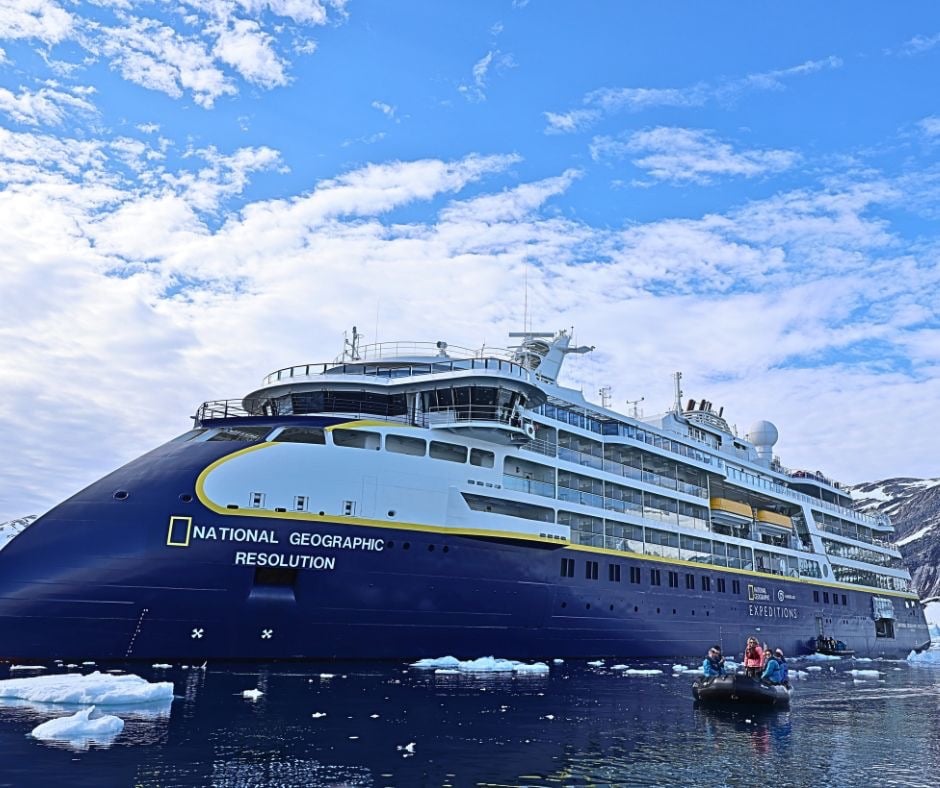
National Geographic Resolution is a 138-guest, Ice Class PC5 expedition ship built for high-latitude water. The Ulstein X-Bow keeps her steady in swell, all 76 staterooms face outside, and an expedition team of 11 to 12 specialists supports Zodiac cruising, tundra hiking and undersea research. She suits active, curious travellers who want real expedition access without giving up comfort.
Ship at a glance
Specifications
- Operator
- Lindblad Expeditions–National Geographic
- Guests
- 138
- Crew
- About 116, including 11–12 expedition staff and a National Geographic-certified photo instructor
- Length
- 408 feet
- Ship style
- Ice Class PC5 Category A, X-Bow expedition vessel — informal, comfortable
- Best for
- Active travellers, photographers, families and nature lovers who want discovery through exploration
- Where we sailed her
- Eastern Greenland
First impressions
Resolution is purpose-built for polar water and it shows the moment you step aboard. She merges genuine icebreaking capability with a restrained Scandinavian interior, so she feels rugged outside and quietly comfortable inside.
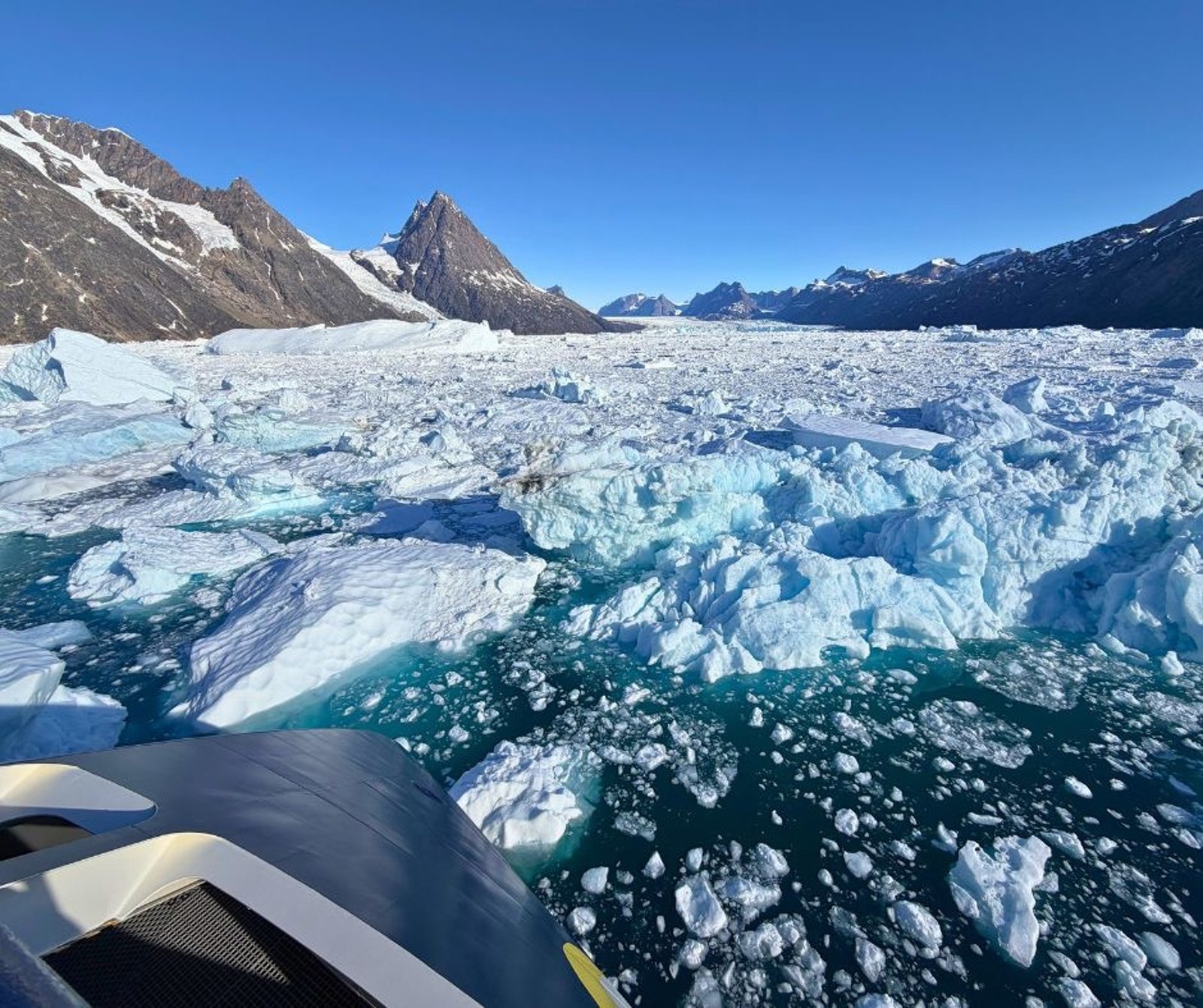
The most striking feature is the signature Ulstein X-Bow. Instead of slamming into ocean swells, the inverted bow cuts cleanly through the wave action, which noticeably reduces pitch and roll. Working along East Greenland's ice belt in choppy coastal swell felt smooth, stable and remarkably quiet.
That is the balance she strikes: completely capable in serious ice, yet intimate and inviting the moment you are back inside.
Staterooms and comfort
All 76 staterooms and suites face outside, with either large panoramic windows or private step-out balconies with outdoor seating and Lindblad's signature hammocks. Cabins are spacious with substantial storage, and there are windows nearly everywhere aboard.
- Fourteen dedicated solo cabins, each with a private balcony, an ocean-facing bed, and the same bathroom and storage as the doubles.
- Junior Suites and Suites with double-width balconies.
- Integrated tech hubs with iPad tablets for daily ship updates, multiple charging stations and on-demand entertainment.
- Navigational touches in the room: wall barometer, hygrometer and a National Geographic Atlas.
- Clean Nordic design, premium linens, individual climate control and mini-refrigerators.
- Spa-inspired bathrooms with rain shower heads and botanically infused products.
Decks, wellness and the igloos
There is outdoor viewing on Decks 5, 6, 7 and 8, forward at the bow and aft, and the ship is notably smooth and quiet crossing open ocean. Deck 6 has a sauna along with fire tables and heaters, so the outdoor space stays usable in polar weather.
- Two rooftop glass igloos, used for one-night glamping under the polar sky.
- Sauna, fire tables and outdoor heaters on Deck 6.
- Bow and aft viewing across four decks, which matters when wildlife appears on one side only.
Dining on board
Two open-seating venues, no fixed schedules and no formal dress codes: Two-Seven-Zero, named for its floor-to-ceiling panoramic views, and Tupaia for lighter lunches, fresh salads and grilled dishes.
- Farm-to-table and sustainable ocean-to-table cooking, with ingredients sourced in destination ports alongside familiar favourites and fresh baking.
- Full dietary accommodation, including plant-based and gluten-free.
- Cook's Nook, an intimate zero-waste tasting venue with a seven-course chef's menu, offered once per voyage to every guest.
- Afternoon tea, which was an extravaganza of specialty desserts.
The expedition team
What sets Lindblad apart is the field staff. A team of 11 to 12 specialists serves up to 138 guests, which keeps groups small on Zodiac cruises, tundra hikes and daily shore activities.
Each lecture and evening recap was engaging, personal and inspiring. It did not feel like a cruise. It felt like travelling as a group of explorers.
- Every voyage sails with a National Geographic photography expert alongside a certified Lindblad photo instructor — field instruction, gear advice and daily image critiques at any skill level. On our sailing, Ralph Lee Hopkins was aboard.
- Specialists in geology, glaciology, marine biology, ornithology and Arctic history, plus a Greenlandic guide.
- Two undersea specialists with cold-water diving gear, high-definition underwater video and ROVs, presenting live footage at evening recap.
- Expedition leaders who rebuild the day around real-time ice, wind and weather, prioritising wildlife sightings and safe landings.
Life on board
The Observation Lounge is the ship's gathering place, where guests meet each evening for expedition recap and naturalist briefings over local craft beer, tea, cocktails and light snacks.
- A complimentary waterproof jacket and water bottle make packing lighter.
- Boots and waterproof trousers are available to rent if you did not bring your own.
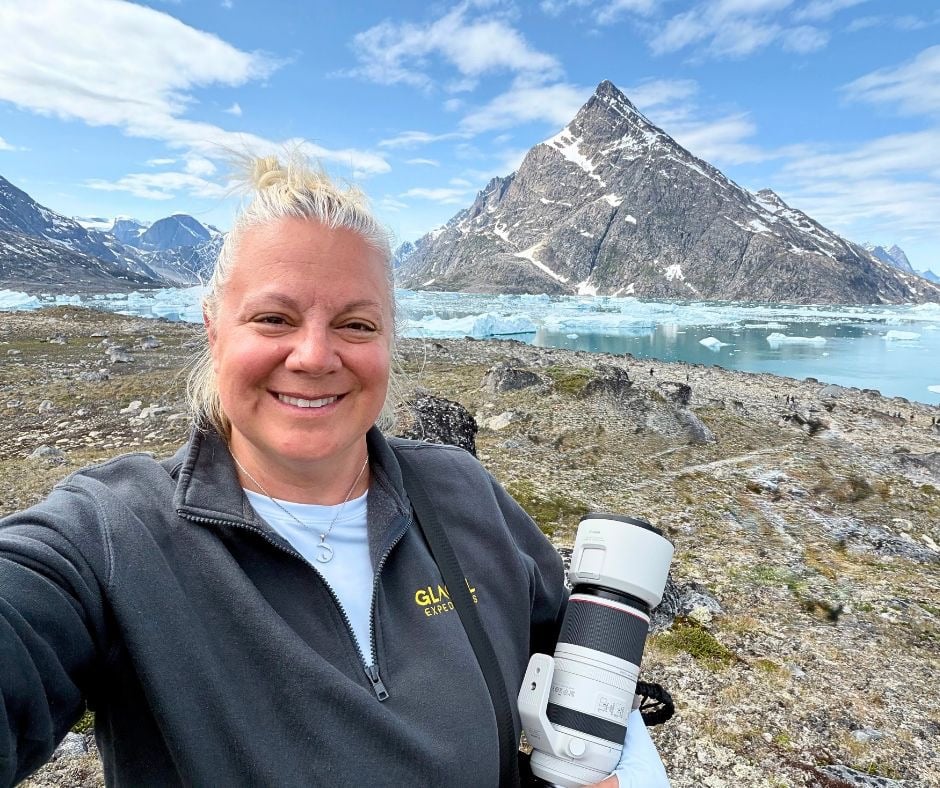
- Captain Martin Graser kept an open bridge policy — step in, talk with the officers and watch the radar and charts as the ship threads pack ice.
Sustainability
Lindblad is a pioneer in sustainable expedition travel, and Resolution carries that through in her engineering and her daily operations.
- The X-Bow design cuts fuel use and emissions by slicing through waves rather than slamming into them. Lindblad states that its fleet operations are carbon-neutral.
- Guest areas are free of single-use plastic bottles, cups and straws; refillable bottles are provided.
- A sustainable ocean-to-table seafood and locally sourced food policy in the galley.
- Dynamic positioning holds the ship on thrusters rather than dropping anchor on fragile sea floors.
- An onboard Science Hub and undersea gear support ocean research and the LEX-NG Conservation Fund.
Who should book her
Resolution suits travellers who want an active, immersive itinerary and access to hard-to-reach polar coastlines, not entertainment-led cruising.
- Travellers who want daily Zodiac excursions, polar kayaking and tundra hikes.
- Photographers of every level, and curious learners who value direct access to National Geographic photo experts, field naturalists and live undersea research.
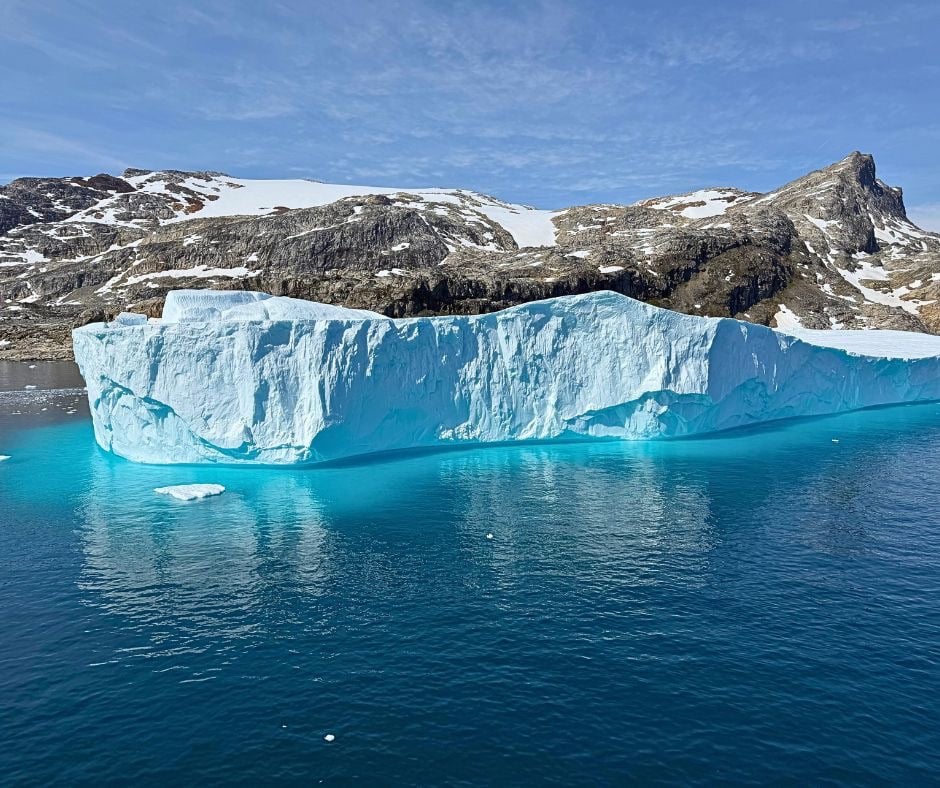
- Adventurers heading for isolated regions — Eastern Greenland, Antarctica, the High Arctic — on a ship nimble enough for narrow fjords and pack ice.
- People who want a true expedition without giving up floor-to-ceiling polar views, good food and modern wellness spaces.
- Environmentally aware guests, including multi-generational families, who care about an operator's environmental commitments and in-depth educational recaps.
Our takeaway
The ship you choose completely shapes your polar experience. National Geographic Resolution is, without a doubt, the pinnacle for small-ship polar expedition travel. Captain Martin Graser fully used the capability of the ship, putting us right in the middle of the action. By blending state-of-the-art polar engineering with an outstanding team of field experts, she is built for travellers who don't just want to see the Arctic and Antarctica from behind a window — they want to explore them.
Written by your expedition advisor
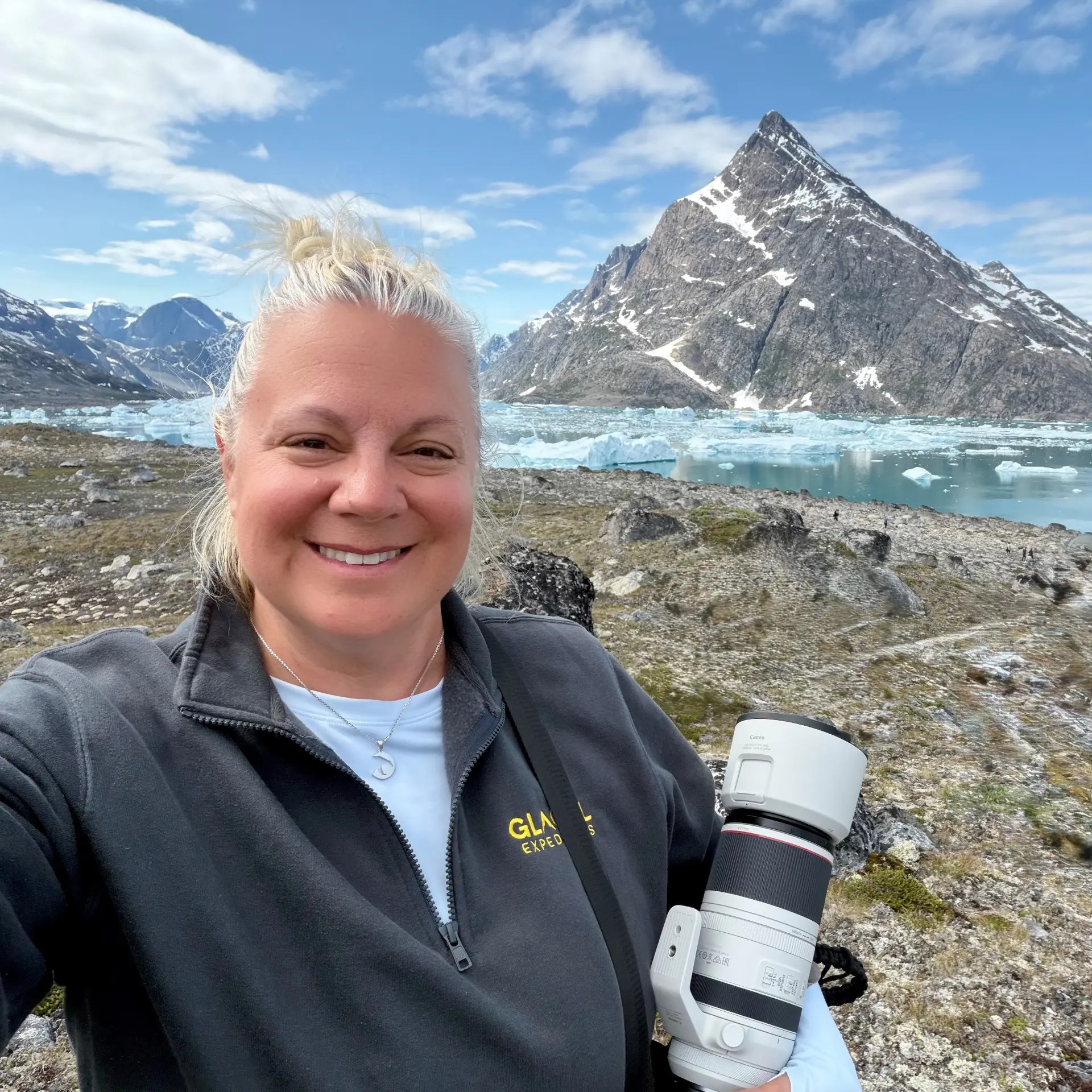
Erika Commisso · Travel Experience Architect
CLIA Elite Cruise Counselor · ASTA Verified Travel Advisor · Signature Travel Expert
Chris and Erika have sailed ten expedition voyages and toured seven more expedition ships. Favorite explorations so far: Antarctica, Svalbard, Greenland, Iceland, Norway, Alaska, the Galápagos, the Scottish Hebrides, Churchill and French Polynesia.
Last updated .