Is the National Geographic Sea Lion worth it?
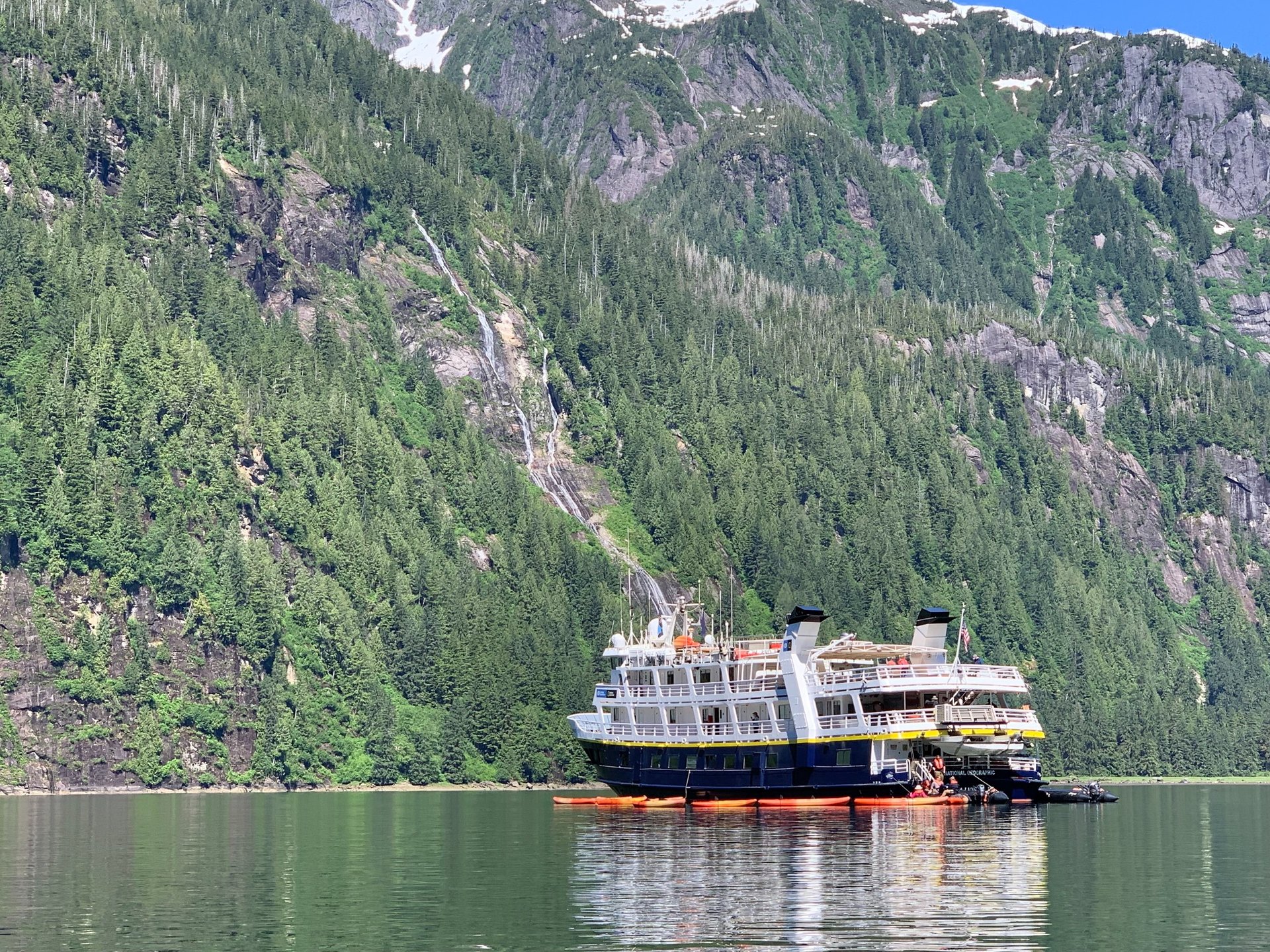
Yes, if you want Alaska rather than a cruise. The National Geographic Sea Lion is a 62-guest, 152-foot Lindblad Expeditions ship carrying about 26 crew, including four to five expedition staff and a National Geographic-certified photo instructor. Cabins are compact, with no televisions and no balconies. She is built for time off the ship, not for onboard comfort.
Ship at a glance
Specifications
- Operator
- Lindblad Expeditions–National Geographic
- Guests
- 62
- Crew
- Approx. 26, including 4–5 expedition staff and 1 National Geographic-certified photo instructor
- Length
- 152 feet
- Style
- Classic expedition vessel — informal, rugged, comfortable
- Region
- Alaska
- Where we sailed her
- Southeast Alaska, out of Ketchikan
How small is a 62-guest ship, really?
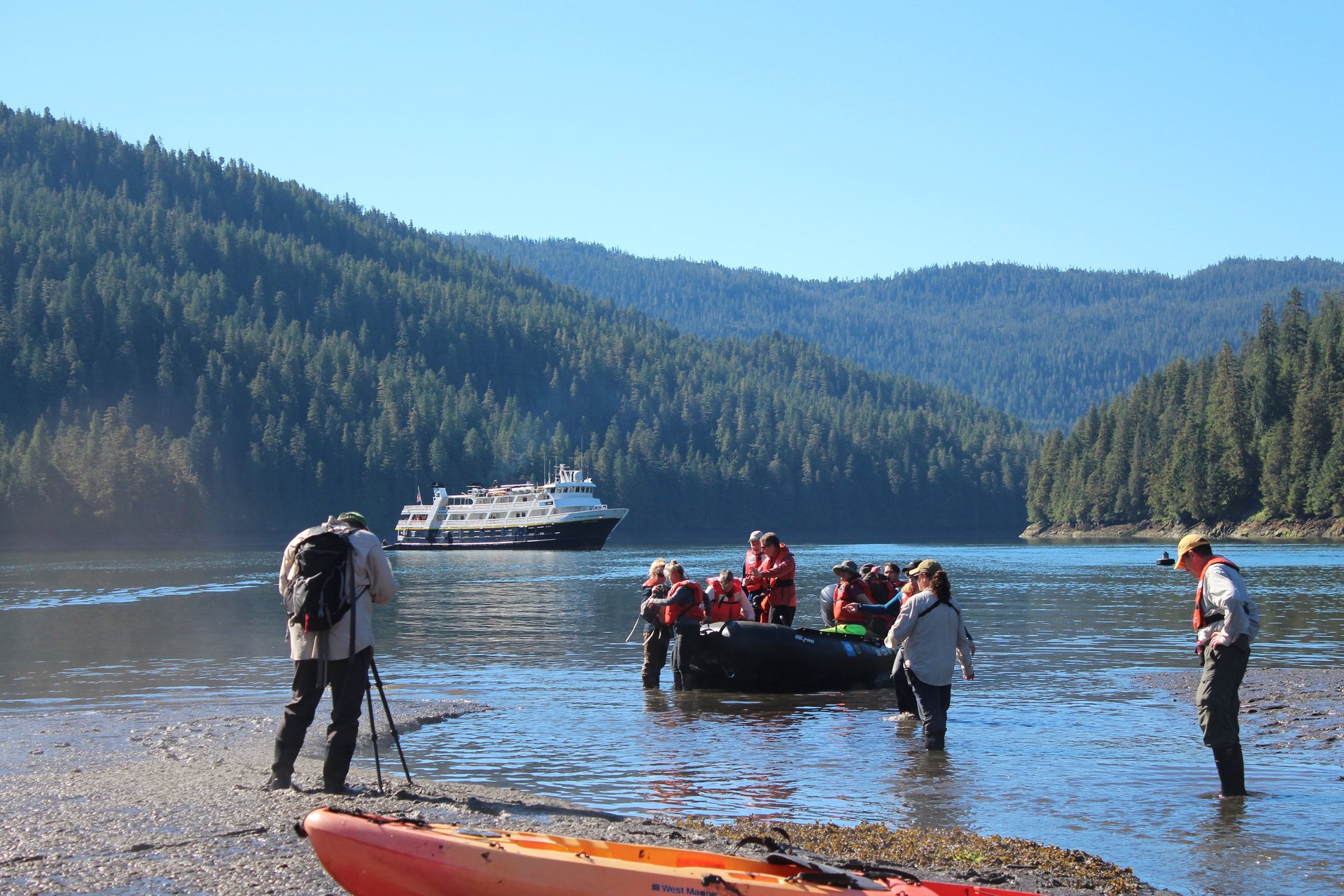
Small enough that you learn most names in two days and the ship can change plan for a whale. At 152 feet she carries fewer guests than a single deck of a mainstream cruise ship, which is why she can enter narrow inlets, hold position in front of a glacier and put everyone ashore in one Zodiac rotation.
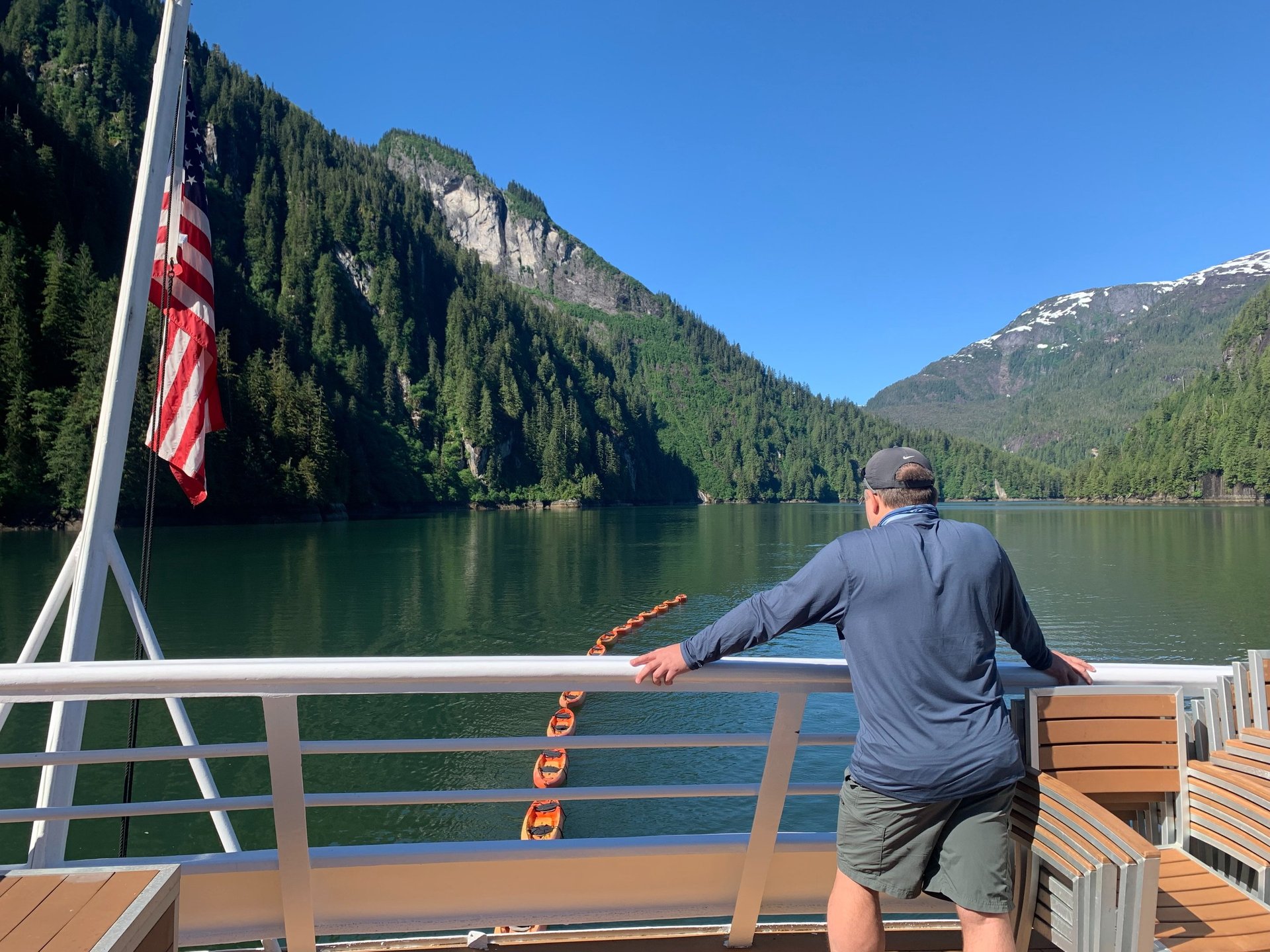
Sailing her felt like joining a floating field station for nature lovers. With fewer than 65 passengers and a deeply engaged expedition team, the atmosphere is intimate, educational and focused on exploration rather than entertainment.
This is a ship that brings you face to face with Alaska's raw wilderness without sacrificing comfort or quality of service.
What are the cabins like on the Sea Lion?
Compact and efficiently designed, and honest about it. There are no televisions and no balconies. Bathrooms are small, with the shower and toilet sharing the same space. If a cabin is where you plan to spend your afternoons, this is the wrong ship; if it is where you sleep between landings, it is entirely adequate.
- Compact but efficiently designed, with good storage for expedition gear
- No televisions and no balconies — this is a ship for explorers
- Small bathrooms, with shower and toilet sharing the same space
- The dining room sits at water level, which matters more than a balcony would
What is the food like?
Fresh, locally sourced where possible and communal — a family table rather than white tablecloths. There is one seating, no assigned tables and no dress code, and meals move with the expedition rather than to a restaurant schedule. Dining is where most of the day's sightings get compared.
- Fresh, locally sourced when possible, and communal
- A single relaxed seating that doubles as the best way to meet other guests
- Meal times flex around wildlife and weather, not the reverse
What is the expedition team like?
The team is what separates Lindblad from other small ships in Alaska. On our sailing we had two naturalists, a cultural interpreter speaking on Indigenous Tlingit heritage, a National Geographic-certified photo instructor and a Park Ranger who joined us onboard. Every lecture and evening recap was personal rather than scripted.
It didn't feel like a cruise. It felt like travelling with scientists and storytellers.
- Two naturalists with deep knowledge of glaciology, birding and marine biology
- A cultural interpreter speaking on Indigenous Tlingit heritage
- A photo instructor helping guests shoot better images, whatever their skill level
- A Park Ranger who joined us onboard
What do you actually do each day?
You go ashore or out on the water, usually twice a day. Zodiac cruising, bushwalks of varying pace, kayaking and long stretches of deck time watching for whales and bears fill the days, with the schedule rewritten overnight around weather and wildlife rather than published in advance.
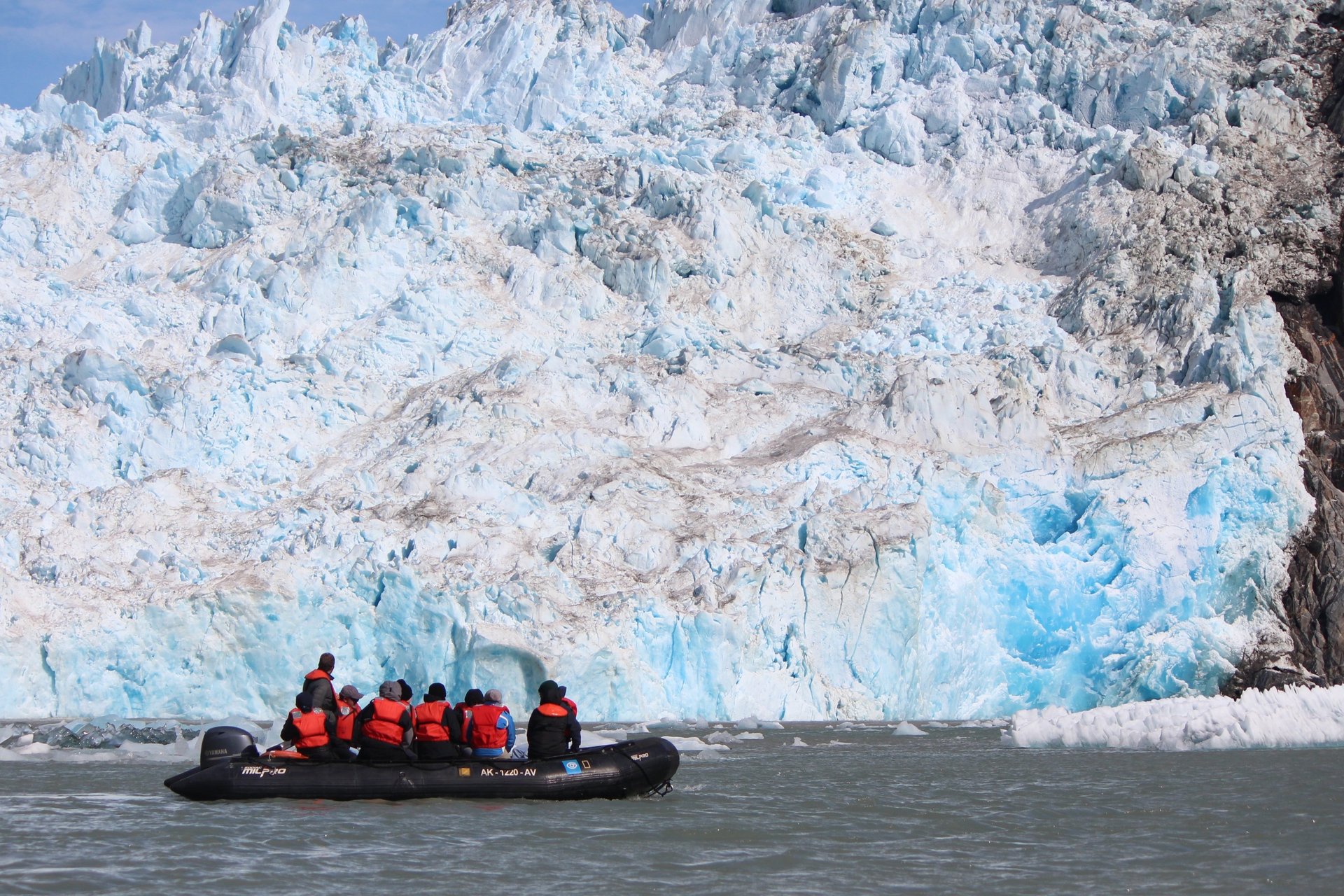
- Zodiac cruises along shorelines, waterfalls and glacier faces
- Walks graded by pace, from photography strolls to steeper forest hikes
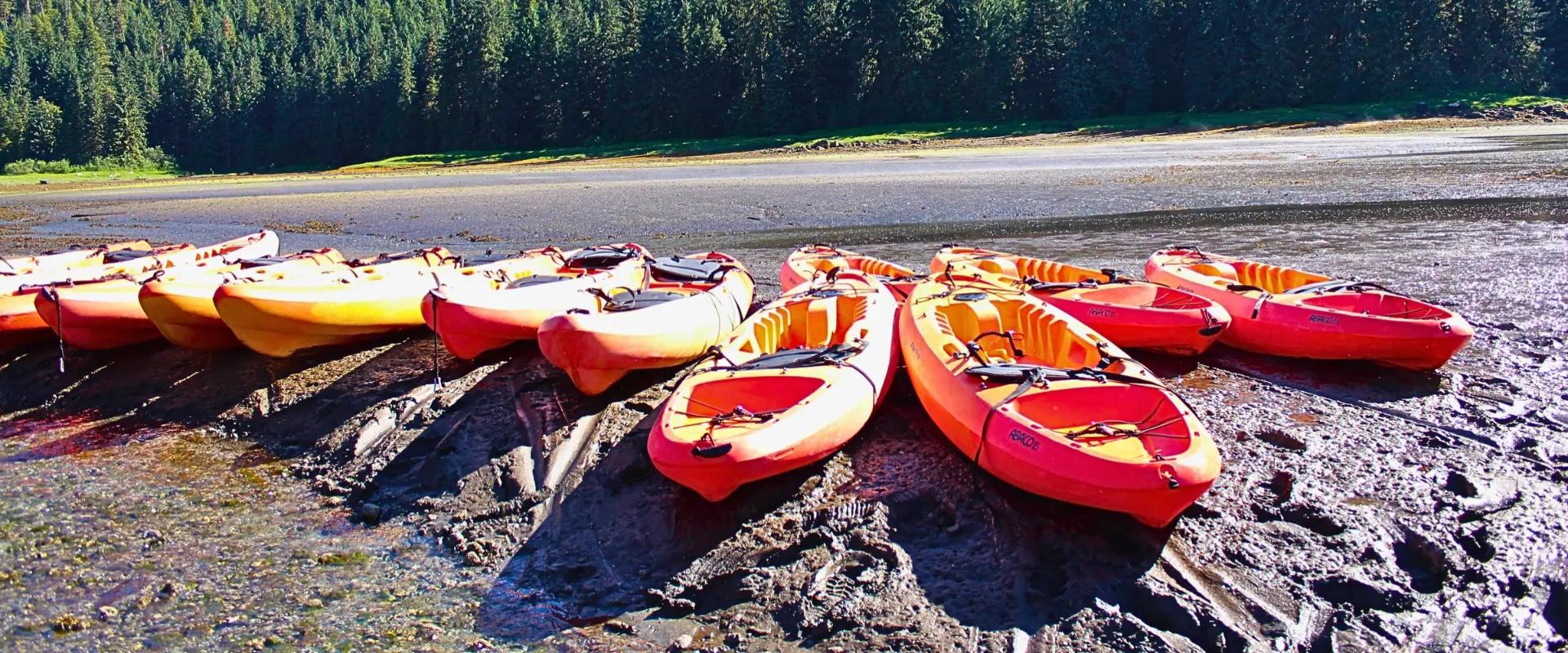
- Kayaking in sheltered water when conditions allow
- Deck watches for whales, bears, eagles and sea lions
What is included in the fare?
On our sailing the expedition gear was provided — rain boots, parkas, binoculars and dry bags — along with all excursions with the expedition team, all meals, and the lecture and recap programme. Inclusions vary by departure, so we confirm the current list against the specific voyage before anyone books.
Because inclusions differ between itineraries and seasons, we check them line by line for the departure you are considering rather than quoting a general list.
- Loan gear: rain boots, parkas, binoculars and dry bags
- Excursions and activities led by the expedition team
- All meals onboard, and the daily lecture and recap programme
What is daily life aboard like?
Unhurried and social. The lounge carries daily recaps and evenings over Alaska-brewed beer or tea, and the open bridge policy means you can stand with the captain and read the charts and radar as you sail. Nobody dresses for dinner, and nobody misses it.
- Lounge used for daily recaps and socialising over Alaska-brewed beer or tea
- Open bridge policy — talk with the captain, watch the radar and charts
- No dress code, no formal nights, no casino, no production shows
How does she compare with a large Alaska cruise ship?
We have sailed both in Alaska. The Sea Lion carries 62 guests and can stop for a whale; the 458-guest Seabourn Odyssey we sailed offers far more comfort, space and dining but works to a port schedule. Choose the Sea Lion for access and the larger ship for indulgence — they are different holidays, not better and worse.
How sustainable is she?
Lindblad is a pioneer in sustainable expedition travel: an offset carbon footprint, partnerships with Alaska Native communities for cultural connection, conservation support through the Lindblad–National Geographic Fund, and no single-use plastics onboard.
- Offset carbon footprint
- Partnered with Alaska Native communities for cultural connection
- Supports conservation through the Lindblad–National Geographic Fund
- No single-use plastics onboard
Who should book the Sea Lion, and who shouldn't?
Book her if you want depth over luxury, expect to be off the ship daily and enjoy learning in company — solo travellers, couples and families with older children all fit well. Look elsewhere if you want a balcony, a spa, a large cabin, evening entertainment or a predictable published schedule.
- Travellers who prioritise depth of experience over luxury touches
- Those who want maximum time in nature, off the ship daily
- Solo travellers or couples who enjoy camaraderie and learning
- Families with older children or teenagers wanting educational adventure
- Not for travellers who want balconies, a spa, or onboard entertainment
The moment that hooked us
On our first evening, not long after leaving Ketchikan, orcas appeared alongside the ship. The dining room on the Sea Lion sits at water level, so the whales were passing at eye height through the windows — dessert was abandoned across every table.
The captain slowed the ship and stayed with them. We watched from the windows and then from the deck as the pod moved through an orange sunset, and nobody was in a hurry to sit back down.
That is the argument for a small ship in a sentence. There was no schedule to protect and no other dining seating to turn over — the ship simply stopped, because that was the better use of the evening.
The verdict
The Sea Lion doesn't just take you to Alaska—it immerses you in it. Every bay, glacier, and wildlife sighting feels personal. If you're looking for an authentic, hands-on expedition that deepens your understanding of the Last Frontier, this ship delivers.
Watch the video review
Related reading
Written by your expedition advisor

Chris Commisso · Expedition Expert
Signature Travel Expert
Chris and Erika have sailed ten expedition voyages and toured seven more expedition ships. Favorite explorations so far: Antarctica, Svalbard, Greenland, Iceland, Norway, Alaska, the Galápagos, the Scottish Hebrides, Churchill and French Polynesia.
Last updated .