
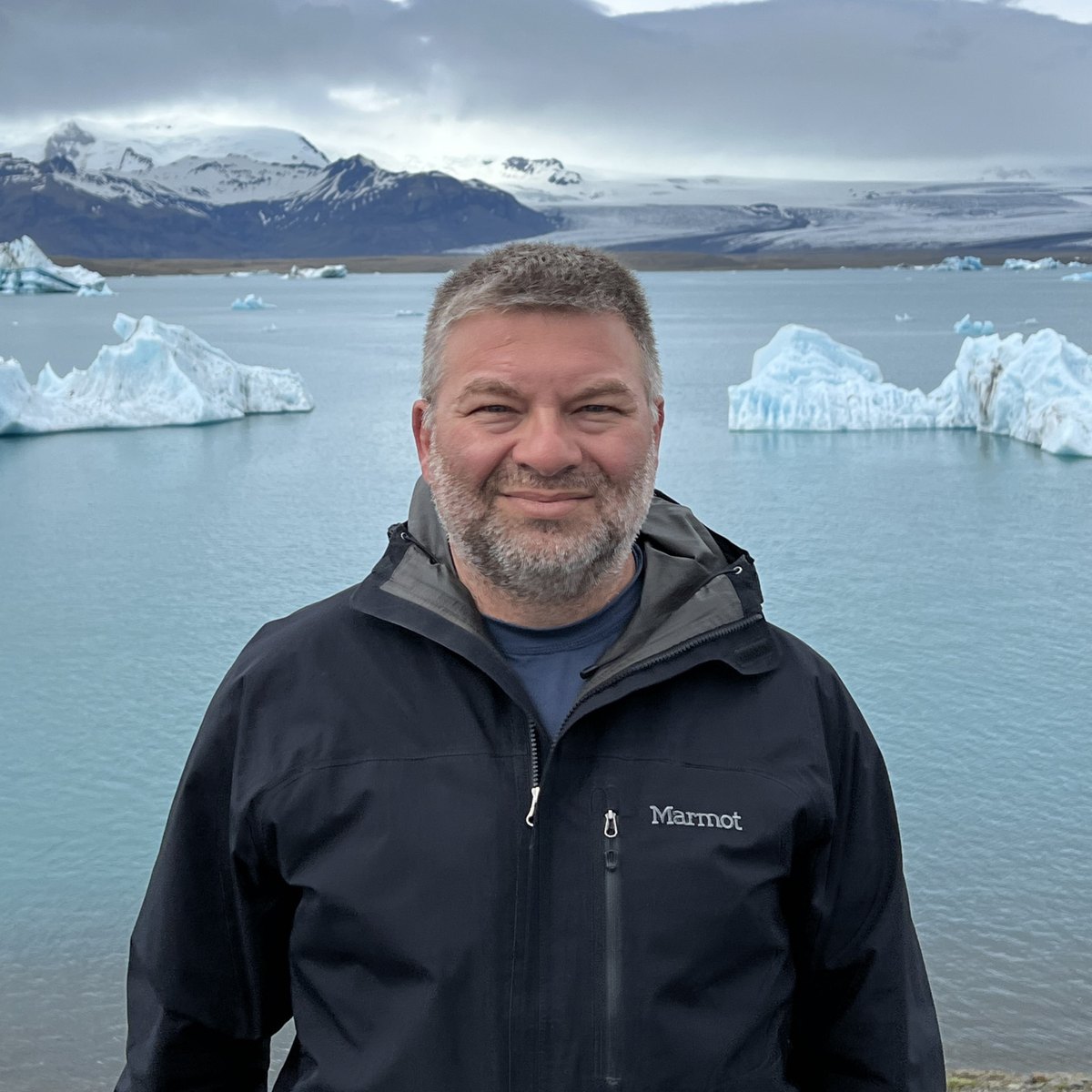
Expedition Expert
The World Gets More Interesting the Farther You Go.
I'm Chris Commisso, an Expedition Expert with a passion for the ships, photography, wildlife and remote places that make expedition travel unlike anything else. I've been in travel since 2022. From Antarctica and Greenland to the Arctic and beyond, I explore what makes these journeys extraordinary — and help travelers figure out where they should go next.
I was born and raised in Northern Ontario, which is roughly where the interest in remote places started.
What I help travelers with.
I'm an Expedition Expert at Glacial Expeditions, and I help curious travelers understand and experience the world's most remote places — from choosing the right expedition ship to stepping into landscapes few people ever get to see. I've sailed ten ships and toured the Roald Amundsen across Antarctica, Svalbard, Eastern Greenland, the Galápagos, Alaska, Iceland, Norway and the Scottish Hebrides — and I've also traveled French Polynesia and Churchill, Manitoba.
I book through Oasis Travel Network, our host agency, and Signature Travel Network, our consortium.
Curious About What Lies Beyond the Map?
Expedition travel isn't just about reaching remote places. It's about understanding them. Why does one ship make more sense for you than another? What actually happens during an expedition? What makes one itinerary different from another? Where are you most likely to encounter wildlife? And what does it really feel like to stand somewhere few people have ever stood? Those are the questions that make expedition travel fascinating. I'll help you find the answers — and the journey that's right for you.
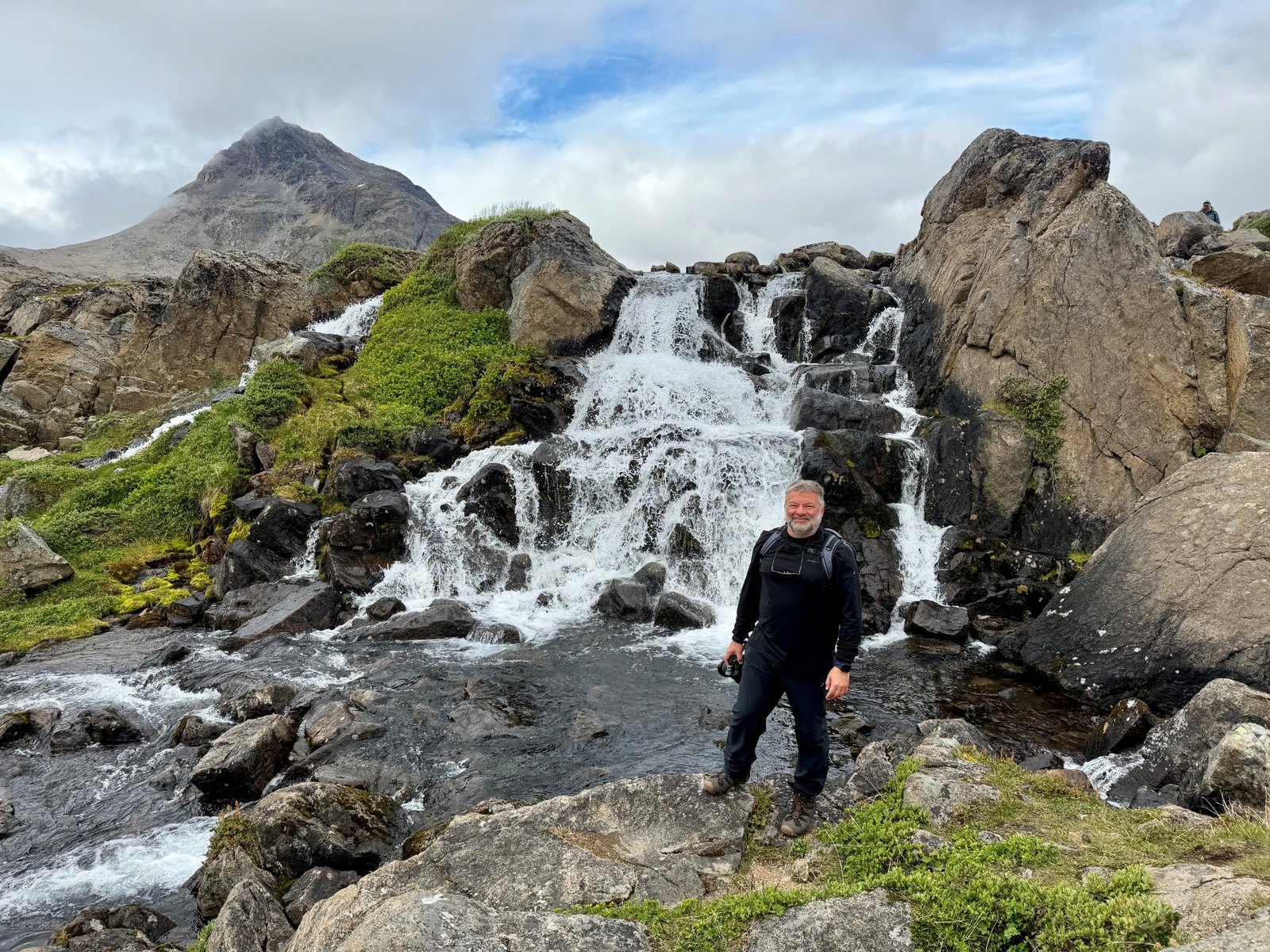
What I look for in an expedition ship.
Most people start with the cabin. I start with how fast the ship can get everyone off it.
In Antarctica only 100 people can be ashore at one site at a time. A ship carrying 180 guests can land everyone in a single go at two sites. A ship carrying 400 has to rotate, which means half the passengers are waiting on board while the other half are on the beach. Same itinerary, same fare bracket, very different day.
After that I look at the mudroom and the gangway. It sounds unglamorous, but the route from your cabin to the Zodiac is the thing you'll do twice a day for ten days. A ship with a well-designed boot room and two loading platforms gets you ashore in fifteen minutes. A ship with one narrow staircase takes forty.
Then the expedition team — how many guides per guest, and whether they're naturalists and glaciologists or hospitality staff in branded parkas. Ratio matters more than credentials on a brochure.
Ice class matters if you want to go further south late in the season. Stabilizers matter if the Drake worries you. Cabin décor, honestly, matters least — you'll be in it to sleep.
Where I've been.
Ships I've sailed
- National Geographic Sea Lion
- Ocean Diamond
- Seabourn Odyssey
- Evolution
- World Navigator
- Trollfjord
- Greg Mortimer
- Spitsbergen
- Santa Cruz II
- National Geographic Resolution
Ships I've toured
- Roald Amundsen
Regions I've explored
- Antarctica
- Svalbard
- Eastern Greenland
- Iceland
- Norway
- Alaska
- Galápagos
- Scottish Hebrides
- French Polynesia
- Churchill
Certifications.
- Signature Travel Expert
A designation earned through Signature Travel Network, our consortium, covering its programs, supplier relationships and booking standards.
Every credential and affiliation, with a way to verify each one
What surprised me.
I expected the ice. I didn't expect how much of expedition travel happens on the ship rather than off it.
You're ashore maybe three or four hours a day. The rest is deck time, lectures, meals, and watching the water. Before my first voyage I'd have called that the filler. It isn't. The lectures are where a place starts making sense, and the people you end up talking to at dinner are usually the reason travelers book a second expedition.
It changed how I ask people about trips. I used to ask where they wanted to go. Now I also ask what they want the days between landings to feel like, because that's most of the trip.
What only firsthand experience teaches.
You can know a vessel's specifications without appreciating what it is like to step into a Zodiac surrounded by icebergs, or how an expedition team adapts an itinerary to seize an unexpected opportunity.
The nuances are the rhythm of the days, the personality of the expedition team, the onboard atmosphere, and how it feels from a guest's perspective. That is what I am actually reporting back when I recommend one ship over another.
Published writing.
Expedition Cruise Network
Seen It, Sailed It, Sold It: The Value of First-Hand Expedition Experience
7 August 2026 · Chris and Erika Commisso
I also write the ship reviews and voyage journals published on this site.
If you've never done this before.
Three things I'd tell anyone booking a first expedition.
Book further ahead than feels reasonable. The best ships and the solo cabins for a given season are often committed a year or more out. Late booking doesn't usually get you a deal — it gets you what's left.
Don't buy the gear yet. Most ships supply the parka and loan the boots. The layers underneath are what matter, and you probably own most of them already.
Pick the trip for the wildlife you actually want to see, not the month that's convenient. November in Antarctica and February in Antarctica are close to different trips. Same for the Arctic. Getting the timing right matters more than getting the ship right, and it's the thing people most often get backwards.
Get in touch with Chris.
Or start with Erika if your trip involves flights, hotels, and logistics as much as the ship.
Written by your expedition advisor
Chris Commisso · Expedition Expert
Signature Travel Expert
Chris and Erika have sailed ten expedition voyages and toured seven more expedition ships. Favorite explorations so far: Antarctica, Svalbard, Greenland, Iceland, Norway, Alaska, the Galápagos, the Scottish Hebrides, Churchill and French Polynesia.
Last reviewed . Chris has been in travel since 2022.