
Firsthand
Where We've Sailed.
Eight expedition regions we've sailed by expedition ship — and ten places we've been in total, adding French Polynesia and Churchill, Manitoba. What each one taught us about advising the people who go next.
Why we list this.
Chris and Erika Commisso have sailed eight expedition regions by expedition ship: Antarctica, Svalbard, Norway, Eastern Greenland, Iceland, the Scottish Hebrides, the Galápagos and Alaska. They have been aboard the ten ships we have sailed and seven more we have toured. Two more places round out the list of ten they've visited: French Polynesia, sailed aboard the Paul Gauguin — a luxury small ship rather than a purpose-built expedition vessel — and Churchill, Manitoba, a land expedition rather than a voyage. Where they have not been, they say so rather than describing a place secondhand.
Antarctica
What it's like
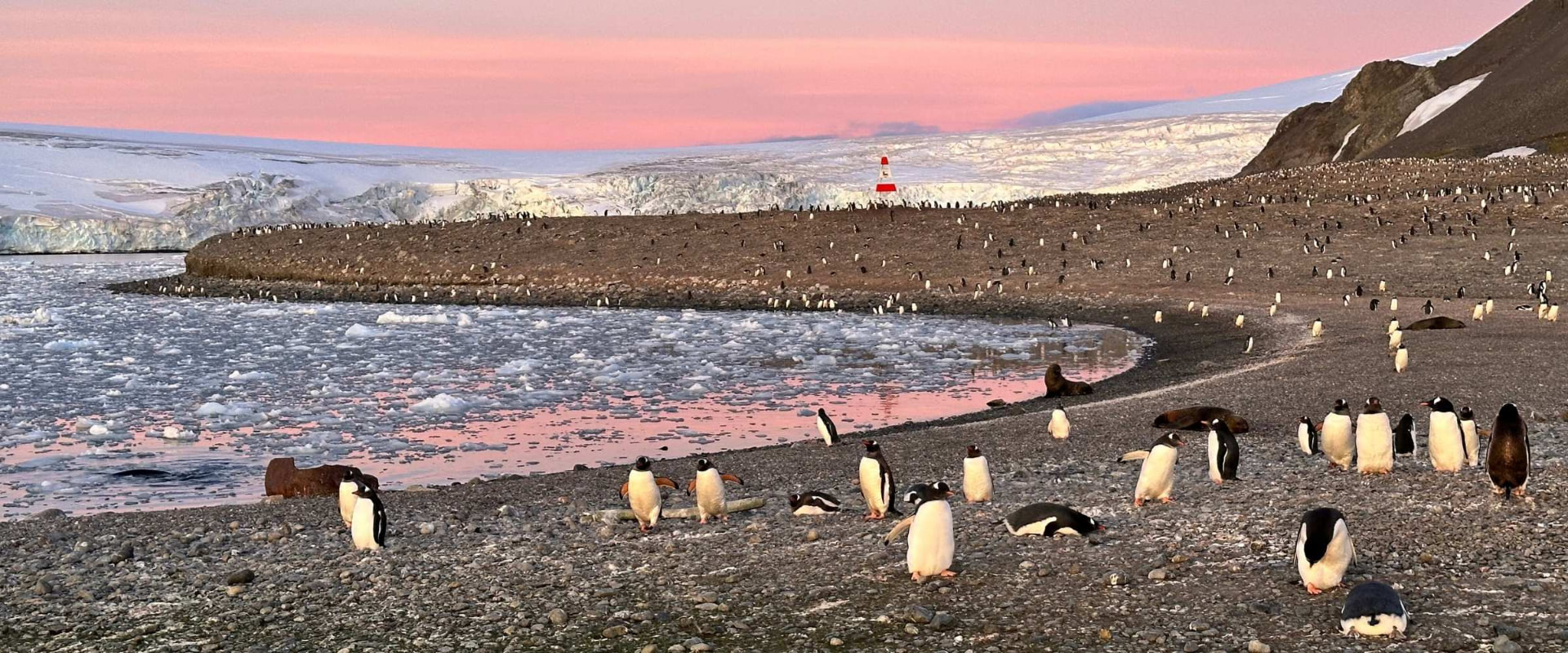
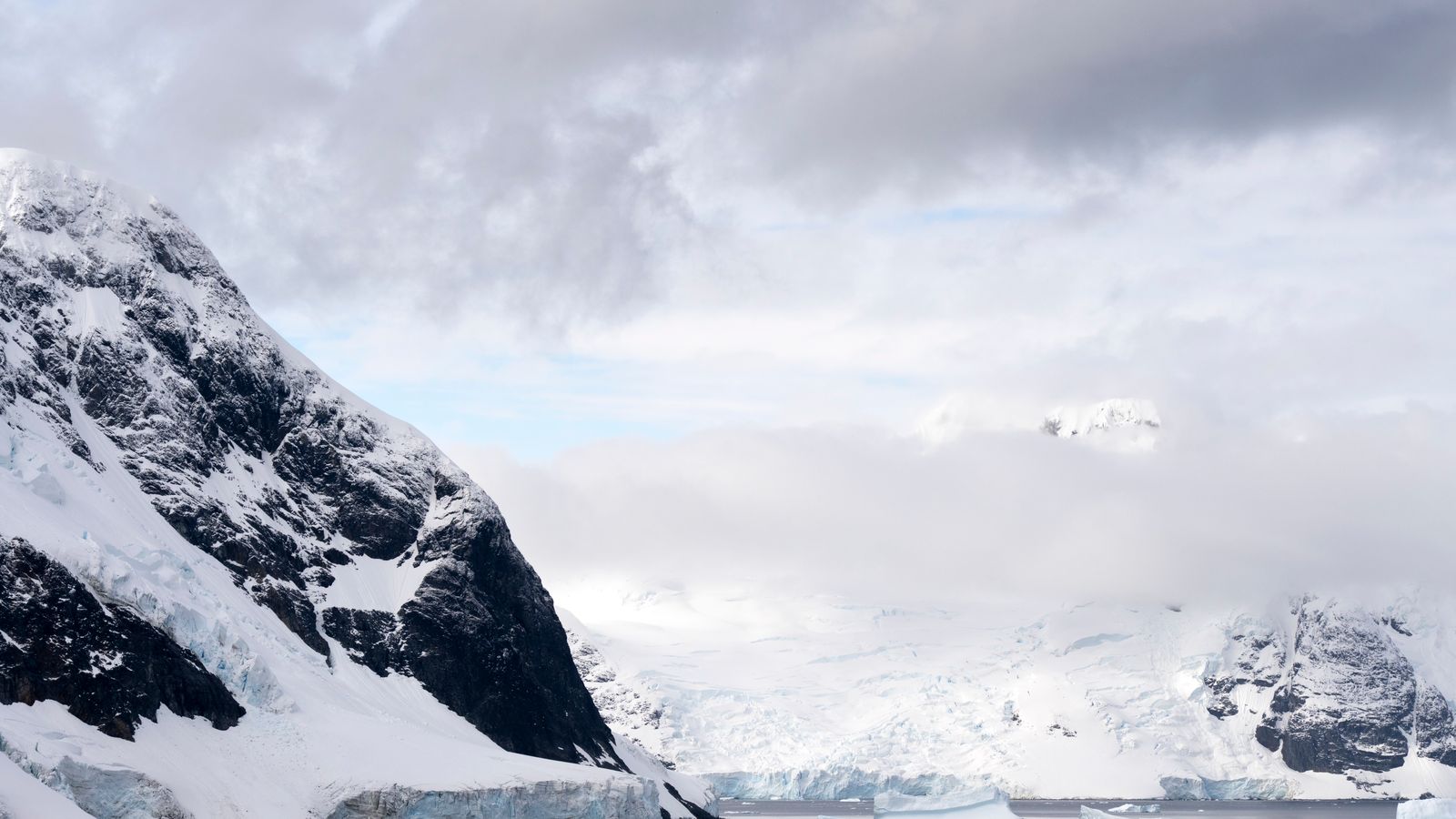
There are no scale cues. No trees, no buildings, no roads, so a cliff that looks twenty minutes away is often an hour. The wildlife has never learned to treat people as a threat, which changes the feeling of every landing. The quiet is what most people remember, not the ice.
What we tell travelers
Season matters more than ship. November and February are close to different trips — early season is unbroken snow and courting penguins, late season is whales and mud. Decide what you want to see, then choose the departure, then the vessel.
Svalbard
What it's like
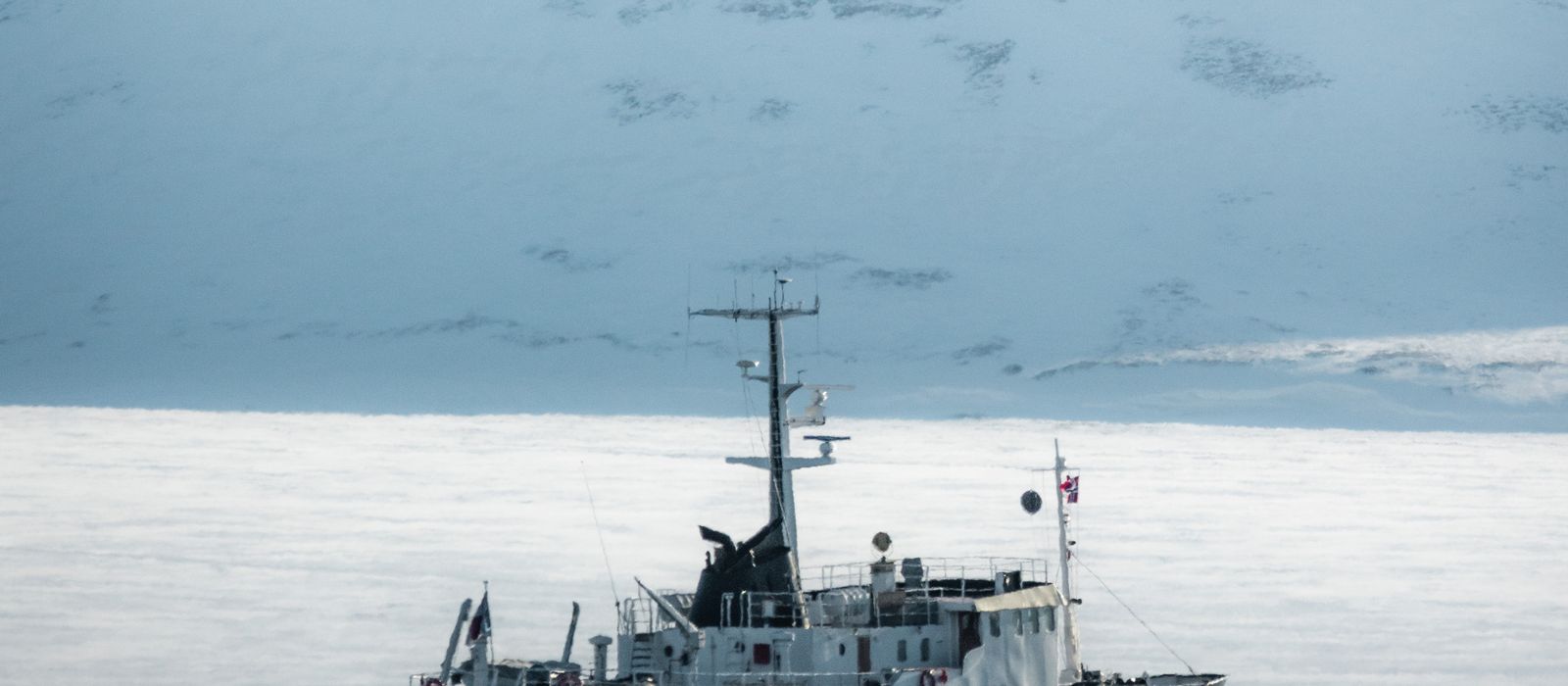
The most reliable polar bear sightings anywhere, and the only Arctic region where a week is genuinely enough. Longyearbyen is a working town rather than a gateway, and in June and July the light never goes away.
What we tell travelers
This is the Arctic trip for people who can't take three weeks off. Shorter voyages, easier flights than Greenland, and extraordinary wildlife density. It's also where ice class most affects how far north you actually get.
Norway
What it's like
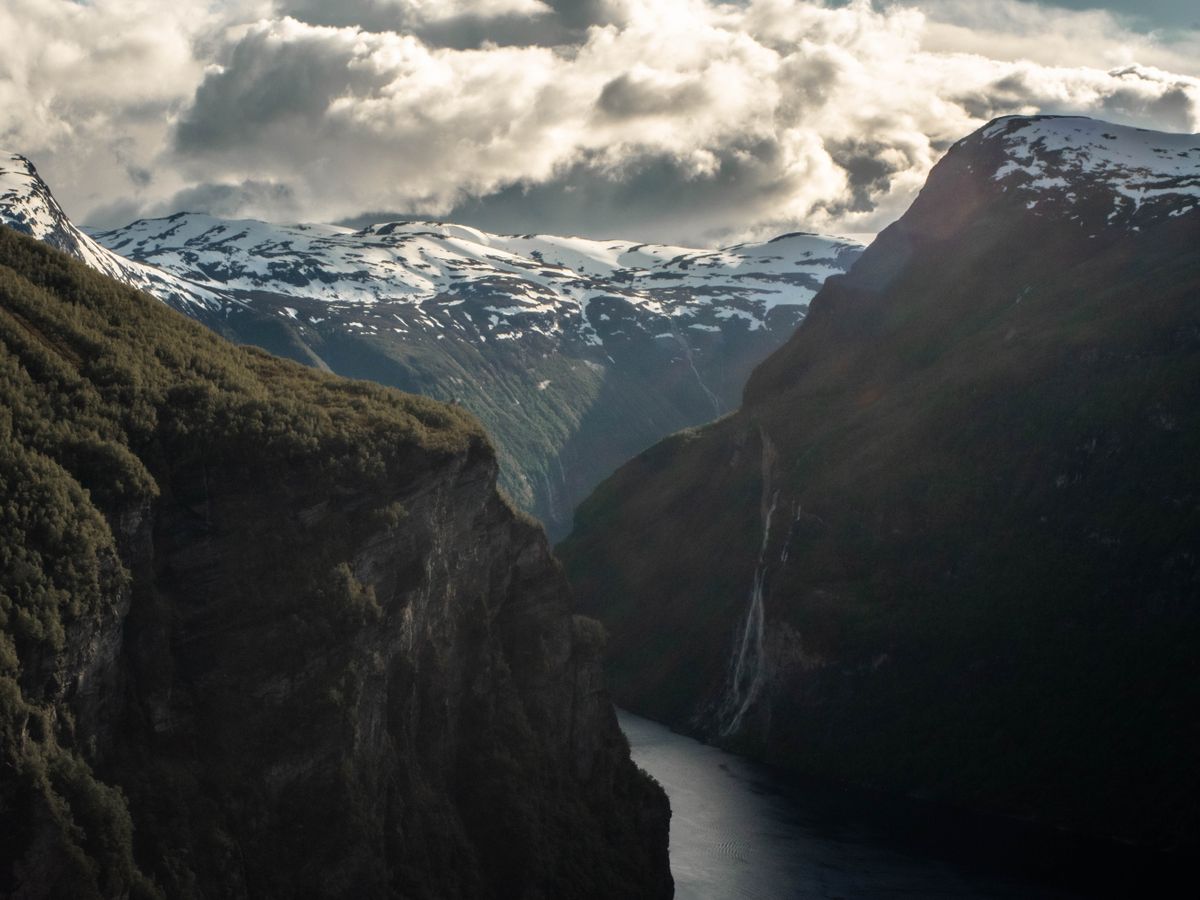
We sailed the MS Trollfjord from Svalbard down the length of the Norwegian coast to Bergen. It's an uncommon itinerary — most people see Norway as fjord day trips or a winter northern lights cruise, and this was neither. Working ports, open coast, and the transition from high Arctic to temperate over the course of one voyage.
What we tell travelers
Norway is two different trips depending on season. Summer is midnight sun, fjords, and coastal towns; winter is northern lights and orca. It's also the easiest expedition-adjacent travel to reach from the US, which makes it a natural pairing with Svalbard rather than a substitute for it.
Eastern Greenland
What it's like
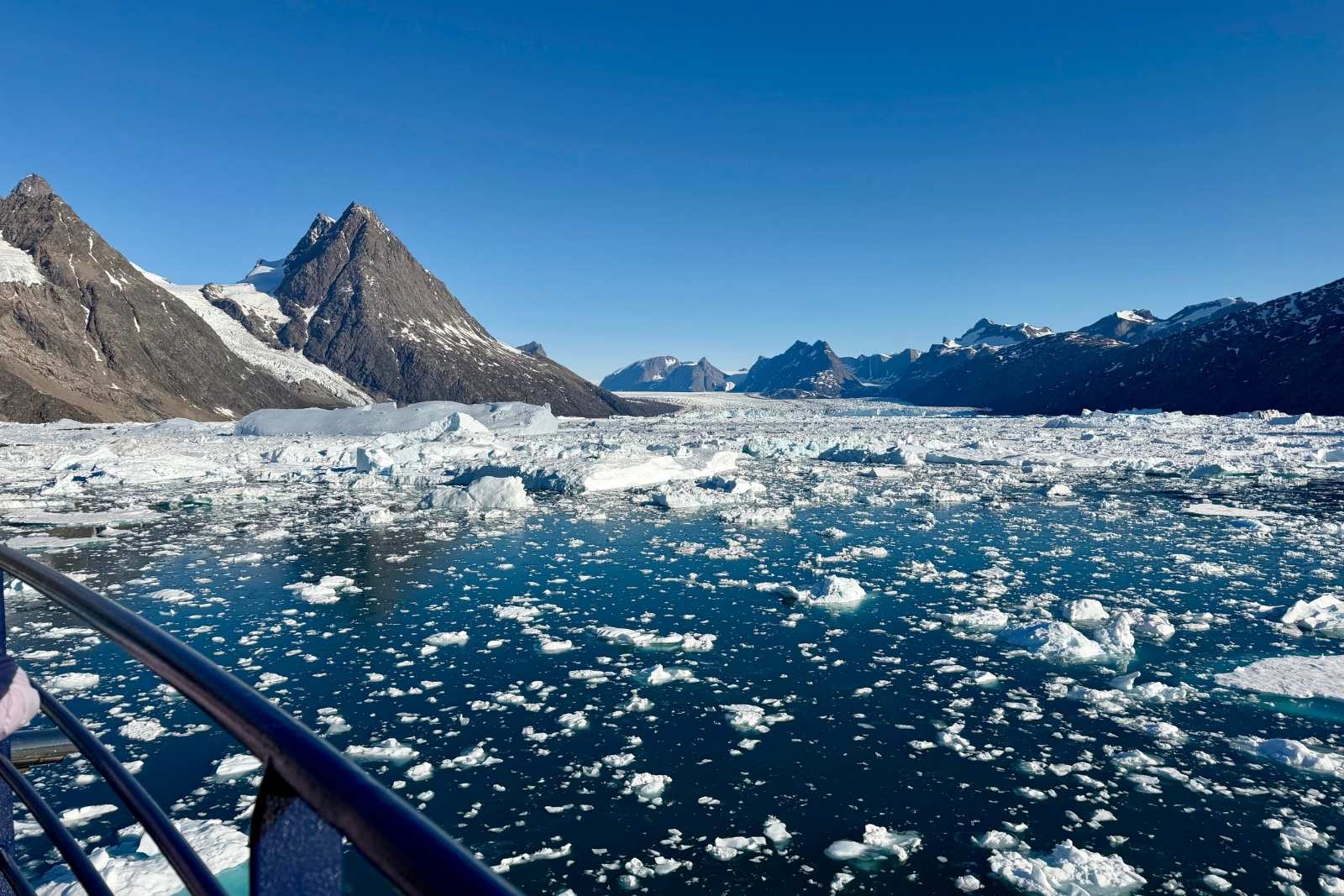
Emptier and harder to reach than the west coast, with the largest fjord system on earth and settlements of a few hundred people. Ice conditions decide the itinerary more than anywhere except Antarctica.
What we tell travelers
Come for scale and for the human story, not for a checklist of sightings. Expect the plan to change. The travelers who love East Greenland wanted somewhere genuinely remote rather than somewhere impressive.

Iceland
What it's like
Volcanic coastline, puffin colonies, and fjords most visitors never see because they stay on the ring road. From the water it's a different country.
What we tell travelers
Iceland works as a standalone voyage and even better as the front or back half of a Greenland itinerary. If you've done the land version, the coastal version will still surprise you.
Scottish Hebrides
What it's like
The expedition region nobody expects. Island abbeys, sea eagles, standing stones, and Atlantic weather that behaves like the Drake on a small scale. Distilleries and archaeology alongside the wildlife.
What we tell travelers
For people who want expedition-style travel without a long-haul flight or a polar season, and for travelers who want history and culture in the mix rather than wildlife alone.
Galápagos
What it's like
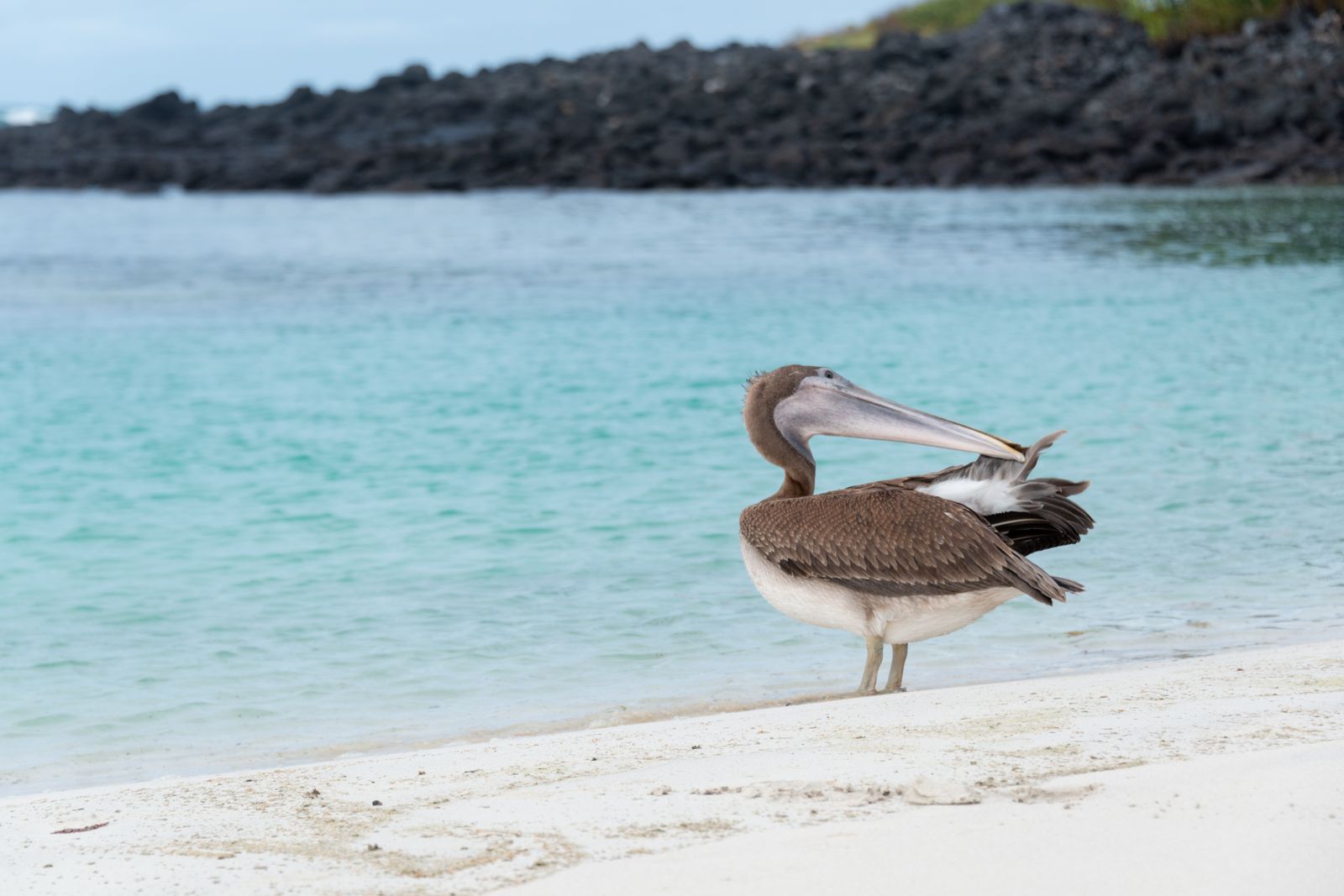
The opposite of polar travel. Warm, close-up, and structured — every visitor site is regulated, every ship follows an approved itinerary, and naturalist guides are required by law. Wildlife encounters happen at arm's length.
What we tell travelers
Ship size changes this trip more than in any other region. Sixteen guests and a hundred guests are different experiences of the same islands. Itineraries are fixed by the park, so choose the route that covers the islands you care about, then the vessel.

Alaska
What it's like
The most accessible expedition region and the one people most often underestimate. Calving glaciers, humpbacks, brown bears, and a coastline you can only really see from a small ship.
What we tell travelers
The best first expedition for anyone unsure whether the format suits them. No passport complications, no ocean crossing, short flights — and if you love it, the polar regions are the natural next step.

French Polynesia
What it's like
We sailed the Society Islands aboard the Paul Gauguin and returned to Tikehau twice. The Paul Gauguin is a luxury small ship rather than a purpose-built expedition vessel, but the format rhymes — 330 guests, a watersports marina off the stern, and days built around the lagoon rather than the ship.
What we tell travelers
If you want expedition-style days without cold water or a parka, this is the closest thing in the tropics. The atolls — Tikehau especially — are a different trip from Bora Bora's postcard, and worth the extra flight.
Churchill
What it's like
A land expedition rather than a voyage — polar bears from a Tundra Buggy in November, and belugas, bears and northern lights in a single August day. Eighty-three bears across nine days on our first trip. Churchill is one of the few places on earth where the wildlife calendar is that reliable.
What we tell travelers
Go twice if you can: October–November for polar bears, July–August for belugas with a real chance of aurora. Lodges and operators differ enormously in how much time you actually spend on the tundra — that's the decision that matters.
Where we haven't sailed.
We plan voyages to places we haven't sailed ourselves — Patagonia, the Kimberley, Raja Ampat, the Amazon, Baja California. We use the same ships, the same operators, and the same industry relationships, and we'll tell you plainly which parts of our advice come from experience and which come from research.
We'd rather say that than imply we've stood somewhere we haven't.
The ships behind these regions.
Ten ships sailed and seven more toured, across eight regions.
- National Geographic Sea Lion
- Ocean Diamond
- Seabourn Odyssey
- Evolution
- World Navigator
- Trollfjord
- Greg Mortimer
- Spitsbergen
- Santa Cruz II
- National Geographic Resolution
Where should you go first?
Thirty minutes on the phone is usually enough to narrow it to two or three regions worth considering.
Written by your expedition advisor

Chris Commisso · Expedition Expert
Signature Travel Expert
Chris and Erika have sailed ten expedition voyages and toured seven more expedition ships. Favorite explorations so far: Antarctica, Svalbard, Greenland, Iceland, Norway, Alaska, the Galápagos, the Scottish Hebrides, Churchill and French Polynesia.
Last updated .