Three days in Winnipeg first
You cannot drive to Churchill. It is a charter flight leaving early in the morning, or a train that takes more than two days, so everyone comes through Winnipeg and everyone spends the night before. We liked it enough on our last trip that this time we came in three days early.
The Royal Canadian Mint tour is worth booking — reservations required, small fee, and depending on the day you can watch coins actually being struck. There's a shop and a museum area covering the Mint's history. We spent the afternoon on the waterfront.
The next day we went back to Thermëa and gave it the whole day rather than an afternoon. Arrived when it opened, before the crowds, stayed through lunch and an afternoon snack with local beer and cider. They've added a wood-fired pizza oven since our last visit, which is very good.
Day one: a bear before dinner
Morning flight, about two and a half hours, in by half past ten. Discover Churchill met us at the airport and we went straight out on a town tour — the inukshuk and the polar bear crossing sign out at Hudson Bay, then down to the docks to see the commissioned murals.
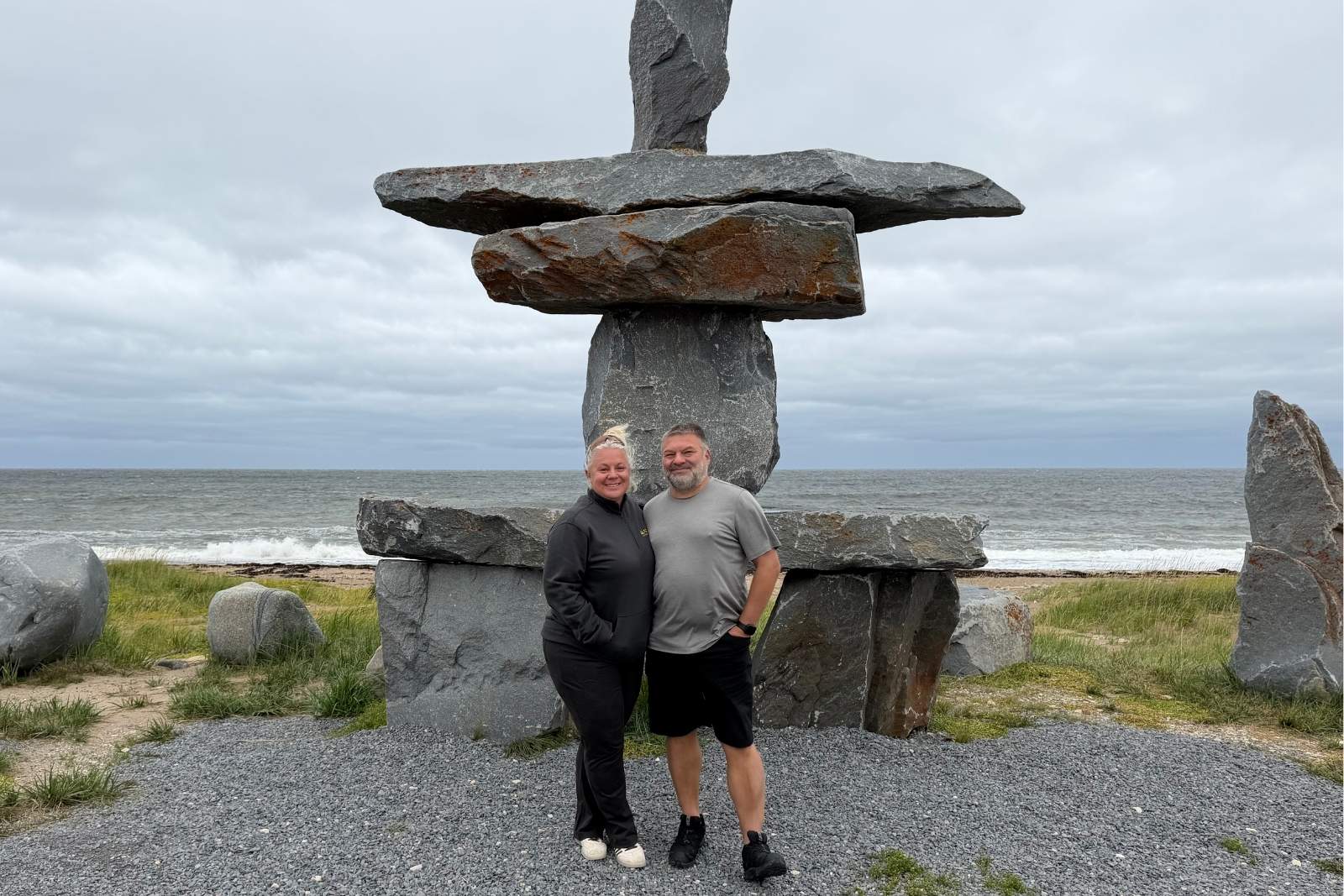
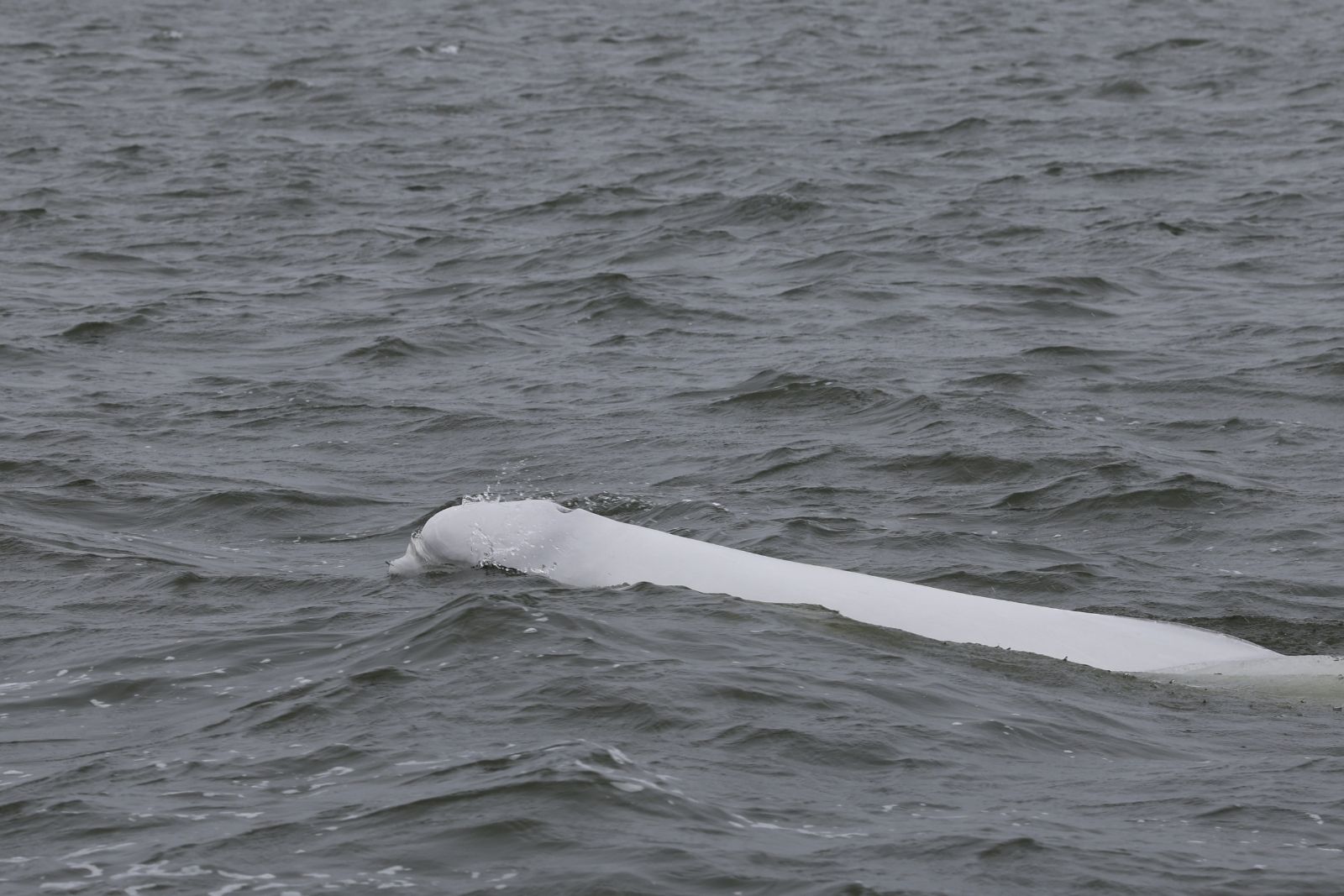
Standing on the docks looking out, we got our first belugas. Windy, waves rolling in, and pods of white backs surfacing through them. We hadn't expected to see any before the boats.
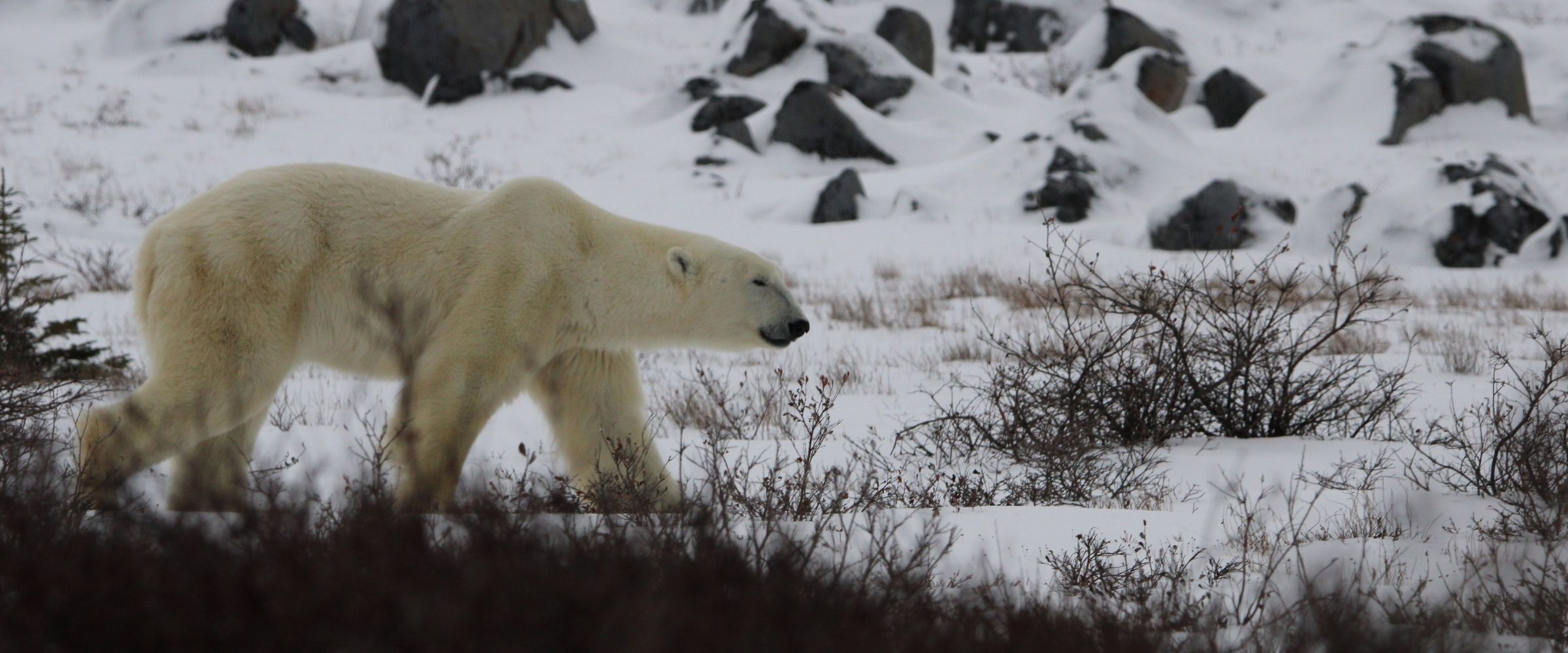
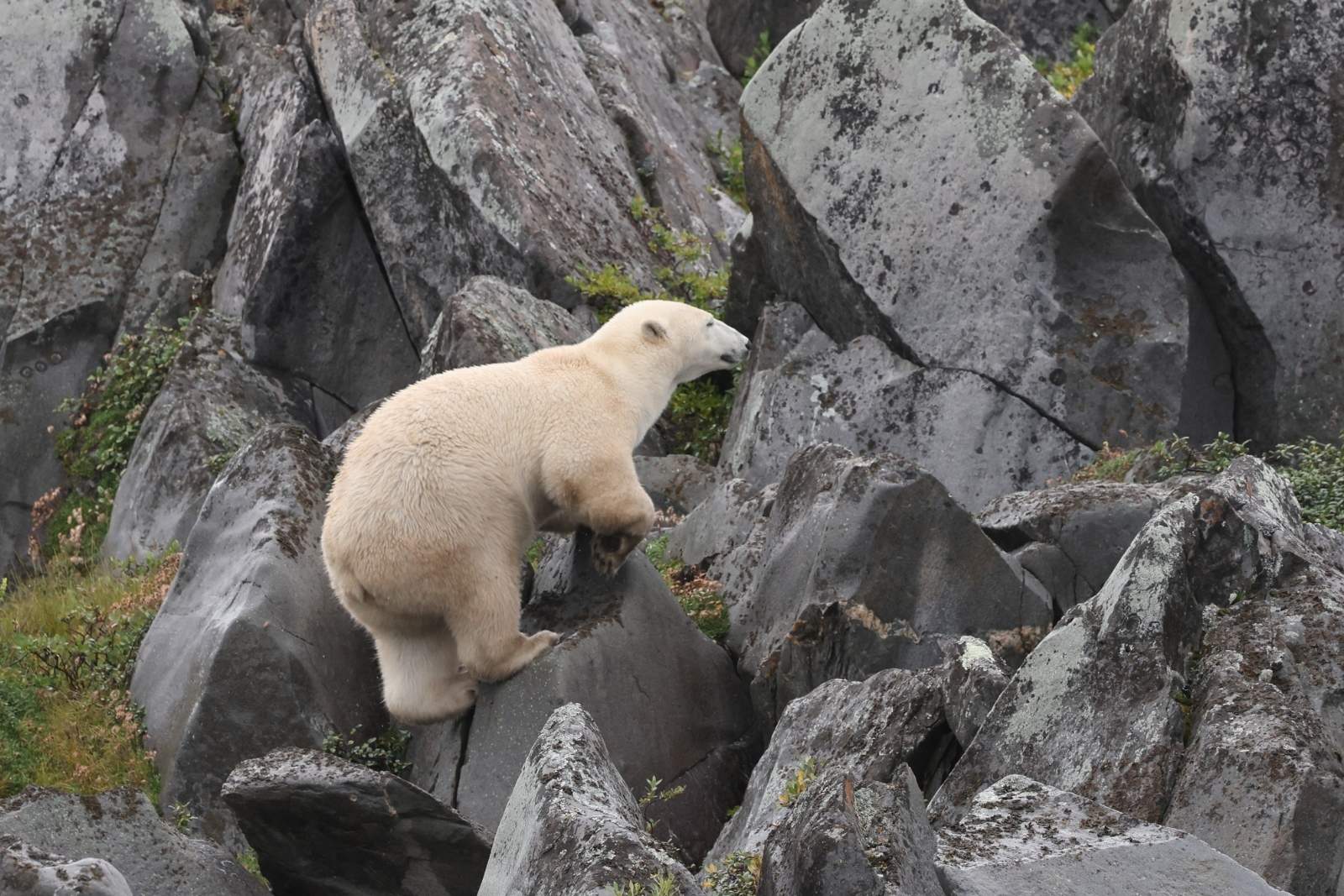
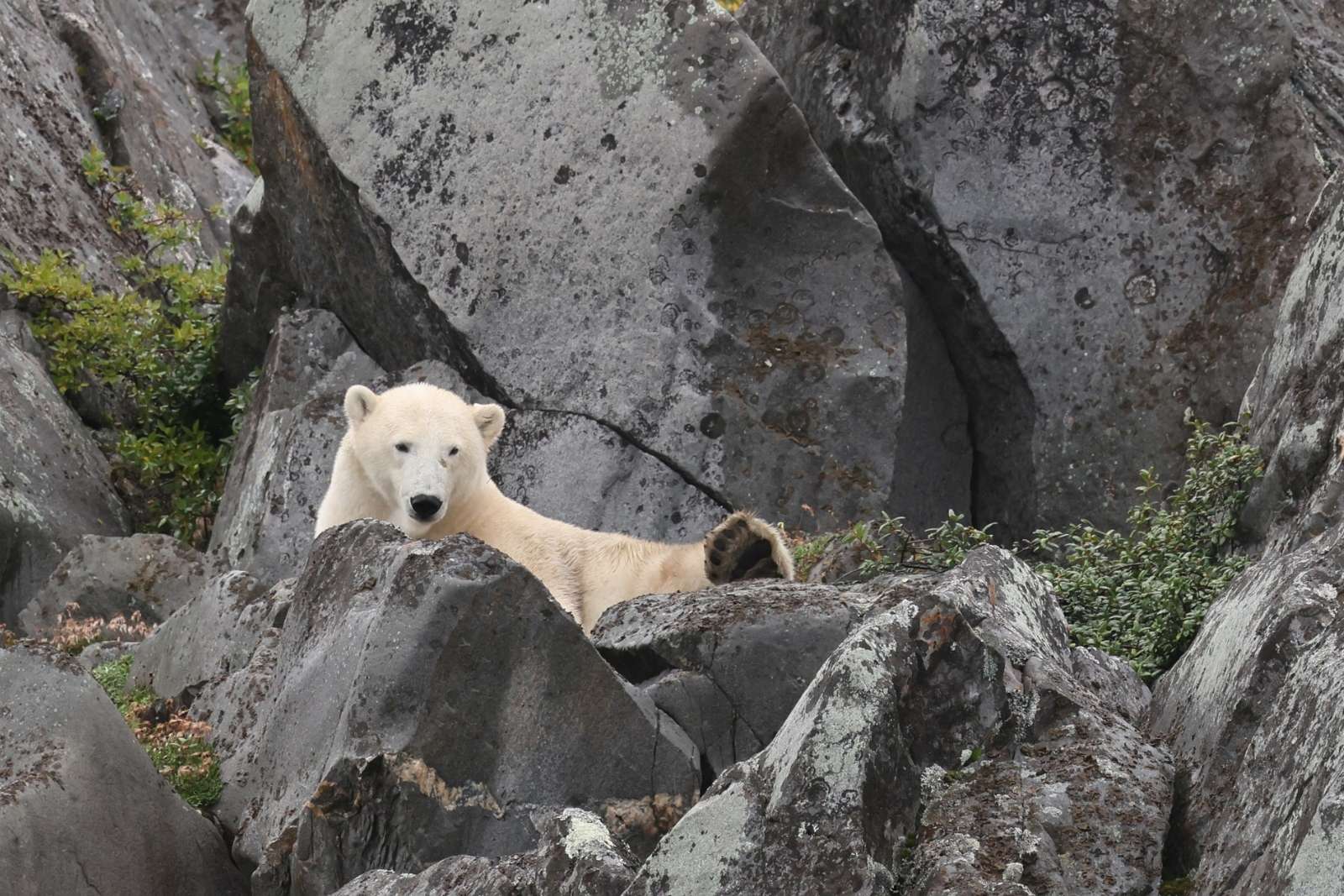
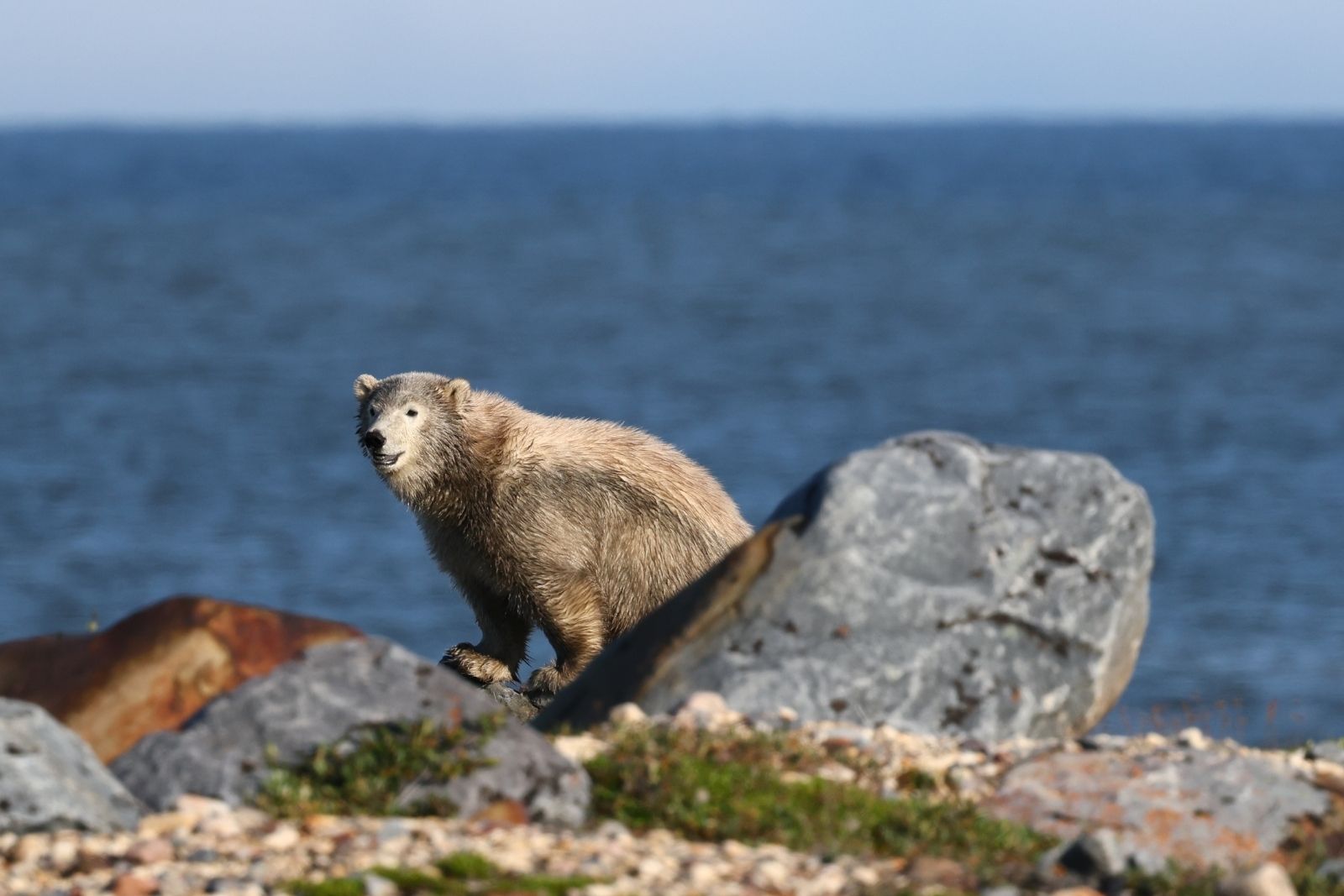
Lunch, check-in at Dave and Céline's B&B, a briefing at the Discover Churchill office, and then out into the field that same afternoon — where we found our first polar bear up in the rocks. He climbed about for a while, then lay down and put his paws in the air.
Out at Ithaca Point we found a mother and two cubs in the grass along the shore, the cubs playing while she slept. We ate dinner in the vans there, then got back out for more photographs.
Day two: the first Zodiac, and three bears from the water
Overcast, misty, a bit of chop, everyone bundled up. Three hours on the water, just our group of six.
The belugas were everywhere. Mothers bright white, calves distinctly grey, and we followed the pods up and down the river.
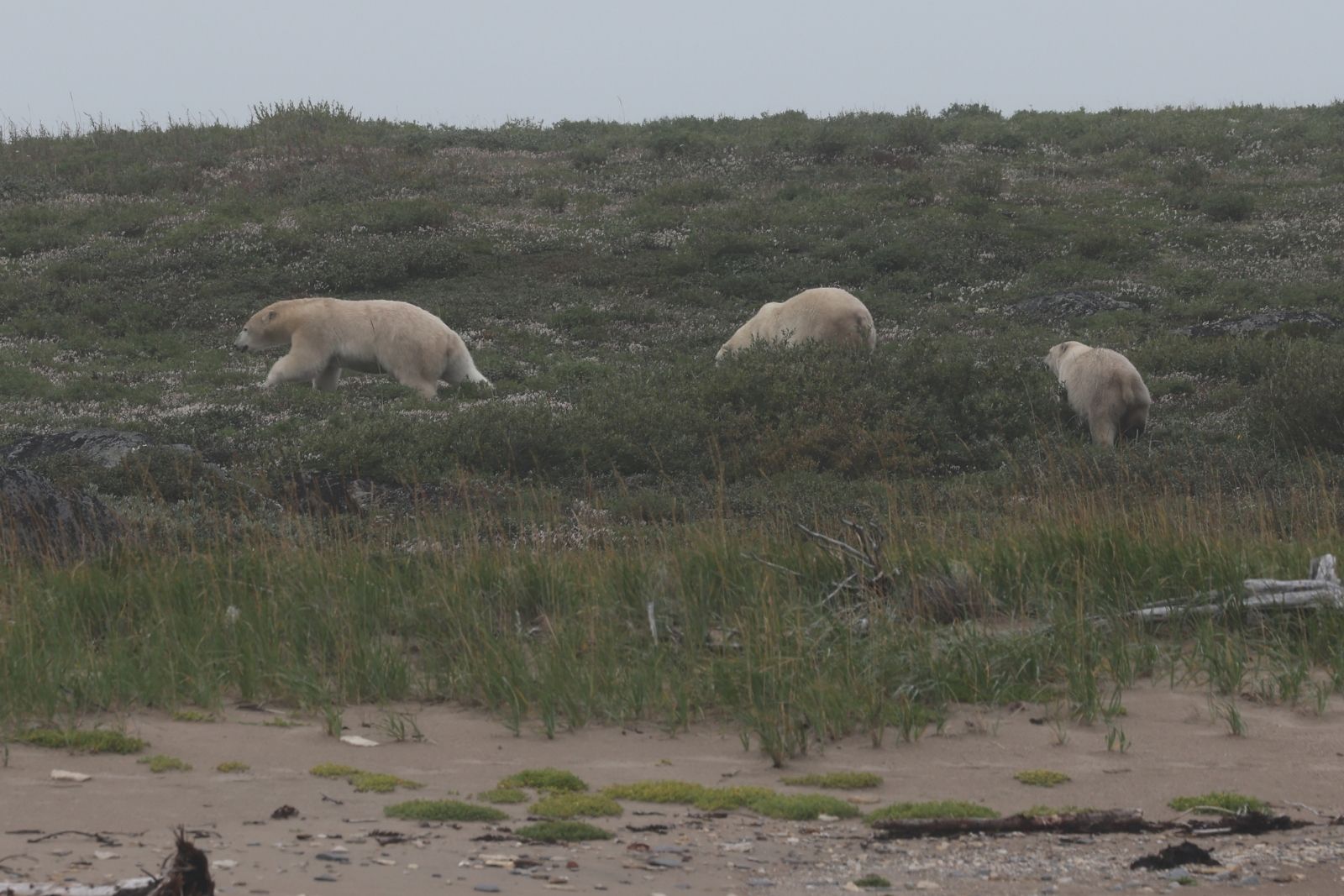
Then a call came over the radio: a bear on the shoreline. We ran over, keeping our distance, and found not one bear but three. One sitting on the shore minding his own business, and two others who plainly objected to him being there and chased him off. Watching that from the water was something none of us expected.
To finish, our guide took us out into Hudson Bay proper. Bigger waves, and bigger belugas — all adults out here, where the river holds the mothers and calves. Pods of six, seven, eight surfacing around the boat.
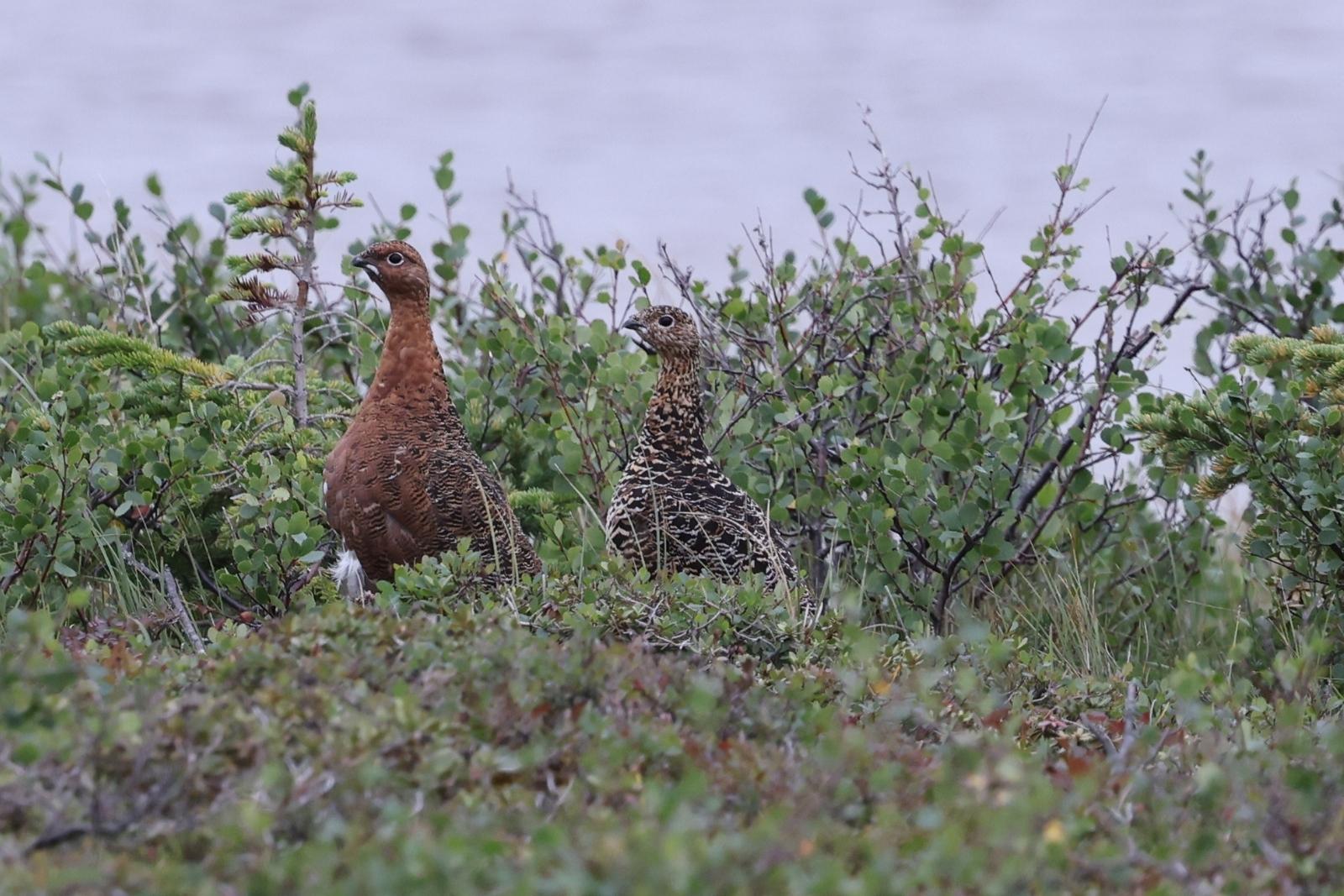
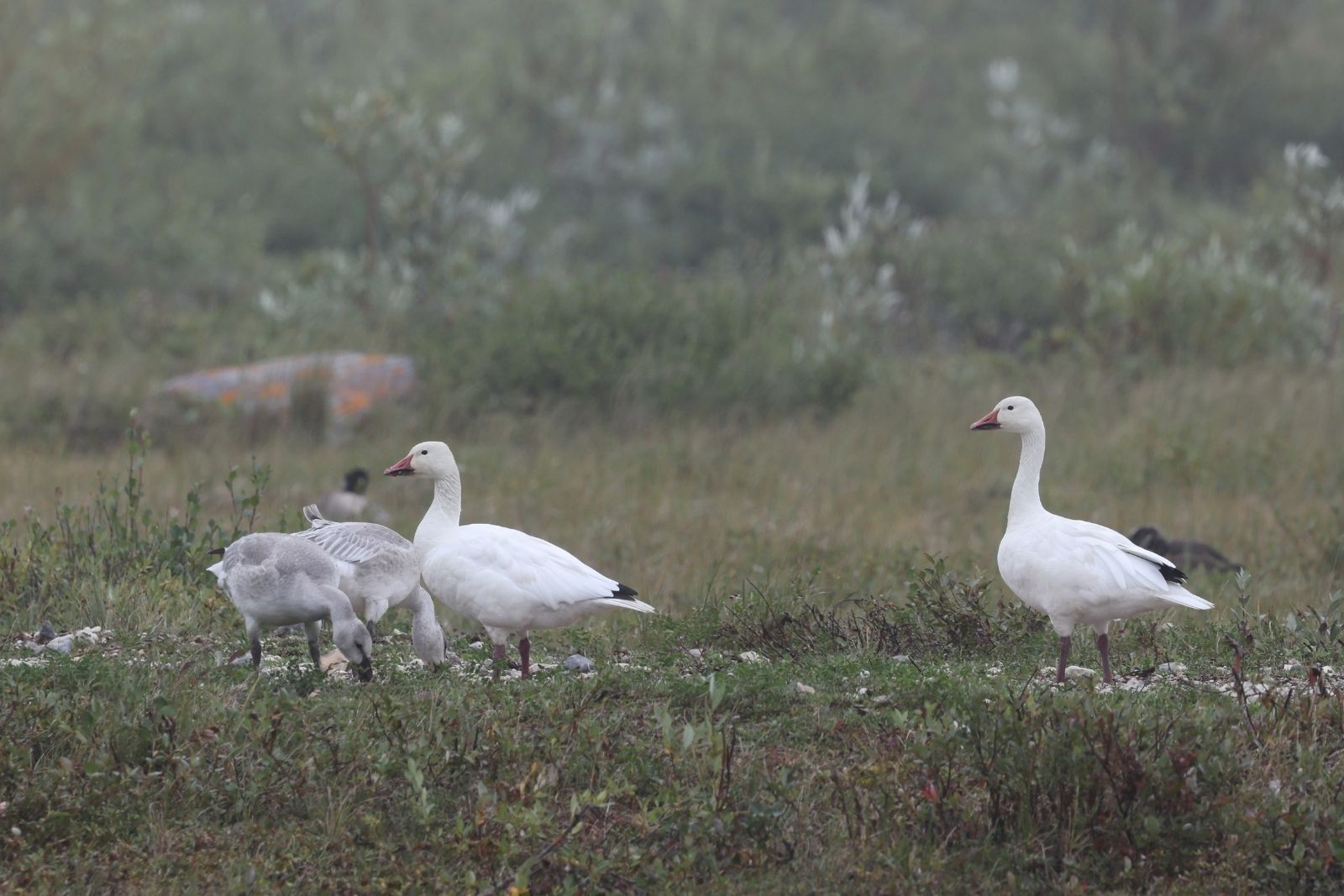
That afternoon on the tundra: eagles, snow geese, and a ptarmigan family — two adults and about four chicks, in summer colour. We'd only ever seen them white.
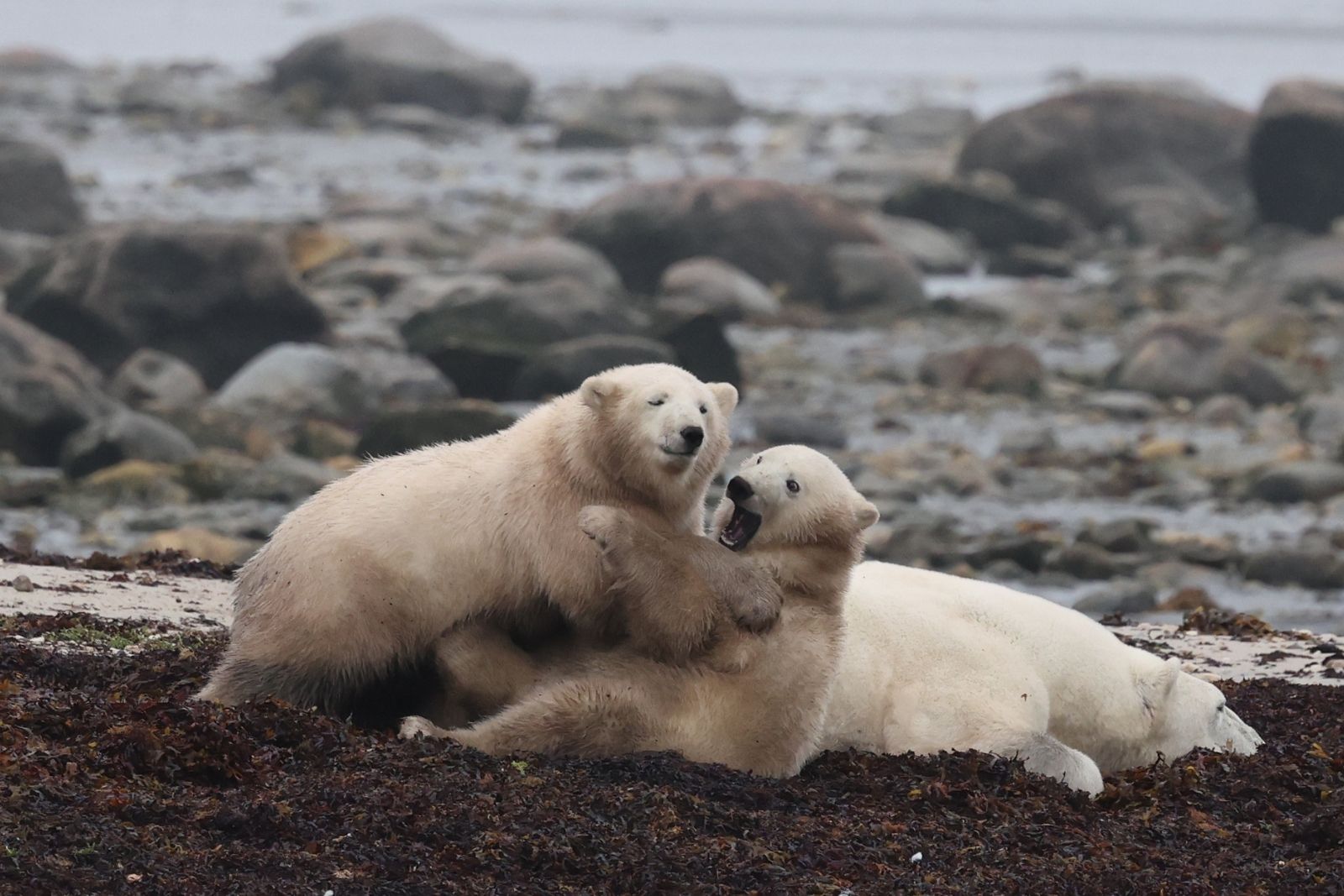
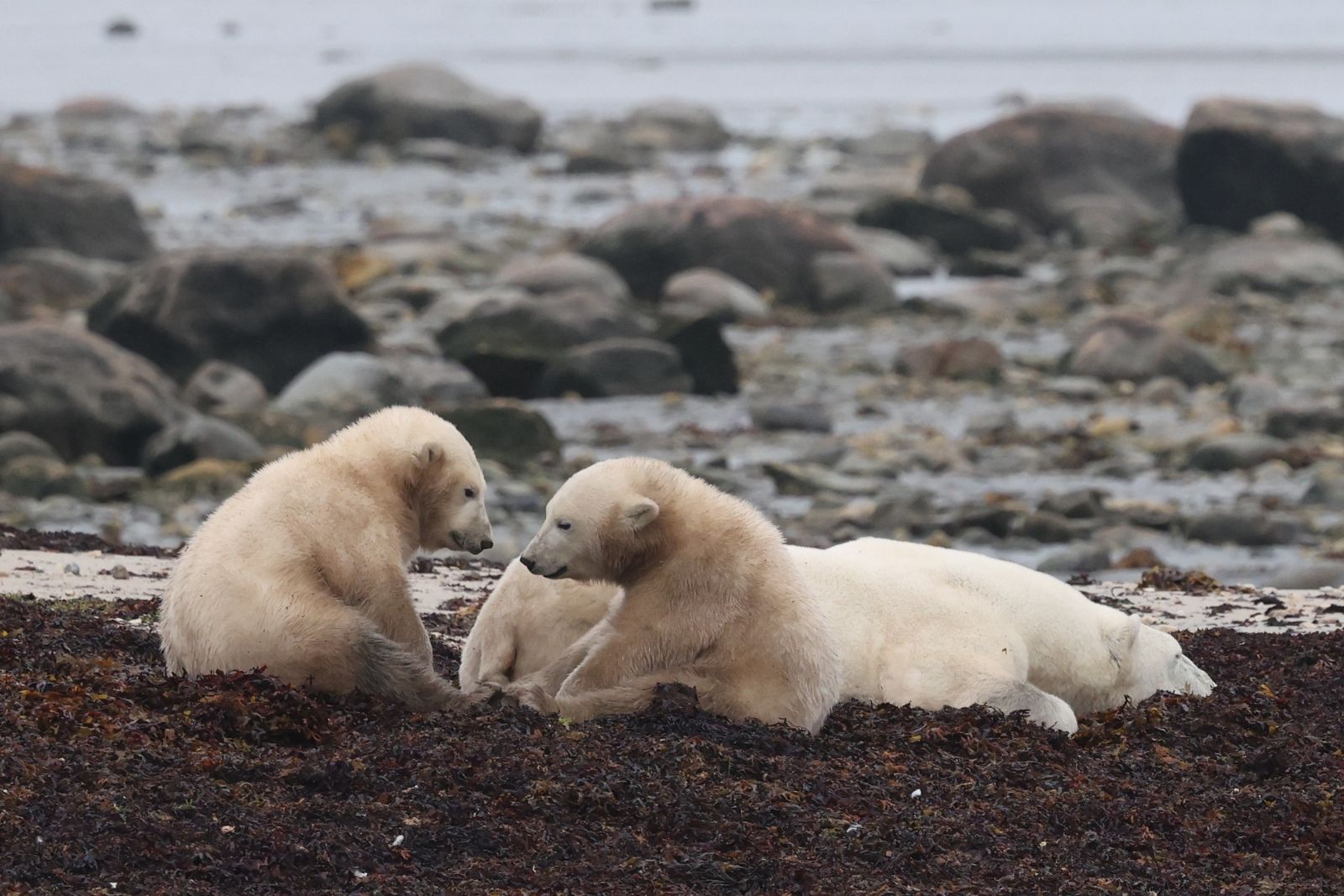
More bears, and the best of them was a mother asleep in the seaweed along the shore with two cubs who decided they were done napping and started wrestling instead.
Dinner in the van again, watching the tundra. Afterwards we ran Polar Bear Alley and found a mother leading two cubs along the base of the rocks, grey stone one side and green forest the other, taking them wherever they were going to sleep.
Day three: the trifecta
The best day of the trip, and one of the best days we have had anywhere.
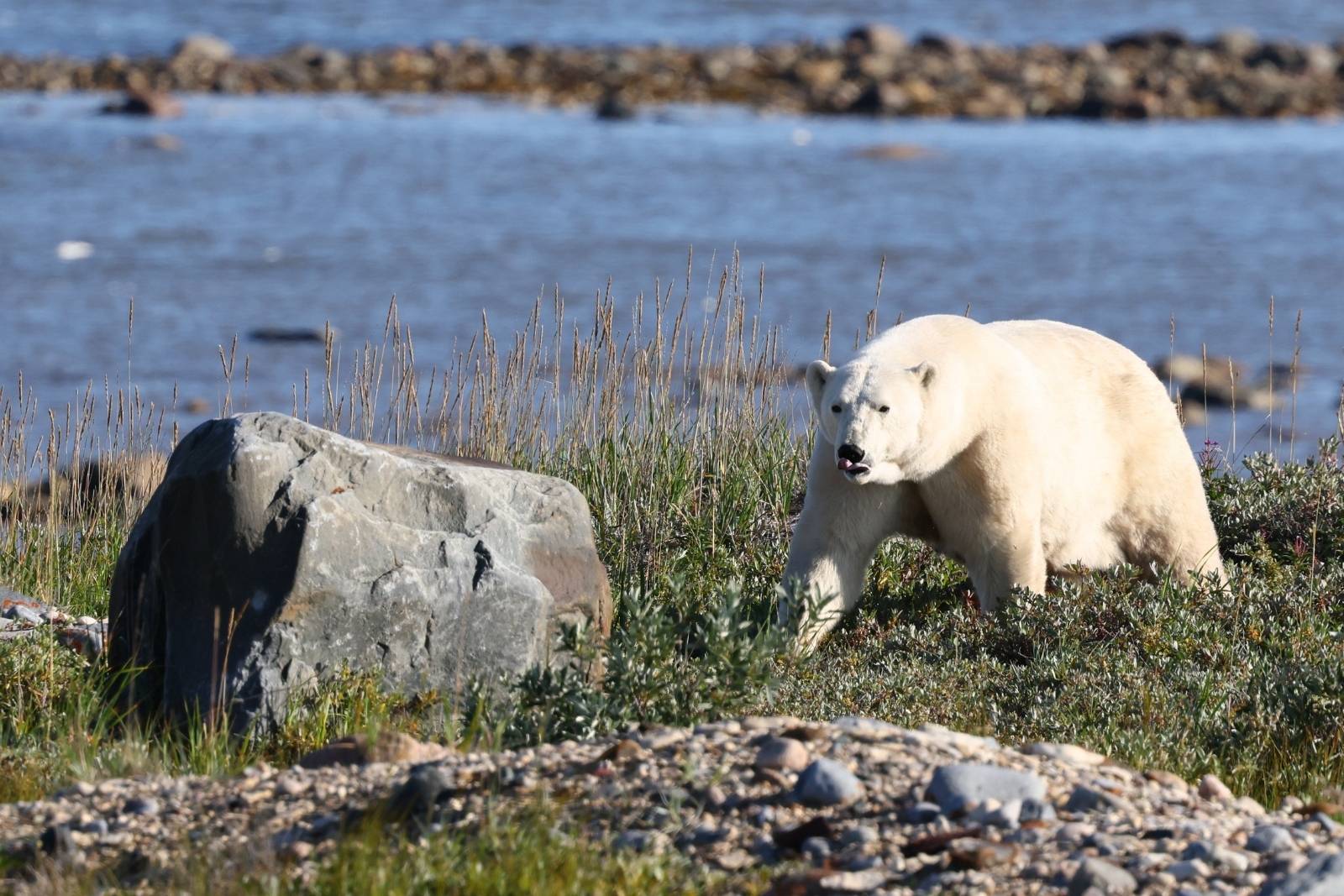
Our Zodiac wasn't until midday, so the guides picked us up early instead of leaving the morning free. Out at Ithaca Point in sunrise light we found a mother and two cubs walking the rocks. The cubs knew we were there and kept turning to look at us, almost smiling. She was mostly concerned with keeping them pointed the right way. Snow geese went over in flocks, and the tide was high enough to put water around the Ithaca.
Then the Zodiac. Blue sky, sun, warm, almost no waves — completely different water from the day before, and the belugas were easier to see because of it. They followed the boat. They came up alongside it. They trailed in the wake. Mothers and calves the whole length of the river.
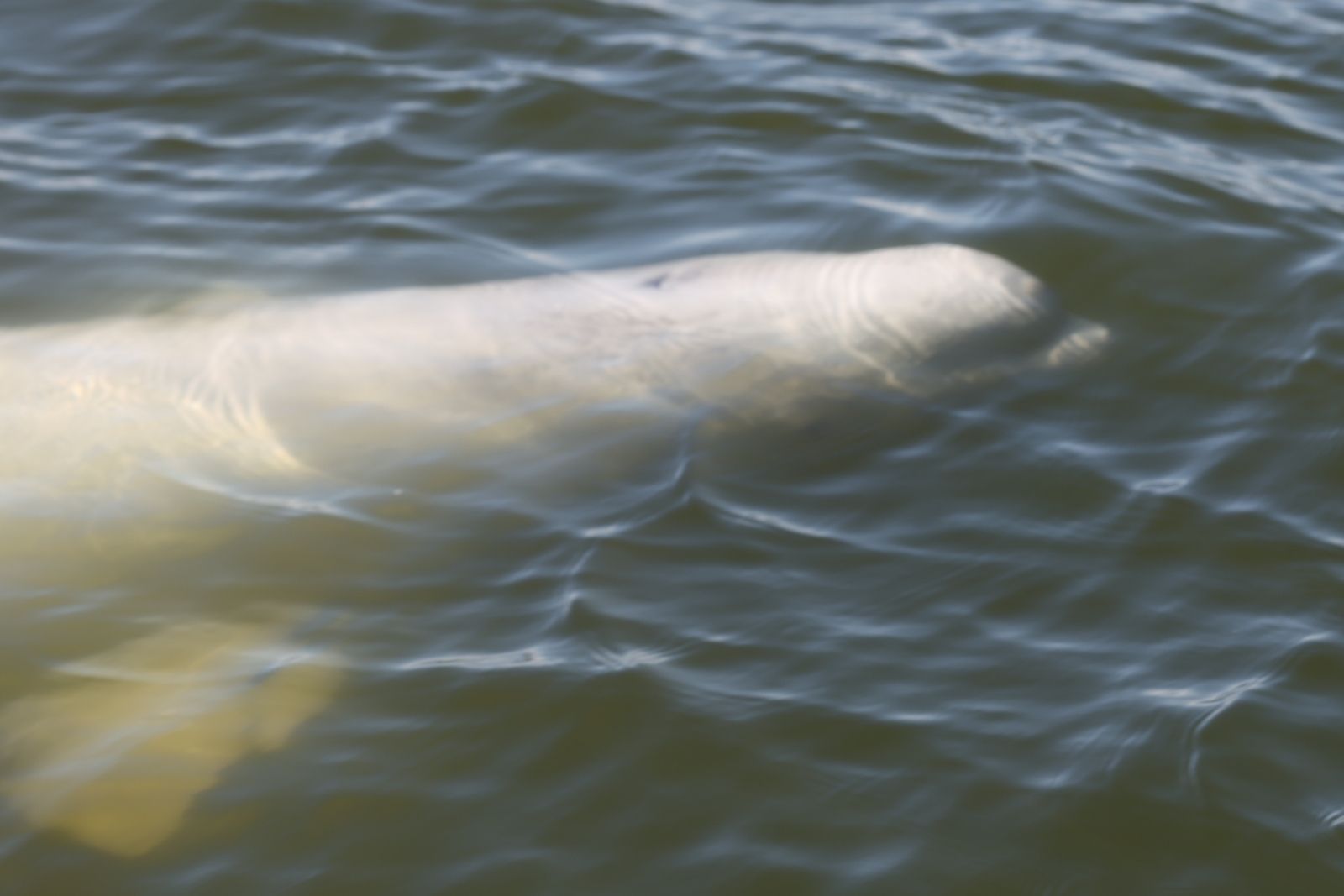
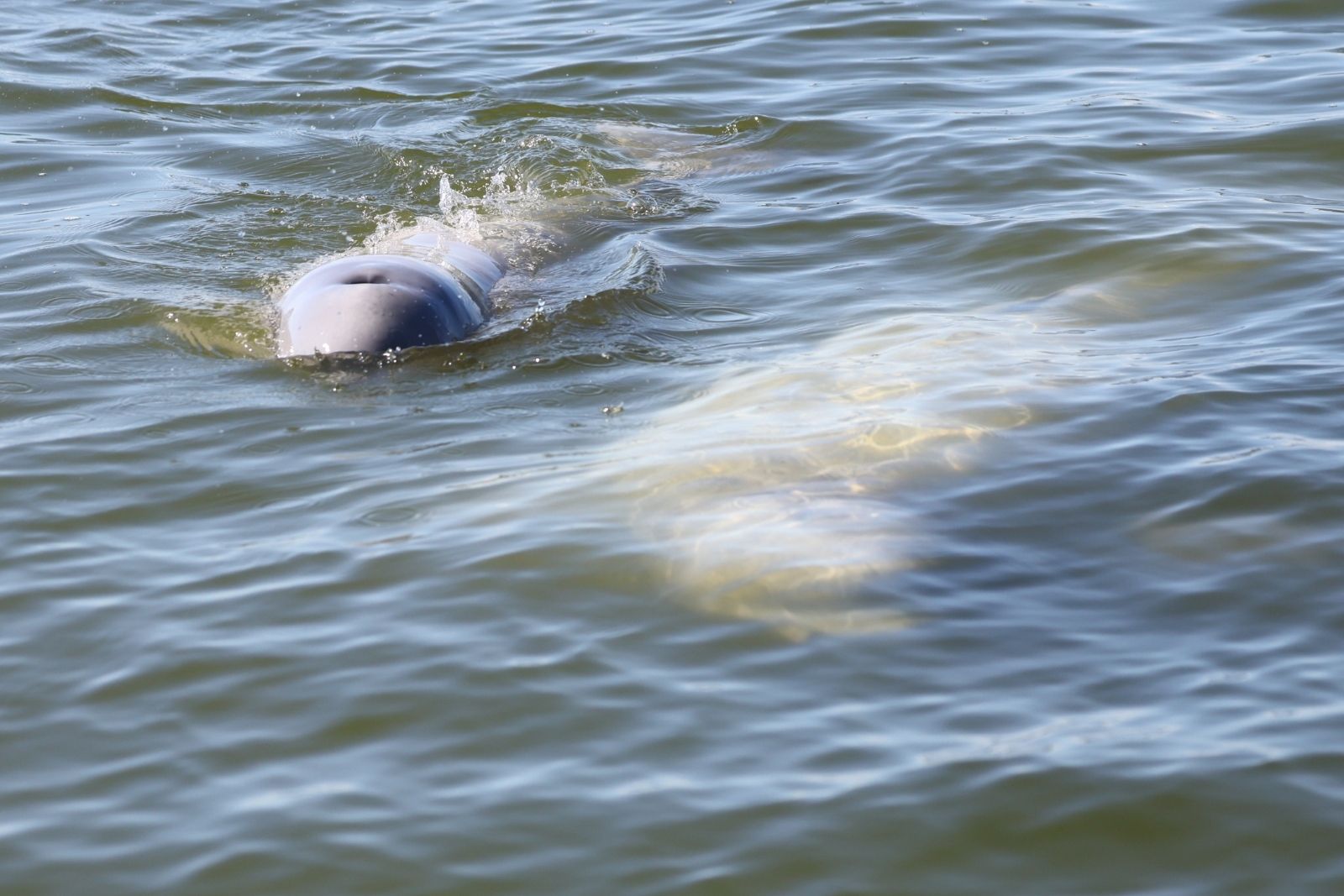
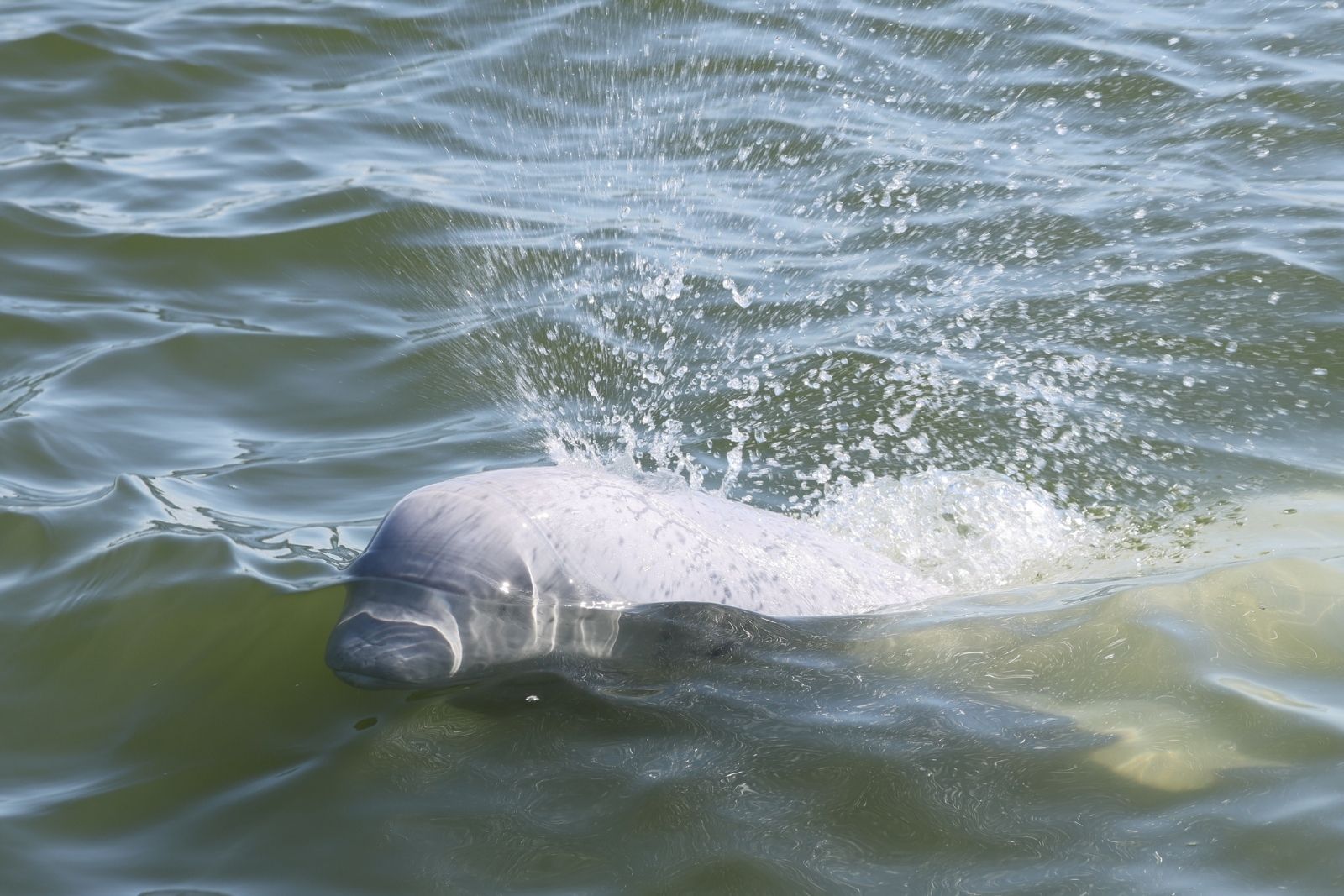
Lunch in town, then out for the hike to the Ithaca, because by afternoon the tide was fully out. Walking the flats to reach the wreck and standing next to it is worth doing. While we were out there we found a juvenile bear asleep on a rock that becomes an island at high tide, and another mother with two cubs along the shore, everyone enjoying the afternoon.
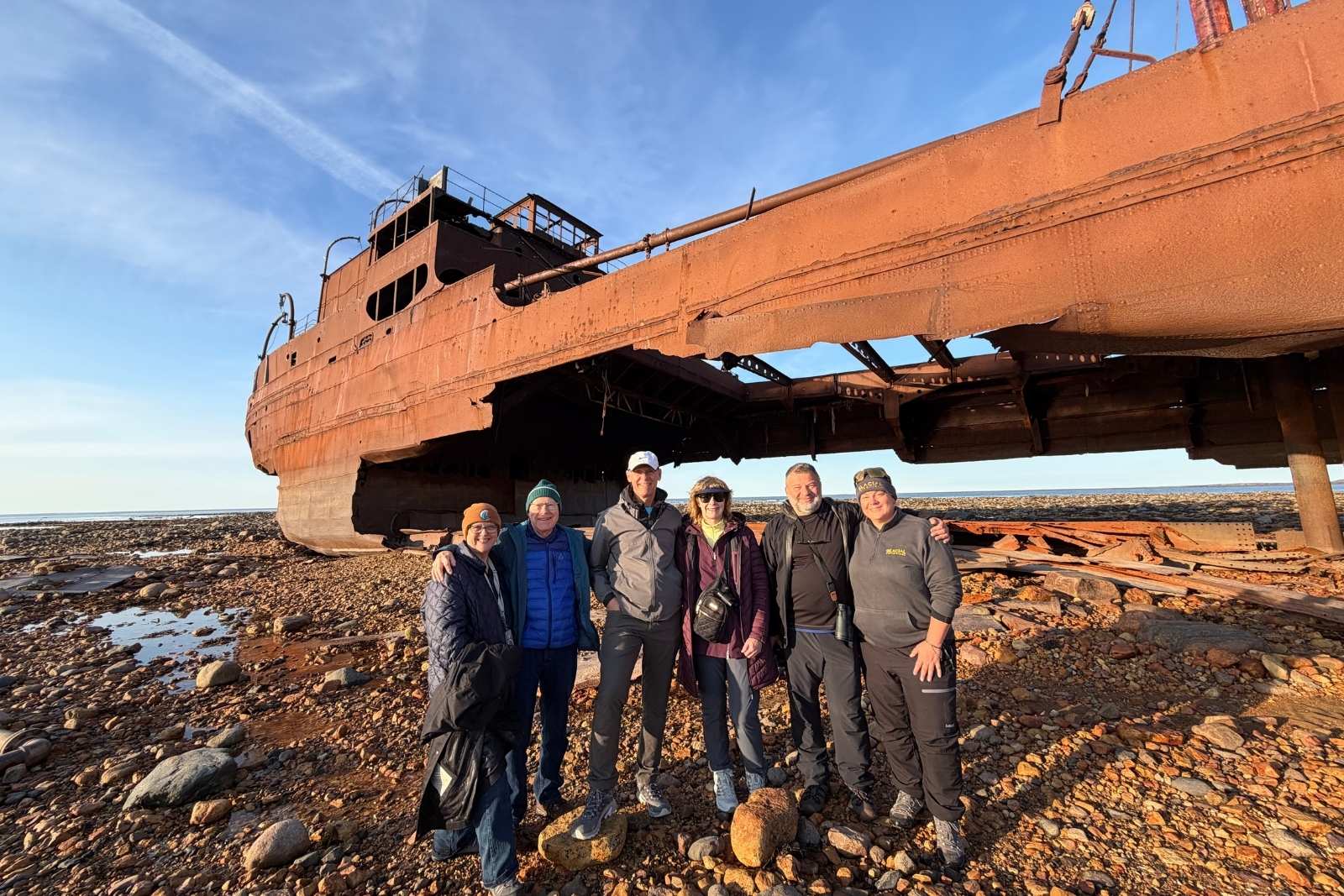
Dinner in the field, then a run through Polar Bear Alley where we found a lone male above the rocks. The sky was clear and the forecast was good, so we went back to rest.
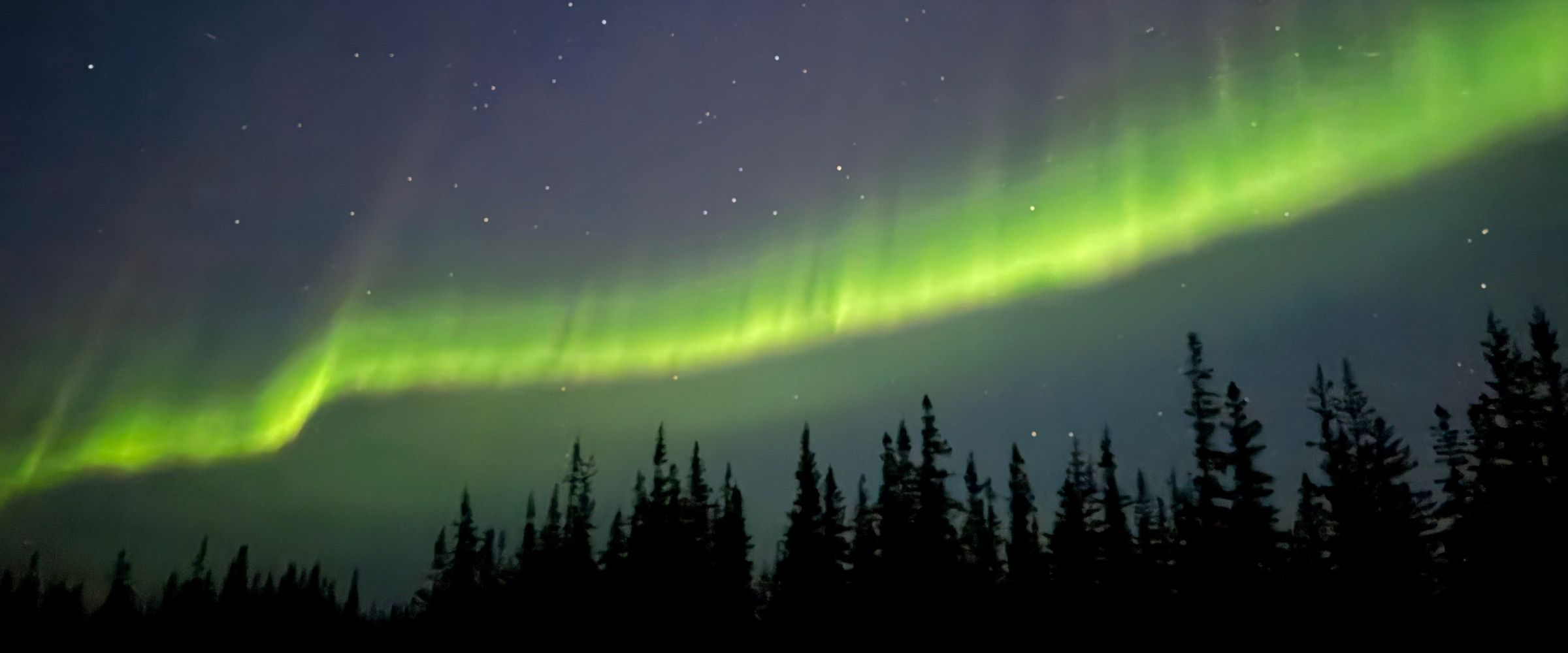
The call came at ten. We watched for two and a half hours. Green and some pink to the naked eye, purples and blues coming through on the cameras. Sharply defined, moving fast, crossing the whole sky and crowning overhead several times.
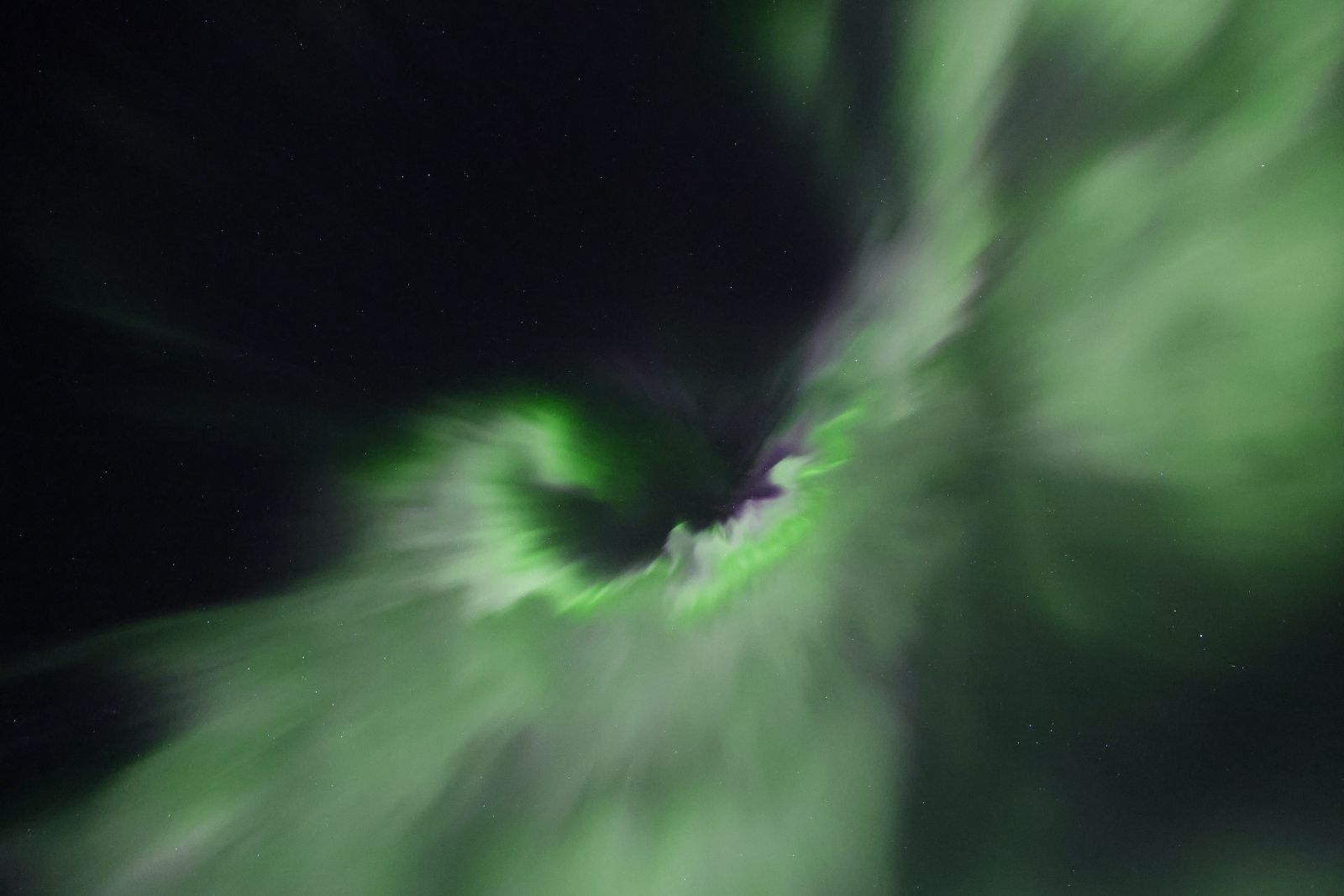
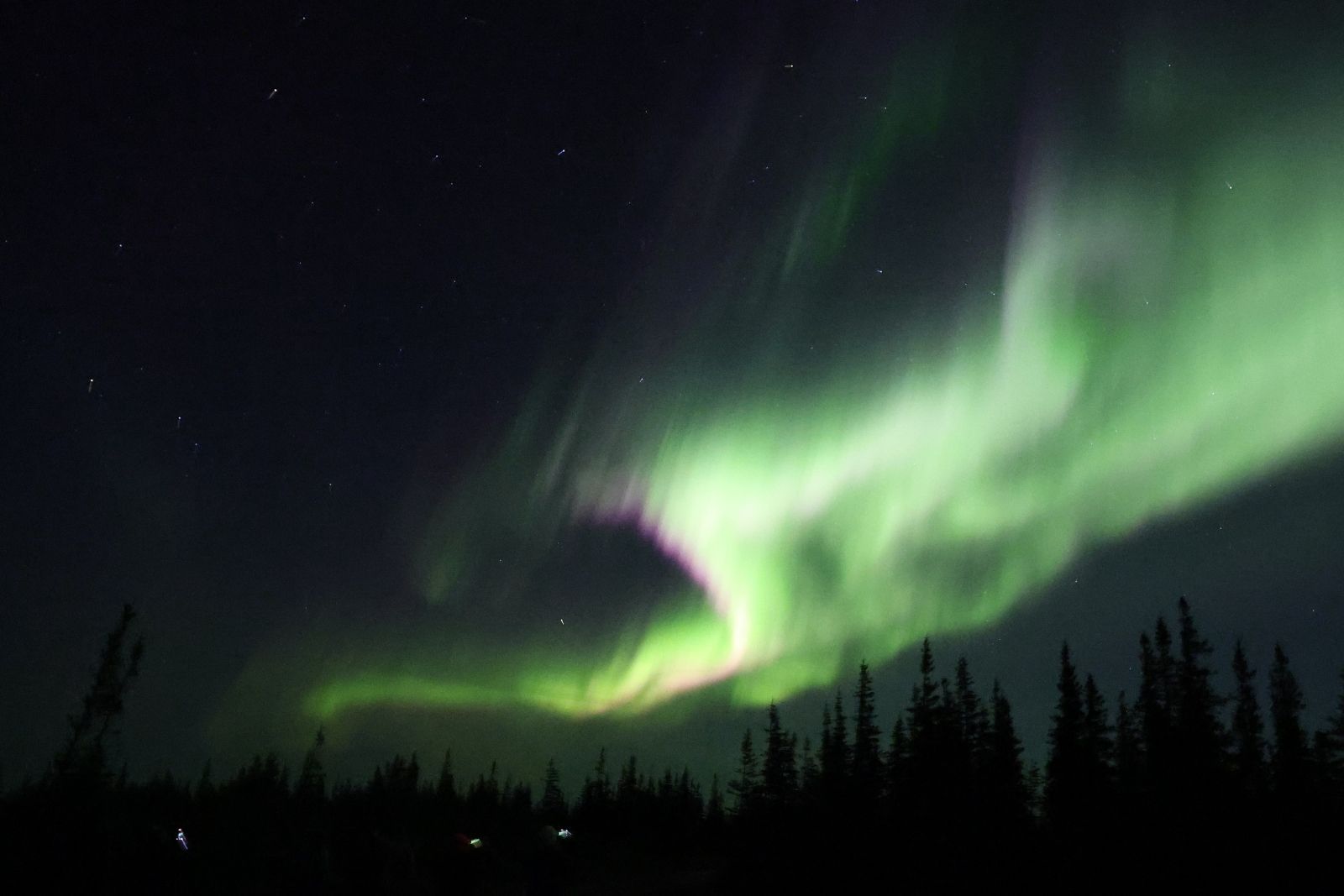
Polar bears at sunrise, belugas at midday, and the aurora until after midnight. That is what August in Churchill can give you.
Day four: a full day on the tundra
The weather held, so we spent the morning on the pictures you want and don't always get around to — the group shot at the Welcome to Churchill sign, the polar bear crossing signs, the rocket launch facility at the science centre, and the murals up there.
Eagles all day. Coming back into town we stopped at Hudson Bay and put our hands in the water, with more belugas out beyond us. Then sandhill cranes, Pacific loons, Canada geese, and a harrier working the sky.
Rain came in the afternoon, so we used it — the local museums, the shops, and a stop at Polar Bears International to hear about their research on the bears and the ice.
Dinner at the B&B, and then a second aurora call. This time we went out to Miss Piggy. Not as spectacular as the night before but no less beautiful and completely different — heavy green, moving fast.
Day five: the holding facility, and out
A last morning in town. The polar bear holding facility, where the bears that cause trouble are kept before release, and a final run down Polar Bear Alley. We took our photographs inside the bear cage.
Eleven-thirty flight to Winnipeg, a night there, and home on the twenty-second.
Twenty-three bears and hundreds of belugas across five days. For summer, that is a good count — the bears are dispersed along the coast rather than gathered waiting for ice, so you see fewer of them than in November, and everything else in exchange.
We had been in November for the bears first. That trip is here.