Two nights in Winnipeg first, on purpose
You cannot drive to Churchill. It is a charter flight or a train that takes more than 48 hours, so everyone comes through Winnipeg. We built in two nights rather than connecting straight through, and we would tell anyone to do the same.
We had dinner with the Manitoba tourism board, walked to the Forks Market, and happened to arrive on the night of the Christmas parade with the town lit up. The next day was the Canadian Museum for Human Rights, which is worth the time, and an afternoon at Thermëa — hot pools, cold plunges, saunas, steam rooms. A good way to spend a day before nine days on the tundra.
Day one: Churchill
The flight is only about two and a half hours. There was snow everywhere when we landed.
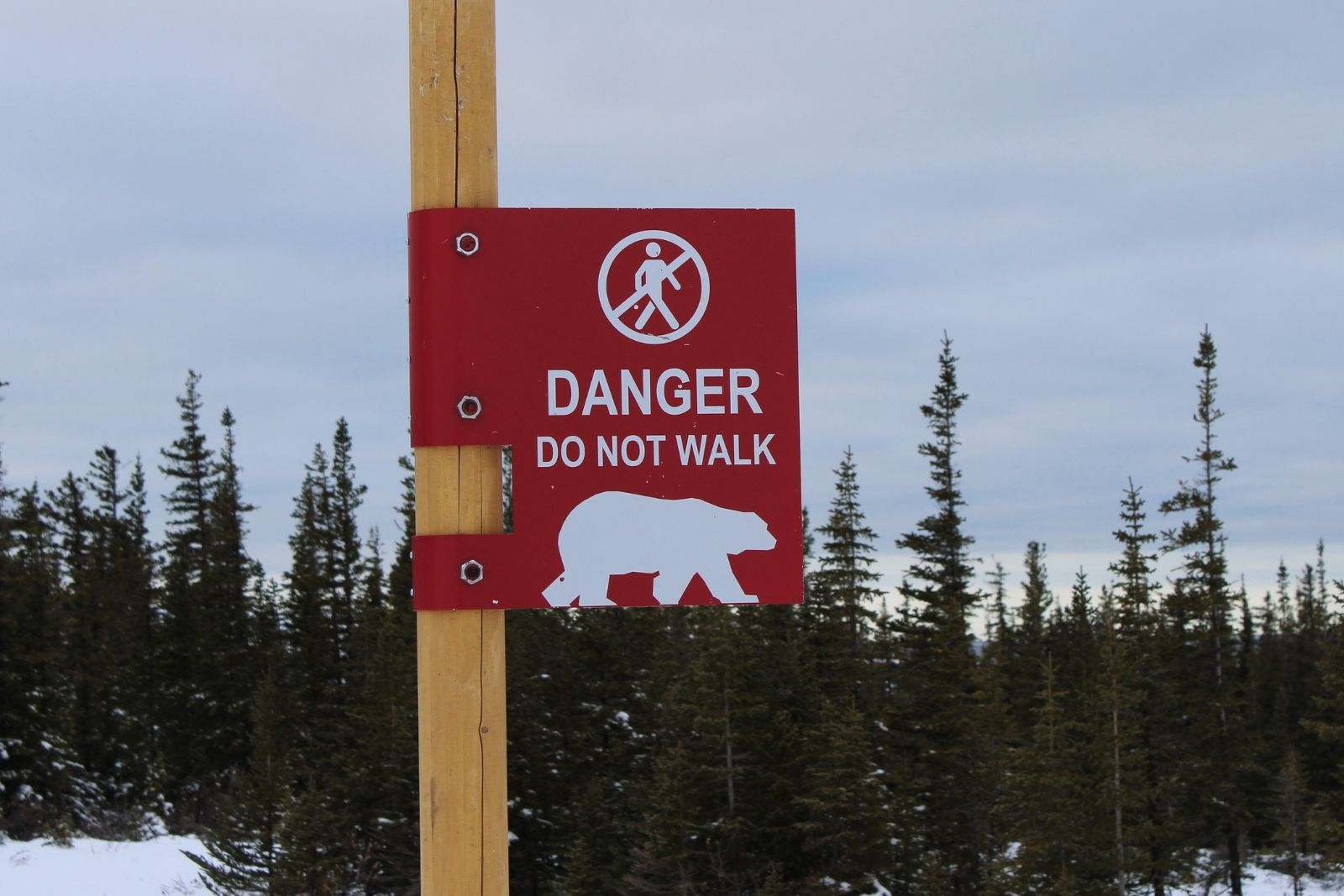
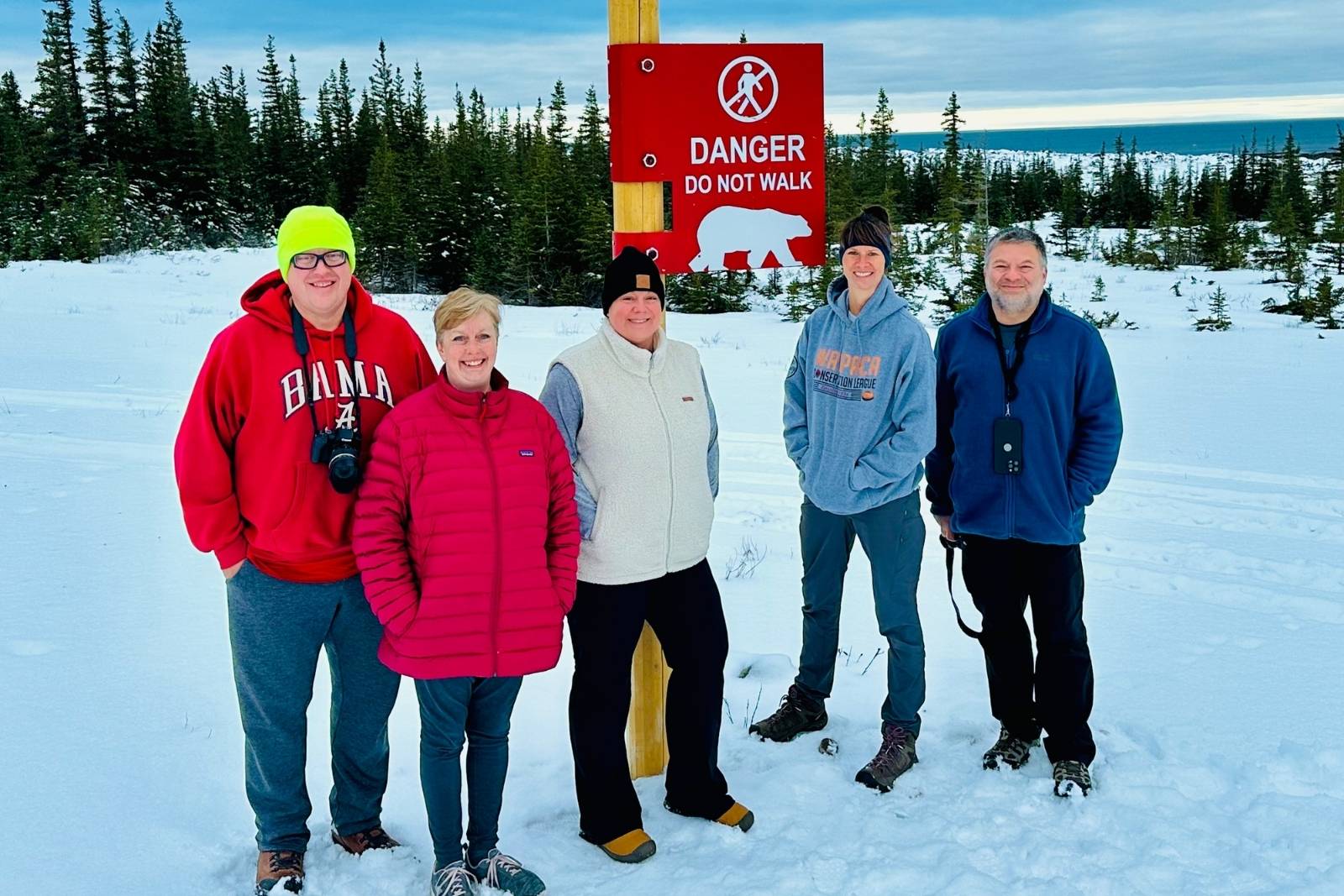
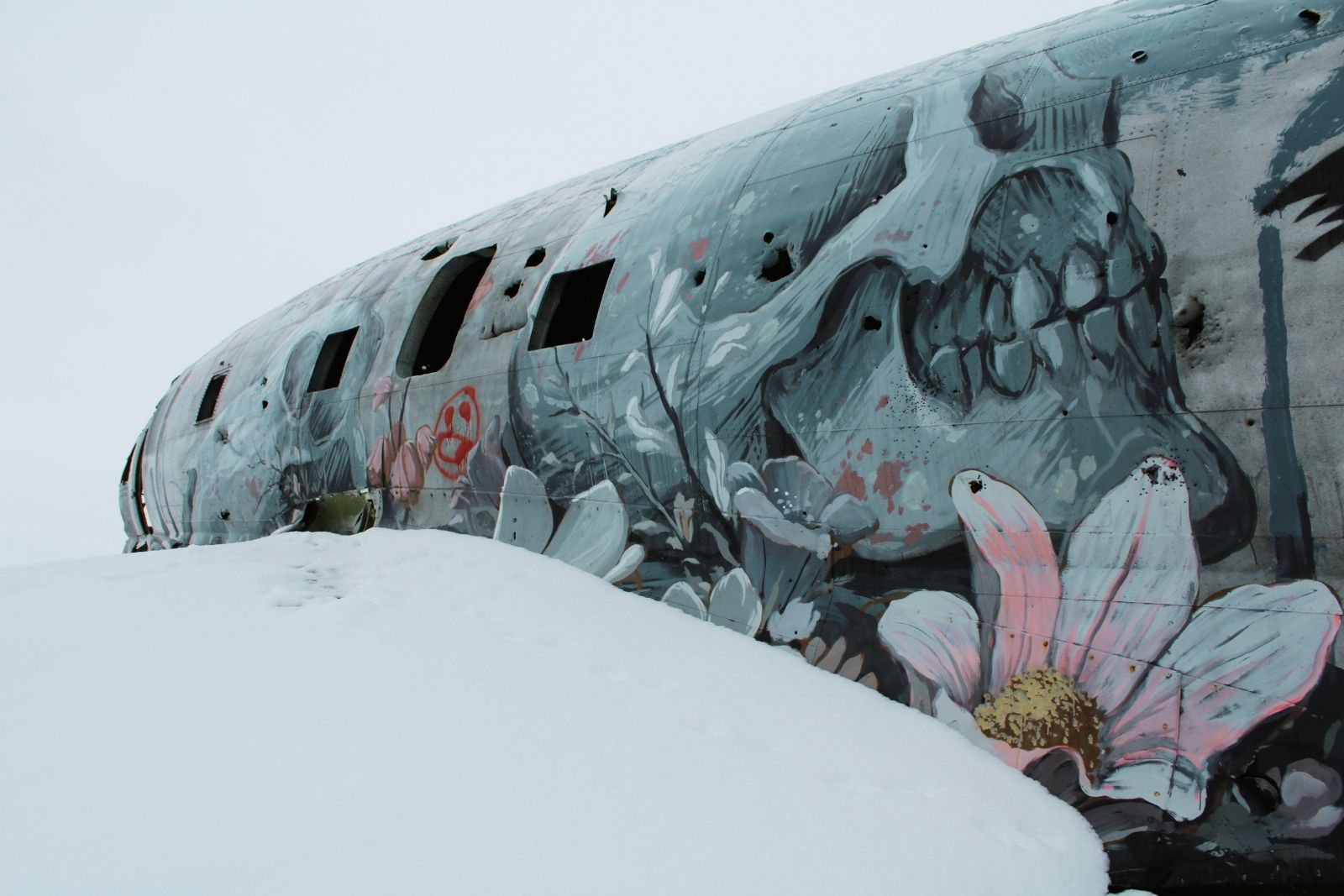
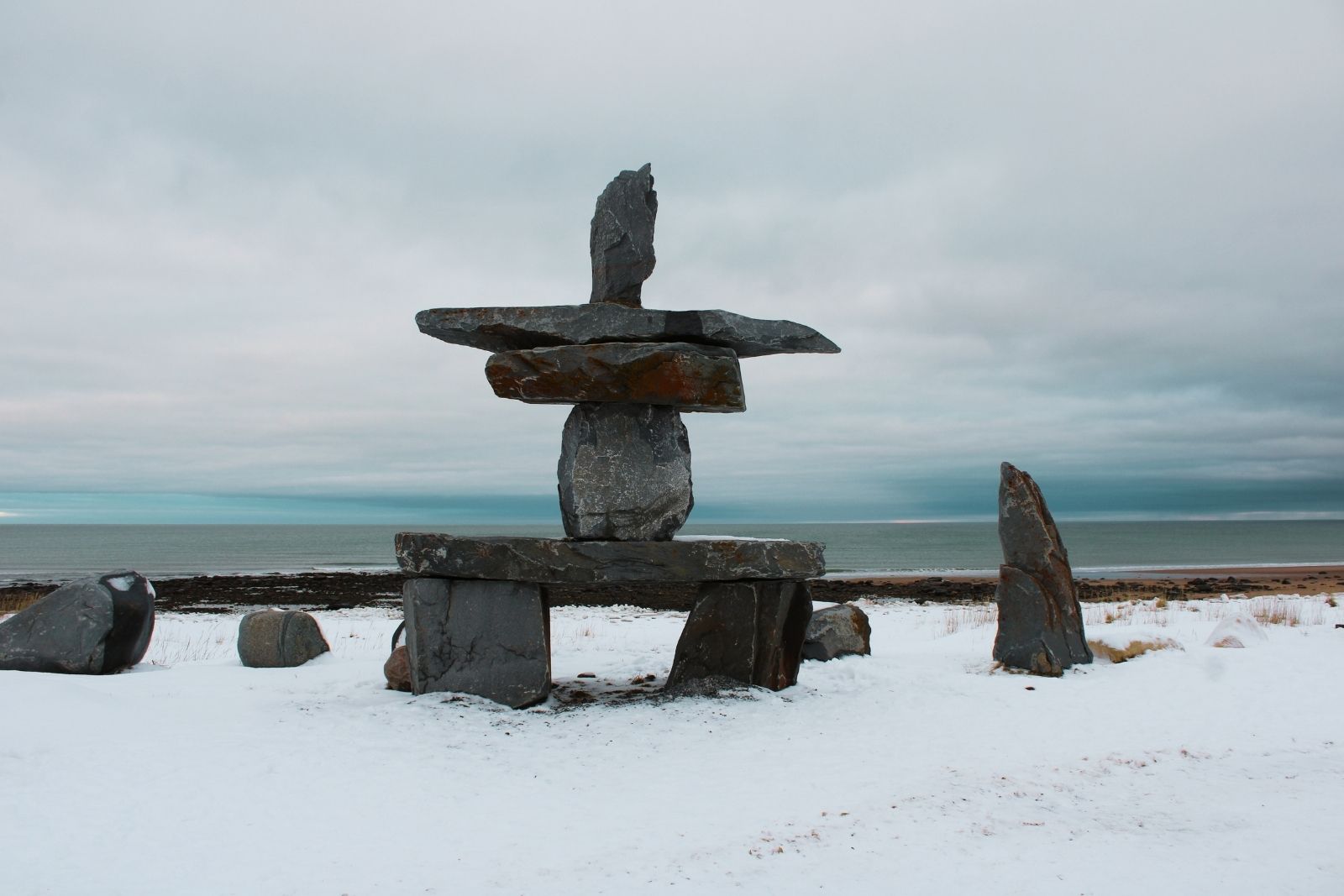
Our town tour with Discover Churchill covered the landmarks — the polar bear crossing sign, Miss Piggy, the downed aircraft covered in a mural, and our first look at Hudson Bay with the inukshuk on the shore. Then a photography lesson at the Discover Churchill office before checking into our B&B with Dave and Céline, who could not have been more welcoming. Early night. We knew what was coming.
Day two: our first bear, within minutes
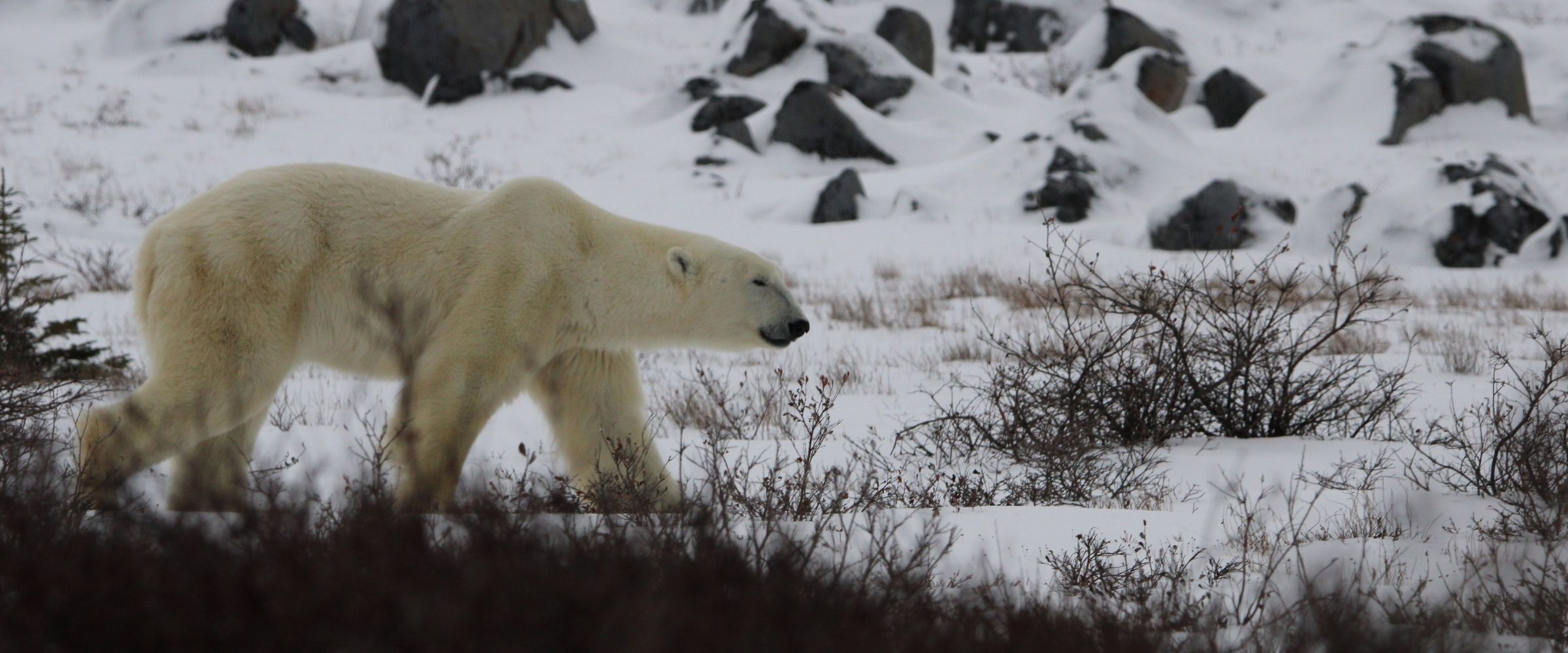
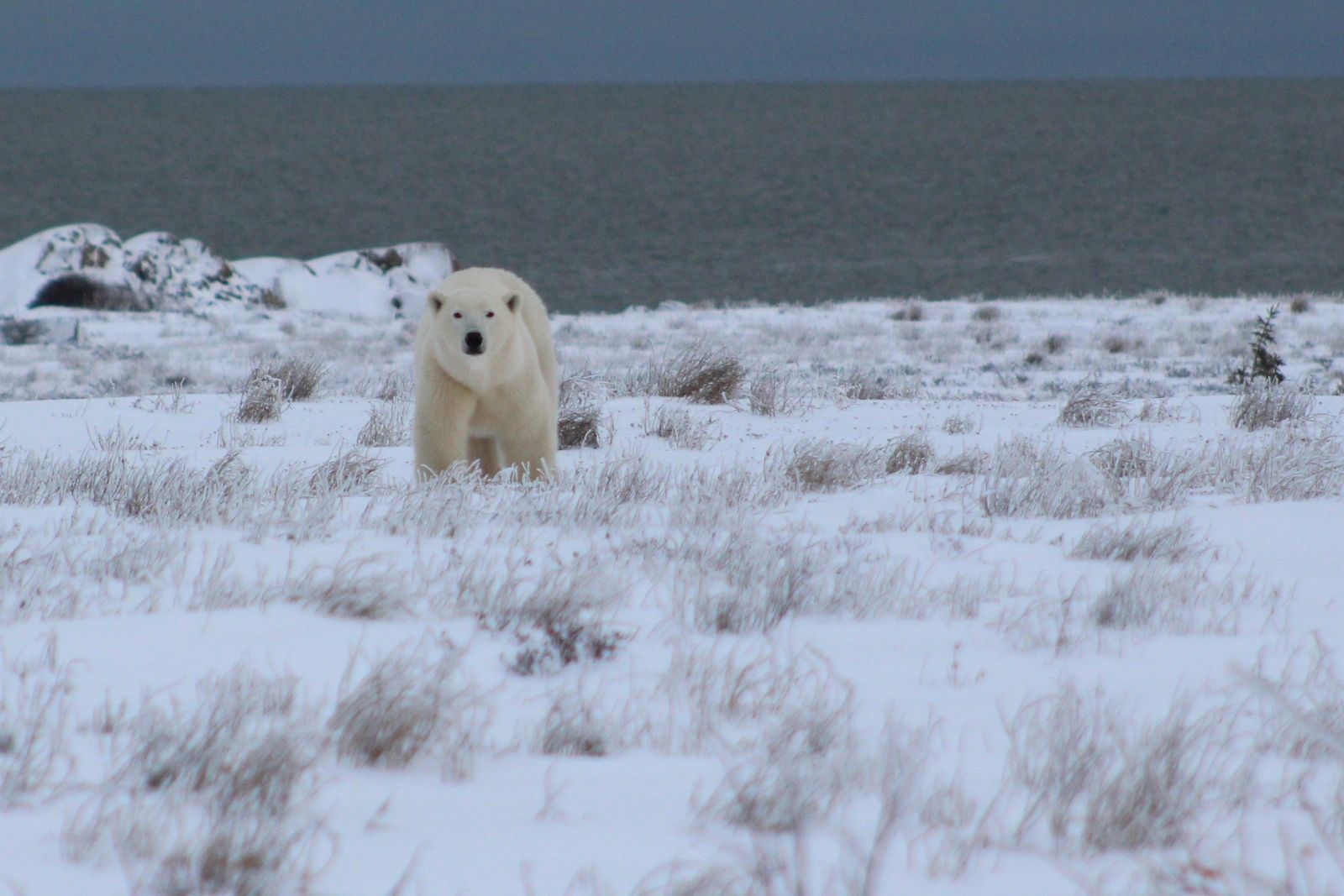
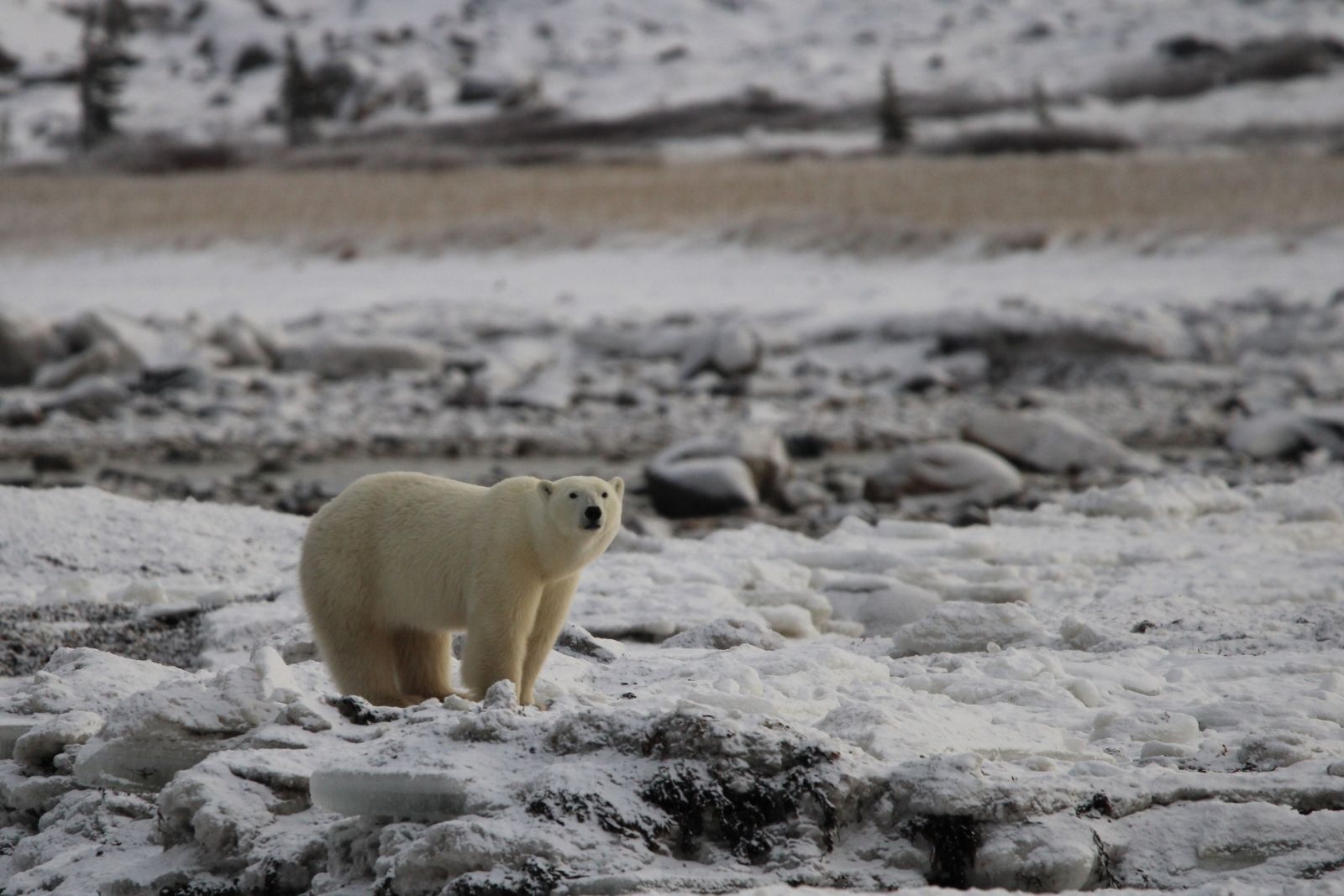
We were barely out on the tundra before we found him. A big male out for a stroll along a rocky outcrop, close enough that binoculars were unnecessary.
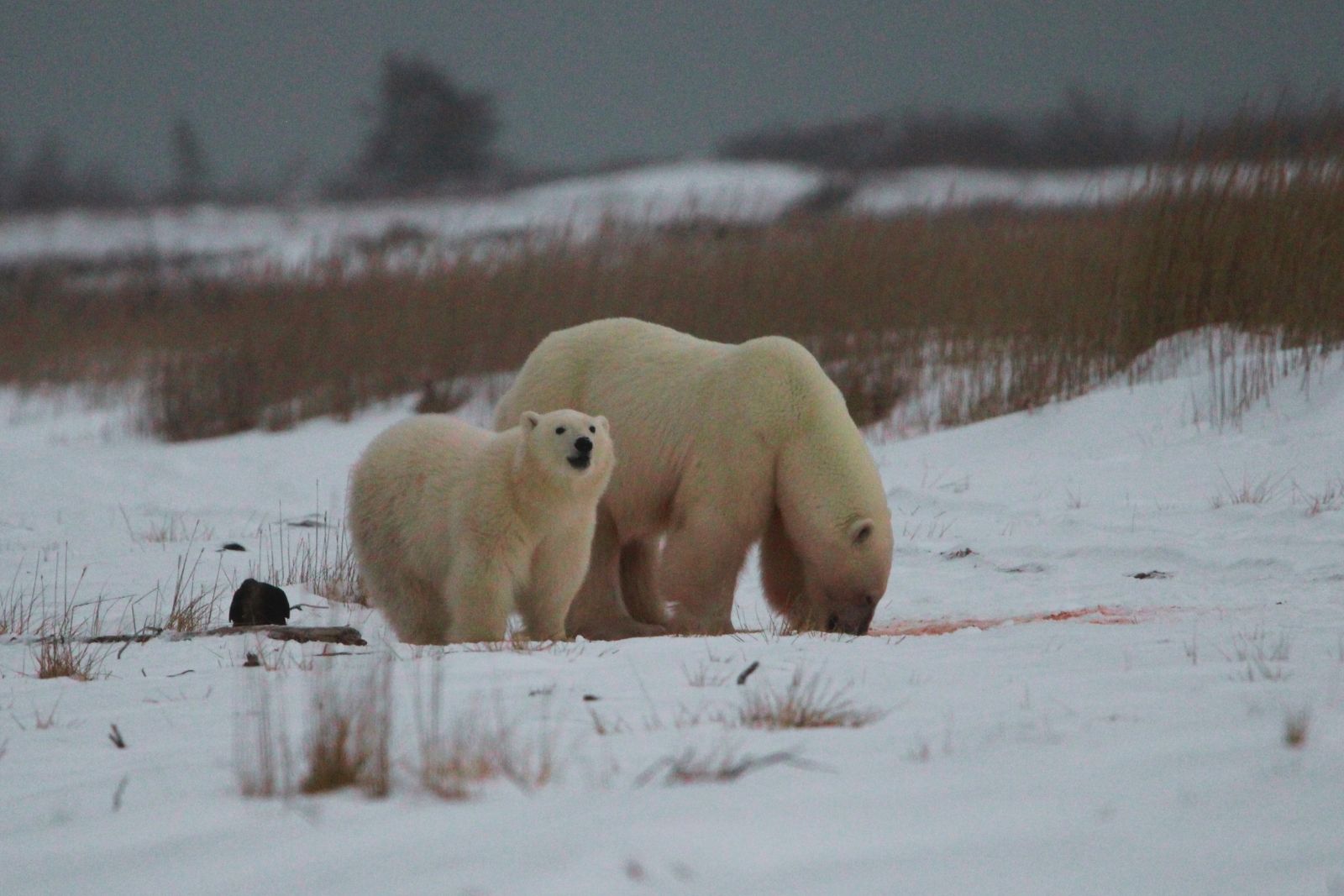
A little further down what they call Polar Bear Alley, a mother and cub were eating at a seal carcass at the water's edge. The mother did not care about us at all. The cub stood up on its back legs, almost like it was waving.
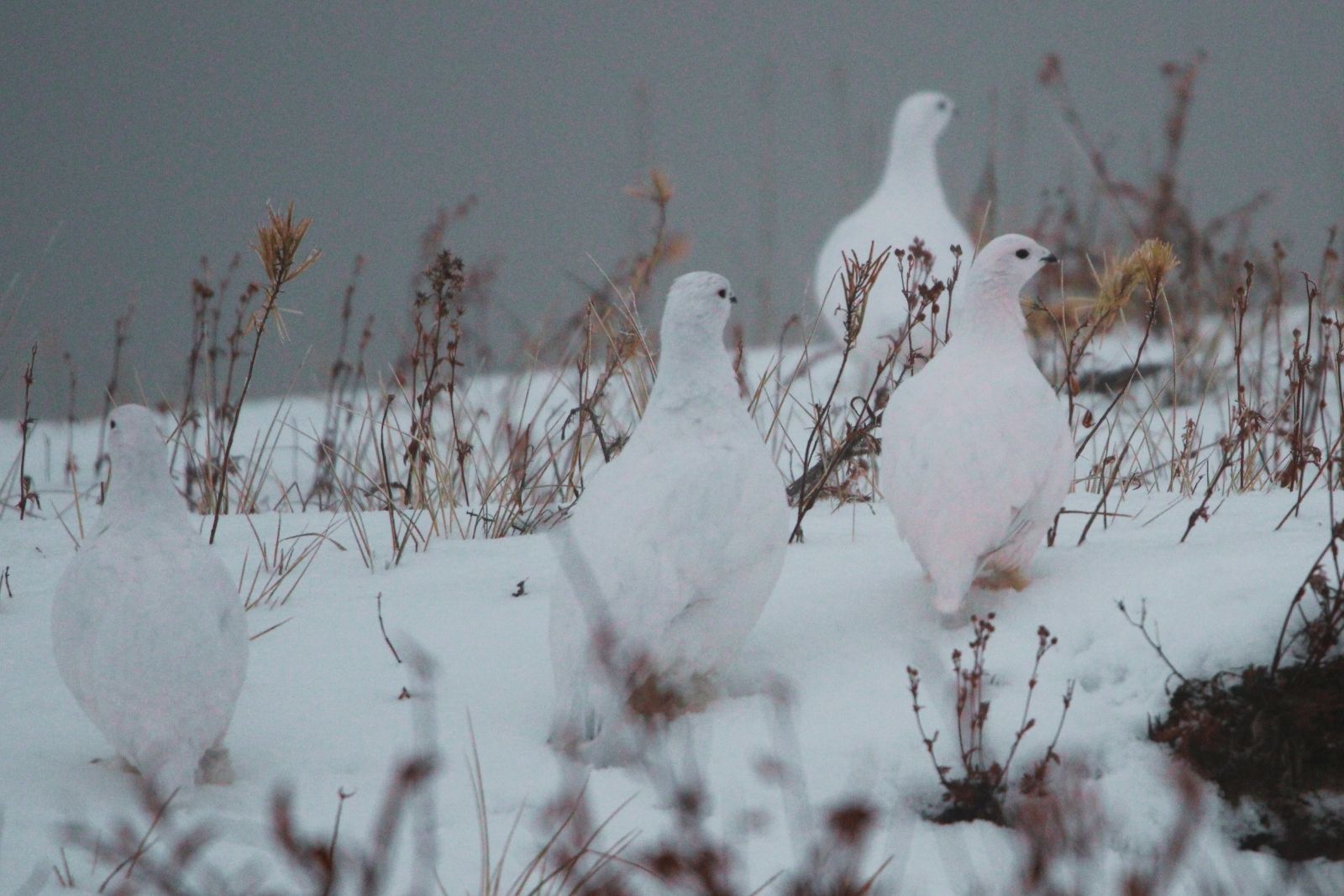
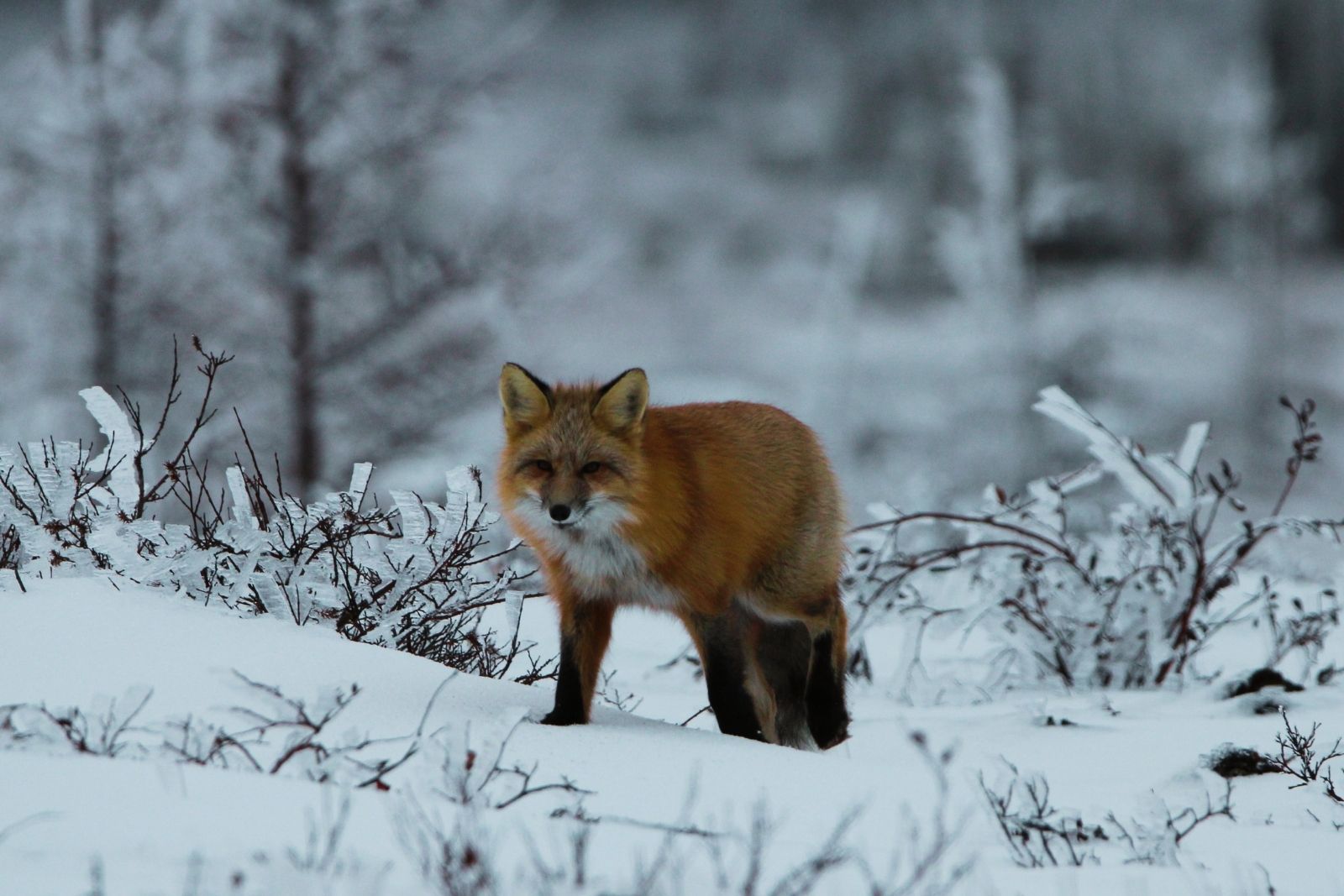
Then a red fox and a cross fox, both in full winter coat, running around like dogs. Our first flock of ptarmigan, so white against the snow you could barely pick them out.
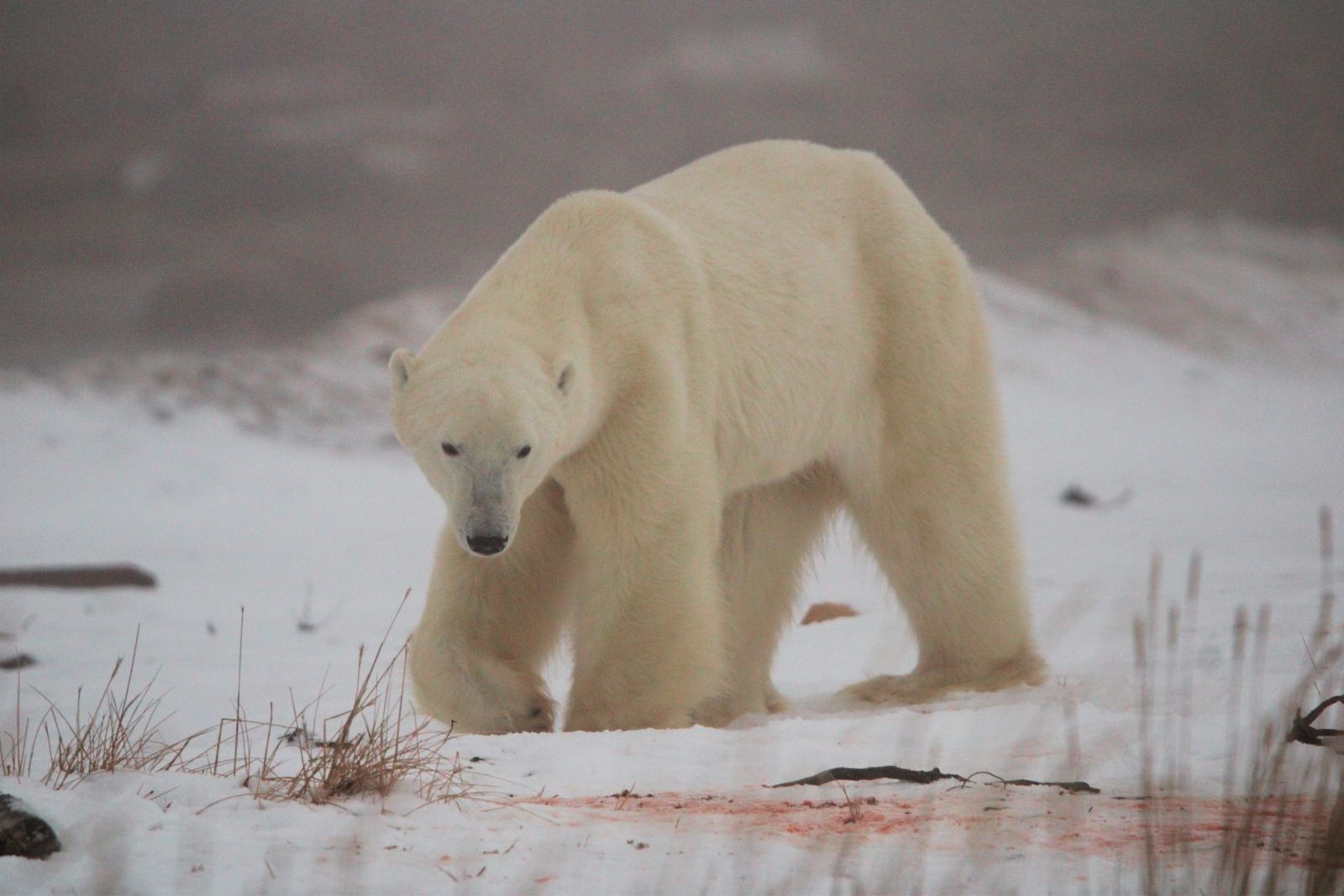
After lunch, more bears — solitary males pacing the shoreline waiting for ice, another mother with two cubs, and the biggest bear of the day sniffing around the bloodstained snow where the morning's kill had been.
Day three: cubs with sticks, and the golf balls
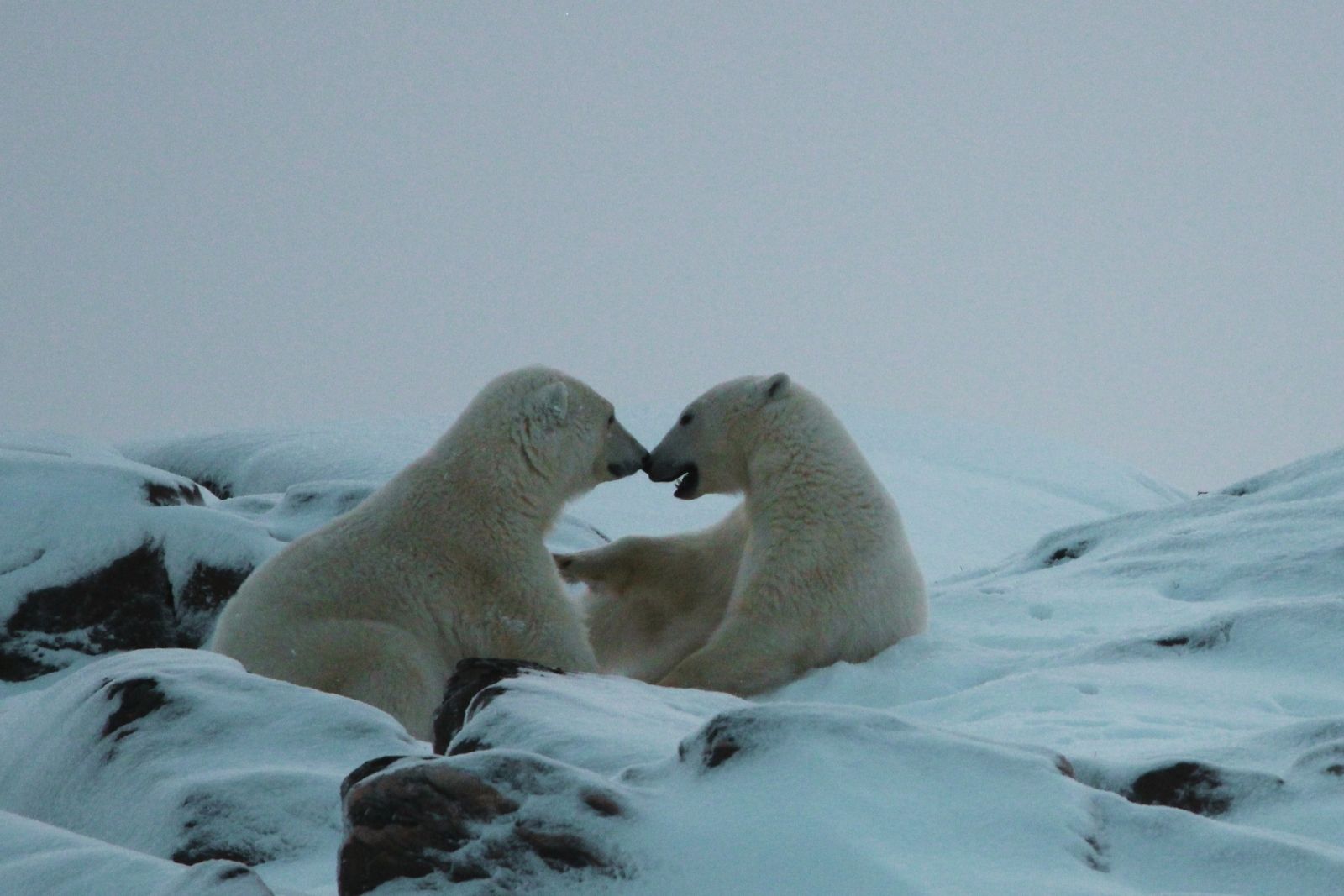
The morning started with a mother and two cubs in the rocks along the shoreline. Each cub had found a stick and they were going at each other with them — as close to a sword fight as two polar bear cubs can manage.
From there we went up to the golf balls, two abandoned radar tracking domes that sit out on the tundra, and found several bears sleeping around them. We stopped for photos at the Welcome to Churchill sign on the way back.
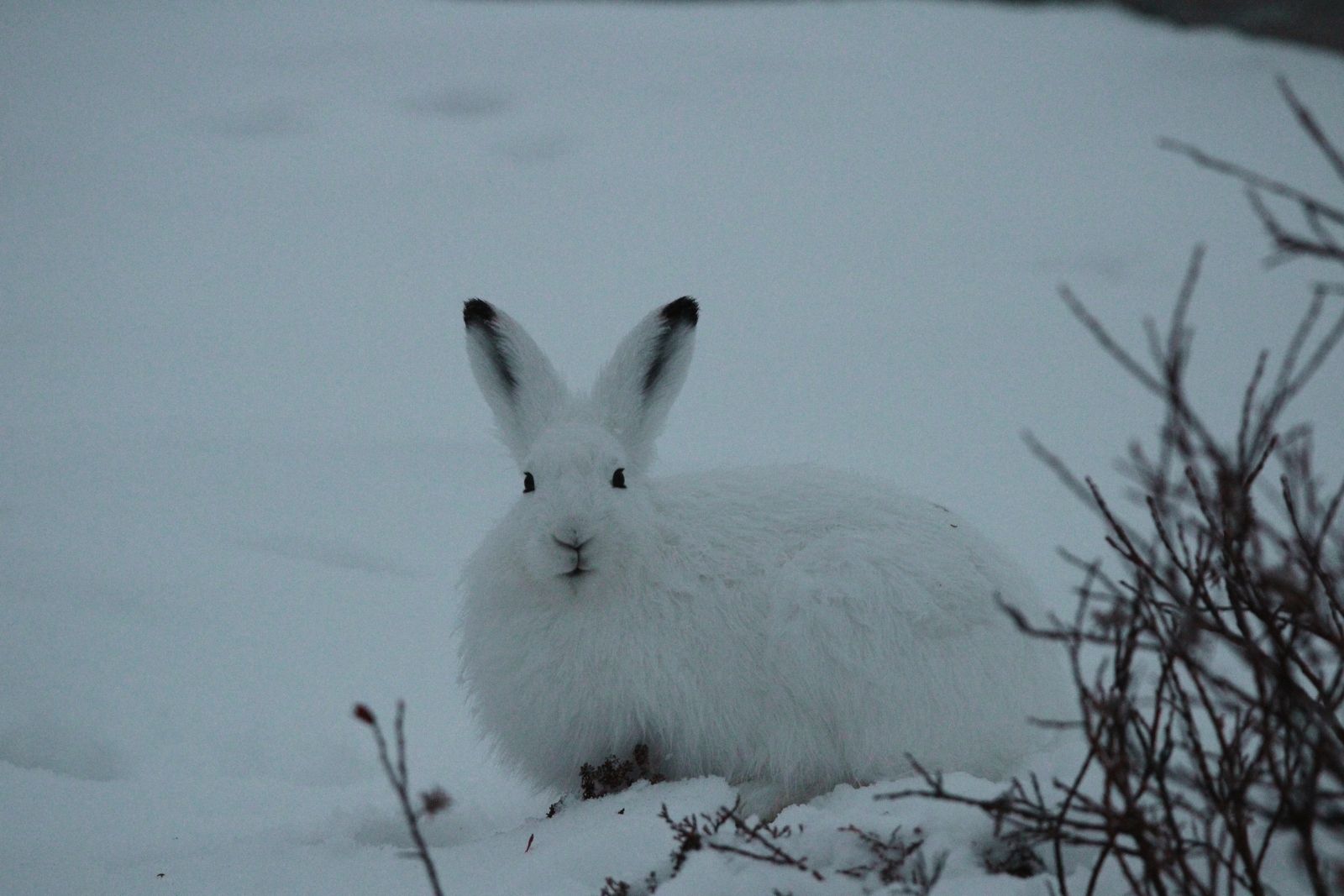
Later that day, our first Arctic hare — white, sitting out in the open, nibbling on branches. We had been waiting for one.
Day four: the bear that walked past us
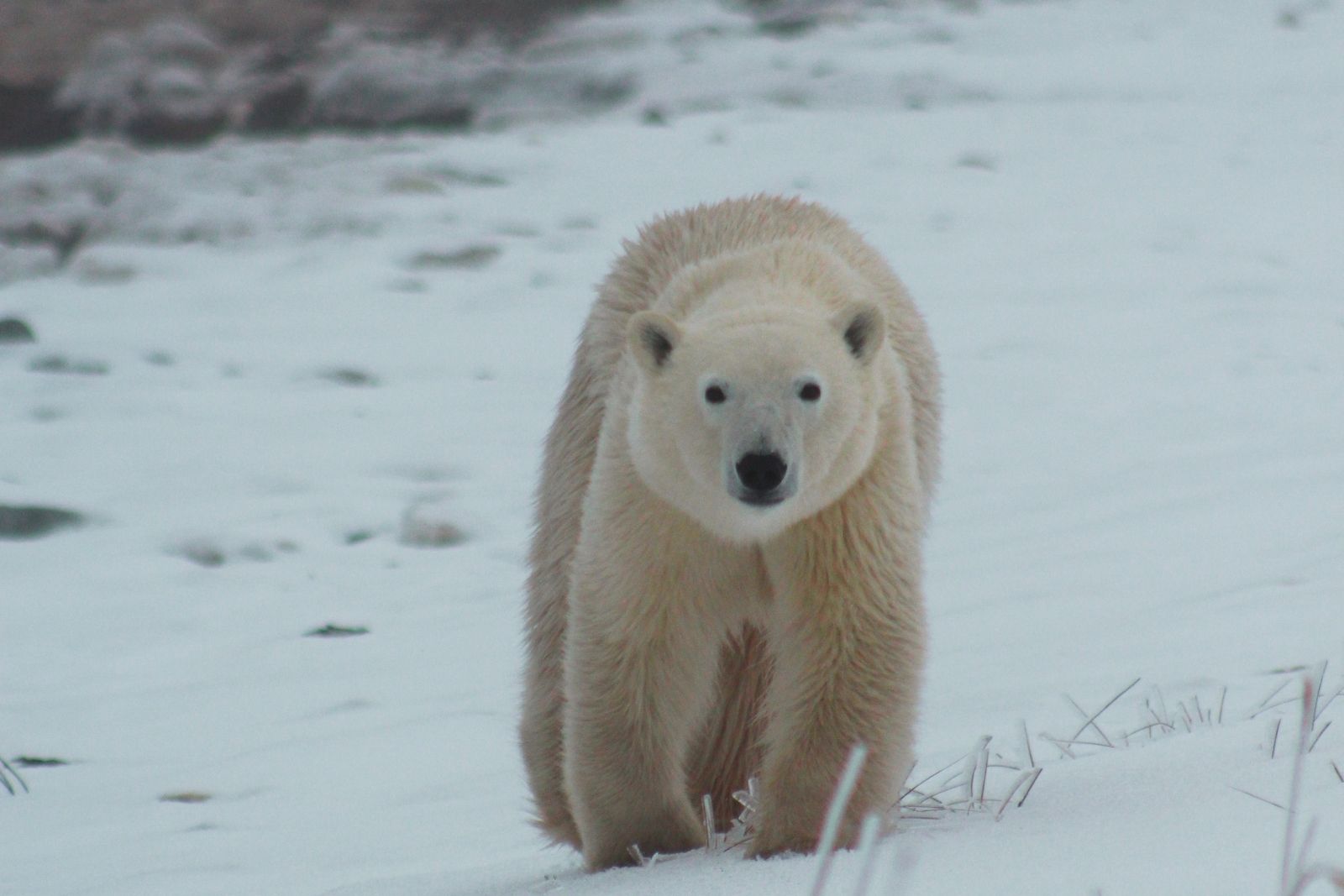
Our guide set us up far ahead of a bear walking the shoreline — so far ahead you could barely see him. He was never stressed. Because he was not stressed, the guides were not stressed. He kept coming, closer and closer, and walked straight past us, up over a pile of rocks and off into the distance.
Out by the lakes we found several mothers with cubs napping. While everyone else watched them, I knelt down near the van and a red fox trotted right up — within two or three feet, close enough that I thought he might boop the lens.
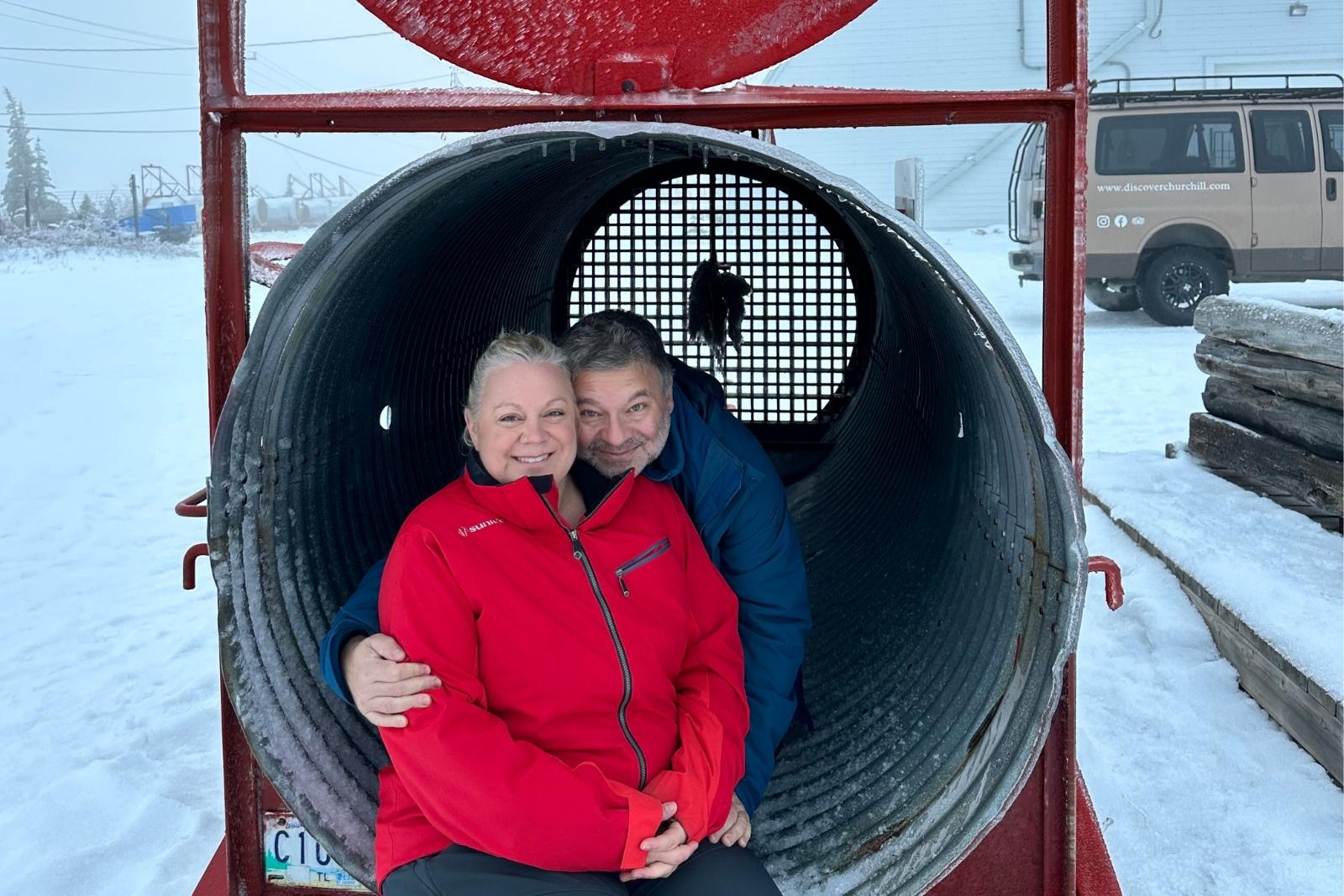
That afternoon we visited the polar bear holding facility, where the bears that get into trouble in town are kept before being released or helicoptered out. There is a bear cage outside you can stand in for a photo. Then the old rocket launch site, which is a real part of Churchill's history and not what most people expect to find there.
Day five: sunrise, and a bear that picked the wrong fight
Our first fully sunny day, and the sunrise was extraordinary. We found a juvenile male early and positioned ourselves so the sky was behind him — the bear and the sky both glowing.
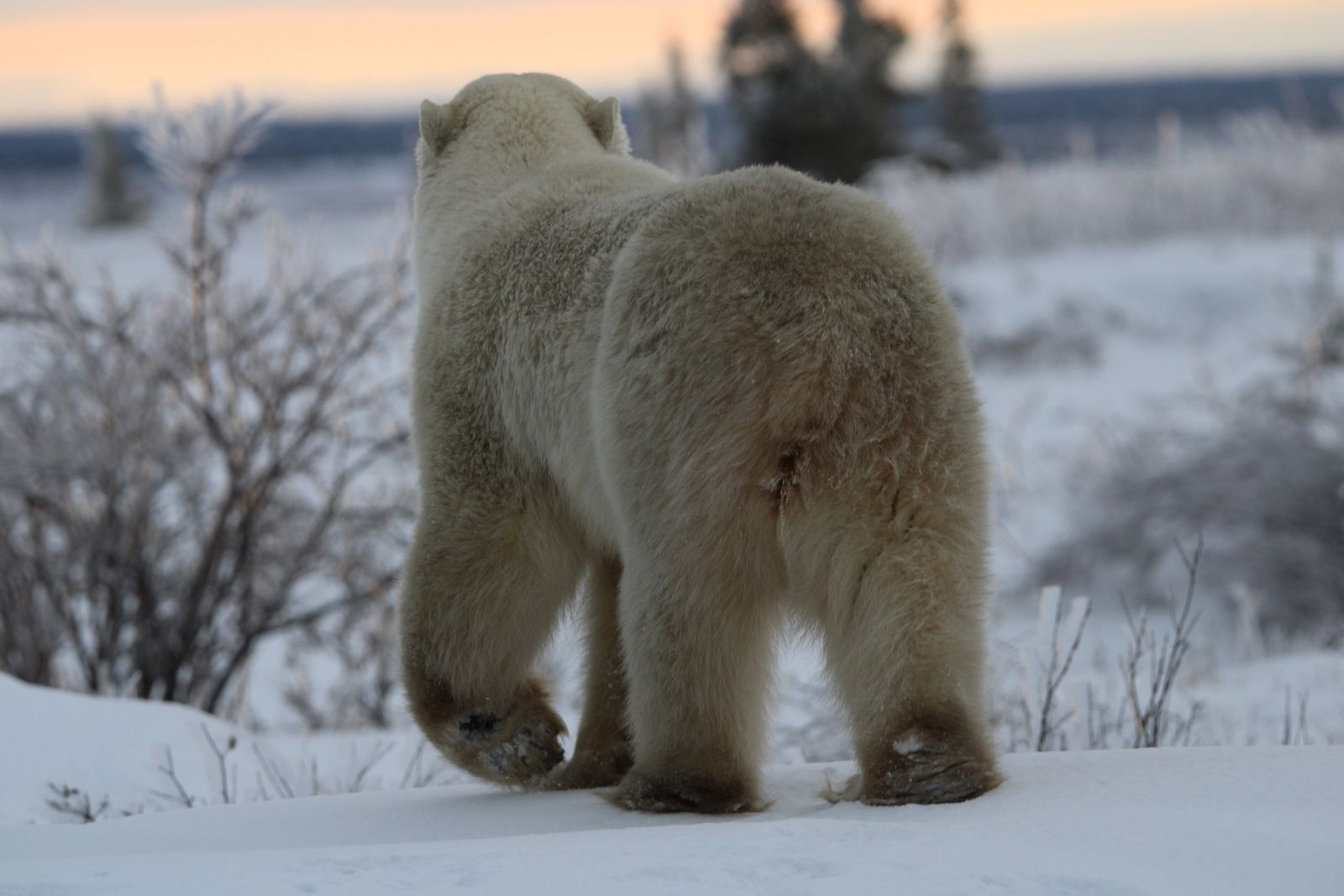
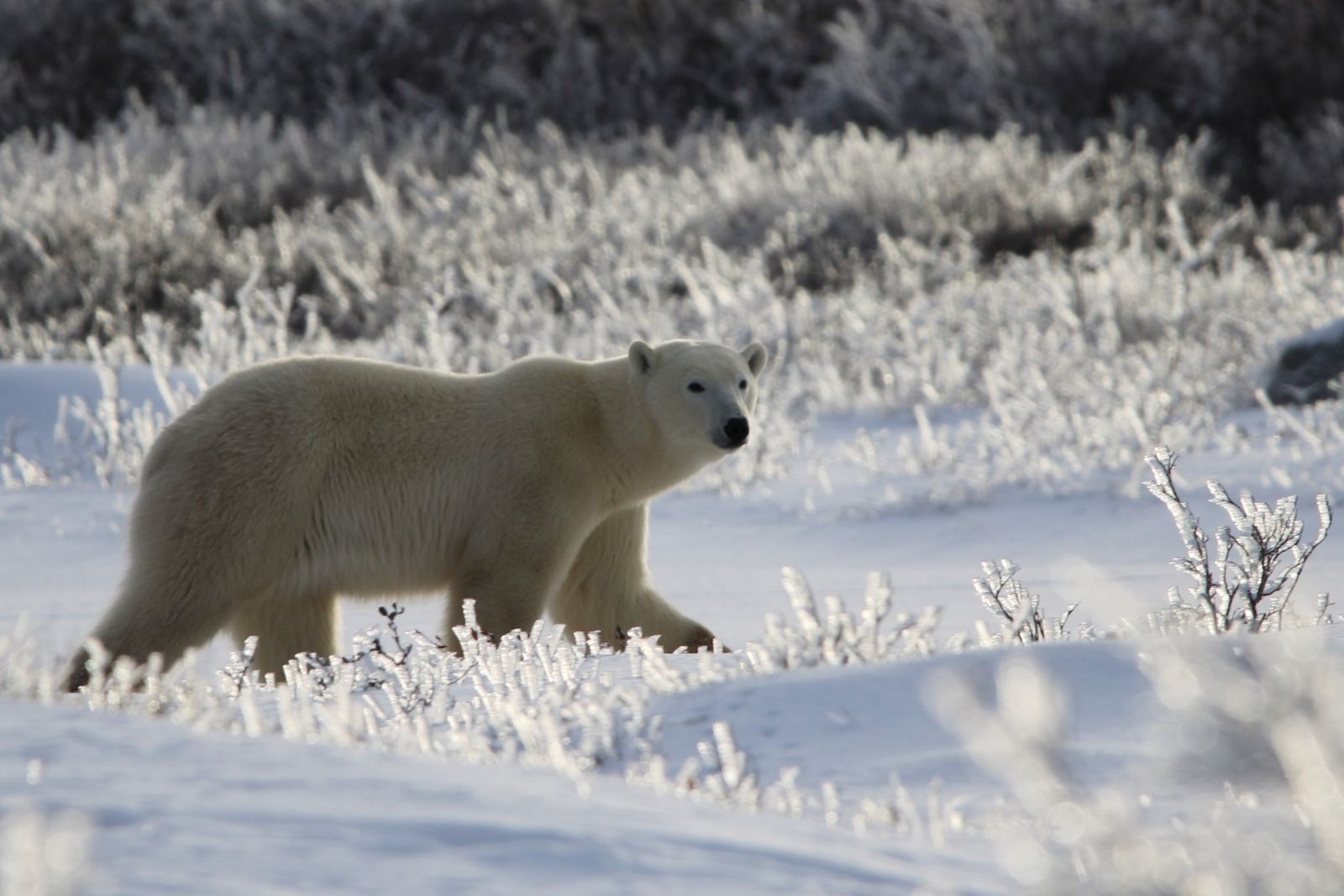
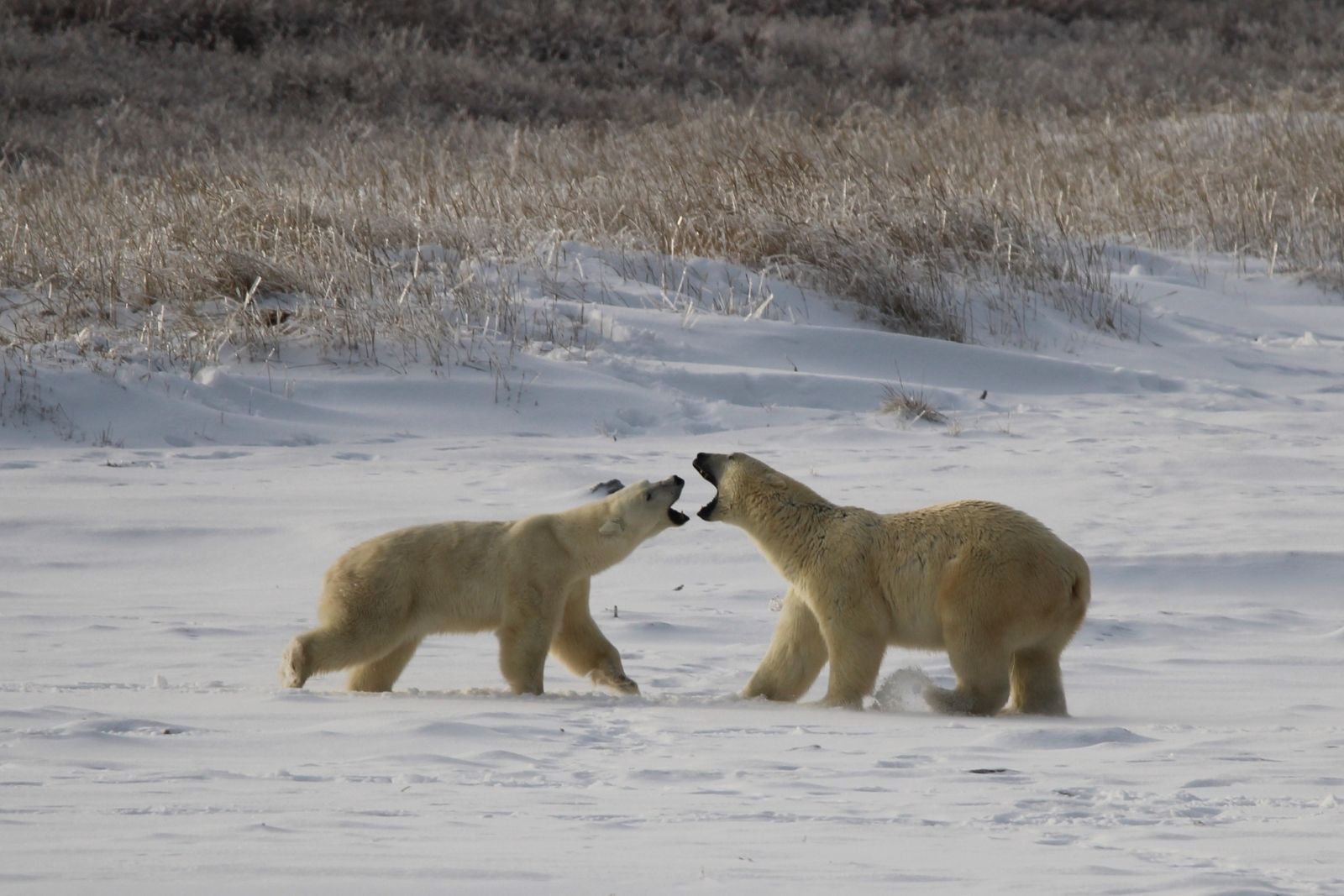
Out at the Ithaca we found more bears, one walking the beach, another out on the rocks as the ice was starting to come in. Then our first swimming bear. We moved to the next point to watch where he was headed. He came ashore in the neighbouring bay, saw a mother and cub on the beach, and charged. She was not having it. She growled him off and he ran the other way.
More ptarmigan, and our first owls — much harder to photograph than you would think.
That evening we visited the fire department. Churchill's is volunteer, and Dave and Céline both serve. They sell merchandise to raise funds and the logo has a polar bear on it, so we all bought something.
Day six: blizzard, and the Churchill Marathon
The weather had been cold but comfortable until now. This day it blew.
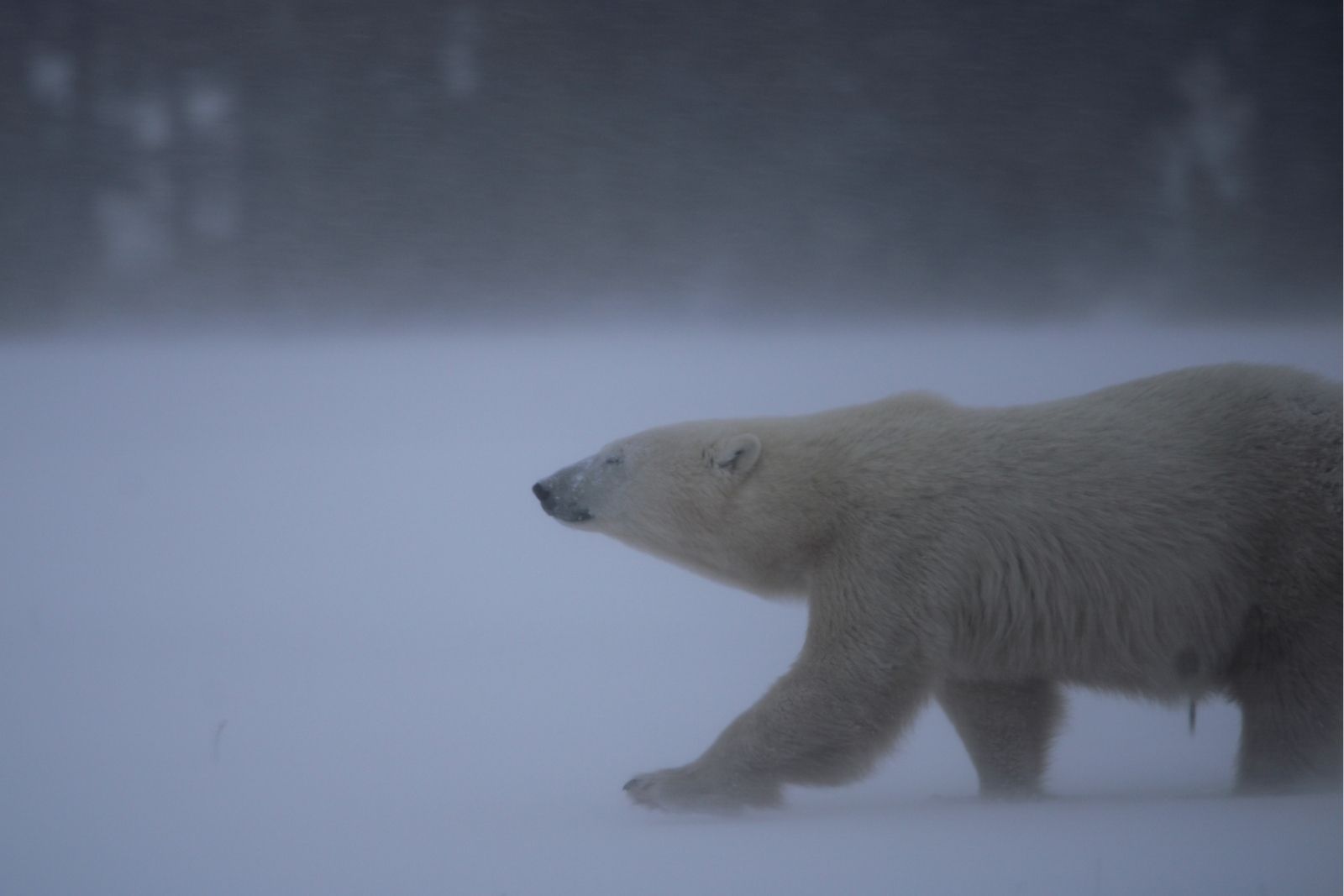
Our first bear after breakfast was trudging through deep snow with it blowing straight into his face, eyes closed, still marching. Three separate mothers with cubs had gathered in one sheltered spot, napping while the storm went over them.
We went back into town while the weather was worst, visited the museums and did some shopping. By late afternoon the snow let up and we got the most beautiful sunset of the trip.
It was also, of all days, the annual Churchill Marathon. Every runner gets their own polar bear guard. We watched them head out into the blizzard and saw them again at dinner.
Day seven: the bay freezes
Our last day on the tundra. A few more bears, a few more foxes.
The thing that struck us most: when we arrived, Hudson Bay was completely open, waves breaking on the shore. By our last day it was ice as far as we could see, and we watched bears making their way out onto it — on the same day we were flying out.
Eighty-three bears over six days on the tundra. That is what November in Churchill can look like when the ice is late and the bears are waiting.
Winnipeg, and home
We flew back that afternoon and had the morning before our flights, so we went to the Assiniboine Park Zoo. A good way to close the trip: many of the same species we had just spent a week watching, with the science and the rehabilitation stories alongside them.
We went back in August for the belugas. That trip is here.