
The two coasts at a glance
- East Greenland
- The least visited part of the island — Scoresby Sund, exposed three-billion-year geology, musk oxen and polar bears
- West Greenland
- The most developed and visited coast — Nuuk, Ilulissat, the UNESCO icefjord and Disko Bay whales
- Culture
- Tunumiit people and the Tunumiit oraasiat language in the east; Kalaallit people and Kalaallisut in the west
- Terrestrial wildlife
- Far more abundant in the east, where human population and hunting pressure are low
- Marine wildlife
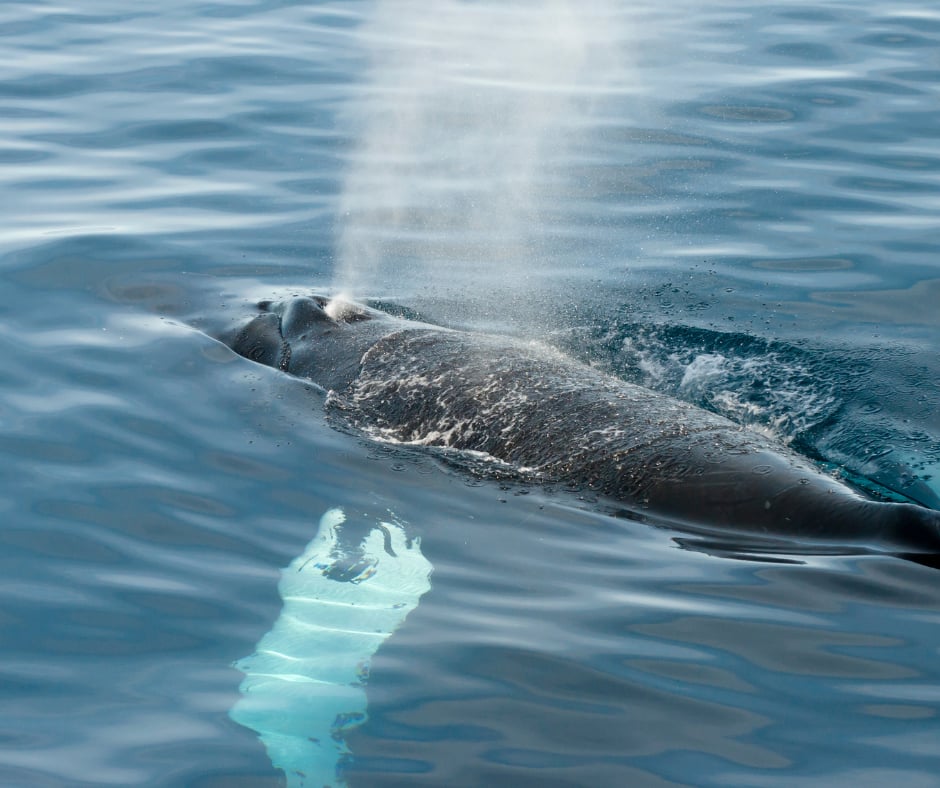
- Humpback, fin and minke whales are commonly seen in Disko Bay through the summer months
- Ultimate voyage
- Some itineraries combine both coasts in a single, longer expedition
How do you choose between East and West Greenland?
Choose East Greenland if you want raw, untamed wilderness, exposed geology and terrestrial wildlife in near-total solitude. Choose West Greenland if you want culture, accessibility, the UNESCO Ilulissat Icefjord and a very high chance of whales. Neither is the better trip; they answer different questions about how you want to travel.
Greenland is a land of superlatives — the world's largest island, the least densely populated country, and home to the world's largest national park. One coast calls to the seeker of raw wilderness and geological grandeur; the other offers a vibrant tapestry of culture and a more accessible, modern-meets-traditional Arctic life.
Expedition cruising to Greenland is an immersive, highly curated experience that stands apart from conventional travel. The itinerary is often a living document, subject to the whims of weather and ice, ensuring that no two journeys are ever quite the same. The vessels are smaller, nimbler, and often ice-strengthened, allowing access to places a larger ship could never reach. With expert guides leading shore landings and onboard lectures, the focus is on spontaneity, deep understanding, and a profound respect for a magnificent, yet fragile, environment.
What is East Greenland like?
East Greenland embodies the quintessence of an Arctic expedition. This is the least visited and most remote part of the island, a place where nature reigns supreme and the human footprint is almost imperceptible. The experience is defined by isolation and a connection to a landscape that feels ancient and pristine.
At its heart lies Scoresby Sund, the largest fjord system by area on the planet — a monumental waterway stretching 110 kilometers (68 miles) into the mainland and branching into a tree-like network of mountain-fringed fjords that reach 350 kilometers (216 miles) inland. Towering basalt cliffs and sheer-faced mountains resist glacial erosion, creating a landscape of breathtaking complexity.
To the north, Northeast Greenland National Park stands as another geological and ecological marvel — the world's largest national park, covering 972,000 square kilometers (375,300 square miles).
What wildlife lives on the east coast?
The unparalleled wildlife viewing in East Greenland is a direct consequence of its minimal human population and low hunting pressure. Terrestrial animals and marine life are more abundant and less shy of people here than on the more populated western coast.
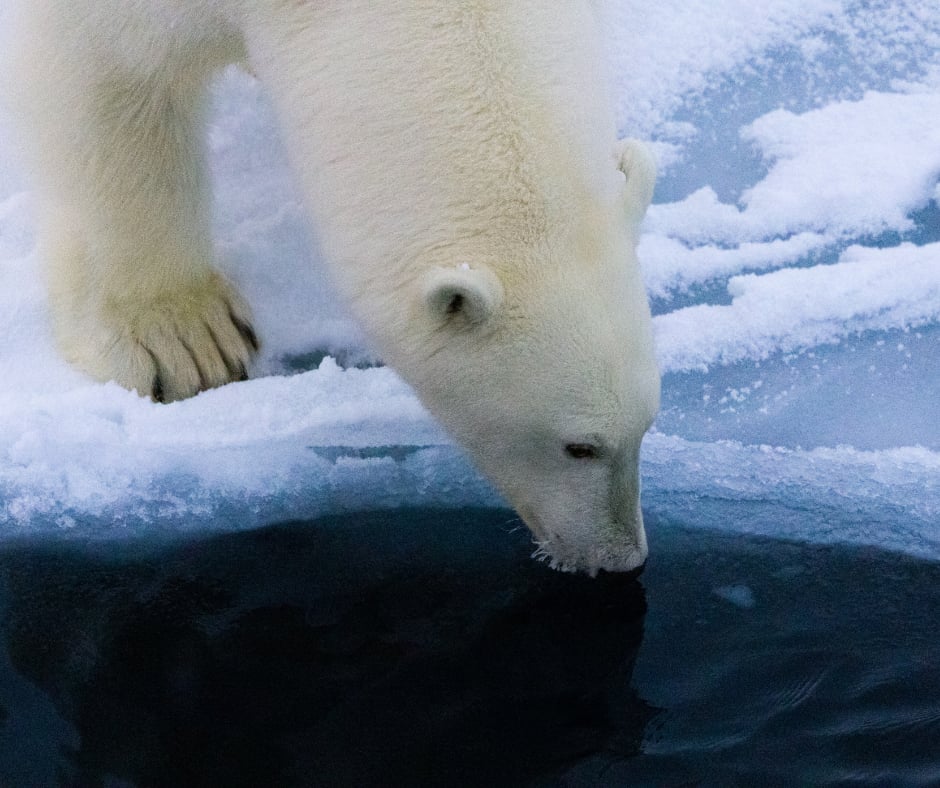
Musk oxen are a highlight, with a large population distributed throughout North and Northeast Greenland. These enormous, bison-like creatures are a common sight in areas like Scoresby Sund, where the rich grassy plains support them. East Greenland also offers a good possibility of viewing polar bears, which rely on the drifting sea ice of the cold East Greenland Current that carries them from the Arctic Ocean. Arctic foxes, Arctic hares, stoats and lemmings are commonly sighted too.
The marine environment of Scoresby Sund is unusually rich, thanks to open-water polynyas that do not freeze even in winter. Visitors can spot ringed, hooded, harbor, bearded and harp seals; whales including narwhals and belugas, with a higher possibility of seeing the rare bowhead; and vast seabird colonies of little auks, puffins and fulmars on the basalt cliffs. Our Greenland wildlife guide goes species by species.
Who lives on the east coast?
The region's historical isolation has allowed the Tunumiit people to preserve a distinct culture, including their own language, Tunumiit oraasiat, which differs significantly from West Greenlandic. This is not a culture preserved for tourists but a way of life that continues to endure out of necessity.
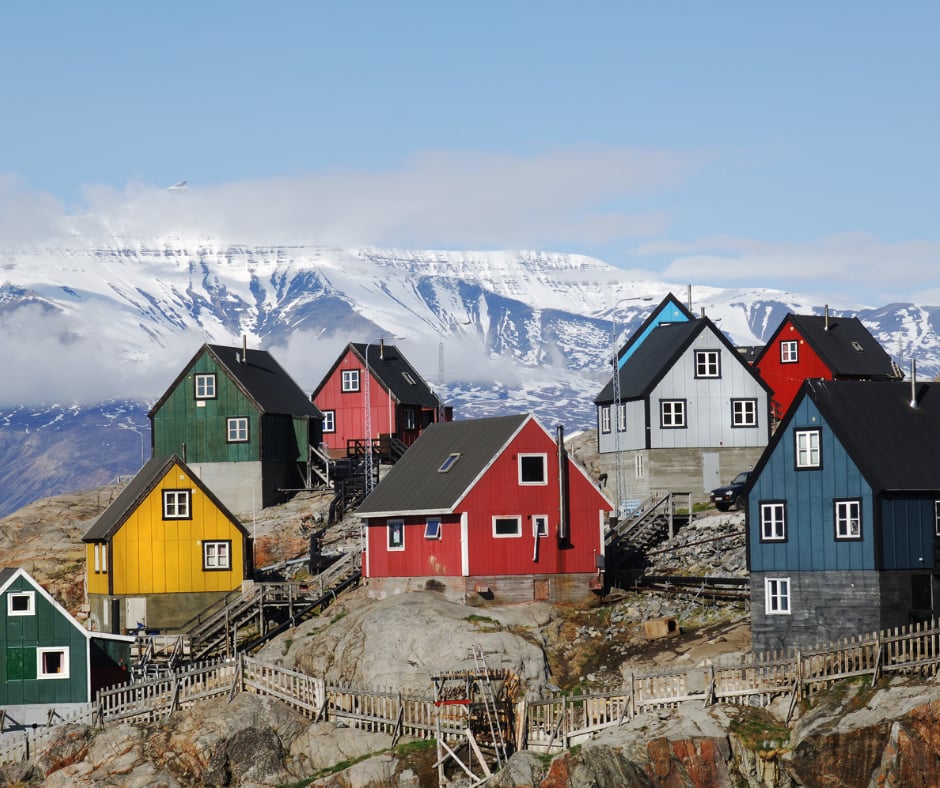
The remote settlement of Ittoqqortoormiit, on the northern shores of Scoresby Sund, is one of the most isolated inhabited places on Earth. Its roughly 350 residents rely heavily on subsistence hunting and fishing — seals, musk oxen, narwhals and even polar bears provide food, clothing and fuel. These practices are not staged for visitors but are essential to survival in a place where modern supply chains rarely reach. Brightly colored homes stand in stark contrast to the frozen wilderness, and ever-present sled dogs serve as both companions and vital transport.
Tunumiit artistic traditions, particularly bone and soapstone carvings, reflect a deep connection to the spirit world. The famous tupilak carvings, once spiritual talismans, are now powerful reminders of that heritage and a core part of the cultural encounter. There is more on both cultures in our Greenland culture guide.
What does a day on the east coast look like?
A cruise to East Greenland is a true expedition, defined by flexibility and the embrace of the unknown. Heavy pack ice means itineraries are guided by day-to-day weather and ice conditions. That unpredictability is precisely what makes the experience authentic.
Small, ice-strengthened vessels and Zodiacs allow close-up cruising among glaciers and colossal icebergs. Kayaking provides an intimate, water-level perspective of the fjords, gliding silently past towering ice. Hiking on the tundra offers panoramic views and chances to spot terrestrial wildlife.
For those traveling in September, the longer nights offer a chance to witness the aurora borealis, with the region's minimal light pollution providing the perfect canvas — see our northern lights guide for what that actually looks like from a ship.
What is West Greenland like?
West Greenland balances breathtaking natural wonders with a vibrant and accessible cultural landscape. It is the most developed and visited region of the island, characterized by brightly colored settlements and a coastline reachable by a wider variety of cruise ships.
The region is home to some of Greenland's largest towns. Nuuk, the capital, is a bustling hub where visitors can explore a mix of old traditions and modern culture, with restaurants, boutiques and historical sites like the Colonial Harbour and Nuuk Cathedral.
Further north, Ilulissat is known as the "city of icebergs" and is famously home to more sled dogs than people. The constant, low rumble and crackle of the nearby icefjord is a backdrop to daily life. The Kalaallit people of West Greenland speak Kalaallisut, are distinct from their eastern counterparts, and have a history deeply rooted in the Danish realm, with many bilingual in Kalaallisut and Danish. Local markets like "Brættet" in Ilulissat, where hunters and fishermen sell their fresh catch, offer a genuine glimpse into the local economy and traditional sustenance practices.
What makes the west coast's ice and wildlife different?
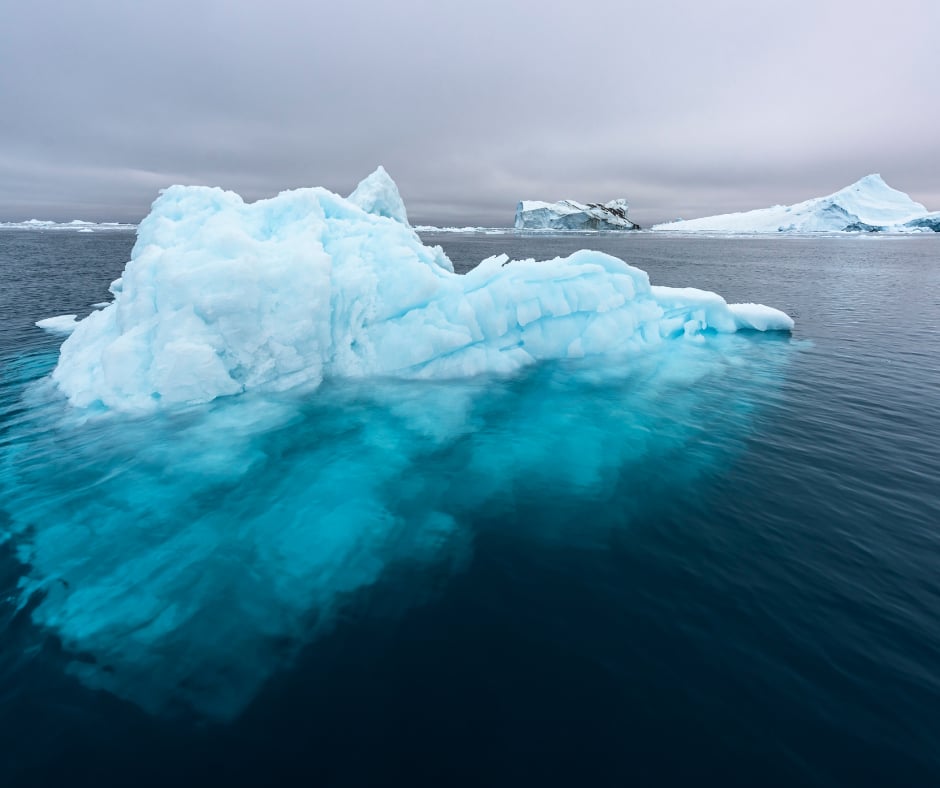
The Ilulissat Icefjord is a UNESCO World Heritage Site and the primary draw. It is fed by the Sermeq Kujalleq glacier — the fastest and most active in the Northern Hemisphere, moving 115 to 151 feet per day depending on the season. Enormous icebergs calve from it, ground temporarily on an underwater moraine, then drift into Disko Bay.
Disko Bay is also a premier destination for marine wildlife. Abundant Greenland halibut and polar cod attract humpback, fin and minke whales, commonly seen during the summer months. The presence of these giants near the accessible coast makes West Greenland a mecca for whale watching. Terrestrial wildlife is less abundant here because of higher human populations and hunting practices, though reindeer (caribou) and musk oxen can still be spotted in areas such as Kangerlussuaq, where a musk ox population thrives.
What can you do in West Greenland?
The cultural journey in the west blends observation and participation. Beyond exploring the urban centers, visitors can take a dog sled ride — a thousand-year-old tradition still used by local fishermen in winter — and visit museums such as the one in Ilulissat, housed in the childhood home of polar explorer Knud Rasmussen.
The adventure activities are diverse and easily accessible. Hiking excursions traverse the rugged tundra with views of waterfalls and fjord systems. Kayaking in places like Disko Bay and near traditional communities lets you paddle alongside towering icebergs and explore volcanic landscapes. Scenic helicopter flights offer a close-up perspective of the Greenland Ice Sheet — an experience made possible by the region's well-developed infrastructure.
So which Greenland expedition is right for you?
East Greenland is for the traveler who yearns for a true expeditionary experience defined by the unknown and the untamed. West Greenland is for the traveler who wants to engage with the Arctic's human heartbeat, with a high probability of spectacular marine wildlife. Visiting both is the ultimate voyage.
| East Greenland | West Greenland | |
|---|---|---|
| Character | Remote, untamed, itinerary led by ice | Developed, accessible, culturally rich |
| Signature sight | Scoresby Sund, the largest fjord system on Earth | Ilulissat Icefjord, a UNESCO World Heritage Site |
| Land wildlife | Musk oxen, polar bears, Arctic fox and hare | Reindeer and musk oxen in select areas |
| Marine wildlife | Narwhal, beluga, five seal species, rare bowhead | Humpback, fin and minke whales in Disko Bay |
| People | Tunumiit; Ittoqqortoormiit, around 350 residents | Kalaallit; Nuuk, Ilulissat and larger towns |
| Ships | Small, ice-strengthened expedition vessels | A wider range of expedition and small cruise ships |
| Best for | Solitude, geology, true expedition travel | Culture, whales, active glaciers, easier access |
Both coasts are visited in the northern summer; some longer voyages combine them.
A journey to East Greenland is for the explorer who dreams of navigating a wild, geological labyrinth and seeking out terrestrial giants in a pristine, unpopulated wilderness — a place of profound solitude where the forces of nature are the guiding authority.
An expedition to West Greenland is more accessible and interactive, rich with the cultural traditions of a proud and isolated people, and the place to witness the dynamic power of the world's most active glaciers.
Finally, the ultimate voyage would be to visit both East and West Greenland. This comprehensive journey offers East Greenland's profound solitude alongside the rich cultural traditions and spectacular marine wildlife of the west. It is a voyage for the person who wants to see and do it all. Regardless of the choice, a voyage to Greenland is a transformative experience — one that will forever change your perspective on our planet's wild places. Our Greenland itineraries guide shows how the routes are actually built.
East versus West Greenland: common questions
Is East or West Greenland better for wildlife?
It depends on the animal. East Greenland is stronger for land wildlife — musk oxen, polar bears, Arctic fox and hare — because human population and hunting pressure are so low. West Greenland is stronger for whales, with humpback, fin and minke whales commonly seen in Disko Bay through the summer.
Which coast is easier to reach?
West Greenland. It is the most developed and visited region, with larger towns, better infrastructure and a wider variety of ships calling. East Greenland is the least visited part of the island, reached by small ice-strengthened vessels on a schedule that ice conditions can rewrite.
Can I visit both coasts on one voyage?
Yes. Longer circumnavigation-style itineraries combine East Greenland's solitude and wilderness with West Greenland's culture and marine wildlife. It is the right choice for travelers who want to see and do it all, and it is the option we recommend most often for a first and possibly only Greenland trip.
Will my East Greenland itinerary change?
Very likely, and that is normal. Heavy pack ice means the plan is a living document guided by day-to-day weather and ice. Expedition leaders make the call each morning. Travelers who enjoy East Greenland most are the ones who came for the unknown rather than a fixed schedule.
Can I see the northern lights in Greenland?
In late season, yes. September voyages have long enough nights for aurora viewing, and East Greenland's minimal light pollution makes it an exceptional canvas. Earlier summer sailings fall under near-continuous daylight, so aurora is not realistic then.
What language is spoken in Greenland?
Two distinct Greenlandic languages. The Tunumiit of the east speak Tunumiit oraasiat, which differs significantly from West Greenlandic. The Kalaallit of the west speak Kalaallisut, and many are bilingual in Kalaallisut and Danish.
Keep planning your Greenland expedition
Scoresby Sund expedition guide
The largest fjord system on Earth, and how expedition ships explore it.
Northeast Greenland National Park
The world's largest national park, and what visiting it actually involves.
Ilulissat and the icefjord
The UNESCO icefjord, Sermeq Kujalleq and the city of icebergs.
Greenland wildlife guide
Musk oxen, polar bears, narwhal, beluga and the whales of Disko Bay.
When to visit Greenland
How the short season shapes ice, light and wildlife.
Greenland itineraries
How east, west and combined routes are actually put together.