

Greenland at a glance
- Expedition cruise season
- Mid-June through late September, when sea ice thaws enough for safe fjord navigation
- Midnight sun
- June and July in the north and Disko Bay — no aurora while the sun never sets
- Northern lights
- September through April, once dark skies return
- Summer temperatures
- Roughly 5°C to 15°C (41°F to 59°F) at the coast
- Winter season
- February to April for dog sledding, snowmobiling and peak aurora
When Do Expedition Cruises Operate in Greenland?
Greenland's expedition cruise season runs from mid-June through late September, when the sea ice thaws enough for safe fjord navigation. Outside that window the coasts are largely closed to ships, and travel shifts to land-based winter experiences: dog sledding, snowmobiling and northern lights.
| Season & Months | Operating Focus | Conditions & Daylight | Key Highlights & Wildlife |
|---|---|---|---|
| Peak Summer (July–August) | Expedition cruises, hiking, kayaking | 5°C to 15°C (41°F to 59°F); 24-hour midnight sun in the north and Disko Bay | Fully navigable ice fjords, active glacier calving, feeding humpback whales, coastal tundra in bloom |
| Autumn Transition (September) | Northern lights and late-season cruises | Crisp days, cooling nights (-2°C to 5°C); day-night balance returning | Red tundra foliage, fewer visitors, early-season aurora |
| Winter & Spring (February–April) | Dog sledding, snowmobiling, aurora | -10°C to -25°C; short days expanding into spring | Frozen sea ice, traditional sled journeys, peak northern lights, snowbound villages |
July and August are the heart of the season: fully navigable ice fjords, active glacier calving, humpback whales feeding in coastal waters and coastal tundra in brief bloom. This is when the greatest choice of voyages sails, and when the popular departures sell out first.
We sailed East Greenland in early July 2026 aboard the National Geographic Resolution — roundtrip from Reykjavík — and the daylight was effectively total. At midnight we were still on deck watching the ship work through drift ice, which is exactly what the long days are for. The full account is in our Greenland journal.
What Is Summer Like Under the Midnight Sun?
From June into July the sun never sets over northern Greenland and Disko Bay, and coastal temperatures run 5°C to 15°C (41°F to 59°F). Expedition days stretch without limit — landings, Zodiac cruises and whale watching can happen at any hour — but the aurora is impossible while the sky never darkens.
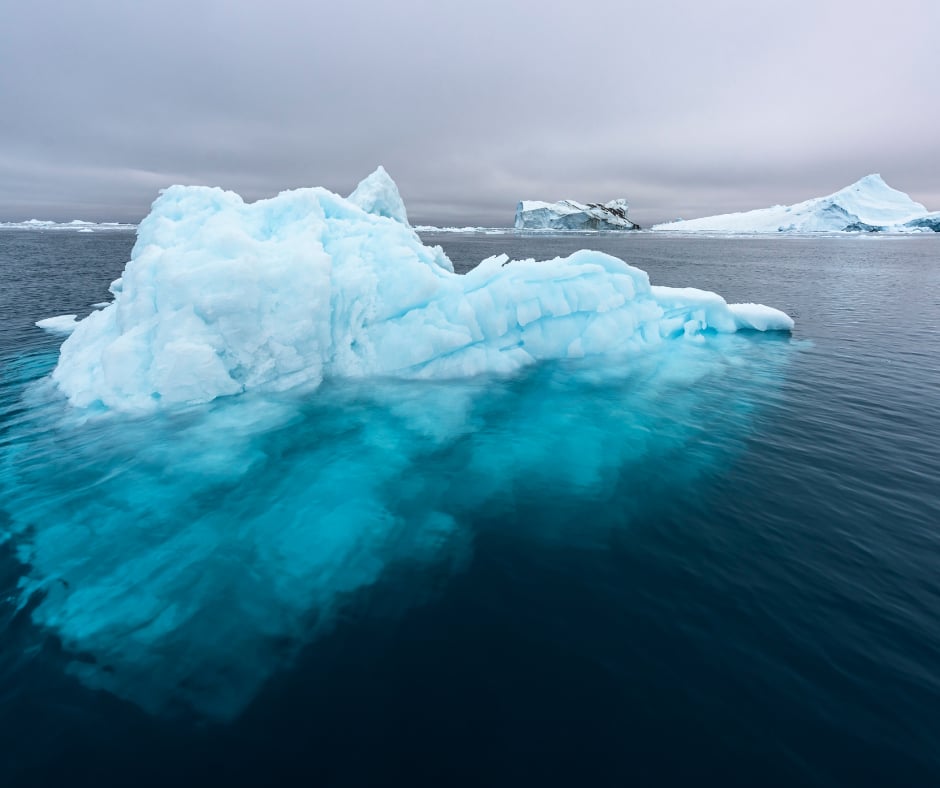
The practical consequence of endless daylight is energy: expedition teams use it, and so should you. Some of the finest iceberg light of the entire season falls between ten in the evening and two in the morning.
Mosquitoes and black flies are the other summer fact. They peak on warm, windless July days, and wind-resistant outerwear with a head net earns its place in your bag on land excursions.
Is September a Good Time for Greenland?
September is the connoisseur's month: crisp days and cooling nights between roughly -2°C and 5°C, the tundra turned red, fewer ships, and the return of dark enough skies for early-season northern lights. You trade some warmth and some landing options for the aurora.
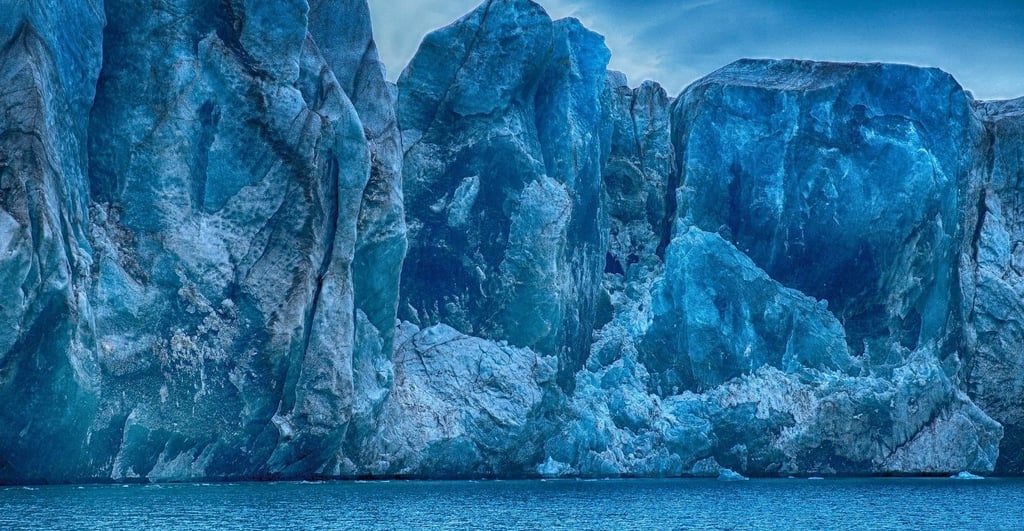
The day-night balance returns through September, and with it the chance to pair deep-fjord ice navigation by day with aurora watching by night — the combination many travellers imagine Greenland to be all along.
Later departures do accept more weather risk, and expedition leaders work around it. Our northern lights guide covers aurora strategy in detail.
What About Winter and Spring in Greenland?
From February through April, Greenland is a land-based destination: sub-zero temperatures between -10°C and -25°C, frozen sea ice, traditional dog sledding journeys, snowmobiling, snowbound villages and the peak of the northern lights season, with daylight expanding toward spring.
No expedition ships sail in winter. These months suit travellers who want the aurora and traditional sled travel from towns such as Ilulissat or Kangerlussuaq rather than a voyage.
February and March combine deep-winter conditions with returning light — for many aurora travellers the best balance of darkness, stability and bearable temperatures.
So Which Month Should You Choose?
Choose July for the fullest expedition: open fjords, calving glaciers, whales and round-the-clock daylight. Choose late August or September to add northern lights to an east-coast voyage. Choose February to April if dog sledding and the aurora are the point, and a ship is not.
If you can only go once, we would steer you toward the shoulder weeks rather than the peak — early July for solitude in ice, or the first half of September for tundra colour and night sky.
The coast matters as much as the calendar. Our East versus West Greenland guide explains how differently the two coasts behave across the same season.
Greenland timing questions
When do expedition cruises operate in Greenland?
From mid-June through late September, when the sea ice thaws enough for safe fjord navigation. The rest of the year belongs to land-based winter travel.
When is the best time to see the northern lights in Greenland?
September through April, once skies are dark. The aurora is not visible in June and July because the midnight sun never lets the sky darken.
Are insects bad in the Greenland summer?
Tundra mosquitoes and black flies peak on warm, windless July days. Wind-resistant outerwear and a head net are essential for land excursions in midsummer.
Can I see both icebergs and the northern lights on one trip?
Yes — a late August or September East Greenland voyage pairs deep-fjord ice navigation with returning dark skies. That combination is the reason we favour the shoulder season for many travellers.
More on planning Greenland
What a Greenland expedition costs
Fares, charter flights and the extras that move the budget.
Greenland itineraries
West, east, south and High Arctic routes compared.
East versus West Greenland
Two very different expeditions, and how to choose between them.
Northern lights guide
Aurora timing, strategy and where ships fit in.
Our East Greenland journal
Ten days aboard the National Geographic Resolution in July 2026.