


Norway whales at a glance
- The main event
- Orca and humpbacks on the herring run, November to January
- Where
- Skjervoy and Kvaenangen fjord, northeast of Tromso
- Sperm whales
- Off Andenes, Vesteralen; year-round, peak May to August
- Summer species
- Minke and fin whales, Svalbard and the Barents Sea, June to August
- Light in winter
- A few hours of blue twilight; no full daylight
- Boat types
- Expedition ships, hybrid-electric vessels, open RIBs with survival suits
- Our own experience
- Not been to Skjervoy or Andenes
What Is the Norwegian Herring Run?
Each winter, huge shoals of Norwegian spring-spawning herring move into the sheltered fjords of the far north to overwinter. Orca pods follow them in and hunt cooperatively, and humpbacks arrive to lunge-feed on the same shoals. For roughly November to January, the fjords hold a concentration of feeding whales.
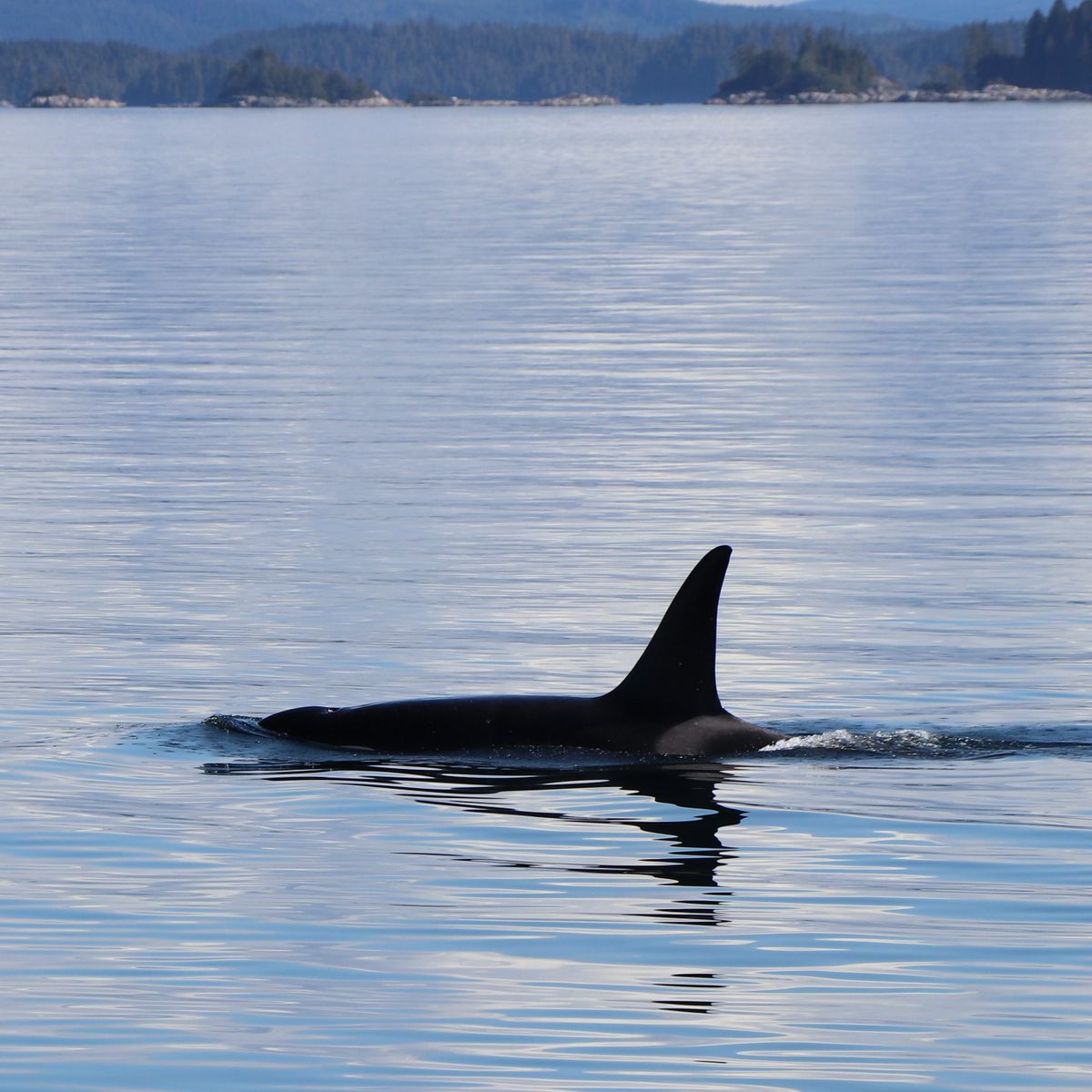
The herring have shifted fjords over the decades, which is why the reliable viewing area has moved north over time — from Tysfjord and Andfjord in earlier years to Skjervoy and Kvaenangen more recently. It is worth checking where the shoals actually are in the season you are booking, rather than assuming last decade's location.
What makes it unusual is the double act. Orca hunting herring, humpbacks feeding through the same bait ball, and often a raft of seabirds working the surface above, all in a narrow fjord in twilight.
Where and When Should You Go?
For orca and humpbacks, Skjervoy and Kvaenangen fjord from mid-November to early January. For sperm whales, Andenes in Vesteralen, where a deep underwater canyon sits close inshore; sightings run year-round with a May to August peak. For minke and fin whales, Svalbard and the Barents Sea in June to August.

| Species | Prime area | Season | Behaviour |
|---|---|---|---|
| Orca (killer whales) | Skjervoy and Kvaenangen fjord | November to January | Pods hunting cooperatively through overwintering herring shoals |
| Humpback whales | Skjervoy and the Tromso fjords | November to January | Lunge-feeding on the same herring, often alongside orca |
| Sperm whales | Andenes, Vesteralen | Year-round; peak May to August | Deep-diving males feeding in the canyon just offshore |
| Minke and fin whales | Svalbard and the Barents Sea | June to August | Summer feeding along the shelf edge and ice margins |
Sperm whales at Andenes are a different proposition from the herring run. These are deep-diving males feeding in the canyon, and boats locate them by hydrophone before waiting for a surfacing. It works in summer daylight, which suits travellers who do not want a polar-night trip.
What Kind of Boat Should You Choose?
Three options. An expedition ship gives warmth, height for spotting and a stable platform. A hybrid-electric vessel can run silently, which reduces engine noise around feeding whales. An open rigid inflatable puts you at eye level with survival suits provided, and it is cold, wet and the most exciting.
Height helps you find whales; low freeboard makes the encounter feel closer. If you are travelling with anyone who dislikes cold or motion, the ship deck is the humane choice, and the whales are no less visible from it.
Silent electric propulsion is not marketing here. Underwater noise is a genuine disturbance factor around feeding cetaceans, and a vessel that can shut down its diesels and drift is doing something real.
What Is the Light Like on a Winter Whale Trip?
Limited, and that is part of the character. In December, so far north, the sun does not rise. You get a few hours of blue and pink twilight around the middle of the day, which is when the boats sail. Photographs from these trips are dim, blue and unlike anything from a summer voyage.
Plan for a short usable window, dress as though you will be stationary outside for three hours, and bring a fast lens if you photograph. The upside of the darkness is that the same trip can end with an aurora above the fjord, which is why the two are so often sold together.
How Should Whale Watching Be Conducted Responsibly?
Boats should approach slowly and from the side rather than head-on, never split a pod or drive between a mother and calf, keep a sensible distance, and limit time with any one group. Swimming with orca is prohibited in Norwegian waters. A good operator will tell you the rules before you leave the quay.
Ask how many boats the operator puts on one sighting, and whether the crew includes a guide who records what is seen. Our broader position on wildlife encounters is set out in responsible travel.
Have You Been Whale Watching in Norway?
No. Neither of us has been to Skjervoy or Andenes, or joined a Norwegian whale trip. Chris sailed the coast from Longyearbyen to Bergen in September 2024, which is outside the herring season, so what is on this page is advisor knowledge and published record rather than our own reporting.
We have watched whales at length elsewhere — humpbacks and orca in Alaska, belugas in Hudson Bay — and that experience shapes the advice about boat choice and expectations, but it is not the same as having done this trip. The full record is on where we've been.
Norway whale watching questions
When is the best time for whale watching in Norway?
Mid-November to early January for orca and humpbacks on the herring run in the far north, and May to August for sperm whales off Andenes. Summer voyages to Svalbard and the Barents Sea see minke and fin whales.
Where is the best place to see orca in Norway?
Skjervoy and Kvaenangen fjord, northeast of Tromso, where the overwintering herring currently gather. The location has shifted north over the decades as the herring have moved, so check the current season.
Can you swim with orca in Norway?
No. Swimming with orca is not permitted in Norwegian waters. Encounters are from a boat, whether a ship's deck, a hybrid-electric vessel or an open rigid inflatable.
Is it dark on a winter whale watching trip in Norway?
Largely, yes. North of the Arctic Circle in December the sun does not rise, so trips sail in a few hours of blue twilight around midday. It is atmospheric, and it makes photography harder.
Can you see whales and the northern lights on the same trip?
Yes, and it is a common pairing. The herring season falls inside the aurora season, so a winter voyage or a Tromso base can deliver both, with whales in the twilight and the aurora after dark.
More on Norway
Northern lights from a ship
The other half of a winter Norway voyage.
Tromso, the Arctic gateway
Where most winter whale trips are based.
When to cruise Norway
How the winter season compares with summer.
Wildlife viewing on expedition
How encounters are managed on small ships.
Norway packing list
What to wear standing still on a cold deck.