


The four vessel classes
- Coastal express
- 400 to 600 guests; Hurtigruten and Havila, daily year-round
- Small expedition
- 90 to 200 guests; polar hulls, Zodiacs, kayaks, open bridge
- Hybrid-electric
- 100 to 140 guests; battery propulsion for silent fjord sailing
- Ultra-luxury expedition
- 100 to 264 guests; all-suite, high crew ratios
- Only class that reaches Svalbard
- Ice-strengthened expedition vessels
- Only class running year-round
- The coastal express service
What Are the Four Types of Norway Cruise Ship?
Working coastal liners carrying 400 to 600 guests on a daily year-round service. Small expedition vessels of 90 to 200 guests with polar hulls and Zodiac fleets. Hybrid-electric ships of 100 to 140 guests built to sail silently in protected fjords. Ultra-luxury expedition ships of 100 to 264 guests with suites, spas and high crew ratios.
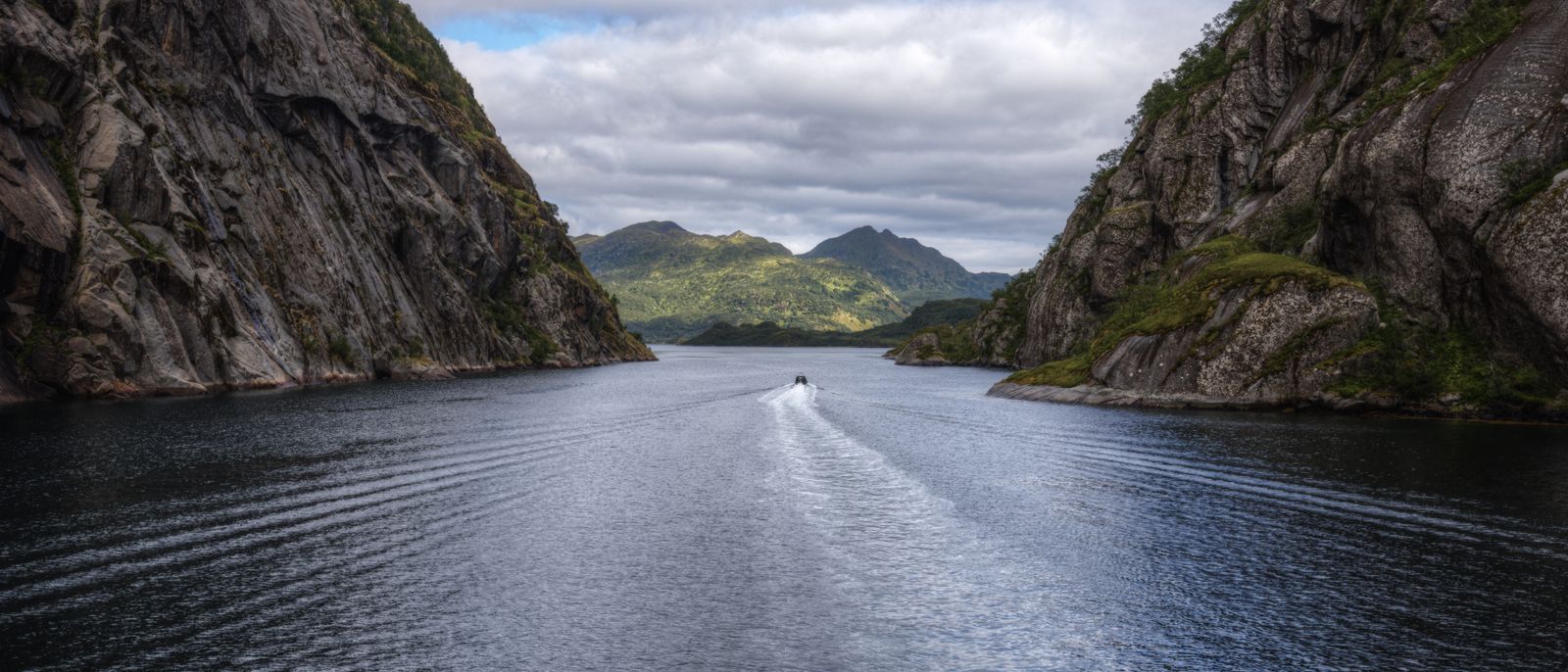
| Vessel category | Guest capacity | Ship characteristics | Excursion focus |
|---|---|---|---|
| Coastal express (Hurtigruten, Havila) | 400 to 600 | Working cargo and passenger ships, daily year-round departures, high stability, floor-to-ceiling observation lounges | Point-to-point coastal travel, short port stops, optional add-on excursions by coach |
| Small expedition vessels | 90 to 200 | Purpose-built polar hulls (typically PC6), Zodiac fleets, sea kayak launches, open bridge policies | Daily off-ship exploration, Zodiac safaris into narrow fjords, naturalist-led tundra hiking |
| Hybrid-electric ships | 100 to 140 | Battery propulsion for silent, emission-free sailing in protected UNESCO fjords | Low-impact cruising, silent wildlife tracking, hydrophone listening |
| Ultra-luxury expedition | 100 to 264 | All-suite layout with verandas, fine dining, spas, high staff-to-guest ratios, strong stabilisation | All-inclusive service with daily Zodiac excursions and premium polar gear |
Guest counts vary by vessel within each fleet. Only ice-strengthened expedition vessels can continue to Svalbard.
Matching the class to your expectations for activity, comfort and port access is the whole planning task in Norway. Get it right and the trip is exactly what you pictured; get it wrong and you spend a week on a working ferry expecting a cruise, or on an expedition ship expecting a spa.
What Is a Coastal Express Liner?
A combined cargo and passenger ship on a fixed daily schedule, operated by Hurtigruten or Havila Voyages. They are highly stable, carry floor-to-ceiling observation lounges, and run year-round. Travel is point to point along the coast, with short port stops and optional shore excursions bought individually, usually by coach.
Hurtigruten and Havila are separate companies running the same route with different fleets, and both are separate from HX, which sells expedition voyages rather than the coastal service. Confusing the three is the most common mistake we see in Norway research.
What the class does uniquely well is authenticity and flexibility: 34 working communities, port-to-port booking, and departures every day of the year. The Norwegian coastal voyage covers the service in full, including our own southbound sailing aboard the MS Trollfjord.
What Is a Small Expedition Vessel?
A purpose-built ship of roughly 90 to 200 guests with an ice-strengthened polar hull, typically Polar Class 6, carrying a Zodiac fleet, sea kayak launches and often an open bridge. Days are built around off-ship exploration: Zodiac safaris into narrow fjords and naturalist-led hikes on the tundra.
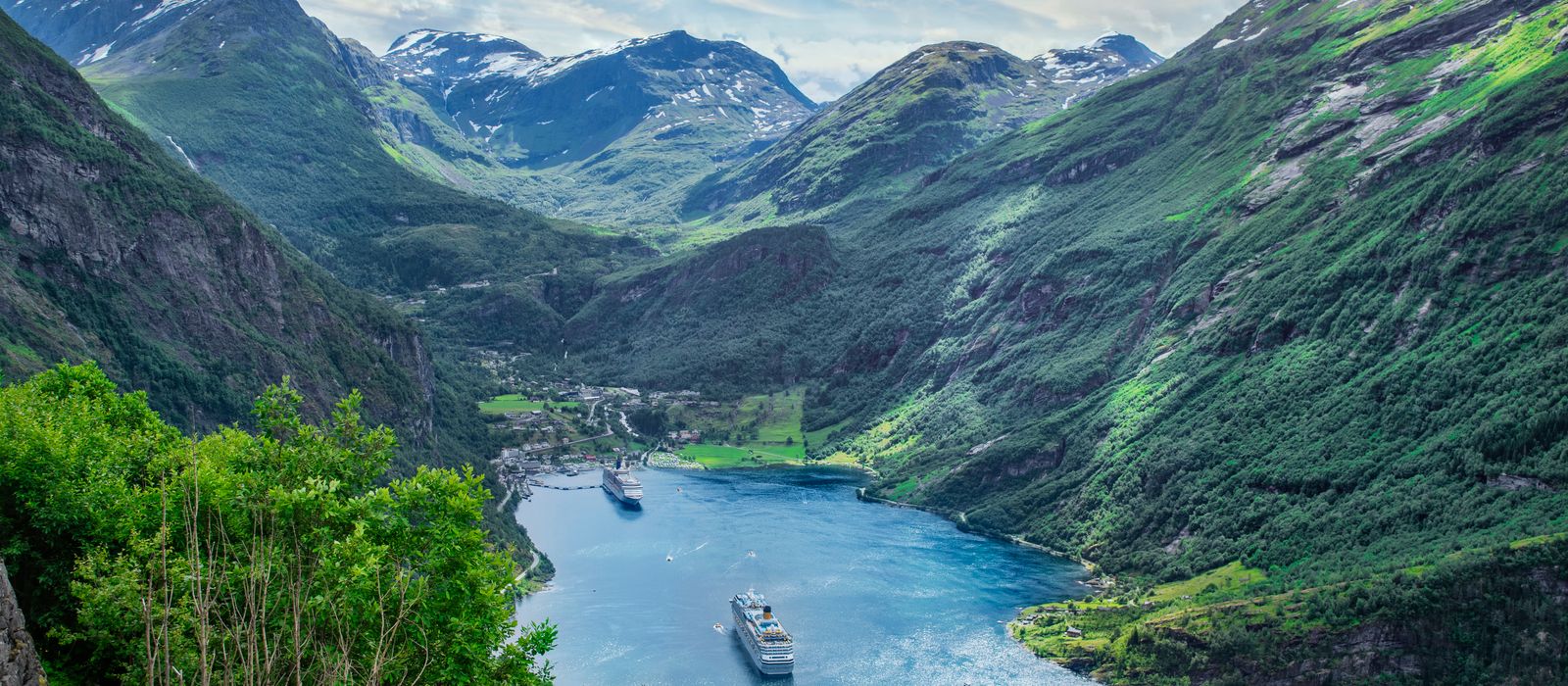
This is the class that behaves like our polar programmes elsewhere, and the only one that can continue north across the Barents Sea to Svalbard. If Zodiacs and hiking unpaved coastal trails are the point of your trip, this is the booking — see Norway to Svalbard voyages for the crossings and zodiac cruising for what a landing day involves.
What Are Hybrid-Electric Ships and Why Do They Matter Here?
Ships of roughly 100 to 140 guests with battery propulsion that lets them sail silently and emission-free through delicate stretches of fjord. In Norway that is not just an environmental preference: the World Heritage fjords are subject to phased zero-emission requirements, so propulsion now affects where a vessel may go.
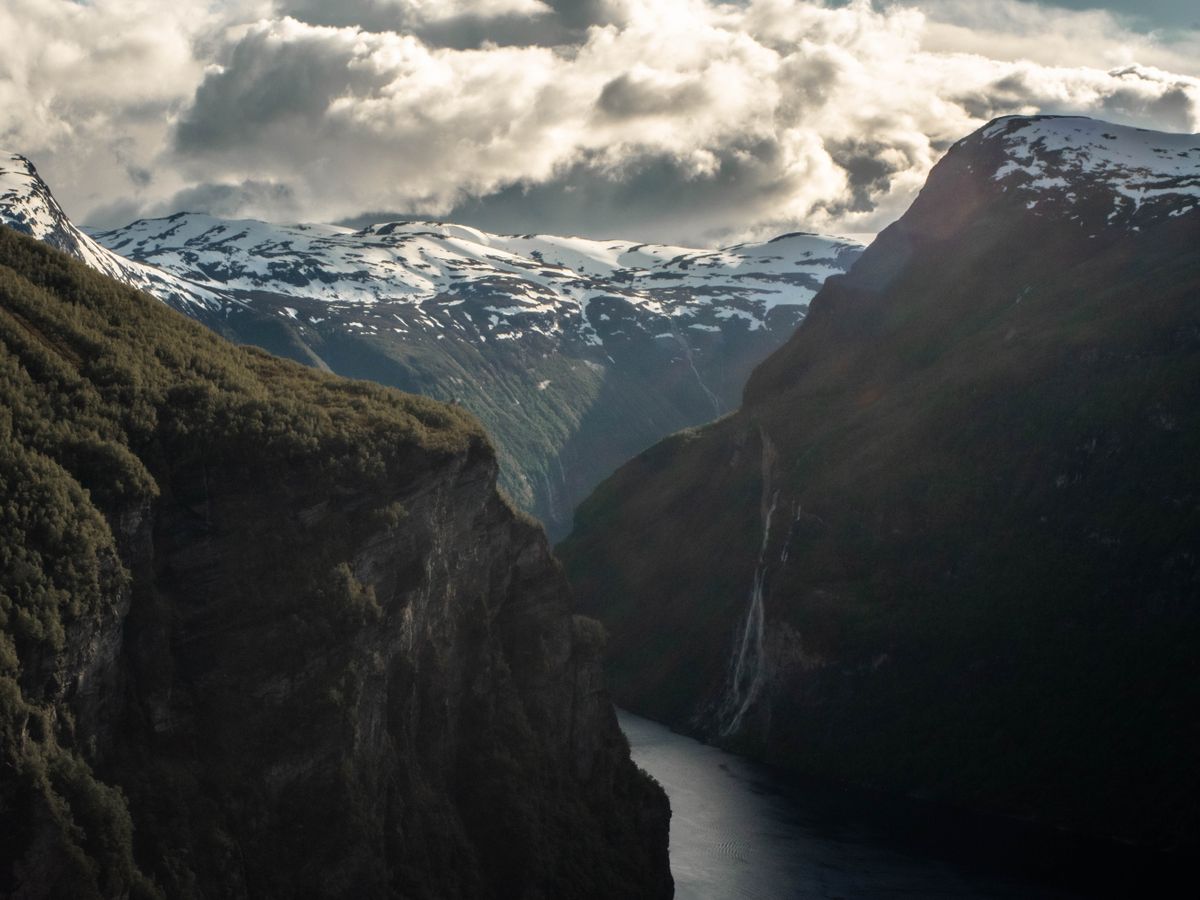
The requirement takes effect on 1 January 2026 for passenger ships under 10,000 gross tonnage and on 1 January 2032 for ships of 10,000 GT and above. Practically, that means smaller battery-capable vessels are already inside the rules for Geirangerfjord and Naeroyfjord while the largest ships have longer to adapt. Our fjords guide sets out the dates and which fjords are covered.
The onboard difference is real too: running on battery, the ship is quiet enough for hydrophone listening and for approaching feeding whales without engine noise.
What Do Ultra-Luxury Expedition Ships Add?
All-suite accommodation with verandas, fine dining, spas, high staff-to-guest ratios and strong stabilisation, alongside the daily Zodiac programme and premium polar gear. The expedition capability is comparable to a small expedition vessel; what you are buying is the standard of the hotel around it.
For travelers who want the ice edge without giving up comfort, this class is the answer, and Norway has plenty of it. The fare reflects it — see what a Norway cruise costs for the tiers side by side.
Which Class Should You Book?
If you want the real working coast and port-to-port flexibility, book the coastal express. If you want Zodiac landings, hiking and the option of Svalbard, book a small expedition ship under 200 guests. If protected-fjord access and quiet sailing matter most, book hybrid-electric. If comfort is non-negotiable, book ultra-luxury.
One warning that applies more in Norway than almost anywhere: the same brand can sell wildly different products here. A single operator may run both coastal-style voyages and true expeditions, so the name on the hull tells you less than the day-by-day does. Read the itinerary, or let us read it for you. More on operators at expedition cruise lines and on the vessels we know personally at ships we've sailed.
Norway cruise type questions
What is the difference between a coastal voyage and an expedition cruise in Norway?
A coastal voyage is a working passenger and freight service calling at 34 ports on a fixed daily schedule. An expedition cruise carries 90 to 200 guests on an ice-strengthened ship, skips the ferry ports and spends its days on Zodiac landings and guided hikes.
Who operates Norway's coastal express service?
Hurtigruten and Havila Voyages. They are separate companies running the same Bergen to Kirkenes route with different fleets, and both are separate from HX.
Which Norway cruise ships can reach Svalbard?
Only ice-strengthened expedition vessels, typically Polar Class 6 or the stronger PC5, with active stabilisers for the open Barents Sea crossing.
Why do hybrid-electric ships matter in Norway?
Because Norway's World Heritage fjords are subject to phased zero-emission requirements — from 1 January 2026 for passenger ships under 10,000 gross tonnage and from 1 January 2032 for larger ships — so battery propulsion affects where a vessel may sail.
How many guests is a small expedition ship in Norway?
Usually 90 to 200. Above roughly 200 guests, landing operations slow down and the ship starts to behave more like a small cruise ship than an expedition vessel.
More on Norway
The Norwegian coastal voyage
The working service, direction by direction.
Norway to Svalbard voyages
The only itinerary that reaches the high Arctic.
What a Norway cruise costs
What each vessel class does to the fare.
The Norwegian fjords
Which classes can enter which fjords.
Types of expedition cruising
How vessel classes work across every destination.