

Part of our Antarctica guide →
The wildlife season at a glance
- October
- Gentoo and chinstrap penguins arrive; whales migrate in
- November
- Breeding and courtship; orcas and fin whales appear
- December
- Peak activity; humpbacks and minkes feeding on krill
- January
- Chicks hatched and being fed; seals on the floes
- February
- Prime whale watching — humpback and minke
- March
- Penguins molting; orcas and fin whales still present
Does the month really change the wildlife you see?
Yes — more than the ship does. Penguins return to their breeding grounds on precise cycles, seals follow their prey, whales migrate south to feed when krill populations bloom, and seabirds move with their own breeding cycles. Each month of the season reveals a different facet of the same wilderness.
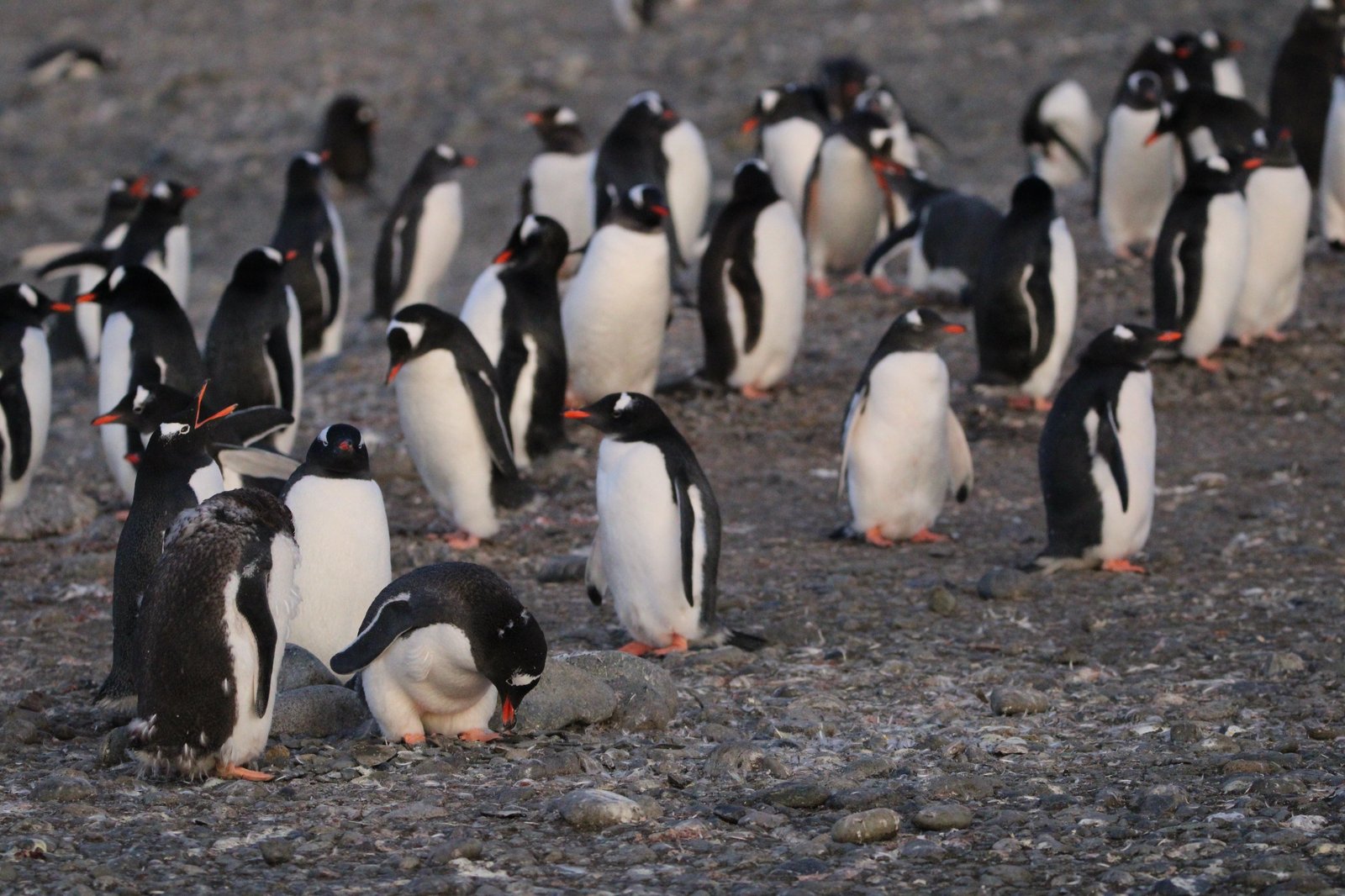
Antarctica is a wildlife lover's paradise, and understanding the timing is what turns a good voyage into the one you were picturing. From my experience, the variation across the season makes Antarctica a destination that deserves multiple visits rather than a one-time checklist of the seventh continent.
The month narrows the ship and operator list faster than almost any other question, so it is where we start. If you want the scenery and light side of the same calendar, read it alongside our best time to visit Antarctica guide.
October: the arrival of life
As spring begins, wildlife returns. Gentoo and chinstrap penguins arrive at their breeding colonies, leopard and crabeater seals lounge on ice floes, and humpback and minke whales migrate into Antarctic waters. The skies fill with Antarctic terns and storm petrels.
Penguins: gentoo and chinstrap arriving at their breeding colonies, waddling across the ice.
Seals: leopard and crabeater seals on ice floes or swimming nearby.
Whales: humpback and minke migrating into Antarctic waters.
Birds: Antarctic terns, Wilson's storm petrels and black-bellied storm petrels.
November: breeding season begins
November is a bustling month. Adelie, gentoo and chinstrap penguins are courting and nesting, elephant and Weddell seals become more visible on the floes, and orcas and fin whales join the scene. Snow petrels, Antarctic petrels and South Polar skuas soar overhead.
Penguins: Adelie, gentoo and chinstrap in courtship and nesting behaviour.
Seals: elephant seals and Weddell seals increasingly visible on ice floes.
Whales: orcas and fin whales, with thrilling whale-watching opportunities.
Birds: snow petrels, Antarctic petrels and South Polar skuas in abundance.
December: peak wildlife activity
December is often considered the best month for wildlife. Emperor penguins begin their breeding season, leopard and crabeater seals are commonly seen in the water and on floes, and humpback and minke whales feed on krill. Terns and storm petrels fill the air.
Penguins: emperor penguins begin their breeding season — a rare chance to see them up close. If emperors are the whole reason for the trip, read our Weddell Sea and emperor penguins guide first, because it changes the ship and the month.
Seals: leopard and crabeater seals in the water and on ice floes.
Whales: humpback and minke feeding on krill — an excellent month for whale watching.
Birds: Antarctic terns and storm petrels throughout.
January: the summer spectacle
January continues the extravaganza. Adelie, gentoo and chinstrap penguins are actively caring for newly hatched chicks, and it is a particularly good month for seals, with elephant and Weddell seals on the floes. Orcas and fin whales remain common.
Penguins: Adelie, gentoo and chinstrap caring for newly hatched chicks.
Seals: elephant seals and Weddell seals often seen on ice floes.
Whales: orcas and fin whales common in surrounding waters.
Birds: snow petrels, Antarctic petrels and South Polar skuas overhead.
February: prime whale watching
February is renowned for whale watching, as humpback and minke whales feast on krill in nutrient-rich waters. Emperor penguins continue breeding while other species nurture their chicks, and leopard and crabeater seals remain prevalent in water and on floes.
Penguins: emperors still breeding; other species nurturing chicks.
Seals: leopard and crabeater seals prevalent both in the water and on ice floes.
Whales: humpback and minke feasting on krill — the standout month.
Birds: terns and petrels abundant in the skies.
March: transitioning seasons
As autumn approaches, behaviour changes. Adelie, gentoo and chinstrap penguins begin molting in preparation for departure, elephant and Weddell seals still bask on the floes, and whale sightings remain excellent with orcas and fin whales still present.
Penguins: Adelie, gentoo and chinstrap molting before leaving Antarctica.
Seals: elephant seals and Weddell seals still basking on ice floes.
Whales: orcas and fin whales continuing their presence — sightings remain excellent.
Birds: snow petrels, Antarctic petrels and South Polar skuas preparing to migrate.
Where are the best places for wildlife viewing?
Penguins are best on the Antarctic Peninsula, the South Shetland Islands and the Falkland Islands. Seals cluster around the Peninsula, the South Shetlands and the Weddell Sea. Whales are best in the Peninsula, the South Shetlands and the Gerlache Strait. Birding is strongest in the Peninsula, the South Shetlands and the Falklands.
| Wildlife | Best locations |
|---|---|
| Penguins | Antarctic Peninsula, South Shetland Islands, Falkland Islands |
| Seals | Antarctic Peninsula, South Shetland Islands, Weddell Sea |
| Whales | Antarctic Peninsula, South Shetland Islands, Gerlache Strait |
| Birds | Antarctic Peninsula, South Shetland Islands, Falkland Islands |
Adelie, gentoo and chinstrap penguins are the species most commonly seen in the areas visited on Peninsula itineraries. Which of those areas your voyage reaches depends on the route — our Antarctica itineraries guide compares the shapes of the standard voyages.
Why does wildlife follow these patterns?
Penguins return to their breeding grounds on precise cycles aligned to seasonal change. Seals are influenced by feeding habits linked to prey availability. Whales migrate to take advantage of rich feeding grounds during the summer months when krill populations bloom. Birds follow their own breeding cycles and food sources.
An Antarctic cruise offers a rare chance to explore one of Earth's last great wildernesses while observing its wildlife up close. Plan around these seasonal patterns and the encounters stop being a matter of luck.
How close you can get, and how the encounters are managed, is set by IAATO — the rules are covered in our responsible travel guidelines.
Frequently asked questions
What is the best month for wildlife in Antarctica?
December is often considered the best month overall, with emperor penguins beginning their breeding season and humpback and minke whales feeding on krill. January is the peak for penguin chicks, and February is the standout month for whale watching.
Which penguin species will I see?
Adelie, gentoo and chinstrap penguins are the species most commonly seen on Antarctic Peninsula itineraries. Emperor penguins begin their breeding season in December and are a separate proposition, usually requiring a Weddell Sea voyage.
When are whales most active?
Humpback and minke whales migrate into Antarctic waters in October and are frequently seen feeding on krill in December and February, with February renowned for whale watching. Orcas and fin whales are common from November through March.
Where are the best places to see seals?
Around the Antarctic Peninsula, the South Shetland Islands and the Weddell Sea. Leopard and crabeater seals are most often seen in the water and on ice floes; elephant and Weddell seals are more visible hauled out from November onward.
What birds will I see in Antarctica?
Antarctic terns, Wilson's storm petrels and black-bellied storm petrels early in the season, then snow petrels, Antarctic petrels and South Polar skuas from November through March. The Peninsula, South Shetlands and Falklands are the strongest birding areas.
Is one Antarctic voyage enough to see everything?
No single sailing covers the whole calendar. The variation across the season is exactly why we treat Antarctica as a destination worth returning to rather than a box to tick, and why we start planning with the month rather than the ship.
Keep planning your Antarctica expedition
Antarctica
The complete guide to the seventh continent.
Best time to visit Antarctica
Month by month: ice, light, weather and atmosphere.
Emperor penguins
The Weddell Sea voyages, and why they sail early in the season.
Antarctica itineraries compared
Peninsula, Circle, Weddell Sea and the long way south.
Antarctic photography
Getting the wildlife shots home from a moving Zodiac.
Citizen science aboard
Turn your whale and penguin sightings into research data.