
Part of our Antarctica guide →
Antarctic photography at a glance
- Best light
- November and March, for long low sun
- Longest daylight
- December and January, close to 20 hours
- Telephoto
- 100-400mm or 100-500mm covers most wildlife
- Wide
- 16-35mm or 24-70mm for ice and ship perspectives
- Wildlife distance
- 5 metres minimum from penguins and seals
- Batteries
- Carry spares warm, inside a jacket pocket
What Camera Gear Do You Actually Need?
A telephoto zoom in the 100-400mm or 100-500mm range for wildlife at a legal distance, and a wide zoom around 16-35mm or 24-70mm for ice, landscape and ship perspectives. Two bodies save changing lenses in spray and wind. Weather sealing matters more than resolution here.
If you carry one body, decide before each excursion which lens goes on it. Swapping in an open Zodiac with salt spray in the air is how sensors get ruined.
A phone is genuinely capable for landscape and ship-deck work. It is the wildlife frames at distance where a long lens earns its weight.
How Do You Keep Gear Working in the Cold?
Carry spare batteries in an inside pocket near body heat, because lithium-ion cells lose charge fast below freezing. Seal cameras in a dry bag before stepping into a warm ship interior so they warm slowly rather than fogging internally. Use rain covers on Zodiacs and wipe salt off with a freshwater-damp cloth.
Condensation is the failure most people do not anticipate. Warm humid air meeting a cold lens puts moisture inside the barrel, and that can take a day to clear.
Bring more memory than you plan to use. Nobody has ever come back from the Peninsula having shot less than expected.
When Is the Light Best?
November and March give the longest low-angle light, with sunrises and sunsets that last for hours. December and January bring close to 20 hours of daylight but a high, hard sun at midday. Overcast days are often better than bright ones: snow holds detail and penguins stop being backlit silhouettes.
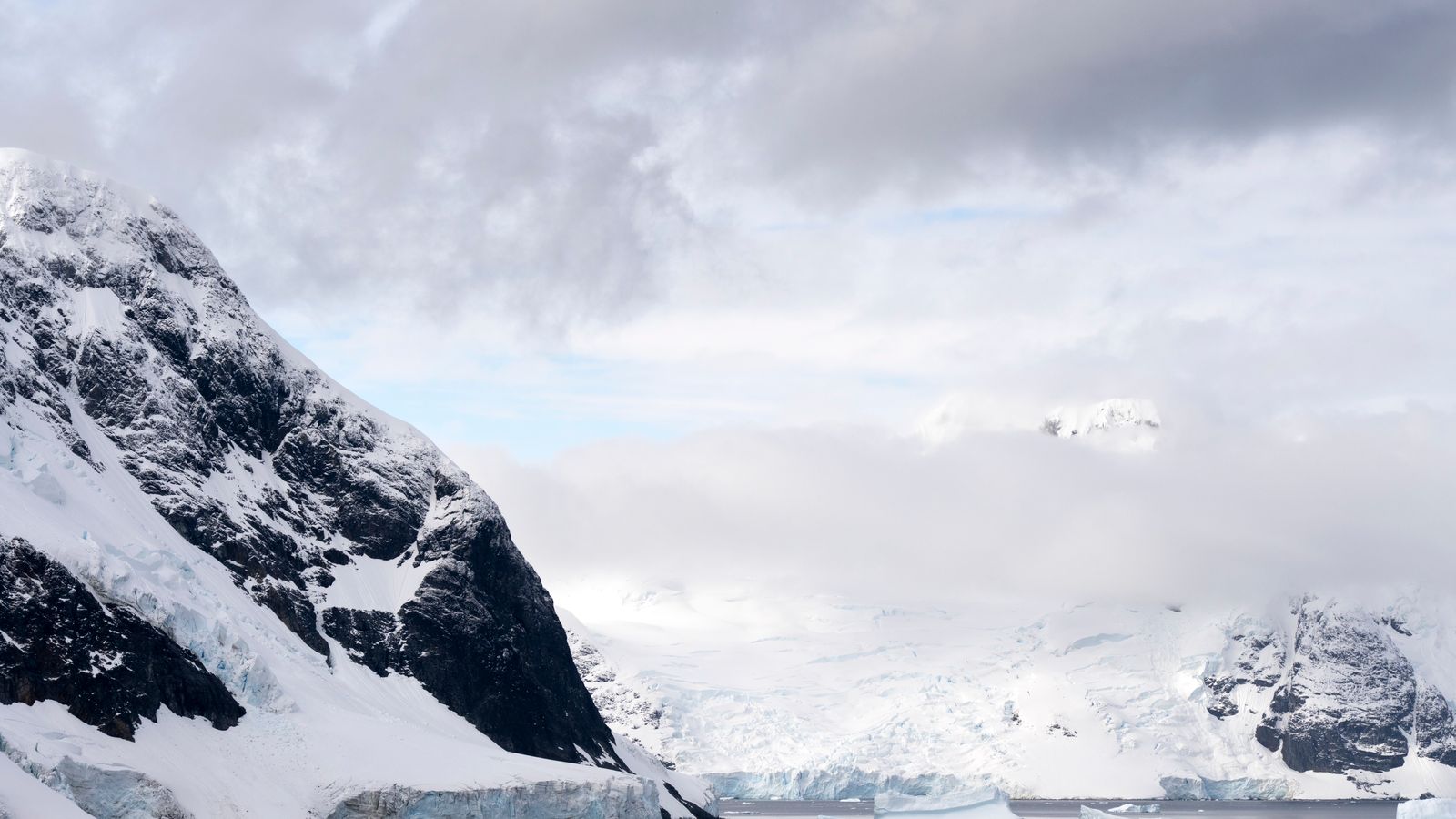
Snow fools meters into underexposure. Expect to add a stop or more of exposure compensation and to check the histogram rather than the screen, which looks brighter than reality in cold glare.
Season choice affects subjects as much as light. Our best time to visit guide sets out what is happening month by month.
How Do You Shoot From a Zodiac?
Raise the shutter speed well beyond what feels necessary, usually 1/1000 or faster for wildlife, because the boat, the swell and the subject all move. Brace elbows on your knees rather than the hull, which transmits engine vibration. Keep the strap around your neck and the camera under a jacket flap between frames.
Firsthand: aboard the Greg Mortimer in December 2024, Aurora Expeditions ran photography sessions with an onboard photography guide, including Zodiac technique and settings before we went out. Those sessions changed how we shot the rest of the voyage; the details are in the Greg Mortimer journal.
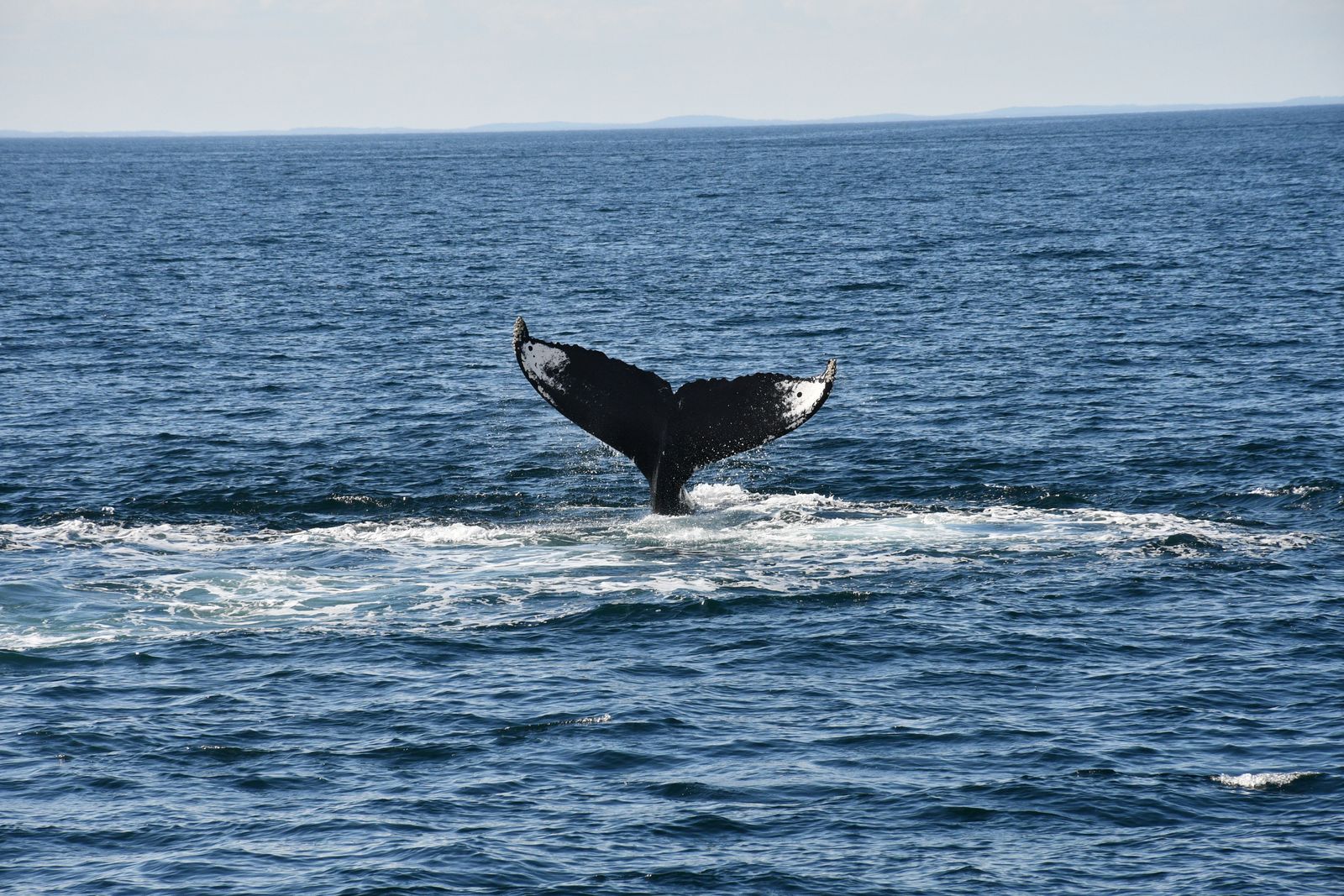
Firsthand: on the World Navigator with Atlas Ocean Voyages in February 2024, the best whale frames came from the open stern rather than a Zodiac, simply because we were standing there when the animals surfaced. Deck time is underrated.
What Wildlife Rules Constrain Photographers?
IAATO guidelines require a minimum distance of 5 metres from penguins and seals, more for nesting birds and fur seals. Never block a penguin highway with a tripod or bag, never leave gear unattended, and disinfect tripod feet before landings. Animals that approach you are fine; you moving closer is not.
The practical answer is a longer lens and patience. Sit down at the edge of a colony and wait, and the birds come to you well inside the distance you would be forbidden to close yourself.
Drone use is prohibited by most Antarctic operators and restricted under IAATO site guidelines. Do not plan a shot list around one.
Antarctic photography: common questions
What is the single most useful lens for Antarctica?
A 100-400mm class telephoto zoom. It covers penguins, seals and whales at legal distance and still frames a berg. Pair it with a wide zoom if you can carry two bodies.
How many spare batteries should I bring?
At least two per body, kept warm in an inside pocket. Cold can halve effective battery life, and there is no charging opportunity mid-excursion.
How do I avoid lens fogging?
Seal the camera in a dry bag or ziplock before you come indoors and let it reach cabin temperature inside the bag. Fogging is warm air meeting cold glass.
Do expedition ships have photography guides?
Many do, and several lines run structured sessions and one-to-one reviews. Aurora, Lindblad, Quark and HX are among those with recognised photography programmes; ask what your specific sailing carries.
How close can I get to penguins?
No closer than 5 metres, and further from nesting birds and fur seals. If an animal chooses to approach you, stay still and let it.
Keep planning
When to visit Antarctica
Light, ice and wildlife month by month.
Antarctic wildlife
What you will actually be pointing a lens at.
Antarctica packing list
Dry bags, gloves and what protects gear ashore.
Photography on expedition
How photography programmes work across regions.
Antarctica expedition ships
Deck access, Zodiac fleets and shooting positions.