

Part of our Antarctica guide →
Ship size and landing rights
- Shore limit
- 100 guests ashore at any one site, at any one time
- Under 200 guests
- Everyone ashore without rotation
- 200 to 500 guests
- Landings in rotating groups, less shore time
- Over 500 guests
- No landings permitted at all
- Ice class
- PC5 or PC6 hulls for early and late-season ice
- Motion
- Fin stabilisers, or a wave-piercing X-BOW hull
How Does Guest Capacity Change Your Day Ashore?
IAATO permits a maximum of 100 guests ashore at a site at one time. Ships carrying fewer than about 200 can put everyone ashore in one go and typically run two off-ship activities a day. Between 200 and 500 guests, landings rotate in batches and shore time shortens. Above 500, landings are not permitted.
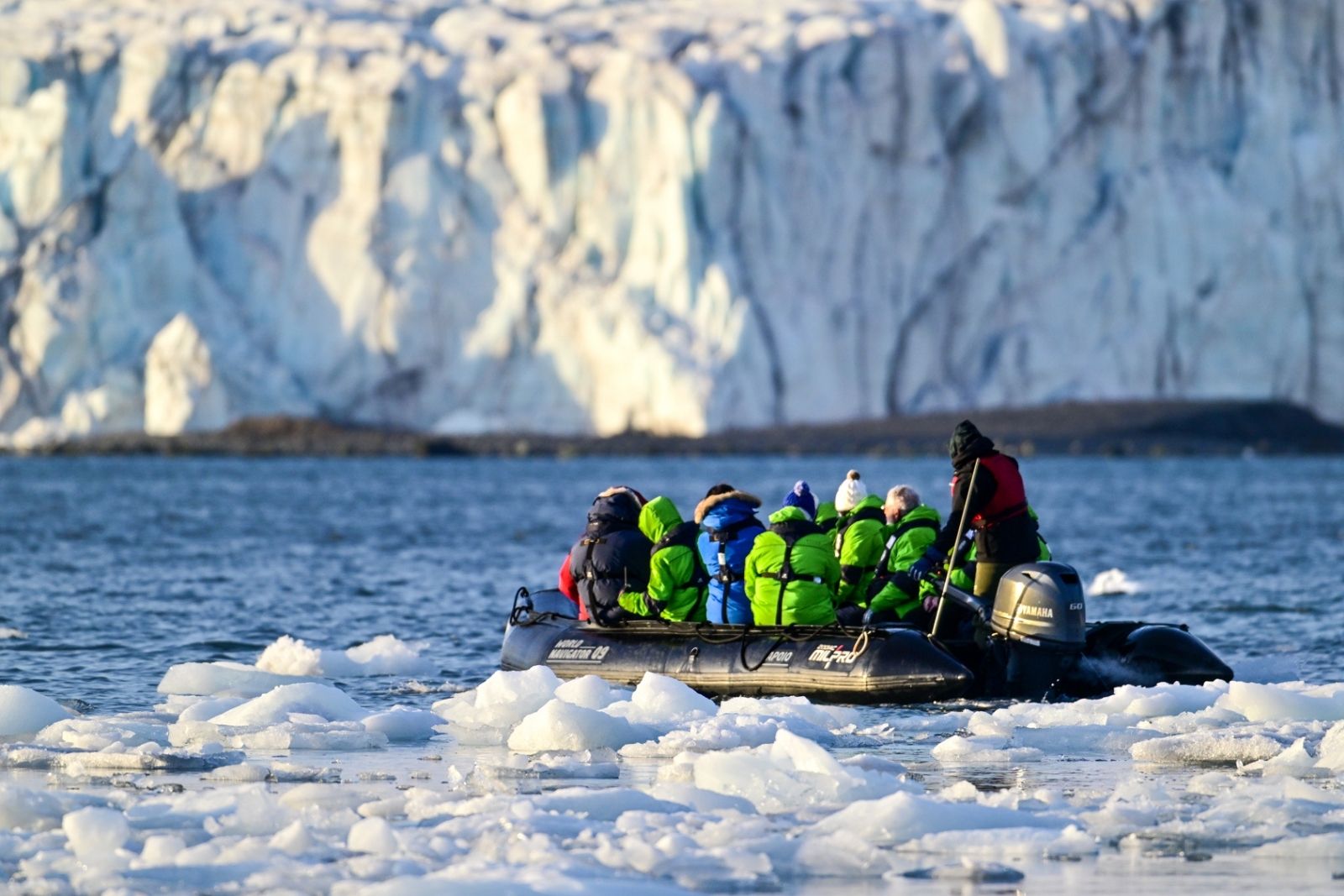
This is the reason a small ship and a large ship priced similarly are not comparable products. You are buying hours on land, and the arithmetic of the 100-person rule sets them.
Bigger does not mean worse for everyone. A larger ship is steadier, has more public space and often costs less per night. It simply trades shore time for comfort.
What Are the IAATO Vessel Categories?
IAATO groups vessels by guest capacity: roughly 13 to 199 guests, 200 to 500, and 501 and above. The first lands everyone quickly with a flexible daily schedule. The second lands in alternating groups of no more than 100. The third is cruise-only, seeing Antarctica from the water.
| Vessel category | Guest capacity | Landings and shore operations |
|---|---|---|
| Small expedition | 13 to 199 guests | Maximum shore time. All guests can land in one group; typically two off-ship activities per day and a flexible schedule. |
| Mid-size expedition | 200 to 500 guests | Landings in rotating groups, with no more than 100 guests ashore at once. Total shore time per guest is shorter. |
| Cruise-only vessels | 501 guests and above | No landings permitted. Antarctica is seen from the ship in coastal waters. |
Capacity bands follow IAATO operational categories. Some ships sail below their licensed maximum in Antarctica specifically to stay inside the small-expedition band.
What Ship Technology Actually Matters?
Polar Code ice class PC5 or PC6, which allows a ship to work in early and late-season ice rather than turning back. Motion control, either active fin stabilisers or a wave-piercing bow such as the Ulstein X-BOW. And dynamic positioning, which holds a vessel on GPS thrusters instead of dropping an anchor on the seabed.
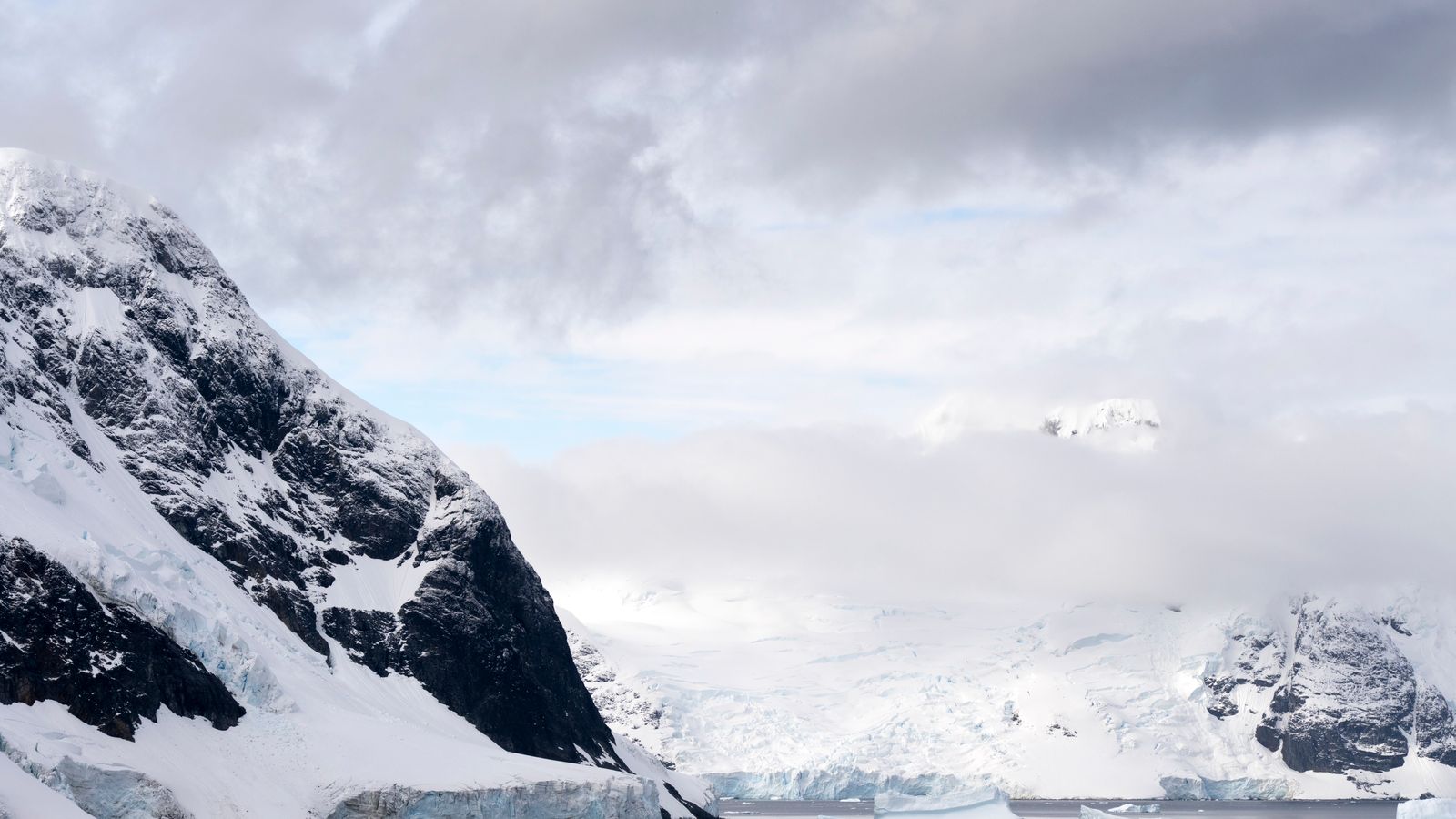
Firsthand: the Greg Mortimer with Aurora Expeditions, which we sailed in December 2024, is an X-BOW ship. The bow shape does not eliminate Drake motion, but the pitching we experienced was noticeably shallower and slower than the slamming people describe on older hulls. Notes in the Greg Mortimer journal.
Firsthand: the World Navigator with Atlas Ocean Voyages, which we sailed in February and March 2024, is licensed for up to 196 guests but sails Antarctica capped near 160 so that every guest lands without rotation. It is the clearest example we know that the printed maximum is not the number that matters. Notes in the World Navigator journal.
What Should You Ask About Zodiacs and Guides?
How many Zodiacs the ship carries relative to guests, whether boarding is from a sheltered lower-deck platform or an outer gangway, and the guide-to-guest ratio. A ship with enough boats and a low boarding point gets everyone ashore faster, which converts directly into time with wildlife.
Ask also where the mudroom sits and how many boot racks it has. Congestion there is the hidden tax on shore time.
Guide ratios around one to ten give you real access to expertise ashore. Above one to twenty, you are mostly on your own with a perimeter marker.
Which Ship Type Suits Which Traveler?
Choose under 200 guests if maximum shore time, kayaking, camping or photography access matter most. Choose 200 to 500 if you want a steadier ride, more space and lower cost, and accept rotated landings. Choose cruise-only large ships only if seeing the region from the water is genuinely enough for you.
The operators behind these ships differ as much as the hulls do. We compare them in the Antarctica cruise lines guide, and the fares in the cost guide.
Antarctic ships: common questions
What is the ideal ship size for Antarctica?
Under 200 guests, if shore time is your priority. That keeps the ship inside the small-expedition band so everyone can land without rotating in groups of 100.
Can large cruise ships land in Antarctica?
No. Vessels carrying more than 500 guests are not permitted to land passengers. They sail coastal waters and guests view Antarctica from the ship.
What does PC5 or PC6 ice class mean?
They are Polar Code ratings for hulls reinforced to work in ice. PC5 and PC6 vessels can operate in medium first-year and summer or autumn ice, which extends where and when they sail.
Does an X-BOW hull stop seasickness?
It reduces pitching by piercing waves rather than riding over them, and it is quieter forward. It does not remove motion. Fin stabilisers address roll rather than pitch.
Which ships have we sailed in Antarctica?
Two: the Greg Mortimer with Aurora Expeditions in December 2024, and the World Navigator with Atlas Ocean Voyages in February and March 2024. Everything we say about other vessels comes from booking them and from client reports.
Keep comparing
Antarctica cruise lines
Which operators run which ships, and what is included.
What Antarctica costs
How ship size and inclusions move the fare.
Antarctica for older travelers
Lifts, boarding platforms and cabin position.
Ships we have sailed
Firsthand notes on the ships we have sailed and toured.
First-time guide to Antarctica
How ship choice fits the rest of the decision.