
Antarctica
Antarctica Versus the Arctic.
The first and most consequential decision of a polar trip: which pole.
Antarctica is a continent of ice surrounded by ocean, with no permanent residents, sailed November to March, and defined by penguins, whales and immense untouched wilderness. The Arctic is an ocean of ice ringed by inhabited land, sailed May to August, milder, more varied, and the only place to see polar bears. Choose the Arctic for polar bears, culture and landscape variety; choose Antarctica for sheer wildlife abundance and pure wilderness.
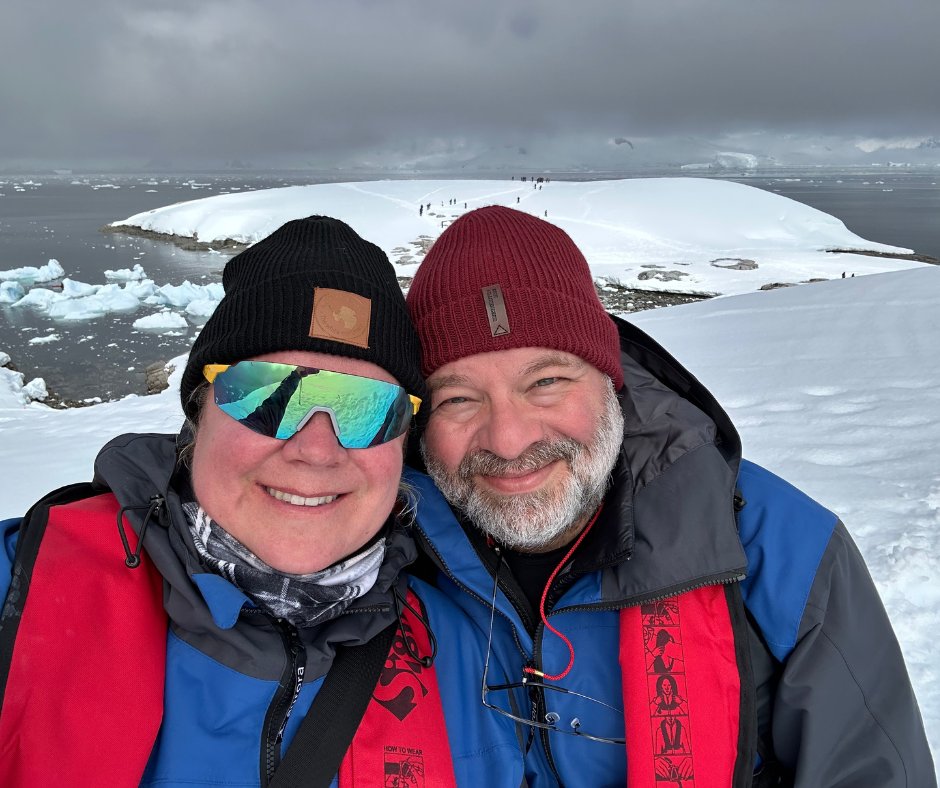
At a glance the two regions look like mirror images — white, icy wonderlands with their own polar circles. They are in fact polar opposites in nearly every way, and they offer fundamentally different journeys. The choice has to match what you want to find at the end of it.
What is the real difference between the Arctic and Antarctica?
The Arctic is an ocean of ice and water surrounded by land masses in Scandinavia, Russia, Greenland, Canada and the United States. Antarctica is a continent of ice surrounded by a vast ocean. That single geographic fact shapes everything else: the Arctic has millennia of human settlement and greater landscape variety, while Antarctica has no permanent settlements outside scientific research and feels primordial.
The Arctic has a long history of human activity, with Indigenous communities living there for millennia. An itinerary may include traditional villages, museums, or sites rich in mining history, and the landscape itself is more varied — snow-covered peaks, deep fjords, and tundra that thaws and greens in summer.
Antarctica has no permanent human settlement and no Indigenous population; activity is limited to scientific research. That absence creates a sense of untouched, primordial wilderness that people who love extreme nature find overwhelming in the best sense.
Polar bears or penguins — which pole has which?
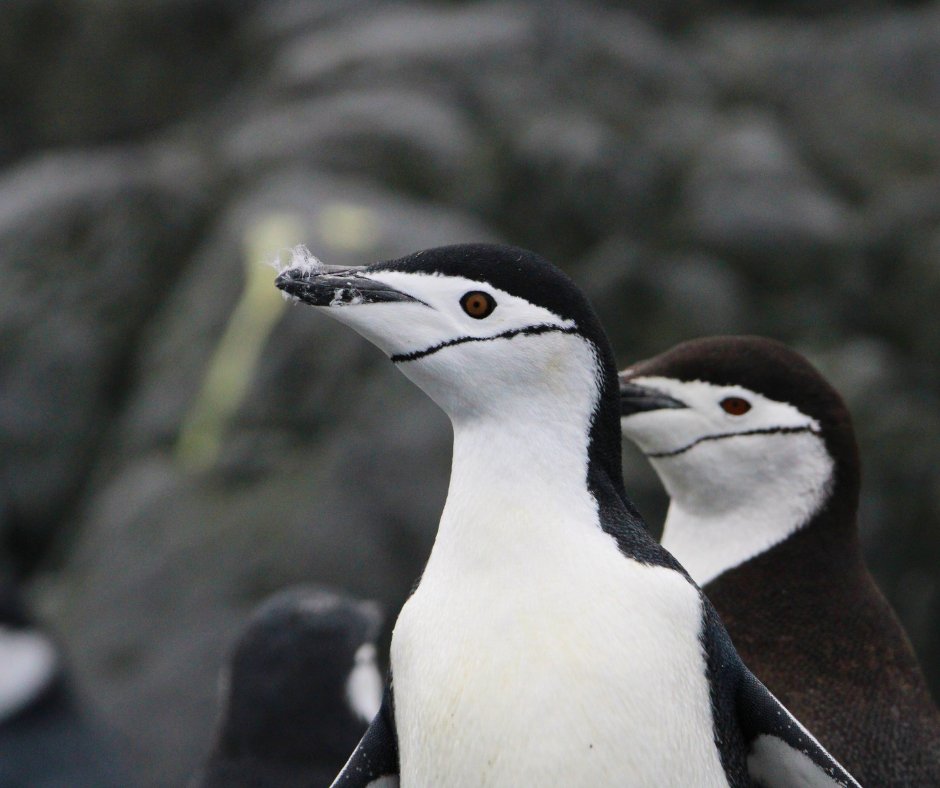
Polar bears live only in the Arctic; penguins live only in the southern hemisphere. In the Arctic, wildlife takes more work to find — polar bears, musk ox, reindeer, Arctic foxes and seabirds blend into the landscape, and binoculars matter. Antarctica is a penguin paradise, where landings revolve around rookeries of hundreds or thousands of birds, with whales, elephant seals and leopard seals alongside.
For many travelers the decision is as simple as Team Penguins or Team Polar Bears. If your heart is set on a polar bear, the Arctic is the only option. Wildlife watching there is less intense and you often work harder for it, because animals blend into the landscape — a good pair of binoculars is a must. The search is part of the reward: a bear hunting along the ice edge, or an Arctic fox stealing scraps.
Antarctica is a penguin paradise. Most landings revolve around rookeries where hundreds or thousands of birds go about their business, with whales surfacing around the ship and elephant and leopard seals hauled out nearby. Antarctic wildlife evolved without land predators and is famously unafraid, which makes the encounters immediate in a way the Arctic rarely is. More on the species and the seasons in our Antarctic wildlife guide.
When can you sail to each pole?
Arctic expedition cruises run May to August, taking advantage of the ice melt; summer days can be mild enough to hike in a T-shirt when it is sunny and windless. Antarctica's season is November to March, and it is colder and harsher throughout — a warm day barely reaches freezing.
The seasons are diametrically opposed, which is useful: between the two poles there is somewhere to sail for most of the year. Region-by-region detail is in when to go, and month-by-month Antarctic conditions are in the best time to visit Antarctica.
Does the month within the season matter?
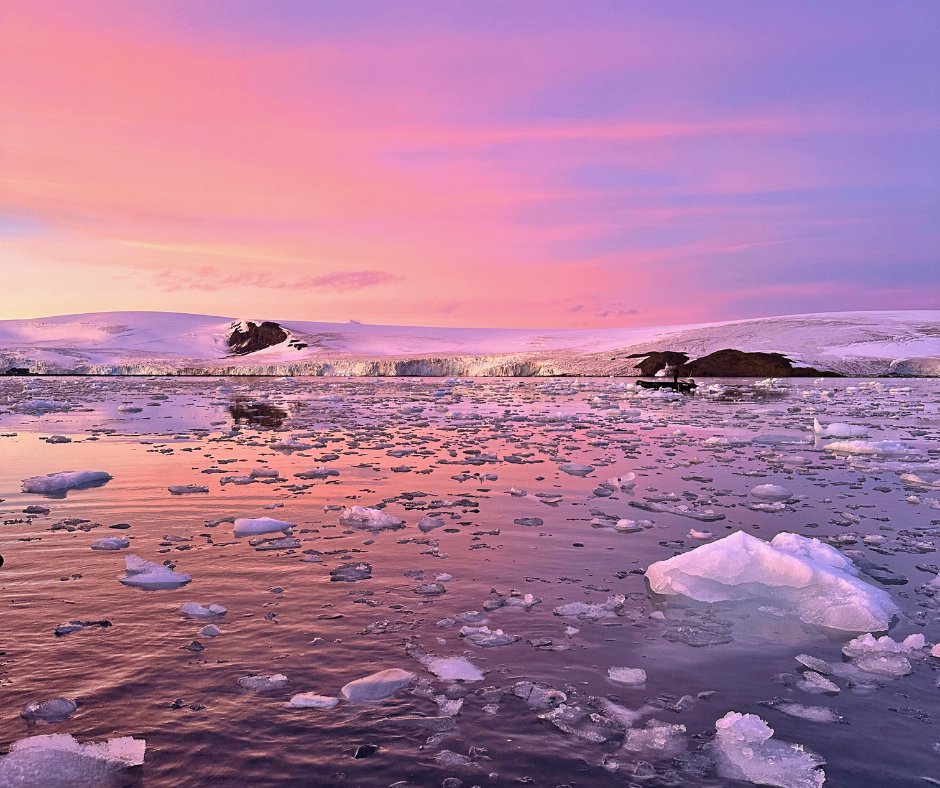
Yes. Early season in either region brings more ice and pristine snow. Mid-season — December and January in Antarctica, June and July in the Arctic — brings twenty to twenty-four hours of daylight and peak wildlife activity. Late season opens up more extensive itineraries as sea ice retreats, and in the Arctic the returning darkness can bring the Northern Lights.
A side-by-side comparison
| Factor | Arctic | Antarctica |
|---|---|---|
| Geography | An ocean of ice surrounded by land (islands) | A continent of ice surrounded by an ocean |
| Key wildlife | Polar bears, musk ox, Arctic foxes, caribou, reindeer, seals, whales | Penguins (multiple species), crabeater, Weddell and elephant seals, whales, various seabirds |
| Human presence | Indigenous communities and settlements; rich cultural history | None outside scientific research stations; untouched, extreme wilderness |
| Best time to go | May to August (northern hemisphere summer) | November to March (southern hemisphere summer) |
| Daily activities | Hiking, Zodiac cruising, exploring traditional villages and museums | Zodiac cruising, shore landings at penguin colonies, optional camping and kayaking |
| Climate | Generally milder; temperatures can reach the low teens Celsius on sunny days | Harsher and colder; a warm day is barely above freezing |
Which pole is easier for a first polar voyage?
Neither is difficult, but they demand different things. The Arctic is milder, closer to Europe and North America, and often reached without a notorious ocean crossing. Antarctica usually means the Drake Passage or a flight across it, and colder conditions throughout. Both require you to be steady on your feet rather than athletic.
Whichever pole you choose, the practical preparation is much the same. What the ship supplies and the layering system underneath it are covered in what to pack; the fare, the exclusions and the insurance requirement in costs and what’s included; the crossing itself in sailing or flying the Drake. If this is your first voyage of any kind, start with our guide for first-time travelers.
Both regions are fragile, and the rules exist for good reason. Read our responsible travel guidelines before you book.
Are there wildlife alternatives to a full polar voyage?
Churchill, Manitoba is widely known for its exceptionally high numbers of polar bears, and can be visited as a land expedition rather than a ship-based Arctic voyage.
Written by your expedition advisor

Chris Commisso · Expedition Expert
Signature Travel Expert
Chris and Erika have sailed ten expedition voyages and toured seven more expedition ships. Favorite explorations so far: Antarctica, Svalbard, Greenland, Iceland, Norway, Alaska, the Galápagos, the Scottish Hebrides, Churchill and French Polynesia.
Last updated .
Still deciding which pole?
Tell us what you want to see and we’ll tell you which end of the Earth to point at.
Request a Quote