
Experiences
Shore Landings.
The moment the ship stops being the whole trip — a wet boot, a beach, and whatever the guide found there first.
A shore landing is how you get off an expedition ship: a Zodiac ferries small groups to a beach, rock shelf or ice edge for a wet landing, stepping out into a few inches of water in rubber boots, or to a dock or jetty for a dry landing straight onto land. Most days at sea include one or two landings, each an hour or two, and each site has its own rules for how many people can be ashore at once.
What it was like for us.
In the Galápagos aboard the Santa Cruz II, a panga — the local name for the Zodiac — took us ashore for our first landing at Las Bachas beach within minutes of boarding: flamingos in the lagoon, blue-footed boobies, frigate birds and Sally Lightfoot crabs before we'd properly unpacked. Later landings put us on the red sands of Rábida, the black volcanic rock of Puerto Egas, and Darwin Bay on Genovesa, where sea lions and nesting gulls carried on as if we weren't there.
In Antarctica aboard the Greg Mortimer, we landed at Port Lockroy and Jougla Point among gentoo penguins, at Danco Island in sun with whales in the bay all day, and at Deception Island's Whalers Bay, where the rusting remains of the old whaling station are still standing — and, upsettingly, still get spray-painted by visitors who shouldn't be touching them at all.
In Southeast Greenland aboard the National Geographic Resolution, landings put us on tundra between fjords for backcountry hikes, logging species that, as far as we could tell, nobody had recorded there before.
In the Scottish Hebrides, most landings were straightforward dry landings onto a dock or path — but St Kilda is never guaranteed. Reaching Hirta depends on the sea state on the day, and standing in the abandoned village street once we finally landed felt like the whole point of expedition cruising in one stop.
What's provided, and what you bring.
The ship provides the Zodiac, the driver, and — on polar voyages — insulated rubber boots for the wet step into the shallows. Landings are staffed by expedition guides who scout the site first, brief the group on the route and any wildlife to avoid, and stay ashore for the duration. You bring waterproof layers, a dry bag for your camera, and the willingness to get your feet wet.
What it requires of you.
Balance to step from a moving Zodiac into shallow water without help beyond a guide's offered arm, and the fitness to walk on uneven beach, rock or tundra once ashore. Some landings are flat and short; others open onto a hike. Nothing about a landing is technical, but a landing can be called off in poor weather or swell with very little notice, and the itinerary simply adjusts.
Which regions it works in.
Landings happen everywhere an expedition ship sails without a port to dock at — Antarctica, the Arctic, the Galápagos and remote island groups like the Scottish Hebrides all run on the same basic mechanic, though the permit systems, passenger caps and wildlife rules differ sharply by region.
The detail differs by place — see camping in Antarctica for what happens after the landing when you stay ashore overnight, and Galápagos snorkeling for what happens in the water alongside it.
More to read.
Related experiences: Zodiac cruising, hiking and snowshoeing and wildlife viewing. Back to all experiences.
Written by your expedition advisor
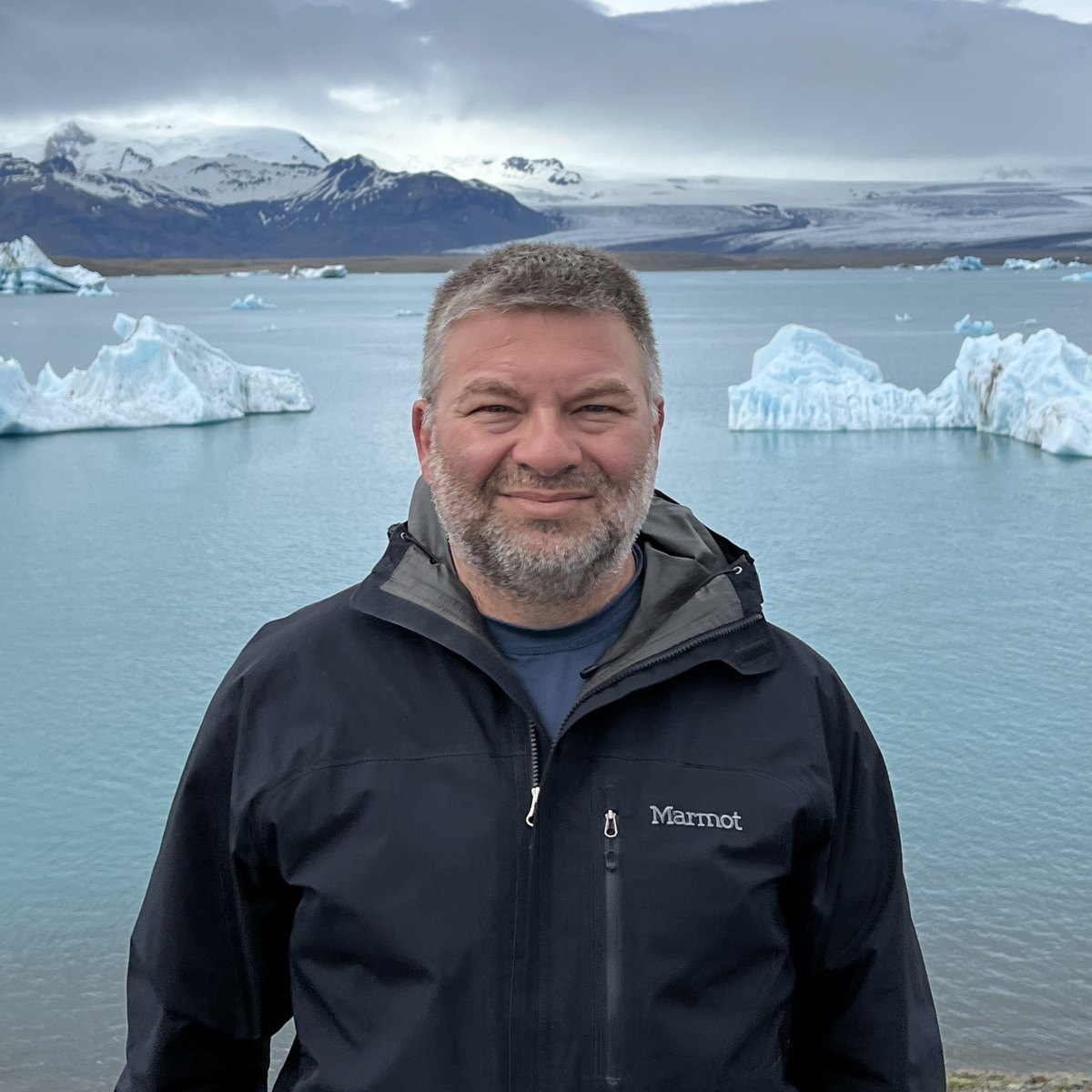
Chris Commisso · Expedition Expert
Signature Travel Expert
Chris and Erika have sailed ten expedition voyages and toured seven more expedition ships. Favorite explorations so far: Antarctica, Svalbard, Greenland, Iceland, Norway, Alaska, the Galápagos, the Scottish Hebrides, Churchill and French Polynesia.
Last updated .
From our journal
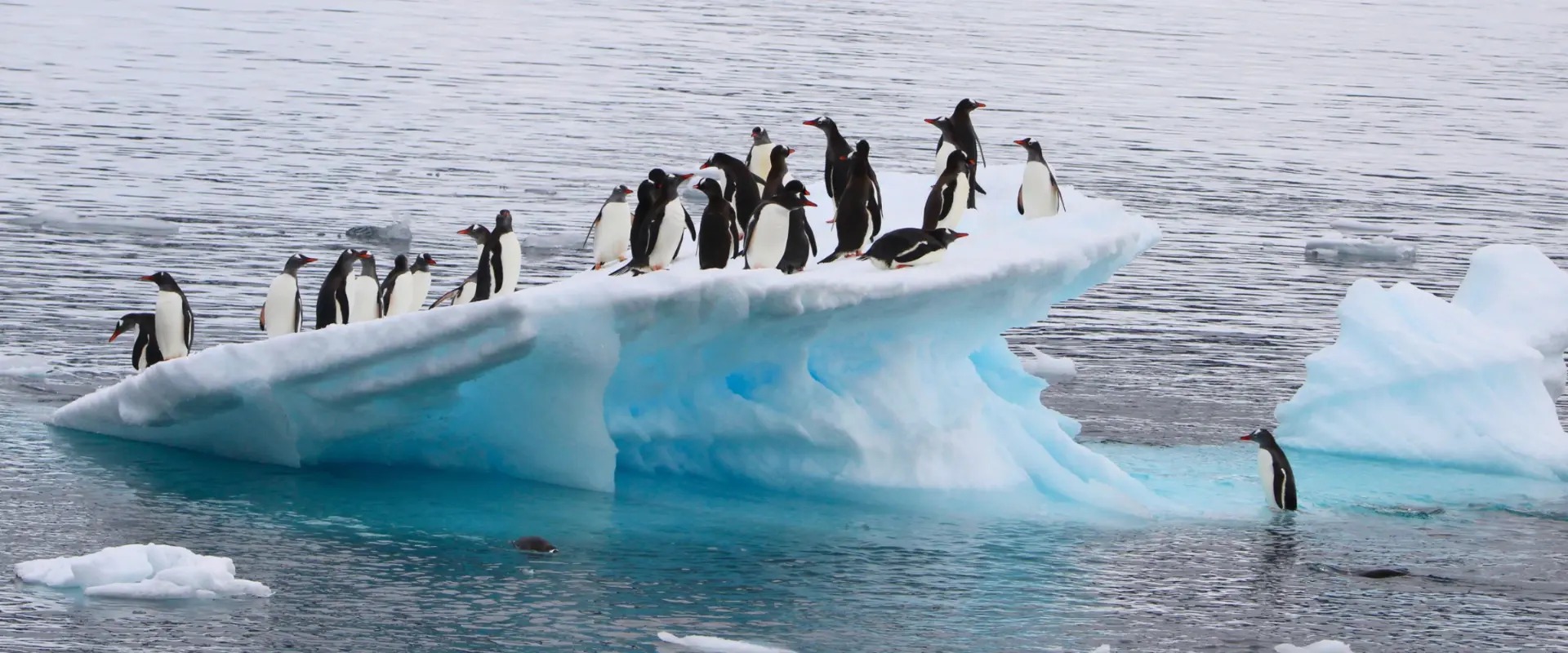
Ten Days to Antarctica Aboard the Greg Mortimer
7–19 December 2024 · Aurora Expeditions
In December 2024 we sailed Aurora Expeditions' Greg Mortimer round trip from Ushuaia to the Antarctic Peninsula. We Zodiac cruised the Melchior Islands and Paradise Harbour, landed at Port Lockroy and among nesting gentoos on Danco Island, watched whales in the bay all day, walked Deception Island, and sent five whale-tail photos to a citizen science project. Three were identified.
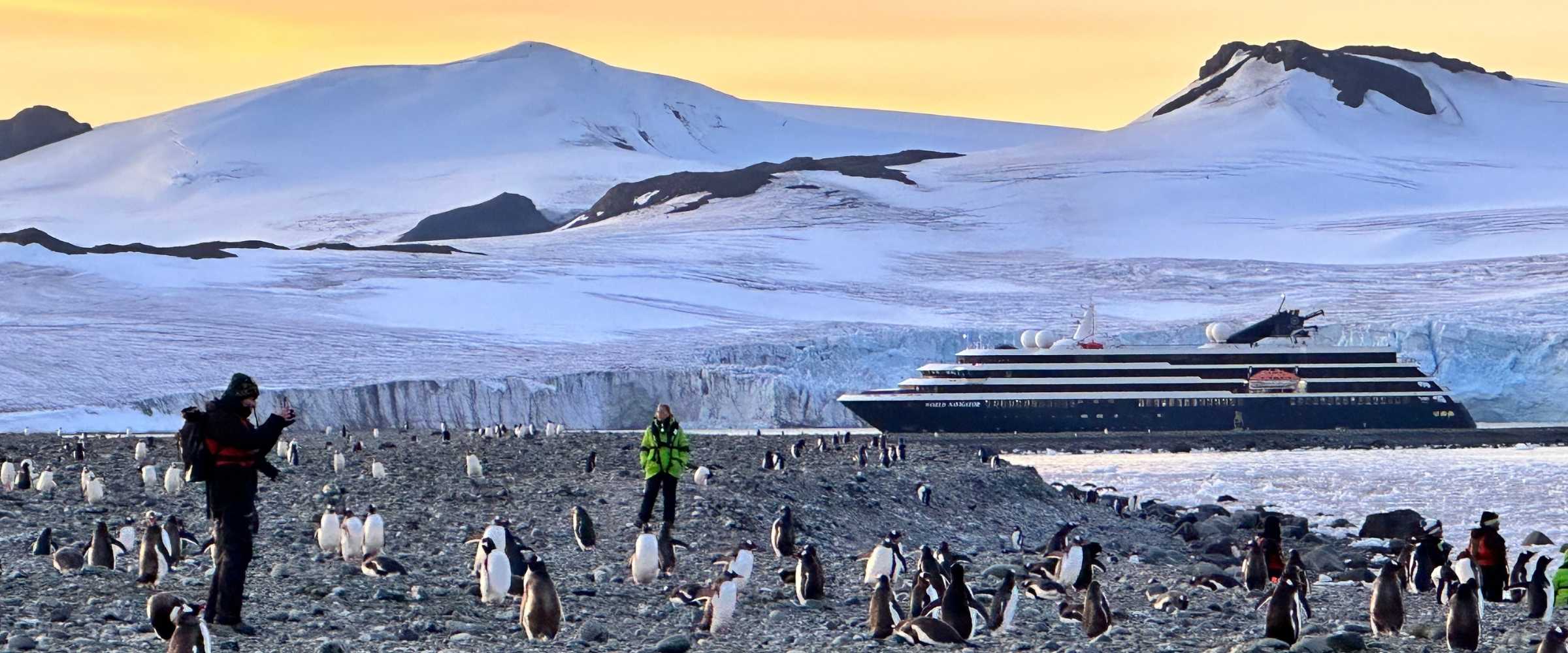
Antarctica Aboard the World Navigator: Our Journey to the White Continent
24 February–6 March 2024 · Atlas Ocean Voyages
Eleven days from Buenos Aires to the Antarctic Peninsula aboard Atlas Ocean Voyages' World Navigator. Humpbacks spyhopping around the Zodiacs in Fournier Bay, leopard seals hunting chinstraps at Duroch Island, and a night camping ashore at Eckener Point — nine hours, twenty-five minutes and forty-seven seconds off the ship, listening to glaciers crack.
Want a voyage with more time ashore?
Tell us what matters and we'll factor it into which ship and itinerary we recommend.
Request a Quote