
Written by your expedition advisors

Chris Commisso · Expedition Expert
Signature Travel Expert
Erika Commisso · Travel Experience Architect
CLIA Elite Cruise Counselor · ASTA Verified Travel Advisor · Signature Travel Expert
Chris and Erika have sailed ten expedition voyages and toured seven more expedition ships. Favorite explorations so far: Antarctica, Svalbard, Greenland, Iceland, Norway, Alaska, the Galápagos, the Scottish Hebrides, Churchill and French Polynesia.
Last updated . Written and reviewed by Chris Commisso, founding advisor at Glacial Expeditions, with Erika Commisso.
You pay the same as booking direct. Here’s how we’re paid.
At a glance
- Season
- September to April, the austral spring through autumn. November to February is peak
- Two countries
- Chilean Patagonia and Argentine Patagonia, with most cruises crossing between them
- Gateway cities
- Punta Arenas, Chile and Ushuaia, Argentina — the same ports that serve Antarctica
- Typical cruise length
- 4 nights for a Cape Horn crossing; 9-11 days for a Chilean fjords expedition; 14-24 days for luxury voyages
- Cape Horn landing
- Possible only when weather allows, and it frequently does not. Nobody guarantees it
- Signature sights
- Cape Horn, the Beagle Channel, Glacier Alley, Pía Glacier, Torres del Paine, Perito Moreno
- Wildlife
- Magellanic and king penguins, sea lions, elephant seals, Andean condors, guanacos, dolphins, and pumas in Torres del Paine
- Land component
- Torres del Paine, El Calafate and El Chaltén are reached overland, not by ship
- Governing body
- None. Chilean and Argentine national park services govern the protected areas
- Physical demand
- Low to moderate. Zodiac landings on rock and short guided walks; harder if you add trekking
What Are the Different Types of Patagonia Cruise?
Three tiers. Australis runs four-night Cape Horn crossings between Ushuaia and Punta Arenas on 200-guest ships, all-inclusive and focused on the Beagle Channel and Tierra del Fuego. Antarctica21 runs nine to eleven day Chilean fjords expeditions on its Magellan vessels. Scenic runs fourteen to twenty-four day ultra-luxury voyages with helicopters and a submersible, some continuing to Antarctica.
| Australis Cape Horn crossing | Antarctica21 Chilean fjords | Scenic ultra-luxury | |
|---|---|---|---|
| Length | 4 nights one way; 8 nights round trip | 9-11 days | 14-24 days |
| Route | Ushuaia to Punta Arenas or reverse | Puerto Montt to Punta Arenas or reverse | Santiago or Buenos Aires round trips and one-ways |
| Ships | Stella Australis and Ventus Australis, up to 200 guests | Magellan Explorer and Magellan Discoverer | Scenic Eclipse and Eclipse II, Polar Class 6 |
| What it focuses on | Cape Horn, the Beagle Channel, Tierra del Fuego glaciers | The remote northern Chilean fjords, Aysén and the Chonos Archipelago | The full coastline, with the deepest itineraries and the most at-sea time |
| Landings | Daily Zodiac excursions, all included | Daily expedition landings with a naturalist team | Zodiacs plus optional helicopter and submersible |
| Style | All-inclusive and comfortable, not luxurious | Genuine expedition, plainer ship | Ultra-luxury, all-inclusive, all-suite |
| Can it continue to Antarctica | No | Related fleet runs Antarctic fly-cruises separately | Yes, on 24-day Chilean Fjords and Weddell Sea voyages |
| Indicative cost | Lower — the accessible entry point | Mid — expedition pricing | Highest, into the tens of thousands per person |
| Best suited to | Travelers adding a short leg to an Antarctic trip, or first-timers | Travelers who want remote fjords and real expedition days | Travelers who will not compromise on the ship |
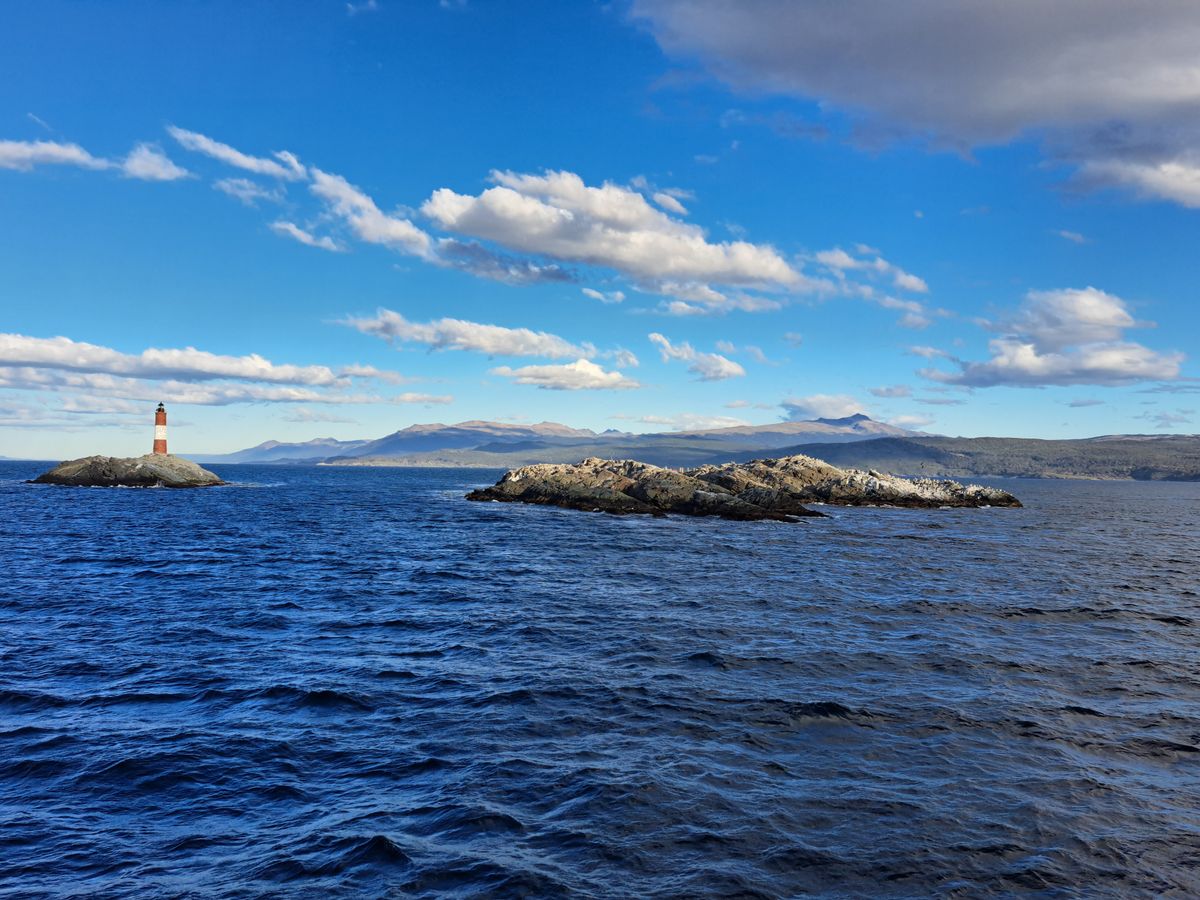
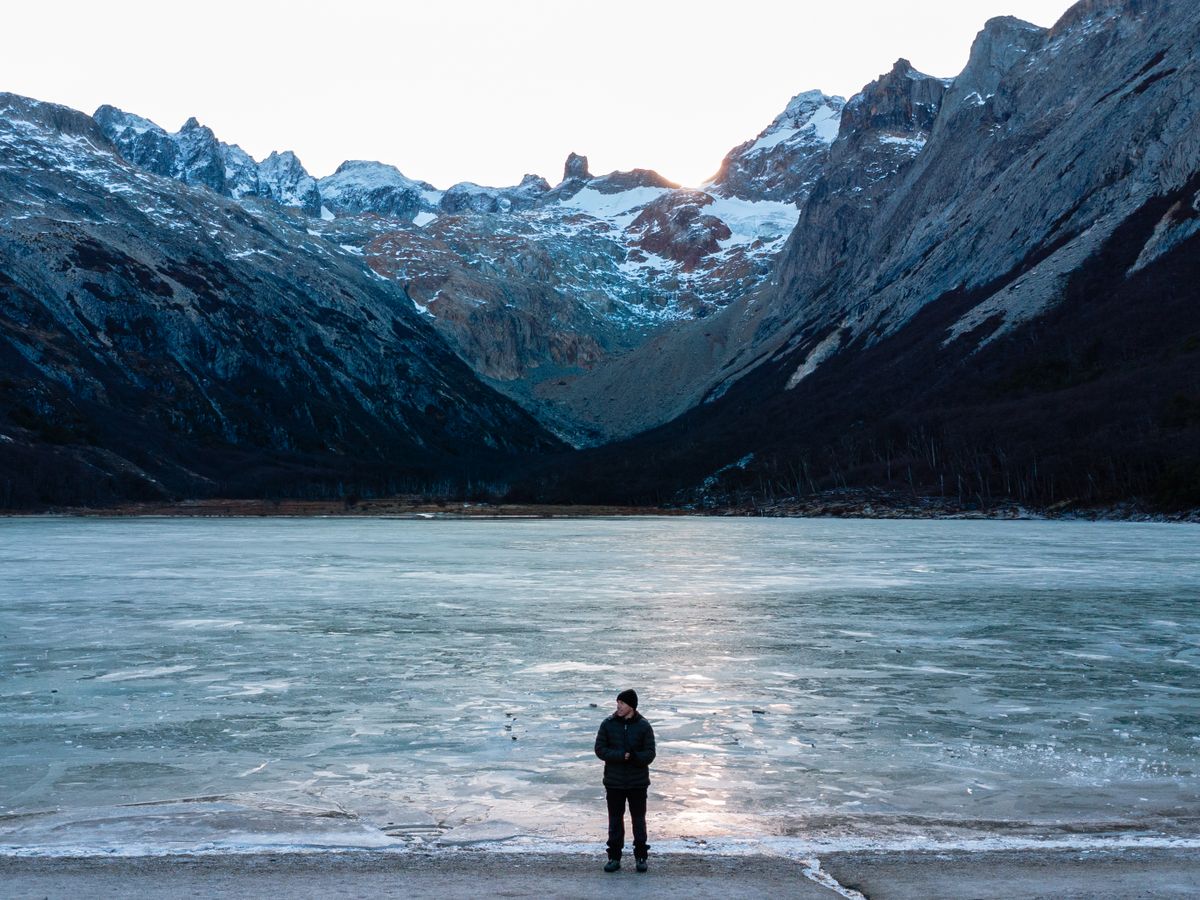
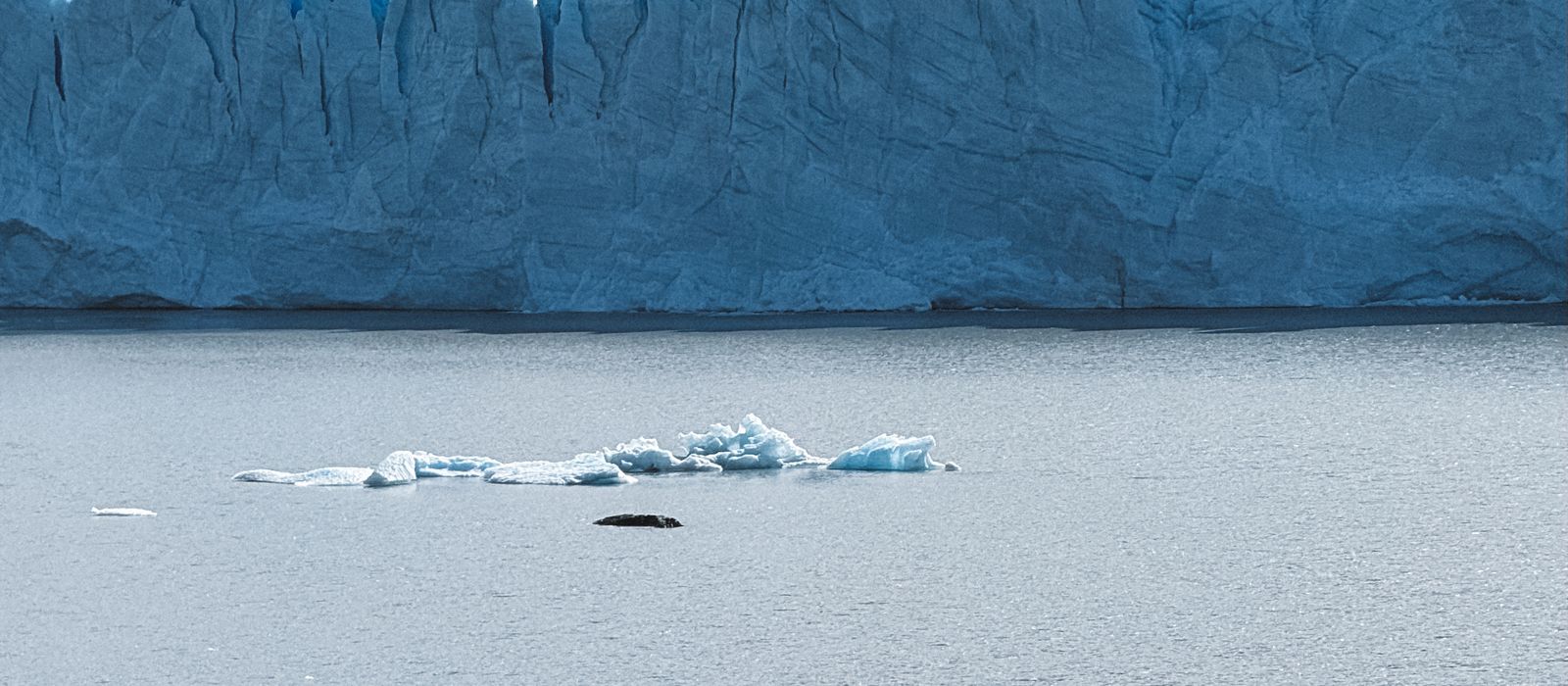
Australis is the one most of our clients end up on, because it fits neatly either side of an Antarctic voyage and covers the iconic ground — Cape Horn, Wulaia Bay, Pía Glacier, Glacier Alley — in four nights. Its two sister ships, Stella Australis and Ventus Australis, carry up to 200 guests, all cabins are exterior, and fares include meals, an open bar and every shore excursion. It is comfortable rather than luxurious and it is not trying to be anything else.
Antarctica21's Magellan Explorer and Magellan Discoverer run further north into the Aysén region and the Chonos Archipelago, reaching fjords few vessels visit, with more genuine expedition days and fewer marquee names. This is the tier for travelers who would rather spend a morning in an anchorage nobody has heard of than tick off a headline.
Scenic sits at the top. Scenic Eclipse and Eclipse II are Polar Class 6 with strengthened hulls and custom stabilisers, all-suite and all-inclusive, and carry helicopters and a submersible at additional cost. Their longest voyages continue from the Chilean fjords into the Weddell Sea, which is the most ambitious pairing available anywhere. We take each tier apart ship by ship in Australis, expedition or luxury.
Should You Add Patagonia to an Antarctica Trip?
Almost always yes. Ushuaia and Punta Arenas are the Antarctic gateway ports, so you are already flying to the bottom of South America at considerable cost and effort. Adding four to seven days of Patagonia costs far less than a separate trip later, and it builds a buffer against flight delays before embarkation, which is the single most common way people miss their Antarctic ship.
This is the most useful thing on the page, so we will make the argument properly. The flight to Ushuaia is long and expensive whichever way you route it, and most travelers make it once in their lives. Arriving two or three days early is already sensible practice — a missed connection means a missed ship, and the ship will not wait — so the marginal cost of turning a buffer into a real trip is small. You are paying for a few more nights and a short cruise fare, not for another set of long-haul tickets.
The natural combinations are straightforward. An Australis crossing before or after an Antarctic voyage works particularly well, because it runs between the two gateway ports and delivers you to the other one. A few days at Torres del Paine works from Punta Arenas. El Calafate and Perito Moreno work from the Argentine side. Which one fits depends on a detail people miss: a fly-cruise to Antarctica departs Punta Arenas while most sailing voyages depart Ushuaia, and that changes the geography of your add-on entirely.
We sequence these two bookings together as a matter of routine. The shapes that work are set out in combining Patagonia and Antarctica.
What Is the Australis Cape Horn Crossing Like?
Four nights between Ushuaia and Punta Arenas through the Beagle Channel, Murray Channel and Strait of Magellan. The itinerary attempts a landing at Cape Horn National Park, visits Wulaia Bay where the Yámana people lived, and lands at Pía Glacier and Águila Glacier. Fares include all meals, an open bar and every excursion. Ships carry up to 200 guests.
01
Cape Horn National Park
A landing at the southernmost headland of the Americas, attempted when weather permits. The Albatross Monument, the chapel and the lighthouse.
02
Wulaia Bay
One of the largest settlements of the Yámana canoe people, with a walk through Magellanic forest of lenga, coigüe and canelo.
03
Pía Glacier
A landing in Pía Fjord off the Beagle Channel's northwest arm, walking to a viewpoint above the glacier front.
04
Glacier Alley
Sailing the stretch of the Beagle Channel where a succession of glaciers descends from the Darwin Range.
05
Águila and Cóndor Glaciers
A landing at Águila across a beach and lagoon, and a Zodiac approach to Cóndor.
06
Ainsworth Bay
On the Punta Arenas-departing route, in Alberto de Agostini National Park, with an elephant seal colony nearby.
07
Tucker Islets
A Zodiac cruise among Magellanic penguin and cormorant colonies.
08
Magdalena Island
A Magellanic penguin colony in the Strait of Magellan, substituted with Marta Island in September and April.
Be honest about Cape Horn before you book it. The landing happens only when the weather allows, and in the Drake's approaches it often does not. Travelers who fixate on setting foot there are sometimes disappointed; those who treat it as a bonus on a voyage that is excellent regardless are not. The rest of the itinerary — the glaciers of the Beagle Channel's northwest arm, the forest walk at Wulaia Bay, the penguin colonies of the Strait of Magellan — does not depend on the weather in the same way.
Understand the shape of the days too. Boarding is in the evening on day one and arrival is early morning on the last day, so a crossing advertised as five days gives you roughly three and a half days of actual touring. That is still enough, and it is precisely why the crossing slots so neatly against an Antarctic departure, but it is worth knowing before you count days. Gratuities are not included, and Australis suggests a per-night figure.
The full picture, day by day, is in the Cape Horn crossing explained.
When Is the Best Time to Visit Patagonia?
The season runs September to April. November to February is peak, with the longest days, warmest weather and best trekking conditions, and also the highest prices and strongest wind. September, October, March and April are shoulder months with fewer people, better value and often more settled light. Winter, May to August, sees most cruises and many trekking routes suspended.
September-October
Spring, and quiet
Ships return to service and the landscape is at its greenest. Fewer travelers, lower fares, and snow still on the peaks. Some island excursions substituted early in the season.
November-December
Long days, strong wind
Near-peak daylight and the start of the busy season. Patagonia's famous wind is at its most persistent. Excellent for glaciers and coastal wildlife.
January-February
Peak summer
Warmest weather, longest days, and every trekking route open. Also the busiest and most expensive weeks, with Torres del Paine lodging booked far ahead.
March-April
Autumn colour
The lenga forests turn red and gold, wind eases noticeably, and crowds thin. Many advisors' favourite window. Days shorten and the season closes in April.
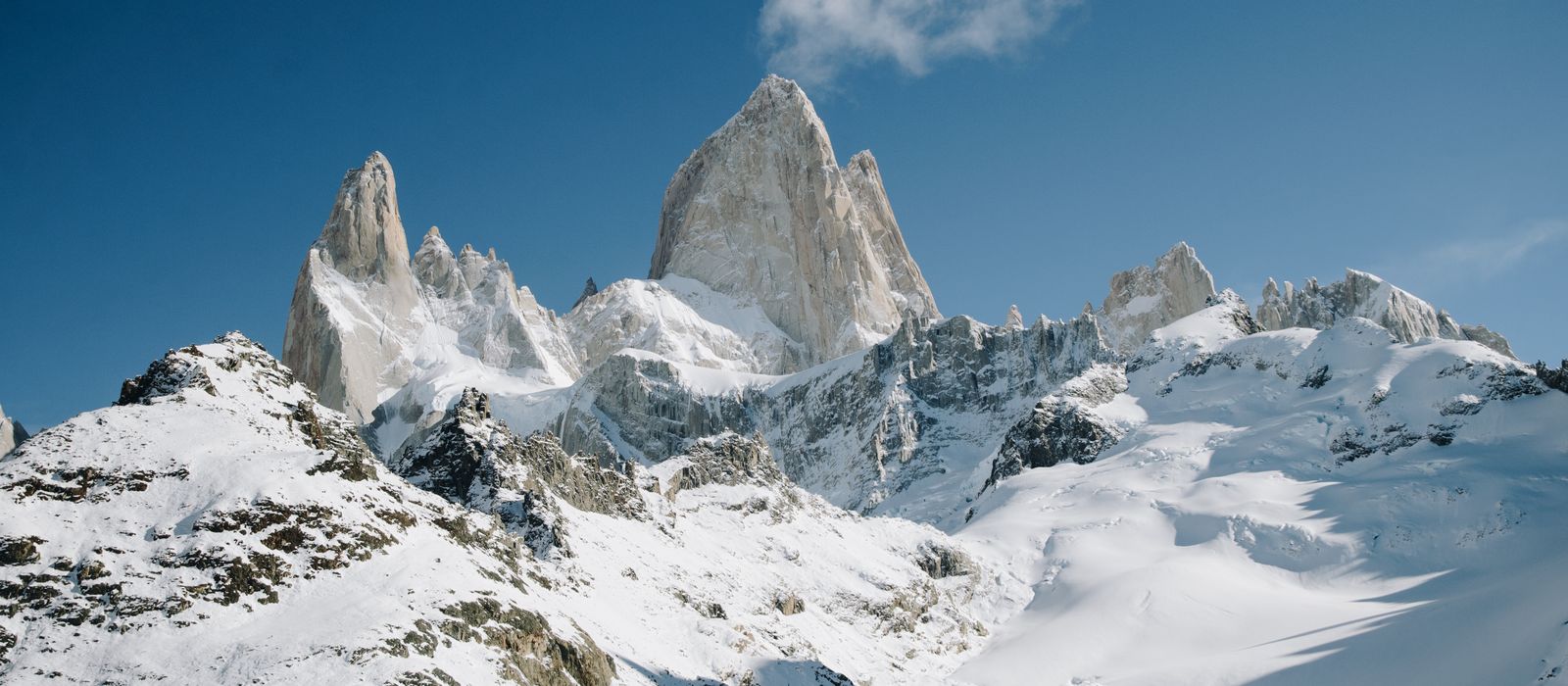
The honest recommendation is March. Patagonia's wind is a genuine factor rather than a footnote — it can make a January hike unpleasant and a Zodiac landing marginal — and it typically eases into autumn just as the southern beech forests turn red and gold. The trade is shorter days and a narrowing choice of departures as the season winds down.
One structural point matters for planning: Patagonia's season overlaps almost exactly with Antarctica's, which is what makes combining them straightforward rather than a scheduling puzzle. Month by month detail is in when to visit Patagonia.
Where Should You Go in Patagonia?
Tierra del Fuego and the Beagle Channel are the cruise heartland, reached from Ushuaia and Punta Arenas. Torres del Paine in Chile and Los Glaciares in Argentina are the great land destinations, with the granite towers and Perito Moreno glacier respectively. The northern Chilean fjords around Aysén are the remote option, reached by expedition ship from Puerto Montt.
Tierra del Fuego and the Beagle Channel
The cruise heartland: Cape Horn, Wulaia Bay, Pía and Águila glaciers, and Alberto de Agostini National Park. Reached from Ushuaia or Punta Arenas.
Known for
Cape Horn, glaciers, Yámana history
Torres del Paine, Chile
The granite towers, turquoise lakes and guanaco herds of Chile's most famous park. Reached overland from Punta Arenas or Puerto Natales. The best place on Earth to see wild pumas.
Known for
trekking, the W circuit, pumas
Los Glaciares, Argentina
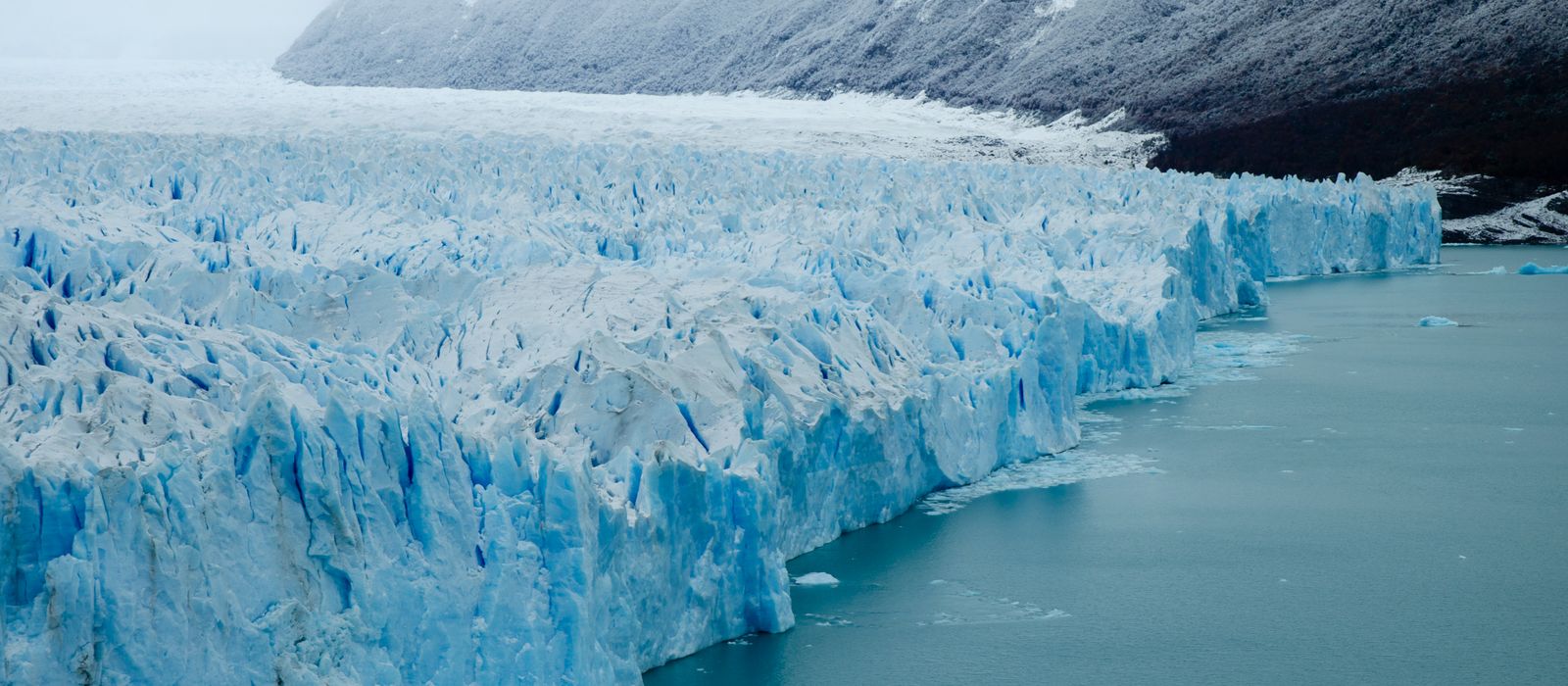
El Calafate for the Perito Moreno glacier, one of the few advancing glaciers anywhere, and El Chaltén for Fitz Roy and Cerro Torre.
Known for
Perito Moreno, Fitz Roy, hiking
The Chilean fjords and Aysén
The remote northern stretch: the Chonos Archipelago, Puyuhuapi, Madre de Dios Island and Bernal Glacier. Visited by expedition ship rather than road.
Known for
remoteness, temperate rainforest, tidewater glaciers
Punta Arenas and Ushuaia
The gateway cities, and the Antarctic embarkation ports. Worth a day each: Magellanic history in Punta Arenas, the end-of-the-world museums and Tierra del Fuego National Park in Ushuaia.
Known for
Antarctic gateways, penguin colonies, history
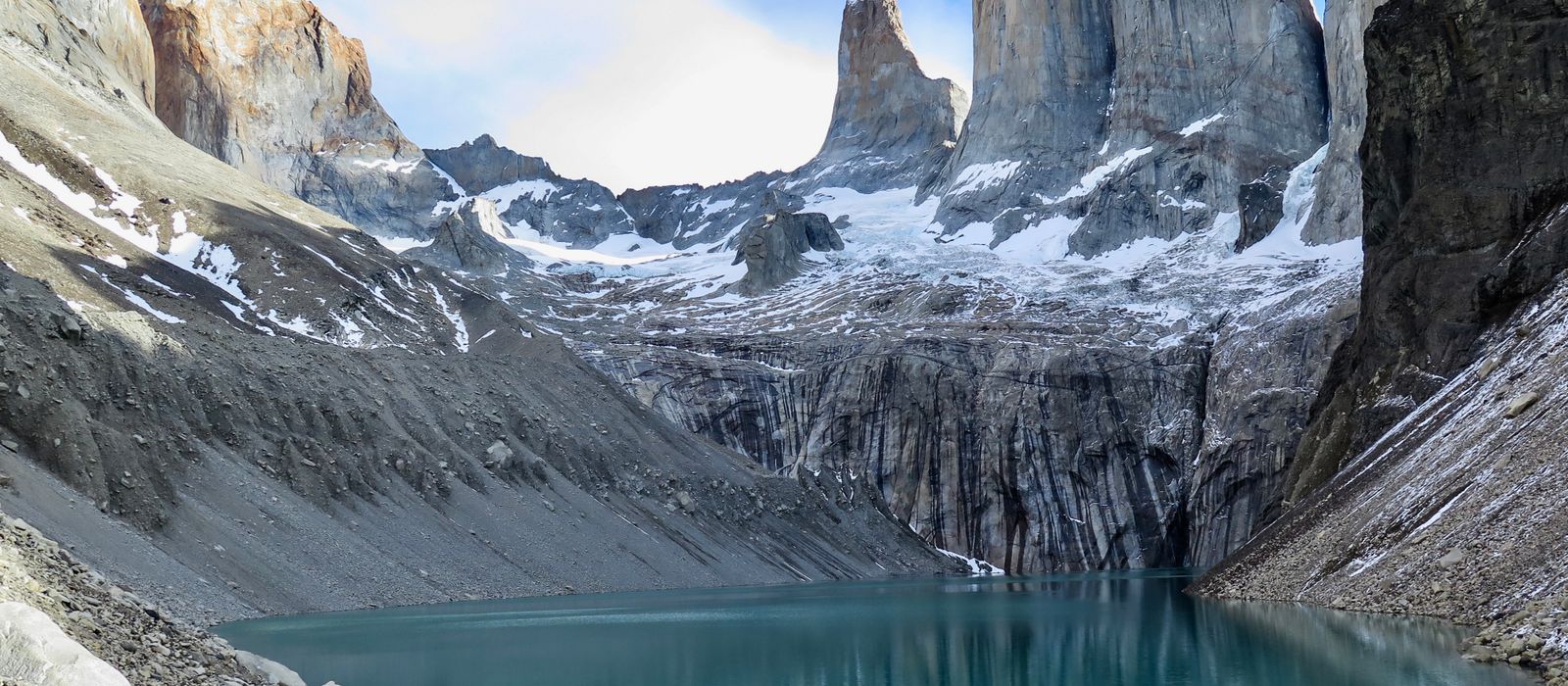
Patagonia is large enough that no single week covers it, and the regions divide cleanly between what a ship can reach and what a road can. Deciding which two or three you want is the first real planning decision, and it usually settles the rest of the itinerary on its own.
Should You Cruise Patagonia or Travel It by Land?
Do both if you can. A cruise reaches Cape Horn, the Beagle Channel glaciers and the fjords, which no road touches. Land travel reaches Torres del Paine, Perito Moreno and Fitz Roy, which no ship touches. They cover genuinely different ground, and the classic two-week Patagonia trip pairs a four-night Australis crossing with a week on land.
| By ship | By land | |
|---|---|---|
| What you reach | Cape Horn, Beagle Channel, tidewater glaciers, remote fjords | Torres del Paine, Perito Moreno, Fitz Roy, the steppe |
| Signature experience | Landing at Cape Horn; Pía Glacier from a Zodiac | The towers at sunrise; standing before Perito Moreno as it calves |
| Wildlife | Magellanic penguins, sea lions, elephant seals, dolphins | Guanacos, condors, rheas, and pumas in Torres del Paine |
| Physical demand | Low to moderate; short guided walks | Whatever you choose, from viewpoints to the multi-day W circuit |
| Weather exposure | Sheltered channels, though landings depend on conditions | Fully exposed; Patagonian wind shapes every day |
| Logistics | Simple. One embarkation, everything included | More moving parts: transfers, lodges, park entries |
| Typical length | 4-5 nights for a crossing | 5-8 days to do the main parks properly |
| Best combined as | The crossing between Ushuaia and Punta Arenas | Torres del Paine from Punta Arenas, or El Calafate from the Argentine side |
The two-week shape we build most often is a land week and a cruise leg, either side of an Antarctic voyage or as a standalone trip. Torres del Paine deserves at least three nights — the weather changes fast enough that a single day there is a lottery — and El Calafate two, which is enough for Perito Moreno and a boat on Lago Argentino.
If you only have one week, choose by what you want to stand in front of. Glaciers from the water and Cape Horn history point to the crossing; the towers at dawn and long days on foot point to land. Both are covered further in the Torres del Paine guide and combining a cruise with land travel.
What Wildlife Will You See in Patagonia?
Magellanic penguins are near-certain on the Strait of Magellan colonies at Magdalena Island. Sea lions, elephant seals and Peale's dolphins are regular on cruise itineraries. Andean condors soar over the fjords and the steppe. Guanacos are everywhere inland, and Torres del Paine is the most reliable place in the world to see wild pumas.
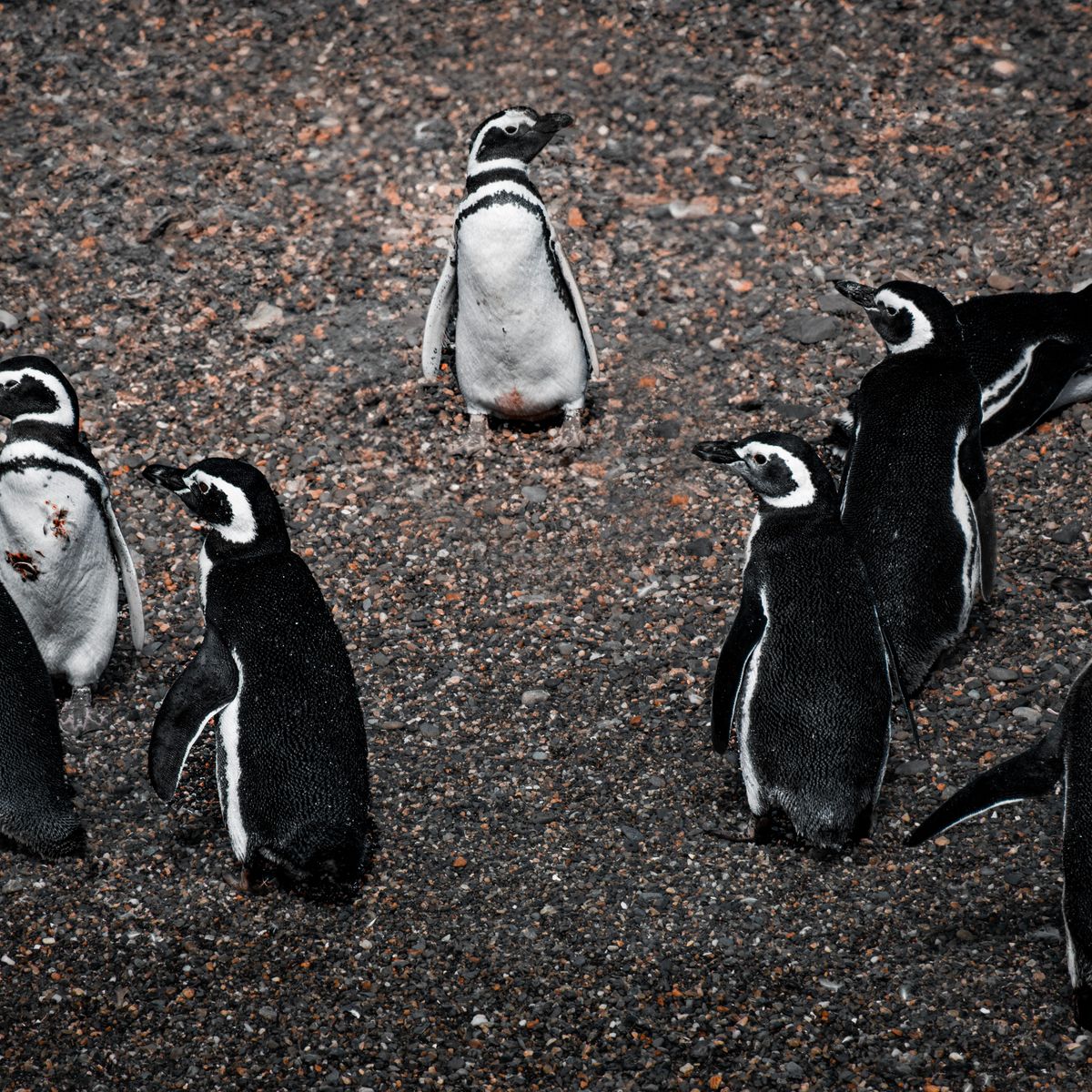
Magellanic penguins
Large breeding colonies on Magdalena Island in the Strait of Magellan, and at Seno Otway near Punta Arenas. Present roughly October to March.
King penguins
A small mainland colony at Bahía Inútil on Tierra del Fuego, the only one outside the sub-Antarctic islands, reached overland from Punta Arenas.
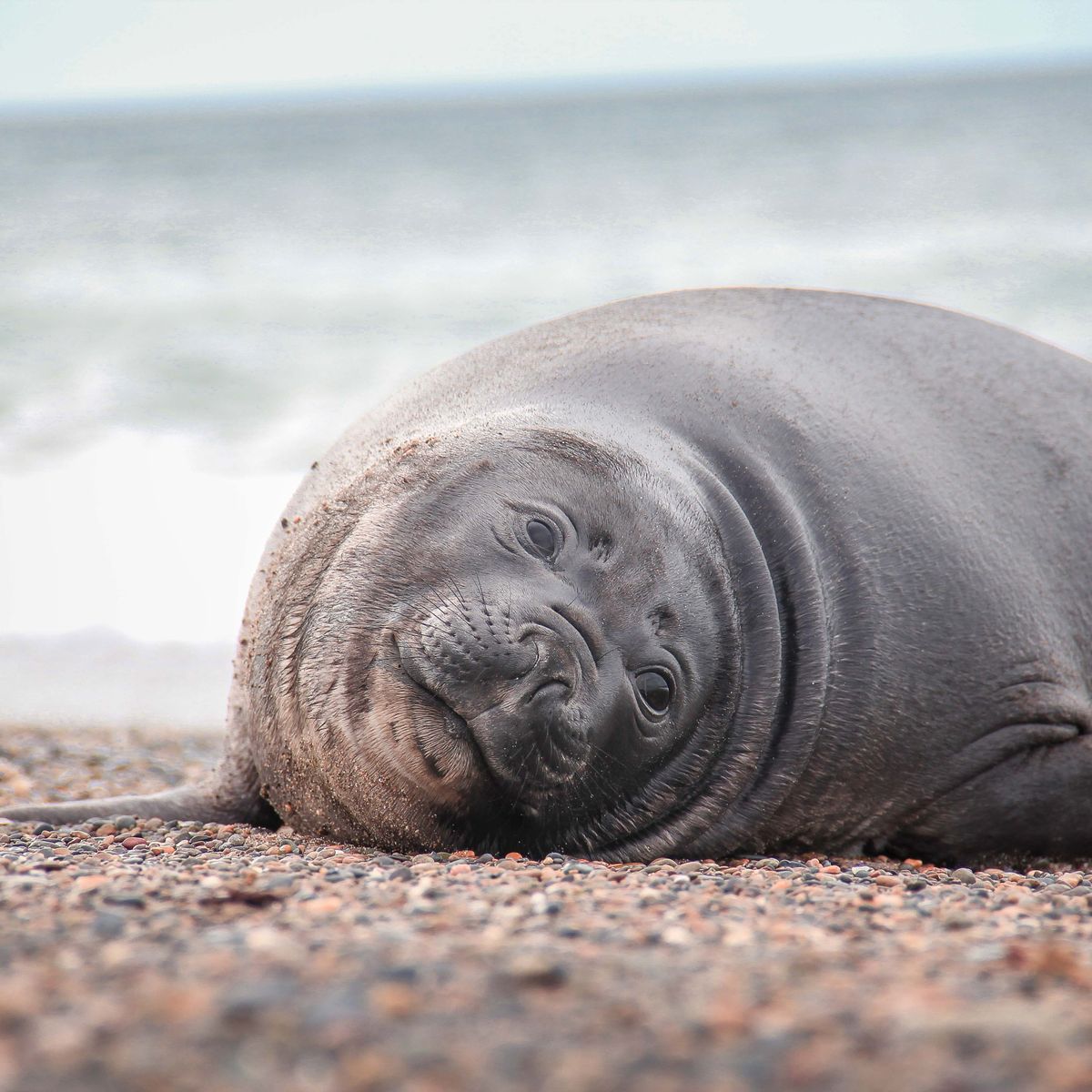
Sea lions and elephant seals
South American sea lions on the Tucker Islets and elsewhere; elephant seals near Ainsworth Bay in Alberto de Agostini National Park.
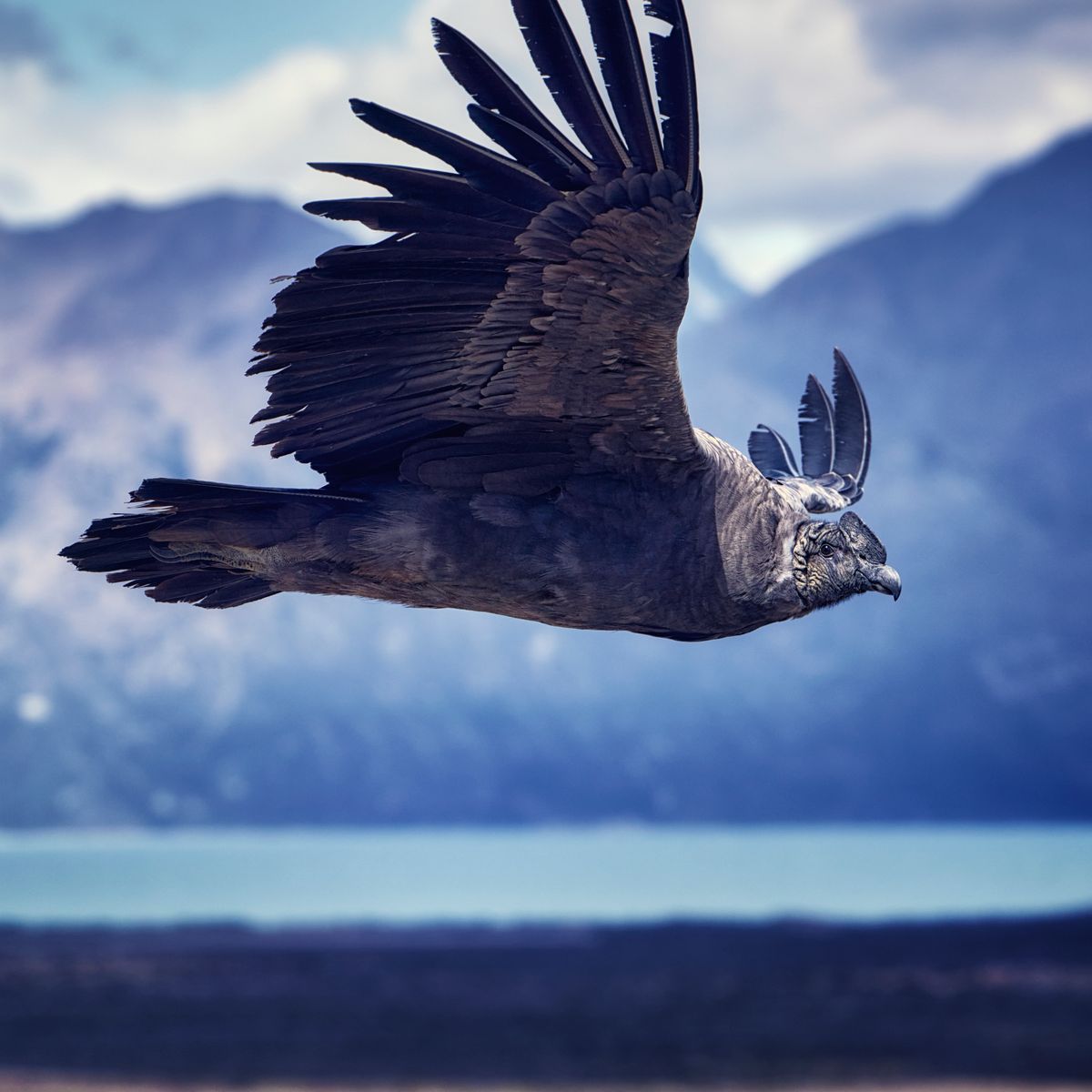
Andean condors
Among the world's largest flying birds, seen over the fjord walls and the steppe. Torres del Paine has reliable viewing sites.
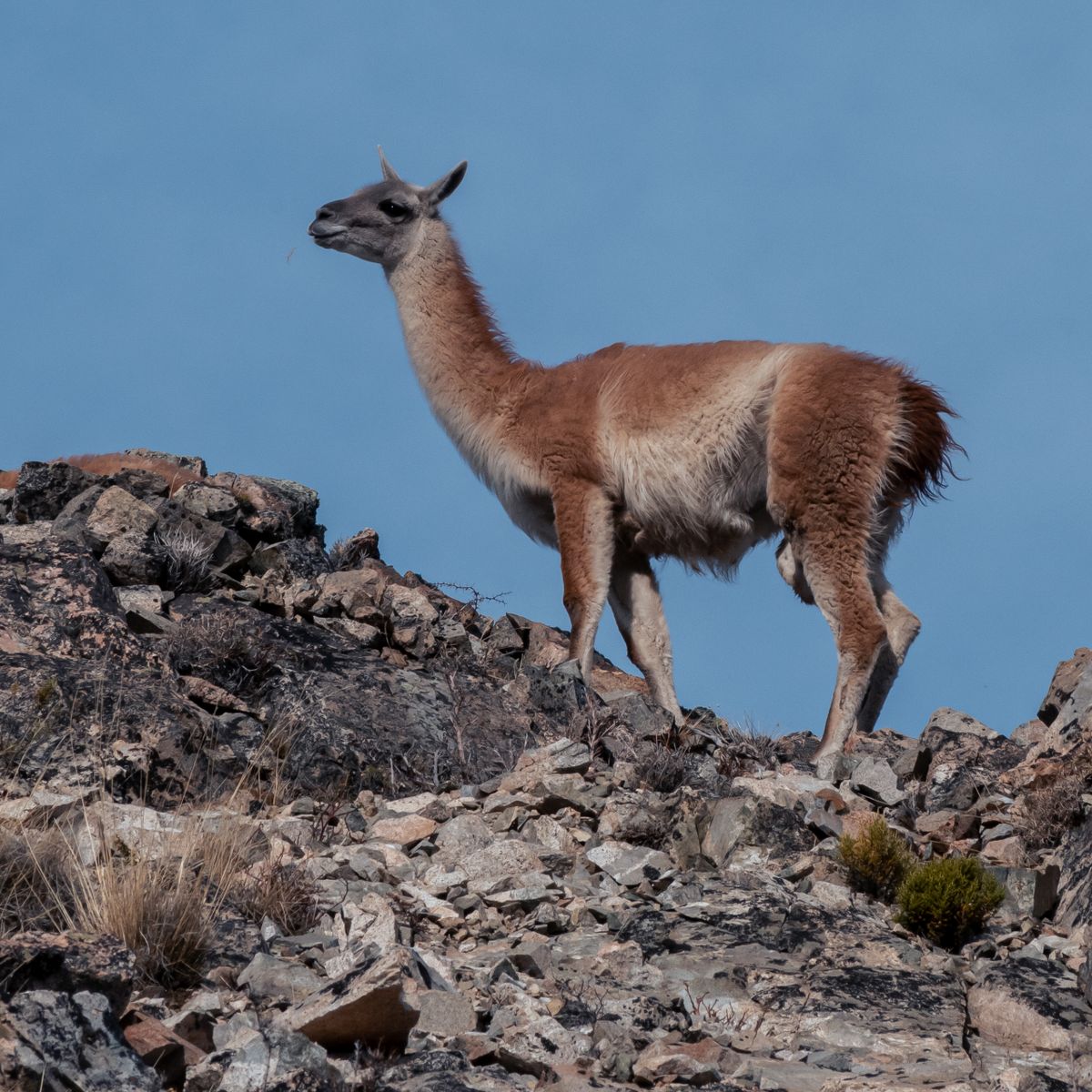
Guanacos
Wild relatives of the llama, abundant across the Patagonian steppe and Torres del Paine, where they are the pumas' main prey.
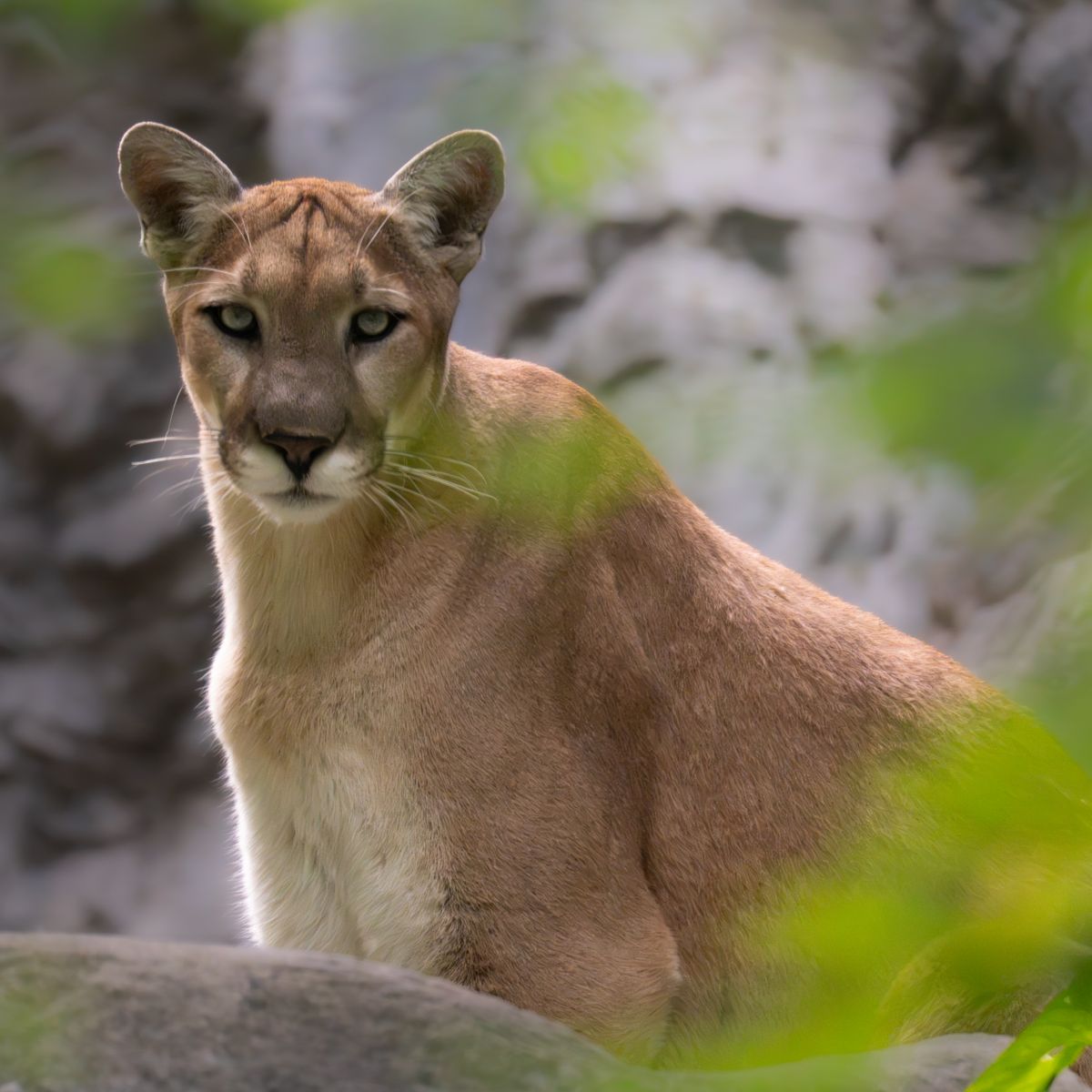
Pumas
Torres del Paine is the most reliable puma-tracking destination on Earth. Dedicated tracking trips run in the shoulder months with specialist guides.
The wildlife splits along the same line as everything else here: marine species from the ship, terrestrial species on land. Anyone whose priority is pumas or condors needs the land component. Anyone whose priority is penguins and marine mammals is well served by the crossing alone.
Set the scale honestly. This is not Antarctic density or Galápagos tameness — it is good wildlife inside a landscape that is the real spectacle. More in the Patagonia wildlife guide and puma tracking in Torres del Paine.
How Much Does a Patagonia Trip Cost?
An Australis four-night crossing typically runs $2,000 to $4,500 per person, all-inclusive. A nine to eleven day Chilean fjords expedition runs roughly $6,000 to $12,000. Scenic's ultra-luxury voyages start around $17,000 for fourteen to eighteen days and rise steeply, with Chilean fjords and Antarctica combinations well above $50,000. Land travel adds $2,500 to $6,000 for a week.
| Factor | What it means | Typical impact |
|---|---|---|
| Which operator tier | Australis, an expedition vessel, or ultra-luxury | The largest variable by far |
| Trip length | A 4-night crossing versus a 24-day luxury voyage | Roughly proportional, and then some |
| Adding Antarctica | Continuing from the Chilean fjords into the Weddell Sea | Adds substantially; these are the priciest itineraries available |
| Season | November to February peak; September, October and April lower | Meaningful swing on the same cabin |
| Cabin category | Standard versus a suite on a luxury vessel | 2x to 3x within one sailing |
| Land component | Torres del Paine or El Calafate lodging, guides and transfers | $2,500 to $6,000 per person for a week, more at the premium lodges |
| Getting there | Flights to Santiago or Buenos Aires, plus domestic legs to Punta Arenas or Ushuaia | Often $1,500 to $3,000, and shared with an Antarctic trip if combined |
| Optional extras | Helicopter and submersible experiences on Scenic; gratuities on Australis | Priced separately |
Ranges are 2026-27 planning estimates and move with season, operator and availability. We quote live fares on specific departures. More detail in what a Patagonia trip costs.
The value argument is worth stating plainly. Patagonia's entry tier is one of the most affordable expedition products we sell, and when it is added to an Antarctic trip the incremental cost is small because the long-haul flights are already paid for. That is why we raise it with almost every Antarctica client, and why so many of them are surprised nobody mentioned it earlier.
Our planning costs nothing extra; pricing matches booking direct, with Signature amenities added where available. The full breakdown is in what a Patagonia trip costs.
Already going to Antarctica? You are two days from Cape Horn.
Adding Patagonia to a polar trip is the easiest upgrade in expedition travel. Let us show you the shapes that work.
Which Patagonia Operator Should You Choose?
Australis for the Cape Horn crossing, which it has run for decades and does better than anyone. Antarctica21 for the remote northern Chilean fjords on its Magellan vessels. Scenic for ultra-luxury with helicopters and a submersible, and for the only voyages that continue from Patagonia into the Weddell Sea. Ponant and Silversea also run Patagonian itineraries within wider South American voyages.
| Operator | Ships | Typical guest count | Best for |
|---|---|---|---|
| Australis | Stella Australis, Ventus Australis | Up to 200 | The Cape Horn and Beagle Channel crossing, all-inclusive and well priced |
| Antarctica21 | Magellan Explorer, Magellan Discoverer | 70-100 | Remote Chilean fjords and genuine expedition days |
| Scenic | Scenic Eclipse, Scenic Eclipse II | 200-230 | Ultra-luxury, Polar Class 6, and Patagonia-to-Antarctica voyages |
| Ponant | Various | 180-260 | Design-led South American itineraries including Patagonian segments |
| Silversea | Various | 140-270 | Luxury expedition itineraries taking in Chilean fjords |
Guest counts vary by vessel and season. Patagonia has no expedition-cruise governing body equivalent to the polar organisations; operators work under Chilean and Argentine maritime and national park regulation. Landings at Cape Horn National Park are weather-dependent and never guaranteed.
There is a connection here our clients find useful. Antarctica21 pioneered the Antarctic fly-cruise from Punta Arenas, and the same Magellan vessels work Patagonia in the shoulder season, so a traveler can meet the fleet in both places. Scenic's Eclipse ships are the same vessels we recommend for luxury Antarctic voyages.
Chris and Erika have sailed on ten ships and toured seven more, and several of these operators appear in our polar programmes, so the comparison comes from working with them rather than from reading brochures. The wider fleet picture is on expedition cruise lines, and the vessels we know personally are on ships we've sailed.
Is Patagonia Right for You?
Patagonia suits travelers who want dramatic landscape, glaciers and real wilderness with straightforward logistics, and who are already travelling to South America. It suits you less if you need warm settled weather, want abundant large wildlife from the ship, or expect a Cape Horn landing to be guaranteed.
A good fit if you are
- Already travelling to Ushuaia or Punta Arenas for an Antarctic voyage
- Drawn to glaciers, fjords and mountains more than to concentrated wildlife
- Willing to combine a short cruise with several days on land
- Comfortable with wind as a daily fact rather than an occasional inconvenience
- Interested in the history — Magellan, Darwin, the Yámana, the Cape Horn sailing route
Probably not if you
- Need warm, settled weather; Patagonia's wind is relentless in summer
- Expect Antarctic or Galápagos wildlife density from the ship
- Would be badly disappointed by a missed Cape Horn landing
- Want a single trip with no internal flights or transfers
- Are looking for polar remoteness — Patagonia is wild, but it is not empty
The honest mismatch is expectation of Antarctic-scale wildlife. Patagonia's spectacle is landscape and history, with good but not overwhelming wildlife on the marine side. Clients whose priority is animals are usually better served by adding Torres del Paine for pumas and condors, or by putting their budget into the Antarctic leg.
If you are weighing it against other coastlines, Alaska and Norway rhyme with Patagonia in landscape terms and cost less to reach from the United States, while the Galápagos pairs naturally with it as the other great South American voyage.
How Far in Advance Should You Book Patagonia?
Book 9 to 12 months ahead for January and February, and for any Australis crossing that needs to align with a specific Antarctic departure. Torres del Paine lodging is the tightest inventory in the region and sells 12 months out for peak weeks. Shoulder months usually work at 6 months. Scenic's longer voyages and Antarctica combinations need 12 to 18 months.
The alignment problem is the real constraint. An Australis crossing runs on fixed days in fixed directions, so matching one to the front or back of an Antarctic voyage means both bookings have to be solved together. That is exactly the kind of sequencing we handle, and it is much harder to do after one of the two is already locked in.
Torres del Paine's better lodges are small and book a year ahead for January, which is often the piece that decides the shape of the whole trip.
Why Book Patagonia Through Glacial Expeditions?
Glacial Expeditions is an independent Wisconsin-based agency, an affiliate of Oasis Travel Network and a member of Signature Travel Network, serving travelers nationwide. Chris and Erika Commisso have sailed on ten ships and toured seven more and work daily with the operators serving both Patagonia and Antarctica. Our planning costs you nothing extra — pricing matches booking direct, with Signature amenities added where available.
Oasis Travel Network affiliate · Signature Travel Network member · Corporate sponsor of the Expedition Cruise Network · ExplorEarth Approved Partner
Written by your expedition advisors
Chris Commisso · Expedition Expert
Signature Travel Expert
Erika Commisso · Travel Experience Architect
CLIA Elite Cruise Counselor · ASTA Verified Travel Advisor · Signature Travel Expert
Chris and Erika have sailed ten expedition voyages and toured seven more expedition ships. Favorite explorations so far: Antarctica, Svalbard, Greenland, Iceland, Norway, Alaska, the Galápagos, the Scottish Hebrides, Churchill and French Polynesia.
Last updated . Written and reviewed by Chris Commisso, founding advisor at Glacial Expeditions, with Erika Commisso.
More about how we work on about and what clients say on reviews. We book the ships on expedition cruise lines, the vessels we know personally are on ships we've sailed, and the activities on experiences. Most Patagonia trips we plan sit alongside Antarctica; the other great South American voyage is the Galápagos. When you are ready, get in touch.
Patagonia Cruise FAQs
Can you land at Cape Horn?
Sometimes. Australis attempts a landing at Cape Horn National Park on every crossing, but it depends entirely on weather and sea conditions, and it is frequently not possible. No operator guarantees it. Treat the landing as a bonus on a voyage that is worthwhile regardless of whether you set foot there.
Should I add Patagonia to my Antarctica trip?
Almost always yes. You are already flying to Ushuaia or Punta Arenas, which is the expensive and difficult part. Adding four to seven days costs far less than a separate trip later and builds a buffer against flight delays, which is the most common way people miss their Antarctic ship.
How long is the Australis Cape Horn crossing?
Four nights one way between Ushuaia and Punta Arenas, or eight nights as a round trip. Note that boarding is in the evening on day one and arrival is early morning on the last day, so a five-day itinerary gives you roughly three and a half days of actual touring.
Do you need a visa for Chile or Argentina?
US passport holders do not currently need a visa for short tourist stays in either country, though requirements change and reciprocity fees have come and gone. Your passport must be valid well beyond your return. A Patagonia cruise usually crosses between the two countries, so bring it regardless.
When is the best time to visit Patagonia?
September to April, with November to February the peak for weather and daylight. March and April are our frequent recommendation: the wind eases, the beech forests turn red and gold, and crowds thin. Winter, May to August, sees most cruises and many trekking routes suspended.
Is Patagonia windy?
Famously and relentlessly, particularly from November to January. It is a genuine factor in planning rather than a footnote — it affects trekking comfort and can make Zodiac landings marginal. The wind typically eases into March and April, which is one reason we favour autumn.
Can you see penguins in Patagonia?
Yes. Magellanic penguins breed in large colonies at Magdalena Island in the Strait of Magellan and at Seno Otway near Punta Arenas, roughly October to March. There is also a small king penguin colony at Bahía Inútil on Tierra del Fuego, reached overland rather than by ship.
Do I need to trek to enjoy Torres del Paine?
No. The park's best-known viewpoints are reachable by vehicle and short walks, and wildlife viewing for guanacos and condors requires no hiking at all. The multi-day W and O circuits are optional, and many of our clients see the park comfortably from a lodge base.
Can you see pumas in Patagonia?
Torres del Paine is the most reliable place in the world to see wild pumas. Dedicated tracking trips run with specialist guides, typically in the shoulder months when the cats are more active in daylight. Sightings are likely on a multi-day tracking trip but never promised.
How does Patagonia compare to Alaska or Norway?
All three are fjord-and-glacier coastlines, and the landscapes rhyme. Patagonia adds Cape Horn, the Magellan and Darwin history, and the option to continue to Antarctica. It is also the only one of the three where the land component — Torres del Paine and Perito Moreno — rivals the cruise.
Patagonia Planning Guides
Australis, expedition or luxury
The three tiers of Patagonia cruising, ship by ship.
The Cape Horn crossing explained
Four nights between Ushuaia and Punta Arenas, stop by stop.
Combining Patagonia and Antarctica
The shapes that work around a polar departure, and how to sequence them.
Torres del Paine guide
The towers, the W circuit, and seeing the park without trekking.
El Calafate and Perito Moreno
One of the few advancing glaciers anywhere, and how to see it.
The Chilean fjords and Aysén
The remote northern coast, reached by expedition ship rather than road.
Combining a cruise with land travel
The two-week shape that covers both halves of Patagonia.
When to visit Patagonia
September to April, month by month, and why we favour autumn.
What a Patagonia trip costs
Fare ranges by tier, land costs, and where the money goes.
Patagonia wildlife guide
Penguins, condors, guanacos and marine mammals, and where to find them.
Puma tracking in Torres del Paine
How tracking trips work, when to go, and what to expect.
Patagonia packing list
Dressing for wind, rain and sun in the same afternoon.
New to this style of travel? Start with What is an expedition cruise?