


Patagonia packing at a glance
- The priority
- Windproof, not thickest
- Shell
- Fully waterproof jacket and over-trousers
- Base layers
- 2 to 3 sets merino or synthetic, no cotton
- Mid layer
- Packable down or fleece
- Boots ashore
- Tall rubber boots, usually ship-issued
- Boots on trail
- Waterproof ankle-high, broken in
- Bag weight
- Watch the domestic flight limits
What Is the One Thing to Get Right?
Wind. Patagonian summer temperatures are mild — often 12 to 20°C — but the wind is relentless and it strips heat out of anything porous. A genuinely windproof and waterproof outer shell, jacket and over-trousers, does more for your comfort than any amount of extra insulation underneath it.
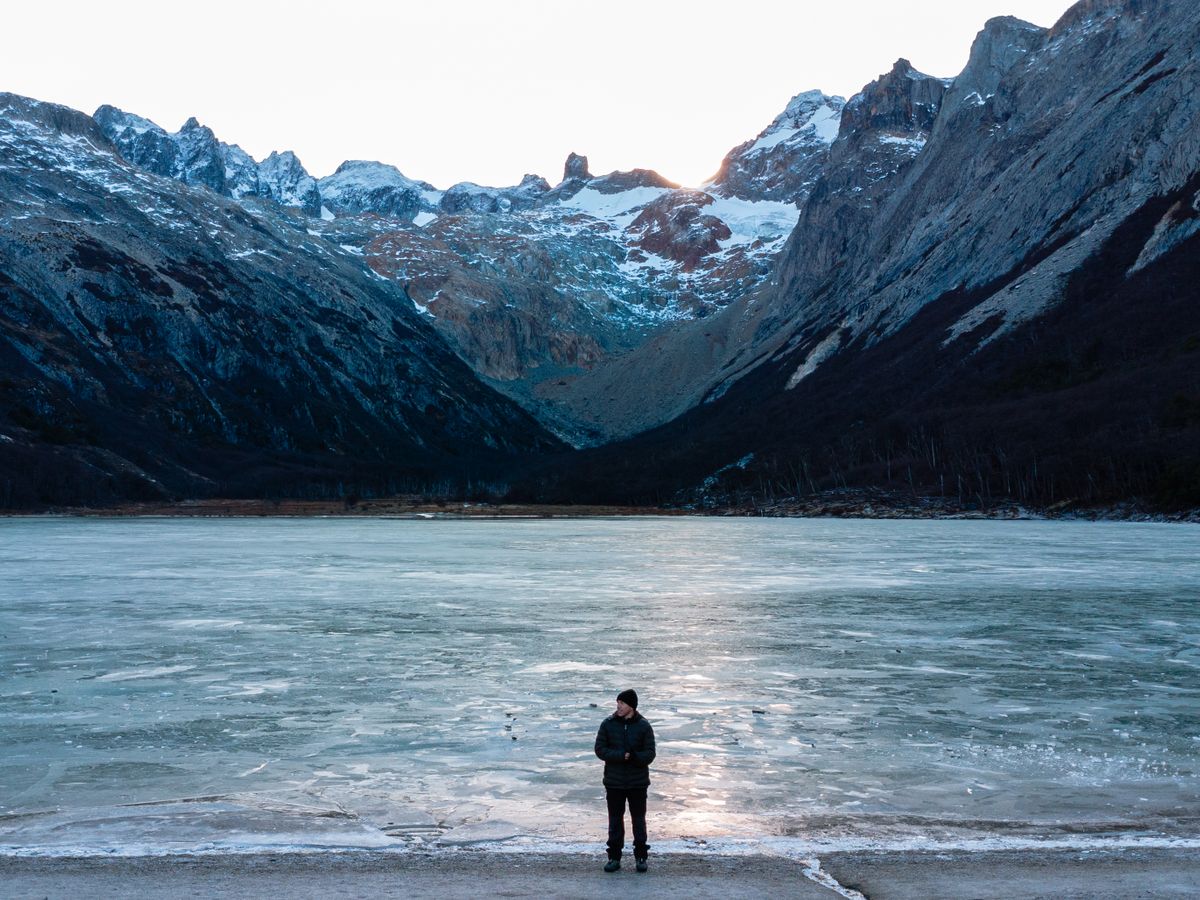
This is the single most common packing mistake we see on this region. Travellers prepare as though for Antarctica, arrive with heavy insulation and a water-resistant softshell, and find that the softshell lets the wind straight through while the insulation cooks them on the walk in.
Water-resistant is not waterproof and it is not windproof. On this trip that distinction is the whole ballgame.
How Should You Layer for Patagonia?
Three layers, adjusted constantly. Merino or synthetic base layers next to the skin, never cotton. A packable down jacket or fleece as the mid layer, which comes on and off several times a day. A waterproof, windproof shell over the top that stays on whether or not it is raining.
Patagonia genuinely does deliver several kinds of weather in a day, so the useful test of a kit is not how warm it is but how fast you can change its warmth. Full-length zips, easy pockets, gloves you can remove without stopping.
Bring two or three base-layer sets rather than one, because laundry on a four-night expedition ship is not a given.
What Exactly Should You Pack?
A waterproof windproof shell and over-trousers; two to three merino base layer sets; a packable down or fleece mid layer; waterproof ankle-high hiking boots; tall rubber boots for wet landings, usually issued by the ship; a fleece hat, buff and windproof gloves with liners; sunglasses; and a dry bag for cameras.

| Item | What to look for | Why |
|---|---|---|
| Outer shell: jacket and over-trousers | Fully waterproof and windproof, taped seams, hood that stays put | Patagonian gusts go straight through water-resistant fabric; this is the layer that decides your comfort |
| Base layers, 2 to 3 sets | Merino wool or performance synthetic. No cotton | Moves moisture off the skin so you do not chill when you stop walking |
| Mid layer | Packable down jacket or polar fleece | The layer that comes off and on repeatedly as weather and effort change |
| Tall rubber boots | Usually issued by the expedition ship; confirm sizing before departure | Wet Zodiac landings, and serviceable for walking on soft or wet ground |
| Hiking boots | Waterproof, ankle-high, deep tread, broken in before you travel | Needed for real trail days in Torres del Paine; not needed for a fjords-only voyage |
| Head, neck and hands | Fleece hat, buff, windproof gloves plus thin touchscreen liners | Wind exposure is concentrated at the extremities and on deck |
| Extras | Trekking poles with rubber tips, sunglasses, high-SPF sunscreen, dry bag | Trail stability, glare off water and ice, and keeping cameras alive in spray |
Confirm what your specific ship issues before buying boots or a parka.
Trekking poles with rubber tips are genuinely useful on the park trails and take up almost no space. Sun protection matters more than people expect at this latitude, particularly on the water and on ice.
Do You Need Two Pairs of Boots?
Usually you can get away with fewer than you think. Expedition ships issue tall rubber boots for wet Zodiac landings, and a good tall rubber boot will handle a fair amount of walking on soft or wet ground. If the trip includes serious trail days in Torres del Paine, add proper waterproof ankle-high hiking boots.
This is our own observation from polar voyages rather than something we read: a high-quality tall rubber boot doubles as a hiking boot far better than most people assume. On landing days with a few kilometres of walking over tundra, moraine or beach, we have often not wanted anything else, and the boot that keeps you dry stepping out of a Zodiac is the boot you already have on.
Where that stops working is the long, steep, rocky trail day. The base of the towers is not a rubber-boot walk. So the honest answer for a land-and-sea trip is: ship boots for the marine days, real hiking boots for the park days, and nothing in between.
What Do Travellers Bring That They Don't Need?
Too much insulation, too many clothes, and formal wear. Almost everyone overpacks for expedition travel, and Patagonia punishes it twice: once on the domestic flights with tight baggage limits, and again in a small cabin with limited storage. Bring layers you will actually cycle through, not options.
Our standing example comes from East Greenland in July, where Erika hiked in shorts and a long-sleeved shirt — on a voyage everyone had packed for as though it were mid-winter. Expedition weather is frequently milder than the brochure photographs suggest, and being able to shed layers matters as much as having them.
Patagonia is windier rather than colder than the polar trips, so shift the budget accordingly: spend on the shell, not on the parka. Our Greenland packing list and Alaska packing list work through the same logic in colder and wetter conditions respectively.
Is This List Based on Your Own Trips?
Partly, and it is worth being precise. We have not been to Patagonia — not the Chilean fjords, not Torres del Paine, not Perito Moreno. The boot advice and the overpacking advice come directly from our own expedition voyages elsewhere, where the ground conditions and Zodiac routine are the same.
What is specific to Patagonia here — the emphasis on wind over cold, the trail-day boot requirement, the domestic baggage limits — comes from operator guidance and from what our clients report back after the trip.
See where we've been for the full boundary of our own experience, and when to cruise Patagonia for how the month you choose changes the wind you are packing against.
Patagonia packing questions
What should you pack for a Patagonia cruise?
A fully waterproof and windproof shell jacket and over-trousers, two to three merino base-layer sets, a packable down or fleece mid layer, waterproof hiking boots, a hat, buff and windproof gloves, sunglasses and a dry bag. Ships usually issue tall rubber boots.
Is Patagonia cold?
Less cold than most people expect. Summer days often run 12 to 20°C. The problem is wind, which strips heat through anything that is not properly windproof, so the shell layer matters more than heavy insulation.
Do you need hiking boots in Patagonia?
For trail days in Torres del Paine, yes: waterproof, ankle-high and broken in. For a fjords-only expedition cruise, the ship's tall rubber boots handle wet landings and a fair amount of walking.
Can you wear rubber boots for hiking in Patagonia?
For soft or wet ground on expedition landings, a good tall rubber boot works well and saves carrying a second pair. For long, steep, rocky trails such as the base of the towers, use proper hiking boots.
Does the ship provide a parka in Patagonia?
It varies. Antarctic voyages usually include a parka; short fjord expeditions often do not. Confirm with the operator before buying, and prioritise a windproof shell over a heavy parka either way.