

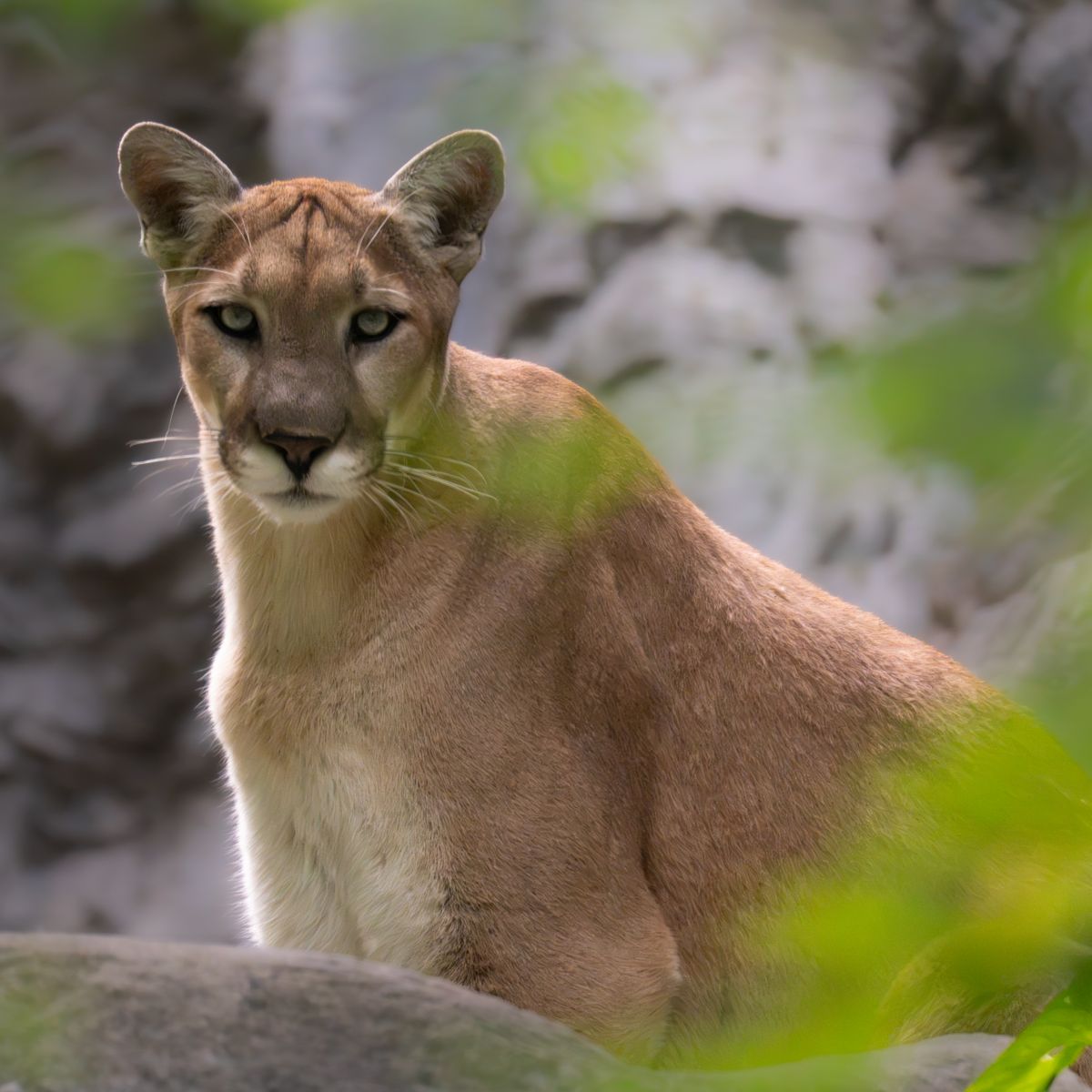
Puma tracking at a glance
- Species
- Puma concolor, southern subspecies
- Where
- Torres del Paine and bordering estancias
- Best months
- March to May, and again in spring
- Tracking hours
- First and last light
- Minimum distance
- At least 50 m, further if the cat moves
- Lens
- 400 mm to 600 mm for photography
- Typical stay
- 3 to 4 days for a fair chance
What Are the Rules When You Find a Puma?
Keep at least 50 metres and more if the animal is hunting or has cubs. Stay in a single, slow-moving group so the cat always has an obvious escape route. Never move to cut off its path, never separate a mother from cubs, never bait or call, and use a long lens instead of closing the distance. Follow your guide without negotiation.
| Rule | The standard | Why it matters |
|---|---|---|
| Minimum distance | At least 50 metres, and further if the cat is hunting, feeding or has cubs | Prevents interrupting a hunt or a mother-cub interaction, which the animal pays for and you do not |
| Group movement | Move slowly, stay together in single file, never surround the animal or block its line of retreat | A cat with an obvious escape route stays relaxed; a cornered one does not |
| Photography | 400 mm to 600 mm telephoto lenses; no flash, no drones, no calling or baiting | Gets the frame-filling image without closing the distance the animal is tolerating |
| Guide authority | Follow the tracker's instruction immediately, including the instruction to withdraw | The tracker is reading behaviour you cannot yet see, and the withdrawal call is the one that keeps the tolerance intact |
Protocols vary slightly between operators and private estancias. The distances above are the floor, not the target.
This section is first on the page deliberately. The pumas around Laguna Amarga tolerate vehicles and people at a distance because they have not been hunted there for years and because visitors have, on the whole, behaved. That tolerance is a conservation achievement and it is fragile: a cat that learns to associate people with disturbance stops hunting where it can be watched, and a cat that learns to associate people with food becomes a cat that gets shot.
Tolerance is also not tameness. These are large ambush predators with cubs to defend, and every reported incident involves a person who approached, ran, or got between an animal and its escape route.
The same reasoning underlies our whole approach to wildlife encounters, on land and from a ship: responsible travel sets it out.
Does Patagonia Really Have the Highest Puma Density on Earth?
It is widely claimed and we cannot confirm it. Torres del Paine and the neighbouring estancias hold one of the highest reported puma densities anywhere, but a 2022 review found that published puma density estimates are inconsistently derived and often biased, which makes global rankings unreliable. The honest statement is: exceptionally dense, and the best place to look.
The review, in Global Ecology and Conservation, examined the methods behind puma density figures across the species' range and called for standardisation before such estimates are compared 1. Work in this specific area has since compared two experimental counting methods precisely because the numbers here are hard to pin down 2.
What is not in doubt is the practical point for a traveller. Protected land, a very large guanaco prey base and habituated cats combine to make this the most reliable wild puma viewing in the world, whatever the ranking turns out to be.
How Does a Guided Tracking Day Work?
Out before dawn with a specialist tracker, working known territories by vehicle and on foot. Trackers read fresh prints, scat, kills and the alarm behaviour of guanaco, and they work a radio network with other trackers. When a cat is found, the group approaches slowly to a set distance and then stays still.

Most of the day is spent not looking at a puma. You are looking at ground, at ridgelines and at guanaco, and the guanaco are the most useful instrument you have: a herd that has locked onto something at 300 metres has told you more than an hour of scanning.
Sessions run at first and last light because that is when the cats move. The middle of the day is generally spent back at the lodge.
When Is the Best Time to Track Pumas?
Autumn, March to May, is the strongest window: mothers are hunting hard for growing cubs, the vegetation has thinned, the light is low and gold, and there are far fewer visitors. Late spring is the second choice. Tracking runs year-round because the cats are resident.
Autumn also happens to be when Patagonia's wind drops off, which makes long hours in the open considerably more pleasant. When to cruise Patagonia covers the same seasonal pattern for the marine side of a trip.
How Likely Are You Actually to See One?
Good over several days, poor in one. Operators in this area report sightings on the large majority of multi-day trips, which is why the standard product is a three or four day stay with two tracking sessions a day. A single morning is a genuine gamble, and nobody honest will guarantee it.
Be wary of any operator quoting a percentage. Sighting rates depend on the season, the specific territories a tracker can access, and whether a particular female is denning that month.
A four-day stay also lets you use the park properly rather than only its cats: Torres del Paine covers the hiking, and Patagonia wildlife the guanaco, condors and coastal species around it.
Have You Tracked Pumas Yourselves?
No. We have not tracked pumas, and neither of us has been to Torres del Paine or to any of the estancias where this tracking happens. This page is built on operator practice, park guidance and published research, not on our own field days, and we would rather be plain about that.
Our own wildlife experience is polar and marine: polar bears from a ship in Svalbard and around Churchill, whales in Alaska and Norway, penguin colonies on the Antarctic Peninsula. The reason we are firm about distance rules here is that the same principle governs every one of those encounters — the animal decides how close it gets, not you.
See where we've been for the full boundary of our firsthand experience.
Puma tracking questions
Where is the best place to see wild pumas?
Torres del Paine National Park in Chile and the private estancias bordering it, particularly around Laguna Amarga. Protected land, a very large guanaco prey base and cats that tolerate people at a distance make it the most reliable wild puma viewing anywhere.
Does Torres del Paine have the highest puma density in the world?
It is often stated, but it cannot be verified. A 2022 review found puma density estimates are inconsistently derived across studies, so global comparisons are unreliable. The area holds one of the highest reported densities, and is the best place to look.
How close can you get to a puma in Patagonia?
No closer than 50 metres, and further if the animal is hunting, feeding or with cubs. Never approach, never block its escape route, and use a long lens instead of closing the distance.
Are Patagonian pumas dangerous to visitors?
Attacks are extremely rare and the cats around Torres del Paine tolerate people at a distance because they are not hunted there. That tolerance depends on visitors keeping their distance; it is not tameness.
What month is best for puma tracking?
March to May. Mothers are hunting hard for growing cubs, vegetation has thinned, light is low and gold, wind has dropped, and visitor numbers are far lower than in peak summer.