


Patagonia wildlife at a glance
- Season
- October to April for the migratory species
- Penguins
- Magellanic, October to March
- Near-certain
- Guanaco, condors, cormorants, upland geese
- Marine mammals
- Elephant seals, sea lions, small dolphins
- Peak puma window
- March to May
- Lens for Zodiacs
- 70-200 mm or 100-400 mm
What Wildlife Can You Expect to See in Patagonia?
On the steppe: guanaco herds, Andean condors, upland geese, caracaras, rheas and, with a guide and some patience, pumas. In the channels and on the coast: Magellanic penguin colonies, southern elephant seals, South American sea lions, imperial cormorants, and Commerson's and Peale's dolphins.
The split matters when you are choosing an itinerary. A fjord expedition delivers the marine and coastal species and almost none of the steppe ones. A lodge stay in Torres del Paine delivers the reverse.
Nothing here is dangerous to a well-behaved visitor, and everything here is easier to see if you are quiet and slow. How we think about that is on responsible travel.
Where and When Do You Find Each Species?
Guanaco, condors and pumas are year-round residents of the steppe and the park. Magellanic penguins are present October to March, on islands including Isla Magdalena and the Tucker Islets. Elephant seals haul out on glacial moraine beaches such as Ainsworth Bay. Small dolphins ride ship wakes October to April.
| Species | Where to look | Season | What you are watching |
|---|---|---|---|
| Puma | Torres del Paine and bordering estancias, especially around Laguna Amarga | Year-round, peak March to May | The apex land predator, hunting guanaco across open steppe at first and last light |
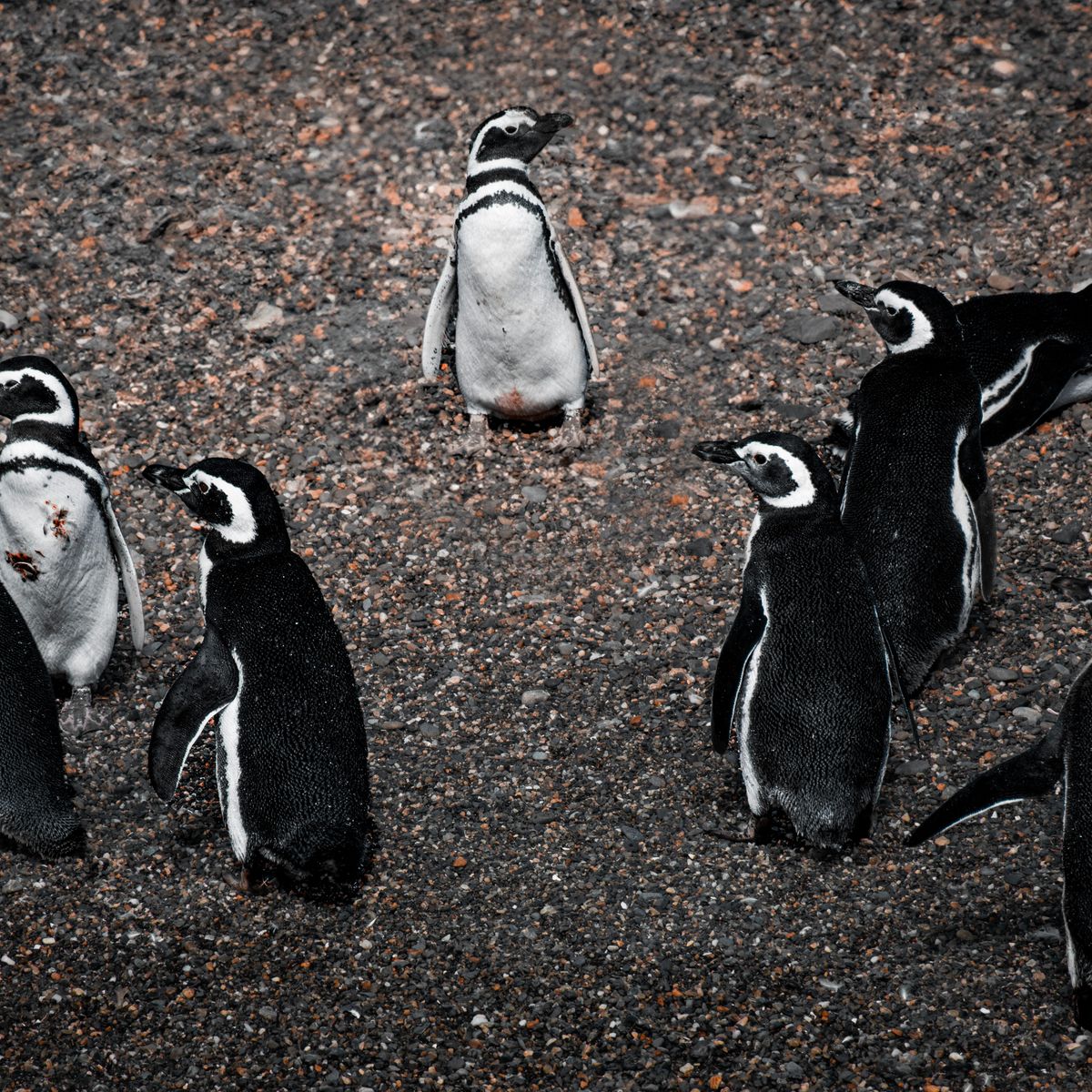
| Magellanic penguin | Isla Magdalena, Tucker Islets and other island colonies | October to March | Large breeding colonies nesting in underground burrows on coastal islands |
| Southern elephant seal | Ainsworth Bay and beaches in Tierra del Fuego | October to March | Bulls and harems hauled out on glacial moraine beaches |
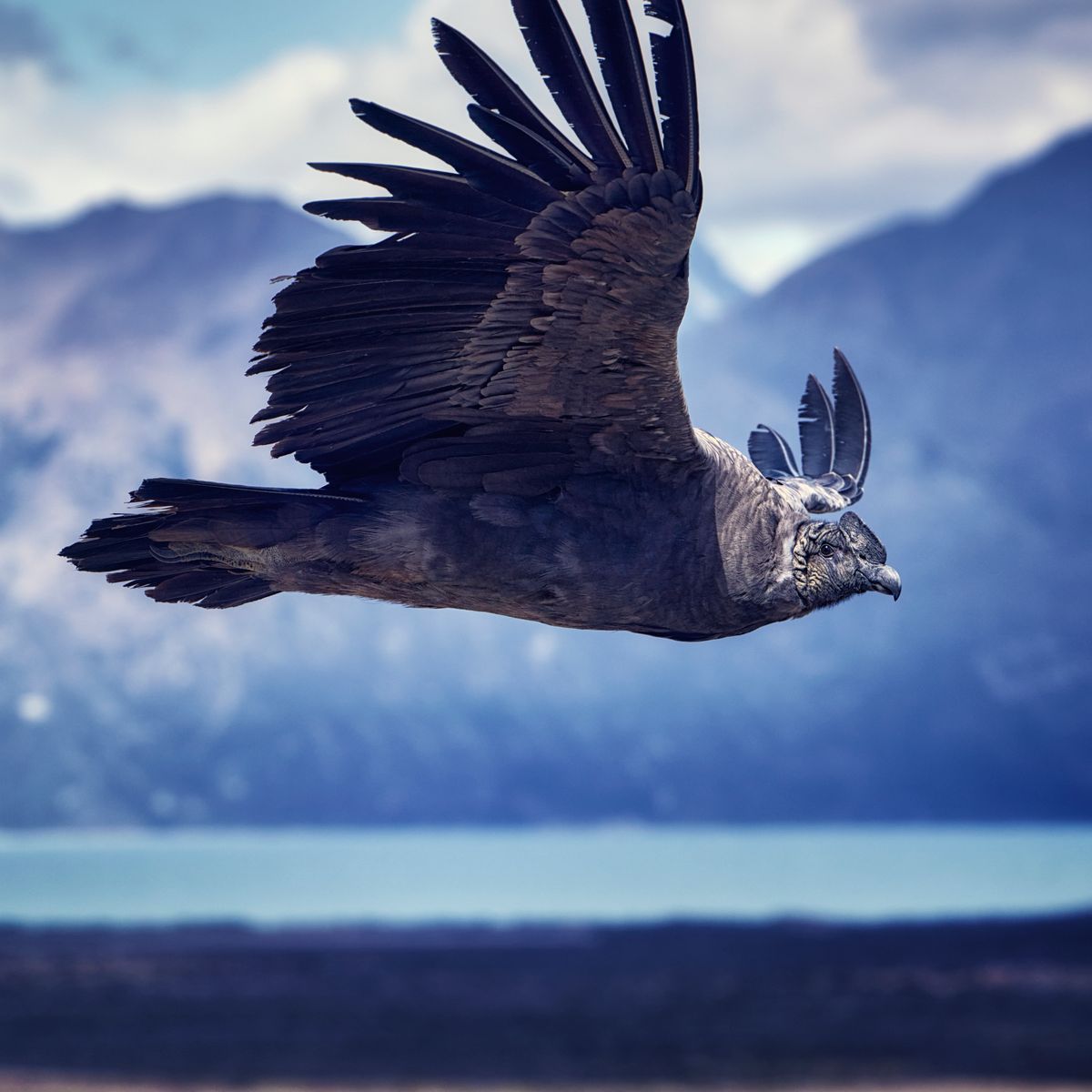
| Andean condor | Ridgelines and cliffs on the steppe, including around Cerro Dorotea | Year-round | Very large scavengers riding mountain updrafts, wingspans approaching three metres |
| Guanaco | Torres del Paine steppe and Tierra del Fuego | Year-round | Native wild camelids grazing in herds; the alarm calls that reveal a hunting puma |
| Commerson's and Peale's dolphins | Strait of Magellan and the Beagle Channel | October to April | Small, fast dolphins bow-riding ship wakes in coastal channels |
| South American sea lion | Rocky islets in the eastern Beagle Channel, off Ushuaia | Year-round | Noisy haul-outs shared with imperial cormorants |
Resident species can be seen in any month. The migratory species set the shape of the season.
The migratory arithmetic is simple: come between October and March and you get the penguin colonies as well as everything resident. Come in late autumn and you trade the penguins for the best puma tracking and the beech forest turning red.
Which Penguins Are in Patagonia, and How Do You See Them?
Magellanic penguins, which nest in underground burrows rather than on open ground. They arrive at colonies from October, hatch chicks in December and begin fledging by late March. The main sites are island colonies in the Strait of Magellan and the Beagle Channel, reached by Zodiac or small boat.
The Tucker Islets hold thousands of breeding pairs alongside imperial cormorants, and are a shore or Zodiac call on many fjord itineraries. King penguins can also be seen at a single small colony on Tierra del Fuego, which is a land excursion rather than a ship landing.
Because the nests are burrows, the walking rules at these colonies are strict: stay on the marked route, because ground that looks empty is not. The Chilean fjords covers where these calls fall on a voyage.
Can You See Pumas Without a Dedicated Tracking Trip?
Occasionally, but do not plan on it. Pumas move at first and last light, in specific territories, and finding them reliably takes a tracker who knows those territories and works a radio network. A hiking holiday in the park may produce a sighting; a tracking stay usually does.
If pumas are the reason for the trip, the trip needs to be built around them: three or four days, two sessions a day, and an operator with estancia access. Puma tracking in Patagonia sets out how those days work and, more importantly, the field protocols that keep the cats tolerant of people in the first place.
What Should You Bring to Photograph It?
Two focal lengths cover almost everything. A 70-200 mm or 100-400 mm zoom handles Zodiac work on dolphins, cormorants and penguin colonies, where subjects are close and moving. For pumas and condors you want 400 mm to 600 mm, because closing the distance is not an option.
Zodiac photography is a wet, unstable business. Fast shutter speeds, a lens hood against spray, and a dry bag matter more than resolution. Our Patagonia packing list covers the gear side.
What of This Have You Seen Yourselves?
Only at the eastern edge of the region. In December 2024 we took a boat tour on the Beagle Channel out of Ushuaia: South American sea lion colonies, imperial cormorant rocks and the Les Eclaireurs lighthouse. We have not sailed the Chilean fjords, and we have not been to Torres del Paine, the estancias or Perito Moreno. We have not tracked pumas.
So the steppe species on this page — guanaco herds, condors on the updrafts, pumas — are not ours to describe from experience, and we will not pretend otherwise.
What we do have is a great deal of time with polar and sub-polar wildlife from small ships: penguin colonies on the Antarctic Peninsula across two voyages, polar bears in Svalbard and around Churchill, whales in Alaska and Norway. That is what shapes our advice about lenses, patience and distance.
See where we've been for the full boundary.
Patagonia wildlife questions
What animals will you see in Patagonia?
Guanaco, Andean condors, upland geese and caracaras on the steppe, and Magellanic penguins, southern elephant seals, sea lions, imperial cormorants and small dolphins along the coast and channels. Pumas are present but need a guide to find.
When is the best time for wildlife in Patagonia?
October to March for penguin colonies, elephant seals and dolphins. March to May for pumas, autumn colour and far fewer people. Guanaco and condors are there in any month.
Are there penguins in Patagonia?
Yes. Magellanic penguins breed in burrows on island colonies in the Strait of Magellan and Beagle Channel from October, with chicks in December and fledging by late March.
Can you see whales in Patagonia?
Humpbacks are seen in the Francisco Coloane marine park in the Strait of Magellan in summer, but Patagonia is not primarily a whale destination. Small dolphins are far more consistently seen from expedition ships.
How close can you get to wildlife in Patagonia?
Follow your guide and keep well back: at least 50 metres from pumas and further if cubs are present, and on the marked route at penguin colonies because the nests are underground burrows.