


Combination voyages at a glance
- Typical length
- 14 to 24 nights for a continuous voyage
- Shared ports
- Ushuaia, Argentina and Punta Arenas, Chile
- Best structure
- One ship, one continuous itinerary where possible
- Fly option
- Punta Arenas to King George Island, skipping the Drake
- Season
- November to March, when both regions overlap
- Buffer night
- We build in at least one, always
- Our fee
- None. Pricing matches booking direct
Why Combine Patagonia and Antarctica?
Because the flights are the expensive, tiring part and both regions leave from the same corner of the map. Adding a fjord voyage to an Antarctic expedition uses the days you would otherwise spend recovering from travel, and it gives you temperate rainforest glaciers and a polar ice sheet in one trip.
The contrast is the real argument. A glacier in Alberto de Agostini National Park comes down through beech forest into water that supports elephant seals and dolphins. Four days later the same ship is among tabular icebergs on the Antarctic Peninsula. Seeing both in sequence teaches you more about ice than either does alone.
The counter-argument is fatigue. Three weeks of expedition days is a lot, and not everyone wants it. If you would rather do one thing properly, do Antarctica properly — our Antarctica guide sets out that trip on its own terms.
What Combination Routes Exist?
Three shapes. A continuous long voyage from Valparaiso or Santiago south through the fjords, around Cape Horn and across the Drake, running 18 to 24 days. A shorter pairing of a four-night Tierra del Fuego cruise with a 10 to 12 night Peninsula itinerary. Or a land stay in Torres del Paine with a fly-cruise from Punta Arenas.
| Route shape | Typical length | How it works | Main trade-off |
|---|---|---|---|
| Continuous grand voyage | 18 to 24 days | One ship from Valparaiso or Santiago south through the fjords, around Cape Horn and across the Drake to the Peninsula | Highest cost and the longest calendar commitment; no transfer risk |
| Two-segment pairing | 14 to 18 days | A 4-night Tierra del Fuego cruise plus a 10 to 12 night Peninsula itinerary, often on different ships | A Punta Arenas to Ushuaia transfer between segments; needs a buffer night |
| Land plus fly-cruise | 12 to 16 days | Lodge stay or trek in Torres del Paine, then a flight from Punta Arenas to King George Island | Skips the Drake and its seabirds; flights are weather-cancellable |
Fares for the longer combinations sit at the top of our Patagonia ranges. See our cost guide for the figures.
The continuous voyage is the cleanest and the rarest. One ship, one embarkation, no transfers, no risk of a missed connection between segments — and the price and the calendar to match.
The two-segment pairing is far more common and needs care. Segments on different ships mean a transfer between Punta Arenas and Ushuaia, and that transfer is where combinations go wrong. Build a night into it.
What Should You Know About the Ushuaia End?
Ushuaia is the practical hinge of almost every combination, and we have been through it twice. It is a small, steep working port at the end of a long flight chain from Buenos Aires, and embarkation days are busy. We always build in at least one buffer night before sailing, and we have never regretted it.
The reason is simple arithmetic about baggage and weather. If a Buenos Aires connection slips and you have no buffer, you are not late for a hotel, you are watching your ship leave. With a night in hand, a delayed bag has time to catch up and you board rested rather than frantic.
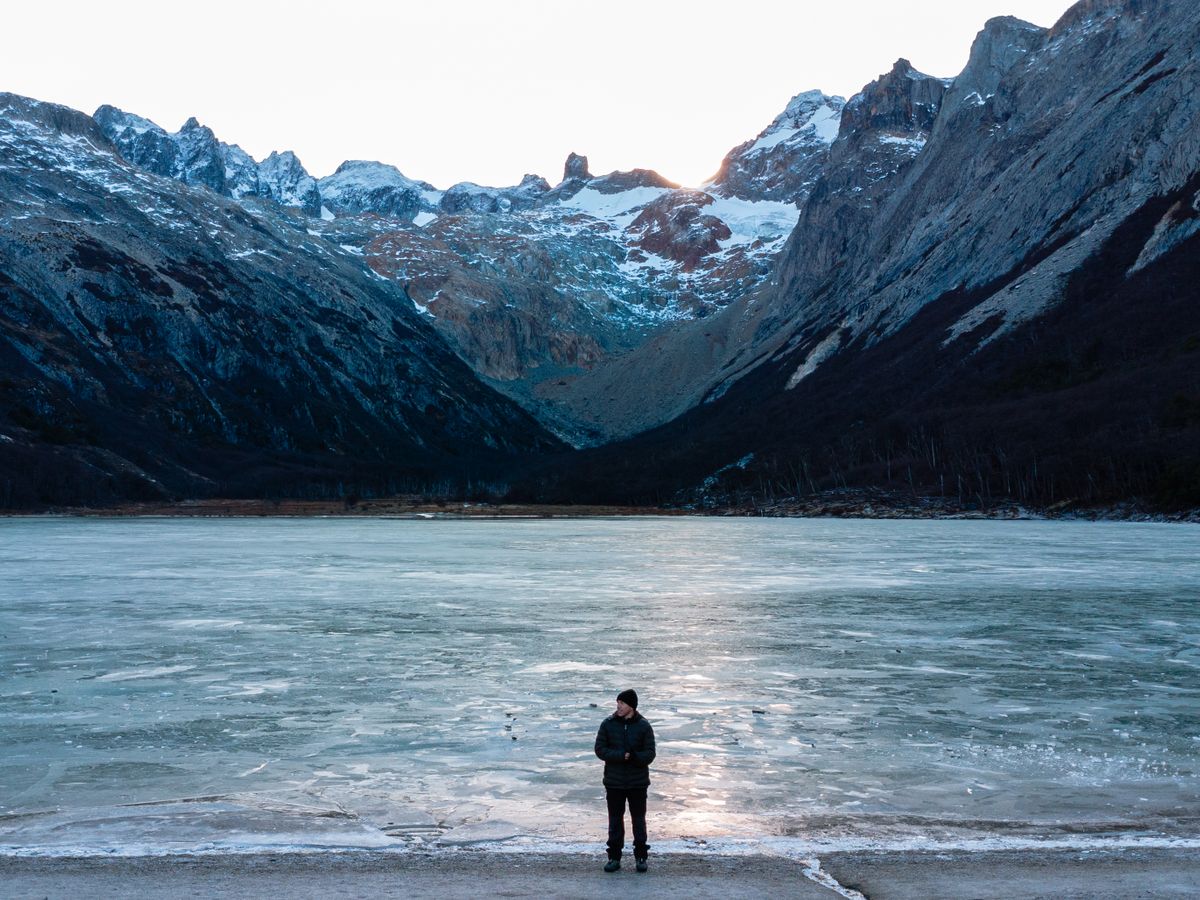
The town itself is worth the buffer day on its own. On our December 2024 trip we took a boat tour out on the Beagle Channel — sea lion colonies, cormorants on the rocks, the Les Eclaireurs lighthouse — and spent the rest of the day in town. That is the eastern, Argentine end of the Beagle. It is not the Chilean fjords, and we would not pretend otherwise.
What Is the Drake Passage Crossing Actually Like?
Two days each way across roughly 600 miles of open ocean, and genuinely variable. We have crossed twice in both directions. Modern stabilised expedition ships handle it far better than the reputation suggests, and the crossing days are filled with lectures, bird watching from the deck and getting your gear sorted.
Both of our crossings were manageable, but that is luck as much as anything, and we tell clients to prepare for the rougher version. Bring the medication, start it before you sail rather than after you feel it, and pick a cabin mid-ship and low if you are prone.
The compensation is the seabirds. Albatross and petrels follow the ship for hours across the passage, and a stern deck on a Drake day is one of the best places in the world to watch birds fly.
Our two crossings are written up in full in the Greg Mortimer Antarctica journal and the World Navigator Antarctica journal.
Do Combination Voyages Land at Cape Horn?
Fjord segments often include a Cape Horn call before the ship heads into open water, which is one of the better arguments for the combination — a dedicated Antarctic itinerary from Ushuaia usually passes the Horn without stopping. As always, the landing depends on swell and Chilean Navy clearance on the day.
So if standing on the Horn matters to you, the fjord segment is where that happens, not the Antarctic one. Our Cape Horn guide covers what the landing involves and why it is never promised.
Which Ships Do These Voyages?
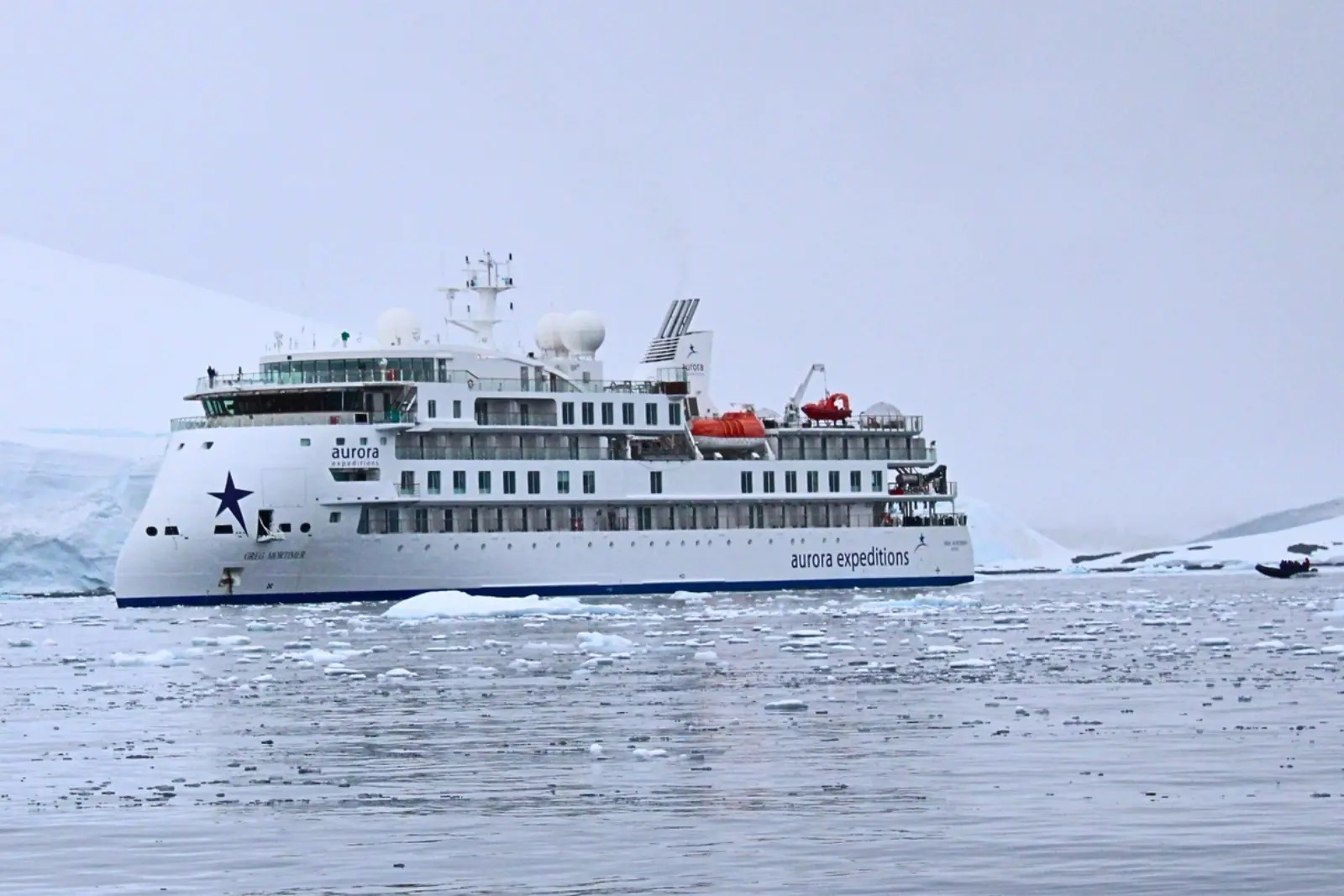
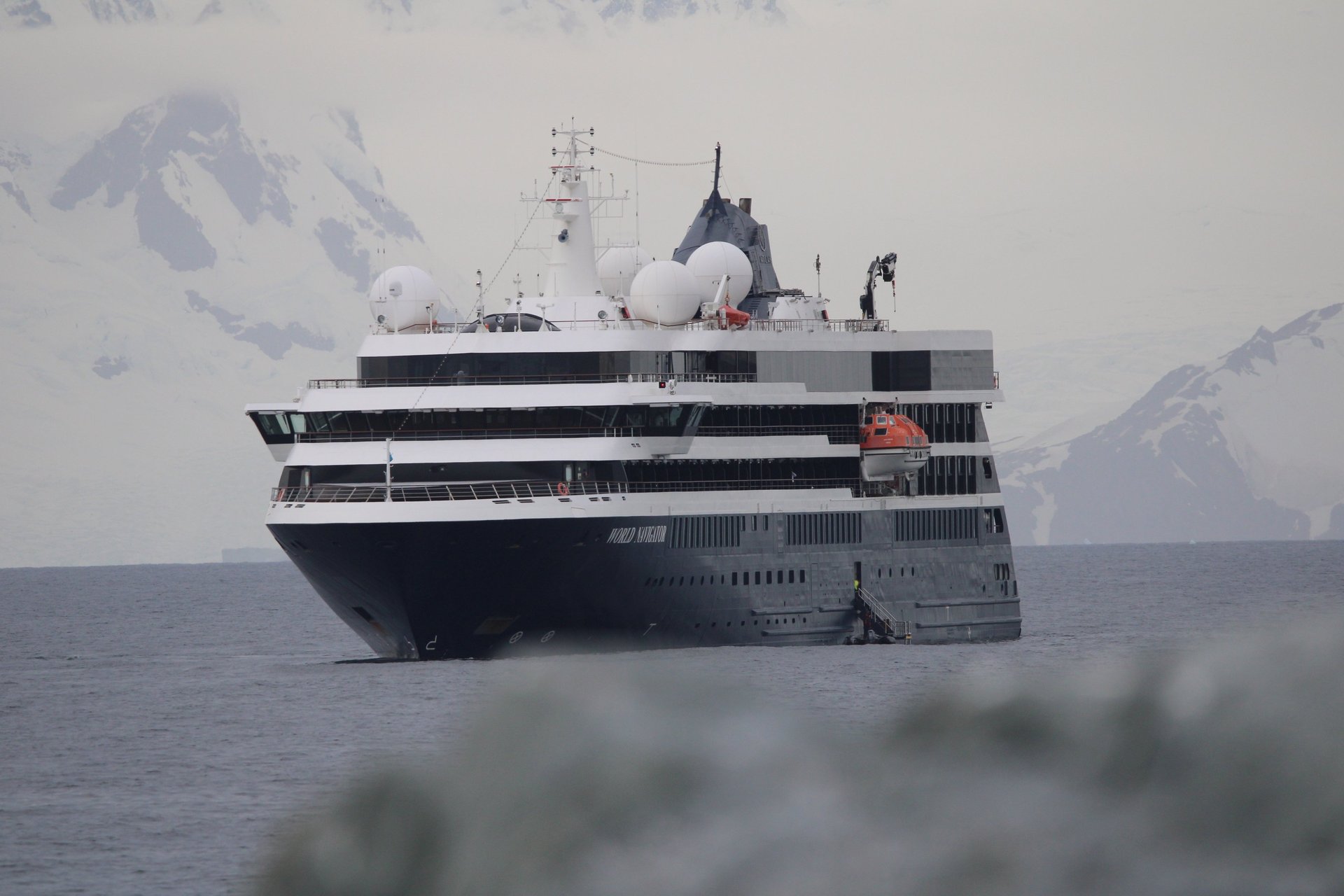
Ice-strengthened expedition vessels of roughly 100 to 200 guests, since the same hull has to handle narrow Chilean channels and Antarctic pack ice. We have sailed two of them to the Peninsula from Ushuaia: Aurora Expeditions' Greg Mortimer in December 2024 and Atlas Ocean Voyages' World Navigator in February 2024.
Both reviews set out what the ships are actually like to live on for a fortnight, which matters more on a three-week combination than on a one-week trip: Greg Mortimer and World Navigator.
Note the trade-off in ice class. A vessel built for heavy Antarctic ice may be less nimble in shallow fjord arms than a purpose-built Chilean fjord ship, which is part of why some combinations use two vessels rather than one.
Have You Done This Combination Yourselves?
Not as a combination. We have done the Antarctic half twice from Ushuaia and crossed the Drake twice, and we have been in Ushuaia and on the eastern Beagle Channel. We have not sailed the Chilean fjords, landed at Cape Horn, or visited Torres del Paine, Perito Moreno or El Calafate.
That means the Antarctic and Ushuaia logistics on this page are firsthand, and the Patagonian half is planning knowledge — operator itineraries, the published record and client debriefs. We think that distinction is worth stating on every page rather than blurring it.
Everything we have and have not done is listed on where we've been.
Combination voyage questions
Can you visit Patagonia and Antarctica on the same trip?
Yes. Both regions are reached through Ushuaia and Punta Arenas, and voyages of 14 to 24 days combine Chilean fjord cruising with an Antarctic Peninsula expedition, either continuously on one ship or as two linked segments.
How long do you need for a Patagonia and Antarctica combination?
Plan on at least two weeks and preferably three. A continuous grand voyage runs 18 to 24 days; a two-segment pairing runs 14 to 18 days plus buffer nights and flights.
Should you fly the Drake or sail it?
Sailing gives you two days of albatross and petrels and no flight-cancellation risk; flying from Punta Arenas saves four days at sea. We have crossed twice by ship and both crossings were manageable, but prepare for the rougher version.
Do you need a buffer night in Ushuaia?
Yes. We build in at least one on every Antarctic embarkation. A slipped connection from Buenos Aires without a buffer means watching your ship leave without you.
Do combination voyages land at Cape Horn?
The fjord segment often includes a Cape Horn call, unlike a standard Antarctic itinerary from Ushuaia. The landing still depends on swell and Chilean Navy clearance that morning.
Related reading
Antarctica expedition cruises
The Peninsula half of the combination, on its own terms.
Journal: Antarctica aboard Greg Mortimer
December 2024, Ushuaia and two Drake crossings.
Journal: Antarctica aboard World Navigator
February 2024, late-season Peninsula.
The Chilean fjords
What the Patagonian half of the voyage covers.
What Patagonia costs
Where combination fares sit against fjord-only voyages.