
Experiences
The Polar Plunge on an Expedition Cruise.
Optional, over in seconds, and genuinely uncomfortable — which is most of the point.
The polar plunge is a brief, optional jump into near-freezing water, usually off a submerged Zodiac platform with a safety line and crew standing by, followed by a fast return to a warm robe or a sauna. It is entirely voluntary, over in seconds, and not something everyone should attempt — people with heart conditions in particular should ask a doctor first.
What it was like for us.
We've done it four times, across three regions, and it has never felt the same way twice. In Skjoldungen Fjord in Southeast Greenland we plunged in tandem, which is genuinely easier than going in alone — there's someone else committed at the same moment, which helps. A Zodiac sat alongside with a submerged platform on it, so we climbed out on steps rather than hauling ourselves over a tube, and the cold hit somewhere between stepping off the platform and surfacing, a full-body shock that's gone within a few seconds but that you feel in your chest before you feel it anywhere else.
We also plunged a second time in Greenland and once in Antarctica, and both times the water felt colder going in than the previous one, which we're fairly sure is expectation rather than temperature. In Svalbard we waded rather than jumped — the water there was shallow enough at the entry point that going in properly meant walking it out step by step, which is its own kind of unpleasant, arguably worse than a single jump because there's more time to reconsider with each step.
The Antarctic one was at Deception Island, inside the flooded volcanic caldera you reach by sailing through Neptune's Bellows, the narrow gap in the cliffs. A large portion of the passengers went in, along with several of the crew, which changes the feel of it entirely. It was not comfortable — but it was the thing everyone was talking about afterwards. That day is in our World Navigator journal entry.
The sauna afterward is the part nobody photographs and everybody remembers. On the National Geographic Resolution it's on Deck 6, a short walk from where you climb back aboard, and it is the best few minutes of the day.
What does a polar plunge involve?
You sign a waiver, put on a swimsuit under a robe, and queue on deck or on a Zodiac. Crew help you into the water — usually via a submerged platform on a Zodiac rather than a straight drop over the ship's rail — and you're out again within seconds, wrapped in a towel and hurried toward warmth.
What's provided?
The ship provides the safety setup: a lifeline, crew in the water or on the platform, a doctor or nurse nearby, and warm towels and often a certificate afterward. Some ships add a specific warm-water rinse or a dedicated recovery space right at the exit point.
What does it require of you, and who shouldn't do it?
Nothing more than the nerve to do it and the good sense to skip it if you have a heart condition, uncontrolled blood pressure, or anything else that makes sudden cold-water immersion risky. The ship's doctor will usually say the same thing at the briefing: this is optional, and it is fine to watch instead.
Not everyone should. Sudden immersion in near-freezing water raises blood pressure and heart rate sharply, and that matters most for anyone with a cardiac condition, uncontrolled high blood pressure, or a history of stroke. It is worth a conversation with your own doctor before the trip if any of that applies to you, not a decision to make for the first time on deck. There's no obligation to do it, and plenty of people watch from the rail instead and enjoy it just as much.
Which regions offer it?
Offered wherever the water is cold enough to make the point — Antarctica, the Arctic, Svalbard and Greenland are the common settings, generally timed to a calm-water day rather than a rough one.
How the expedition lines run it.
The plunge itself doesn't vary much, but how it's run — platform versus rail, sauna versus towels alone — does.
| Line | How it's run |
|---|---|
| Lindblad Expeditions | Runs the plunge from a Zodiac with a submerged platform rather than over the ship's rail, with crew in the water and a sauna close by for the walk back. |
| Quark Expeditions | A standard part of most Antarctic and Arctic voyages, timed to a sheltered anchorage with the ship's doctor on hand. |
| Aurora Expeditions | Offered from the ship or from a Zodiac depending on conditions, with a warm sauna and hot drinks immediately after on the X-Bow ships. |
| HX | A regular fixture on Svalbard and Antarctic sailings, generally scheduled for a calm day rather than a set itinerary point. |
More on the plunge.
Read the full log of nine days in Southeast Greenland aboard the National Geographic Resolution, where the Skjoldungen Fjord plunge happened, or see the ship itself: National Geographic Resolution.
Recovery afterward is a good deal more pleasant with wellness and spa facilities aboard, and the plunge is often bundled into the same shore day as Zodiac cruising. Back to all experiences.
Written by your expedition advisor
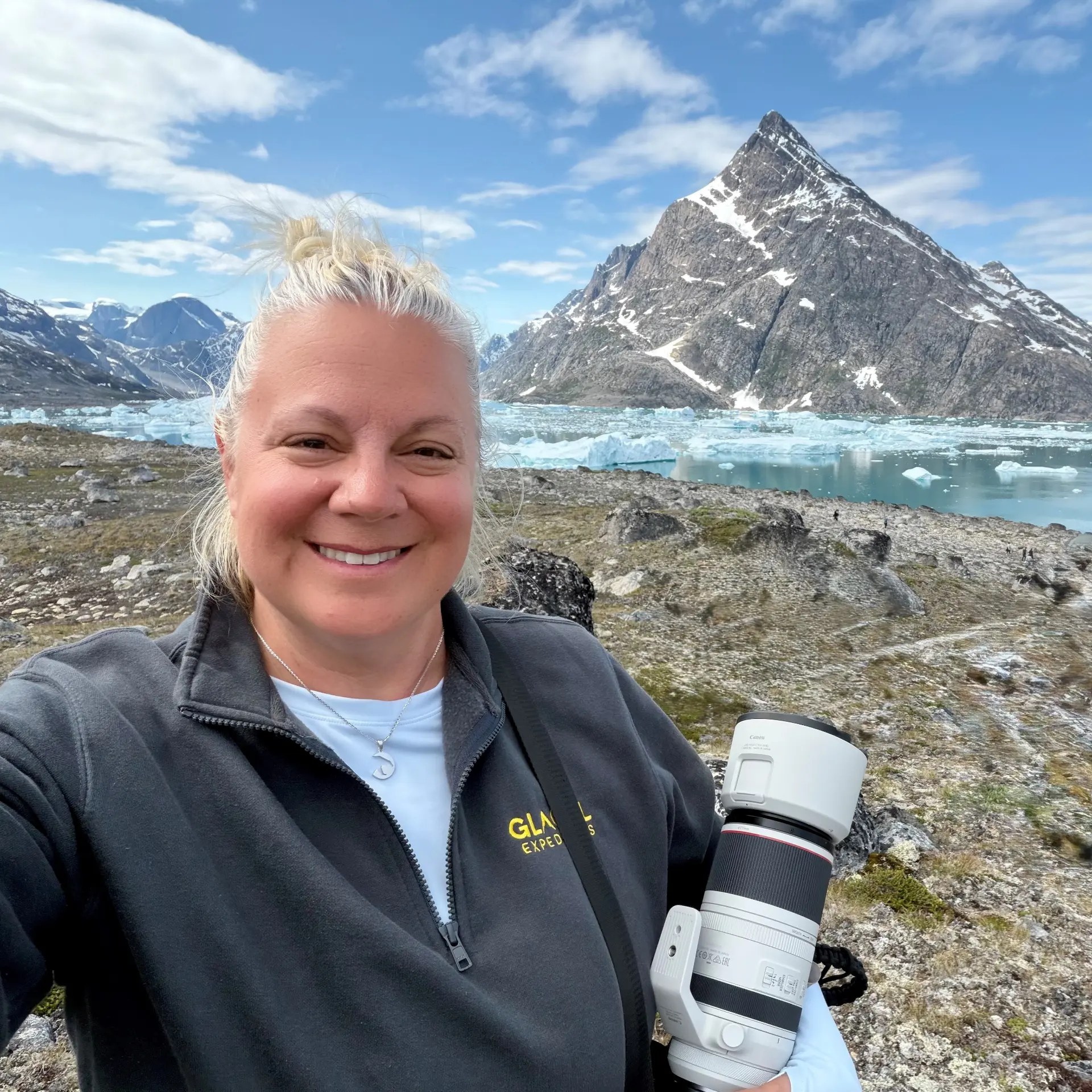
Erika Commisso · Travel Experience Architect
CLIA Elite Cruise Counselor · ASTA Verified Travel Advisor · Signature Travel Expert
Chris and Erika have sailed ten expedition voyages and toured seven more expedition ships. Favorite explorations so far: Antarctica, Svalbard, Greenland, Iceland, Norway, Alaska, the Galápagos, the Scottish Hebrides, Churchill and French Polynesia.
Last updated .
From our journal
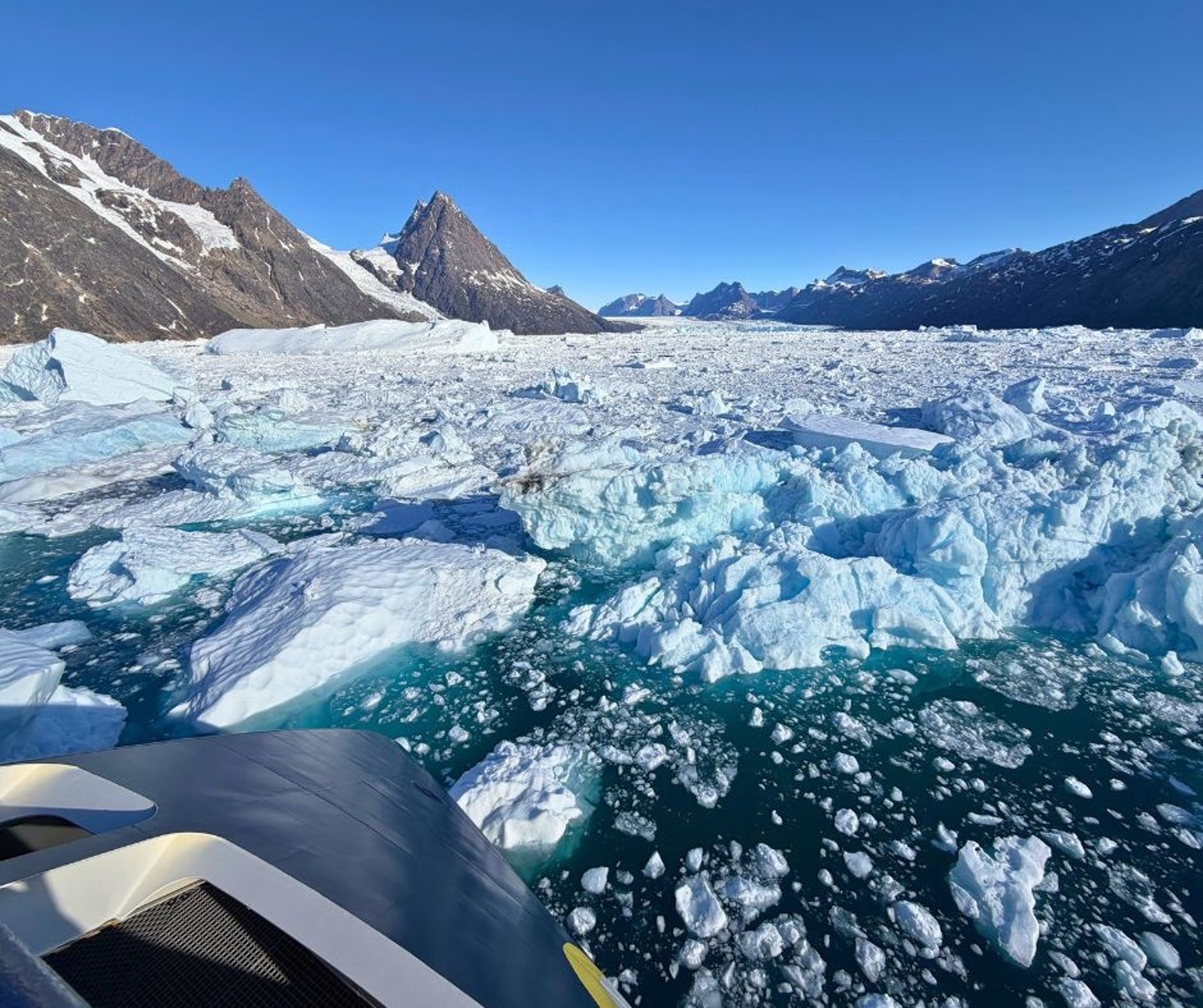
Ten Days in Southeast Greenland Aboard the National Geographic Resolution
5–14 July 2026 · Lindblad Expeditions
In July 2026 we sailed Lindblad's National Geographic Resolution round trip from Reykjavík on a new itinerary into the fjords of Southeast Greenland, some of them mapped as we sailed. We saw three polar bears, four sperm whales and about thirty pilot whales. A guest's medical emergency sent us north to Kulusuk, and gave us an unplanned day in Tasiilaq.
Deciding whether the plunge is for you?
Tell us about any health considerations when you book and we'll flag what to ask the ship's doctor.
Request a Quote