

Part of our Cruise Lines guide →
Aurora at a glance
- Style
- Intimate, activity-led expedition cruising with immersive learning and a strong environmental ethos.
- Ship size
- Just 132 guests per ship (154 on Douglas Mawson) — small enough for narrow channels and landings big ships can't reach.
- Signature ships
- Greg Mortimer, Sylvia Earle, and Douglas Mawson — all purpose-built with the Ulstein X-BOW.
- Signature features
- Citizen science programs, rapid Zodiac boarding platforms, onboard mudrooms, and wellness centers with gym, sauna and ocean-view Jacuzzis.
- Where they sail
- Antarctica, South Georgia, Svalbard, the Northwest Passage, Greenland, Iceland, Norway, Oceania, Southeast Asia — and East Antarctica aboard Douglas Mawson.
- Best for
- Curious, active travelers who want small groups, deep enrichment and meaningful exploration over formality.
A pioneer of small-ship expedition cruising
When you sail with Aurora Expeditions, you're joining a community of curious travelers led by expert teams who care deeply about meaningful exploration. Founded in 1991 by Australian climbers Greg and Margaret Mortimer, Aurora pioneered the modern small-ship expedition model.
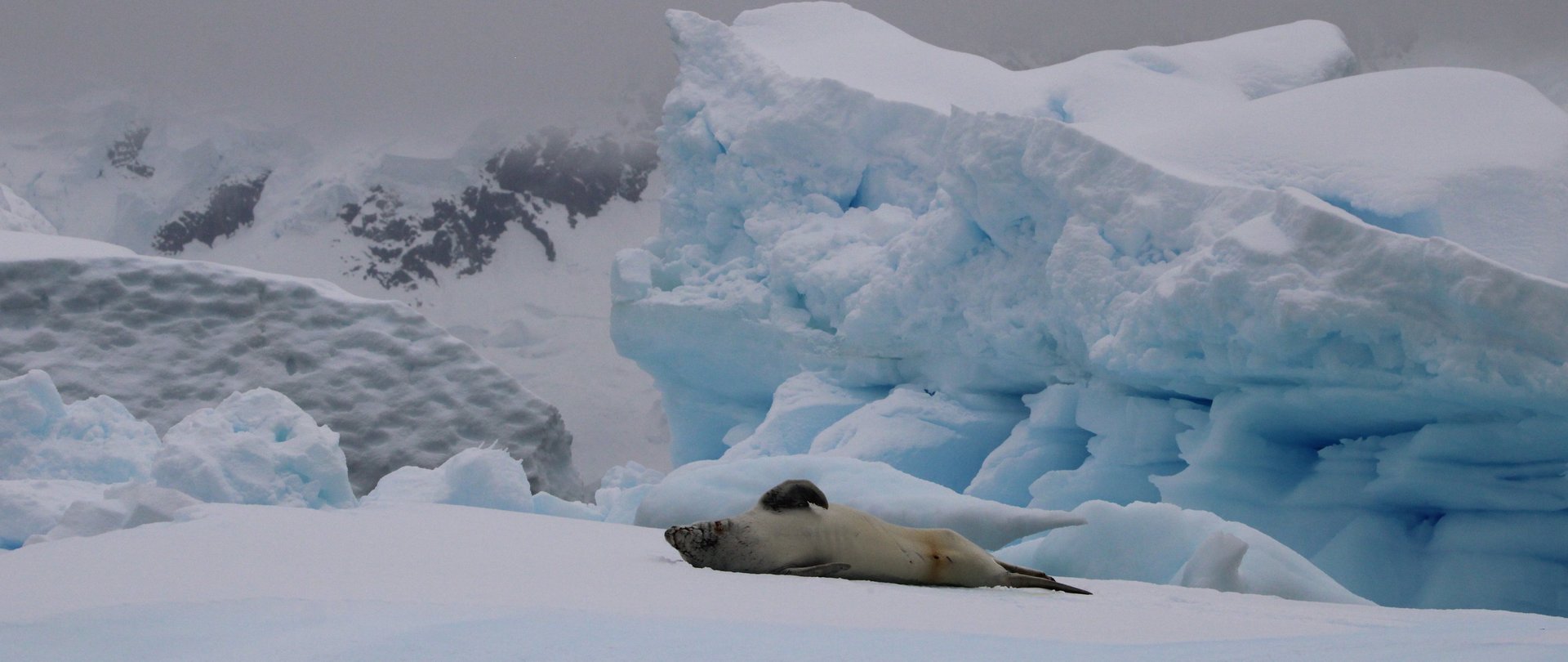
With decades of experience, Aurora has built a reputation for small groups, nimble itineraries and immersive learning journeys that explore both wild landscapes and cultural connections.
We've sailed with Aurora ourselves — including a full review of the Greg Mortimer — so this profile comes from firsthand experience.
The fleet: purpose-built for discovery
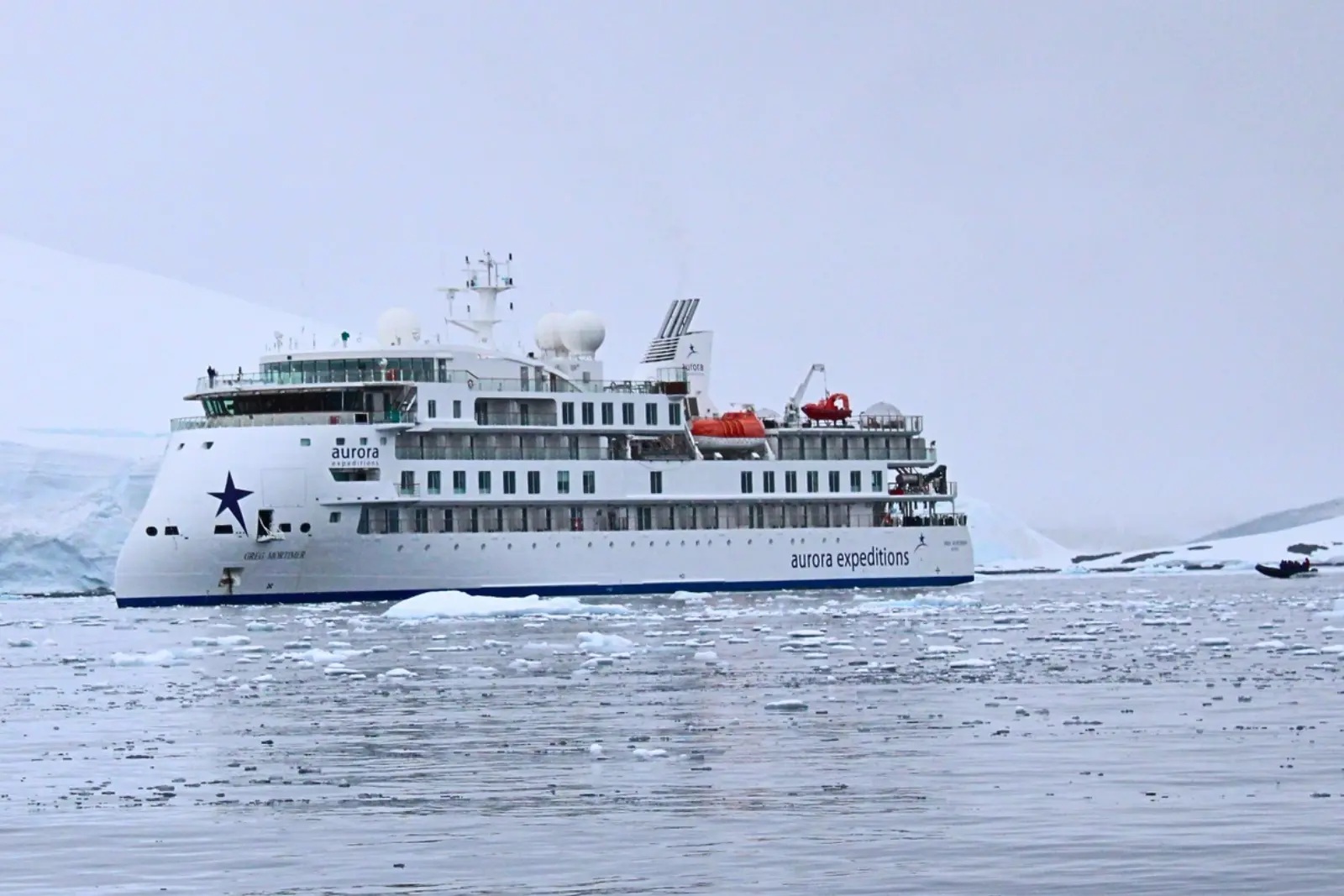
Aurora's ships — Greg Mortimer, Sylvia Earle and the new Douglas Mawson — are designed specifically for remote, challenging environments. Carrying just 132 passengers (154 on Douglas Mawson), they're small enough to navigate narrow channels and land in places large ships can't reach.
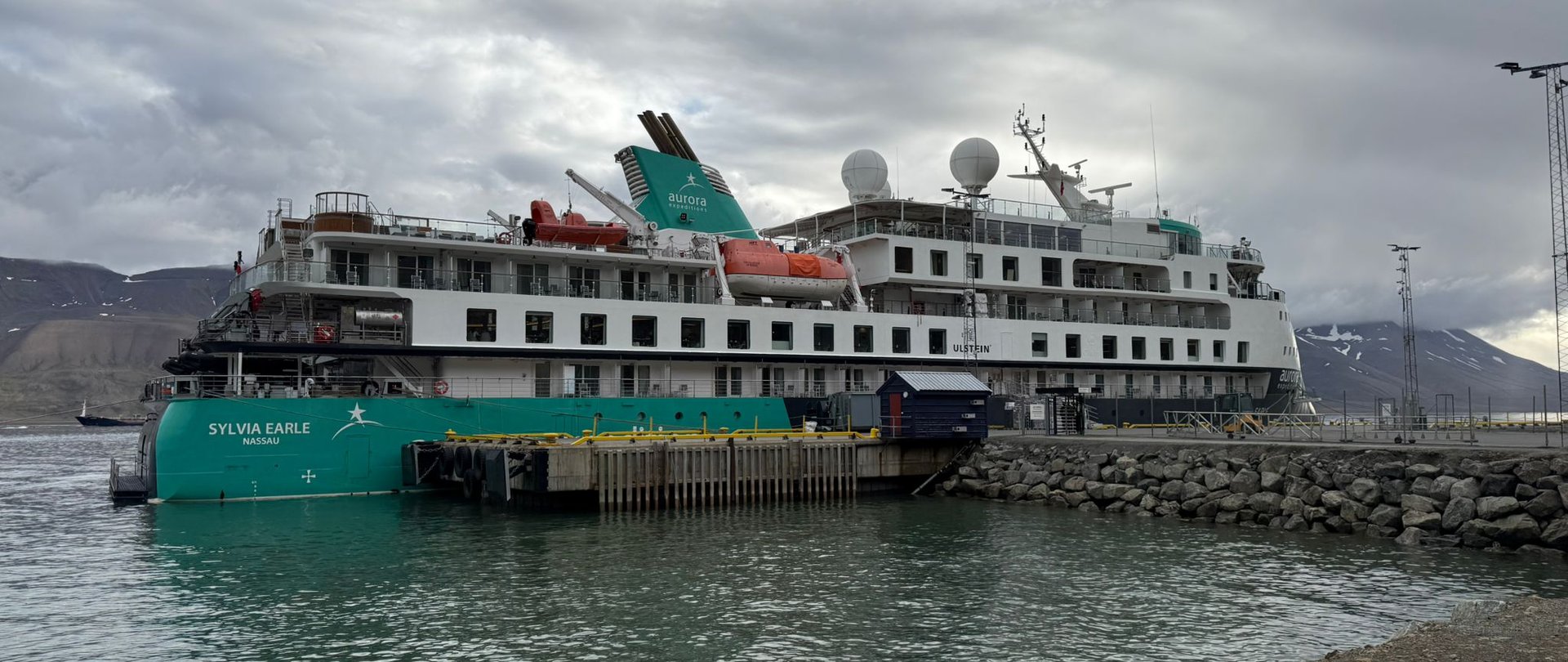
| Ship | Guests | Notes |
|---|---|---|
| Greg Mortimer | 132 | The original X-BOW expedition ship — smoother crossings, reduced vibration, better fuel efficiency |
| Sylvia Earle | 132 | Sister ship named for the legendary oceanographer; same purpose-built Ulstein X-BOW design |
| Douglas Mawson | 154 | Launched late 2025; returns Aurora to East Antarctica, including Cape Denison and Mawson's historic huts |
Ship details as published by Aurora Expeditions; confirm deployment per sailing.
Each vessel features the innovative Ulstein X-BOW, which allows for smoother crossing of swells, reduced vibration and better fuel efficiency. Dynamic stabilizers and Tier 3 engines further enhance onboard comfort while minimizing environmental impact.
The ships are rugged enough for polar seas, yet built with thoughtful communal spaces in mind: spacious observation decks, open-seating dining, a snug library, a wellness centre with gym and sauna, and even multiple Jacuzzis overlooking the ocean.
Where they go: from ice to equator
Aurora sails some of the planet's most remote and dramatic destinations — classic polar routes like Antarctica, South Georgia, Svalbard and the Northwest Passage, plus discovery expeditions in Greenland, Iceland, Norway, Oceania and Southeast Asia.
Douglas Mawson, launched in late 2025, returns the line to East Antarctica — including Cape Denison and Mawson's historic huts — plus journeys to New Zealand's Subantarctic Islands.
Itineraries are flexible and off the beaten path, prioritizing experience over schedule rigidity. Planning a polar voyage? Our guides to Antarctica, the Arctic and the Subantarctic Islands cover the regions in depth.
The vibe on board: intimate, curious and connected
With just around 130 guests per voyage, Aurora cultivates an atmosphere of camaraderie and shared discovery. The expedition-team-to-passenger ratio is one of the highest in the industry — there's always an expert available for lectures, questions or excursions.
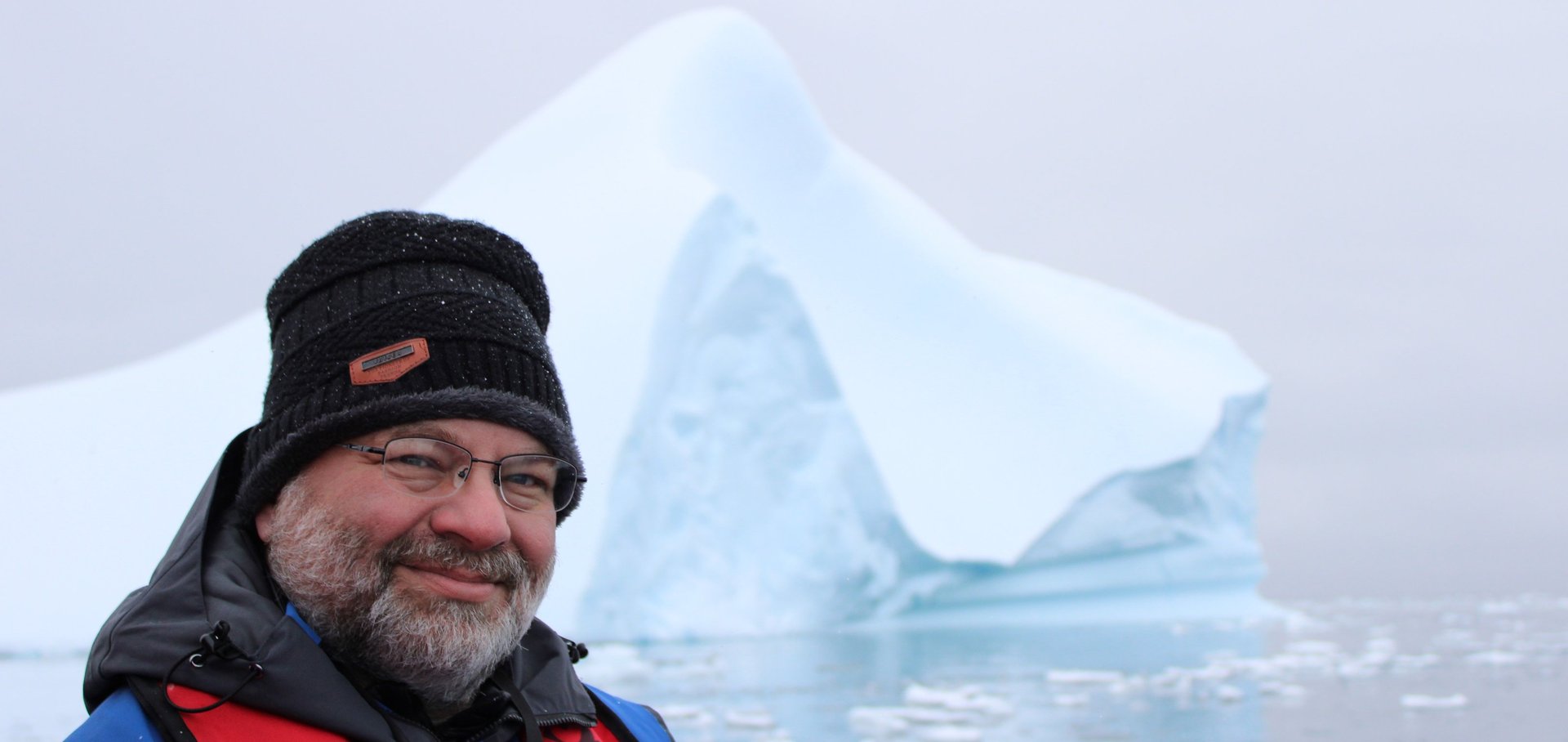
The onboard vibe combines a relaxed, friendly atmosphere with structured learning. Expect engaging talks on climate science, wildlife biology, cultural heritage and exploration history — balanced with open-seating communal meals, library time and quiet deck-watching moments.
Staterooms all include ocean views, many with private balconies. Suites add perks like mini-bars, binoculars and spa credits.
Unique features and amenities
Standout features include the X-BOW ice-class hull with dynamic stabilizers for smoother voyages, rapid Zodiac boarding platforms with onboard mudrooms, wellness facilities, and citizen science programs that invite guests into real research.
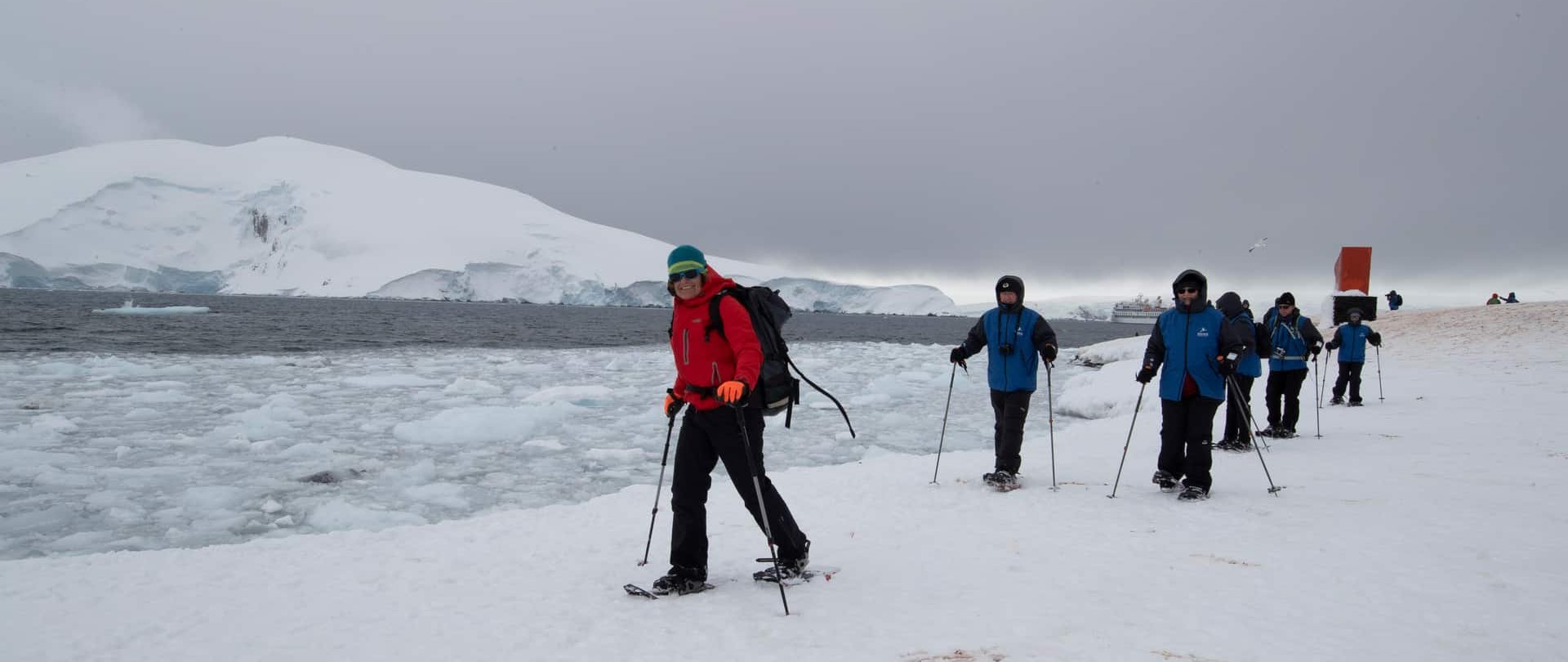
Guests are invited to participate in scientific initiatives — collecting data, attending workshops or joining expert-led lab sessions.
Aurora states a strong sustainability commitment: Certified B Corp status, carbon-neutral operations, Tier 3 engines, freshwater desalination, virtual anchoring, biodegradable cleaning supplies and reduced single-use plastics. These are the operator's stated commitments — we're happy to walk you through how they compare across lines.
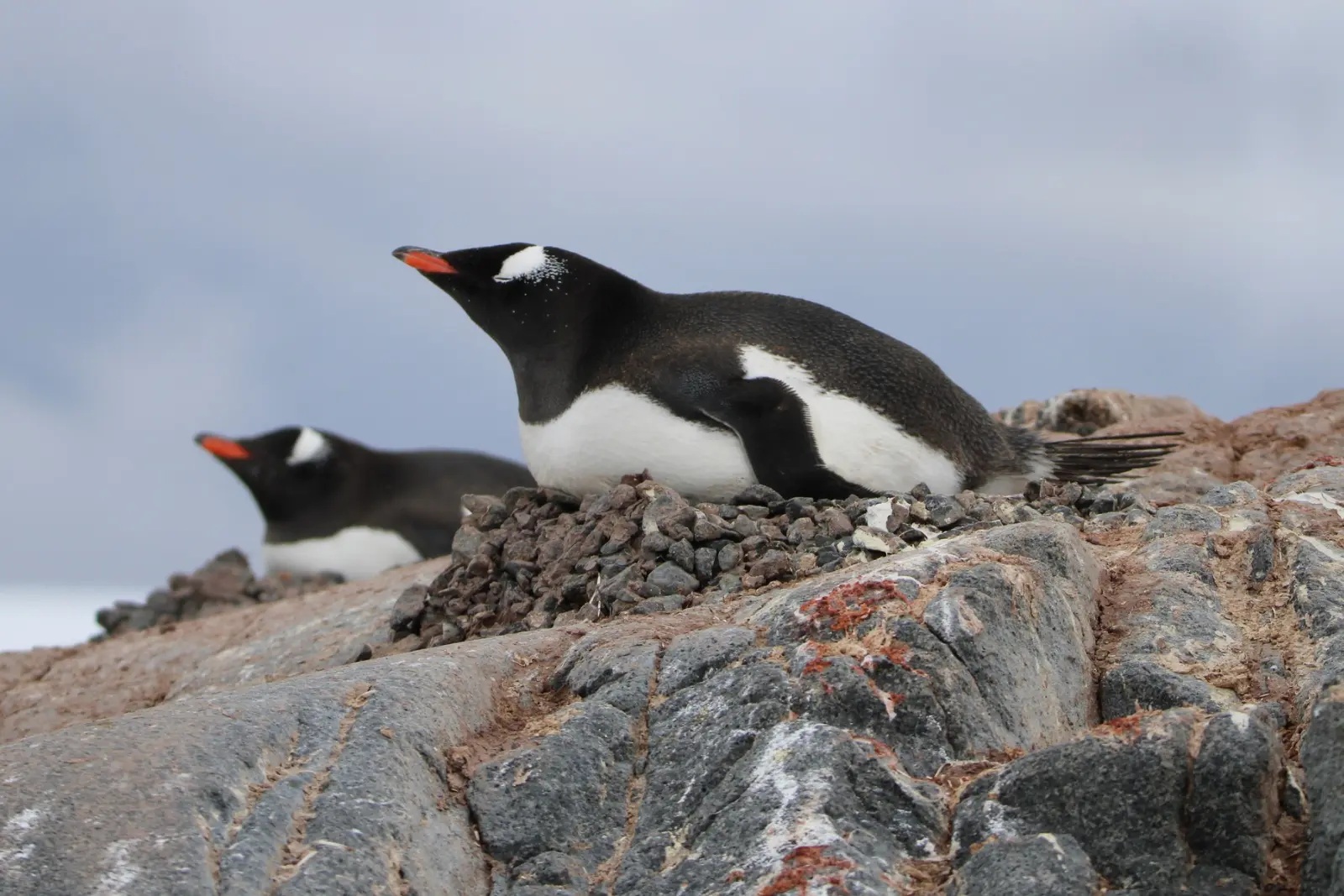
Is Aurora right for you?
Aurora delivers exploration in its purest form — the kind that educates, inspires and connects. If you want small groups, expert-led enrichment and genuine expedition landings with refined comfort, Aurora is an excellent match.
Small, personal group sizes mean more landings, deeper interactions and a stronger sense of community, while cutting-edge vessel design keeps even polar crossings comfortable.
We book across every expedition line, so we can compare Aurora's ships and itineraries directly with alternatives like HX, Quark Expeditions and Oceanwide before you commit.
A strong fit if you want
- Very small ships — just 132 guests — with more time ashore
- Purpose-built X-BOW vessels for smoother polar crossings
- Citizen science and one of the highest guide-to-guest ratios in the industry
- A strong environmental ethos, including Certified B Corp status
Look elsewhere if you want
- Ultra-luxury butler service and formal evenings
- Big-ship entertainment, casinos and nightlife
- A large-ship resort atmosphere with extensive dining venues
- A polar-only specialist with no warm-water program
Aurora Expeditions FAQs
What ships does Aurora Expeditions have?
Aurora sails three purpose-built expedition ships: Greg Mortimer and Sylvia Earle, each carrying 132 guests, and Douglas Mawson, launched in late 2025, carrying 154. All feature the Ulstein X-BOW hull for smoother crossings, reduced vibration and better fuel efficiency.
Where does Aurora Expeditions sail?
Classic polar routes include Antarctica, South Georgia, Svalbard and the Northwest Passage, plus discovery expeditions in Greenland, Iceland, Norway, Oceania and Southeast Asia. Douglas Mawson returns the line to East Antarctica — including Cape Denison and Mawson's historic huts — and New Zealand's Subantarctic Islands.
What is the Ulstein X-BOW on Aurora's ships?
The Ulstein X-BOW is an innovative inverted bow design that pierces waves rather than riding over them. The result is smoother crossing of swells, reduced vibration and better fuel efficiency — a meaningful comfort advantage on passages like the Drake.
Is Aurora Expeditions sustainable?
Sustainability is central to Aurora's identity: the line is a Certified B Corp, states carbon-neutral operations, and uses Tier 3 engines, freshwater desalination, virtual anchoring, biodegradable cleaning supplies and reduced single-use plastics. These are the operator's stated commitments — we're happy to walk you through how they compare across lines.
What is citizen science on an Aurora cruise?
Guests are invited to participate in real scientific initiatives onboard — collecting data, attending workshops and joining expert-led lab sessions. Combined with one of the industry's highest expedition-team-to-guest ratios, it makes Aurora a strong choice for travelers who want to learn, not just look.
From our journal
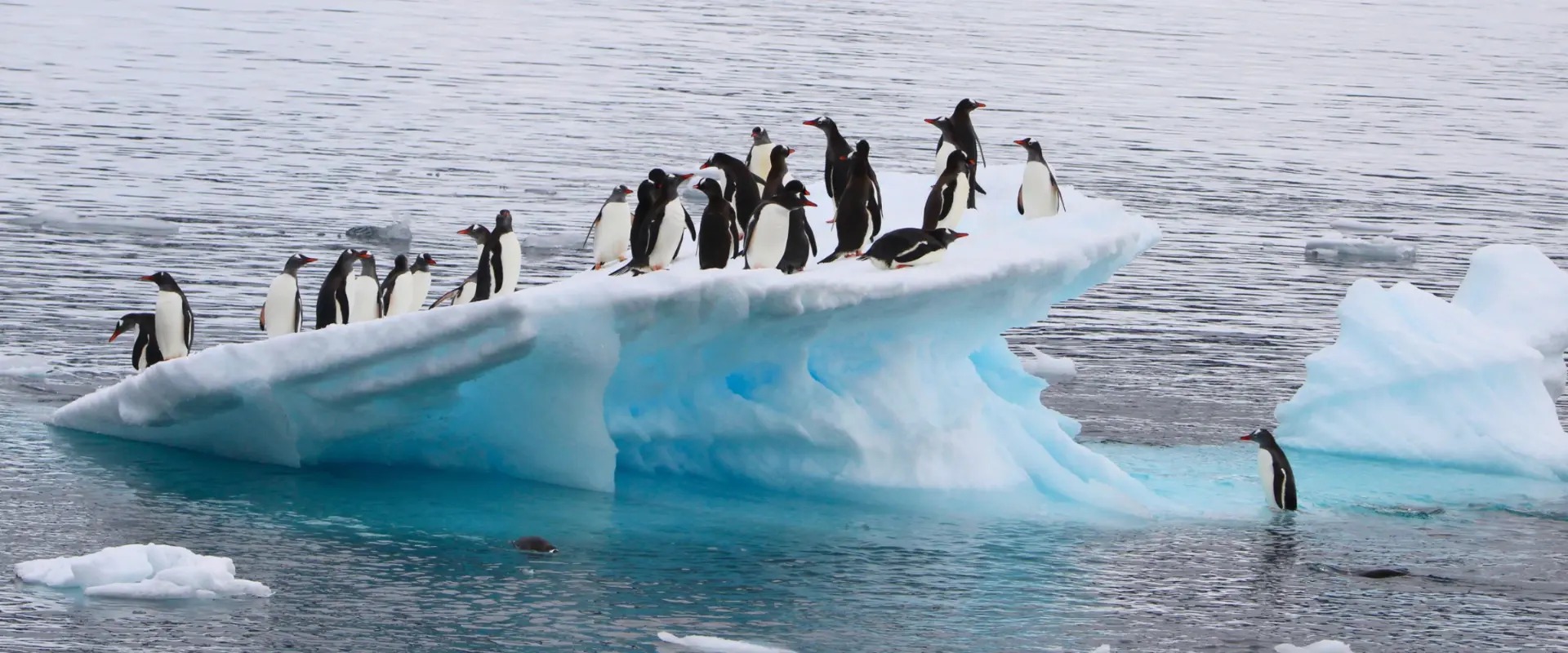
Ten Days to Antarctica Aboard the Greg Mortimer
7–19 December 2024 · Aurora Expeditions
In December 2024 we sailed Aurora Expeditions' Greg Mortimer round trip from Ushuaia to the Antarctic Peninsula. We Zodiac cruised the Melchior Islands and Paradise Harbour, landed at Port Lockroy and among nesting gentoos on Danco Island, watched whales in the bay all day, walked Deception Island, and sent five whale-tail photos to a citizen science project. Three were identified.
Keep exploring
Expedition cruise lines
Every line we book, compared side by side — who each one suits and why.
Greg Mortimer: our review
Our firsthand take on Aurora's original X-BOW ship.
Sylvia Earle
Aurora's second X-BOW ship, named for the legendary oceanographer.
Antarctica
When to go, what it costs, and how to choose the right voyage south.