


Part of our The Arctic guide →
You pay the same as booking direct. Here’s how we’re paid.
Arctic route families
- Svalbard highlights
- 8-12 days, round-trip Longyearbyen
- Spitsbergen circumnavigation
- 10-14 days, ice permitting
- East Greenland and Scoresby Sund
- 12-15 days from Iceland
- Northwest Passage
- 16-24 days, Greenland to Alaska
- Best first Arctic trip
- A Svalbard round-trip in June or July
- Book ahead
- 9-12 months for Svalbard, about 18 for the Passage
What Are the Main Arctic Itineraries?
Four families. Svalbard round-trips of 8 to 12 days from Longyearbyen are the standard first Arctic voyage. Spitsbergen circumnavigations need 10 to 14 days and depend on ice. East Greenland and Scoresby Sund voyages run 12 to 15 days from Iceland. Northwest Passage transits take 16 to 24 days.
Norway coastal voyages sit slightly outside that set: they sail year-round, cost less, and are the main ship-based way to see the aurora, but they are coastal cruising rather than expedition work.
Who Should Choose a Svalbard Round-Trip?
Almost every first-time Arctic traveller. Eight to twelve days out of Longyearbyen gives you ice-filled fjords such as Hornsund and Kongsfjorden, the bird cliffs at Alkefjellet, walrus haul-outs, and the best polar bear odds of any accessible Arctic destination — all without a long ocean crossing.
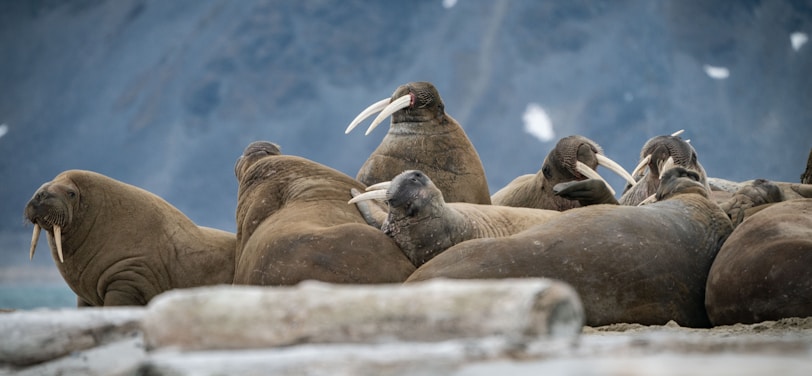
Our own Svalbard voyage aboard the MS Spitsbergen followed this pattern: west and north coast fjords, daily Zodiac work, and a route rewritten more than once around ice and weather.
Early June sailings meet more ice and generally better bear encounters. July and August trade some of that for easier access, more open water and more whales.
Is a Spitsbergen Circumnavigation Worth the Extra Days?
If you have 10 to 14 days and want the north and east coasts, yes. A circumnavigation adds the Hinlopen Strait, Nordaustlandet and long glacier fronts most highlight voyages never reach. The caveat is honest: it only completes when ice allows, and captains turn back without apology when it does not.
Treat the full circle as a hope rather than a purchase. Sailings that fail to close the loop still deliver an excellent Svalbard voyage, and the ones that do close it tend to be the late-July and August departures.
What Does an East Greenland Voyage Add?
Scale, and darkness late in the season. Twelve to fifteen days from Reykjavík or Akureyri crosses the Denmark Strait into Scoresby Sund, the largest fjord system on Earth, with basalt walls, tabular icebergs and small settlements such as Ittoqqortoormiit. Late-August and September sailings can also catch the first aurora.
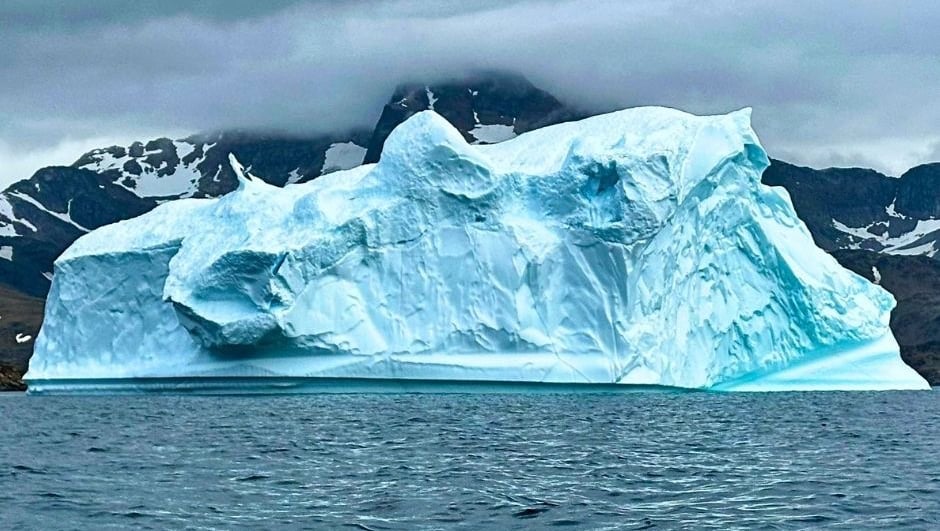
We sailed East Greenland aboard the National Geographic Resolution and the darkness was the surprise: by the end of the voyage the nights were long enough for the aurora, which no June Svalbard trip can offer.
More detail on the region sits in our Scoresby Sund guide and the east versus west Greenland comparison.
Who Is a Northwest Passage Transit For?
Travellers on their second or third polar trip who want history and remoteness more than wildlife density, and who can give it 16 to 24 days. The route runs between Greenland and Alaska through Lancaster Sound, Beechey Island and Bellot Strait, with Inuit community visits and real chance of rerouting.
Departures each season are few and they sell early — roughly 18 months out for the ships worth being on. We have not sailed the Passage ourselves; what we can do is compare the operators and ice-class vessels that run it.
How Do You Choose Between Them?
Start with days available, then with what you most want to see. Under two weeks means Svalbard. Two weeks plus a wish for fjord scale means East Greenland. Three weeks and an interest in exploration history means the Passage. Aurora as the main goal means a different season entirely, usually on land.
Whatever you choose, pick an itinerary with flexibility written into it. Polar captains rewrite routes daily around ice and wildlife, and the ships that do that well are the ones worth paying for.
Arctic itineraries: common questions
How long is a typical Arctic expedition cruise?
Eight to twelve days for a Svalbard round-trip, which covers most first Arctic trips. Circumnavigations run 10 to 14 days, East Greenland 12 to 15, and Northwest Passage transits 16 to 24.
Which Arctic itinerary is best for polar bears?
A Svalbard voyage, and preferably an early-season one when sea ice is still extensive. Most summer sailings record at least one sighting, though no operator guarantees it.
Can one trip combine Svalbard and Greenland?
Some repositioning voyages link them, usually in late summer and usually at 14 days or more. They are excellent value in sea days but shorter on landings in each region.
Do Arctic itineraries change once you are aboard?
Routinely. Ice, wind and wildlife rewrite the daily plan, and the printed itinerary is a statement of intent. Both of our polar voyages differed from the brochure.
Can you see the Northern Lights on these itineraries?
Only on late-August and September sailings, once darkness returns. Summer voyages happen under the midnight sun, where there is no darkness for an aurora to appear in.
Keep planning the route
Svalbard expedition cruises
The standard Arctic voyage, in detail.
The Northwest Passage
Days, history, ice risk and who it suits.
When to visit the Arctic
Two separate seasons, month by month.
Arctic expedition ships
Size, ice class and expedition teams compared.
What an Arctic expedition costs
How route and length move the fare.