


Part of our The Arctic guide →
The Passage at a glance
- Length
- 16-24 days, one way
- Gateways
- Kangerlussuaq or Greenland ports to Nome or Anchorage
- Season
- Late July to early September only
- Ship requirement
- High ice class and an experienced ice captain
- Wildlife
- Muskoxen, narwhal, beluga, bowhead, polar bears on fast ice
- Book ahead
- About 18 months; departures are few
What Is the Northwest Passage?
The sea route linking the Atlantic and Pacific through the Canadian Arctic Archipelago. Sought for centuries as a trade shortcut and never reliably navigable in the age of sail, it is now crossed each summer by ice-class expedition ships during a narrow window when the channels open.
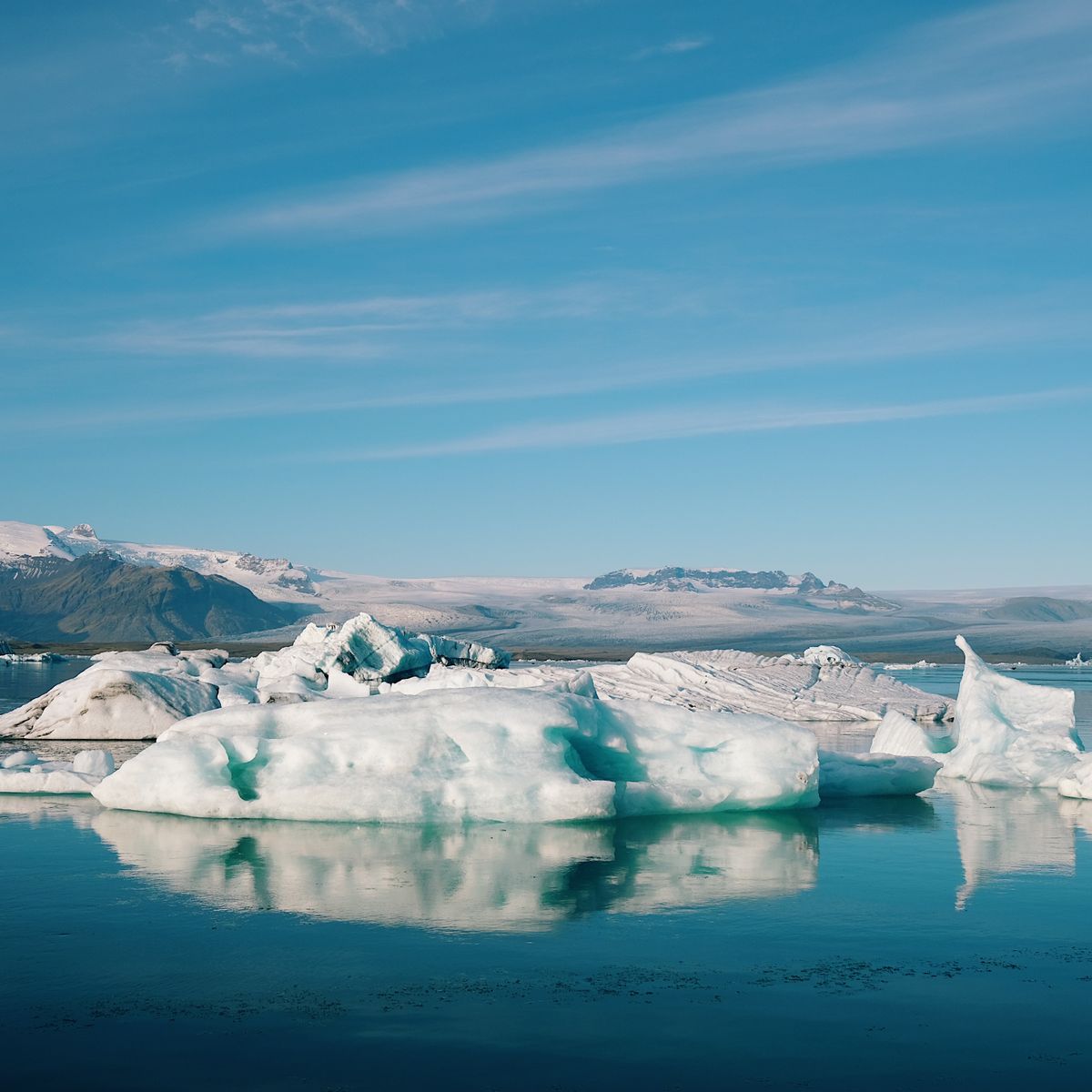
A full transit runs 16 to 24 days, usually between Kangerlussuaq or another Greenland port and Nome or Anchorage. Some operators sell partial routes that reach Lancaster Sound and turn back, which is a different and shorter trip.
What Is the History You Actually Sail Through?
Franklin's and Amundsen's. Beechey Island holds the graves of three of Franklin's men from the 1845 expedition that vanished with 129 lives. Bellot Strait marks the northernmost point of mainland North America. At Gjoa Haven, Amundsen wintered and learned Arctic survival from the Netsilik Inuit before completing the first transit.
The history is what most people come for, and it is unusually intact. These sites are not interpretive centres; they are gravel beaches and headboards in a place where almost nothing has changed.
What Wildlife Do You See?
Different species from Svalbard's. Muskoxen graze tundra valleys, narwhal and beluga move through the channels, bowhead whales surface in the eastern approaches, and polar bears hunt along fast ice. Densities are lower and sightings less predictable than on a Svalbard voyage, so patience matters more.
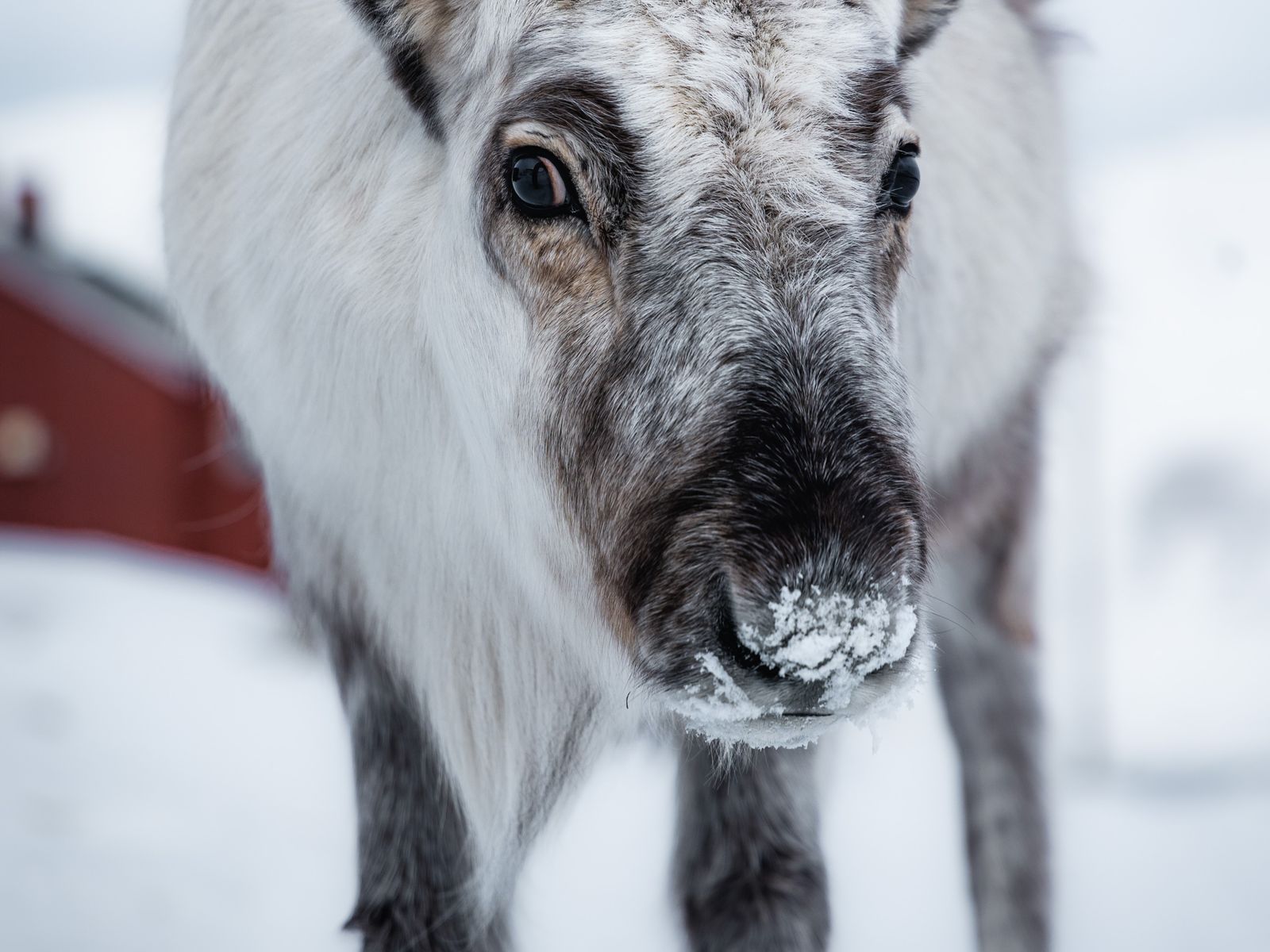
The narwhal is the draw for many travellers and the hardest promise to keep. We have never seen one, and we will not tell a client a sighting is likely when it is not.
Do You Visit Inuit Communities?
Most itineraries include community stops — Cambridge Bay, Gjoa Haven, Pond Inlet and others — arranged with the communities themselves. These are among the most memorable days of the voyage and among the most weather-dependent, since a landing can be cancelled by swell or by the community's own schedule.
Ask how an operator structures those visits and how much of the fee stays locally. It is a fair question, and the operators doing it properly answer it without hesitation.
How Likely Is the Route to Change?
Very. Ice conditions vary year to year and week to week, and captains reroute or reverse without warning; some seasons no ship completes the full transit. Book this voyage for the Canadian High Arctic rather than for the achievement, and choose a high Polar Class vessel with an ice captain who has done it repeatedly.
This is not a voyage we have sailed. What we can do is compare the operators running it, their ice classes and their track records for completing transits — and tell you honestly which departures we would put a client on.
It is also not a first polar trip. Travellers who have already done Antarctica or Svalbard get far more out of the emptiness; first-timers usually want wildlife density instead.
The Northwest Passage: common questions
How long is a Northwest Passage cruise?
Sixteen to twenty-four days for a full transit between Greenland and Alaska. Partial itineraries that reach Lancaster Sound and return run closer to two weeks.
When does the Passage open?
Late July to early September, when ice retreats enough for ice-class ships to pass. Outside that window the channels are closed and no voyages operate.
Is a complete transit guaranteed?
No. Ice can force a reroute or a reversal in any year, and some seasons no ship gets through. Every operator sells the voyage with that condition attached.
Can you see narwhal?
It is possible in the eastern channels and it is not likely. Treat a narwhal sighting as a gift rather than an expectation, however the brochure is written.
How far ahead should you book?
About eighteen months. There are only a handful of transits each season across all operators, and the best ships and cabins go first.
Keep planning the Arctic
Arctic itineraries compared
How the Passage sits against Svalbard and Greenland routes.
Arctic expedition ships
Ice class, Polar Class ratings and why they matter here.
What an Arctic expedition costs
Where a 16 to 24 day transit lands in the range.
East or west Greenland
The Greenland side of the Passage approach.
Arctic wildlife guide
What lives in the High Arctic and how close you get.