


Part of our The Arctic guide →
Arctic ships at a glance
- No landing cap
- Unlike Antarctica, the Arctic has no 100-guest landing limit
- Ice class
- PC6 to PC2 for high-latitude and pack-ice work
- Guest numbers
- 12 to 500 depending on operator and vessel
- Under 150 guests
- Everyone ashore in one rotation, not shifts
- Zodiac fleet
- Ask the ratio of boats to guests, not the total
- What matters most
- The expedition team, on every voyage we have sailed
Does Ship Size Matter in the Arctic?
Less than in Antarctica, where IAATO caps landings at 100 people ashore at a time. The Arctic has no equivalent limit, so a larger ship is not automatically excluded from landing. Size still decides how quickly everyone gets ashore and which narrow fjords the ship can enter at all.
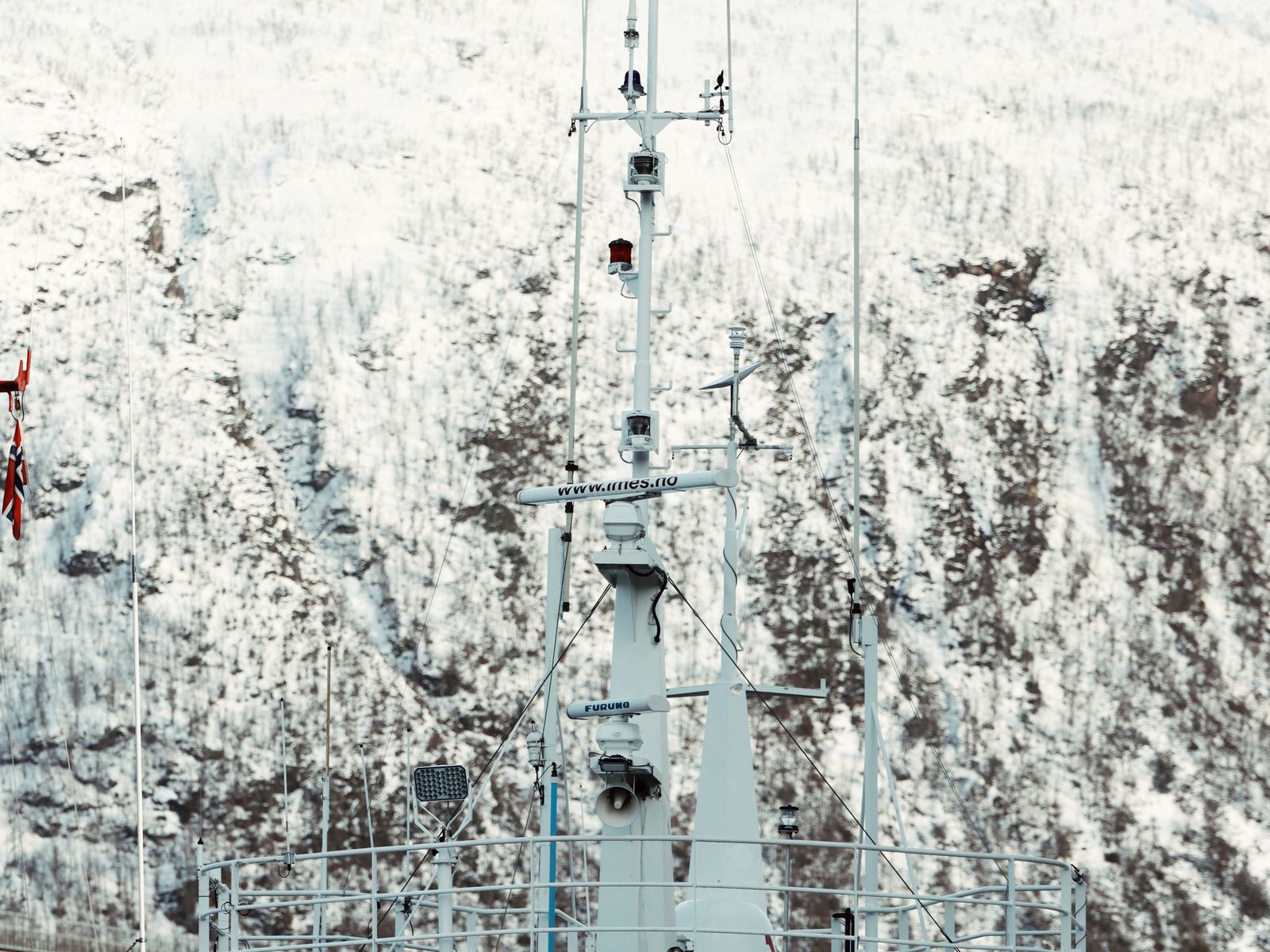
Under about 150 guests, everyone goes ashore in a single rotation. Above that, you land in shifts, which costs time rather than access.
Very small vessels of 12 to 50 guests reach places a larger ship cannot approach, at the cost of stability in open water and fewer facilities aboard.
How Much Does Ice Class Matter?
A great deal on ambitious routes. Polar Class ratings from PC6 to PC2 describe a hull's ability to work in sea ice; the higher the class, the further into pack ice a captain can push. For a west-coast Svalbard voyage it barely constrains you. For a circumnavigation or the Northwest Passage it is the deciding factor.
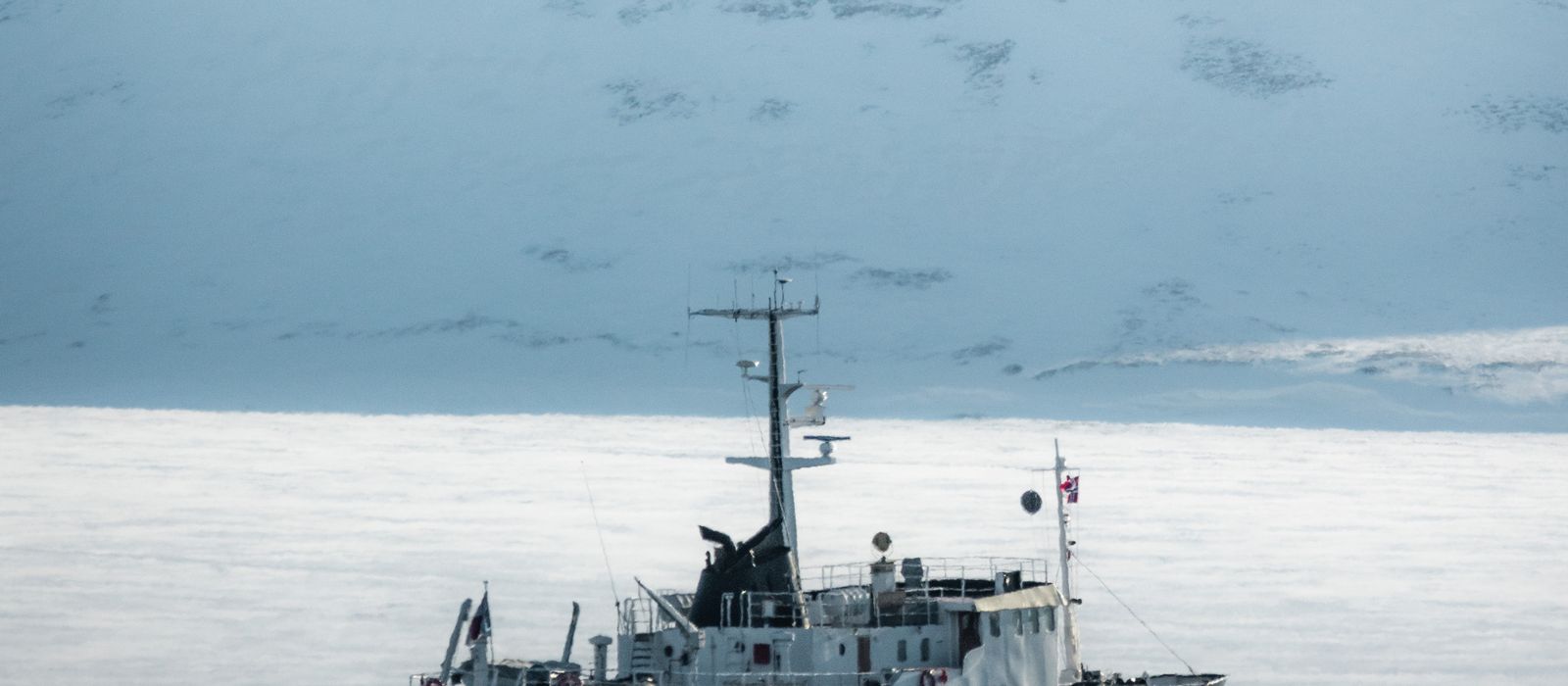
Ask two questions rather than one: what the ship's ice class is, and how often that particular captain and expedition team have completed the route you are booking. The second answer is more useful than the first.
What Onboard Features Actually Change the Trip?
Four things: a proper mudroom where wet gear is staged and dried, twin Zodiac boarding platforms that halve loading time, roll stabilisers for open-water crossings, and an observation lounge with forward views. Dynamic positioning also lets a ship hold station over sensitive seabed without anchoring.
The mudroom is the one people never think about and always remember. On the MS Spitsbergen the flow of getting fifty people into boots, out to a Zodiac and back again was smooth enough that we ran two landings before lunch.
On the National Geographic Resolution in East Greenland, the forward lounge earned its space: long fjord days where the view mattered more than any lecture.
Which Operators Sail the Arctic?
Broadly three groups. Small and micro-expedition vessels from operators such as Secret Atlas, Oceanwide and Atlas Ocean Voyages carry 12 to 140 guests. Lindblad-National Geographic, Quark and HX bring long High Arctic experience and strong science programmes. Ponant, Silversea, Seabourn and Scenic offer all-suite luxury with expedition capability.
We book across all of them and rank none. The operators we work with follow AECO guidelines in the Arctic; Glacial Expeditions is not itself an AECO member.
Guest numbers vary widely: roughly 100 to 150 on Lindblad, about 130 on Aurora Expeditions, 130 to 200 on Quark, 100 to 170 on Oceanwide, 250 to 500 on HX, 180 to 260 on Ponant and 140 to 270 on Silversea.
What Should You Judge Before You Book?
The expedition team, then the Zodiac ratio, then the cabin. A strong team turns a weather-ruined day into the best one of the voyage; a weak team turns good conditions into a bus tour. Ask how many staff, what their specialisms are, and how many have worked that specific region repeatedly.
Cabin choice is where most of the price sits and least of the experience does. A lower-deck cabin on a ship with a superb team beats a suite on a ship without one, and we say so even when it costs us the larger booking.
Arctic ships: common questions
Is there a limit on how many people can land in the Arctic?
There is no fixed 100-person cap as in Antarctica. Site guidelines and local regulations apply instead, so larger ships can land, generally in rotations rather than all at once.
What ice class do I need?
For west-coast Svalbard, most expedition ships suffice. For a Spitsbergen circumnavigation or a Northwest Passage transit, choose a high Polar Class vessel with a captain experienced on that route.
Are luxury expedition ships worth it?
They are if the comfort matters to you; they do not buy better wildlife. The expedition team, Zodiac ratio and route decide what you see, and those are independent of suite size.
How many guests is ideal?
Under 150 is our usual answer, because everyone goes ashore in one rotation. Below 50 gets you into tighter places at the cost of stability and onboard facilities.
Do you have preferred ships?
We have opinions from sailing them, not commercial preferences. We have sailed the MS Spitsbergen in Svalbard and the National Geographic Resolution in East Greenland, and we review both honestly.
Keep choosing the ship
Ship reviews
Every vessel we have sailed, reviewed in detail.
Expedition cruise lines
Seventeen operators compared on style, size and strengths.
Arctic itineraries compared
Which routes need which class of ship.
What an Arctic expedition costs
How ship class and cabin move the fare.
MS Spitsbergen
The Arctic ship we know best, from our own voyage.