

Part of our The Arctic guide →
The two Arctic seasons
- Expedition season
- Late May to early September, when ice retreats enough for ships
- Aurora season
- Late September to late March, when there is enough darkness
- Best for bears on ice
- June and early July, while pack ice is still dense
- Best for reach and whales
- August, at maximum open water
- Summer temperatures
- Roughly 0°C to +8°C (32°F to 46°F) in July and August
- Aurora trip length
- 5-7 nights minimum, to ride out cloud and quiet activity
Why Does the Arctic Have Two Separate Seasons?
Ships need ice to retreat and aurora hunters need the sky to go dark, and the Arctic never offers both at once. From late May to early September the sun barely sets, which is ideal for wildlife and impossible for the Northern Lights. From late September to late March there is darkness, but the expedition fleet has left for the Antarctic season.
This is the single most common misunderstanding we correct. A July voyage to Svalbard cannot show you the aurora — the lights are still overhead, but the sky never dims enough to see them. A January trip to Tromsø cannot show you a polar bear from a ship.
So decide what the trip is for before you look at dates. If it is bears, walrus, glaciers and seabird cliffs, you are shopping in the summer window. If it is the lights, you are shopping in the dark months, and probably from a lodge rather than a ship.
What Is the Arctic Like in Late May and June?
Early season is the ice season. Pack ice is still extensive, mountains are snow-covered, and the midnight sun runs 24 hours. Polar bears are hunting seals along the ice edge, which makes this the strongest window for bear sightings. Seabird colonies are filling. Some northern and eastern routes are not yet navigable.
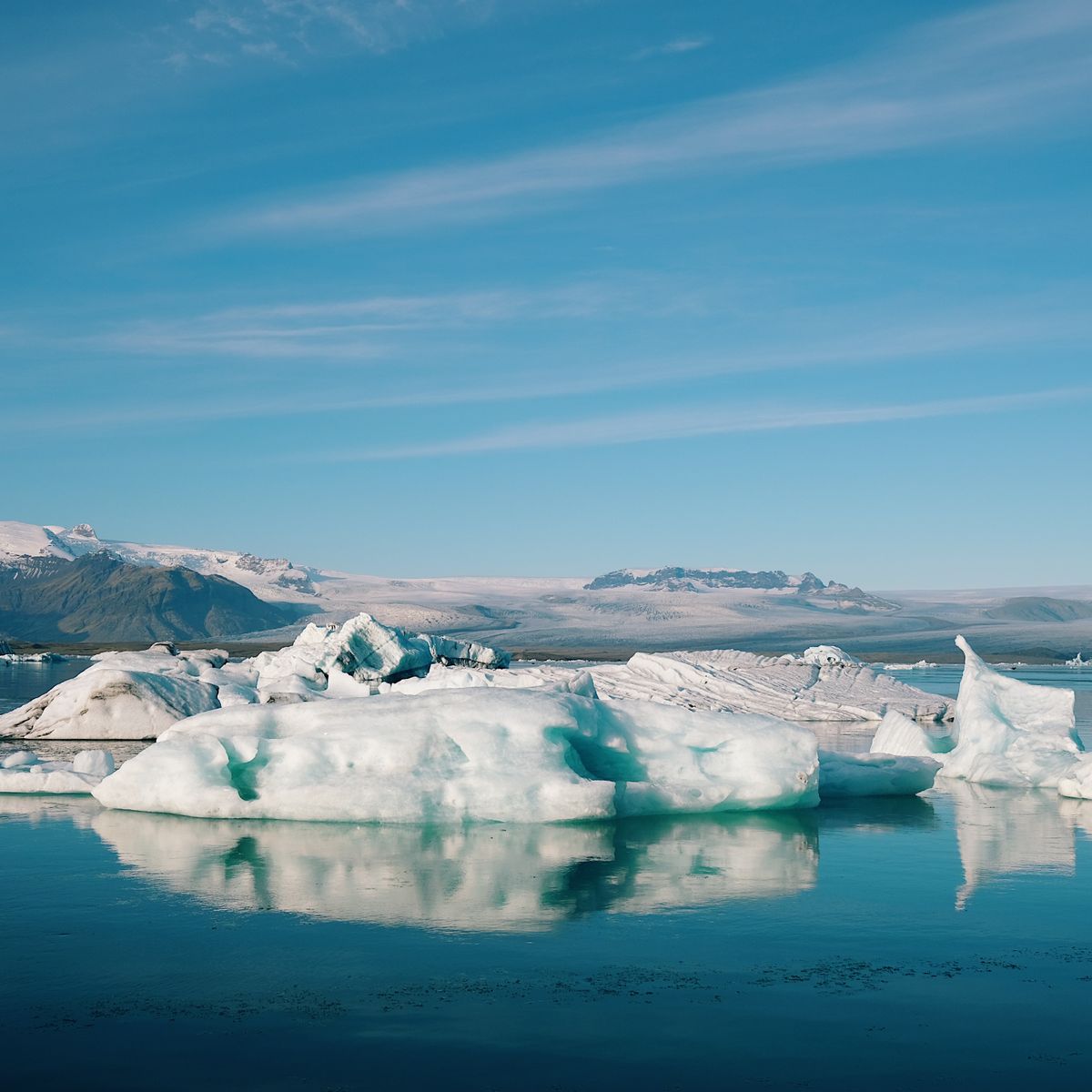
The trade-off is reach. A late-May or June voyage may be turned back by ice that an August ship sails straight through, so you are buying drama and bear odds rather than the widest possible range of landings.
It is also the most photogenic version of Svalbard: snow still down to the waterline, blue ice, and low-angle light that never quite becomes midday.
What Is the Arctic Like in July and August?
Peak summer brings the warmest conditions, roughly 0°C to +8°C, and the most open water. Ice retreats far enough for ships to circumnavigate Spitsbergen or attempt the Northwest Passage. Tundra wildflowers bloom, walrus haul-outs are active, and whale activity peaks — humpback, fin, minke and beluga. July is the busiest and most expensive month.
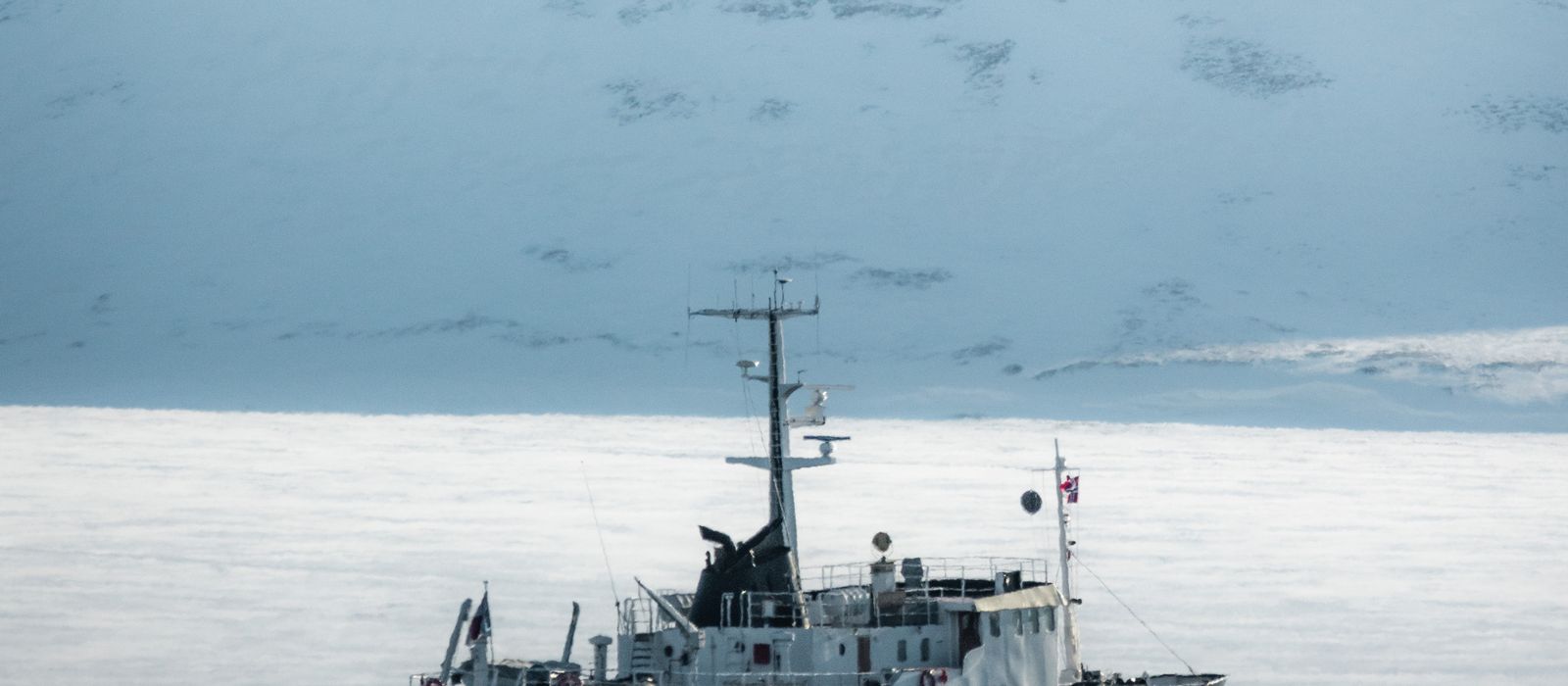
August is our quiet favourite for a first Arctic voyage: the longest reach of the season, strong whale activity, better availability than July, and enough ice remaining in the north to keep bear odds respectable.
This is also the window for the active add-ons. Kayaking and long hikes both need workable conditions, and both fill early — see kayaking in Svalbard.
What Is the Arctic Like in Late August and September?
Late season brings the return of twilight, golden tundra colour in Greenland and Iceland, and the lowest sun angles of the voyage season. Whales are still feeding before migrating south, and bears gather along coastlines and remaining ice. A very late sailing carries the season's first real chance of aurora.
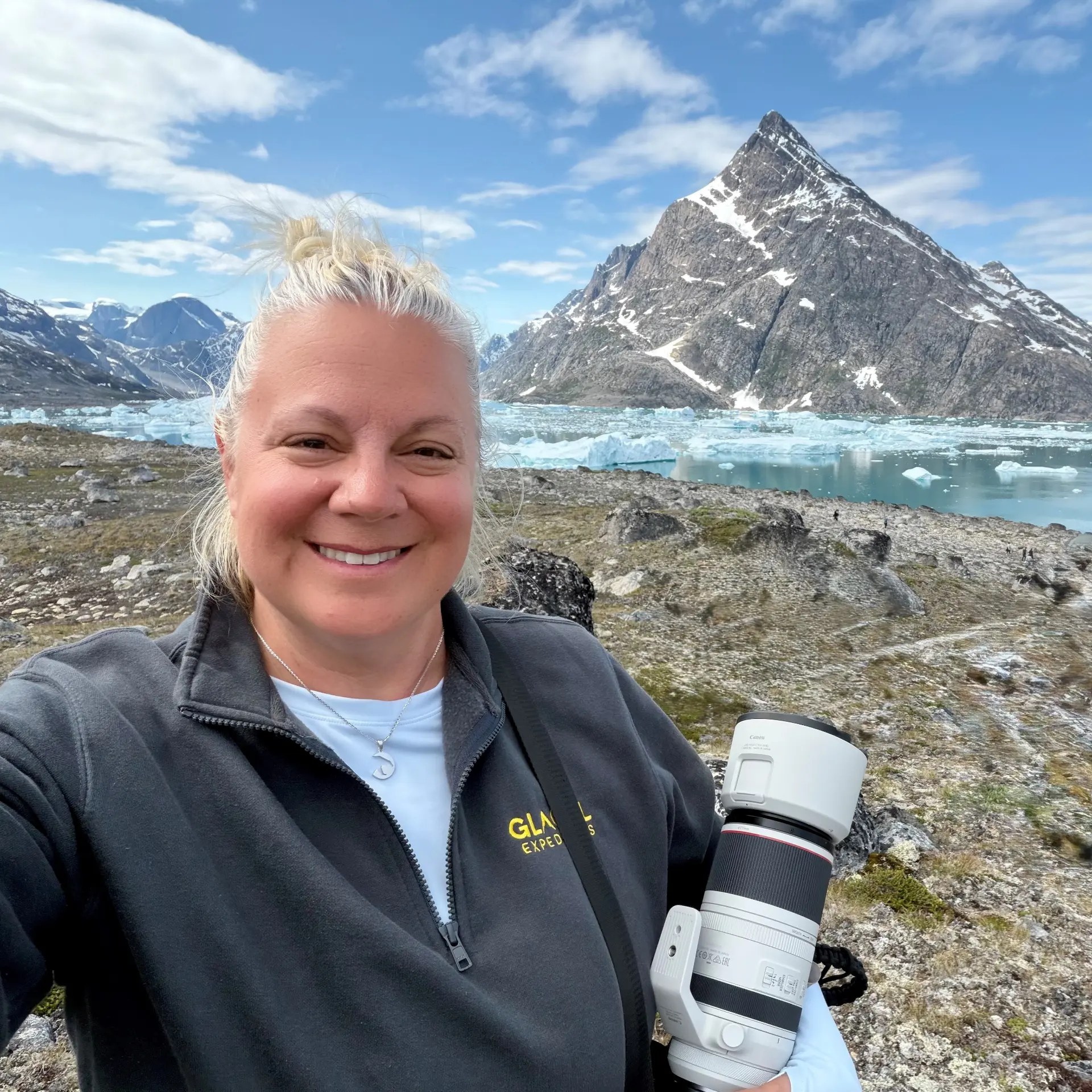
Our East Greenland voyage aboard the National Geographic Resolution sat in this shoulder window, and the difference in light compared with midsummer is striking — actual sunsets, actual shadows, and photography that stops being a fight against flat overhead light.
Fewest ships, too. If solitude matters more than maximum bear odds, this is the window to ask about.
When Should You Travel for the Northern Lights?
Late September to late March. Late September and October pair returning darkness with milder temperatures. November through February give the longest nightly viewing windows and the coldest conditions. March is many advisors' favourite: long dark nights, more settled weather, and enough daylight to do things during the day.
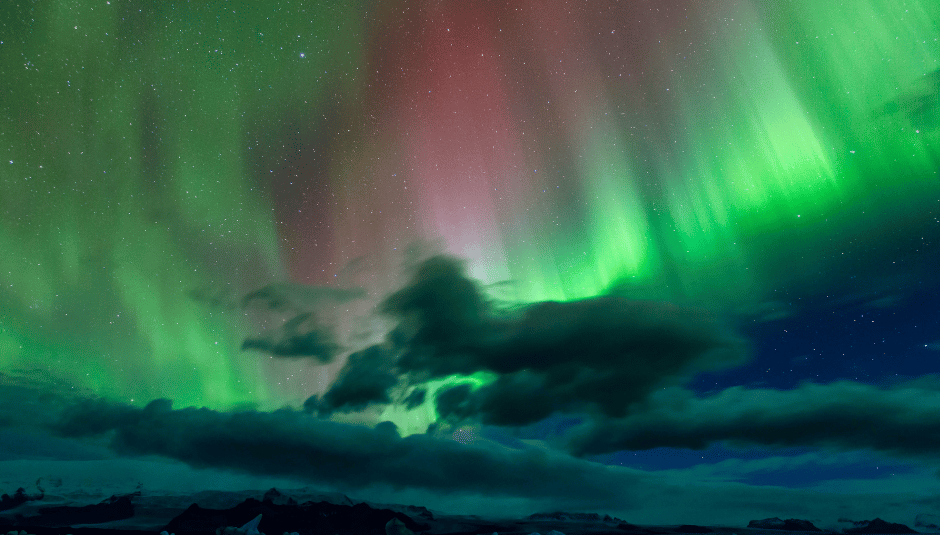
Stay at least five to seven nights wherever you go. The aurora is unpredictable, and a short trip can be entirely clouded out. Check the moon phase too — a full moon washes out fainter displays.
Where to base yourself is a separate question, covered in the Northern Lights guide, along with the tracking apps and the single most useful tool of all: a lodge that runs an aurora wake-up call.
How Do You Choose Between the Months?
Rank three things: bears on ice, breadth of landings, and cost. If bears rank first, sail June or early July. If breadth ranks first, sail late July or August. If cost and quiet rank first, look at late May and early September. If the aurora ranks first, you are planning a different trip in a different season altogether.
Book 10 to 15 months ahead for July departures, the best cabins and solo accommodation, which goes first. Svalbard's peak weeks are narrower than Antarctica's because the ice window is shorter. Northwest Passage transits want 18 months, because there are very few of them.
Arctic timing: common questions
When is the Arctic expedition cruise season?
Late May to early September. Ice retreat governs it: before late May much of the coast is unreachable, and by mid-September the fleet is repositioning south for the Antarctic season.
Can you see polar bears and the Northern Lights on the same trip?
Effectively no. Bear voyages run under the midnight sun, when the sky never darkens, and the aurora season runs when the expedition fleet has left the Arctic. A very late-season sailing in early September is the only overlap, and it trades bear odds for the first darkness.
What month has the best weather in the Arctic?
July and August, with temperatures typically 0°C to +8°C, the most open water and the longest reach. They are also the busiest and priciest weeks of the season.
Is September a good time to visit the Arctic?
Early September is excellent for autumn tundra colour, whales, low light for photography and the fewest ships, with a genuine chance of the season's first aurora on a late sailing. Bear sightings are less reliable than in June.
How far in advance should I book?
Ten to fifteen months for July Svalbard departures, solo cabins and the best accommodation; about eighteen months for a Northwest Passage transit. Aurora trips need less lead time, though six months helps if you want a glass igloo or a specific March week.
Keep planning your Arctic timing
Svalbard expedition cruises
Where the summer season actually happens, and how voyages work.
Northern Lights for first-timers
Where to go, how to track the aurora, and the camera settings.
Seeing polar bears in the Arctic
Odds, timing, distances and what a real sighting looks like.
Midnight sun and polar night
Why the light dictates which Arctic trip you can take.
What an Arctic expedition costs
How season timing moves the fare on the same cabin.