


Part of our The Arctic guide →
Polar bears at a glance
- Best odds by ship
- Svalbard in June and early July, when pack ice is still dense
- Best odds by land
- Churchill, Manitoba, in the October-November bear season
- Population
- An estimated 22,000 to 31,000 bears across 19 sub-populations
- Svalbard region
- Roughly 3,000 bears across the wider Barents Sea area
- Legal distance
- 300 metres in Svalbard through spring and summer; 500 metres for fast craft
- Guarantees
- None. This is a wildlife sighting, not a scheduled event
Where Are the Best Places to See Polar Bears?
Svalbard offers the best polar bear odds of anywhere reachable on a scheduled expedition sailing, with June and July the strongest months for ice viewing. The Canadian Arctic and Hudson Bay produce bears along pack ice corridors and coastal bays, East and North Greenland hold bears that travel the ice hunting seals, and Churchill is the strongest land-based option.
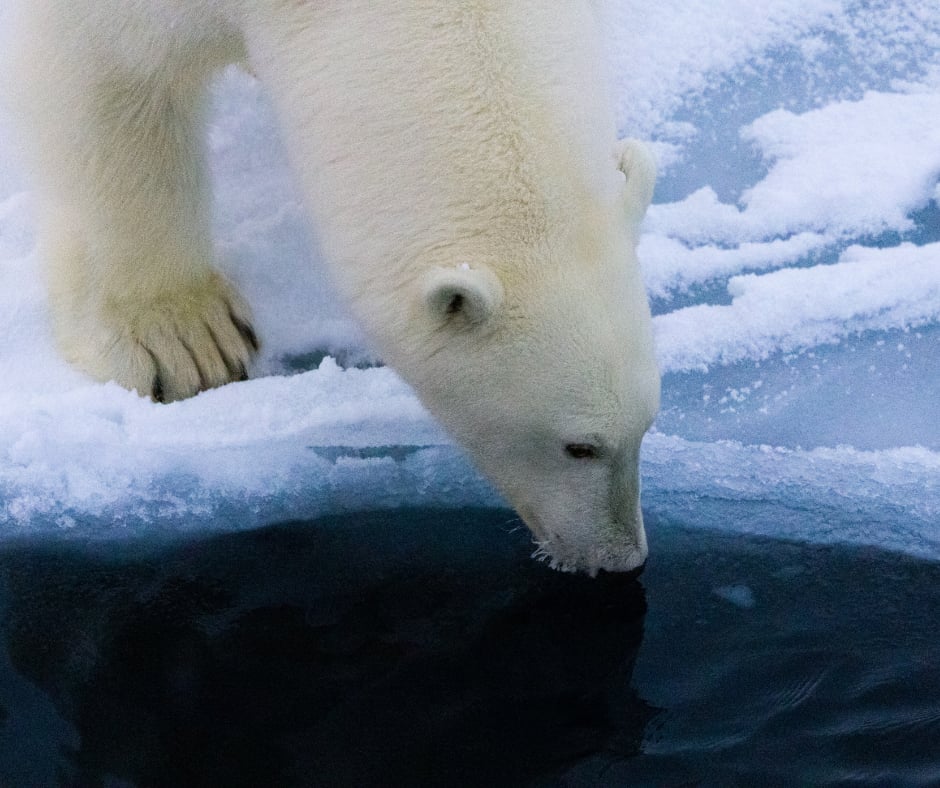
Churchill deserves its own mention because it is not a cruise destination at all. Bears gather near the coast waiting for Hudson Bay to freeze, and you view them from tundra vehicles rather than a ship — a much cheaper trip and, in the right weeks, a far more reliable one. Our Churchill guides cover it in detail.
We have been to Churchill twice and sailed Svalbard aboard the MS Spitsbergen. We have not been to Hudson Bay's western ice corridors by ship or to the Canadian High Arctic, so what we say about those routes comes from our operator relationships rather than our own boots.
What Are Your Real Chances of Seeing a Polar Bear?
Most summer Svalbard voyages record at least one sighting, but no operator guarantees a bear, and the honest framing is odds rather than expectation. Early-season sailings, when the ice is still extensive, generally produce better encounters than late August. Bears are usually seen from the ship on pack ice rather than on landings.
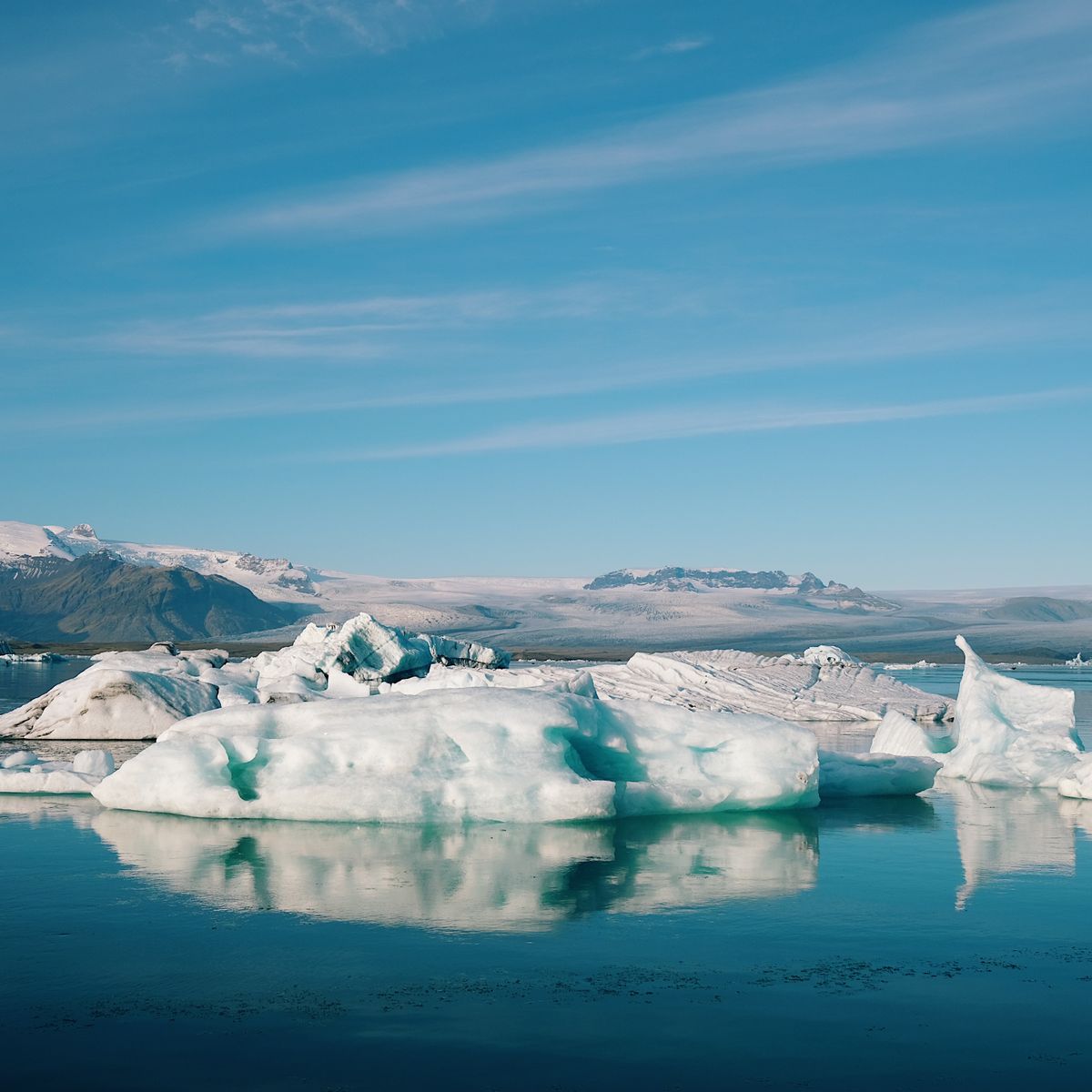
We would rather be honest than sell the picture on the cover. Some sightings are a cream-coloured smudge two miles off on a floe, watched through the ship's scopes for an hour. Some are a young bear working a seal kill four hundred metres away while nobody on deck says a word.
The bridge is manned continuously, and in midsummer there is no night to wait through, so the best encounter of a voyage often comes at two in the morning under full daylight. Blackout blinds are not a luxury, and neither is answering the announcement.
When Is the Best Time to See Polar Bears?
By ship, target late May through July, when winter pack ice still reaches far enough south that bears are hunting on it within a voyage's range. By land, Churchill's season runs October into November as bears gather waiting for Hudson Bay to freeze. Bears are not seen in the aurora months on an expedition ship, because the fleet has left.
Sea ice reaches its maximum in March and its minimum in September, which is the whole story behind the timing. A June voyage works the ice edge; an early-September voyage often works open water and reaches further north instead, trading bear odds for range and whales.
What Rules Protect Polar Bears and Visitors?
In Svalbard, Norwegian law sets minimum distances — 300 metres from spring through summer, 500 metres for fast-moving craft — and the Governor of Svalbard enforces them. The operators we book also follow AECO guidelines: no baiting, no chasing, no tracking, and immediate withdrawal to the Zodiacs if a bear approaches a landing site.
Ashore, every landing party in Svalbard carries armed polar bear guards. Guides scout the area with binoculars first and post a perimeter before guests step onto the tundra. It is a legal and practical requirement rather than theatre.
Approach distance, engine noise and the decision to turn a ship away are judgement calls made on the bridge, and good crews make them conservatively. With sea ice in rapid decline the species is now classified as vulnerable, which is why choosing a careful operator matters more here than box-ticking. See responsible travel for how we think about it.
What Should You Know About Polar Bears Before You Go?
Polar bears live only in the Arctic. They are the largest land carnivores on Earth and hypercarnivores — over 70% of their diet is meat, mostly seals — which is why they belong to the sea ice rather than the shoreline. Cubs are born about the size of a guinea pig in winter snow dens and emerge in spring already following their mother onto the ice.
Knowing that bears are ice animals changes how you watch. The productive hours are spent scanning floe edges, pressure ridges and the yellow-grey seam where ice meets water, not the beaches. Guides will teach you the search pattern on day one, and by day three half the deck is finding things before the crew announces them.
What Gear Do You Need for Polar Bear Viewing?
Good binoculars matter more than any camera: 8x42 or 10x42 will turn a distant shape into an animal doing something. For photographs you want 300mm to 600mm of reach, and a way to steady it on a moving deck. Everything else is warmth — bears are watched from open decks, for hours, in wind.
Bring more memory and battery than you think, because a good sighting produces hundreds of frames. Cold drains batteries fast, so keep spares in an inside pocket. Full kit detail sits in the Arctic packing list.
Polar bears: common questions
Are polar bear sightings guaranteed?
No. Most summer Svalbard voyages record at least one sighting, but no reputable operator guarantees a bear. Treat it as odds: early season sailings on heavier ice do better, and a voyage should be worth taking even if the bears stay out of range.
How close do you get to a polar bear?
Further than photographs suggest. In Svalbard, vessels and visitors must stay at least 300 metres away through spring and summer, and 500 metres for fast-moving craft. Most sightings are watched from several hundred metres or more, through binoculars and long lenses.
Is it safe to walk ashore where polar bears live?
It is, with the protocols operators use. Guides scout every landing site first and post armed polar bear guards around the group, and if a bear approaches, everyone returns to the Zodiacs and watches from the water instead.
Is Churchill better than a cruise for polar bears?
For reliability and cost, often yes. Churchill's October and November season concentrates bears near the coast, you view them from tundra vehicles, and a week there costs a fraction of a Svalbard voyage. A ship gives you bears on sea ice, walrus, glaciers and seabird cliffs instead.
How many polar bears are left?
An estimated 22,000 to 31,000 across 19 sub-populations circumpolar, with roughly 3,000 in the wider Barents Sea region around Svalbard. The species is classified as vulnerable, chiefly because of declining sea ice.
Keep planning your bear trip
Svalbard expedition cruises
The archipelago with the best bear odds, and how voyages work.
Churchill polar bears
The land-based alternative, and the weeks that matter.
When to visit the Arctic
Both seasons month by month, and how to pick between them.
Arctic wildlife guide
Walrus, reindeer, foxes, whales and the seabird cliffs.
What an Arctic expedition costs
Fares, flights, buffer nights and the extras that move the total.