

Part of our The Arctic guide →
Svalbard at a glance
- Where
- A Norwegian archipelago at 76-81° north, roughly 650 miles from the Pole
- Season
- Late May to early September for expedition sailings
- Gateway
- Longyearbyen, reached by scheduled flights via Oslo or Tromsø
- Typical voyage
- 8-12 days round-trip; 10-14 days for a circumnavigation
- Typical cost
- $8,000-$16,000 per person for 8-12 days, plus flights
- Protected land
- Over 65% of the archipelago sits inside national parks and nature reserves
What Is a Svalbard Expedition Cruise?
A Svalbard expedition cruise is a small-ship voyage from Longyearbyen through the fjords, glacier fronts and pack ice of the archipelago, typically 8 to 12 days between late May and early September. Days are spent Zodiac cruising and walking on tundra, with armed polar bear guards ashore and a bridge watch running around the clock.
There is no road network beyond Longyearbyen, so the ship is the transport as well as the hotel. That is why itineraries are written in pencil: ice, fog and wildlife decide the day, and a good captain will rework a plan without apology.
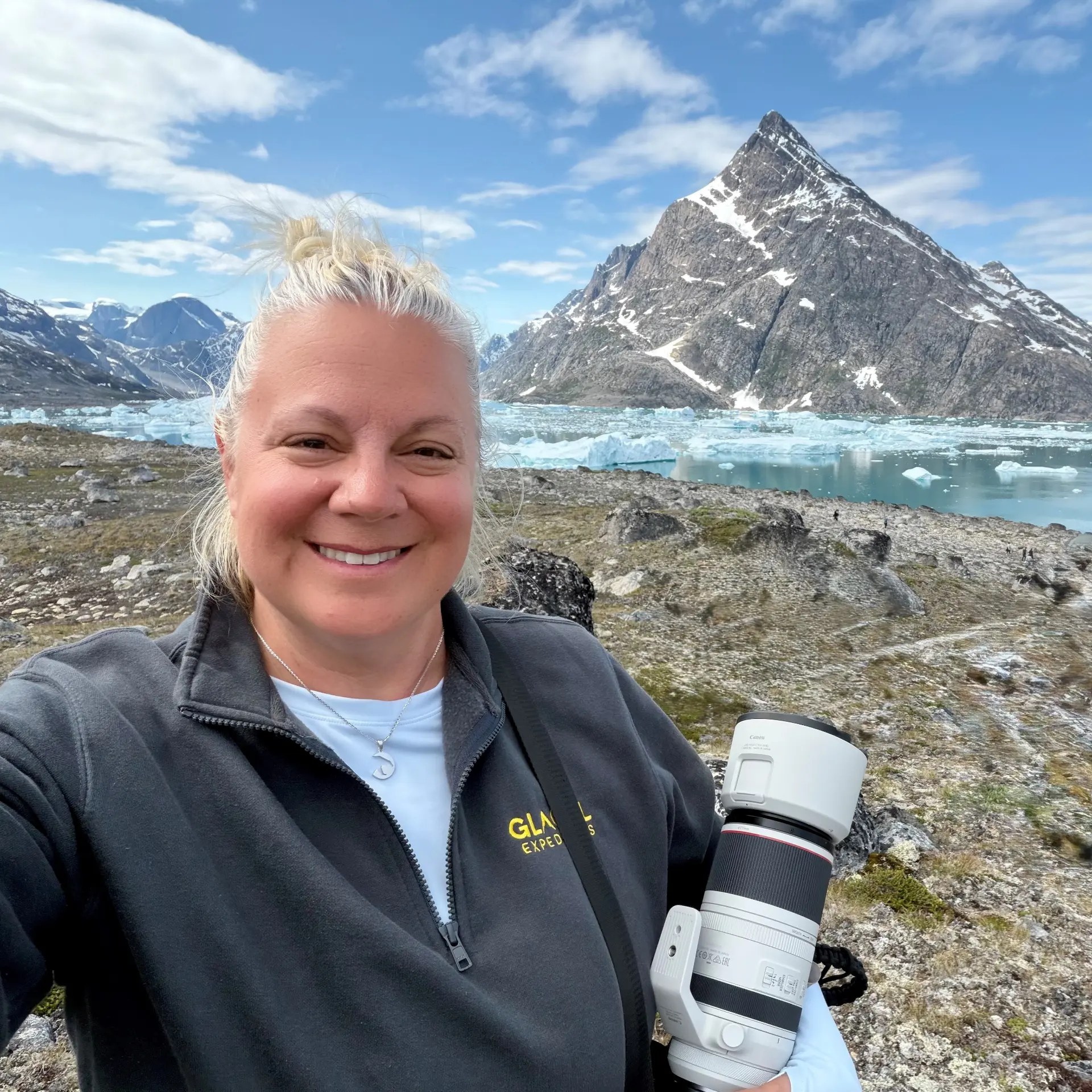
We sailed Svalbard aboard the MS Spitsbergen, so the descriptions here — the mudroom routine, the Zodiac loading, the way an announcement can come at any hour under continuous daylight — come from that voyage rather than from a brochure.
Where Do Ships Actually Go in Svalbard?
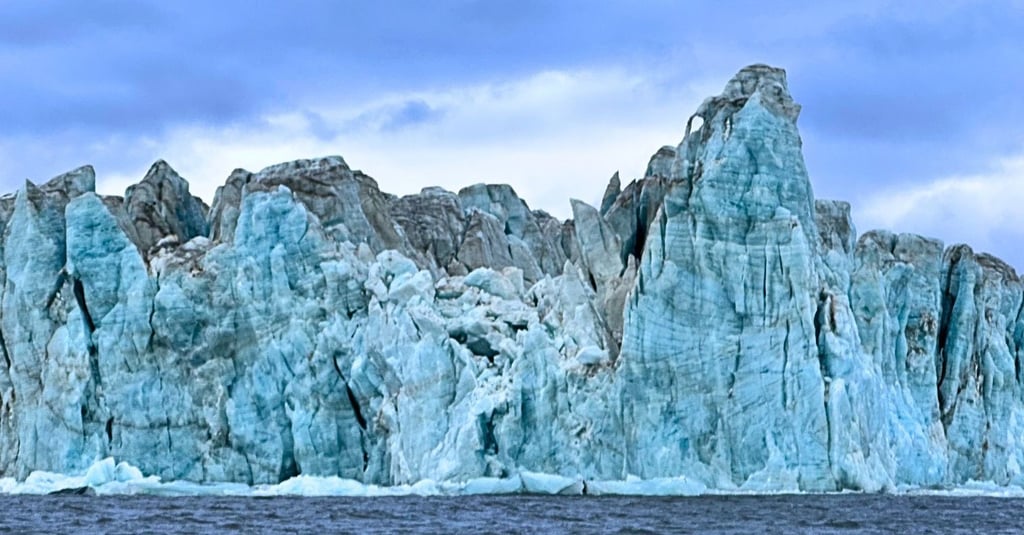
Most voyages work Spitsbergen, the largest island: Kongsfjorden, Hornsund and the Monacobreen glacier front. Ships add the Alkefjellet bird cliffs, the walrus haul-outs at Moffen and Poolepynten, and the Hinlopen Strait ice passage between Spitsbergen and Nordaustlandet. How far north and east you get depends entirely on the ice that summer.
Alkefjellet is the set piece nobody expects to be so loud: basalt columns with tens of thousands of Brünnich's guillemots nesting on them, and Arctic foxes working the base of the cliff for anything that falls.
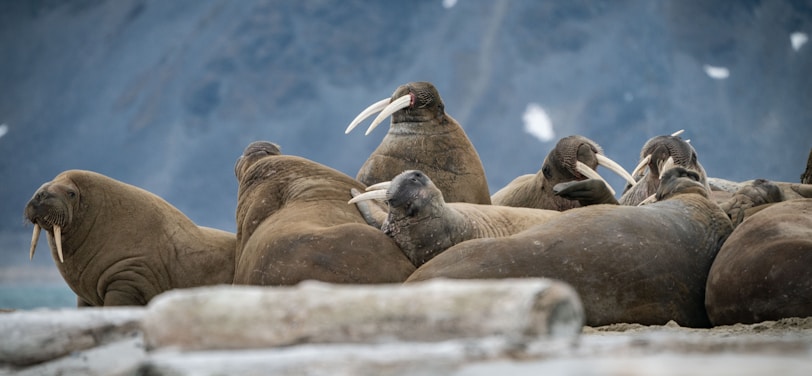
Walrus haul-outs are approached slowly by Zodiac and never on foot. A haul-out is a stack of one-tonne animals that will stampede for the water if a line of people appears above the beach, and the injuries in that scramble are to the walrus.
When Is the Best Time to Sail Svalbard?
Late May and June bring the heaviest pack ice, snow still on the mountains and the best bear-on-ice viewing. July opens the fjords and allows circumnavigations. August offers the longest reach north and the strongest whale activity. Early September brings autumn colour, the first darkness and the earliest chance of aurora on a late sailing.
The month matters more than most first-timers expect, and it is usually the quickest way to shorten an operator list. If ice and bears are the priority, we push you earlier. If reach, walrus, flowers and whales matter more, later is better.
There is no summer aurora here. Around the June solstice the sun does not set at all, which is wonderful for wildlife watching and hopeless for the Northern Lights — see when to visit the Arctic for the full month-by-month picture.
What Wildlife Will You See in Svalbard?
Polar bears are the headline, and Svalbard has the best odds of anywhere you can reach on a scheduled sailing, though nothing is guaranteed. Expect walrus hauled out in groups, Svalbard reindeer, Arctic fox, bearded and ringed seals, beluga and minke whales, and seabird cliffs holding guillemots, kittiwakes, puffins and Arctic terns.
Svalbard reindeer are a short-legged endemic subspecies, and they are so unbothered by people that they wander through Longyearbyen. Look and photograph, but never feed or approach: they are wild animals protected by local law.
There are no penguins in the Arctic, in Svalbard or anywhere else in the north. Species by species detail sits in the Arctic wildlife guide.
What Rules Govern Svalbard Voyages?
Svalbard is governed by Norwegian environmental law, with over 65% of the archipelago inside national parks and nature reserves, and the Governor of Svalbard sets minimum wildlife distances. The operators we book also follow AECO guidelines, the Association of Arctic Expedition Cruise Operators. There is no Antarctic-style 100-person landing cap in the Arctic.
Current Norwegian rules require vessels and visitors to keep a minimum distance from polar bears — 300 metres through spring and summer, and 500 metres for fast-moving craft. In practice the bridge tends to sit further off than the law requires and let the bear decide how close the encounter becomes.
Ashore, guides sweep the landing site and post an armed perimeter before guests step onto the tundra. If a bear approaches, everyone goes back into the Zodiacs and the sighting continues from the water. It is handled quietly, and by the second landing most guests stop noticing. Our wider commitments sit on responsible travel and sustainable travel impact.
How Do You Get to Svalbard?
Scheduled flights connect Oslo and Tromsø to Svalbard Airport at Longyearbyen. There are a finite number of seats on those legs, and a missed connection means a missed ship, so a pre-cruise night in town is effectively mandatory. Budget the airfare and the hotel night separately from the voyage fare.
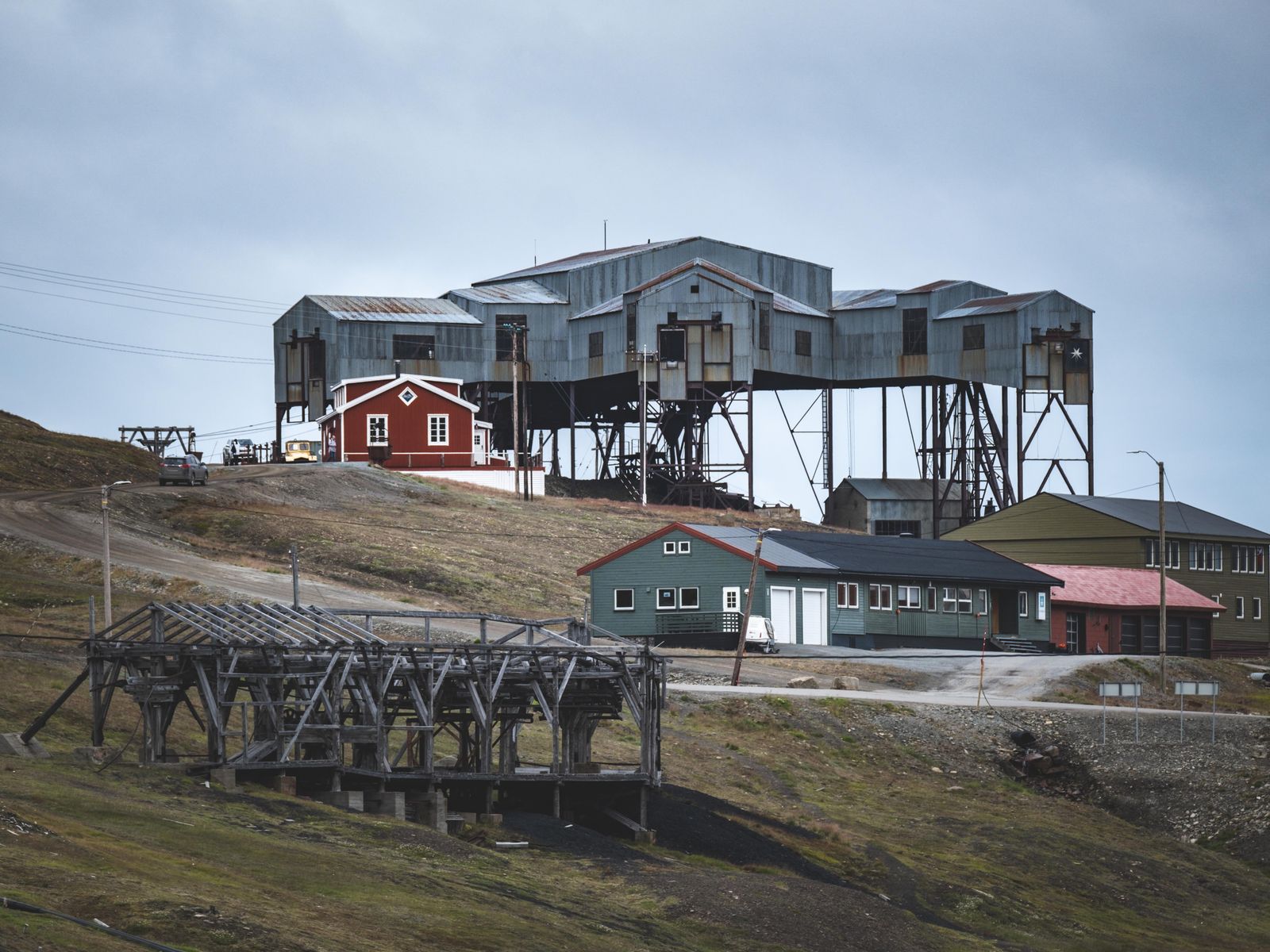
Give Longyearbyen more than a night if you can. It is the northernmost town in the world, with a museum worth an hour, a handful of good restaurants and the world's northernmost brewery — plus a decent chance of a reindeer on the walk to dinner. Our Longyearbyen guide covers the practicalities.
Which Ship Should You Choose for Svalbard?
Ship size matters less here than in Antarctica because there is no landing cap, but smaller vessels still reach tighter fjords and get everyone ashore faster. Ice class matters more, especially for circumnavigations. Look hardest at the expedition team, the number of Zodiacs, and whether the operator carries qualified polar bear guards.
We book across every operator working these waters rather than steering you to a favourite: Lindblad-National Geographic, Quark, Oceanwide, Aurora Expeditions, Ponant, Silversea, Seabourn, Scenic, HX and the micro-ship specialists all sail Svalbard, and they suit very different travellers.
A ship you loved in Antarctica can be the wrong ship here. Antarctic work rewards a big Zodiac fleet and fast landing turnarounds; Svalbard rewards ice class, a strong bridge team and the patience to sit at a floe edge for three hours. Fleet notes sit in expedition cruise lines and the ships we have sailed.
Svalbard: common questions
Will I see a polar bear in Svalbard?
Most summer voyages record at least one sighting, and Svalbard has the best odds of any accessible Arctic destination, but no operator guarantees it. Bears are usually seen from the ship at distance on pack ice. Early-season sailings, when the ice is still extensive, generally produce better encounters.
How long is a Svalbard expedition cruise?
Eight to twelve days for a round-trip from Longyearbyen, and roughly ten to fourteen days for a circumnavigation of the archipelago when ice allows. Add a pre-cruise night in Longyearbyen and travel days on either end.
What does a Svalbard cruise cost?
Most travellers spend $8,000 to $16,000 per person for an 8 to 12 day voyage including meals, excursions and gear loans. Luxury vessels and suites run $20,000 to $40,000 or more. Flights to Longyearbyen and the pre-cruise hotel night sit on top. See [what an Arctic expedition costs](/destinations/arctic/cost).
Can you see the Northern Lights in Svalbard?
Not during the expedition season. From late May to early September there is no darkness, so the sky never dims enough. Aurora travel in the Arctic runs from late September to late March, when the expedition fleet has left.
Do guides really carry rifles?
Yes. Armed polar bear guards accompany every landing party in Svalbard, as Norwegian law and common sense both require. Guides scout the site first and post a perimeter, and if a bear approaches the group returns to the Zodiacs.
Keep planning your Svalbard voyage
Seeing polar bears in the Arctic
Odds, timing, distances and what a real sighting looks like.
When to visit the Arctic
Both seasons month by month, and how to pick between them.
Kayaking in Svalbard
Paddling glacier fronts, what to wear, and how places are allocated.
Longyearbyen travel guide
The northernmost town in the world, and how long to give it.
Arctic wildlife guide
Bears, walrus, reindeer, seabirds and whales, and where each is seen.
What an Arctic expedition costs
Fares, flights, buffer nights and the extras that move the total.