


Part of our The Arctic guide →
Kayaking in Svalbard at a glance
- Season
- Late May to early September — mild temperatures, minimal ice, midnight sun
- Wildlife from the water
- Bearded seals, beluga whales, walrus, seabird cliffs — and the rare polar bear on shore
- What you wear
- A dry suit over thermal underlayers, supplied by the operator — dress for the water, not the air
- How it runs
- Guided paddles from the ship or shore, in small groups led by guides who know the ice and the wildlife rules
Why kayak in Svalbard?
Svalbard's pristine waters and dramatic coastal scenery make it a dream destination for adventurers. Kayaking lets you navigate areas inaccessible by larger vessels, offering a perspective of the Arctic's untouched wilderness that feels personal and profound.
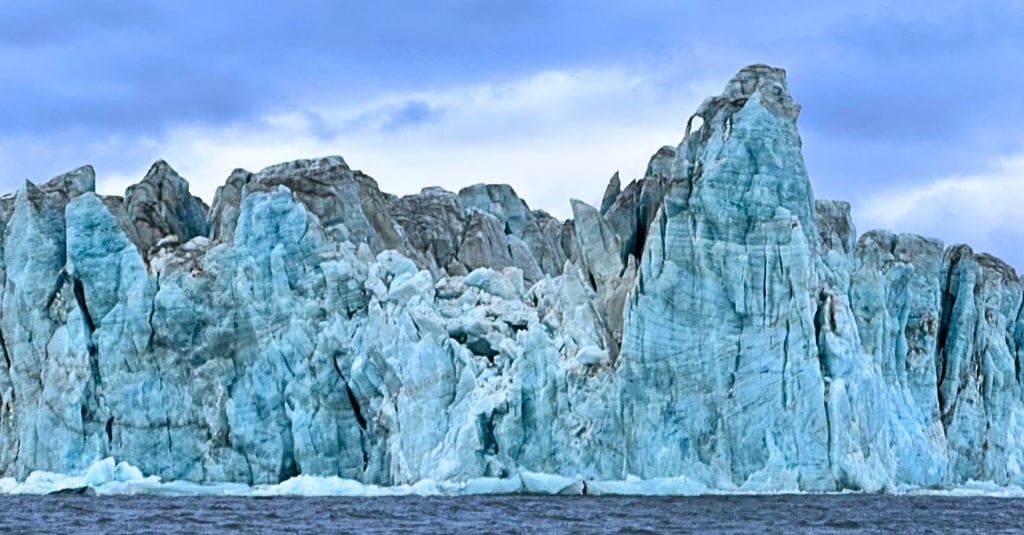
Whether paddling alongside calving glaciers or spotting wildlife from the water, kayaking in Svalbard offers an unparalleled connection to this unique environment. A ship shows you the fjord; a kayak puts you on it, at water level, at your own pace.
What is a day on the water like?
Imagine launching your kayak from the shore, crisp Arctic air filling your lungs as the midnight sun bathes the landscape in golden glow. You paddle through serene fjords, the silence broken only by the gentle splash of your paddle and the distant crack of icebergs calving.
As you navigate the icy waters, you might spot a bearded seal lounging on a floe or a pod of beluga whales swimming nearby. Occasionally, the distant silhouette of a polar bear might appear along the shoreline, a humbling reminder of Svalbard's wild inhabitants. These moments, both serene and thrilling, define the kayaking experience here.
What wildlife will you see from a kayak?
Kayaking brings you closer to the region's incredible wildlife. Seabirds — Arctic terns, puffins and guillemots — crowd the cliffs and skies, seals and walrus appear in the waters you paddle, and the rare possibility of a polar bear adds an edge of excitement to every outing.
From the vantage point of your kayak you're at the water's level, eye to eye with a seal on a floe rather than looking down from a deck rail. Every encounter follows the same rules as any Arctic excursion: wildlife sets the distance, and a good guide makes sure of it.
What should first-time Arctic kayakers know?
Three things. Dress for the elements — layers are essential, and a dry suit with thermal underlayers keeps you warm and protected from the frigid water. Stay safe — always kayak with a guide who knows the region, its ice conditions and wildlife safety. And embrace the adventure — the Arctic is unpredictable, and the surprises are often the highlight.
Be open to changes in plan. Wind, ice and wildlife rewrite the day's intentions without apology, and the paddlers who enjoy Svalbard most are the ones who treat that as part of the experience rather than a failure of it.
When is the best time to kayak in Svalbard?
The prime season runs from late May to early September. This period offers relatively mild temperatures, minimal ice, and the midnight sun — allowing for extended paddling adventures in near-endless daylight.
Early season paddles among heavier ice; late season brings softer light and the first hint of returning darkness. Our guide to when to visit the Arctic breaks the season down month by month.
An experience like no other
Kayaking in Svalbard is a journey into the heart of the Arctic's untouched wilderness — a chance to witness the power of nature, encounter incredible wildlife, and challenge yourself in an environment unlike any other.
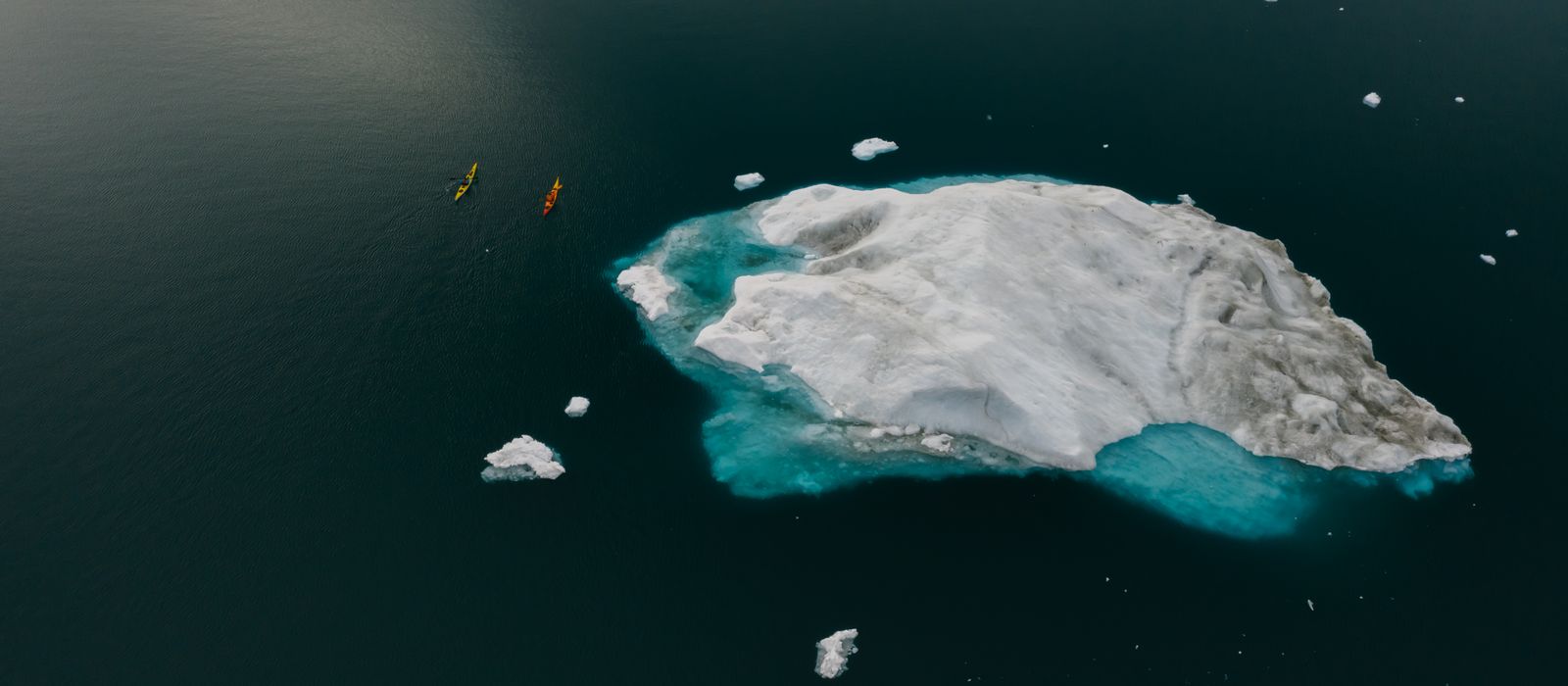
For those seeking adventure and tranquility in equal measure, paddling through Svalbard's icy waters is an experience that stays with you long after you've returned to shore. And the kayak itself has Arctic roots — Greenland's Inuit peoples invented it thousands of years ago, one of our favorite facts about the Arctic.
Kayaking in Svalbard: common questions
When can you kayak in Svalbard?
Late May to early September. The summer months bring milder temperatures, minimal sea ice and the midnight sun, which allows long paddling windows in continuous daylight.
What do you wear kayaking in the Arctic?
A dry suit over thermal underlayers — supplied by the operator — with layers adjusted underneath. You dress for immersion in near-freezing water, not for the air temperature on the day.
What wildlife might you see from a kayak?
Bearded seals on ice floes, beluga whales near shore, walrus, and seabirds including Arctic terns, puffins and guillemots along the cliffs. Polar bear sightings from the water are rare but possible — always at a distance set by your guide.
Do you need experience to kayak in Svalbard?
No prior Arctic experience is needed, but you always paddle with a guide who knows the region's ice conditions and wildlife safety rules. Basic comfort on the water helps; the dry suit and stable expedition kayaks do the rest.
Keep planning your Arctic trip
Svalbard expedition guide
The archipelago, the gateway town, and why almost every summer voyage starts here.
When to visit the Arctic
Both seasons month by month, and how to pick between them.
Arctic wildlife guide
Bears, walrus, reindeer, seabirds and whales, and where each is seen.
Arctic packing list
What operators supply, what you buy, and what stays home.
10 Arctic facts you probably didn't know
Polar bears, midnight sun, street-wandering reindeer and the Inuit kayak.