
Part of our The Arctic guide →
The Arctic in five facts
- Eight countries
- Canada, Greenland, Iceland, Norway, Finland, Sweden, Russia and the United States all touch the Arctic
- The Arctic Ocean
- Roughly 14 million square kilometers — nearly twice the size of Australia
- Midnight sun
- Up to 30 days of continuous daylight around the summer solstice; 187 days at the North Pole
- People of the Arctic
- About 4 million residents, roughly 10% Indigenous
- Penguins
- None. Penguins live only in the Southern Hemisphere
1. The Arctic Ocean may be the smallest — but it's still massive
The Arctic Ocean covers roughly 14 million square kilometers — nearly twice the size of Australia. Most of it is covered in drifting sea ice that ebbs and flows with the seasons, creating a dynamic landscape unlike anywhere else on Earth.
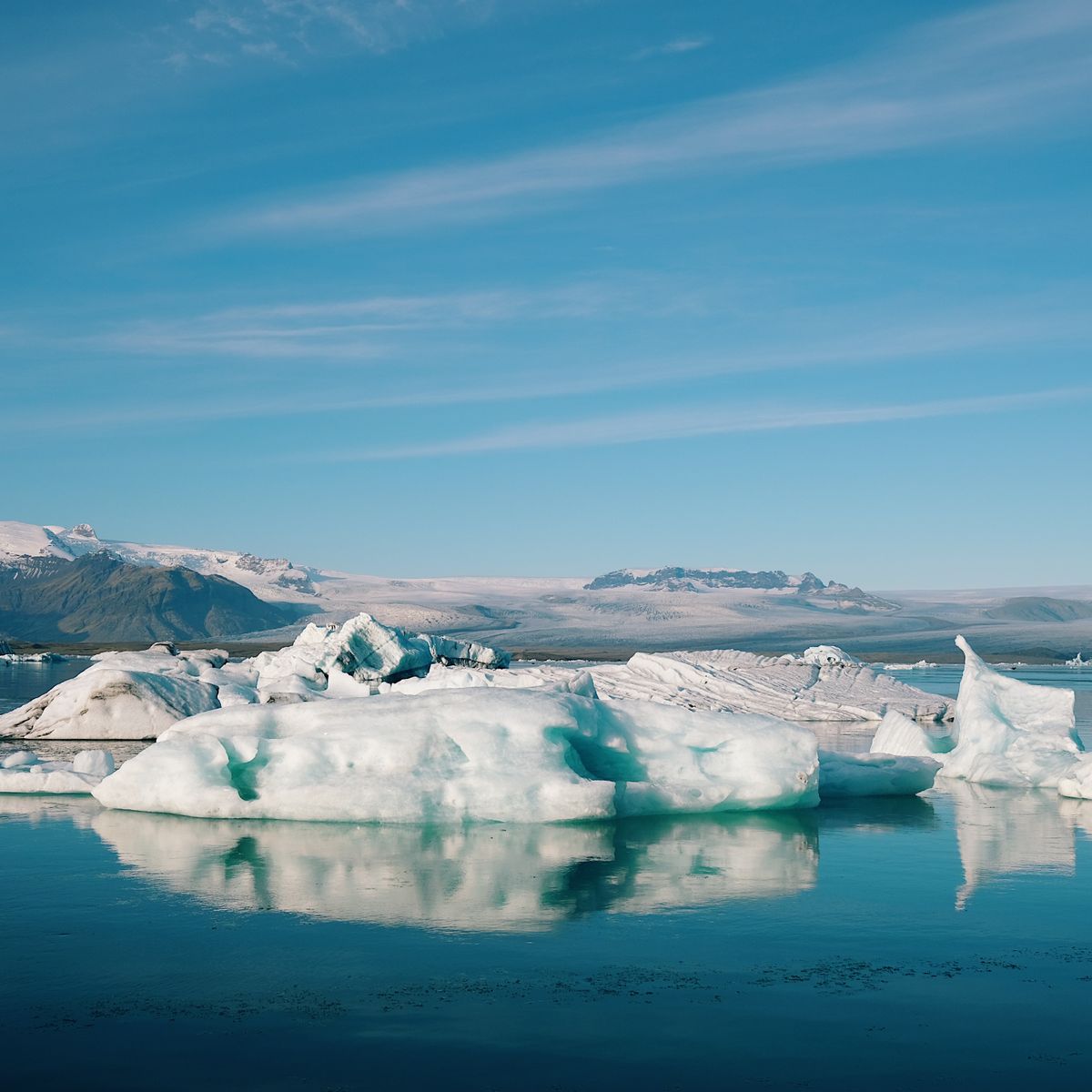
It's easy to overlook the Arctic Ocean compared to the Atlantic or Pacific, but it's still the size of a continent. The sea ice is the story: it grows, retreats and reshapes itself every year, which is why no two Arctic voyages — even on the same route, in the same month — are ever quite the same.
2. Polar bears are Arctic locals — and powerful predators
Polar bears are found only in the Arctic. They are the largest land carnivores on Earth and hypercarnivores — over 70% of their diet is meat, mostly seals — yet cubs are born about the size of a guinea pig in snow dens deep in winter.
Unfortunately, with the rapid decline of sea ice, polar bears are now classified as vulnerable to extinction, which makes responsible Arctic travel and climate awareness more important than ever. Seeing one from the deck of a ship — at a respectful distance, on the bear's terms — is the moment most Arctic travelers remember longest. Our polar bear guide covers where and when sightings are realistic.
3. Greenland blooms in summer
Eighty-four percent of Greenland is permanently covered by the second-largest ice sheet in the world, yet in summer the lower valleys burst into color — more than 500 species of flowering plants, ferns and grasses grow across the island.
Keep an eye out for Niviarsiaq, or broad-leaf fireweed, Greenland's national flower — a vibrant pink bloom that pops against the tundra's muted tones. It's one of the quiet pleasures of a Greenland voyage: the landscape looks barren from the water and turns out to be a meadow under your boots.
4. Svalbard reindeer might greet you in the street
In Longyearbyen — the northernmost town in the world and the gateway to Svalbard — short-legged, Arctic-adapted reindeer wander casually through town, unbothered by humans. They're not aggressive, just curious neighbors.
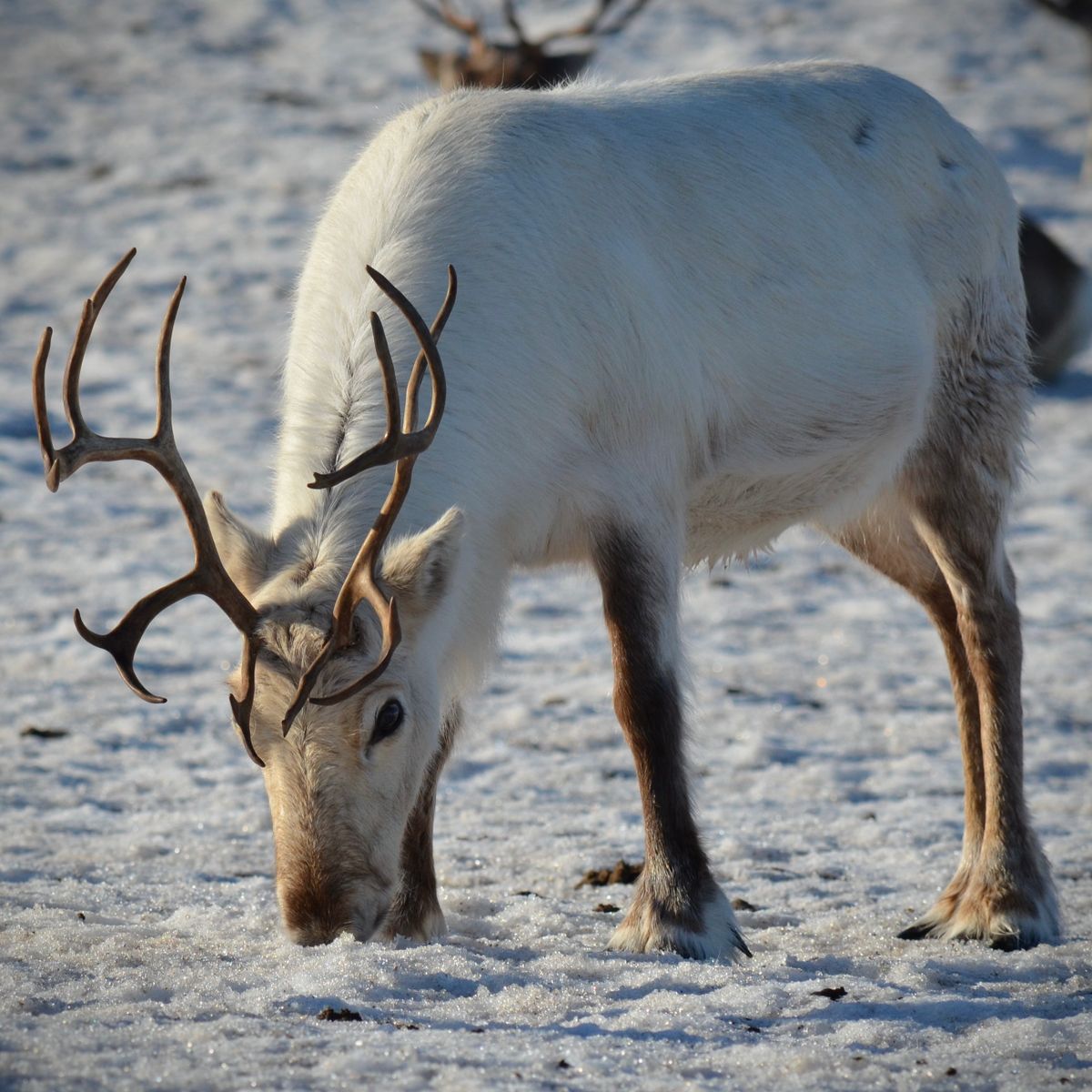
Don't be surprised if you run into one while walking to dinner. Almost every Arctic voyage begins or ends in this town, so the odds of a reindeer encounter on your first evening are genuinely good. Our Longyearbyen guide covers how long to give the town before your ship sails.
5. In summer, the sun doesn't set. Literally.
North of the Arctic Circle, the Midnight Sun means daylight can last for weeks — or even months — depending on how far north you go. Around the summer solstice in June, the sun stays above the horizon for up to 30 days.
Head all the way to the North Pole and you'll find 187 days of continuous daylight. There's truly nothing like sipping coffee (or champagne) at midnight under a glowing Arctic sky. The light also dictates which trip you can take and when — we break that down in midnight sun and polar night and when to visit the Arctic.
6. Iceland is still making itself
Iceland sits on a volcanic hotspot and a tectonic rift, which means it's constantly evolving — over the past 200 years, 30 different volcanoes have erupted across the country. The geothermal bonus: it powers almost all of Iceland's homes with clean, sustainable heat.
Nicknamed the Land of Fire and Ice, it's one of the greenest places on Earth — and one of the most geologically fascinating. Many Arctic itineraries embark or disembark in Reykjavík, and we almost always recommend adding days on either side.
7. The Arctic is home to people, not just polar bears
Roughly 4 million people live in the Arctic, and about 10% are Indigenous — including the Inuit of Canada and Greenland, the Sámi of northern Scandinavia, and dozens of other cultural groups with deep traditions and rich heritage.
In Greenland alone, nearly 89% of the population identifies as Inuit, with distinct groups like the Kalaallit, Tunumiit and Inughuit continuing to share language, stories and way of life. It's the deepest difference between the poles: Antarctica has no permanent residents at all, while the Arctic has been home to communities for thousands of years — something we expand on in our Arctic versus Antarctica comparison and our responsible travel commitments.
8. Walruses are social — and surprisingly political
The walrus's scientific name, Odobenus rosmarus, means "tooth-walking sea horse." Their social rank depends on tusk length, body size and attitude — lose a tusk in a scuffle and you could drop down the social ladder.
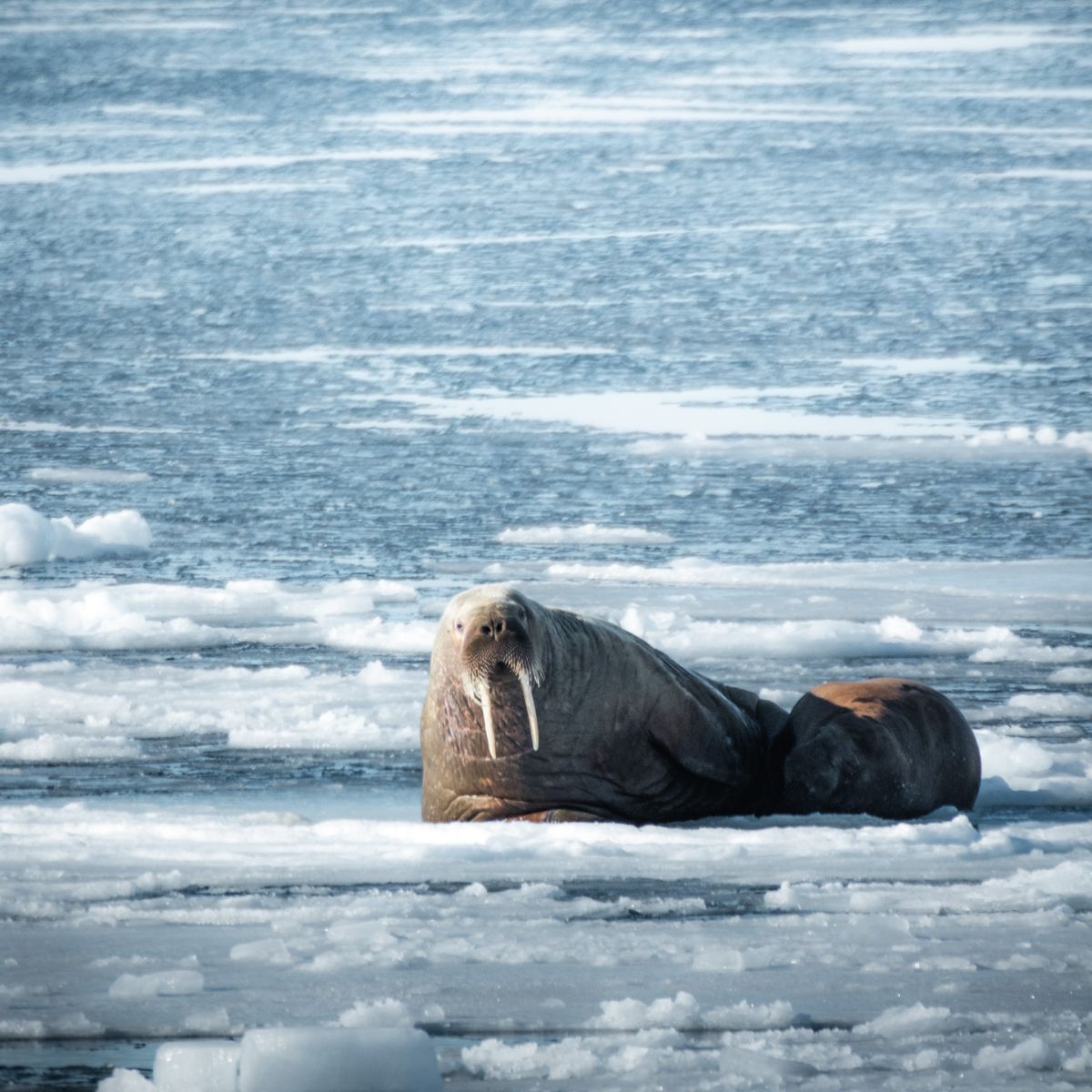
These giant tusked creatures may look like sleepy blobs on an ice floe, but their society is complex. It's a tough world out there, even for walruses. A hauled-out group on a Svalbard beach — heard and smelled well before it's seen — is one of the great Zodiac moments in the Arctic. More in our Arctic wildlife guide.
9. You won't find penguins in the Arctic
Penguins live only in the Southern Hemisphere — you'll spot them in Antarctica, the Galápagos, and parts of southern Africa and South America, but never in the Arctic. The North is ruled by seabirds: puffins, auks and guillemots.
Contrary to popular belief, penguins are not polar opposites of polar bears — the two never share a landscape, anywhere on Earth. If penguins are the dream, that's an Antarctica conversation. If it's bears, that's ours. And the Arctic's seabird colonies — tens of thousands of birds on a single cliff — are a spectacle in their own right.
10. Kayaking? Thank the Arctic
Greenland's Inuit peoples invented the kayak — or qajaq — thousands of years ago. These sleek, seal-skin-covered vessels were originally used for hunting in narrow fjords and icy seas.
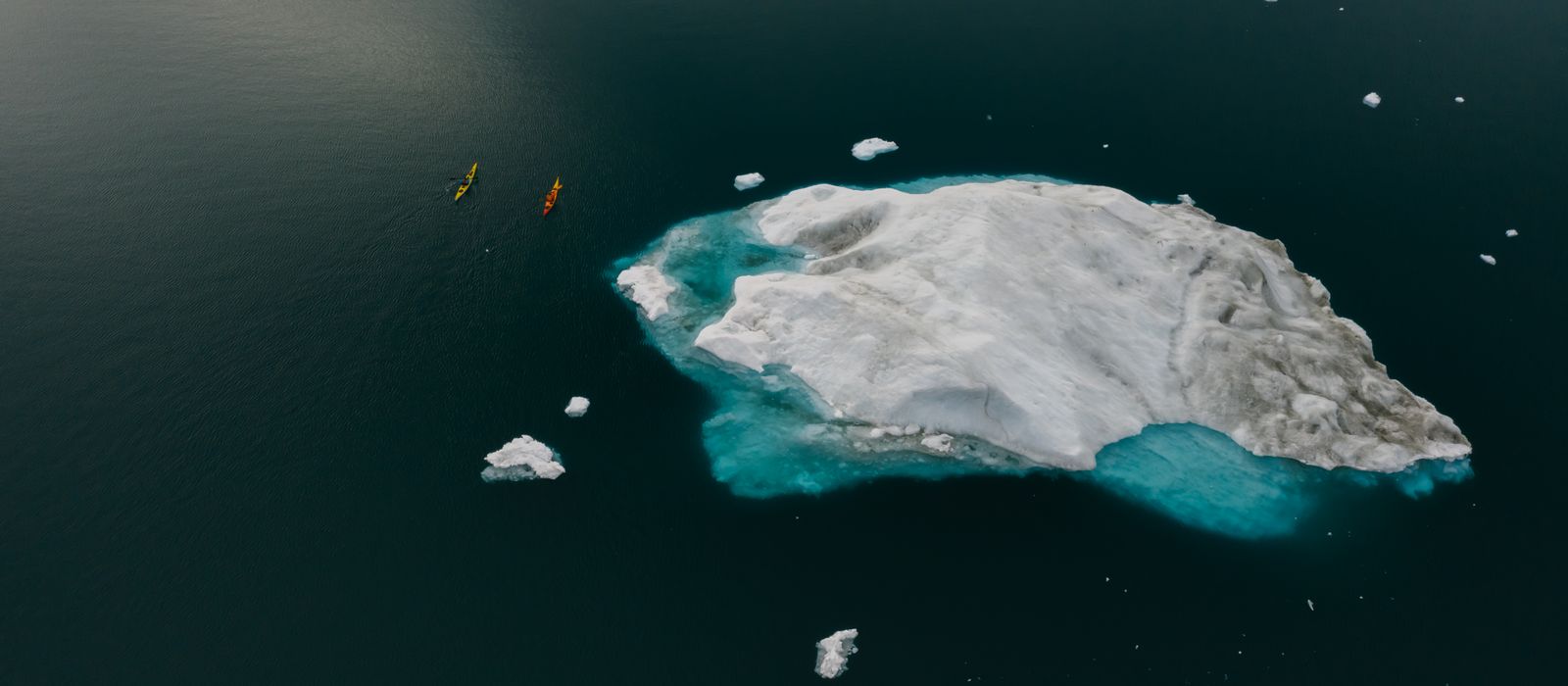
Today, you can paddle a modern kayak through the same glacial landscapes, navigating calm bays beside icebergs, walruses and maybe even whales — a once-in-a-lifetime way to connect with the Arctic's rich traditions. Most expedition ships carry a kayak fleet, and places go fast; our guide to kayaking in Svalbard explains how it's allocated and what to wear.
Arctic facts: common questions
Are there penguins in the Arctic?
No. Penguins live only in the Southern Hemisphere. The Arctic's signature birds are puffins, auks, guillemots and Arctic terns — and its signature land predator is the polar bear, which penguins never meet anywhere in the wild.
Does anyone live in the Arctic?
Yes — roughly 4 million people, across eight countries. About 10% are Indigenous, including the Inuit of Canada and Greenland and the Sámi of northern Scandinavia. Unlike Antarctica, the Arctic has towns, roads and thousands of years of human history.
When is the midnight sun?
Around the summer solstice in June. North of the Arctic Circle the sun can stay above the horizon for days or weeks — up to 30 days in high latitudes, and 187 days of continuous daylight at the North Pole. June and early July voyages get the longest light.
Will I really see reindeer in Longyearbyen?
Very likely. Svalbard reindeer are unbothered by people and regularly wander through town. The rule is simple: look, photograph, but never feed, touch or approach — they're wild animals protected under local law.
Where did kayaking come from?
Greenland. Inuit hunters developed the qajaq thousands of years ago for hunting in narrow fjords and icy seas. Modern sea kayaks descend directly from that design, and many expedition ships now carry fleets of them.
Keep exploring the Arctic
Seeing polar bears in the Arctic
Odds, timing, distances and what a real sighting looks like.
Midnight sun and polar night
Why the light dictates which Arctic trip you can take.
Longyearbyen travel guide
The northernmost town in the world, and how long to give it.
Arctic wildlife guide
Bears, walrus, reindeer, seabirds and whales, and where each is seen.
Kayaking in Svalbard
Paddling glacier fronts, what to wear, and how places are allocated.
Arctic versus Antarctica
The full side-by-side comparison of the two poles.