

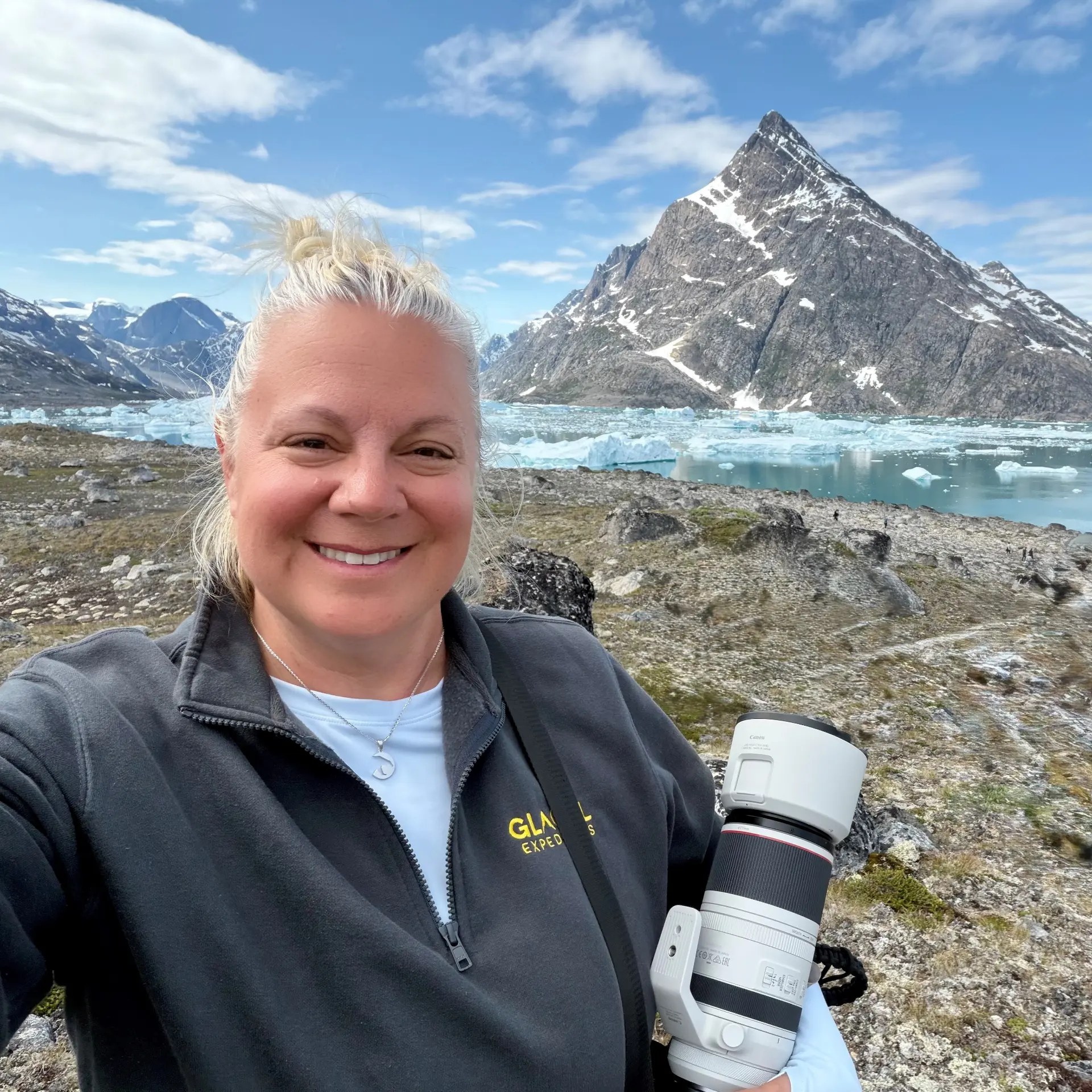
Part of our The Arctic guide →
Arctic packing essentials
- Usually supplied
- Expedition parka, and loaned knee-high rubber boots
- You must bring
- Waterproof trousers, base layers, gloves, hat
- Base layers
- Two or three sets of merino or synthetic. No cotton
- Gloves
- Two pairs, one waterproof and one thin liner
- Sun
- Sunglasses and high-factor sunscreen, even at 78° north
- Dry bag
- 20-30L for camera gear on Zodiac transfers
How Does the Three-Layer System Work?
A wicking base layer of merino or synthetic against the skin, an insulating mid-layer of fleece or down over it, and a waterproof, windproof outer shell on top. You add and remove the middle layer as activity changes. The system beats one thick coat because Arctic discomfort is usually damp, not cold.
Cotton is the one material to leave at home. It holds moisture, loses all insulation when wet, and takes a day to dry in a cabin.
Two or three base-layer sets is the right number for a ten-day voyage. Ships have laundry, and merino tolerates repeat wear better than anything else you own.
What Do Operators Supply and What Must You Bring?
Most polar operators give you an expedition parka to keep and loan knee-high waterproof boots for wet landings. Almost none supply waterproof trousers, and you need them: Zodiac benches are wet, spray is constant, and landings are through surf. Confirm boot sizing before you rely on the loan.
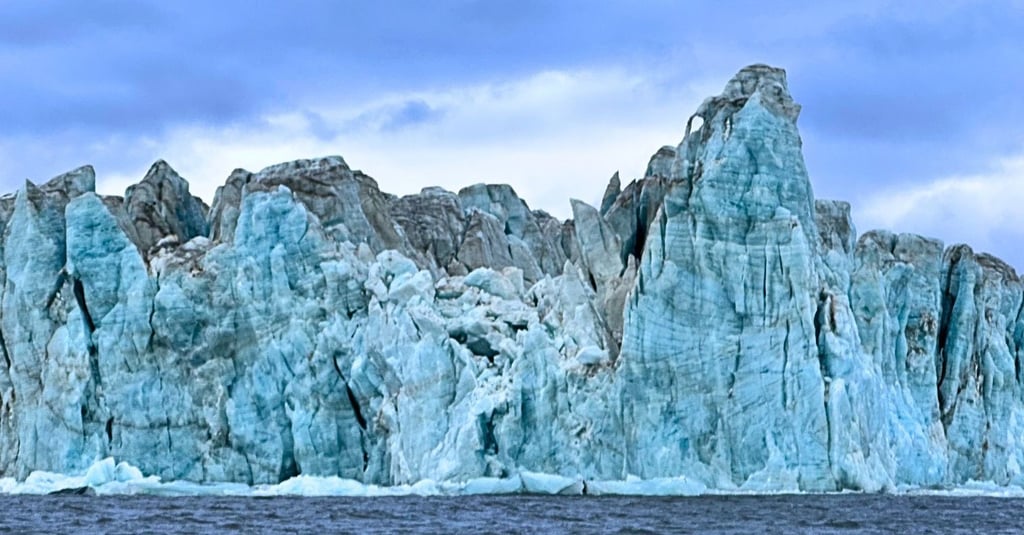
On our Svalbard voyage aboard the MS Spitsbergen and again in East Greenland aboard the National Geographic Resolution, the parka and boots were provided and the waterproof trousers were ours to bring. That split is standard, but it is worth checking against your own operator rather than assuming.
What About Gloves, Hats and Footwear?
Two pairs of gloves: waterproof outers for Zodiac work and thin liners for operating a camera without bare skin on cold metal. A warm hat that stays on in wind, and a neck gaiter rather than a scarf, which can catch. Ashore you use the loaned rubber boots; onboard, ordinary shoes are fine.
Bring one spare pair of each. Wet gloves do not dry overnight, and a soaked pair on day three of ten is a genuinely miserable problem.
What Do People Forget?
Sun protection and dry bags. Light reflecting off sea ice and glaciers burns exposed skin quickly and strains eyes, so high-factor sunscreen, lip balm and proper sunglasses matter even in cold air. A 20 to 30 litre dry bag keeps camera gear safe during Zodiac transfers where spray is guaranteed.
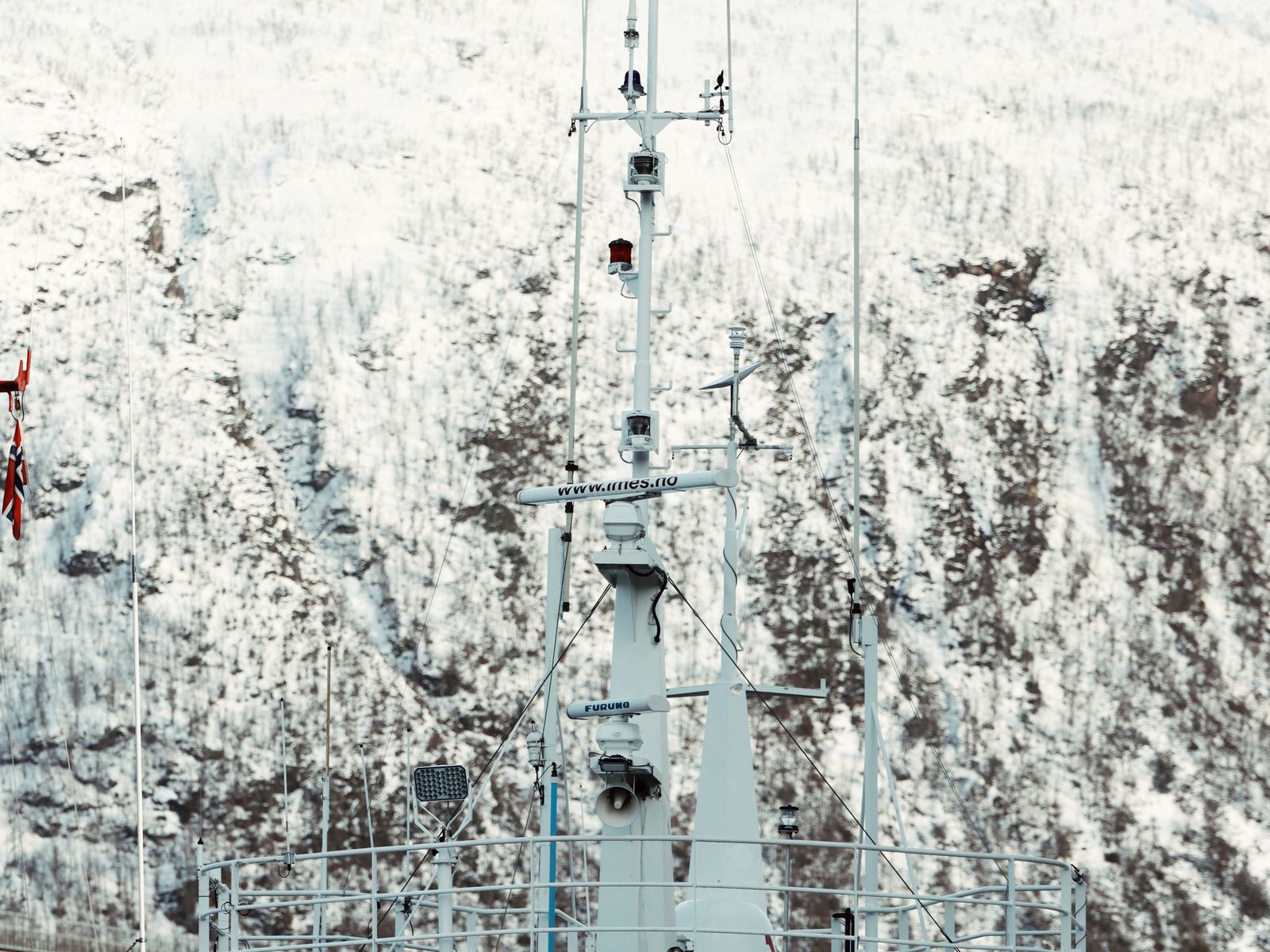
Add spare camera batteries and memory cards, carried in an inside pocket. Cold drains batteries faster than any specification sheet suggests — something both Churchill trips confirmed within an hour of being outside.
Binoculars are the single most underpacked item. Arctic wildlife is usually at distance, and 8x42 in your own hands beats waiting for a shared pair on deck.
What Can You Leave at Home?
Formal clothes, heavy boots for onboard use, and a second big coat. Expedition ships are informal, cabins are warm, and the parka handles everything outside. Umbrellas are useless in polar wind. Drones are prohibited across most Arctic operators and protected areas, so check before packing one.
Weight discipline matters because the flights into Longyearbyen and Kangerlussuaq carry tighter baggage limits than the transatlantic leg that got you there.
Arctic packing: common questions
Do Arctic operators provide a parka?
Most do, and on many lines it is yours to keep. Boots are usually loaned rather than given. Confirm both, and confirm the boot size range, before buying your own.
Do I need waterproof trousers?
Yes. They are the item operators rarely supply and the one you will use on every Zodiac cruise and wet landing. Breathable waterproof over-trousers are enough; ski trousers are usually too warm.
How cold does it actually get?
A Svalbard summer day typically sits between about -2°C and 7°C. Wind on an open Zodiac is what makes it feel far colder, which is why the shell layer matters more than bulk.
How much luggage can I bring?
Less than you think. The regional flights to Longyearbyen and Kangerlussuaq have stricter limits than long-haul, so pack to those and expect a soft bag to stow more easily in a cabin.
Do I need special gear for kayaking?
No. Kayaking programmes supply drysuits, booties, buoyancy aids and spray skirts. You bring base layers to wear underneath and gloves you do not mind getting wet.
Keep preparing
What to pack for an expedition cruise
The general packing guide across every region.
Arctic kayaking
What the programme supplies and what it asks of you.
Photographing the aurora
Camera gear that survives cold, and what does not.
When to visit the Arctic
Temperatures and conditions month by month.
Longyearbyen
What to wear on your pre-cruise day at 78° north.