
Plan
Ten Expedition Cruising Myths, Busted.
The assumptions that stop people booking, and what’s actually true.
The common assumptions are that expedition cruising demands elite fitness, means constant cold, uses rustic ships, is dangerous, guarantees seasickness, is dull at sea, suits only scientists and photographers, is passive sightseeing, is only for the ultra-rich, and harms fragile places. None of the ten holds up in practice.
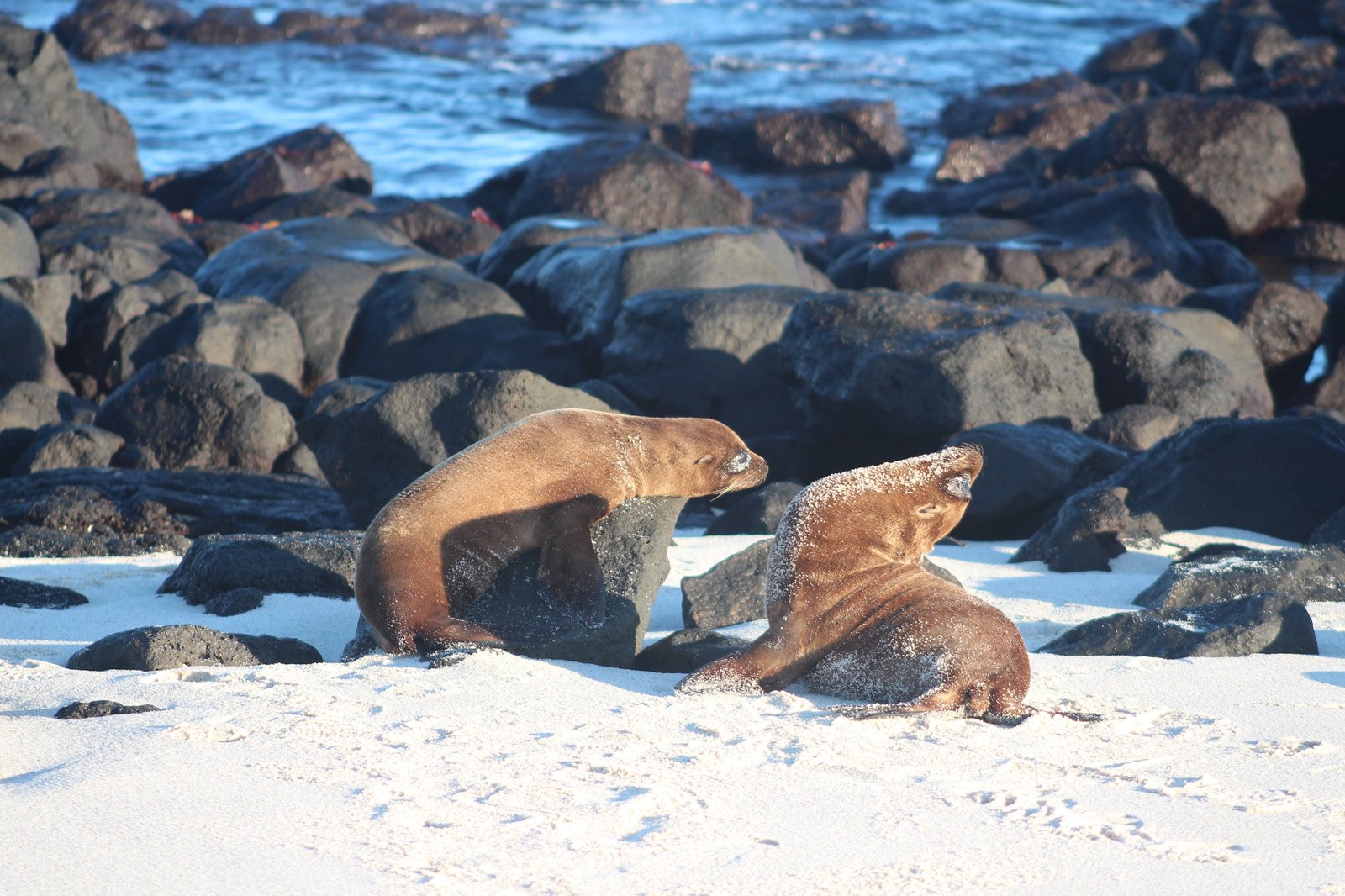
Ever dreamt of exploring the remote corners of our planet, witnessing incredible wildlife in their natural habitats, and standing in places few people ever get to see? An expedition cruise might be exactly what you’re looking for. Yet, for many, the idea of an expedition cruise conjures up images of extreme discomfort, danger, and exclusivity. After taking over a dozen expedition cruises in different parts of the world and hearing friends question this type of adventure, it’s time to set the record straight! Let’s shatter the ten common misconceptions about these incredible journeys. Get ready to discover the surprising realities and unlock how accessible and unforgettable an expedition cruise truly can be.
Do you need to be an extreme adventurer or athlete?
No. A good level of general health and mobility helps, but the main physical requirement is comfortably getting in and out of a Zodiac, with crew always on hand. Activities range from long hikes to leisurely walks and scenic Zodiac cruises without landing. If you can walk unassisted for short periods, you are likely fine.
The myth: You envision needing to be a triathlete, expert hiker, or seasoned mountaineer just to keep up. The idea of steep, challenging climbs and constant physical exertion might deter many.
The reality: While a good level of general health and mobility is beneficial, you absolutely don’t need to be an elite athlete to enjoy an expedition cruise. The primary physical requirement for most expeditions, especially in polar regions, is being able to comfortably get in and out of a Zodiac (the sturdy, inflatable boats used for landings and excursions). This involves stepping over a high gunwale, often onto a stable platform, and crew members are always there to lend a hand.
Onshore, activities vary. While some trips offer more strenuous options like long hikes or kayaking, there are almost always choices to suit different fitness levels. Many guests simply enjoy leisurely walks, guided photography tours, or stick to scenic Zodiac cruises without even landing. A significant part of the experience, like wildlife spotting and lectures, happens comfortably onboard. If you can walk unassisted for short periods and manage a few steps, you’re likely good to go! More on this in our guide for first-time travelers.
Will you be constantly cold and uncomfortable?
No. Expedition cruises run in the favourable shoulder and summer seasons — the Antarctic summer often hovers around freezing or slightly above, and Arctic voyages are planned for periods of ice melt. Layering, not one massive coat, is the secret, and many operators provide a complimentary parka and rental boots.
The myth: Imagine shivering uncontrollably, battling blizzards daily, and enduring miserable conditions throughout the trip.
The reality: This is one of the biggest misconceptions, particularly for polar expeditions! Expedition cruises operate during very specific “shoulder” or “summer” seasons when conditions are most favorable. For instance, the Antarctic summer (roughly October to March) often sees temperatures hovering around freezing or even slightly above, making it surprisingly mild. Arctic temperatures vary more by region and time of year, but voyages are planned for periods of ice melt and greater accessibility. See when to go for the season by region.
The secret to comfort in these environments is layering, not one massive coat. Modern outdoor gear is incredibly effective. Many reputable operators even provide a complimentary expedition parka and/or rental boots to ensure you’re properly equipped. And remember, when you are not off the ship adventuring your time is spent in the warm, comfortable interiors of the ship, enjoying panoramic views from heated lounges.
Are the ships rustic, basic, or cramped?
No. The modern fleet is anything but rustic. Many new vessels are purpose-built with luxury and comfort in mind: spacious cabins, often with private balconies, gourmet dining, lounges, bars, fitness centres, spas, saunas and hot tubs, plus advanced navigation and stabilizers that keep the journey smooth.
The myth: You picture a no-frills, utilitarian vessel, more akin to a research ship than a vacation liner, with basic cabins and communal bathrooms.
The reality: While expedition ships are indeed designed for robust exploration, the modern fleet is anything but rustic. Many new expedition vessels are purpose-built with luxury and comfort firmly in mind. Expect spacious, well-appointed cabins (often with private balconies), gourmet dining, comfortable lounges, bars, and amenities like fitness centers, spas, and even saunas or hot tubs.
These ships seamlessly blend the spirit of adventure with the comforts of a boutique hotel. They are equipped with advanced navigation systems and stabilizers, making your journey as smooth and pleasant as possible, even in remote waters. The styles of ship vary widely.
Is expedition cruising too dangerous?
No. Safety is the highest priority for reputable operators, who follow stringent international regulations and employ highly trained crews and expedition teams in ice-strengthened vessels. Zodiac operations are conducted with meticulous care, landings are chosen for conditions, and most ships carry a medical clinic and a doctor.
The myth: Visions of perilous ice, rogue waves, capsizing Zodiacs, or being stranded in an unforgiving wilderness often creep into people's minds.
The reality: Safety is the absolute highest priority for reputable expedition operators. These companies adhere to stringent international safety regulations and employ highly trained, experienced crews and expedition teams. Captains are experts in navigating challenging waters, often in ice-strengthened vessels with cutting-edge technology.
Zodiac operations (getting in and out of the inflatable boats) are conducted with meticulous care. Guests receive thorough safety briefings, and the crew provides direct assistance. Landings ashore are always carefully chosen based on weather conditions and stability. Most ships have a medical clinic and a doctor onboard for minor ailments and emergencies, with comprehensive plans in place for more serious situations. You are in highly capable hands.
Will you get severely seasick the whole time?
Not usually. The Drake Passage and North Sea can be rough, but that is not constant or universal. Modern ships carry stabilizers, and X-Bow designs cut through choppy water. Captains route around the worst weather, medications help, and regions such as the Galapagos, the Norwegian fjords and the Amazon are inherently calm.
The myth: The thought of constant, debilitating seasickness from endless rough seas can be a major deterrent.
The reality: While certain areas, like the infamous Drake Passage to Antarctica and the North Sea, can be notoriously rough, it’s not a universal experience on all expedition cruises, nor is it a constant situation even in choppier waters. Modern expedition ships are specifically designed to navigate rougher seas, equipped with stabilizers that significantly reduce rolling motion, enhancing comfort; the X-Bow ships are designed to cut through the choppy waters.
Captains are also skilled at planning routes to avoid the worst weather whenever possible. For those prone to motion sickness, there are effective medications available, and choosing a cabin mid-ship on a lower deck can also help. Many popular expedition regions, like the Galápagos, Norwegian fjords, or the Amazon, are inherently much calmer, offering a smooth sailing experience throughout.
Travel tip: Know the specific ship’s capabilities to navigate rough waters before booking an expedition cruise!
Is there nothing to do onboard but stare out the window?
No. Days onboard are built around a rich educational programme: daily lectures from naturalists, marine biologists, historians and ornithologists that prepare you for landings. Beyond lectures there is wildlife spotting from observation decks, photography workshops, informal talks with experts, libraries, gyms and wellness facilities.
The myth: You imagine long, boring sea days with little to no entertainment or engagement.
The reality: This couldn’t be further from the truth! Expedition cruises are designed for deep immersion and continuous learning. Your days onboard are packed with engaging activities, even during transit. The heart of the experience is the rich educational program, featuring daily lectures from expert naturalists, marine biologists, historians, ornithologists, and more. These talks prepare you for upcoming landings, provide context for wildlife sightings, and deepen your understanding of the regions you’re exploring.
Beyond lectures, there are ample opportunities for wildlife spotting from panoramic lounges and observation decks, photography workshops, informal discussions with experts, and socializing with fellow curious travelers. Many ships also offer libraries, gyms, and wellness facilities. You’ll find yourself surprisingly busy and engaged, even on a “sea day.”
Is it only for scientists, photographers, or birdwatchers?
No. Specialists thrive on these voyages, but the experience is designed to be accessible and rewarding for anyone with a curious mind and a love of nature and learning. Onboard experts cater to all levels of interest. No specialist background is needed, and a phone camera is enough.
The myth: You feel you need to be an expert in a specific field, armed with professional-grade camera gear, to truly appreciate or fit in on an expedition cruise.
The reality: While scientists, professional photographers, and avid birdwatchers will undoubtedly thrive on an expedition cruise, the experience is designed to be accessible and deeply rewarding for anyone with a curious mind and a love for nature and learning. The onboard experts cater to all levels of interest, making complex topics engaging and understandable. If you are travelling alone, solo travel works well here for the same reason.
You don’t need a specialist background; just bring your sense of wonder! The unparalleled opportunities for close-up wildlife encounters and stunning landscapes are for everyone to enjoy, whether you’re taking photos on your phone or simply soaking in the moment.
Travel tip: A lot of times, the expedition team will pull together a slide show or best-of pictures and share what has been captured throughout the ship. This lets you have those amazing pictures even if photography is not your area of interest!
Is it just passive sightseeing?
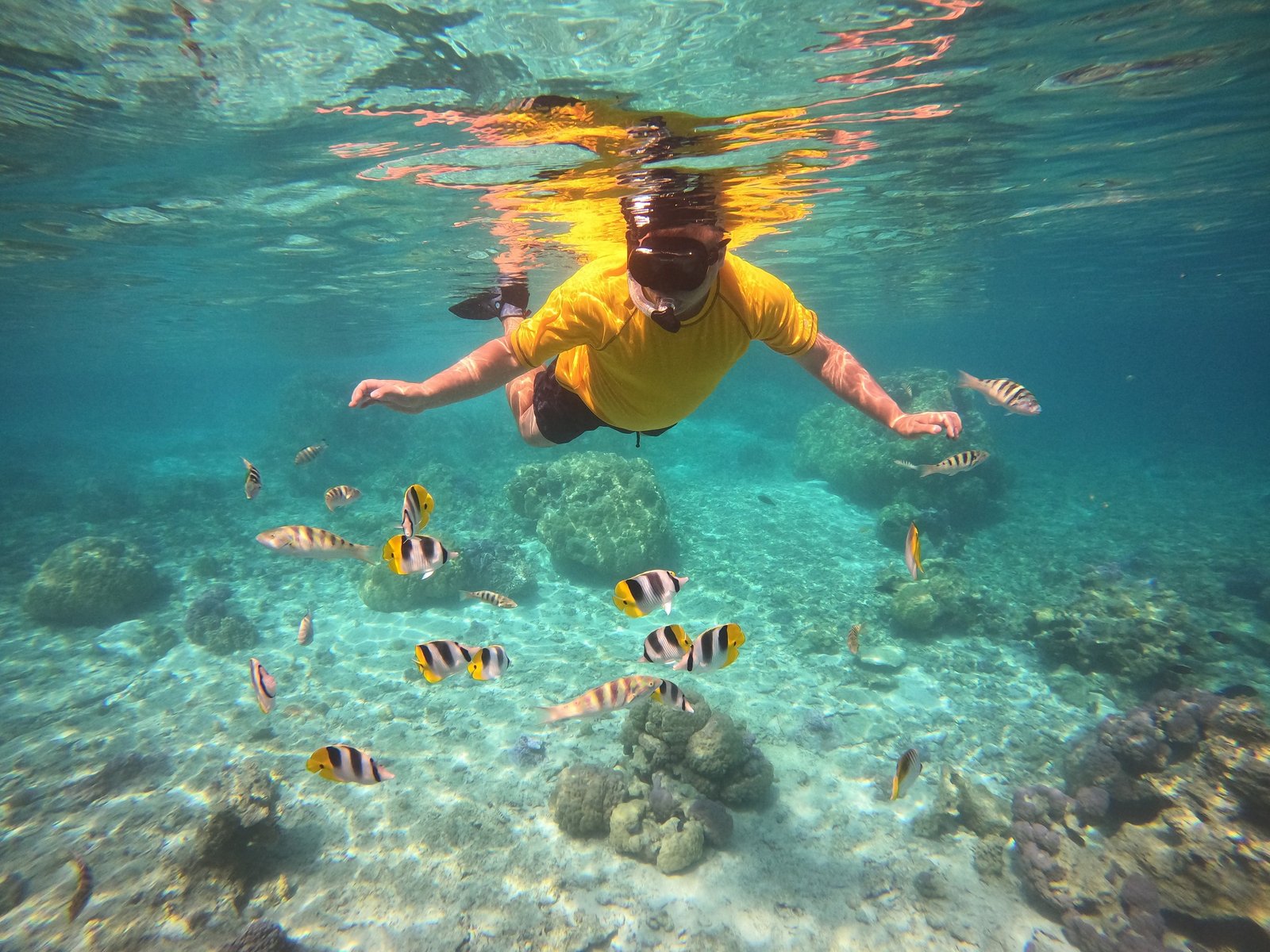
No. This is where expedition cruising differs most from traditional cruising. Zodiacs give access to remote shorelines, hidden coves and close wildlife encounters larger ships cannot reach, and you walk among penguin colonies, kayak fjords and hike unique landscapes. Many voyages also offer citizen science projects.
The myth: You picture viewing incredible sights from afar, never truly feeling connected to the environment or its inhabitants.
The reality: This is where expedition cruising truly shines and differentiates itself from traditional cruises. It is anything but passive! The core of an expedition is active, immersive exploration. Via Zodiacs, you gain unparalleled access to remote shorelines, hidden coves, and close-up wildlife encounters that are impossible on larger ships.
You’ll be “boots-on-the-ground” (or in the Zodiac), exploring ice-strewn channels, walking among penguin colonies, kayaking through pristine fjords, or hiking through unique landscapes. Many cruises also offer opportunities to participate in citizen science projects, contributing directly to research and conservation efforts, making your experience even more interactive and meaningful. One of my favorite activities is going out helping with a Secchi disk study then taking phytoplankton samples to observe under a microscope. Other citizen science projects can be wildlife monitoring, cloud observations, water sampling, glacial melting, and bird monitoring.
Is it incredibly expensive and only for the ultra-rich?
It is an investment, but it is not only for the ultra-rich. The price typically includes accommodation, all meals, all Zodiac excursions and landings, expert guiding and sometimes parkas and boots. Broken down per day and compared with other high-end immersive travel, the value is strong, and price points vary widely.
The myth: The price tag seems astronomical, making it feel like an unattainable dream reserved only for the wealthiest travelers.
The reality: While an expedition cruise is certainly an investment, the cost often represents exceptional value and is not solely for the ultra-rich. The price typically includes almost everything: your accommodation, all meals (often gourmet), all Zodiac excursions and shore landings, expert lectures and guiding, and sometimes even complimentary expedition parkas and boots. When you break down the cost per day and consider the unique, all-inclusive nature of the experience and the remote access it provides, it becomes much more comparable to other high-end, immersive travel experiences.
Like traditional cruising, there’s a spectrum of price points and ship styles within the expedition cruising market, from ultra-luxury to more comfortable, yet still highly capable, options. Researching different lines and itineraries can help you find a voyage that aligns with your budget and preferences.
Travel tip: Work with a travel company (like Glacial Expeditions) that has experience with the different options.
Do you harm fragile environments just by being there?
Reputable operators are often at the forefront of environmental stewardship. IAATO enforces strict rules on passenger numbers, landing sites, waste and wildlife distances, and leave-no-trace principles are rigorously followed. Many voyages fund research and run citizen science, so responsible expedition tourism can help protect vulnerable ecosystems.
The myth: There's a concern that visiting pristine, remote ecosystems on a large vessel inevitably leads to environmental degradation.
The reality: Reputable expedition operators are, in fact, often at the forefront of environmental stewardship and conservation. Organizations like IAATO (International Association of Antarctica Tour Operators) enforce extremely strict regulations on passenger numbers, landing sites, waste management, and wildlife viewing distances to ensure minimal human impact. “Leave no trace” principles are rigorously followed by both crew and guests.
Many expedition cruises actively contribute to conservation efforts through citizen science programs, funding research, and by fostering a deep appreciation and understanding of these fragile environments among their guests. The goal is to educate and inspire, turning travelers into advocates for the protection of these precious places. Far from being detrimental, responsible expedition tourism can play a vital role in protecting and raising awareness for some of the world’s most vulnerable ecosystems.
Is expedition cruising right for you?
Clients come to us wondering whether an expedition will be too rugged, too physically demanding, or whether they will feel out of place among seasoned adventurers. There is a wide range of expedition styles, and most travelers find one that matches how they already like to travel.
By shedding light on these common myths, we hope to have painted a clearer, more accurate picture of what an expedition cruise truly involves. It’s a unique blend of comfort and adventure, learning and exploration, all conducted with an unwavering commitment to safety and environmental responsibility.
If the allure of the wild, the wonder of wildlife, and the thrill of discovery call to you, it’s time to stop letting misconceptions hold you back. Reach out to Glacial Expeditions and start considering an expedition cruise for your next unforgettable adventure. More questions are answered on our FAQ page.
The world’s remote wonders are waiting!
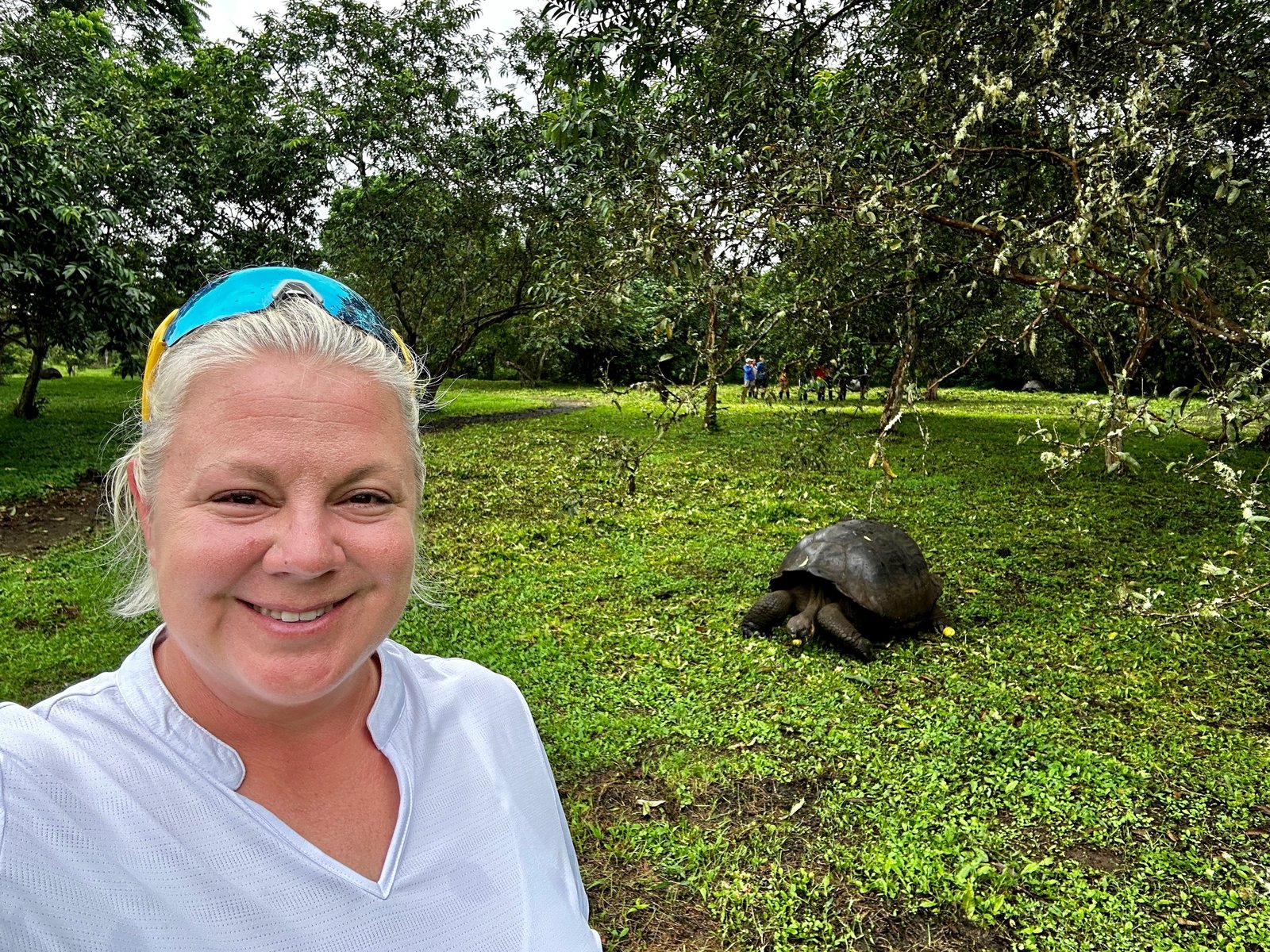
Written by your expedition advisor

Chris Commisso · Expedition Expert
Signature Travel Expert
Chris and Erika have sailed ten expedition voyages and toured seven more expedition ships. Favorite explorations so far: Antarctica, Svalbard, Greenland, Iceland, Norway, Alaska, the Galápagos, the Scottish Hebrides, Churchill and French Polynesia.
Last updated .