
Plan
Warm-Weather Expedition Cruising
Trades snow boots for sandals, and penguins for parrots.
Warm-weather expedition cruising offers everything a polar expedition does — small ships, remote access, expert guides, daily Zodiac excursions — in places where the water is warm and the wildlife thrives above and below the surface. The Galápagos, Costa Rica, Baja California, Southeast Asia, the Amazon and Oceania are the main regions.

When most people think of expedition cruises, they picture towering glaciers and bundled-up travelers navigating icy landscapes in Zodiacs. But there’s another side to expedition cruising that trades snow boots for sandals, and penguins for parrots—warm weather expedition cruising.
This style of adventure travel offers all the hallmarks of a traditional expedition cruise—remote access, small ships, expert guides, and immersive exploration—but in places where the water is warm, the landscapes are lush, and wildlife thrives both above and below the surface. Whether you’re snorkeling off a volcanic island or kayaking through a mangrove forest, warm weather expeditions invite you to engage with the world in an entirely different way.
Let’s dive into what makes these itineraries so special.

Where does warm-weather expedition cruising go?
It covers the equator, the tropics, and a few subtropical regions where biodiversity takes centre stage: the Galápagos, Costa Rica, Baja California, Southeast Asia, the Amazon Basin, and Oceania. These destinations are not about lounging on beaches, though there is usually time for that too; they are about discovery, ecology, and connection.
Warm weather expedition cruising covers a wide geographic range, from the equator to the tropics—and even a few subtropical regions where biodiversity takes center stage. These destinations aren’t about lounging on beaches (though there’s usually time for that, too); they’re about discovery, ecology, and connection.
The Galápagos Islands are the crown jewel of warm weather expedition cruising. Teeming with endemic wildlife and virtually untouched by modern development, these volcanic islands offer snorkeling with sea lions, hikes to lava fields, and close-up encounters with creatures you won’t see anywhere else on Earth.
Costa Rica is another favorite, with its dense rainforests, sloth-filled treetops, and protected national parks that are best explored by small ship and Zodiac. You can wake up to bird calls in the Osa Peninsula one morning and explore a quiet beach on the Nicoya coast the next.
Baja California offers a marine wildlife spectacle that rivals any polar region—think blue whales, dolphins, mobula rays, and snorkeling with sea lions in the Sea of Cortez. Combine that with desert scenery and remote island hikes, and you’ve got a true adventure playground.
In Southeast Asia, expedition cruises wind through places like Indonesia, the Philippines, and Vietnam, weaving cultural heritage with lush landscapes and coral reefs. These itineraries often include village visits, jungle treks, and diving in world-renowned marine parks.
Then there’s South America’s Amazon Basin, where river-based expedition ships explore the “lungs of the planet.” Here, you’re not in the open ocean but in a labyrinth of waterways, surrounded by dense jungle, pink river dolphins, and howler monkeys in the canopy.
Oceania—including northern Australia’s Kimberley region, Papua New Guinea, French Polynesian Islands and the Solomon Islands—adds even more diversity to the mix. These areas are rich in both natural beauty and cultural history, from ancient rock art to ceremonial dances and volcanic calderas.

What are the environments like?
Tropical forests, volcanic islands, coral reefs, and wildlife sanctuaries — regions known for their ecological diversity. Marine life often takes centre stage, so you spend much of your time in or on the water. Ships are designed for agility and access, with shallow drafts that slip into narrow channels and remote bays.
One of the biggest draws of warm weather expedition cruising is the sheer variety of environments you’ll explore—tropical forests, volcanic islands, coral reefs, and wildlife sanctuaries. These regions are known for their ecological diversity, offering everything from technicolor fish and coral gardens to monkeys, macaws, and exotic reptiles.
Marine life often takes center stage. You’re likely to spend a lot of time in or on the water, whether that means snorkeling over vibrant reefs, scuba diving with manta rays, kayaking through mangroves, or paddleboarding along tranquil coastlines. On land, you might hike through dense rainforests, arid deserts, or up volcanic slopes to take in panoramic views.
This is a style of exploration that meets the environment where it is—and adapts to it. Ships are designed for agility and access, with shallow drafts that allow them to slip into narrow channels, remote bays, and places larger vessels simply can’t reach.
What's difficult about warm-water expeditions?
Warm weather does not mean easy sailing. Ships navigate narrow channels, shallow lagoons, and coral-rich waters, requiring precision and care. Protecting delicate marine ecosystems is paramount. There is also cultural sensitivity required, as many itineraries include stops in Indigenous communities or remote villages where guest behaviour must be rooted in respect.
Just because the weather is warm doesn’t mean it’s easy sailing. Warm weather expedition cruising comes with its own set of unique challenges. Ships often navigate narrow channels, shallow lagoons, and coral-rich waters, requiring precision and care. Protecting delicate marine ecosystems is paramount—so approaches to reefs and beaches are done slowly, respectfully, and often guided by local knowledge.
There’s also a cultural sensitivity required. Many warm-weather itineraries include stops in Indigenous communities or remote villages, where authenticity is key and guest behavior must be rooted in respect and awareness. Expedition teams help guide those interactions so that they’re meaningful, not intrusive.
When can you go?
Unlike polar expeditions, which are dictated by extreme weather and ice, warm-weather itineraries are generally more flexible and accessible year-round. Seasons vary by destination. Some regions have defined dry seasons better for hiking and wildlife spotting; others shine in rainy seasons when flora peaks and rivers are more easily navigated.
Unlike polar expeditions, which are heavily dictated by extreme weather and ice conditions, warm weather itineraries are generally more flexible and accessible year-round. Seasons vary by destination, of course, but many warm water regions offer consistent sailing opportunities with specific highlights depending on the time of year.
For example, some areas have defined dry seasons that are better for hiking and wildlife spotting, while others shine during rainy seasons when flora is at its peak and rivers are more easily navigated. There are also seasonal wildlife patterns to consider—such as whale migrations, turtle hatchings, or bird breeding seasons that can dramatically shape the experience.
Expedition teams study these rhythms carefully, adjusting daily schedules based on weather, tides, wildlife sightings, and community access. No two voyages are ever the same, and that spontaneity is part of the magic.
Month by month, region by region: see when to go.
What will you actually do?
Expect more time in the water and under the sun: snorkelling and scuba diving, kayaking and paddleboarding, guided hikes through rainforests, deserts and volcanic terrain, wildlife spotting from Zodiacs, and cultural visits to villages, temples and historical landmarks. All of it in small groups led by naturalists, marine biologists, historians and local experts.
Warm weather expeditions offer a completely different suite of activities than their cold-climate counterparts. While you might not be bundling up for a polar plunge, you’ll likely be gearing up for more time in the water and under the sun.
Guests can expect a range of outdoor and immersive experiences, including:
- Snorkeling and scuba diving in coral reefs or kelp forests
- Kayaking and stand-up paddleboarding through mangroves, lagoons, and along coastlines
- Guided hikes through rainforests, deserts, and volcanic terrain
- Wildlife spotting from Zodiacs, including sea lions, dolphins, whales, and tropical birds
- Cultural visits to local villages, ancient temples, and historical landmarks
- Community school visits and conversations with local leaders to learn about traditional ways of life
All of this is done in small groups, led by naturalists, marine biologists, historians, and local experts who provide insight and context every step of the way. More on wildlife viewing across our regions.
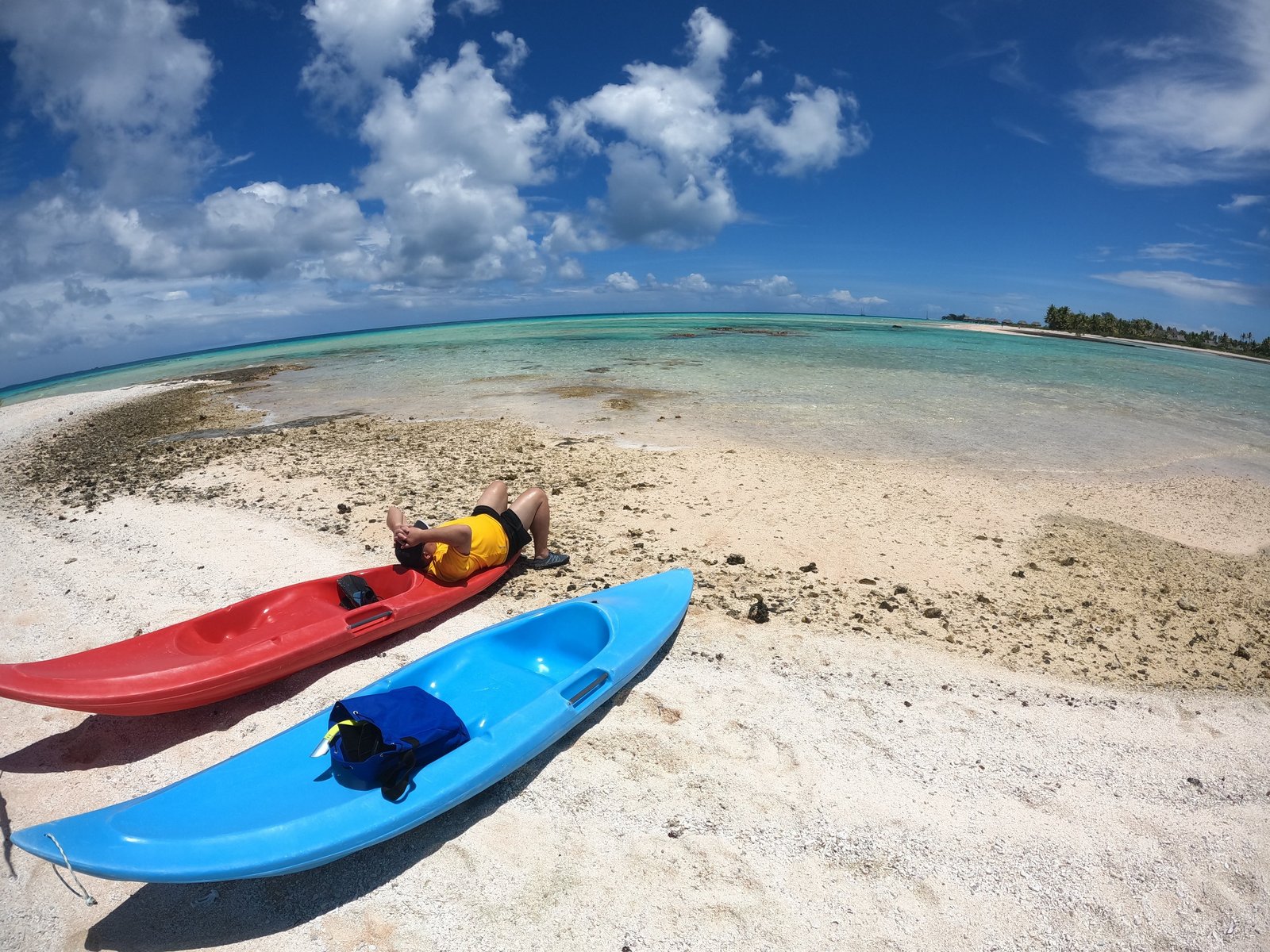
Ten warm-weather expeditions worth considering
For travelers seeking more than just a beach holiday, these ten warm-weather destinations offer deep immersion into the world’s most vibrant ecosystems and cultures. At Glacial Expeditions, we focus on moving beyond the standard tourist tracks to provide true discovery through expertly guided expeditions.
1. Galápagos Islands: A Living Laboratory
The Galápagos remains the gold standard for nature-focused adventure travel. This archipelago is a pristine sanctuary where wildlife has evolved in isolation, creating a “separate planet” feel for every visitor. As you navigate the volcanic terrain of islands like Fernandina or Isabela, the lack of fear in local animals allows for an intimacy rarely found elsewhere in the world.
The Experience: You should expect daily landings on rugged volcanic shores where animals like blue-footed boobies and marine iguanas show no fear of humans.
The Expedition Edge: This isn’t just sightseeing; it’s an immersive educational journey. You’ll spend your days snorkeling with playful sea lions and observing giant tortoises in their natural habitats alongside expert naturalists. Whether you are a photography enthusiast or a budding biologist, the islands provide endless opportunities to witness natural selection in real-time.
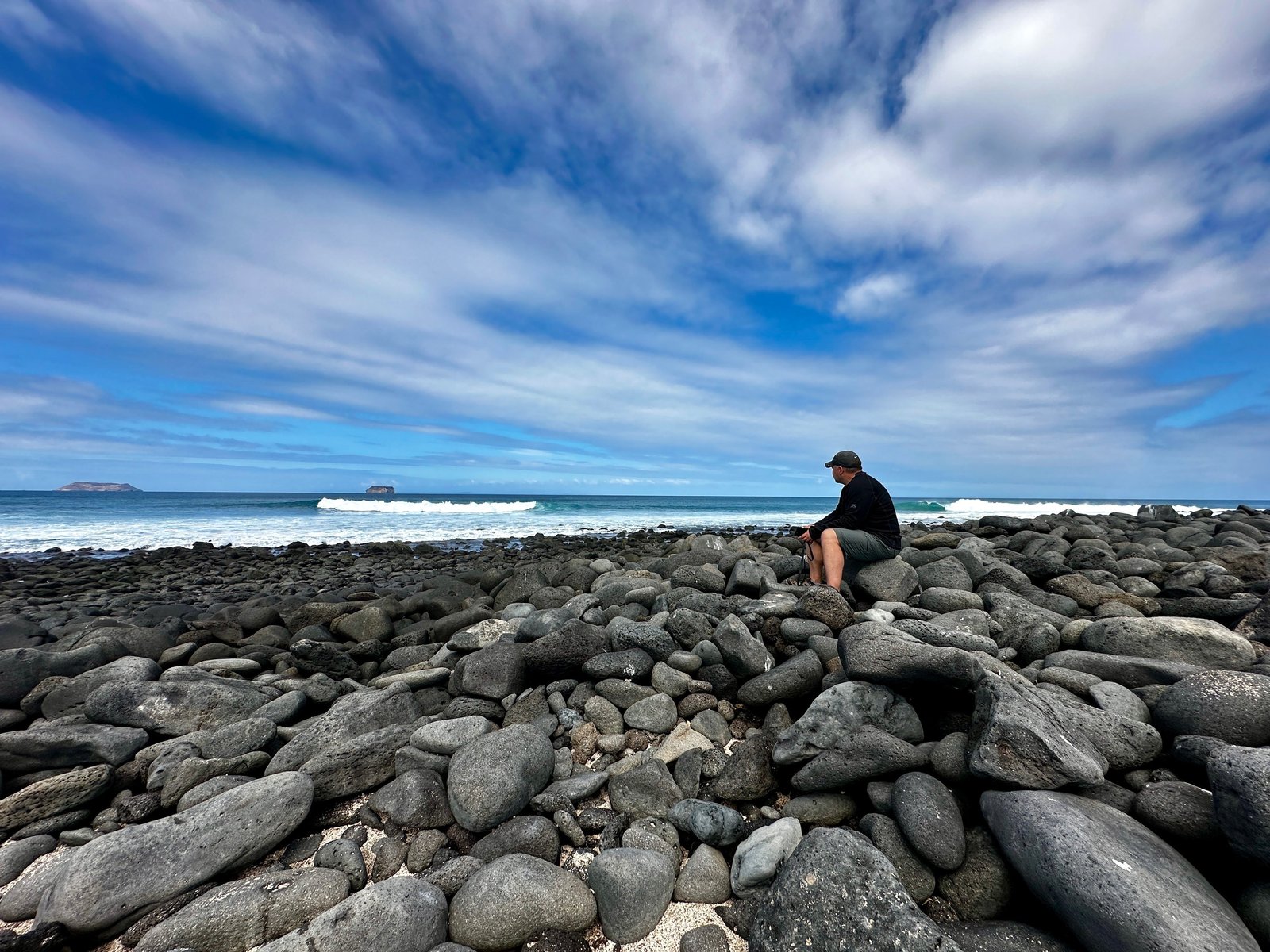
2. Raja Ampat, Indonesia: The Last Paradise
Located in the heart of the Coral Triangle, Raja Ampat is often cited by divers and snorkelers as the pinnacle of underwater exploration and biodiversity. With over 1,500 small islands, the region offers a stunning seascape of mushroom-shaped karst formations that look like a prehistoric dreamscape.
The Experience: Expect to navigate a labyrinth of mushroom-shaped karst islands rising dramatically from turquoise waters with daily hikes and underwater exploration.
The Expedition Edge: This is a true wilderness frontier. Expeditions here focus on marine conservation and discovering rare species like the “walking shark” or the stunning Birds of Paradise hidden in the dense jungle canopy. Navigating these waters requires specialized vessels that can access remote lagoons, allowing you to swim in crystal-clear pools where few travelers ever set foot.
3. Japan: Coastal Exploration & Ancient Tradition
Japan on an expedition vessel offers a masterclass in elegance, moving seamlessly from high-tech hubs to quiet, ancient temples. This unique perspective allows you to avoid the “over-tourism” of major cities while still experiencing the deep cultural roots of the Japanese archipelago.
The Experience: Look forward to a contrast of serene Japanese gardens and vibrant, bustling city streets.
The Expedition Edge: By exploring the coastlines, you access remote fishing villages and coastal shrines untouched by mass tourism, offering a deeper look at the country’s seafaring heritage and traditional arts. You might find yourself visiting a centuries-old pottery studio in a hidden cove or witnessing a private Shinto ceremony that is rarely seen by outsiders.
4. The Philippines: Archipelago of Discovery
With over 7,000 islands, the Philippines is an island-hopping adventure that rewards the curious traveler with some of the most dramatic landscapes in Southeast Asia. From the emerald waters of Palawan to the vibrant coral reefs of the Visayas, the geographic diversity is staggering.
The Experience: Expect hidden lagoons, towering limestone cliffs, and some of the world’s most beautiful white-sand beaches.
The Expedition Edge: Expeditions focus on the Palawan region, navigating the Underground River (a UNESCO World Heritage site) and visiting remote communities to learn about indigenous cultures and sustainable reef management. These journeys go beyond the resort experience, utilizing small craft to enter sea caves and hidden lagoons that are inaccessible to larger cruise ships.
5. Baja California: The World’s Aquarium
Baja California is a premier destination for active marine life encounters, famously described by Jacques Cousteau as the “aquarium of the world”. The nutrient-rich waters of the Sea of Cortez attract an incredible density of marine megafauna, making it a bucket-list destination for wildlife lovers.
The Experience: Expect crystal-clear waters teeming with tropical fish and majestic marine mammals.
The Expedition Edge: This is a high-octane marine safari. You should expect to be out on Zodiacs for close-range whale watching and snorkeling with schools of thousands of Mobula rays. The expedition format allows for flexibility; if a pod of orcas is spotted nearby, the itinerary can shift to allow for an extended encounter with these apex predators.
6. The Azores, Portugal: Atlantic Wilderness
Rising from the middle of the Atlantic, the Azores are a rugged playground for outdoor adventure enthusiasts looking for a blend of European charm and wild nature. These volcanic islands offer a dramatic backdrop of lush green caldera lakes and steaming geothermal vents.
The Experience: Look forward to dramatic volcanic craters, steaming geothermal springs, and lush, green landscapes.
The Expedition Edge: Often called the “Galápagos of the Atlantic,” expeditions here focus on deep-sea whale and dolphin tracking, as well as hiking the steep trails of these isolated volcanic peaks. The region is a vital corridor for migrating whales, and being on an expedition ship with specialized tracking equipment increases your chances of seeing rare species like blue whales or sperm whales.
7. French Polynesia: South Pacific Immersion
French Polynesia is the ultimate escape for those seeking luxury adventure in a remote island paradise. While many know Bora Bora, the true heart of Polynesia lies in the more remote archipelagos where traditional wayfinding and culture remain vibrant parts of daily life.
The Experience: Expect turquoise lagoons, vibrant coral gardens, and lush volcanic peaks.
The Expedition Edge: Go beyond the resorts by sailing to the remote Tuamotu, Astral or Marquesas Islands. Here, you can participate in “citizen science” projects, helping to document coral health while experiencing authentic Polynesian culture through local encounters. You will learn about the history of the great Pacific migrations directly from the descendants of the world’s greatest navigators.
8. The Maldives: Atoll Exploration
The Maldives offers more than just overwater bungalows; it is a complex network of 26 atolls perfect for underwater expeditions. For the serious snorkeler or diver, moving beyond the private resort islands opens a world of untouched reefs and teeming marine life.
The Experience: Expect unmatched underwater visibility and vibrant reefs.
The Expedition Edge: An expedition cruise allows you to move between uninhabited islands and sandbars, far from the private resorts, to track whale sharks and manta rays in their natural feeding grounds. Because you are on a mobile platform, you can reach the “outer reefs” where the coral is most pristine and the fish life is most abundant, often having the entire reef to yourself.
9. Costa Rica & Panama: Rainforest & Canal Crossing
This journey blends the technical marvel of the Panama Canal with the raw power of tropical biodiversity. It is one of the few places on earth where you can witness a world-class engineering feat and a pristine primary rainforest in the same day.
The Experience: Look forward to exploring dense rainforests filled with sloths, monkeys, and exotic birds.
The Expedition Edge: Unlike a standard cruise, an expedition takes you deep into the Osa Peninsula. You will use expedition craft to explore winding mangroves and participate in conservation research within one of the most biologically intense places on Earth. Onboard naturalists help you spot camouflaged wildlife, from tiny poison dart frogs to elusive jaguars along the riverbanks.
10. Amazon River: Heart of the Jungle
Cruising the Amazon is the ultimate jungle expedition, taking you into the world’s largest rainforest. This is a journey into the “lungs of the planet,” where the sheer scale of the river and the density of the forest create an atmosphere of profound isolation and wonder.
The Experience: Expect a landscape of flooded forests and winding tributaries where the sound of the jungle is ever-present.
The Expedition Edge: This is a deep-immersion adventure. Using small skiffs to navigate narrow waterways, you’ll search for pink river dolphins, caimans, and vibrant macaws while visiting local communities to understand life along the river. Whether you are trekking through the terra firme forest or fishing for piranhas, every moment is an education in the complexity of this vital ecosystem.
Is warm-weather expedition cruising for you?
Warm weather expedition cruising is the perfect blend of adventure and comfort. It’s active but not extreme. It’s educational but never dull. And it’s deeply enriching—offering intimate access to some of the most biologically and culturally rich parts of the planet.
If you’ve ever dreamed of exploring the wild with your toes in the sand instead of your boots in the snow, this is your moment. Whether you’re swimming with sea turtles, hiking through cloud forests, or learning about ancient maritime trade routes, warm weather expedition cruising invites you to connect, discover, and return home transformed.
Still deciding? Read what an expedition cruise actually is and our expedition cruise FAQ.
Written by your expedition advisor
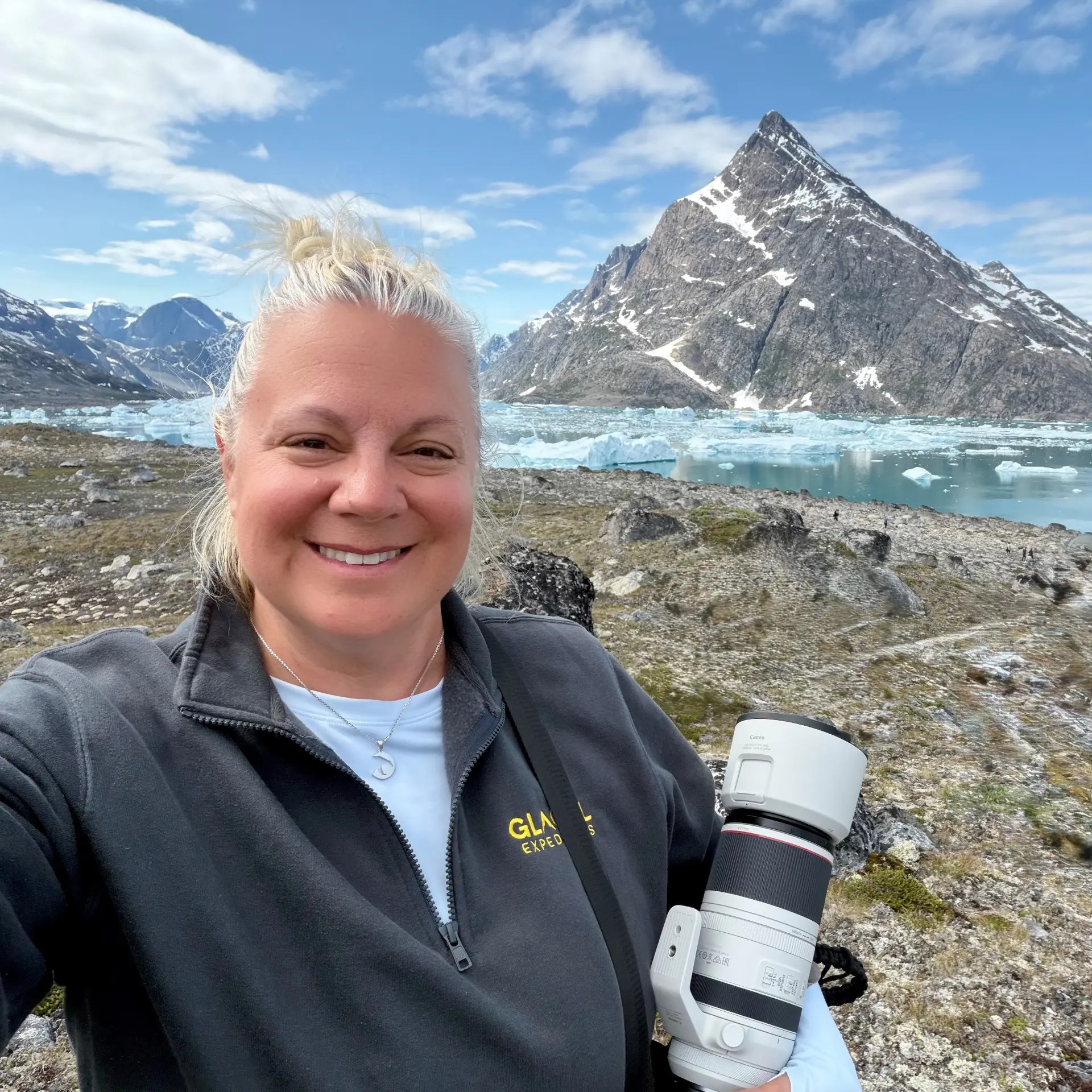
Erika Commisso · Travel Experience Architect
CLIA Elite Cruise Counselor · ASTA Verified Travel Advisor · Signature Travel Expert
Chris and Erika have sailed ten expedition voyages and toured seven more expedition ships. Favorite explorations so far: Antarctica, Svalbard, Greenland, Iceland, Norway, Alaska, the Galápagos, the Scottish Hebrides, Churchill and French Polynesia.
Last updated .
Ready to swap boots for sandals?
When you’re ready to find the itinerary that matches your style, I’m here to help you chart the course.
Request a Quote