

Part of our The Galápagos guide →
Packing for the Galápagos at a glance
- The golden rule
- Layering — mornings can start cool and turn hot and sunny by afternoon, all at the equator
- Two kinds of landing
- Dry landings step straight onto rock; wet landings mean wading ashore from the Zodiac, so footwear must handle both
- Sun strategy
- Reef-safe SPF 50+ sunscreen, a brimmed hat, UV sunglasses and UPF-rated shirts — the equatorial sun is directly overhead
- Ships provide
- Most ships supply snorkel gear for excursions, and larger ships often provide basic toiletries — bring your own mask if you wear a prescription
What clothing should you pack for the Galápagos?
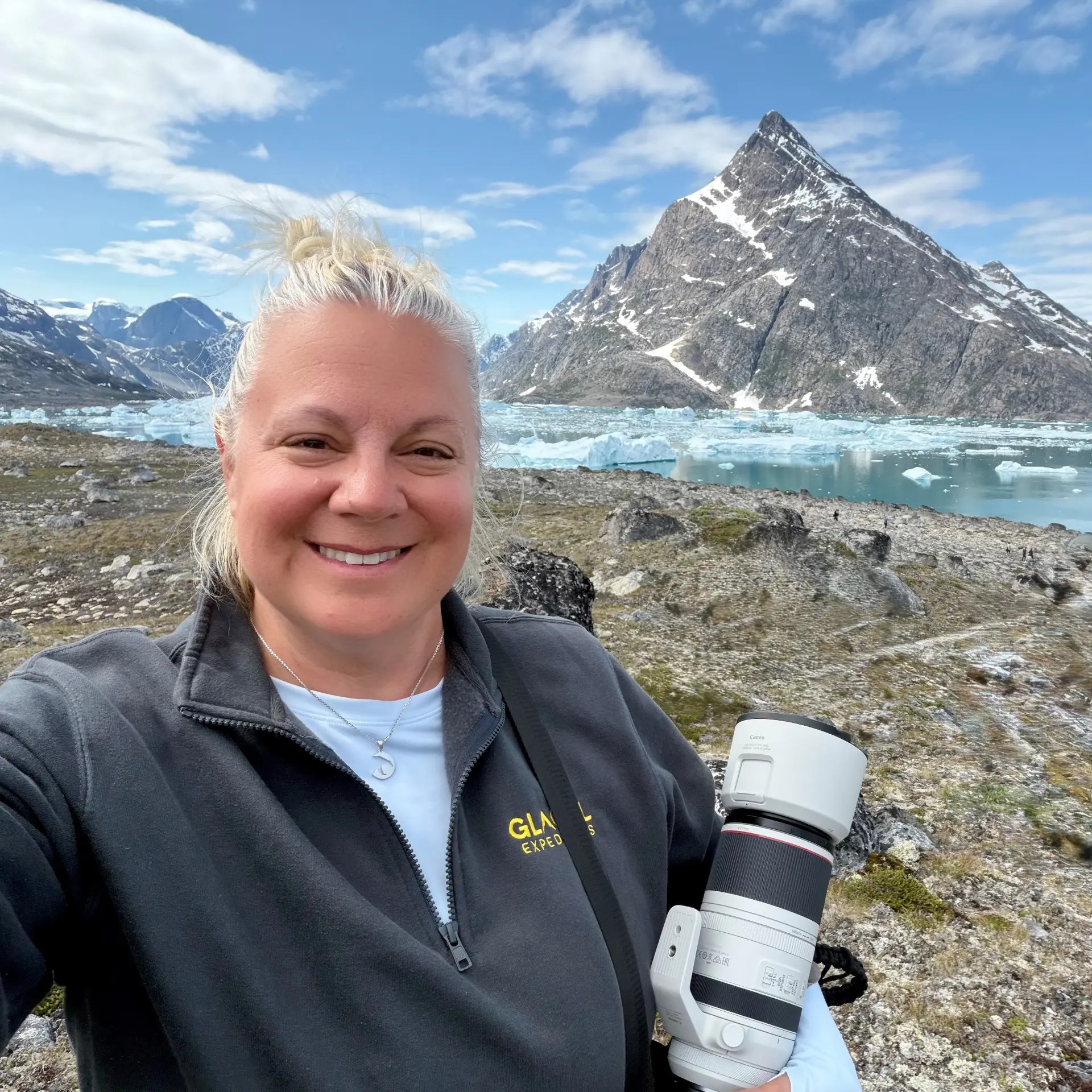
Focus on lightweight, quick-drying fabrics with maximum sun protection: UPF-rated long-sleeve shirts, t-shirts, quick-dry shorts, lightweight pants, two or three swimsuits on rotation, a brimmed hat with a chin strap, and polarized UV sunglasses.
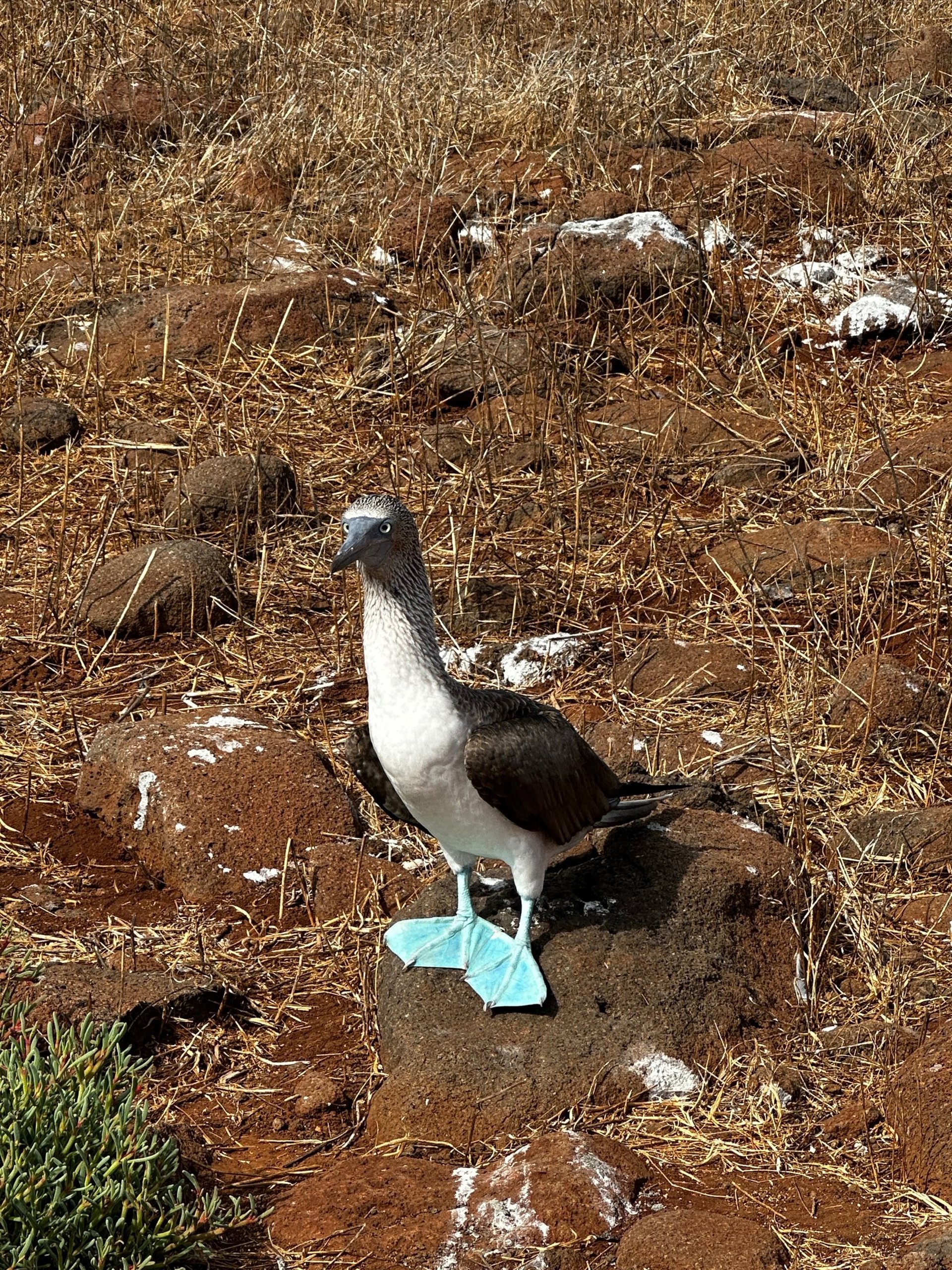
The weather in the Galápagos can shift quickly. Mornings may start cool before transitioning to hot, sunny afternoons — layering is the golden rule.
Lightweight long-sleeve shirts. Crucial for sun protection during long excursions; look for UPF-rated fabric.
T-shirts and tank tops. Great for layering, or for when the midday heat hits.
Quick-dry shorts or skorts. Ideal for comfort and ease of movement during landings and hikes.
Lightweight pants. Perfect for cooler evenings or when you want more sun and insect protection.
Swimsuits, two or three. There is nothing worse than pulling on a wet swimsuit for the afternoon snorkel. A rotation guarantees a dry, fresh suit for every marine adventure.
A hat with a brim. Essential for protecting your face and neck from the intense sun — a chin strap is highly recommended on windy decks and Zodiac rides.
Sunglasses with UV protection. Bring a high-quality pair for the bright glare off the water and volcanic rock; polarized lenses are a bonus when you spend this much time on the water.
What do you wear on the ship in the evenings?
The dress code on most Galápagos ships is refreshingly casual. Casual shorts, skorts, skirts or pants with simple t-shirts are perfect for dinner, plus a light sweater or windbreaker for breezy nights on deck.
Comfort rules on board. Casual bottoms — shorts, skorts, skirts or pants — are all perfectly suitable for dinner and relaxing, paired with simple t-shirts or tank tops.
Add one light sweater or a light rain jacket/windbreaker. It is essential for breezy nights on deck or a cool Zodiac ride, and doubles as protection against an unexpected light shower.
What footwear do you need for wet and dry landings?
You need three pairs: broken-in closed-toe walking or hiking shoes with good grip for dry landings on uneven lava rock, water shoes for wet landings, and flip-flops or sandals for lounging on the ship.
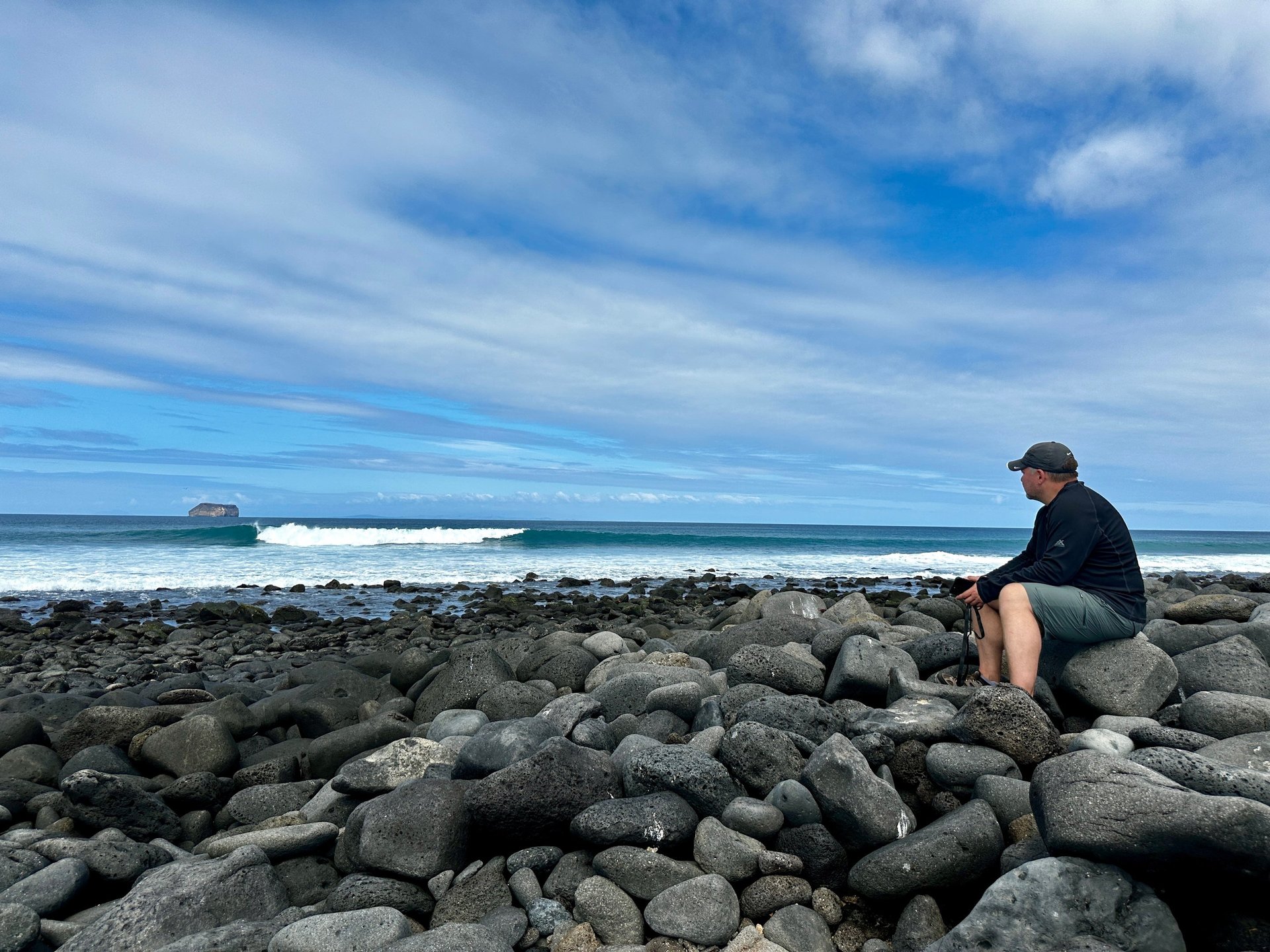
You will make both dry landings — stepping directly onto land — and wet landings, wading ashore from the Zodiac. Your footwear has to handle both.
Comfortable walking or hiking shoes. A broken-in, closed-toe pair with good grip for navigating uneven, rocky terrain on dry landings.
Water shoes or reef shoes. Non-negotiable for wet landings. They protect your feet from sharp rocks and coral as you wade ashore.
Flip-flops or sandals. Perfect for lounging on the ship or quick trips to the sun deck.
What accessories and gear should you bring?
A waterproof or highly water-resistant daypack for excursions, a camera with extra memory cards and batteries, a phone with a portable power bank, and — optional but highly recommended — a pair of binoculars.
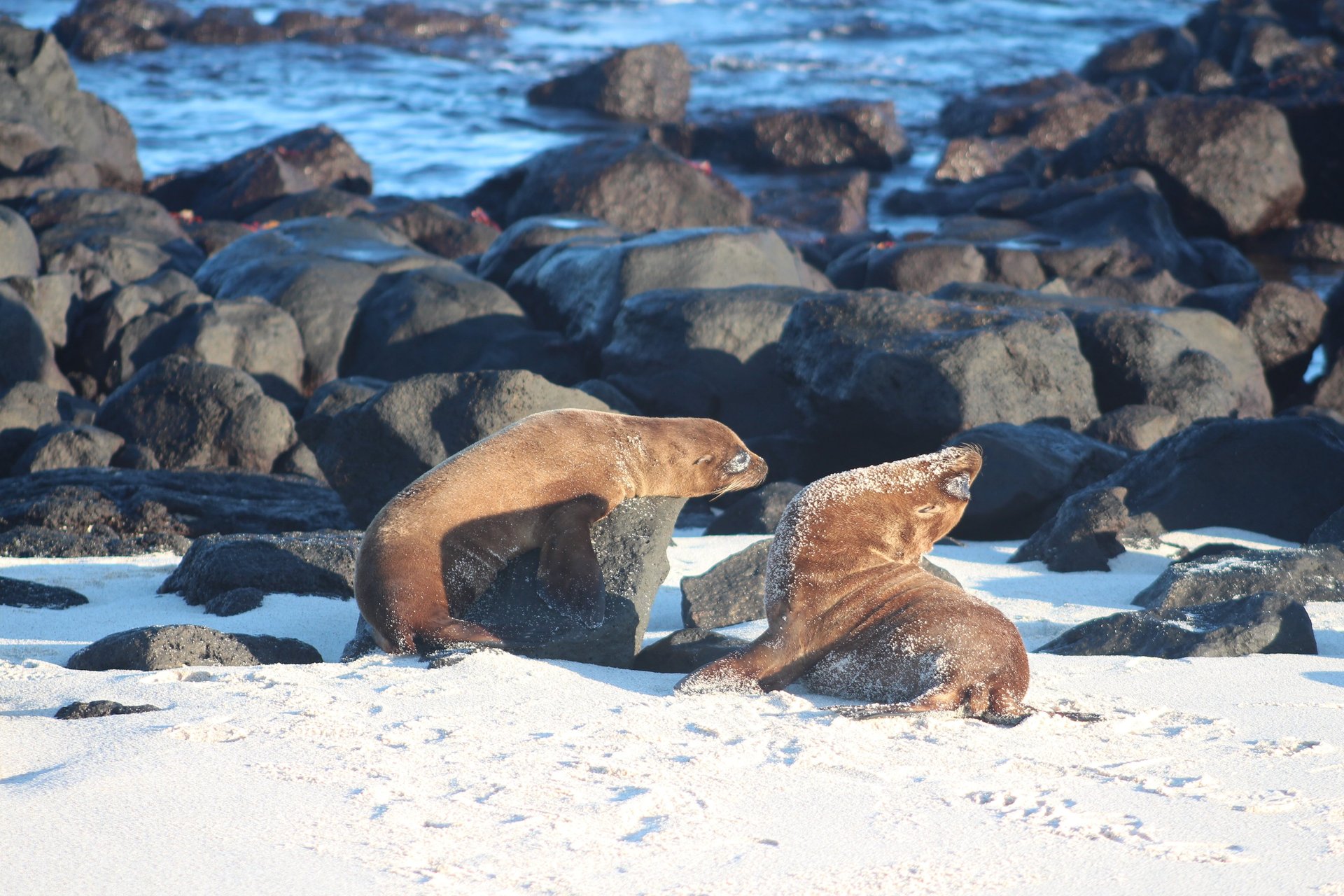
Daypack or small backpack. Needed to carry water, camera and sunscreen on excursions. Waterproof or highly water-resistant is preferred because of the spray from Zodiac rides.
Camera plus extra memory cards and batteries. You will take more photos than you think. An underwater camera is a bonus for the snorkeling days.
Phone, charger and a portable power bank. Outlets can be limited or in demand on the ship, so a power bank keeps you charged on the go.
Binoculars. Optional but highly recommended — for spotting finches, far-off whales or birds in the trees. You will not regret having them.
Which toiletries and health items matter most?
Reef-safe SPF 50+ sunscreen is the single most important item, followed by SPF lip balm, after-sun lotion, extra personal medications, seasickness remedies and insect repellent. Pharmacies are scarce in the islands.
The Galápagos environment is stunning but demands vigilance regarding sun and insects.
Reef-safe sunscreen, SPF 50+. The sun is directly overhead at the equator. Choose a mineral-based, reef-safe formula to protect the fragile marine ecosystem you came to see.
Lip balm with SPF. Lips are often forgotten but burn easily.
Aloe vera or after-sun lotion. Just in case you miss a spot.
Personal medications — bring extras. Pharmacies can be scarce, so pack more than you think you need.
Seasickness remedies. Patches, wrist bands or medication — be prepared even if you are not prone to motion sickness; the ocean can be unpredictable.
Insect repellent. Mosquitoes can be present, especially on certain islands or in the evening.
Basic toiletries. Toothbrush, toothpaste, shampoo, conditioner and soap — though these are often provided on larger ships.
What nice-to-have extras are worth the space?
Three small luxuries elevate the trip: a waterproof phone case for wet Zodiac rides and in-water photos, a notebook or journal, and your own snorkel, mask and fins — especially if you wear a prescription mask.
A waterproof phone case. Peace of mind when snapping photos in the water or on a wet Zodiac ride.
A notebook or journal. The Galápagos is an inspiring place — you may want to jot down observations, sketch a sea lion, or record the details of your day.
Your own snorkel, mask and fins. Most ships provide gear for excursions, but bring your own if you prefer it — especially a prescription mask.
Galápagos packing FAQs
Do Galápagos cruises provide snorkel gear?
Yes — most ships provide snorkel gear for excursions. Bring your own mask, snorkel and fins only if you prefer personal gear, and definitely bring your own mask if it is prescription.
Do I need special shoes for wet landings?
Yes. Water shoes or reef shoes are non-negotiable for wet landings, where you wade ashore from the Zodiac over sharp rock and coral. Pair them with broken-in hiking shoes for dry landings and sandals for the ship.
Is there a dress code on Galápagos ships?
No formal dress code. Evenings are casual — shorts, skorts or pants with t-shirts — with a light sweater or windbreaker for breezy nights on deck.
Why does sunscreen have to be reef-safe in the Galápagos?
The equatorial sun is directly overhead, so SPF 50+ is essential, and mineral-based reef-safe formulas protect the fragile marine ecosystem you will be swimming in every day.
Keep planning your Galápagos trip
When to visit the Galápagos
Warm season versus garúa season, month by month.
Galápagos itineraries: which route is right for you
Western, Eastern and Central routes — and which islands each one reaches.
The general expedition packing guide
Packing principles that apply across every expedition destination, polar and tropical.
Galápagos destination guide
The pillar guide to the islands — logistics, seasons, routes and ships.