
French Polynesia guide
Snorkelling in French Polynesia
Snorkelling is the heart of this destination and it does not require experience. Society Island lagoons are calm, shallow and warm, with reef fish, rays and turtles visible in waist-to-shoulder-deep water. In the Tuamotus, guided drift snorkelling in the passes brings sharks and larger fish within easy view. Water is warm enough year-round that most people need no wetsuit.

Lagoon snorkelling
The lagoons are the easy half. Shelter from the reef keeps the water calm, depths are modest, and visibility is usually good away from run-off. You can float above coral bommies watching parrotfish and butterflyfish without ever being out of your depth.
This is where nervous or out-of-practice swimmers get comfortable. Guides here are used to beginners, and most ships run a shallow, sheltered first session before anything more demanding.
Drift snorkelling in the passes
In the atolls the interesting water is in the passes, and the technique is to enter on the incoming tide and let the current carry you in while a boat follows. Done properly it is effortless — you are not swimming so much as flying — and it puts you above the concentrations of fish and sharks the Tuamotus are known for.
Done at the wrong state of tide it is unpleasant or unsafe, which is why the timing belongs to the guide. See the Tuamotus for how the passes work.
What to bring and what ships provide
Most vessels provide mask, snorkel and fins, and many carry shortie wetsuits or rash vests. What we tell clients to bring anyway: their own mask if they have one that fits, reef-safe sunscreen from home, and a long-sleeved rash guard, which handles sun better than sunscreen ever does.
Sun is the real hazard here, not the wildlife. An hour face-down in the water with a breeze on your back is exactly how people get badly burned.
What our own snorkelling weeks looked like
On our land trip through Tahiti, Tikehau, Taha'a and Bora Bora we were in the water at least twice a day, and almost none of it needed a boat. At Tikehau we snorkelled straight off the bungalow deck over coral and reef fish, with reef sharks coming in to feed as the light went. A kayak trip to an uninhabited motu the next morning put us over Christmas tree worms, giant clams, white-tipped sharks and a lemon shark about three feet long, and we had the whole area to ourselves all day.
At Taha'a the resort sat beside a natural channel where the incoming current carried us across a coral garden full of fish, clownfish among anemones included. We swam it ten times in one day, which is the clearest thing we can tell you about how good easy snorkelling here can be. Bora Bora was the guided version: four stops with just the two of us, our guide and one local — coral and small fish first, then a site the guide takes his own family, where we found an octopus, then deeper water with stingrays, and finally the Coral Gardens. At the first three, ours was the only boat there.
The whole trip is written up in French Polynesia: An Island-Hopping Adventure.
Common questions
Do I need to be a strong swimmer?
For lagoon snorkelling, no — buoyancy aids are available and the water is shallow and calm. For pass drifts you should be comfortable in open water and moving current, and the guide will tell you honestly whether a given site suits you.
Is the water cold?
No. It is warm year-round and most people snorkel in a rash guard or nothing more. Repeated long sessions can still chill you, which is why ships carry shorties.
Related guides
Written by your expedition advisors

Chris Commisso · Expedition Expert
Signature Travel Expert
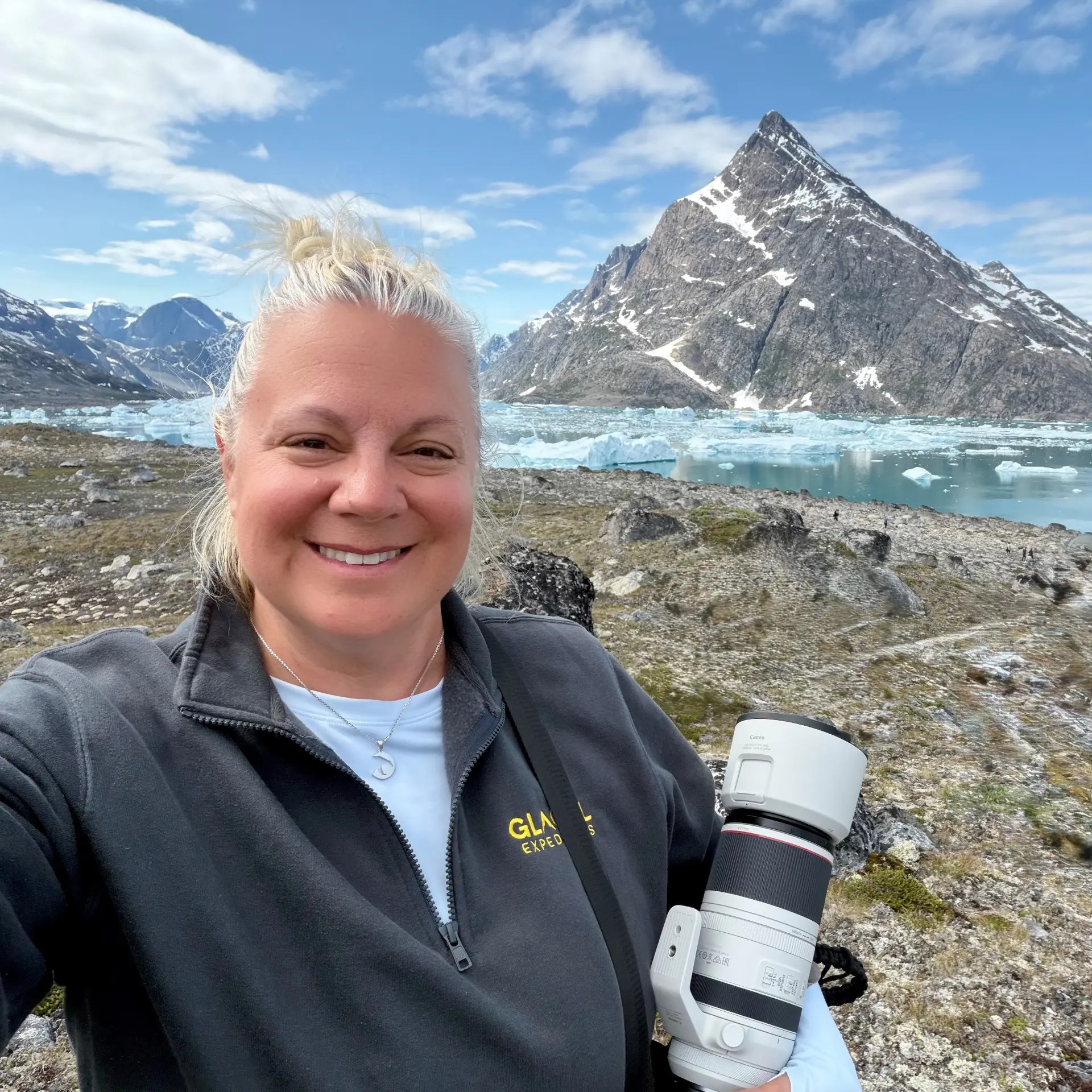
Erika Commisso · Travel Experience Architect
CLIA Elite Cruise Counselor · ASTA Verified Travel Advisor · Signature Travel Expert
Chris and Erika have sailed ten expedition voyages and toured seven more expedition ships. Favorite explorations so far: Antarctica, Svalbard, Greenland, Iceland, Norway, Alaska, the Galápagos, the Scottish Hebrides, Churchill and French Polynesia.
Last updated .