
French Polynesia guide
When Is the Best Time to Visit French Polynesia?
May to October is the dry season: cooler, less humid and the most reliable weather of the year, and also the busiest and most expensive. November to April is warmer and wetter, with heavy showers and a tropical cyclone risk, but greener islands and quieter ships. Humpback whales are in Polynesian waters roughly July to November.

The two seasons, plainly
French Polynesia sits deep in the tropics, so the year divides into a drier, cooler season and a warmer, wetter one rather than into four. The dry season runs roughly May to October and brings lower humidity, steadier trade winds and the clearest run of settled days. The wet season, November to April, is hotter and stickier, with heavier rain and the possibility of tropical cyclones.
Both times we were in Tahiti the pattern held. Rain in the islands is rarely an all-day grey affair; it arrives hard, soaks everything, and moves on. What changes between the seasons is how often that happens and how humid the gaps feel.
Month by month
The month you choose changes the price as much as the weather, because the dry season is also the northern-hemisphere summer holiday and the peak of the whale season.
- May and June — the dry season settling in. Comfortable, green from the rains, and not yet at peak pricing.
- July and August — the coolest, driest and busiest months, and the heart of the humpback season.
- September and October — our usual recommendation. Dry-season reliability, whales still present, and slightly less pressure on space.
- November and December — humidity building and showers returning, with whales tailing off and quieter ships.
- January to March — the wettest and warmest window, with cyclone risk. The water is at its warmest and the islands at their greenest.
- April — a transition month that can be excellent, and often good value before the dry season rates take hold.
What the season means for the water
Water temperature varies far less than air temperature here, and snorkelling is comfortable without a wetsuit for most people all year. Visibility is generally better in the dry season, particularly in the atoll passes where run-off after heavy rain can cloud the lagoon side.
Wind matters more than rain for a small ship. The trades are stronger in the dry season, which is excellent for a sailing vessel and can make some exposed anchorages livelier. Crossings to the Tuamotus and Marquesas are open ocean in any month. More on that in our guide to the Marquesas.
How we choose a date with clients
We start with what you most want to see. If humpbacks are the reason for the trip, the window narrows to roughly July through October and we plan the flights around it. If the water and the reefs are the point, the dry season is the safer choice but April and November often deliver almost the same conditions for less.
Then we look at the flight schedule, because from most of the United States the air routing decides which weeks are practical. Nothing about a departure date is settled until the flights make sense.
Common questions
Is the wet season worth avoiding?
Not automatically. The rain comes in bursts rather than all day, the islands look their best, and both fares and crowds are lower. What you accept is higher humidity and a real, if small, chance of a cyclone-related disruption. We would not book a once-in-a-lifetime trip into February, but a flexible traveler can do very well then.
When is the water clearest?
Generally in the dry season, and always better on the ocean side of a pass than in a lagoon after heavy rain. Conditions in the Tuamotus depend more on the tide than the month, since the passes flush the lagoon on the incoming water.
Related guides
Written by your expedition advisors

Chris Commisso · Expedition Expert
Signature Travel Expert
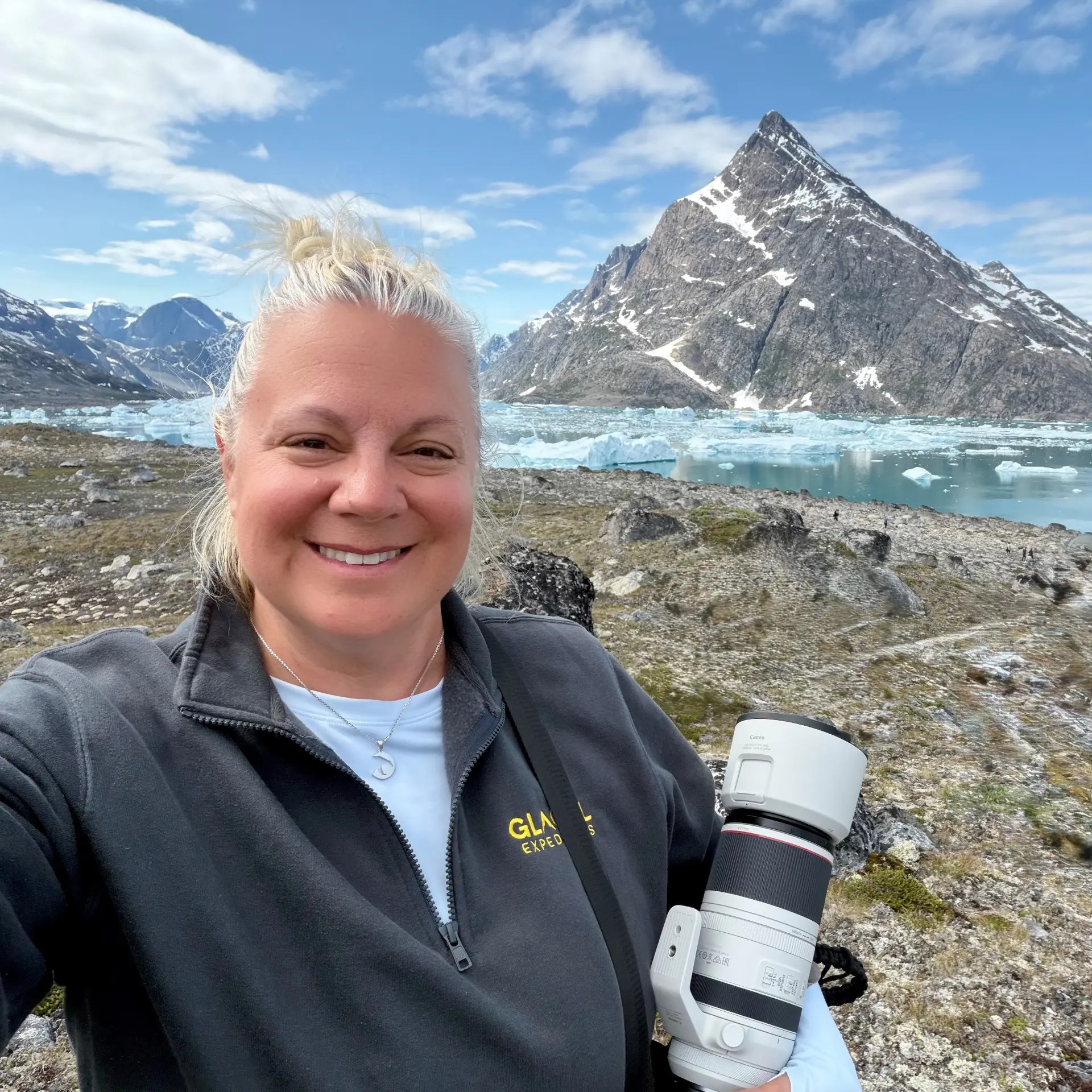
Erika Commisso · Travel Experience Architect
CLIA Elite Cruise Counselor · ASTA Verified Travel Advisor · Signature Travel Expert
Chris and Erika have sailed ten expedition voyages and toured seven more expedition ships. Favorite explorations so far: Antarctica, Svalbard, Greenland, Iceland, Norway, Alaska, the Galápagos, the Scottish Hebrides, Churchill and French Polynesia.
Last updated .