
French Polynesia guide
Humpback Whales in French Polynesia
Humpback whales travel north from Antarctic feeding grounds to breed and calve in warm Polynesian water during the austral winter, roughly July to November. They can appear across the archipelagos, with the Austral Islands particularly associated with them. Swimming with whales, where permitted, is regulated and licensed, with limits on group size and distance. No sighting is guaranteed.
The season
The window runs roughly July to November, with the middle of that range generally the most reliable. Whales are here to breed and to calve, not to feed, and mothers with young calves stay in sheltered water where they can.
That season overlaps neatly with the dry season, which is one reason those months are the busiest and the most expensive. More in our guide to when to visit.
Where they gather
Humpbacks can be encountered across French Polynesia in season. The Austral Islands, in the south, have a long association with them, and sightings occur around the Society Islands and the atolls as well.
Because whales move, no itinerary can promise them. What an itinerary can do is put you in the right water at the right time of year, which is the most any honest operator offers.
Rules on getting in the water
Where in-water encounters are permitted they are regulated: licensed guides, small groups, minimum distances, limits on time in the water and restrictions around mothers with calves. The rules exist because these animals are here to breed and to raise young, and disturbance has a cost.
We will tell you what a specific island and a specific operator actually allow, and we will not book you onto something marketed as a swim-with-whales trip if the reality is a boat-based watch.
Common questions
Can I swim with humpback whales?
Sometimes, in specific places, under licence and strict rules, and only when the whales' behaviour allows it. Treat any promise of a guaranteed in-water encounter as a warning sign about the operator.
Will I see whales if I come in season?
You improve your chances substantially, and that is all anyone can honestly offer. Whales are wild, mobile and under no obligation. Plan a trip you would enjoy without them, and treat the sighting as the bonus it is.
Related guides
Written by your expedition advisors

Chris Commisso · Expedition Expert
Signature Travel Expert
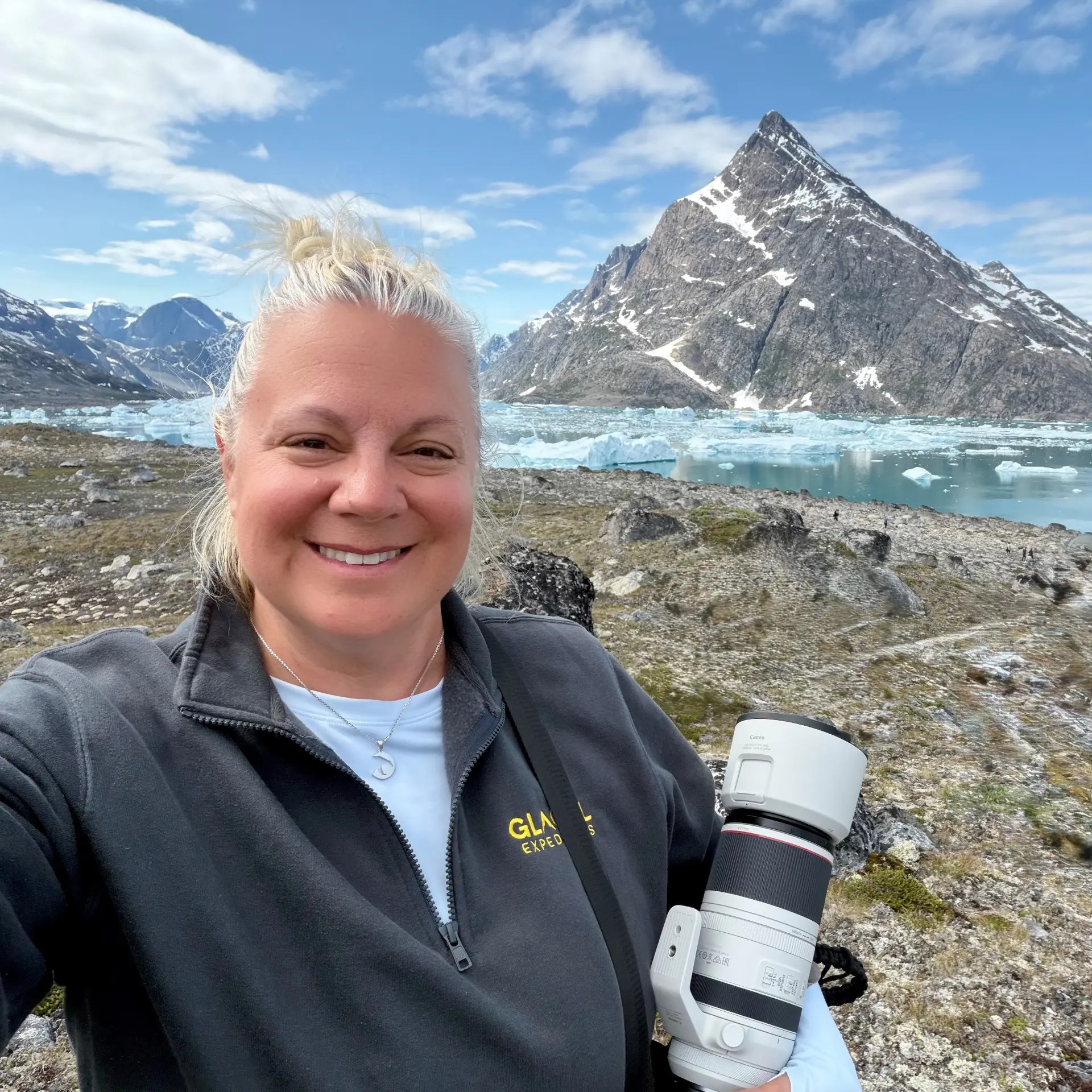
Erika Commisso · Travel Experience Architect
CLIA Elite Cruise Counselor · ASTA Verified Travel Advisor · Signature Travel Expert
Chris and Erika have sailed ten expedition voyages and toured seven more expedition ships. Favorite explorations so far: Antarctica, Svalbard, Greenland, Iceland, Norway, Alaska, the Galápagos, the Scottish Hebrides, Churchill and French Polynesia.
Last updated .