There is something freeing about exploring Iceland with a car, a loose itinerary and enough time to pull over whenever something catches your eye.
And in Iceland, something always catches your eye.
A waterfall appears where you weren't expecting one. Steam rises from the ground. A herd of Icelandic horses stands beside the road. The ocean comes into view, waves crashing against a black shoreline. One minute you're driving under blue skies, and the next you're climbing a mountain road in a blizzard.
Our Ring Road trip around Iceland gave us all of that, and then some.
Arrival
We started the trip in about the most comfortable way possible: Icelandair Business Class, with an ambitious attempt to sample Icelandic gin along the way.
The problem? The flight to Iceland isn't nearly long enough.
Before we knew it we were landing and beginning nearly two weeks of waterfalls, glaciers, lava fields, geothermal pools, wildlife and long stretches of road where the scenery changed around every bend.
April 9 — The Reykjanes Peninsula and The Retreat
Rather than heading straight to the hotel after landing, we started exploring immediately.
Our first drive took us around the Reykjanes Peninsula, where Iceland wastes no time reminding you that you're standing on a geologically active island. We stopped among steaming geothermal ground, visited Síðasti Bærinn and Gunnuhver, and — because sometimes travel needs a little silliness — found the location made famous by Eurovision Song Contest and "Volcano Man."
But what I remember most wasn't any particular attraction.
It was the ocean. The waves were enormous, rolling in and breaking against the rocks with real force. Every time we found a place we could safely pull off and watch, we did. No schedule. No rushing. We stood there and listened.
Eventually we made our way to The Retreat at Blue Lagoon, where the pace changed completely. We settled in, slipped into the private lagoon, went through the Retreat Spa ritual, and spent a good while doing something that can be surprisingly hard on a trip like this: absolutely nothing.
Before dinner we toured the wine cellar tucked into a lava cavern. Then came dinner at Moss, course after course built around Icelandic ingredients.
It would have been a fine end to the first day. Except Iceland wasn't finished.
Sometime during the night we were woken because the Northern Lights had appeared. So there we were, barely into the trip, standing under an Icelandic sky watching ribbons of light move overhead.
Not a bad welcome.
April 10 — Þingvellir and Geysir
The next morning we met up with our friends and officially set out.
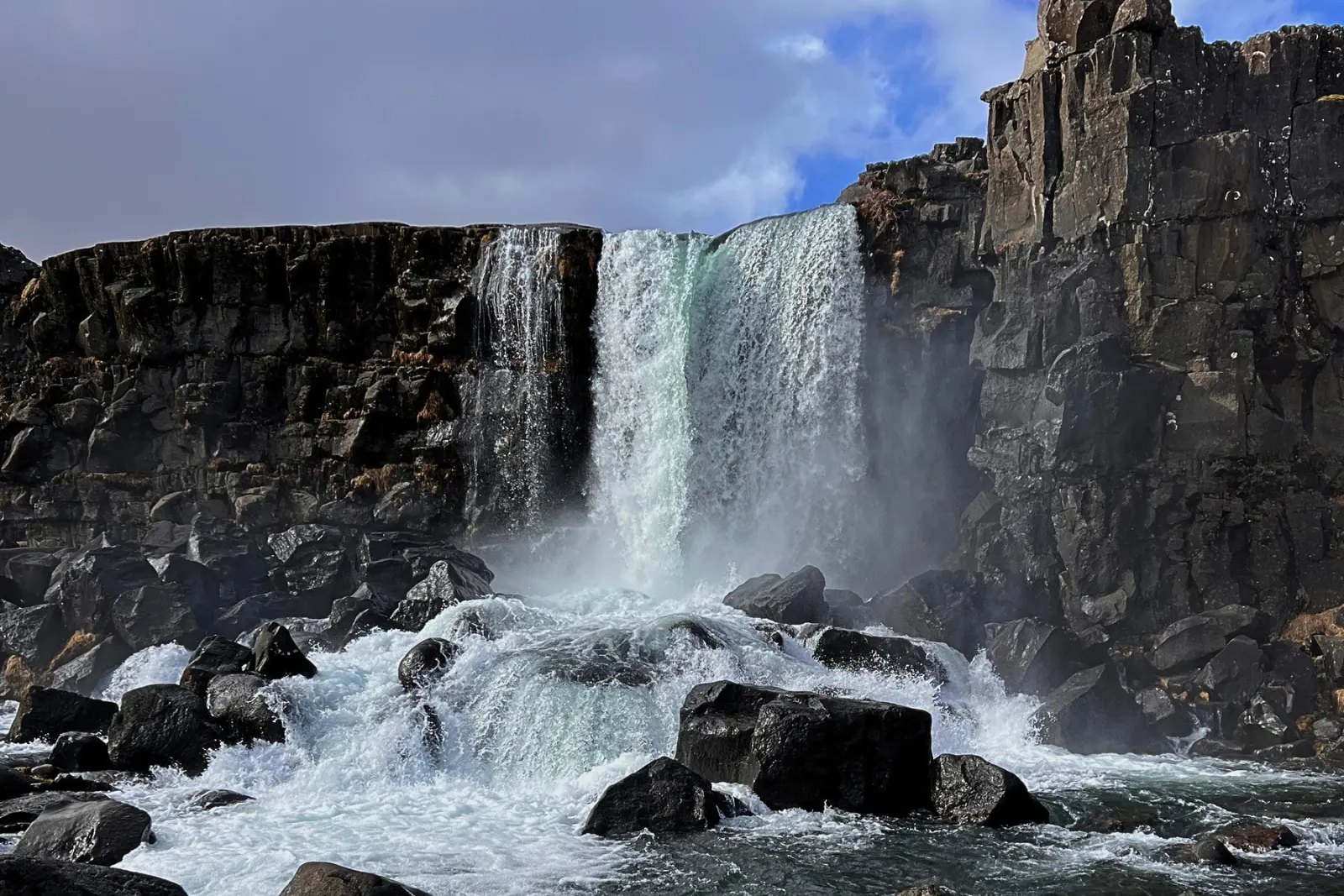
Our first major stop was Þingvellir National Park. One of the advantages of traveling independently is time — no guide telling us we had forty-five minutes before getting back on a bus. So we kept walking. And walking. We hiked through the park learning its history and geology under unexpectedly sunny skies.
Then we continued to Geysir, checked in, and discovered the best thing about that hotel: we could walk across the street.
We spent the afternoon in the geothermal area watching steam rise and waiting for Strokkur to erupt.
There's something funny about a geyser. You know exactly what's going to happen. Everyone stands around staring at a bubbling pool. And when the water finally goes up, everyone reacts like they weren't expecting it.
Us included.
April 11 — Waterfalls, horses, tomatoes and a crater
The morning began with a very Icelandic roadside moment: stopping to visit and feed Icelandic horses.
Then we headed for Gullfoss.
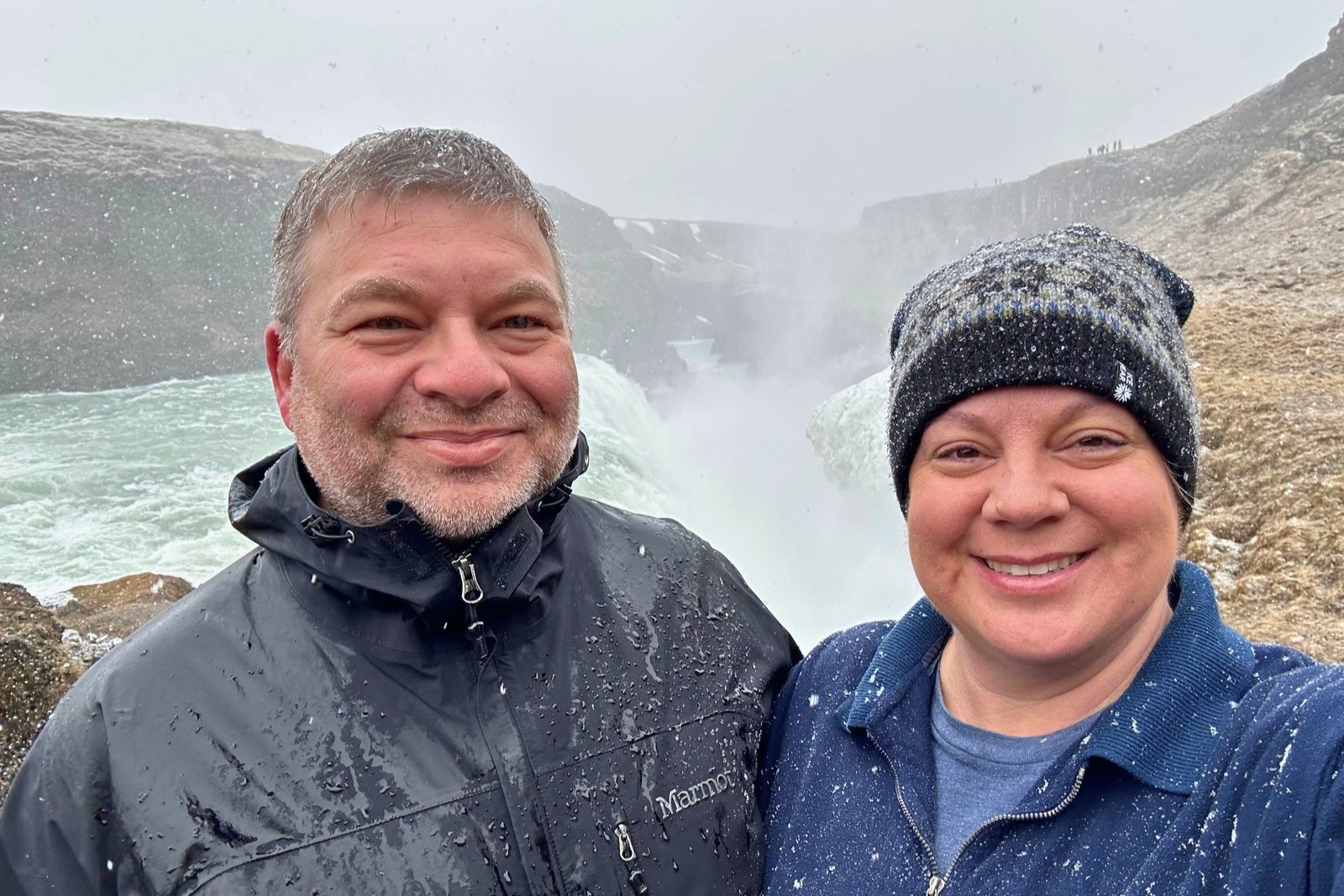
Spring turned out to be a fascinating time to visit. Snow and ice still clung to parts of the landscape, but the rivers were running fuller with the melt. And there were very few people — at Gullfoss we practically had the waterfall to ourselves. Standing beside something that powerful is impressive at any time. Standing there without crowds is a different experience entirely.
Same story at Faxafoss, where again we were essentially alone.
Lunch was at Friðheimar, one of those places I'd happily return to again and again. Tomato soup, homemade bread, creative cocktails — simple, good, and completely tied to where you are.
After a stop at Þjóðveldisbærinn, the reconstructed Commonwealth-era farm, we continued to Kerið Crater. The weather had turned wet, but instead of taking one look from the rim and leaving, we walked the whole way around. Then down to the bottom.
It was wet. It was muddy. It was worth it. The early-spring landscape made beautiful contrasts between the red volcanic earth, the water and what was left of winter.
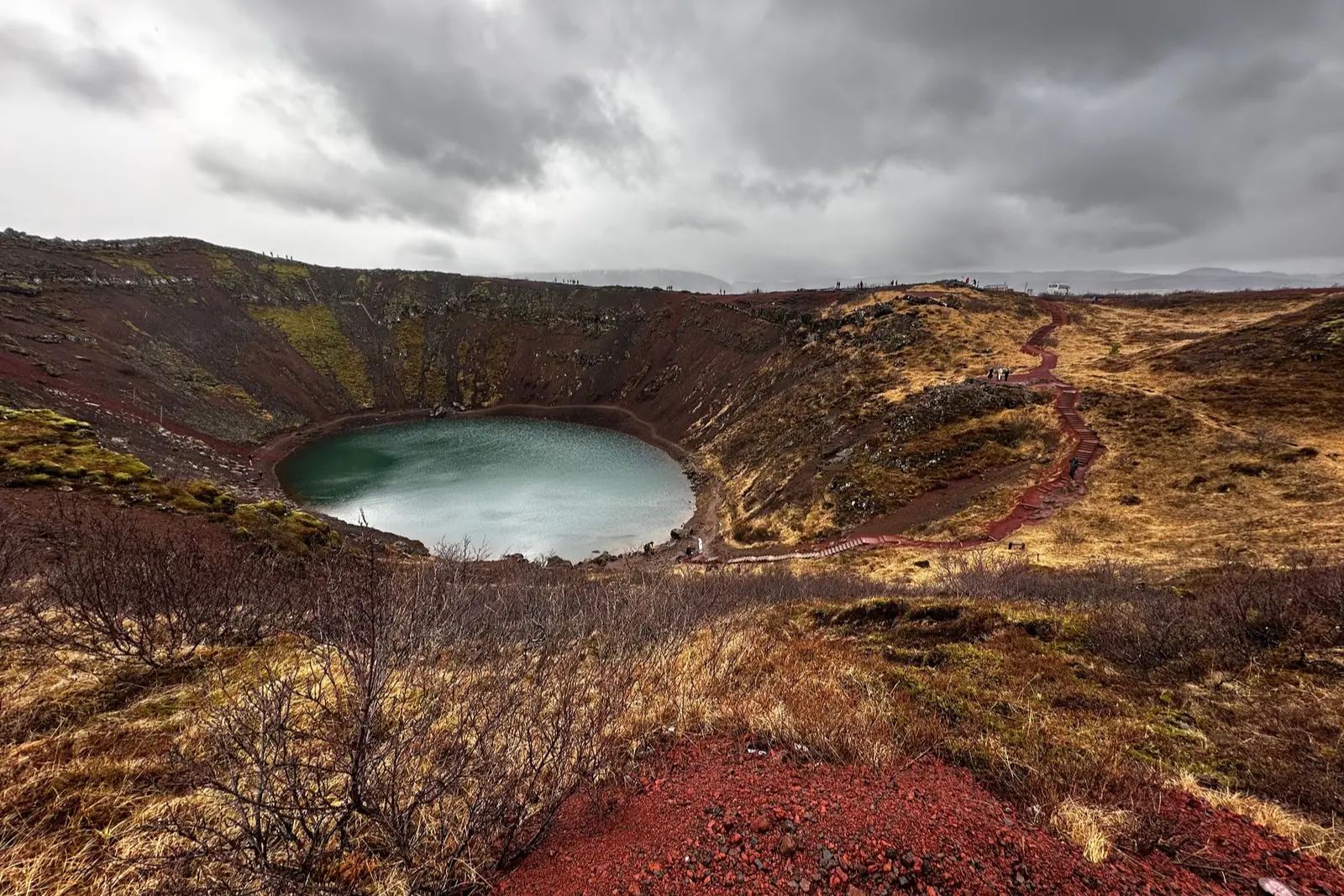
By the time we reached The Greenhouse Hotel, we'd earned putting our feet up.
April 12 — Waterfalls, rainbows and the south coast
This was waterfall day. Although in Iceland, almost any day can become waterfall day.
We started at Seljalandsfoss, but nearby Gljúfrabúi stole the show. Hidden behind the rock, it feels like a secret you have to work a little to find. We picked our way in through the moss-covered opening with cameras out, fully expecting to come out drenched. Somehow we didn't get too wet.
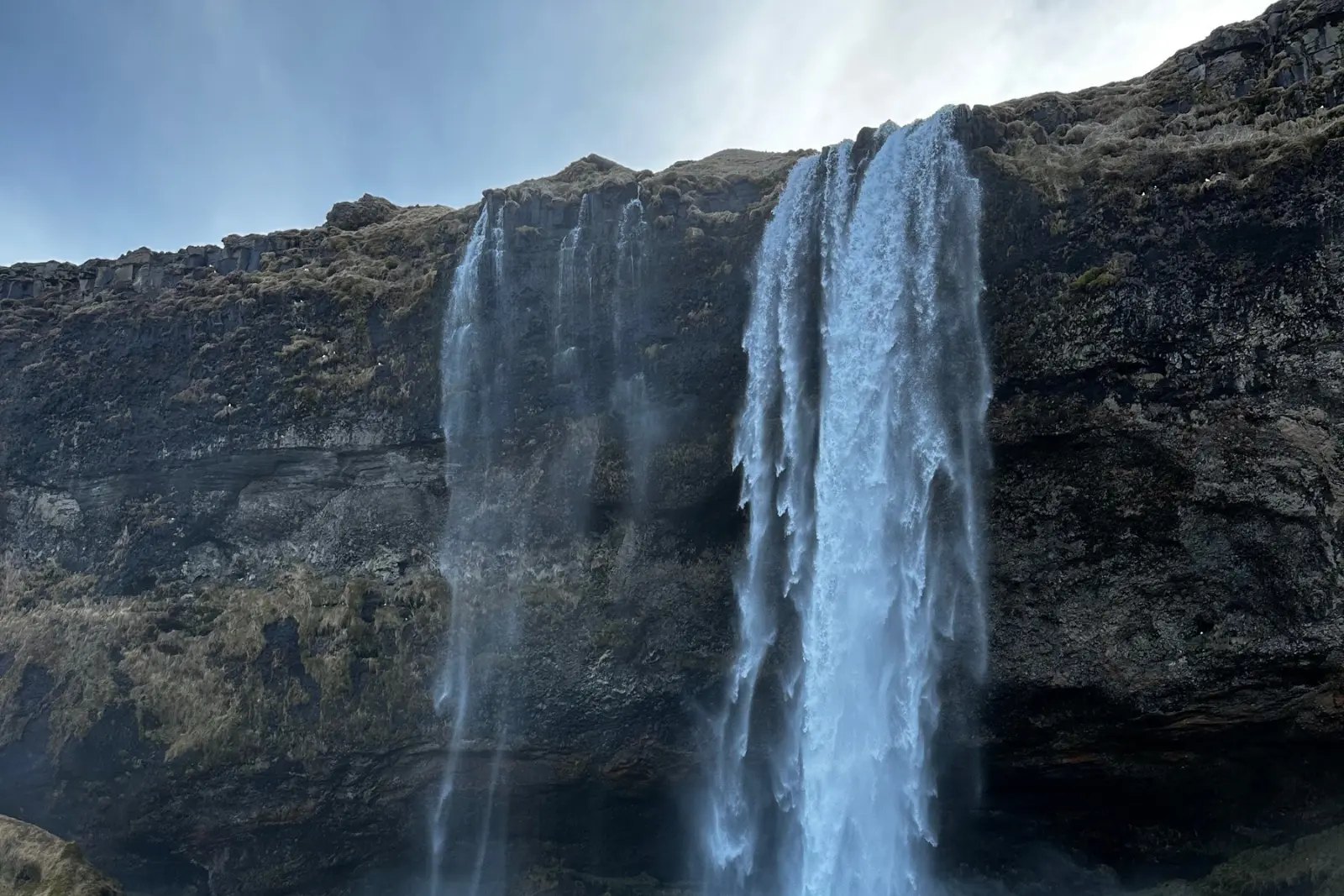
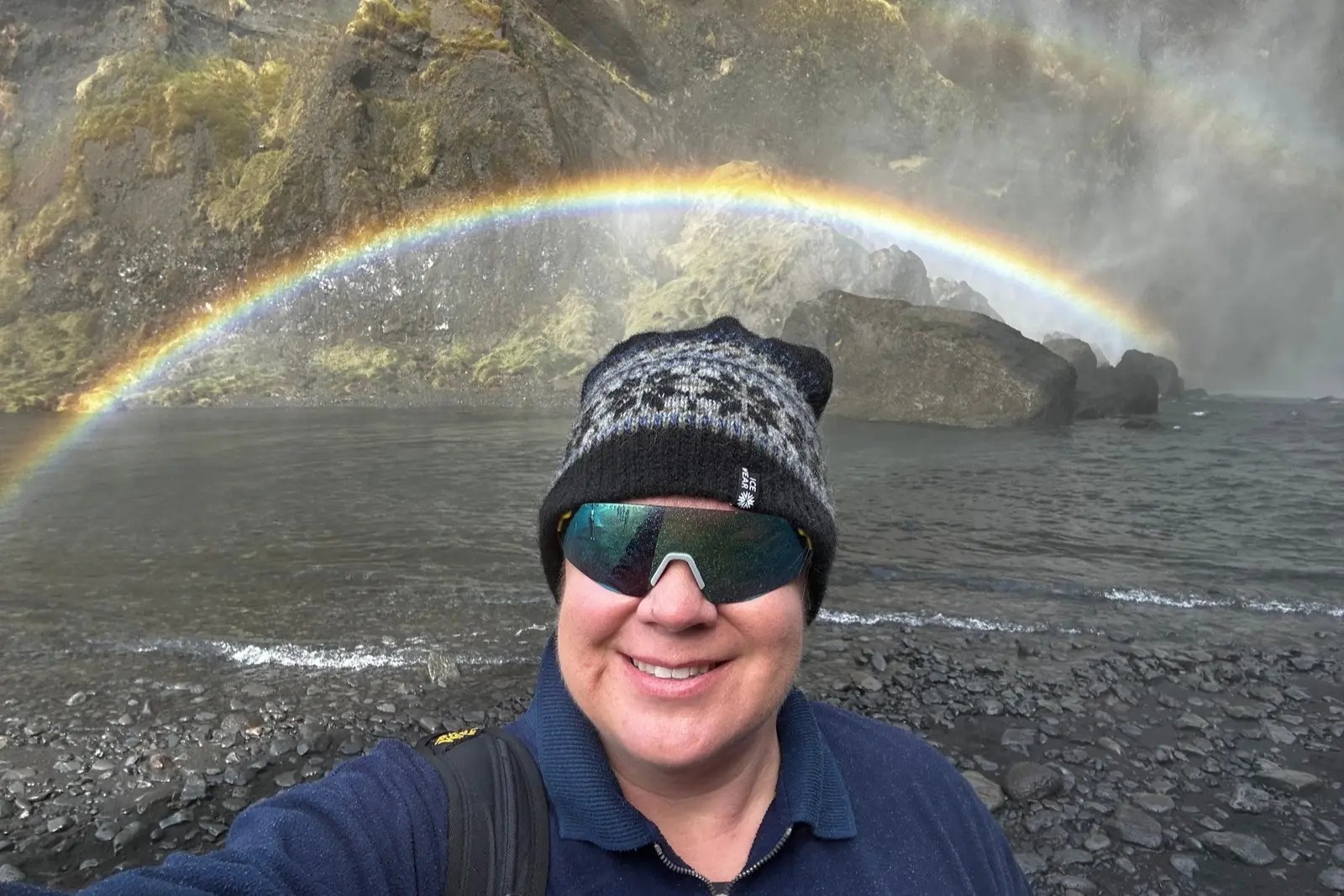
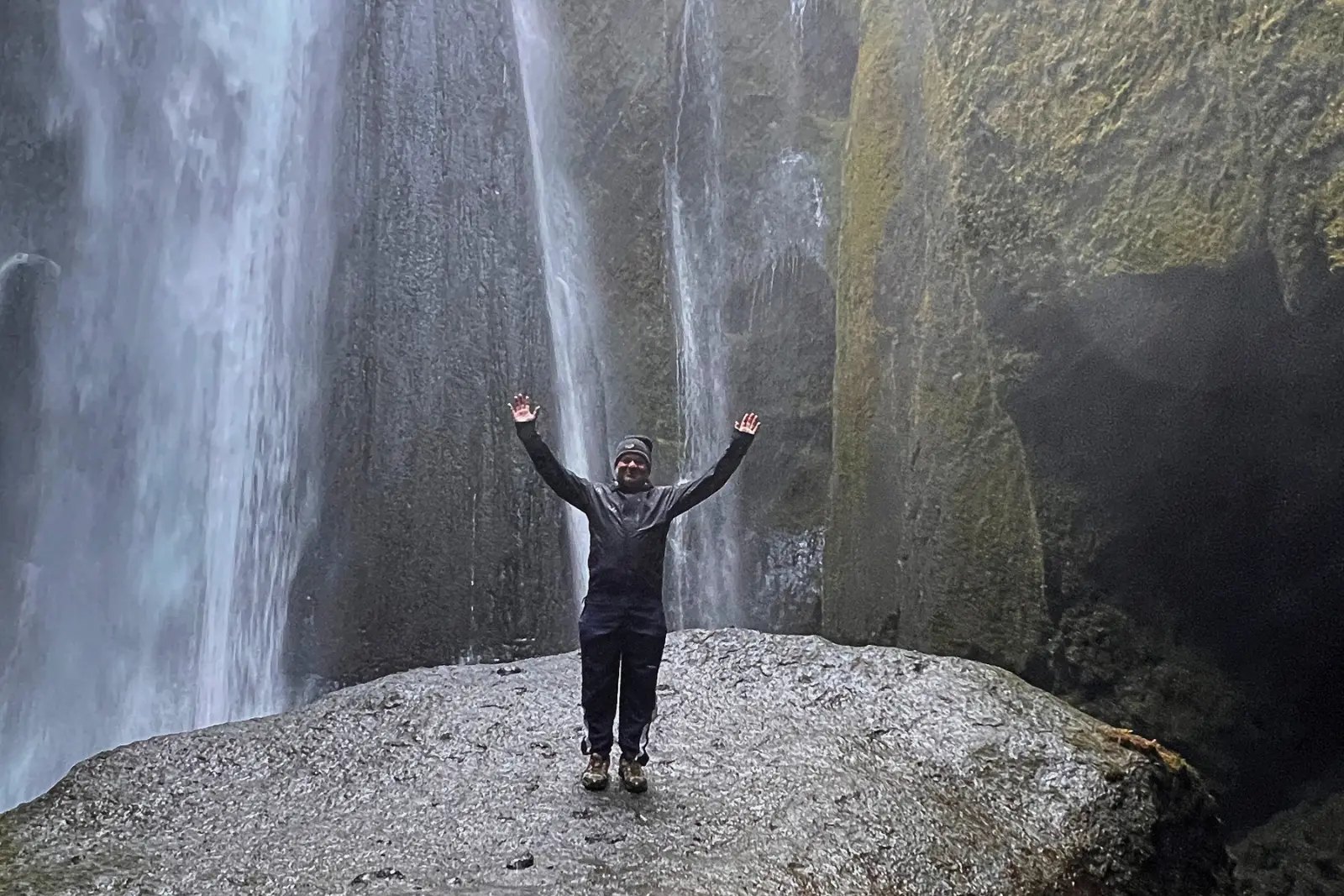
From there we stopped at Rútshellir, thought to be one of Iceland's oldest and largest man-made cave dwellings, before continuing to Skógafoss.
Skógafoss was roaring. A rainbow stretched through the mist at the base, and rather than stopping there we climbed up and followed the trail farther upstream toward Fosstorfoss.
Again, having our own car and our own schedule made the difference. If we wanted to keep walking, we kept walking.
Later we explored around Dyrhólaey Lighthouse, where clear weather opened up long views down the coast. Seabirds circled the cliffs and the black coastline ran off into the distance.
Then we went down to Reynisfjara. Instead of taking a few photos and moving on, we stayed — sat near the basalt columns and watched the waves come in.
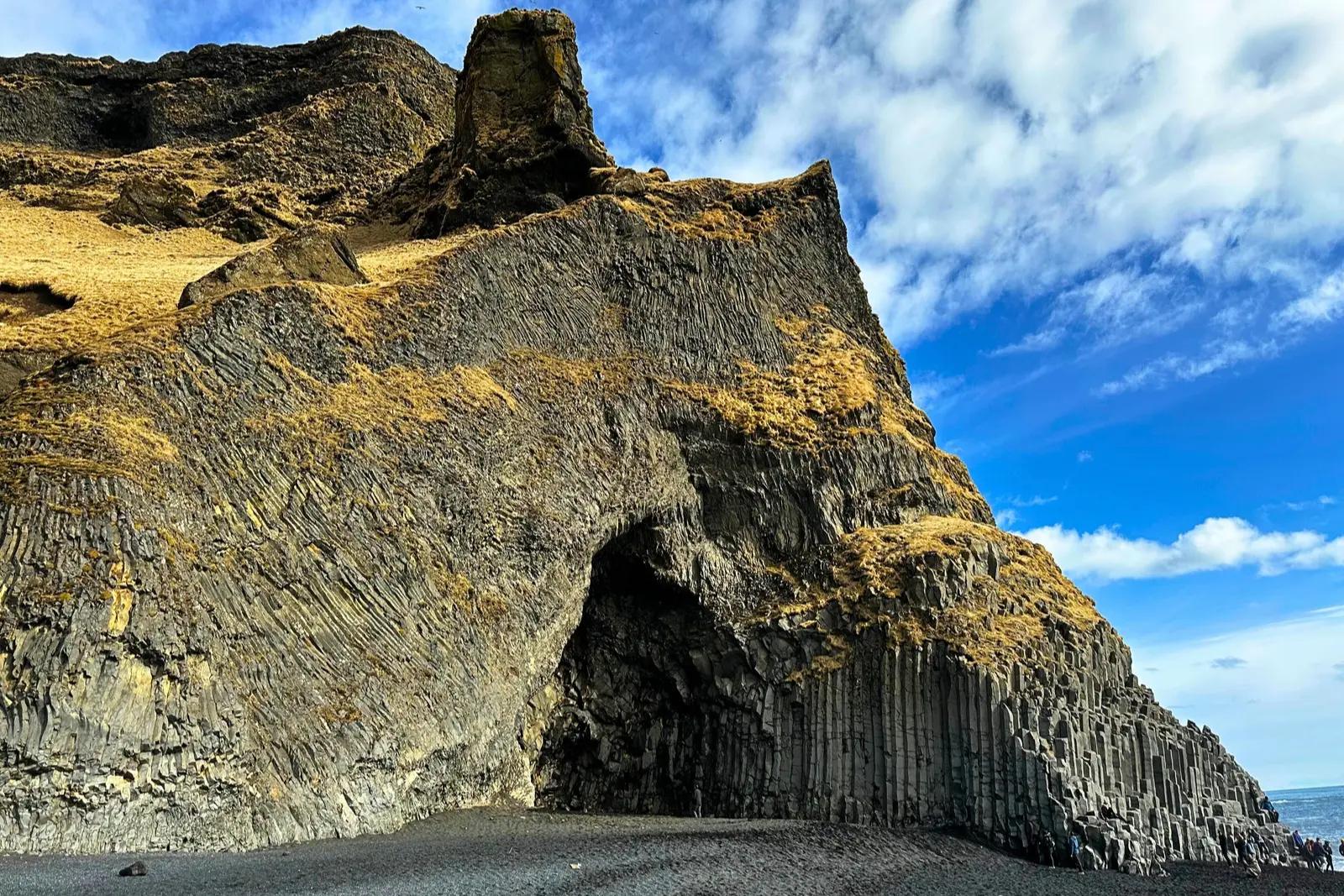
Iceland has a way of making you stop talking for a while. This was one of those places.
April 13 — Deeper into the south coast
Leaving Vík, we continued east through a landscape that kept getting bigger and wilder.
There were plenty of spontaneous stops, including a walk across the Mósabreiða moss heath and, naturally, a visit to Gígjagjá — the cave better known as the Yoda Cave. Once you've seen the silhouette you can't unsee it.
But the theme of the day was ice.
We hiked toward Skaftafell Glacier, getting closer and closer until the scale of the place really started to land. Later, at Skaftafell, we walked out again to Svartifoss with its dark basalt columns.
By now we'd settled into the rhythm of an Iceland road trip. Drive. Spot something. Stop. Hike. Take far too many pictures. Get back in the car. Repeat.
It was perfect.
April 14 — Glacier lagoons, Diamond Beach and an unexpected favorite
We began at Fjallsárlón before heading to one of Iceland's most famous landscapes: Jökulsárlón and Diamond Beach.
Icebergs drifted through the lagoon and seals surfaced now and then. Ducks and seabirds moved around us, and out in the countryside we spotted reindeer.
Then we made a detour. Sometimes those turn out to be the best decisions of a trip.
We went to the Viking Village, and after walking the village itself we carried on toward the shoreline. That's where the surprise was waiting. Seals resting and moving through the water, birds along the coast, mountains reflected almost perfectly in still water.
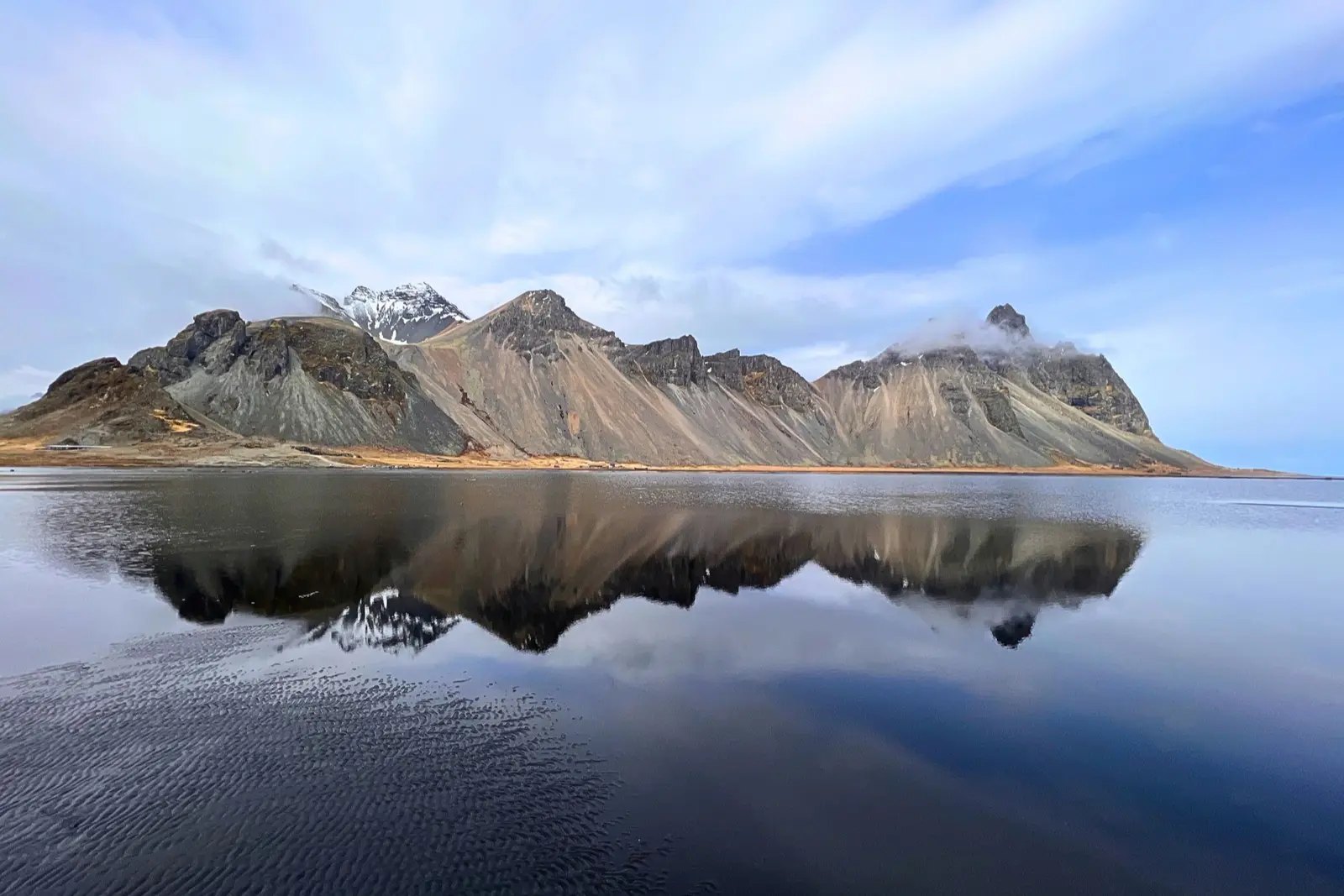
Quiet, beautiful and completely unexpected. We'd gone purely out of curiosity. We left thinking it had been one of the best stops of the trip.
The rest of the drive continued the same way — waterfalls appearing beside the road, and constant reminders that in Iceland the drive itself is often the attraction.
April 15 — A blizzard, Dettifoss and the surprise of Dimmuborgir
The morning began with a drive over the mountain toward Seyðisfjörður. Somewhere near the top, Iceland changed the rules.
We drove straight into a blizzard. Visibility dropped hard as snow blew across the road. Near the summit we could see preparations underway for a winter sporting event, which suddenly seemed very fitting.
By the time we dropped into Seyðisfjörður things were calm again. The town was quiet, which gave us time for photos along the colorful Rainbow Street and around the blue church.
Then we drove back over the mountain. The storm had vanished as quickly as it arrived.
Next was Dettifoss. Spring melt had turned it into a roaring wall of water, and we hiked in through the snow to see it.
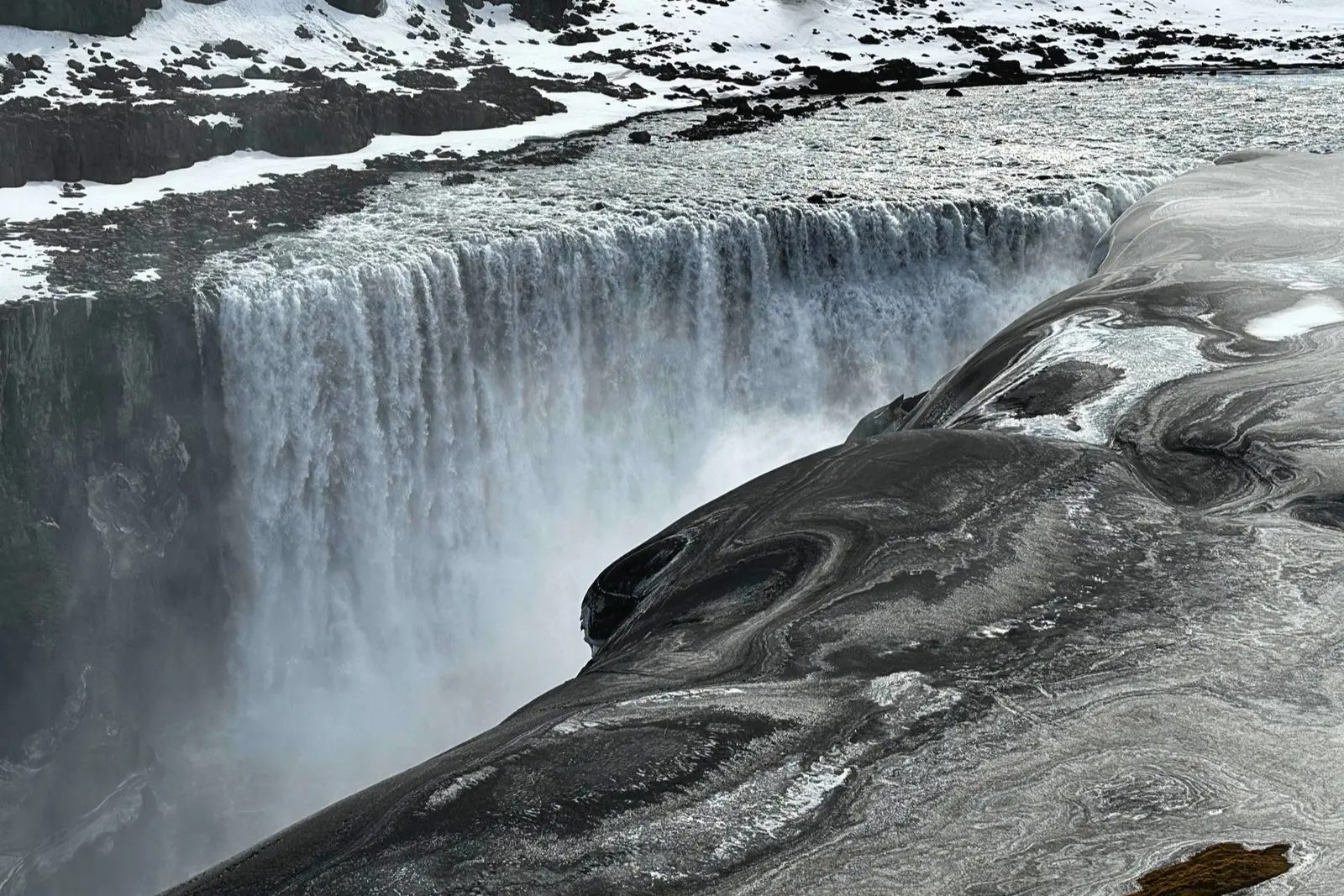
But the surprise of the day came later. Dimmuborgir wasn't somewhere we expected to spend much time. Then we started walking, and the lava formations got more interesting around every turn — towers, arches and strange shapes left by old volcanic activity. We ended up walking the Kirkjuhringur, the Church Circle.
What was meant to be a quick stop turned into one of those places where everyone agreed: next time, we need more time here.
One more quick stop at Grjótagjá Cave, then on to Lake Mývatn — where after a day of blizzard, waterfall, snow and lava, Iceland finished with a sunset over the lake.
April 16 — Goðafoss and a birthday in Reykjavík
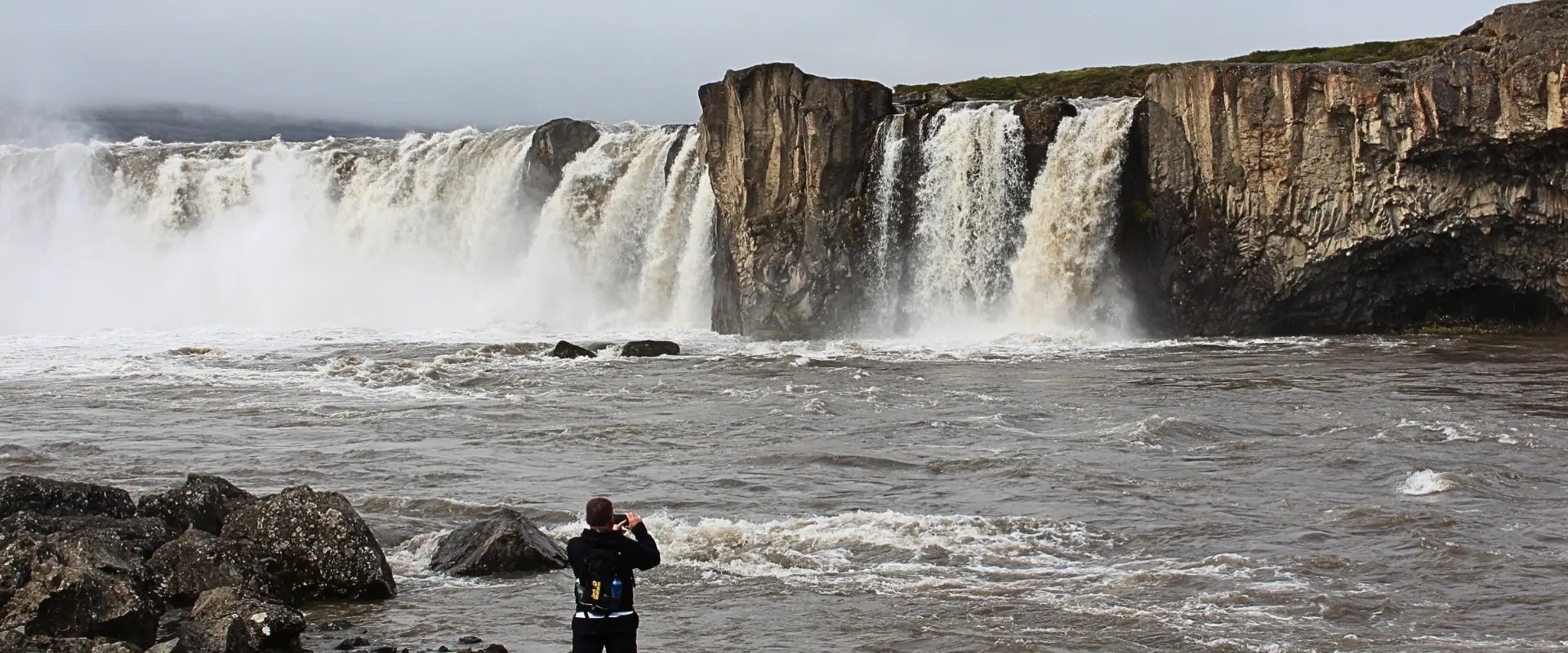
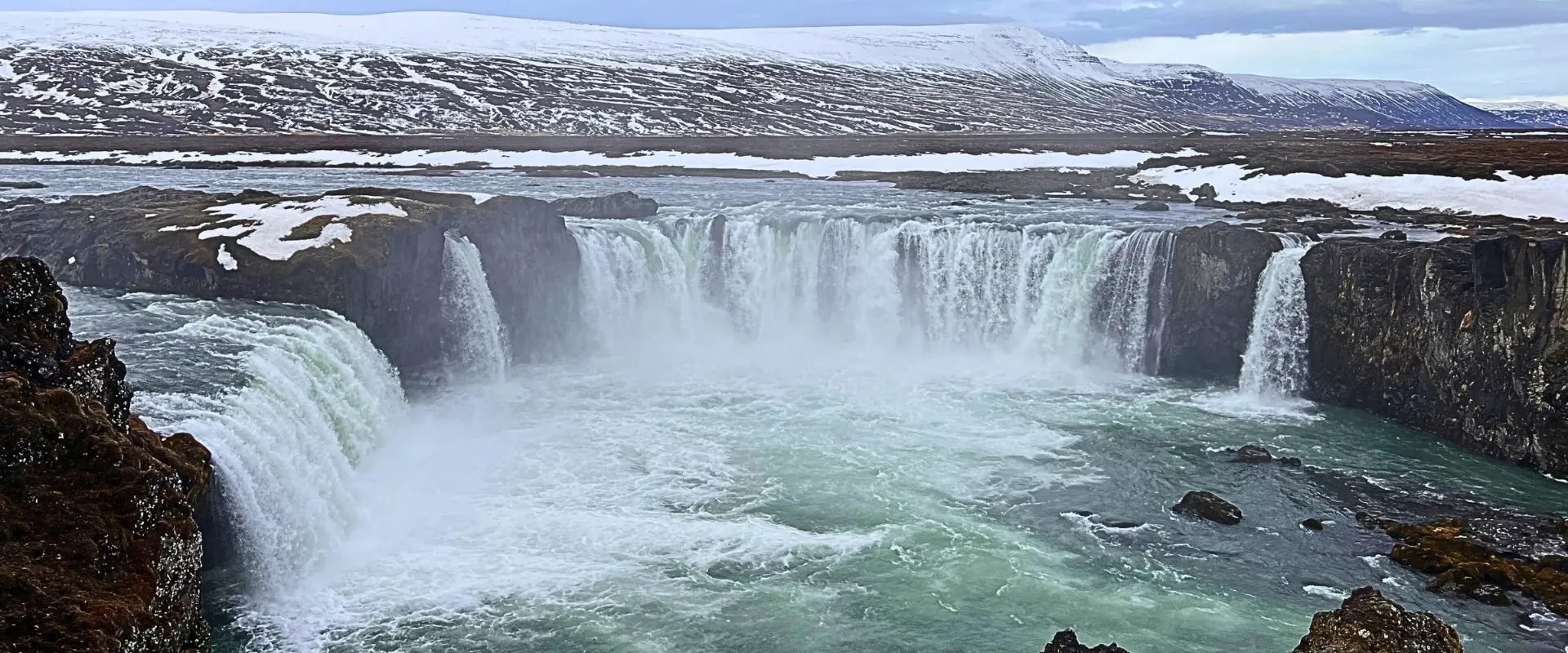
We started the morning at Goðafoss. Once again we had one of Iceland's major waterfalls almost entirely to ourselves, and took our time photographing it from different angles. Then a few rock ptarmigan flew in, as though the scene had needed wildlife.
Eventually we began the long drive back toward Reykjavík, stopping at Grábrók crater. Naturally we couldn't just look at it from below — we hiked the upper loop and visited the old Brekka Corral, dating to 1872, before continuing into the city.
That evening we checked into The Reykjavík EDITION. And then came one of my favorite surprises of the trip: it was my birthday, and the manager opened the rooftop bar for us to celebrate.
After days of waterfalls, snow, lava fields and long stretches of Icelandic road, we were suddenly above Reykjavík raising a glass.
Hard to beat that.
April 17 — Reykjavík and Sky Lagoon
After so many days driving, we spent the next day exploring Reykjavík on foot.
We wandered between Hallgrímskirkja, Harpa, the Sun Voyager and Rainbow Street, stopped at Café Loki, walked around Tjörnin, went looking for street-art murals and squeezed in FlyOver Iceland.
There wasn't much of a plan. We simply wandered.
And after that many miles on foot there was really only one way to end the day: Sky Lagoon. We went through the ritual, soaked, and finished with snacks afterward.
By this point I was starting to think Iceland had perfected the combination of hiking all day and sitting in geothermal water afterward.
April 18 — One last road trip
For our final full day we weren't ready to stay in Reykjavík. So we headed back out, this time toward the Snæfellsnes Peninsula.
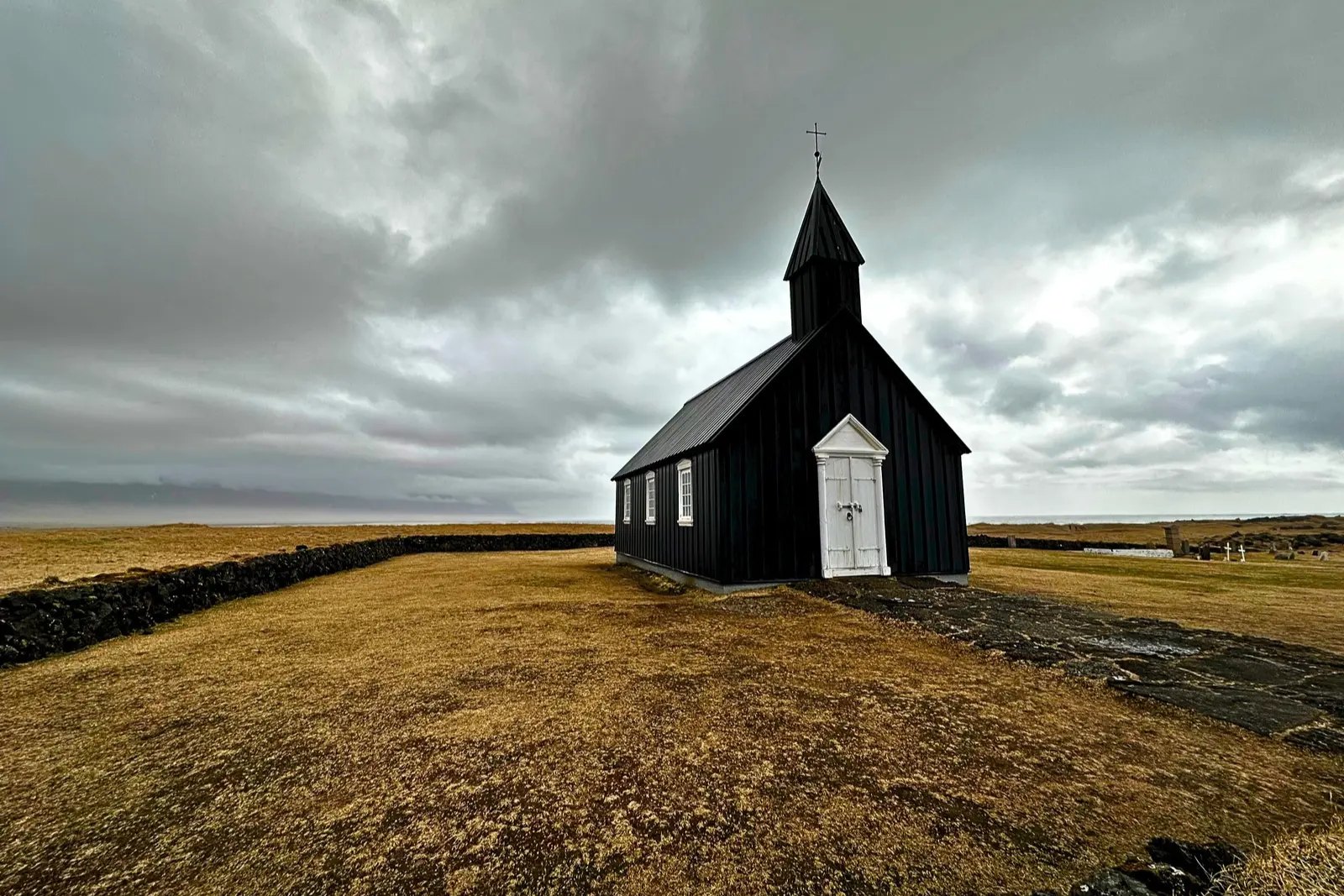
It turned into a greatest-hits day of Icelandic scenery. Búðakirkja, the tiny black church. Bjarnarfoss coming down the mountainside. Arnarstapi and its rugged coast. The basalt towers of Lóndrangar. Kirkjufellsfoss, with one of Iceland's most recognizable mountains behind it. Grundarfoss, where we again took the trail to get closer.
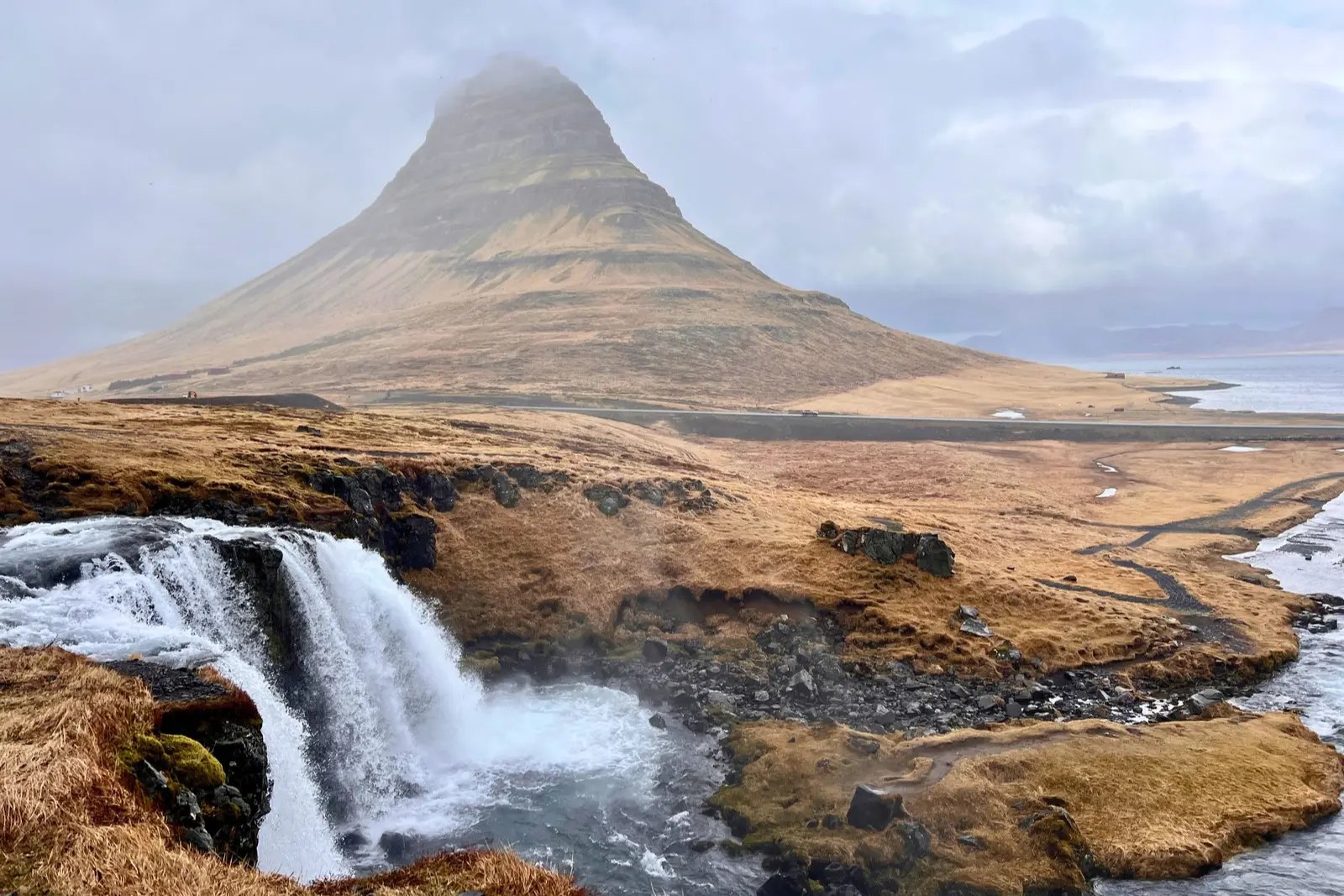
We walked through Snæfellsjökull National Park and sought out the lesser-known Svöðufoss, hiking out toward the falls.
It would have been easy to spend the last day packing or staying close to the city. I'm glad we didn't — because one of the things this trip taught us is that Iceland rewards curiosity.
Take the road. Make the stop. Walk the trail. See what's around the next bend.
April 19 — Heading home
Even the best road trips end.
Looking back, the famous sights were extraordinary: Gullfoss, Skógafoss, Jökulsárlón, Dettifoss, Goðafoss.
But they aren't the moments I remember most.
I remember pulling over again and again on the Reykjanes Peninsula because the ocean was too powerful to drive past. I remember having waterfalls almost entirely to ourselves. I remember walking farther down trails simply because we had the time. I remember the Viking Village detour that became one of our favorite stops. I remember driving into a blizzard on the way to Seyðisfjörður and back over the same mountain after it cleared. I remember the Northern Lights waking us on the first night.
And I remember a rooftop in Reykjavík, opened just for us.
That's what I love about a road trip through Iceland. The landmarks give you a reason to go. But it's everything between them that becomes the story.