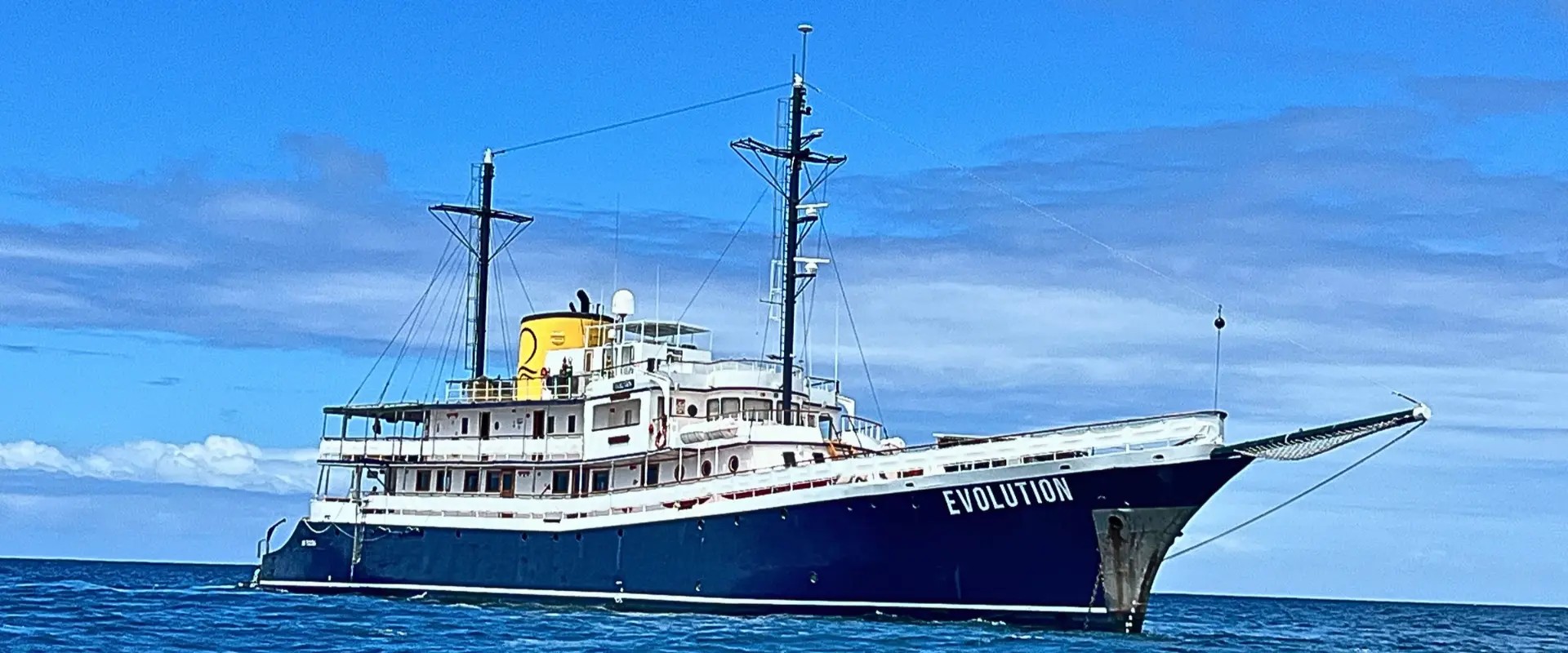
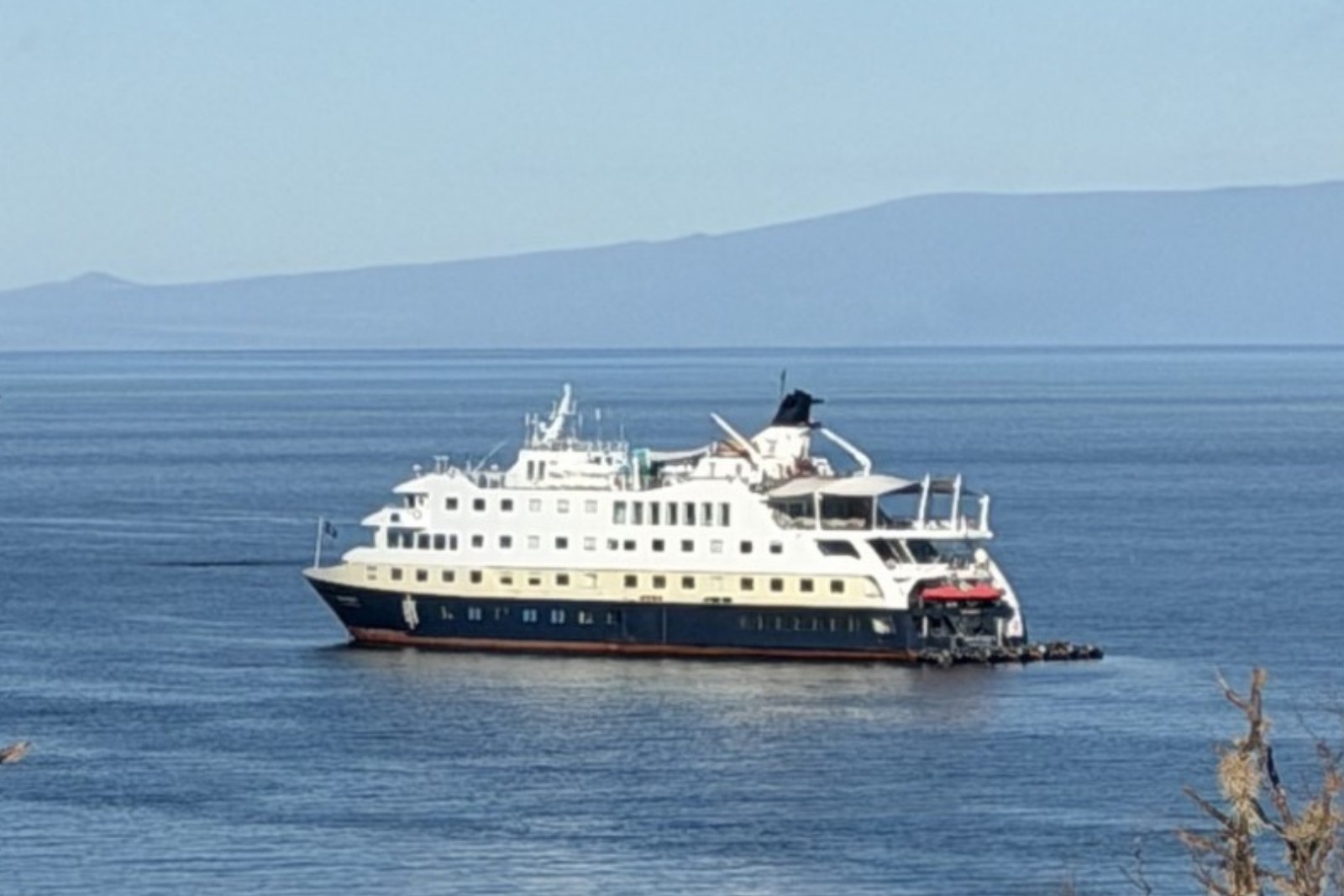
There is "vacationing," and then there is Galápagos expedition cruising. One is a trip; the other is a life-altering encounter with the rawest parts of our planet. In January I stepped aboard the Santa Cruz II for HX Expeditions' Northern Route with a group of like-minded friends, and I am still processing the magic.
The highlands and history: Quito and the cloud forest
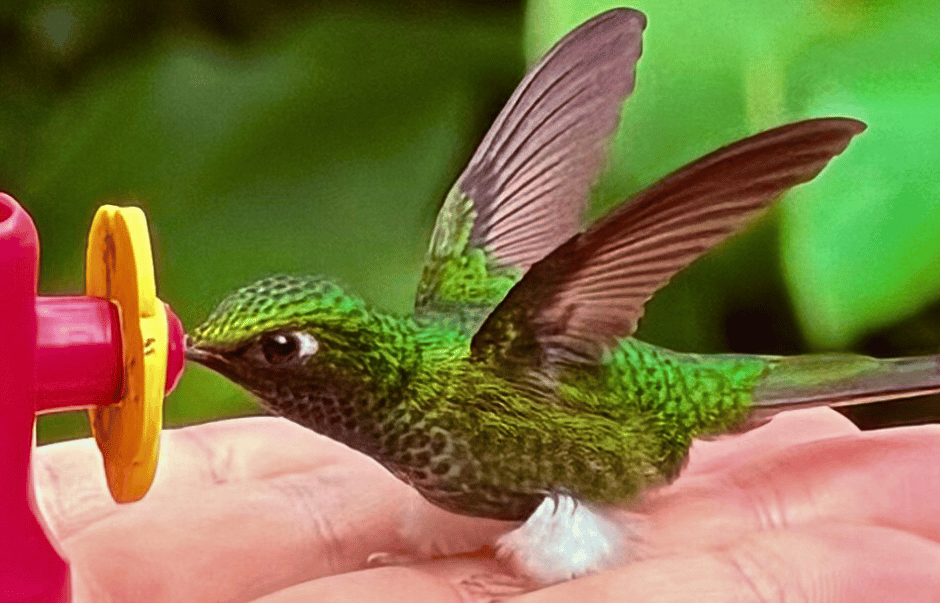
Before the cruise we planned a couple of days in Ecuador. The journey began in Quito, a UNESCO World Heritage Site and one of the best-preserved colonial centers in South America. Before we even hit the water we headed into the Mindo Cloud Forest on a private tour: tiny hummingbirds landing in our hands, fresh finger bananas, local coffee, hidden waterfalls, a cable car, a couple of toucans, and lunch in Mindo — try the local beer and the fresh trout with garlic butter sauce. We capped the day with a chocolate tasting that ended with a chocolate facial. Yes, really.
The next day the HX Expeditions team (Metropolitan Touring) took us deep into the Old City — historic churches, a local parade, bustling street markets — and out to the Equator line at the Middle of the World City to stand in both hemispheres at once.
Setting sail from Baltra to Santa Cruz
A smooth flight carried us from Quito to Baltra Island, where iguanas and finches greeted us before we had even left the terminal. A panga (the local name for the sturdy Zodiacs) took us out to the Santa Cruz II. After a safety briefing, lunch, and time to explore the ship, we were ready for our first activity.
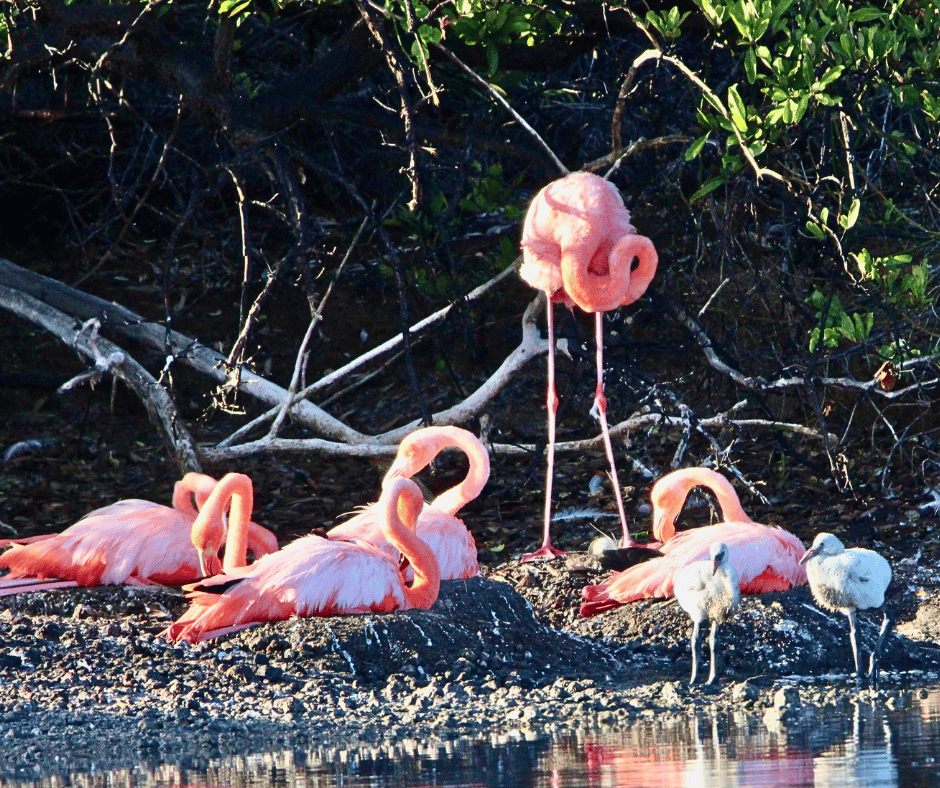
Our first landing was Las Bachas beach on Santa Cruz Island, a major nesting site for green sea turtles. Within minutes we were seeing the greatest hits: pink flamingos wading in brackish lagoons, blue-footed boobies, frigate birds, and bright-red Sally Lightfoot crabs scuttling over black volcanic rock.
Sharks and rays at Buccaneer Cove and Puerto Egas
One of the biggest strengths of an HX itinerary is how much of it happens in the water. We spent the morning at Buccaneer Cove on Santiago Island. On our first deep-water snorkel we were surrounded by Galápagos sharks, white-tips and black-tips — but the showstopper was a massive manta ray gliding beneath us like a silent spaceship. Even the guides were excited.
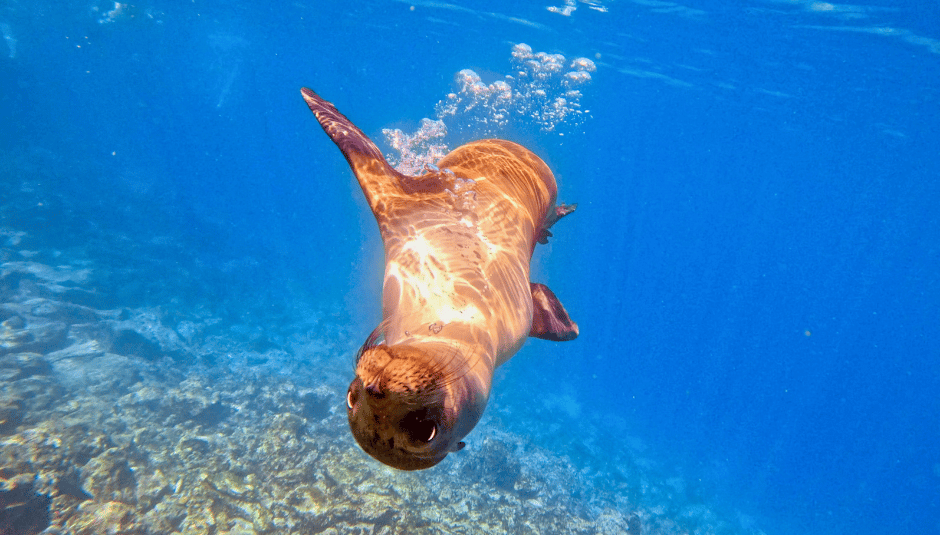
In the afternoon we moved to Puerto Egas, known for dramatic black volcanic landscapes and tide pools. We shared the beach with Galápagos fur seals and marine iguanas, and watched a land iguana sunning itself. The expedition team kept us going with "tiny talks" and photography tips.
Red sands and volcanic peaks
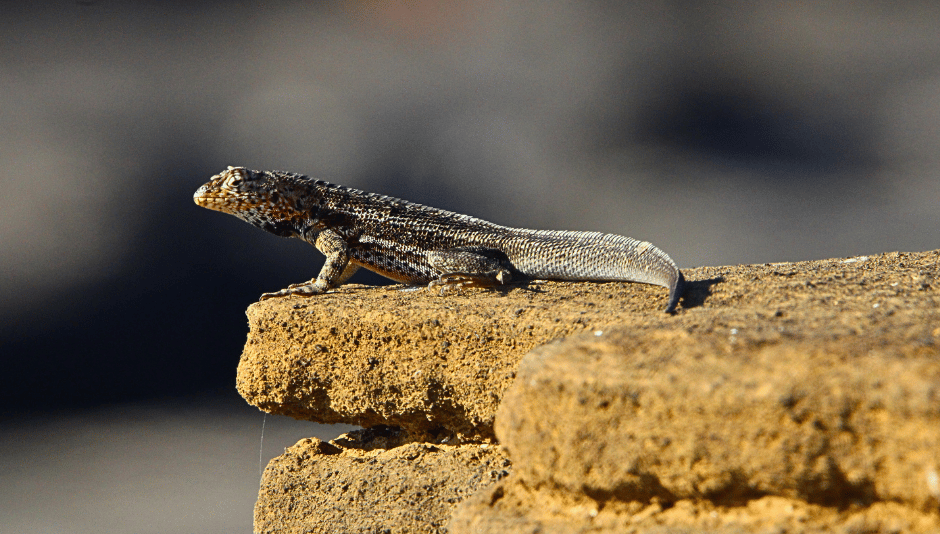
Day three took us to the red-sand beaches of Rábida Island, a haven for sea lions, Darwin's finches, and Galápagos hawks. We started with a 6:30am sunrise hike, then a snorkel that felt like swimming inside an aquarium — high visibility, sea lions, green turtles, a huge Galápagos shark, rays, and massive schools of fish. Most of us could have stayed in three hours longer.
That afternoon we reached Bartolomé Island and the most iconic postcard view in the archipelago: Pinnacle Rock. The snorkeling there had poor visibility, but we were rewarded with several Galápagos penguins — the only penguin species found north of the equator — and then hiked the 372 steps to the summit for a panoramic view of the islands.
The bird island: Genovesa
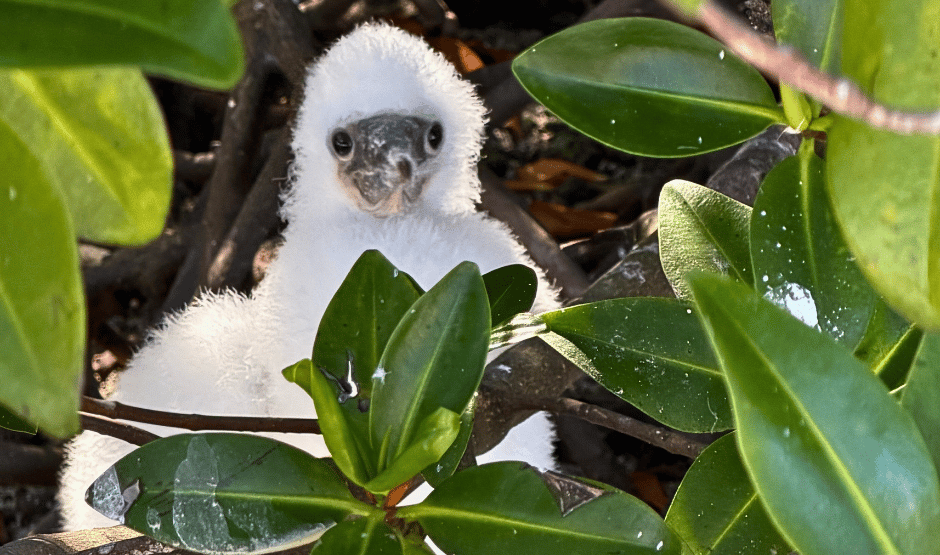
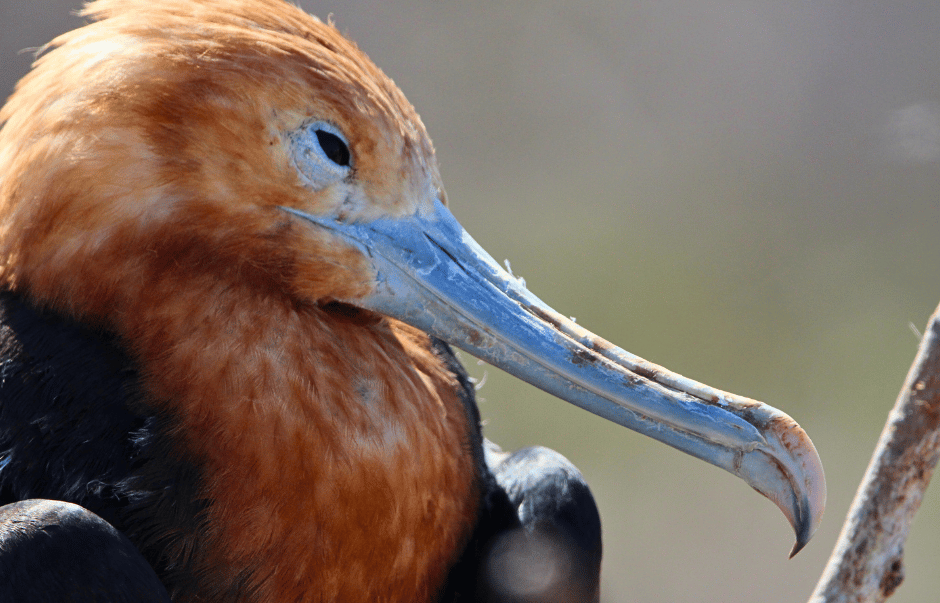
Genovesa is a rugged paradise for birders, often called Bird Island. We climbed the steep Prince Philip's Steps to a plateau teeming with life: massive colonies of Nazca boobies, red-footed boobies, and great frigate birds. We never caught a glimpse of the Galápagos owl ourselves, though a guide photographed one in flight.
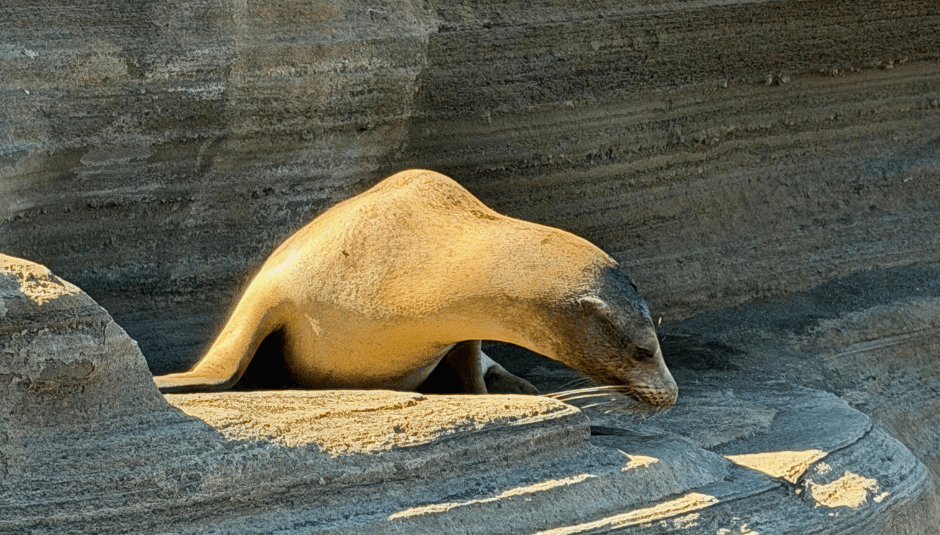
In the afternoon we landed at Darwin Bay for an easy stroll among playful young sea lions and nesting gulls, boobies, and herons. There is something humbling about walking through a landscape where the animals have no fear of people; they simply carry on as you pass. On the afternoon swim we spotted a white-tip shark, a ray, and plenty of fish.
Farewell to the giant tortoises
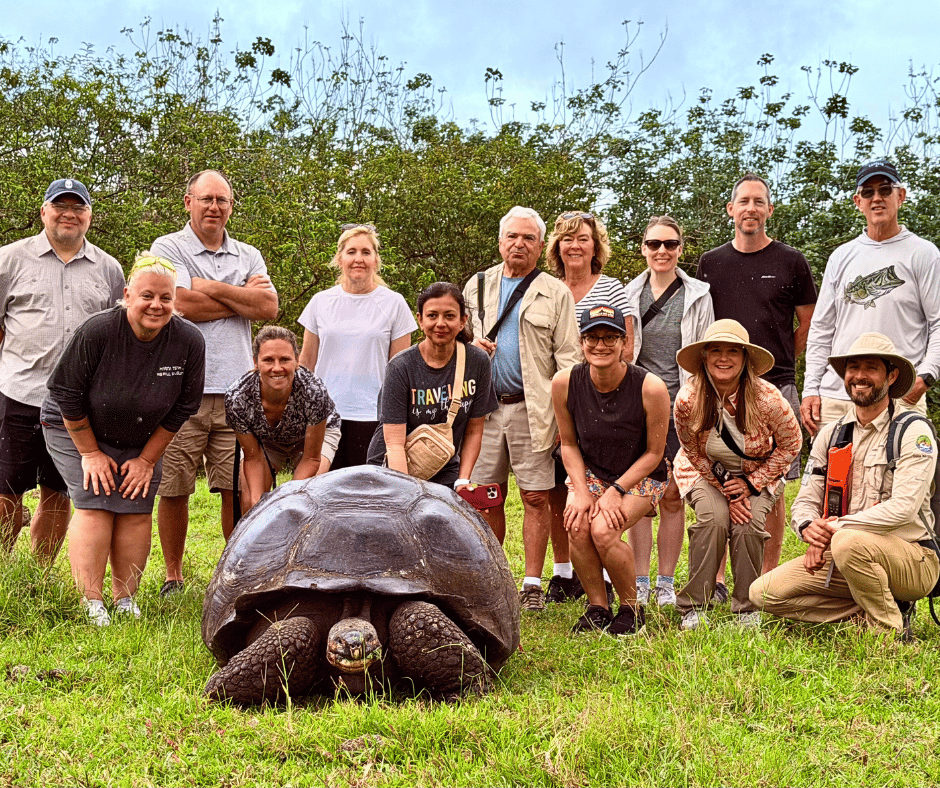
Our final morning was spent in the highlands of Santa Cruz with the Galápagos giant tortoises in their natural habitat. These gentle giants can weigh up to 550 pounds and live for over 100 years. Watching them move slowly through the lush greenery was the perfect, peaceful end to a high-energy week.
Why a Galápagos expedition cruise
When people ask about Galápagos planning, I tell them to look for itineraries that balance land treks with water activities — the Santa Cruz II's Northern Route is a masterclass in variety. A vessel like this offers a level of access you simply cannot get from land-based tours, and with expert naturalist guides and a Science Center on board you do not just see the wildlife, you understand the ecosystem.
Contributing our daily sightings to iNaturalist let us play a small part in ongoing conservation research. It is a good reminder of how travel, done intentionally, can deepen your connection to the places you visit.