
My recent voyage on HX Expeditions' “The Scottish Isles: Island Hopping in the Hebrides” was more than a trip — it was an invitation to the wild, historic heart of Scotland. Aboard the MS Spitsbergen, we didn't just sail past these legendary islands; we stepped ashore to experience them intimately, with an incredible Expedition Team as our guides.
If you're seeking a travel experience that combines rugged adventure, rich history and absolutely breathtaking landscapes in the fresh bloom of spring — with a splash of Scotch — this is the odyssey for you.
Isle of Arran: Scotland in miniature
Arran is where the Scottish Lowlands meet the Highlands, split by the famous Highland Boundary Fault, and our day there was a study in contrasts. We hiked the Fisherman's Trail with views of jagged peaks and Brodick Castle, then explored the castle and its gardens, bursting with spring life — a beautiful counterpoint to the raw nature of the highlands.
Arran is prime territory for Scotland's “Big Five” — golden eagles, red deer, red squirrels, otters and harbour seals. We were limited to a few squirrels, swans and mallards, plus our biggest surprise: palm trees. Afterwards we stopped at the Isle of Arran Cheese Shop and a local restaurant to try the Isle of Arran Dark premium beer.
Islay: the whisky trail
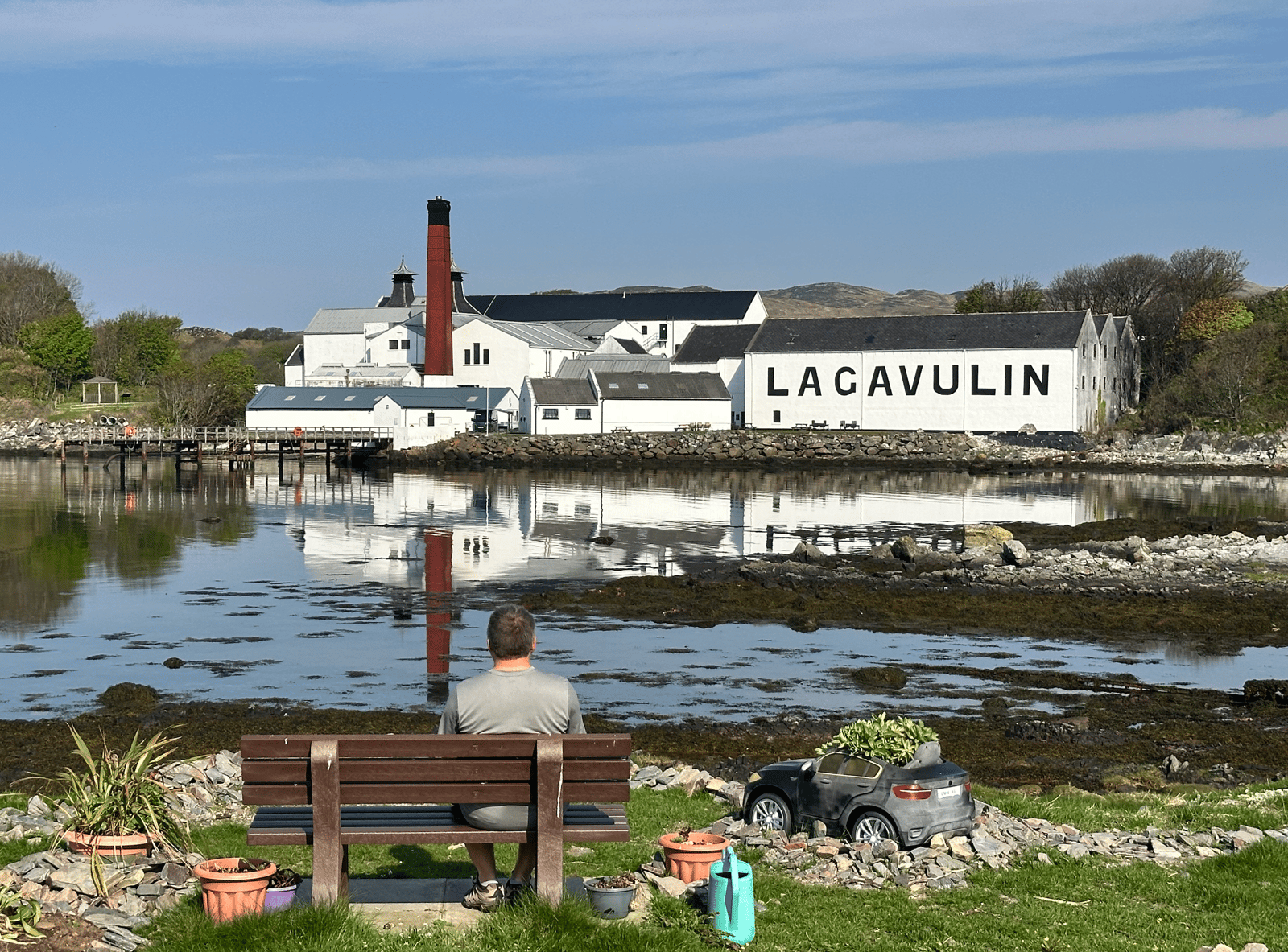
Known worldwide as “Whisky Island” for its distinctive peaty single malts, Islay offers a perfect blend of natural beauty and cultural heritage. We ventured out on our own, reserving two e-bikes to explore the Three Distilleries Pathway from Port Ellen to Ardbeg. Knowing what was ahead of us, we biked directly to Ardbeg for our first tastings — it ended up being our longest stop, and worth the extra time. On the way back, Lagavulin and Laphroaig kept us motivated.
Along the path there are interesting stops: a standing stone, the Alexander McDougall lookout, the Dunyvaig Castle ruins and a few places to get down by the water. And beyond the peated malt, Islay is a vital wildlife haven — over 200 species of birds, including oystercatchers, gannets and golden eagles, call the island home.
Isle of Gigha: a slice of sustainable paradise
Tiny Gigha — pronounced “Gee-a” — is proudly community-owned and runs a unique, sustainable local economy. At only seven miles long, the best way to explore is on foot, and the gentle pace lets you truly connect with the quiet beauty.
We wandered through the stunning woodland gardens of Achamore House, famed for their colourful rhododendrons, before discovering pristine white sandy coves like Bàgh Rubha Ruaidh. Afterwards we joined the Expedition Team's biologist in taking phytoplankton samples — citizen science is part of the rhythm of an HX voyage.
Isle of Mull: the most colourful port
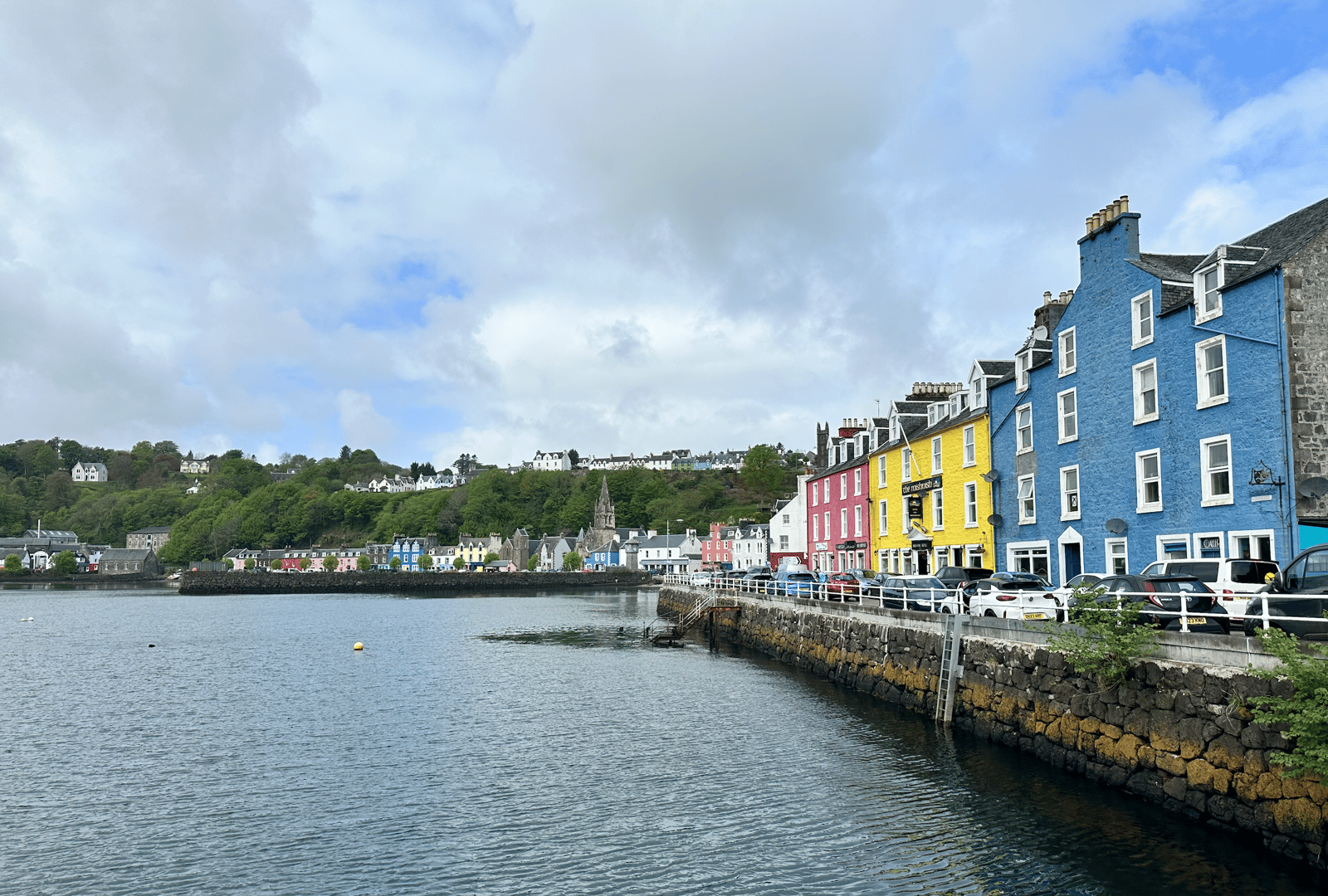
Mull is a magnet for birders and a visual delight. In Tobermory, the brightly coloured Georgian houses lining the waterfront create a picture-perfect setting for a stroll, with local guides sharing stories of the town's vibrant past. There are plenty of small shops, and it's worth stopping for fish and chips or freshly caught langoustines.
Mull boasts the highest breeding density of golden eagles in Europe, and majestic white-tailed eagles are often seen soaring above the coastline — a photographer's dream.
St Kilda: the jewel of the Atlantic
Of all the remote isles in the Outer Hebrides, a visit to St Kilda is the ultimate triumph of any Scottish expedition. Lying exposed in the North Atlantic, this dual UNESCO World Heritage Site is arguably the most spectacular stop on the entire voyage.
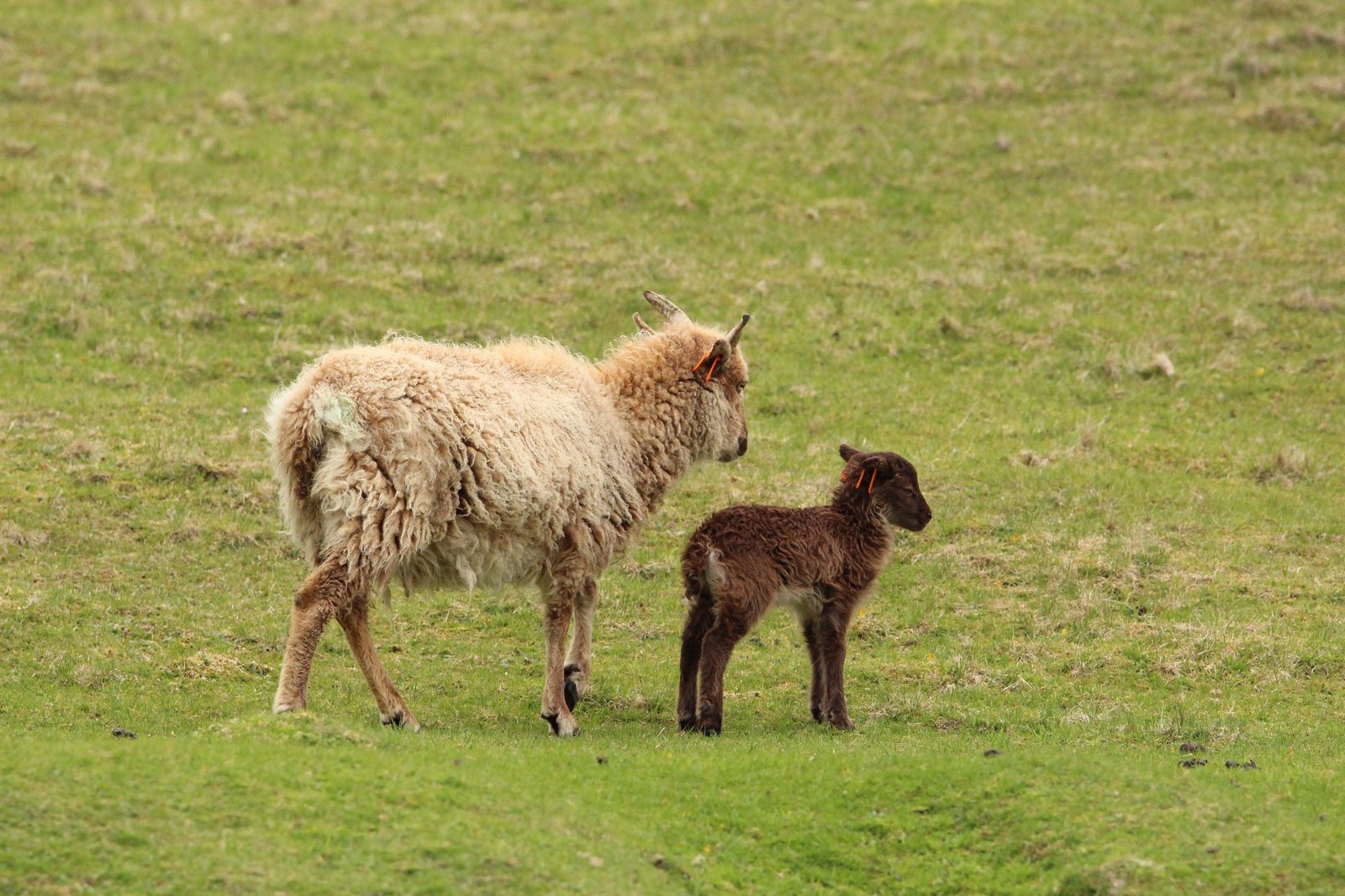
St Kilda is famous as the home of Britain's most isolated community, whose residents were evacuated in 1930. Stepping onto Hirta, the main island, you walk among the abandoned village, countless sheep, the historic cleits — stone storage huts — and the houses that were once the lifeline of this resilient population.
The islands — Hirta, Dun, Soay and Boreray — are remnants of an ancient volcano and boast the highest sea cliffs in the United Kingdom. It is a breathtaking setting unmatched anywhere else, with an amazing hike from sea level to the stone survey marker at the top.
St Kilda is also one of the most important seabird colonies in the North Atlantic. The cliffs and sea stacks are packed with immense numbers of northern gannets, puffins, guillemots and razorbills, and sailing past the mighty Stac an Armin and Stac Lee is a wildlife spectacle you will never forget.
A landing at St Kilda is never guaranteed. Reaching it embodies the entire spirit of expedition cruising — a rare, significant experience earned through planning, flexibility and small, nimble expedition boats.
For some of our fellow travellers this was a monumental moment: they had relatives who had lived on St Kilda.
Isle of Skye and Eigg: dramatic scenery
Skye gave us the most dramatic scenery of the entire journey. Sailing into Loch Scavaig, we were surrounded by the imposing, craggy peaks of the Cuillin Mountains. Pulling on our hiking boots to explore the loch's shores with the Expedition Team brought us right into this epic landscape — we were tempted by a swim, but there wasn't enough time.
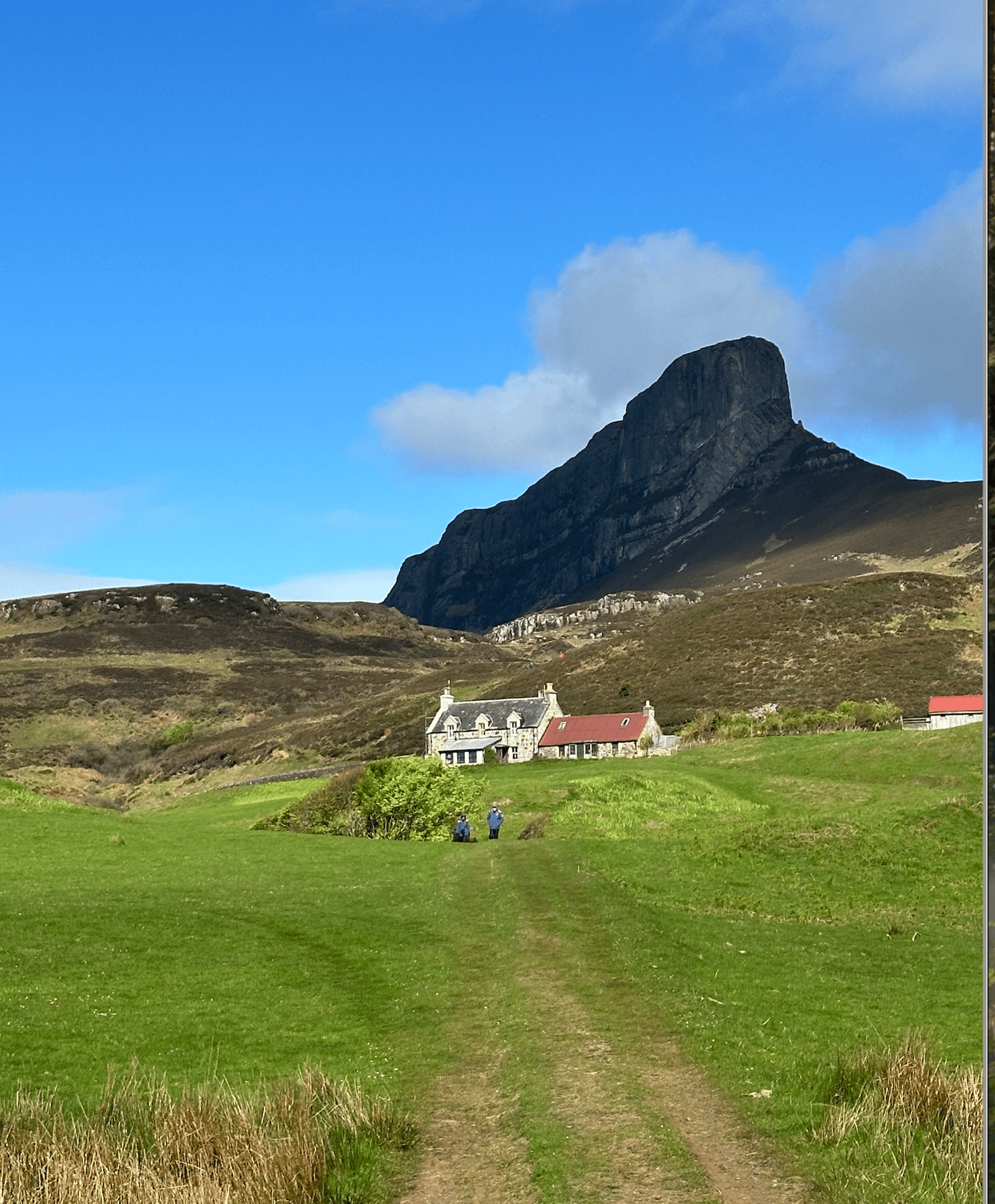
Eigg, renowned for its unique ecosystems, gave us a walk around the island photographing An Sgùrr and the coastal caves.
Stornoway, Lewis and Harris: ancient stones and island fabric
Our second stop in the Outer Hebrides offered an extraordinary dive into deep history and island craft. We journeyed to the west coast to visit “Scotland's Stonehenge” — the Callanish Standing Stones. Erected over 5,000 years ago, predating the main circle at Stonehenge, this cruciform arrangement of megaliths is thought by many to have been a prehistoric lunar or astronomical observatory. A truly awe-inspiring place.
The island is also the home of world-famous Harris Tweed, a tangible piece of island heritage, and we explored the Gothic architecture and scenic trails around Lews Castle in Stornoway.
Iona and Staffa: sacred ground and a cave of basalt
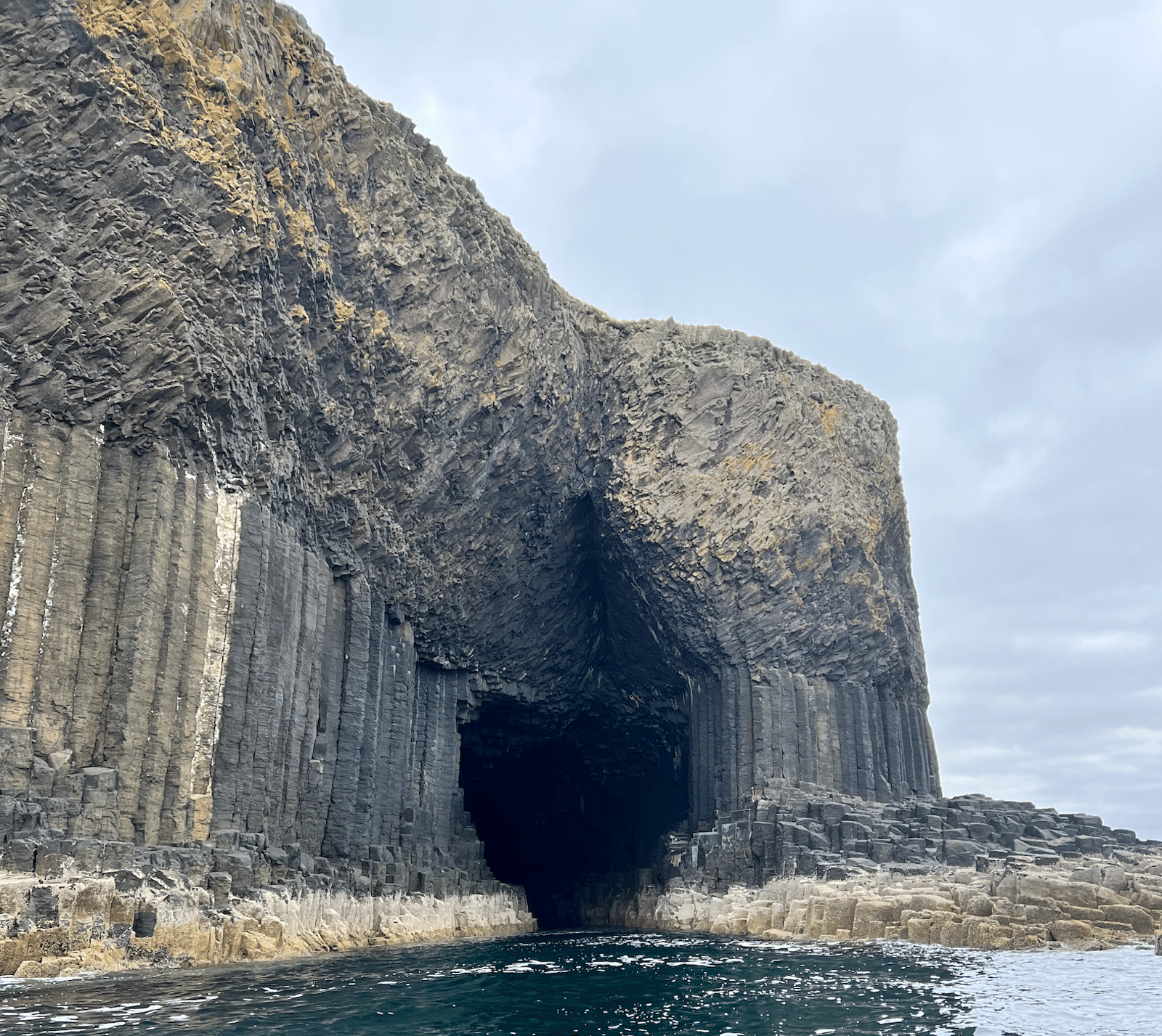
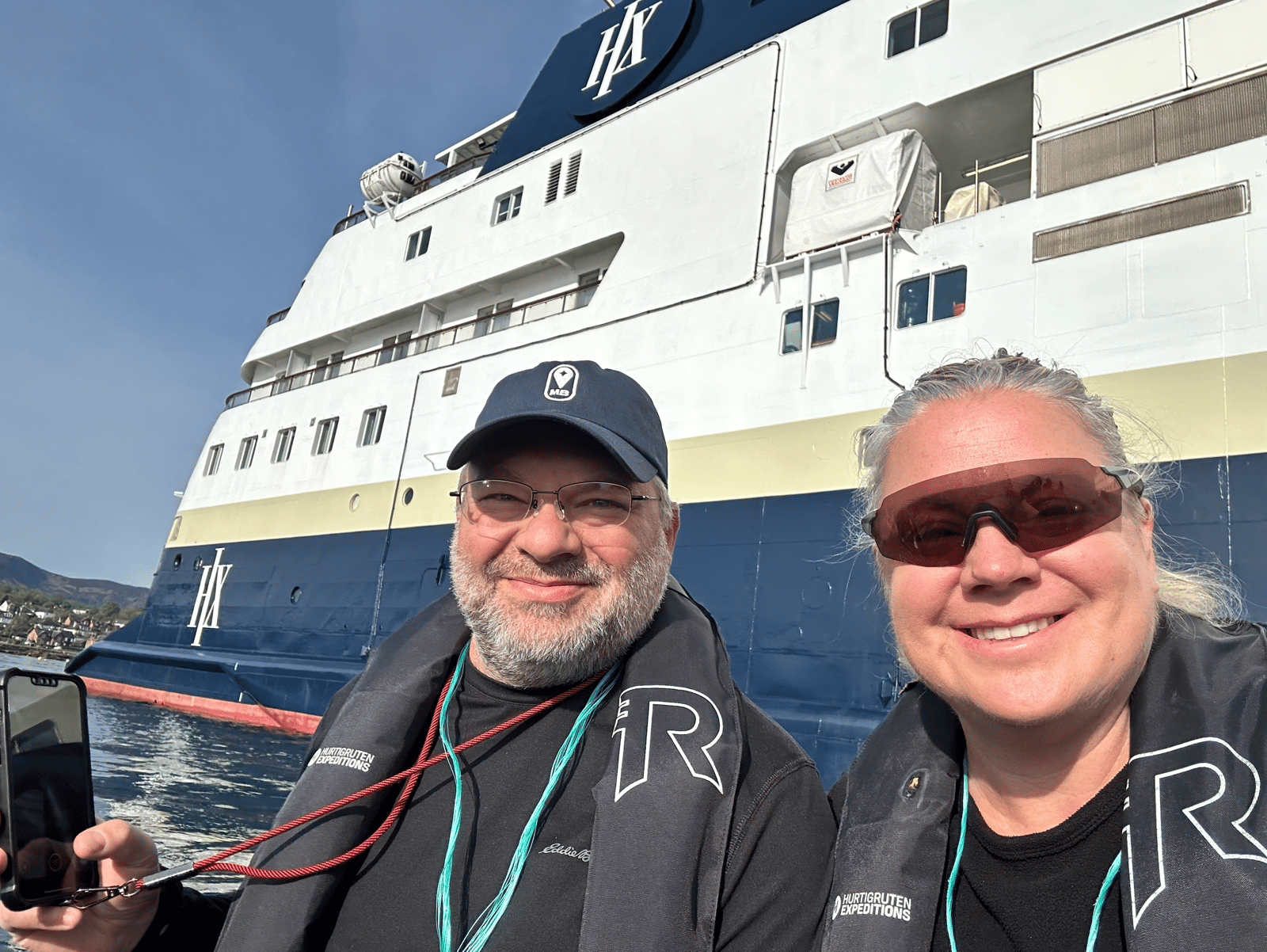
On Iona we walked to the aptly named “Bay at the Back of the Ocean,” one of those places that feels like the edge of the world. Then we took the small expedition Zodiacs to Staffa for a close look at Fingal's Cave — a masterpiece of nature where hexagonal basalt columns create a vast, echoing chamber with mesmerizing acoustics.
We ended the stop doing tide-pool observations with the Expedition Team's biologists.
Isle of Colonsay: unspoiled beauty
Our final island stop was a paradise for lovers of flora and fauna. Colonsay features over 400 species of plants, best seen in the woodland gardens of Colonsay House, and it's an important birdwatching site — choughs, red-throated divers, eagles, and if you listen closely later in spring, the distinct rattle of the elusive corncrake.
We took a walk through town and stopped at the local distillery to bring back some Wild Island Botanical Gin — a good way to end the voyage.
The verdict
This HX expedition truly is the ultimate way to access, explore and appreciate the wild Scottish Isles. Every landing is an adventure, and every island tells an incredible story. If you're ready to discover this immersive side of Scotland, let's start planning your journey.