Subantarctic Islands Guide: Exploring New Zealand’s Remote Wilds
Discover how to visit the Subantarctic Islands. From Snares penguins to Campbell Island megaherbs, explore this UNESCO wildlife sanctuary with expert advice.
NEW ZEALAND
Chris Commisso
4/10/20265 min read
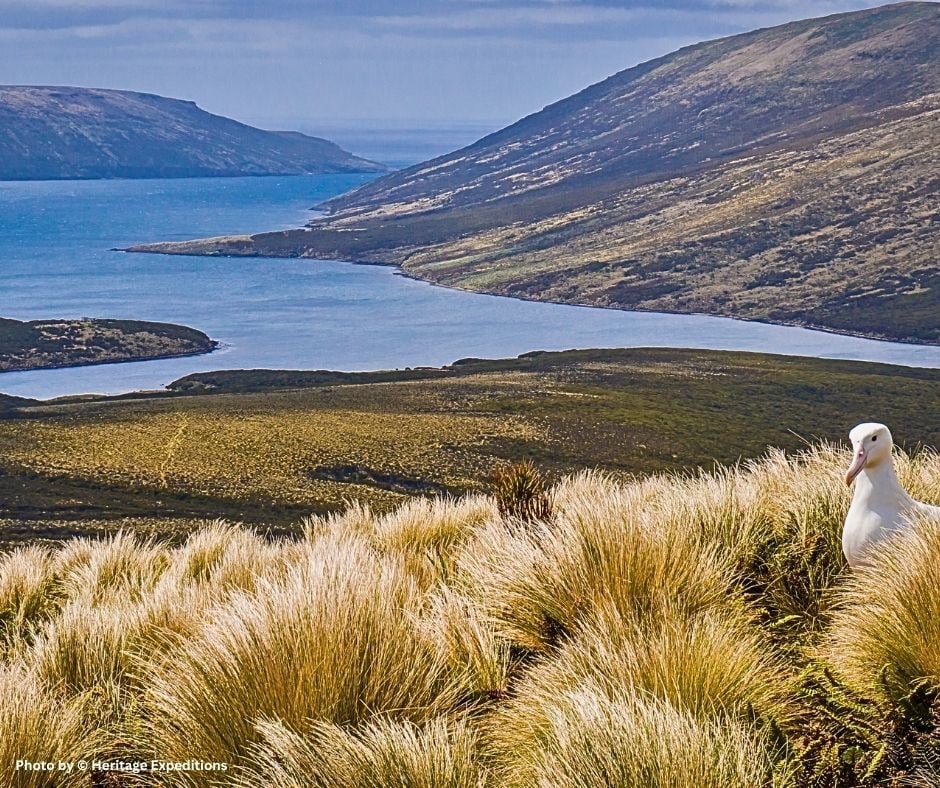
TL;DR: The New Zealand Subantarctic Islands are a UNESCO-protected wilderness accessible only by expedition ship. Known as the "Galapagos of the South," they offer unparalleled encounters with rare penguins, megaherbs, and vast albatross colonies.
The New Zealand Subantarctic Islands—specifically the Snares, Bounty, Antipodes, Auckland, and Campbell groups—represent the most pristine UNESCO World Heritage wildlife sanctuaries in the Southern Ocean. Located within the "Roaring Forties" and "Furious Fifties" latitudes, these remote outposts, including Australia’s Macquarie Island, are globally recognized for their "megaherbs," rare endemic penguins, and the diverse seabird colonies.
As a UNESCO World Heritage site, this archipelago remains one of the few remarkably intact ecosystems on Earth. Access to these islands is strictly regulated to protect their fragile biodiversity, making an expedition cruise the only way for travelers to experience these Forgotten Islands. Beyond the reach of modern development, a journey here offers a rare look at a world where nature remains the undisputed ruler.
The Snares (Tini Heke): A Living Time Capsule
The Snares are the closest group to the New Zealand mainland, yet they feel worlds away. Uniquely, these islands have remained free of introduced mammalian pests like rats or cats. As a result, the ecology is almost exactly as it was before human discovery.
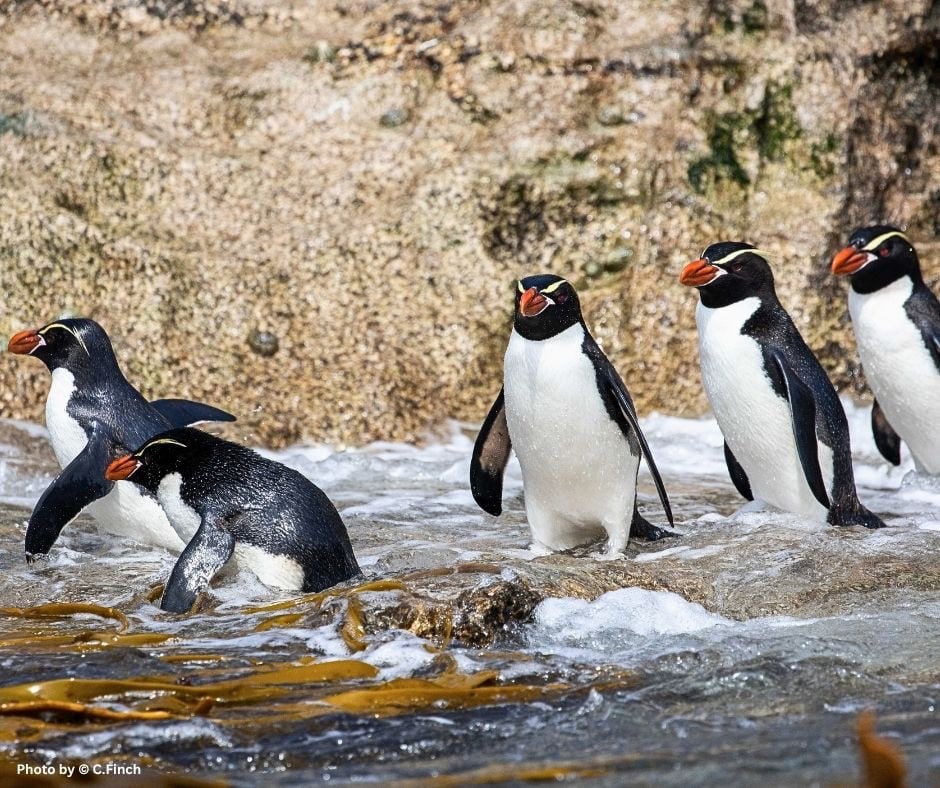
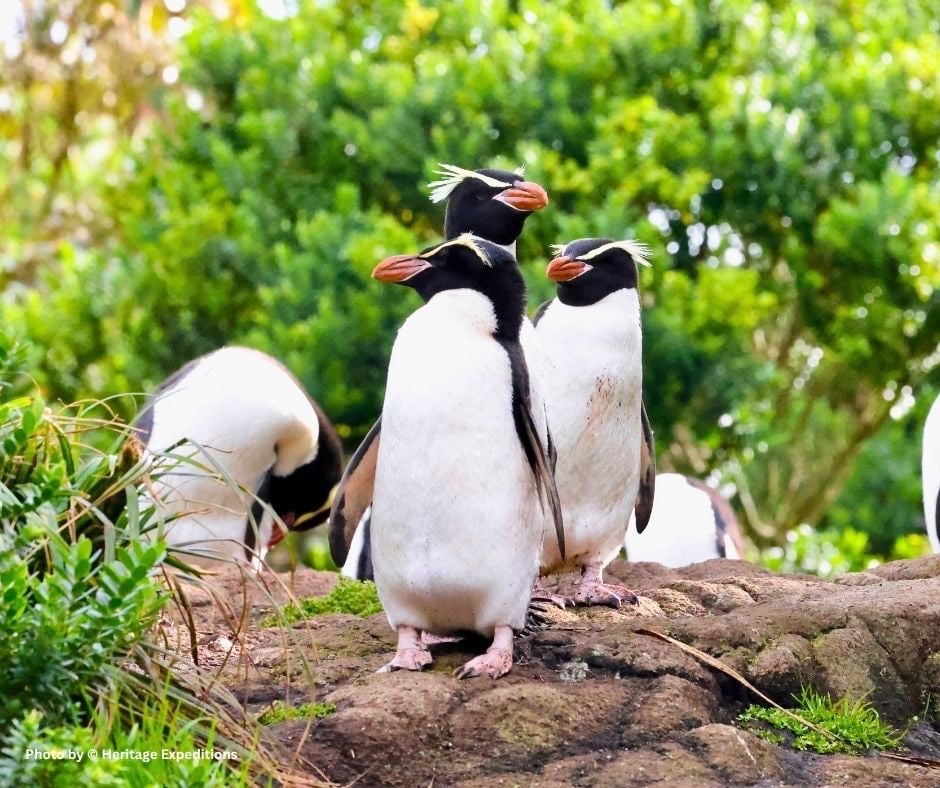
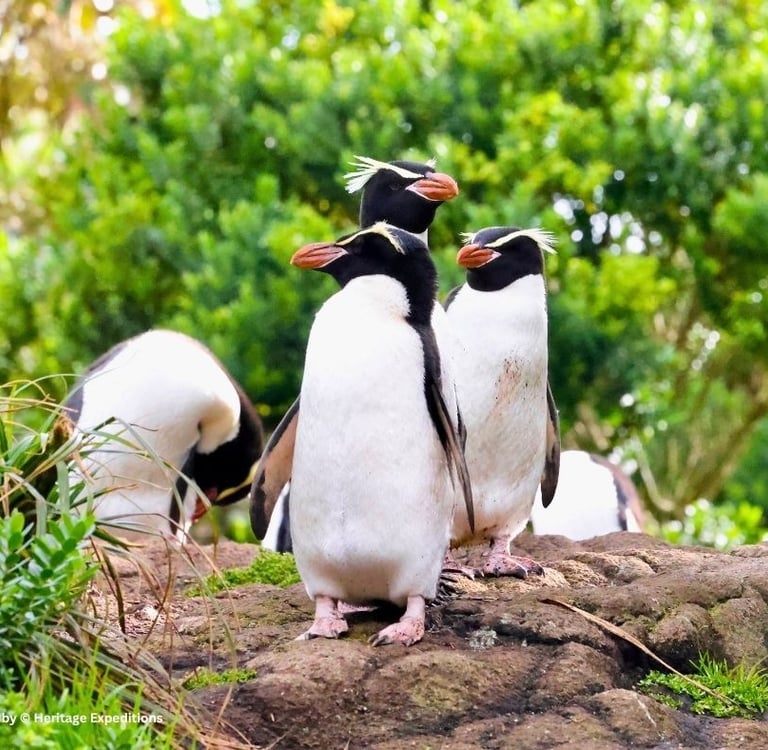
The Penguin Slide: The endemic Snares Crested Penguin is the star here. Watch from a Zodiac as they navigate the "Penguin Slide"—a smooth granite rock face they use to commute between the churning sea and their forest burrows.
The Tree Daisy Forests: Unlike the windswept tundra of islands further south, the Snares are covered in dense forests of Olearia lyallii (Tree Daisies). The soil here is so fragile and honeycombed with bird burrows that landing is strictly prohibited to prevent crushing the homes of millions of Sooty Shearwaters.
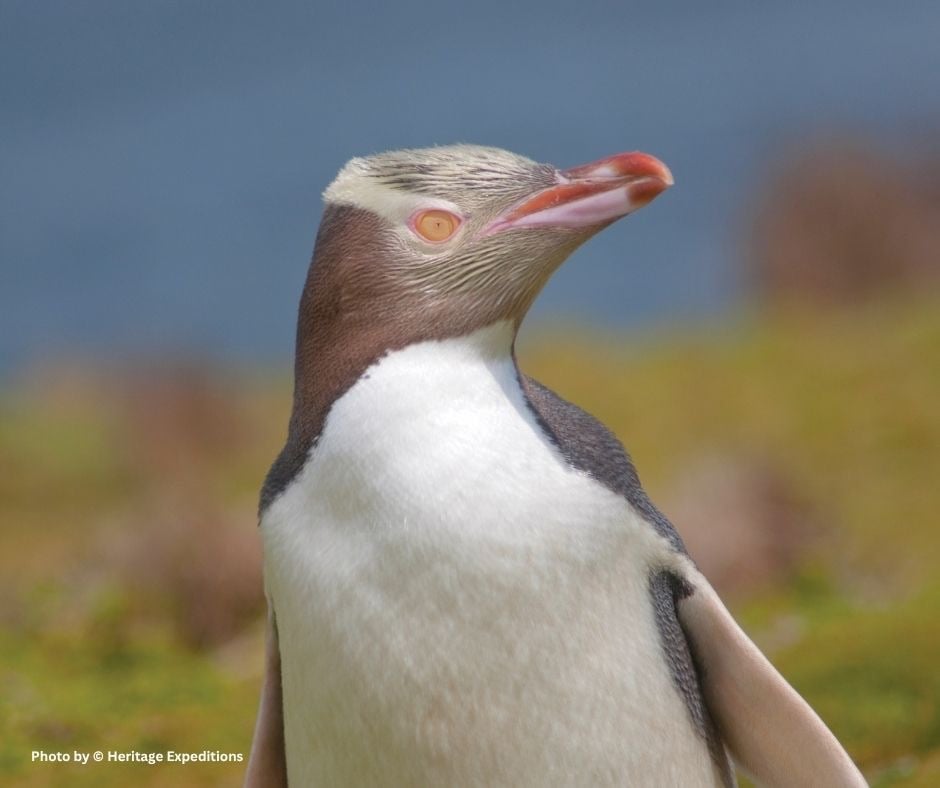
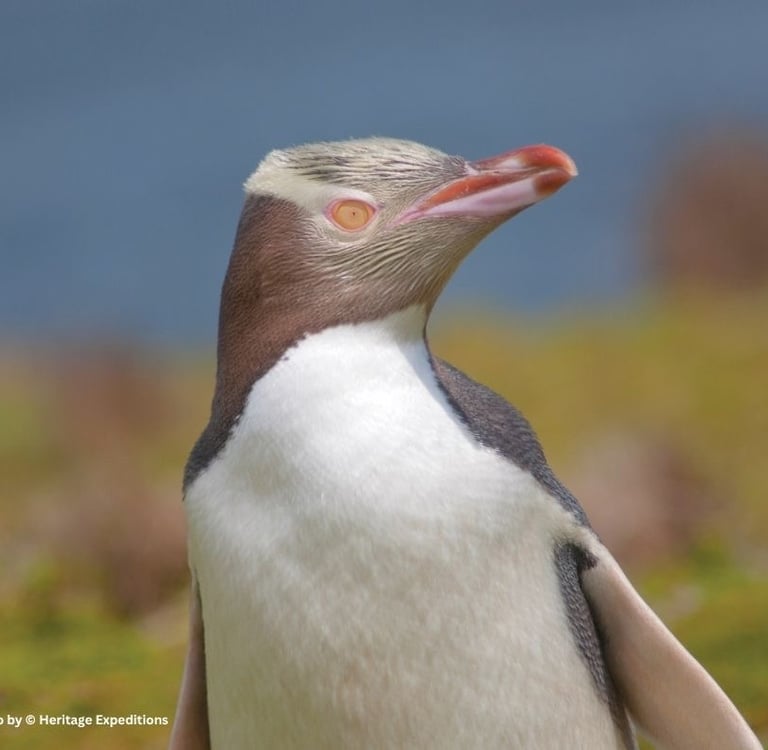
The Auckland Islands (Motu Maha): The Rugged Giants
This archipelago is the largest and most diverse of the groups, formed by the remnants of two massive extinct volcanoes. It is a land of dramatic contrast, from towering 600-meter cliffs to calm, deep-water fjords.
Enderby Island: This is often the highlight for expeditioners. A boardwalk winds through gnarled, crimson-flowered Rata forests to the nesting grounds of the Yellow-eyed Penguin (Hoiho). On the beaches of Sandy Bay, you’ll find the rare New Zealand Sea Lion basking in the sun.
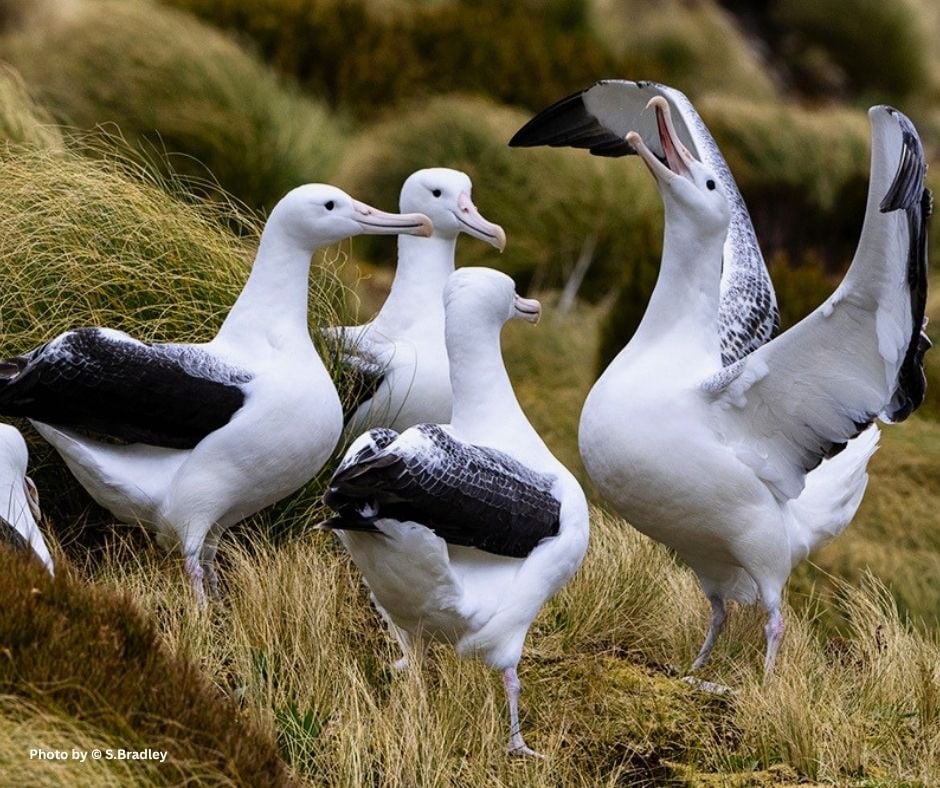
The Albatross Heavens: Adams Island, the southernmost in the group, is entirely pest-free and serves as the primary breeding site for the Gibson’s Wandering Albatross. Its rugged terrain remains one of the most untouched wilderness areas in the Southern Hemisphere.
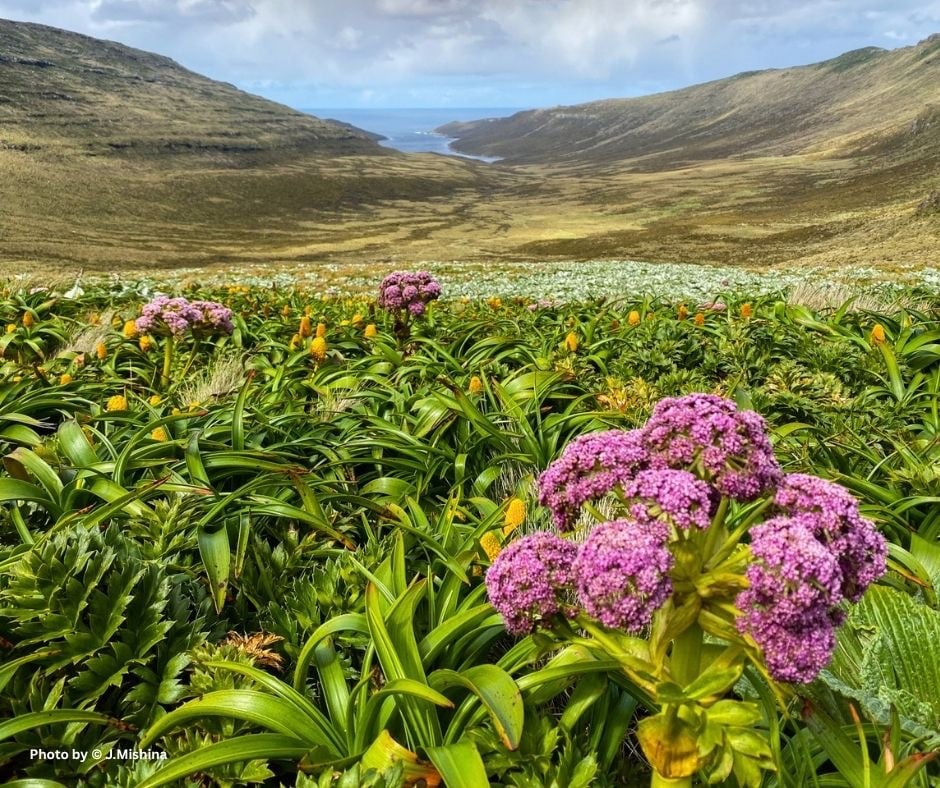
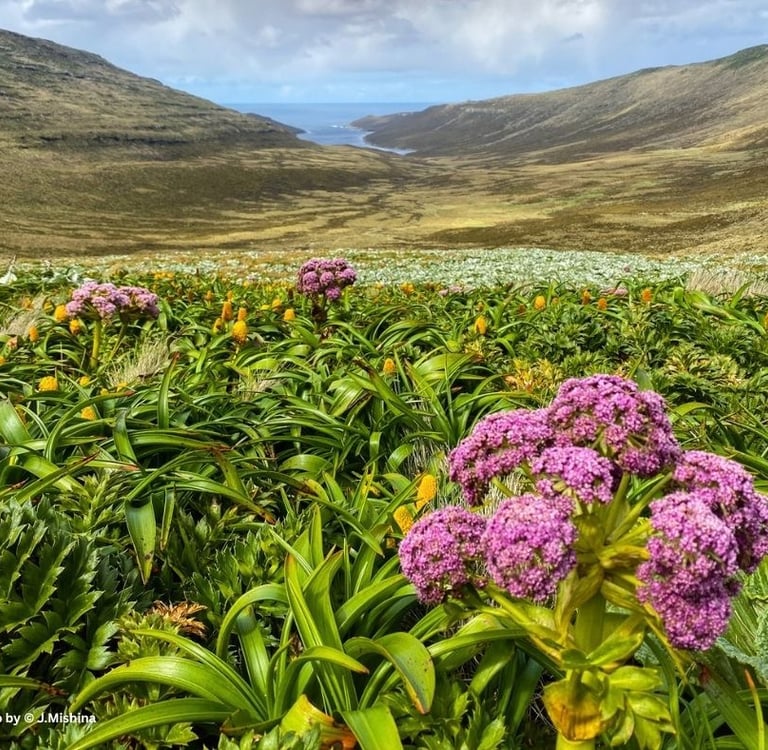
Campbell Island (Motu Ihupuku): The Land of Megaherbs
Further south lies Campbell Island, a place of haunting beauty and biological extremes. Once a sheep farm, it has undergone a miraculous recovery following a landmark rat eradication project completed in 2001.
The Floral Giants: The island is famous for its "megaherbs"—giant wildflowers like the Pleurophyllum that produce massive, colorful blooms to trap the rare warmth of the subantarctic sun.
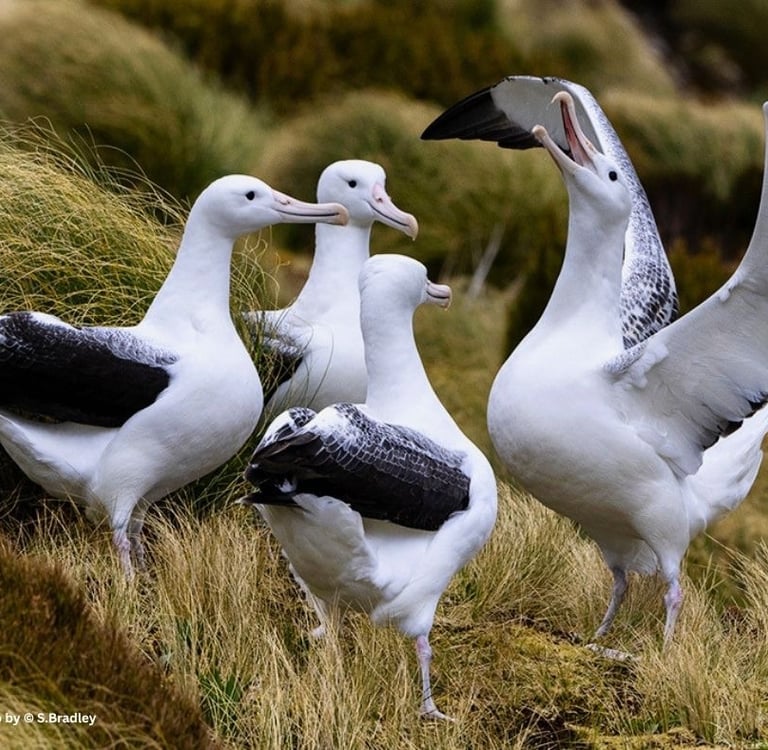
The Albatross Capital: This is the undisputed home of the Southern Royal Albatross. These birds, with wingspans exceeding three meters, nest among the hills, seemingly indifferent to the fierce winds that howl across the ridges.
The World’s Loneliest Tree: In Camp Cove stands a solitary Sitka Spruce. Over 200 kilometers from its nearest neighbor, it is widely described as the world’s loneliest tree.
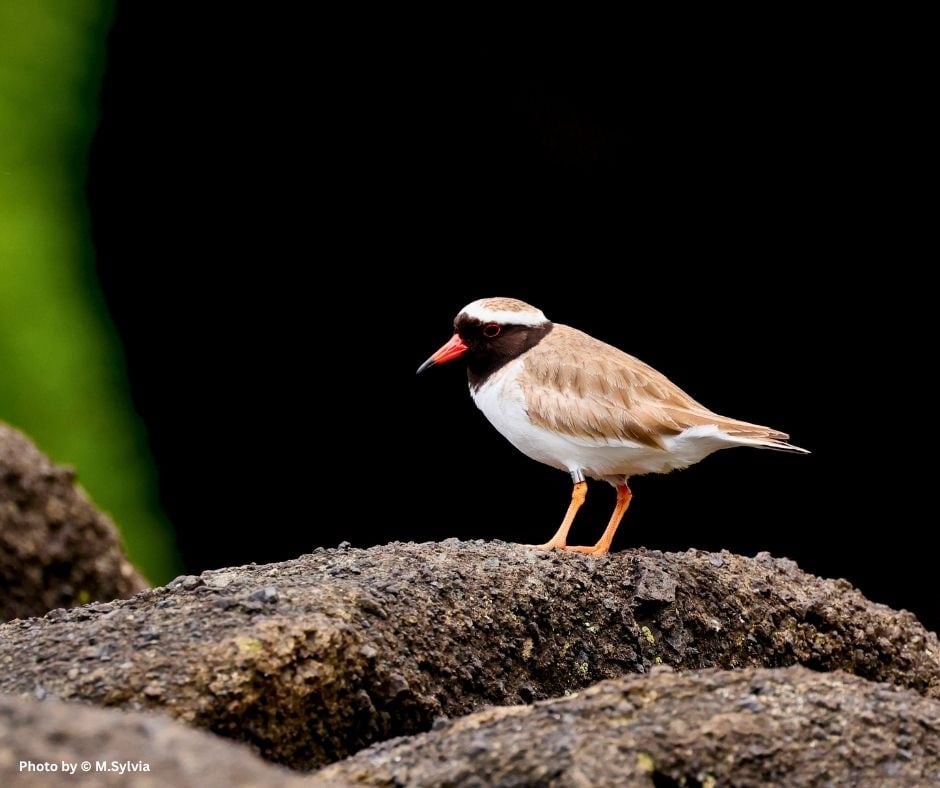
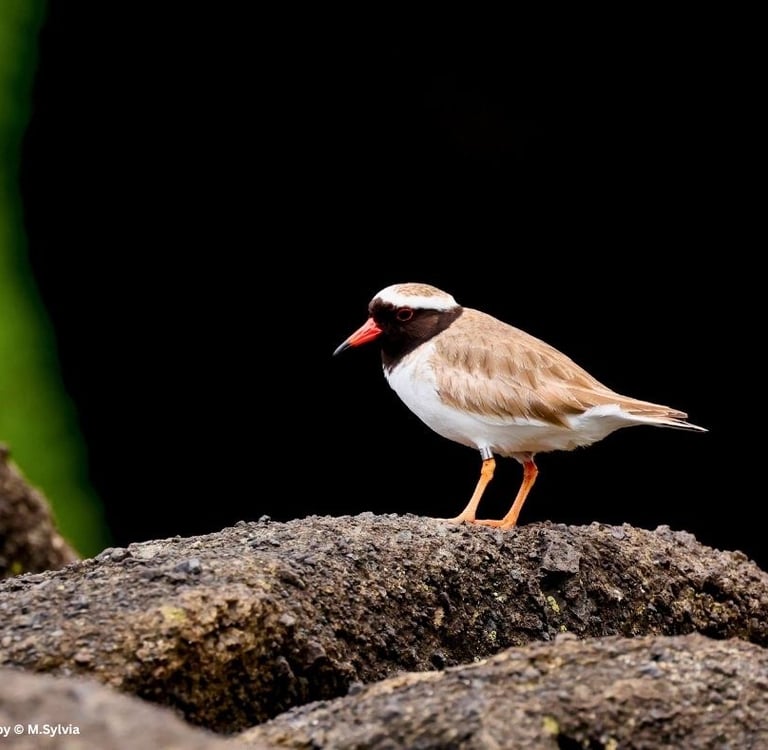
The Bounty and Antipodes: The Final Frontiers
These are the most remote and least-visited islands in the region.
The Bounty Islands: These are not so much islands as they are 22 barren granite rocks jutting out of the sea. There is no soil and no trees, yet every inch of rock is claimed by life. Thousands of Salvin’s Mollymawks and Erect-crested Penguins create a deafening wall of sound against the crashing waves.
The Antipodes: These volcanic islands are home to the Antipodes Island Parakeet. In a fascinating evolutionary twist, these parrots have been known to occasionally scavenge carcasses and prey on small seabirds to survive their harsh environment.
Macquarie Island: The Penguin Metropolis
Technically Australian territory, "Macca" (as it’s known to locals) is a vital stop on subantarctic itineraries. It is a geological marvel—one of the few places where mantle rocks are exposed above sea level.
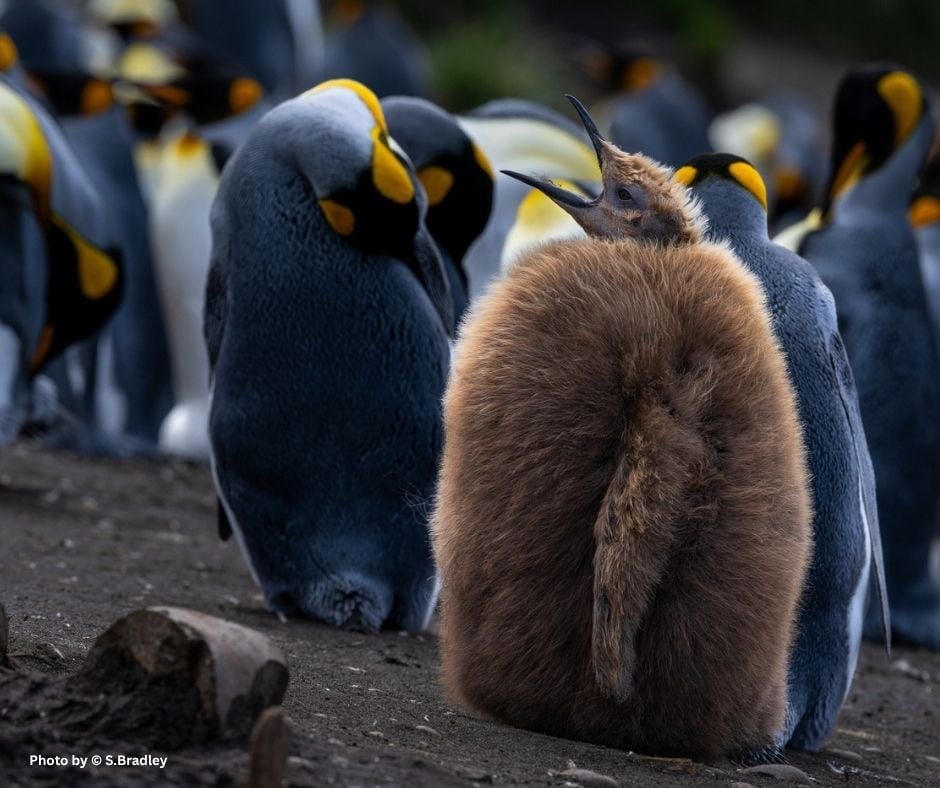
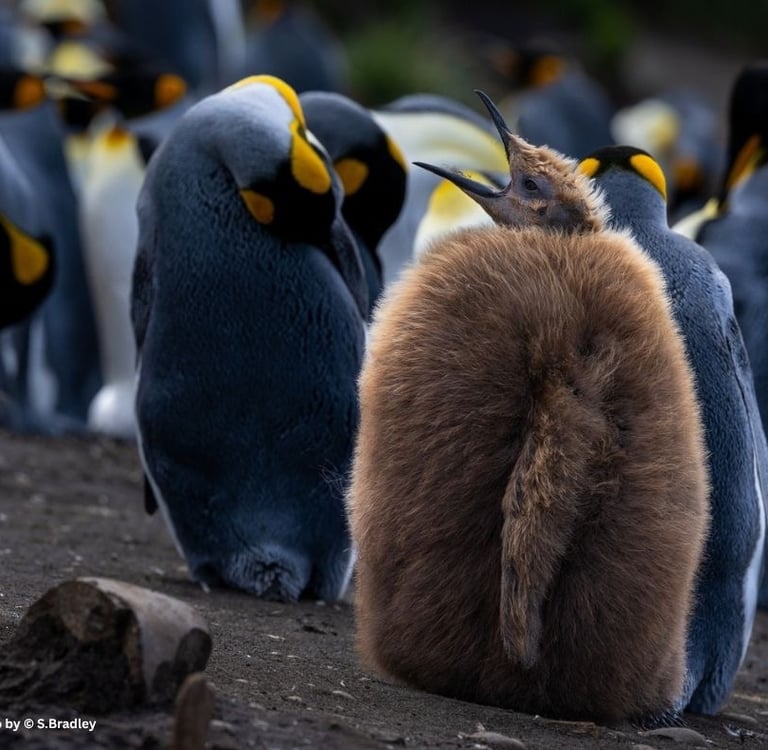
The Royal Penguin: Royal Penguins breed only on Macquarie Island. Alongside hundreds of thousands of King Penguins, they transform the beaches into a bustling metropolis of feathers and noise that stretches as far as the eye can see.
Frequently Asked Questions
Do I need a permit to visit the Subantarctic Islands? Yes, landings are strictly controlled by the Department of Conservation (DOC). Access is typically included as part of a registered expedition cruise permit.
What should I pack for a Subantarctic expedition? High-quality waterproof layers and sturdy boots are essential. The weather is famously unpredictable, often shifting from sun to gale-force winds in minutes.
Accessing these Remote Islands
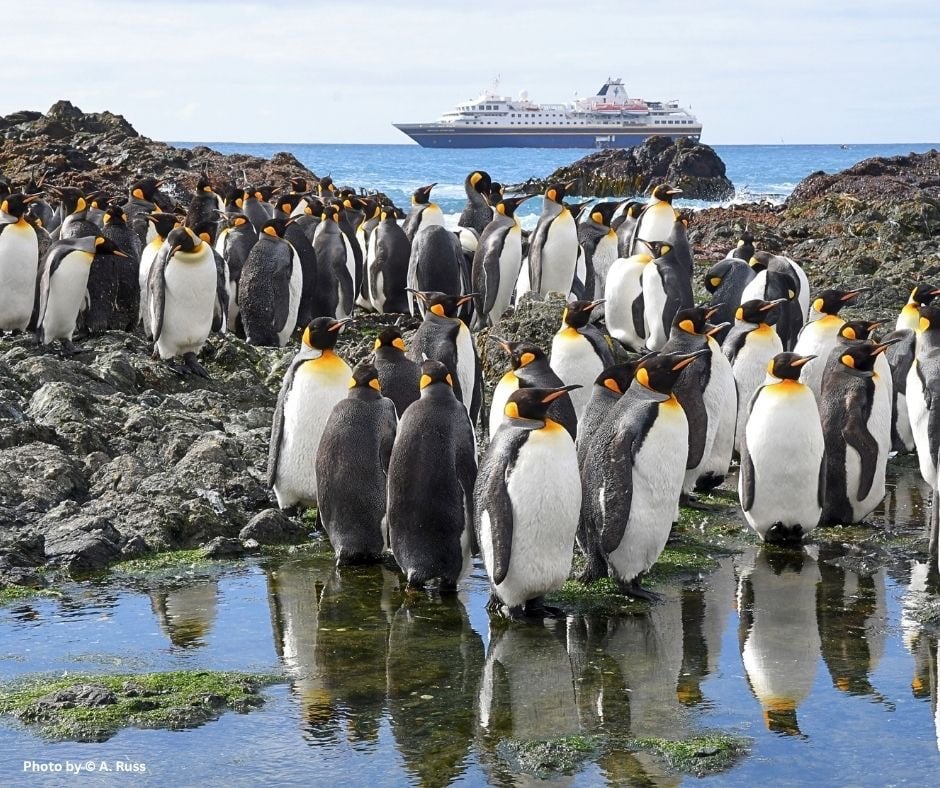
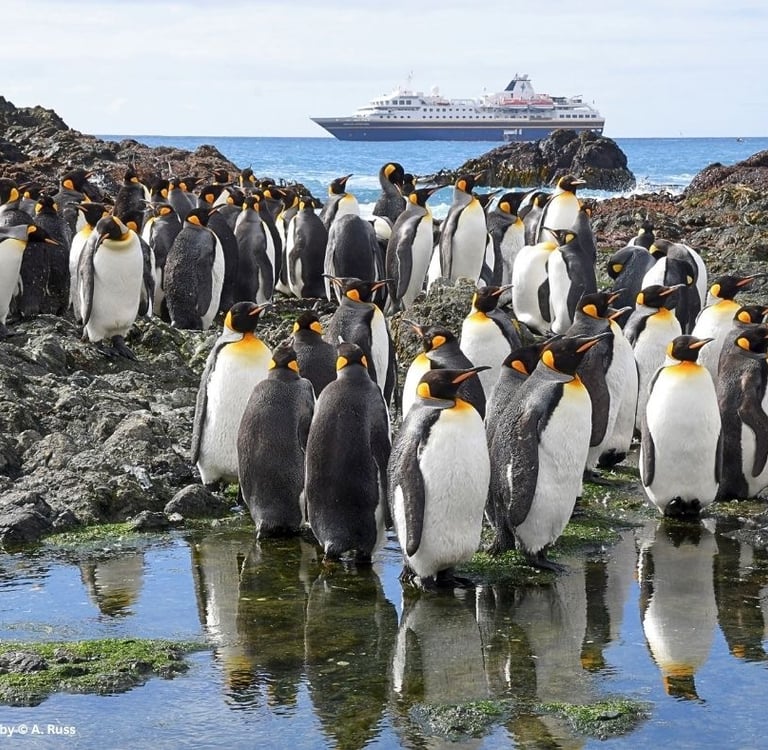
Because these islands are highly protected National Nature Reserves, you cannot visit them independently. Access is restricted to small-scale expedition companies like Heritage Expeditions that operate under strict environmental protocols. These voyages are led by expert naturalists and historians who help interpret this complex landscape.
A journey to the Subantarctic is not a "holiday" in the traditional sense; it is an expedition into the heart of the wild. It is a reminder of what the world looks like when we step back and let nature lead the way.
Ready to Explore the Southern Frontier?
The Subantarctic Islands are a world few ever witness—a place where the wind, the wildlife, and the raw beauty of the Southern Ocean remain unchanged by time. Because access is so exclusive and strictly regulated, planning a journey to this remote wilderness requires specialist expertise and a passion for true exploration.
At Glacial Expeditions, we specialize in connecting intrepid travelers with the world’s most significant polar and subantarctic journeys. Whether you want to witness the "megaherb" blooms of Campbell Island or stand amidst the penguin metropolises of Macquarie, we are here to handle the intricate logistics of your expedition.
Start your adventure today:
Visit us at: GlacialExpeditions.com
Inquire: Reach out via our contact form to discuss upcoming itineraries.
Let’s navigate the edge of the world together.
© 2024 Journey with Erika LLC | All Rights Reserved
Erika Commisso
Erika@GlacialExpeditions.com
920-404-1803
Chris Commisso
Chris@GlacialExpeditions.com
920-659-2960