Hidden Wonders of Antarctica: 10 Mysteries of the Last Great Wilderness
Discover the 10 hidden wonders of Antarctica, from subglacial lakes to active volcanoes. Plan your Antarctica expedition and explore the last great wilderness.
ANTARCTICA
Chris Commisso
2/24/20264 min read
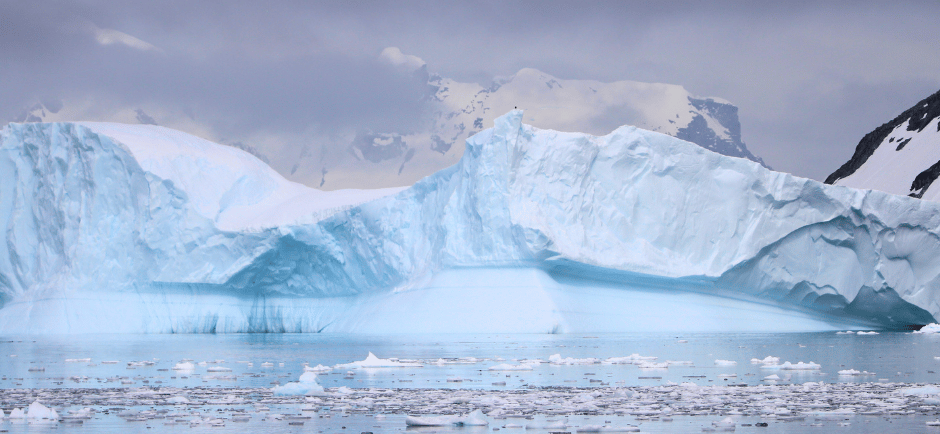
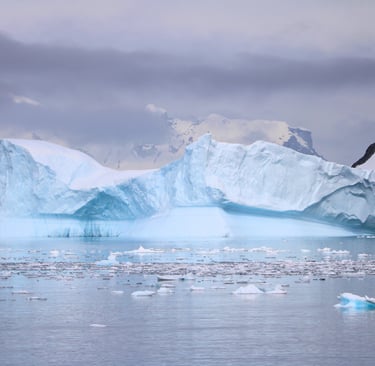
At the very end of the Earth lies Antarctica, a vast, shimmering wilderness where ice meets infinity and you are surrounded by silence. For those planning an Antarctica expedition, this isn't just a vacation—it's an odyssey to a continent of extremes. While 99% of the surface is covered in ice, this land teems with natural wonders and scientific marvels that few have ever witnessed in person.
What Lies Beneath the Ice? Antarctica’s Subglacial Lakes
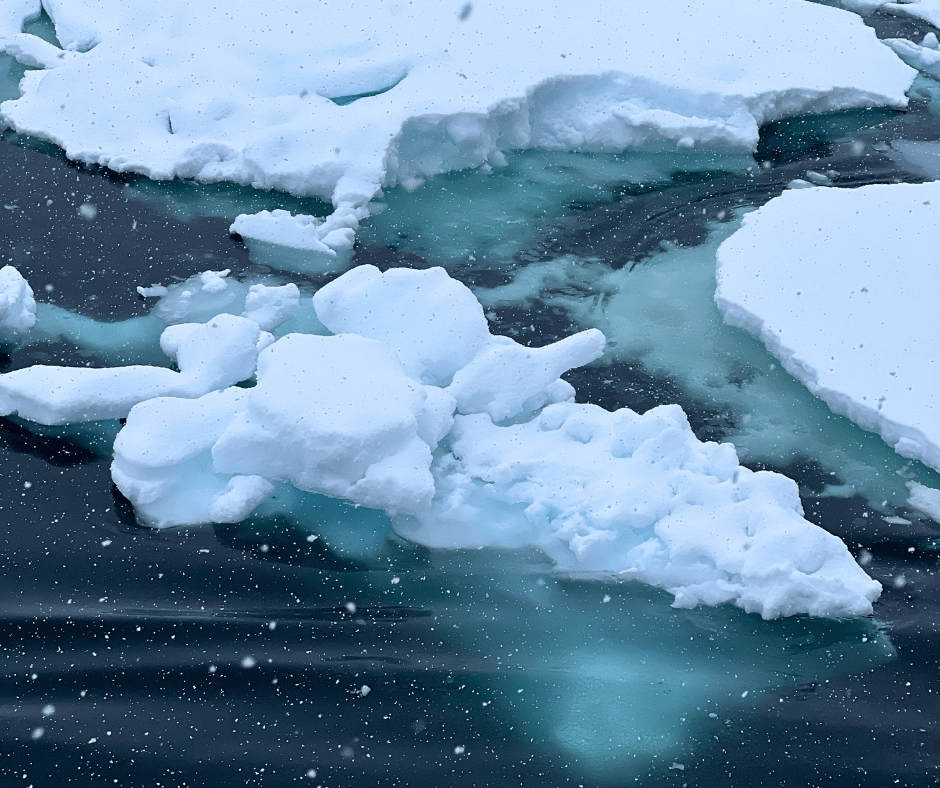
Imagine entire lakes sealed off for millions of years, untouched by sunlight. Beneath four kilometers of ice, Antarctica hides subglacial lakes like Lake Vostok. These pristine ecosystems are biological time capsules, offering clues to what life could look like on icy worlds like Europa or Enceladus. For travelers on a luxury polar cruise, understanding these "alien" worlds right here on Earth is part of the magic.
The Mystery of Blood Falls in East Antarctica
Few Antarctic landmarks are as eerie as Blood Falls. A crimson stream of iron-rich water seeps through the Taylor Glacier, staining the white ice a haunting red. While this is a protected Antarctic Specially Protected Area (ASPA) and rarely seen by the average tourist, it remains one of the most famous examples of the continent’s unique microbial secrets.
The McMurdo Dry Valleys: Earth’s Mars-Like Landscape
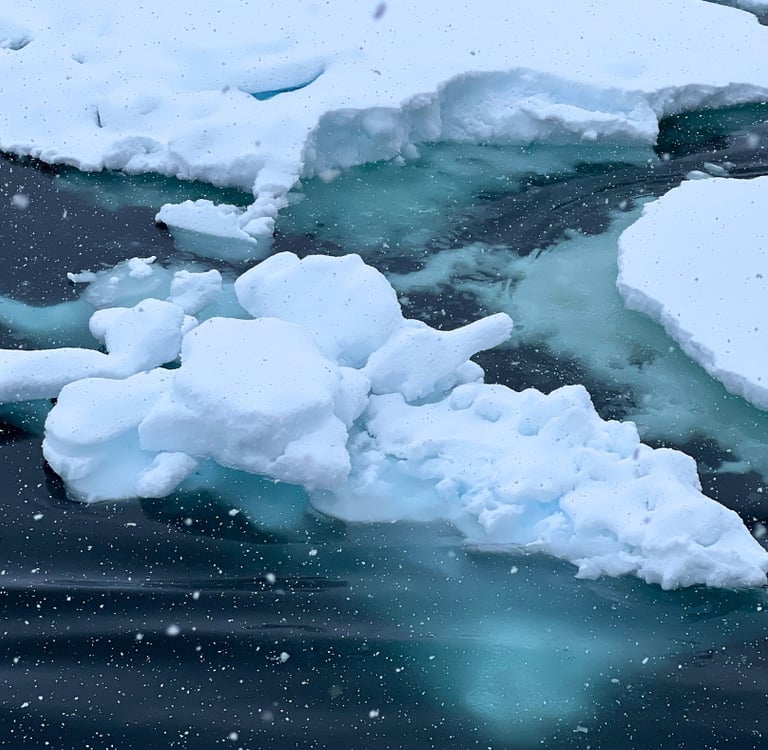
Step into the McMurdo Dry Valleys, and you’ll find one of the driest places on Earth. These valleys haven’t seen significant liquid precipitation in nearly two million years. The rocky, wind-sculpted terrain offers scientists a way to study potential life on Mars, making it a bucket-list topic for fans of Antarctic scientific research.
Antarctica’s Ancient Frozen Forests
Long before it was the "Frozen Continent," Antarctica was green. Fossils preserved beneath the ice reveal remnants of ancient Antarctic forests and fern species. Millions of years ago, this land teemed with lush life and flowing rivers—a powerful reminder of our planet's constant transformation.
Wildlife Encounters: Home of the Emperor Penguin
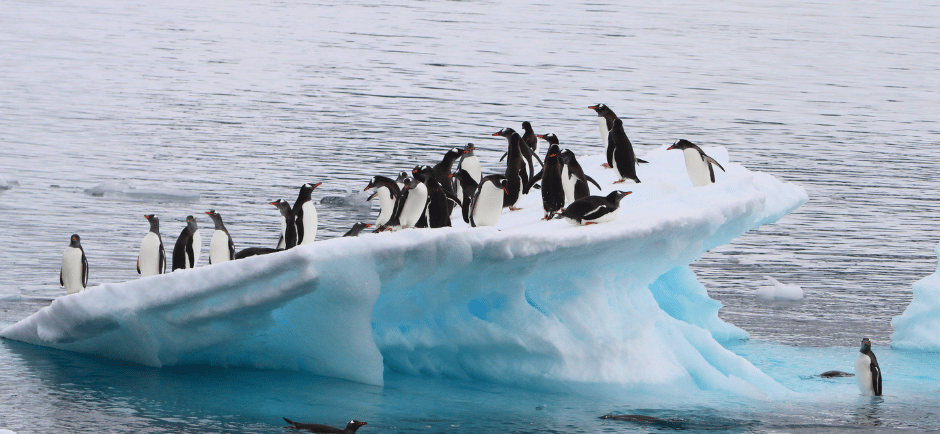
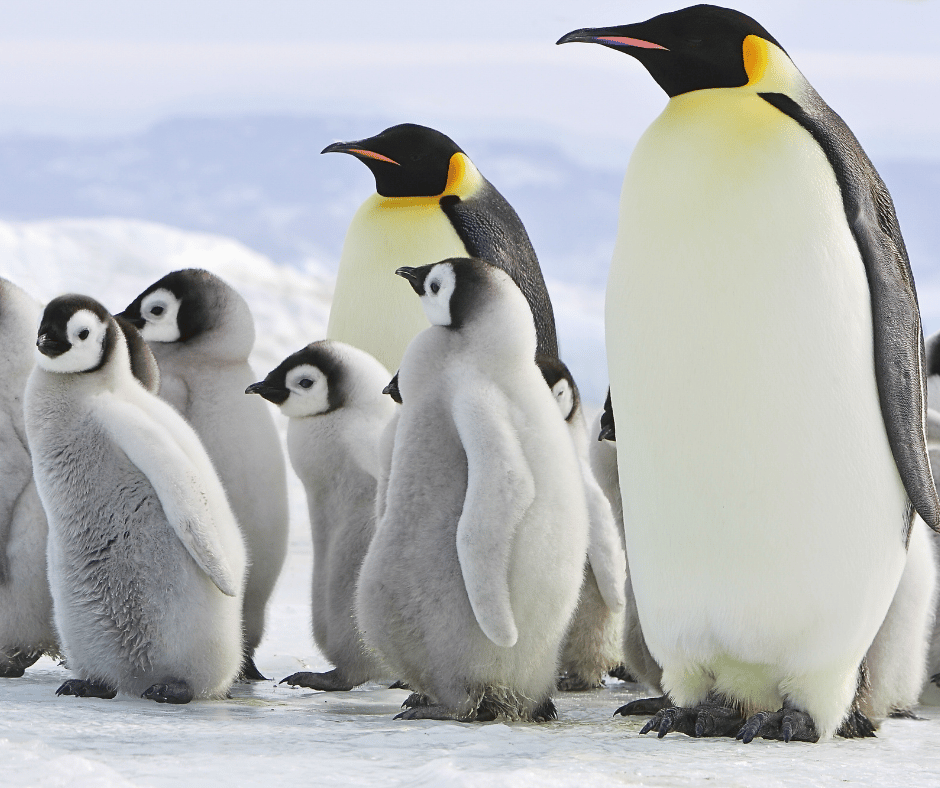
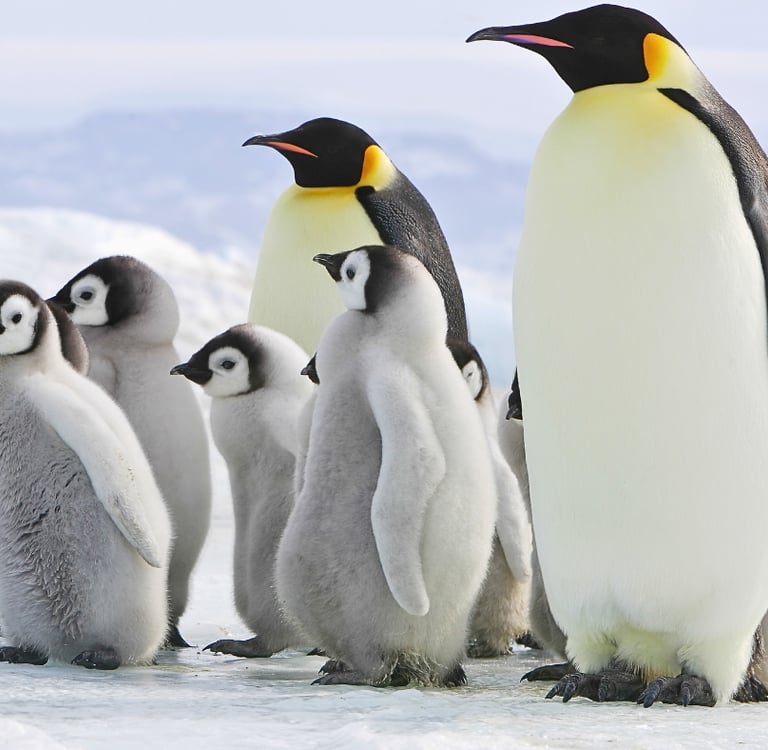
No Antarctica wildlife tour is complete without meeting its most iconic residents. Emperor penguins, the largest penguin species on Earth, are symbols of endurance. Seeing an Emperor penguin colony huddle through a blizzard is a humbling highlight for any traveler brave enough to visit the planet’s coldest environment.
A Reservoir of Fresh Water and Climate History
The Antarctic ice sheet holds roughly 70% of Earth’s fresh water. It is also a living record of our past. By extracting ice cores that stretch back nearly a million years, scientists track how Earth’s climate has changed. These "time capsules" of ancient air bubbles help us understand the future of our global oceans. It is always interesting to read about the findings.
A Continent Without Citizens: Global Collaboration
Antarctica is the only continent with no permanent residents. Instead, it is a hub for international research stations focusing on glaciology and geology. This makes travel to Antarctica a journey into a unique global collaboration zone governed by peace and science.
The Gamburtsev Mountains: Peaks Hidden Under Ice
Did you know an entire mountain range exists beneath the surface? The Gamburtsev Mountains rival the Alps in scale but are completely buried under kilometers of ice. While invisible to the naked eye, they add a layer of mystery to the Antarctic landscape.
Fire and Ice: Active Volcanoes in Antarctica
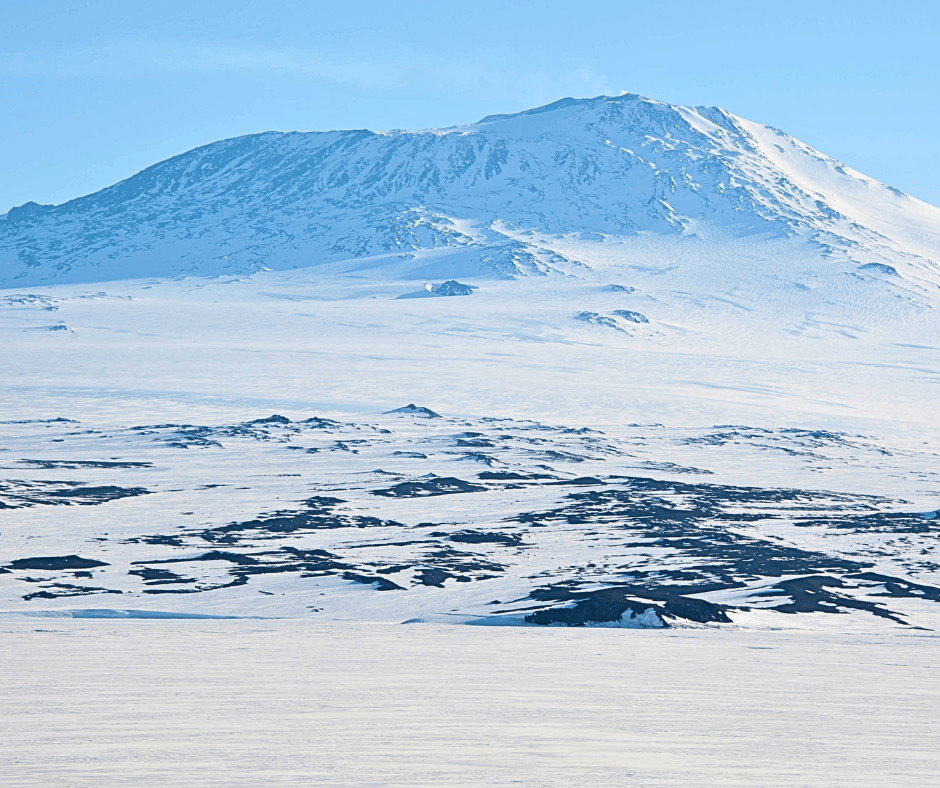
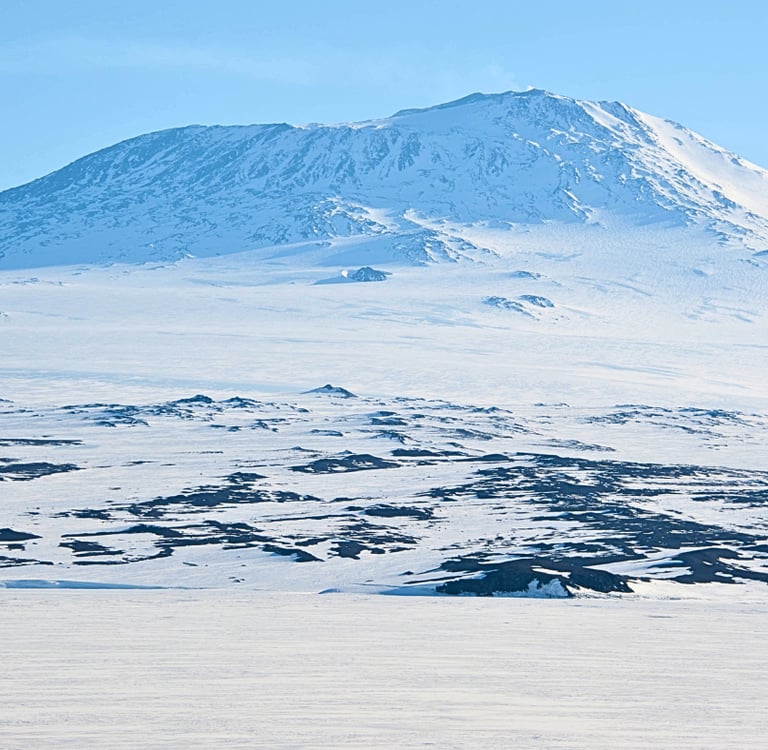
Antarctica is also a land of fire. Mount Erebus is one of the most active volcanoes on the planet, continuously emitting molten lava amidst the sub-zero temperatures. It is a striking symbol of Earth’s primal energy persisting alongside the silence of the ice.
Giant Icebergs and Calving Events
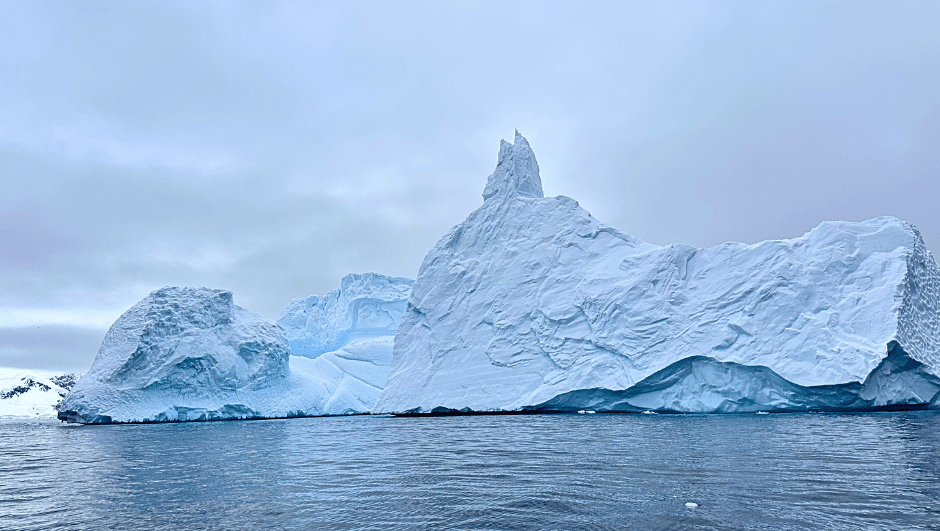
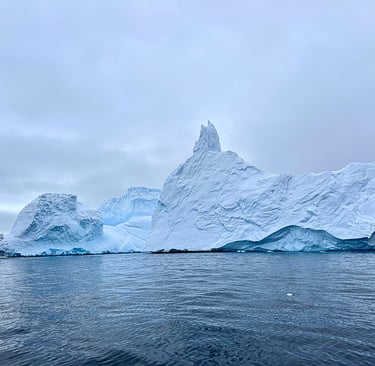
In 2000, the largest recorded iceberg—larger than the country of Luxembourg—detached from the ice shelf. These iceberg calving events are dramatic reminders of the raw, shifting nature of the South Pole regions and the immense forces of the Southern Ocean.

Plan Your Antarctica Expedition
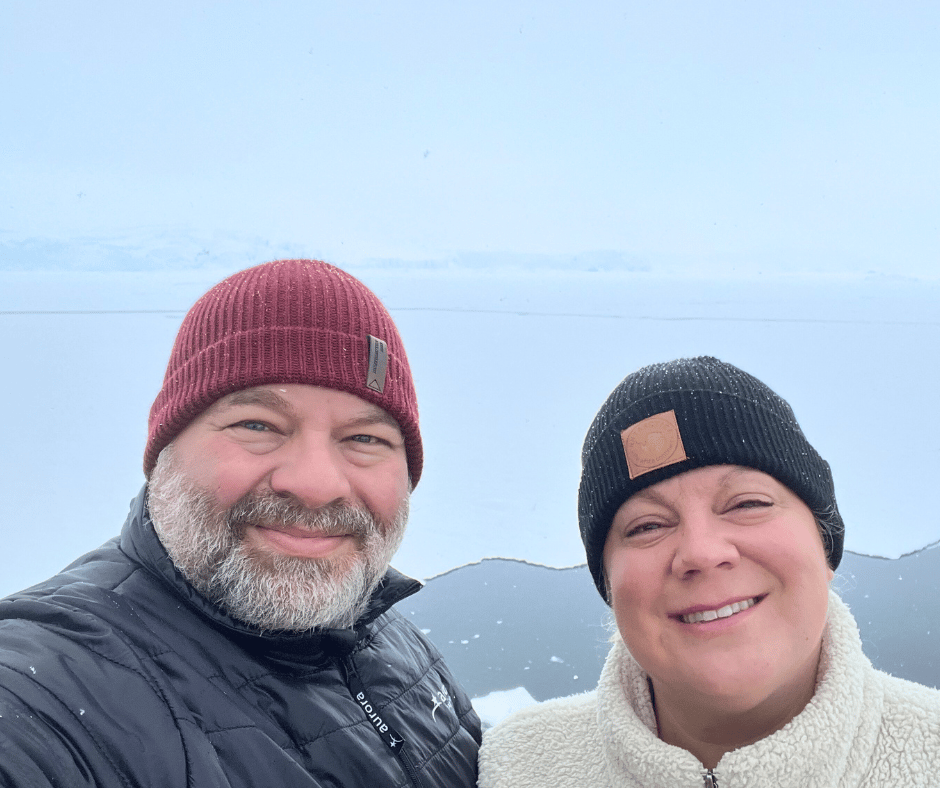
Traveling to the "Frozen Heart" of the world is an emotional and intellectual awakening. Whether you are interested in Antarctica expedition cruises, photography, or climate science, this last great wilderness will change your perspective forever.
Best time to visit Antarctica: Most expeditions run between November and March to take advantage of the Antarctic summer and peak wildlife activity. Read our blog on what to expect each month!
© 2024 Journey with Erika LLC | All Rights Reserved
Erika Commisso
Erika@GlacialExpeditions.com
920-404-1803
Chris Commisso
Chris@GlacialExpeditions.com
920-659-2960