Citizen Science on Ice: How Your 2026 Antarctica Trip Can Support Global Research
Discover how your 2026 Antarctica trip supports global research. Join me on the ice for hands-on citizen science: from HappyWhale tracking to FjordPhyto sampling and NASA cloud observations. Turn your expedition into a mission with real-world impact.
ANTARCTICA
Chris Commisso
3/30/20264 min read
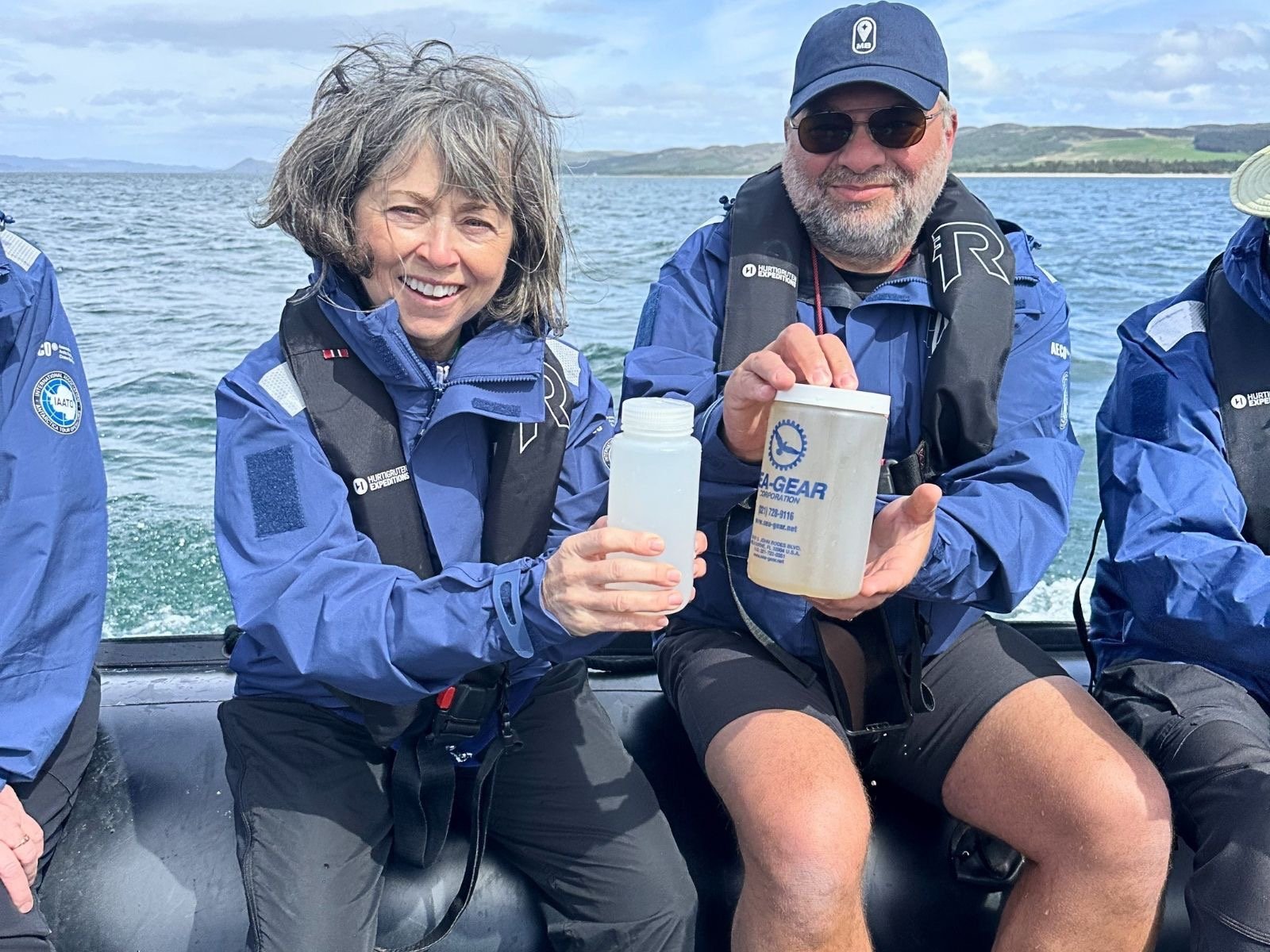
Antarctica is the world’s largest laboratory, but it’s missing one thing: enough scientists. As we head into the 2026-2027 season, "Impact Travel" has shifted from a niche interest to a primary driver for polar exploration. When you step off the Zodiac and onto the ice in 2026, you aren't just a tourist; you are a data point for global science. Travelers are no longer content being spectators; they want to be contributors. Through Citizen Science, your 2026 Antarctica expedition allows you to act as a field researcher, collecting data that helps global institutions understand our changing planet. Here is a detailed breakdown of the primary citizen science programs currently shaping our understanding of the White Continent.
Marine Megafauna & Whale Health
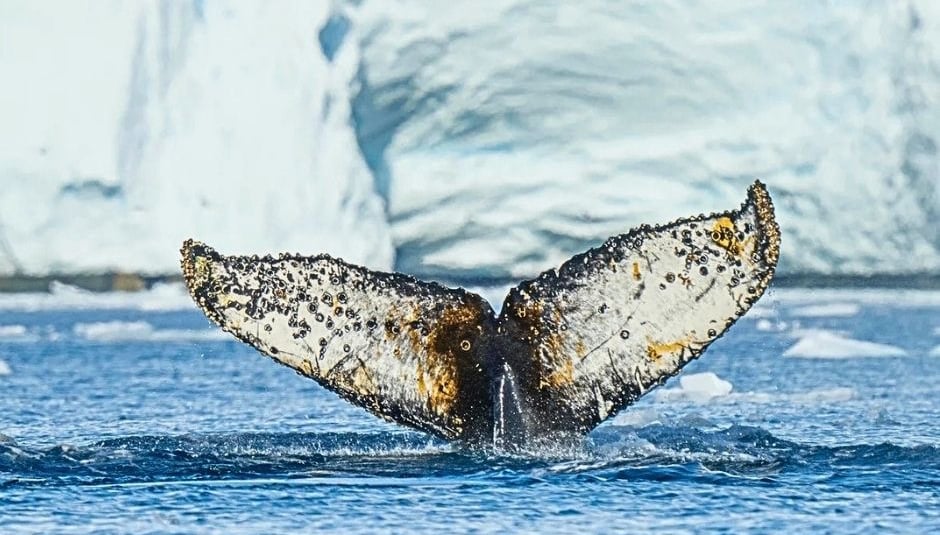
HappyWhale / Whale Photo ID: This is perhaps the most iconic project. You’ll use your camera to capture high-res photos of whale flukes. Each fluke is as unique as a human fingerprint, allowing for global tracking.
My Experience: I’ve spent hours on deck waiting for that perfect tail flick. When you upload to HappyWhale, you aren't just taking a photo; you’re helping researchers track individual health and population recovery. I once received an update that a whale I photographed had traveled thousands of miles to its breeding grounds—it creates an incredible bond with the animal. Some expeditions will raffle off a chance for guests to name any unnamed identified whales!
Whale Health Sampling: Select 2026 voyages now host visiting scientists who use specialized equipment (and sometimes drones) to collect biological samples, such as "blow" or skin biopsies, providing a "medical checkup" for these deep-sea giants. The scientists will share with the passengers what they are trying to achieve.
Ocean Health & The Food Web
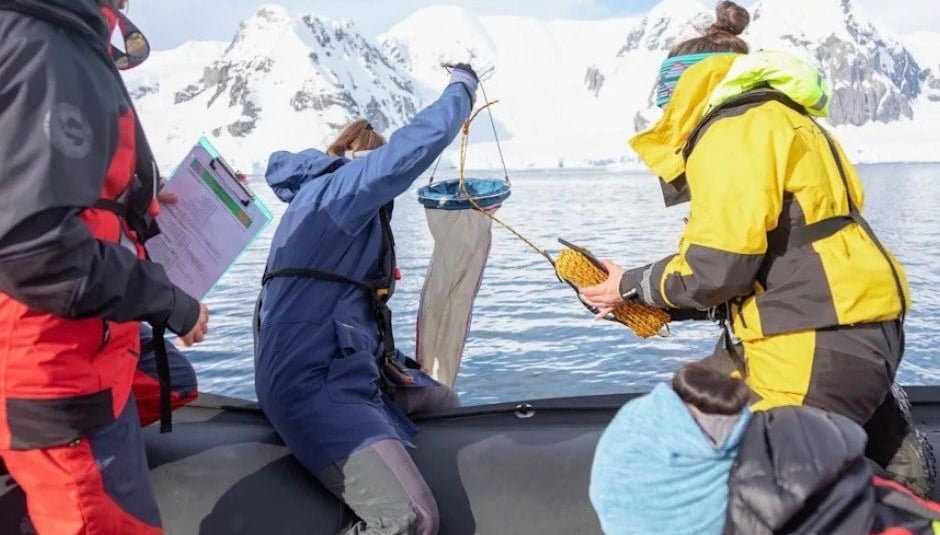
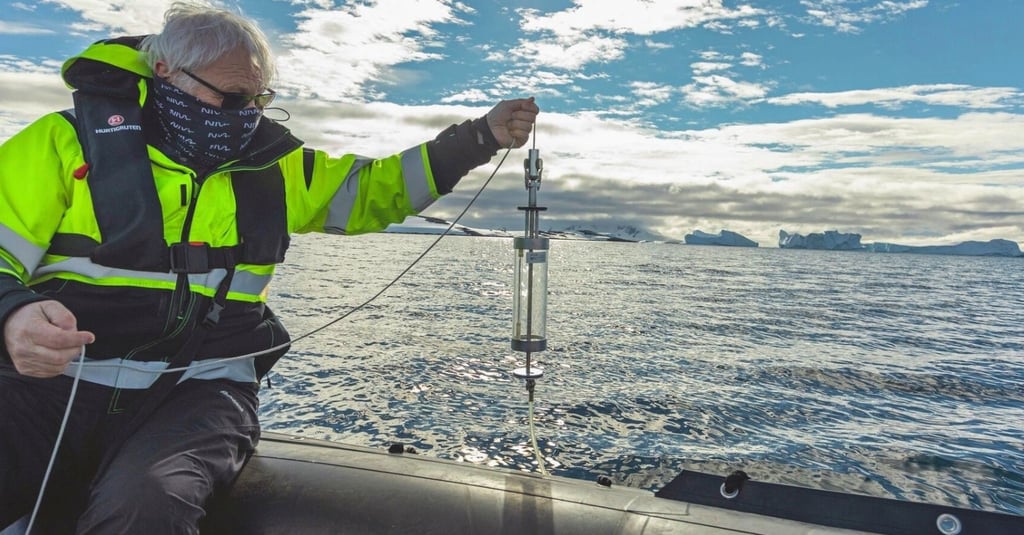
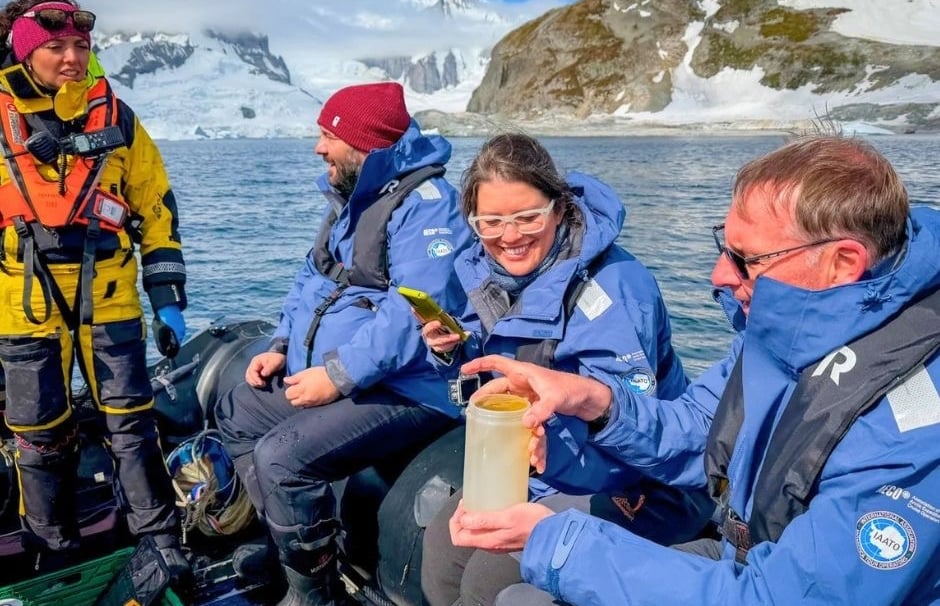
FjordPhyto / Phytoplankton Sampling: Travelers collect water samples in polar fjords to study phytoplankton diversity and seasonal change. These microscopic organisms are the literal engine of the Antarctic ecosystem.
Secchi Disk Water-Clarity Studies: Guests lower a white Secchi disk into the water to measure visibility. This data contributes to our understanding of how melting glacial freshwater affects ocean conditions.
My Experience: Lowering the Secchi Disk into the crystal-clear Antarctic waters until it disappears provides a tangible, low-tech data point on the health of the marine food web. It is a moment of quiet contribution amidst the grand scale of the continent.
Microplastics Surveys: A growing priority for 2026, some voyages collect and sieve shoreline samples to support microplastics research, mapping the reach of human impact in this remote wilderness.
Atmospheric & Environmental Observations
NASA GLOBE Cloud / Cloud Observations: Guests record cloud cover and conditions for climate and satellite-related research. NASA satellites look down at the ice, but they need you to look up to "ground-truth" what they see.
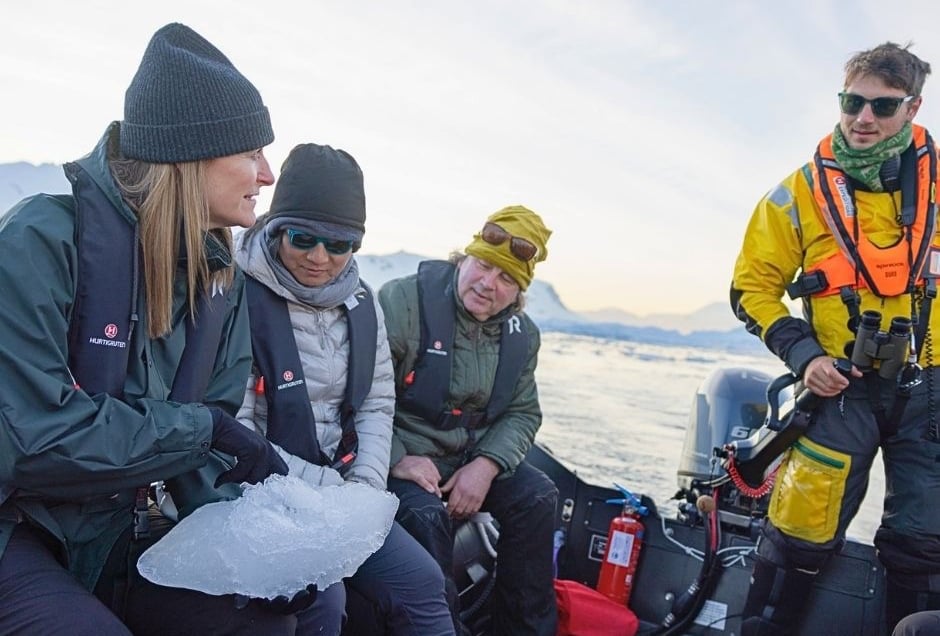
Sea Ice / Thermal / Environmental Observations: Some programs include sea-ice mapping, temperature readings, and thermal-imaging pilots. This helps scientists study the literal "foundation" of the Antarctic ecosystem.
Snow Algae Studies: Observations and photos of "watermelon snow" (red or green algae) help scientists study melt rates. Because dark algae absorb more heat, these blooms can actually accelerate ice melt.
Avian & Penguin Monitoring
eBird / Seabird Surveys: Passengers log bird species and counts to help map distribution and population change. This is a primary activity during the Drake Passage crossing.
My Experience: Joining an ornithologist on the bridge to spot a Wandering Albatross is a masterclass in observation. It completely changes how you view the "empty" ocean when you realize how much life is out there.
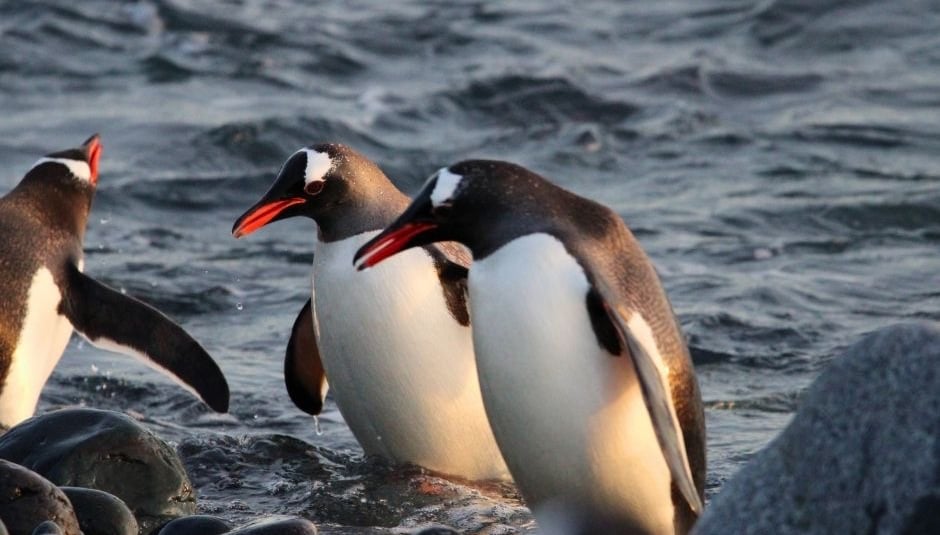
Penguin Colony Counts: Some expedition teams work with researchers on penguin monitoring. You may be assigned a sector of a colony to count occupied nests or chicks to track breeding success.
Mapping Terrestrial Life
iNaturalist / Biodiversity Mapping: Guests use the iNaturalist app to photograph plants, mosses, lichens, and invertebrates during shore landings.
My Experience: I always tell my guests to look down as much as they look up. While everyone is filming the penguins, you might be the one to document a rare patch of Antarctic Hair Grass or a unique lichen. When your photo is verified by experts, it becomes "Research Grade" data used by scientists worldwide. iNaturalist is addicting and has become a part of every trip and hike I do.
Seaweed & Shoreline Biology: Some trips include plant and invertebrate baseline studies, helping document the species that cling to the rocky Antarctic coastline.
FAQ: What You Need to Know for 2026
· Do I need to be a scientist to join?
o Absolutely not. These programs are designed for curious travelers. The expedition team provides all the training. In fact, some of the best data we’ve ever collected—like specific bird counts—came from guests who simply had a sharp eye and a passion for the project.
· Which ships have the best science programs?
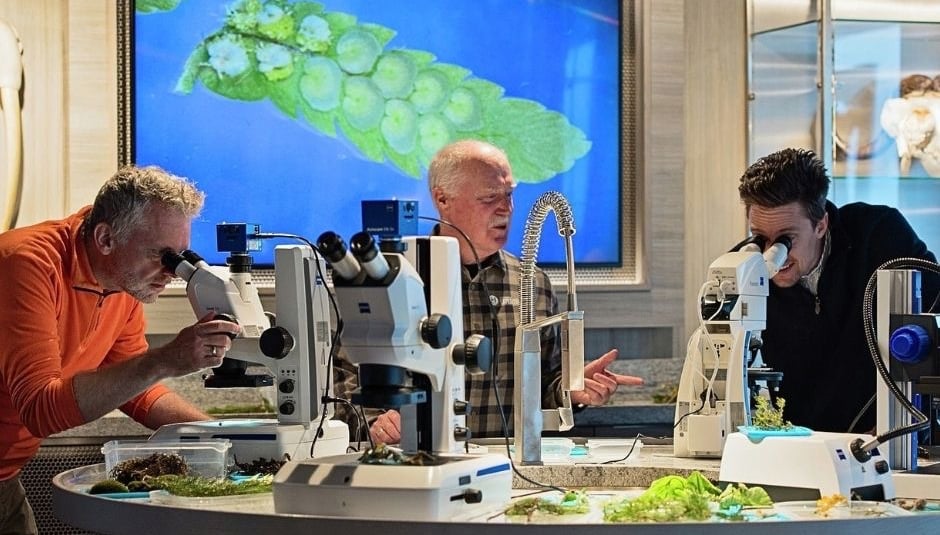
o For the 2026-2027 season, look for "Expedition" class vessels that feature a dedicated Science Center and a full-time Citizen Science Coordinator. These ships are built specifically to handle sampling equipment and provide lab space for guests.
· Can I see my results after the trip?
o Yes! Programs like HappyWhale will email you when "your" whale is spotted again. Most ships also provide a "Voyage Report" that summarizes the total data collected during your specific trip.
Planning Your 2026 Impact Journey
When choosing your 2026 Antarctica cruise, look for ships that prioritize a dedicated Science Center and a full-time Citizen Science Coordinator.
If you’re ready to turn your vacation into a mission, let's chat about which vessels offer the most robust research opportunities for the upcoming season.
© 2024 Journey with Erika LLC | All Rights Reserved
Erika Commisso
Erika@GlacialExpeditions.com
920-404-1803
Chris Commisso
Chris@GlacialExpeditions.com
920-659-2960